 English
 Deutsch
 Italia
June 5, 2026
Serengeti Wildebeest Migration Safari Complete Guide
Introduction
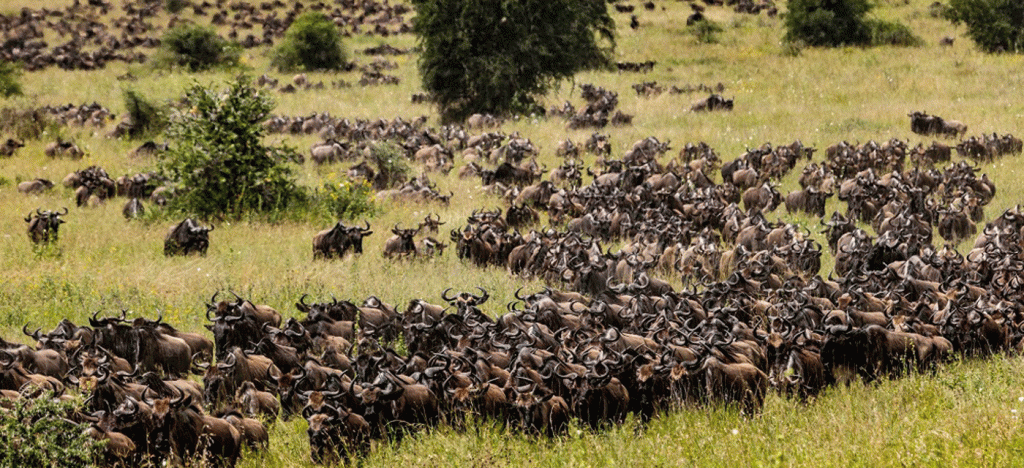
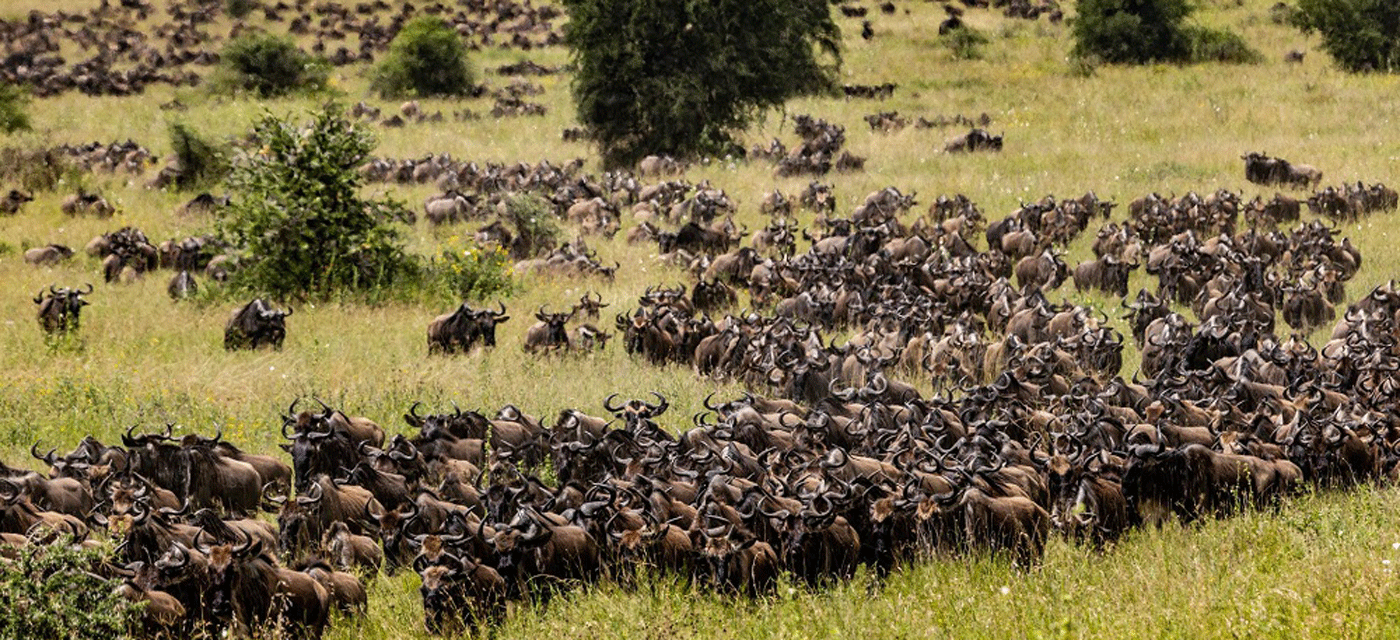
Serengeti Wildebeest Migration Safari Complete Guide explains the annual wildebeest migration in Tanzania, including the best time to visit, where to see the herds, river crossings, calving season, safari costs, and essential travel tips. . The wildebeest migration safari is one of the most spectacular wildlife experiences on Earth. It takes place mainly in the Serengeti ecosystem in Tanzania and extends into Kenya’s Maasai Mara. Each year more than 1.5 million wildebeest along with hundreds of thousands of zebras and gazelles move in a continuous cycle across vast grasslands in search of fresh grazing and water.
This natural event is often called “The Great Migration” and is driven by rainfall patterns rather than a fixed schedule. Because of this no two safari experiences are exactly the same. Visitors may witness dramatic river crossings, predator-prey interactions and endless herds stretching across the horizon.
A wildebeest migration safari is not just about seeing animals; it is about witnessing raw survival, movement and the rhythm of nature. Lions, crocodiles, cheetahs and hyenas follow the herds making the journey even more intense and unpredictable. Travelers from around the world visit Tanzania and Kenya specifically to witness this event. It is considered a bucket-list safari experience and often described as one of the “Seven Natural Wonders of Africa.”
Understanding how the migration works helps travelers choose the right time, location and safari package. It also ensures higher chances of witnessing key moments such as river crossings or calving season.
Table of contents
- Introduction
- What is the Wildebeest Migration?
- Best Time to See the Wildebeest Migration
- Where to See the Wildebeest Migration
- Types of Wildebeest Migration Safaris
- Planning Tips for a Wildebeest Migration Safari
- Cost of a Wildebeest Migration Safari
- What to Pack for a Wildebeest Migration Safari
- Wildlife You Can See During the Migration Safari
- Mara River Crossing Experience
- Calving Season in the Serengeti
- Photography Tips for Migration Safaris
- How to Book a Wildebeest Migration Safari
- Sample Wildebeest Migration Safari Itinerary
- Safety and Travel Tips for Migration Safaris
- Cost Breakdown by Traveler Region (USA, UK, Europe)
- Best Safari Companies for Wildebeest Migration Tours
- Why the Wildebeest Migration is a Natural Wonder
- Challenges of the Wildebeest Migration Safari
- Conservation and Protection of the Migration
- Frequently Asked Questions (FAQs) About Wildebeest Migration Safari
- 1. What is a wildebeest migration safari?
- 2. Where does the wildebeest migration take place?
- 3. What is the best time to see the wildebeest migration?
- 4. Can I see the wildebeest migration all year round?
- 5. When does the Mara River crossing happen?
- 6. Is the Mara River crossing guaranteed on a safari?
- 7. Where is the best place to see the wildebeest calving season?
- 8. How long should I spend on a wildebeest migration safari?
- 9. What animals can I see during a wildebeest migration safari?
- 10. How much does a wildebeest migration safari cost?
- 11. What type of accommodation is available during a migration safari?
- 12. Is a wildebeest migration safari suitable for families?
- 13. What should I pack for a wildebeest migration safari?
- 14. Is a wildebeest migration safari safe?
- 15. Do I need a private safari guide for the migration?
- 16. What is the difference between a Serengeti migration safari and Maasai Mara migration safari?
- 17. Can I combine a wildebeest migration safari with Zanzibar beach holiday?
- 18. Are hot air balloon safaris available during the migration?
- 19. How far in advance should I book a wildebeest migration safari?
- 20. Why is the wildebeest migration considered one of the world’s greatest wildlife experiences?
- Conclusion
What is the Wildebeest Migration?
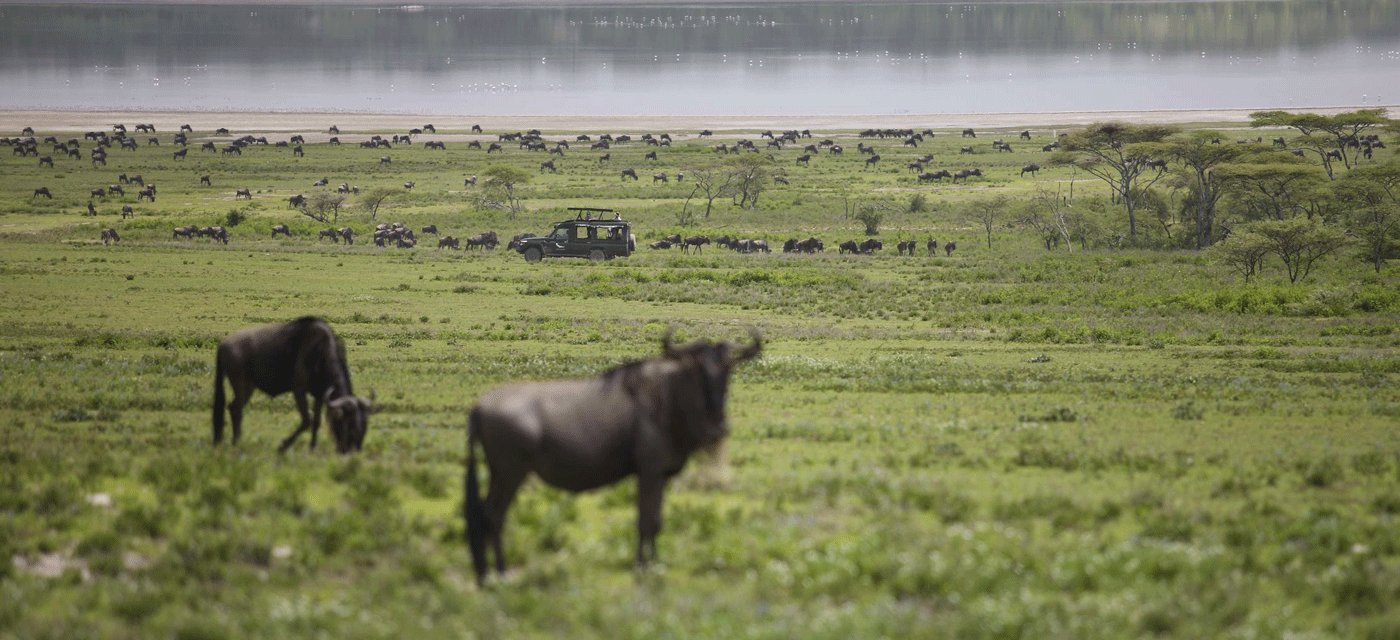
The wildebeest migration is a continuous circular movement of wildlife across the Serengeti-Mara ecosystem. It is primarily led by wildebeest but it also includes zebras and Thomson’s gazelles which follow the same path in search of fresh grass and water.
This migration is not a straight journey but a year-long cycle influenced by seasonal rains. The animals move through different regions of the Serengeti including southern plains, western corridors, northern Serengeti and into Kenya’s Maasai Mara before returning south again.
The movement is driven by survival instincts. Wildebeest must constantly find fresh grazing land to sustain themselves and their young. Along the way they face many natural challenges such as river crossings filled with crocodiles, predators like lions and leopards and exhaustion from long-distance travel.
One of the most dramatic moments in the migration is the Mara River crossing where thousands of animals gather before jumping into fast-moving waters. This is one of the most photographed wildlife scenes in the world.
Another key stage is the calving season in the southern Serengeti, where hundreds of thousands of calves are born within a short period. This attracts predators and creates intense wildlife activity. The migration is not controlled by humans and remains one of the last great natural movements of animals on Earth making it a truly unique safari experience.
Best Time to See the Wildebeest Migration
The best time to experience the wildebeest migration safari depends on what you want to see as the animals move throughout the year. The migration follows rainfall patterns so timing plays a very important role in safari planning.
From December to March the herds are usually in the southern Serengeti plains. This is the calving season where thousands of wildebeest are born daily. It is one of the best times to see predator action as lions and cheetahs take advantage of the young calves.
From April to June the herds begin moving northwest toward the central and western Serengeti. This period is known for large herd movements and lush green landscapes. It is less crowded with tourists making it ideal for a peaceful safari.
From July to September the migration reaches the northern Serengeti and crosses into Kenya’s Maasai Mara. This is the most famous period for dramatic river crossings at the Mara River where crocodiles lie in wait. This season is considered peak safari time.
From October to November the herds begin returning south to the Serengeti plains as rains start again. This transitional period offers excellent game viewing and fewer tourists.
Each season offers a different experience, so there is no “bad time” for a wildebeest migration safari. The best choice depends on whether you want to see river crossings, baby wildebeest or massive herd movement.
Where to See the Wildebeest Migration
The wildebeest migration can be seen in several key regions across Tanzania and Kenya depending on the time of year. The main destination is the Serengeti National Park in northern Tanzania which hosts most of the migration cycle.
The southern Serengeti plains especially the Ndutu area are famous for the calving season between January and March. This open landscape makes it easy to see large herds and predator interactions.
The central Serengeti including Seronera, is a year-round wildlife hotspot. During April to June many herds pass through this region offering excellent game viewing opportunities.
The western corridor of the Serengeti is known for the Grumeti River crossings which typically occur between May and July. These crossings are less crowded but still very dramatic.
The northern Serengeti is the most famous area for river crossings at the Mara River between July and September. This region offers some of the most intense wildlife action in Africa.
Across the border in Kenya the Maasai Mara National Reserve also hosts part of the migration during peak season. It is known for its rolling grasslands and high predator density. Choosing the right location is essential for a successful safari. Working with experienced guides helps ensure you are in the right place at the right time for the best wildlife sightings.
Types of Wildebeest Migration Safaris
There are several types of wildebeest migration safari experiences available, depending on budget, comfort level and travel style. The most popular option is the classic lodge safari. This includes staying in comfortable lodges or tented camps inside or near national parks. It offers good comfort while still keeping you close to wildlife action.
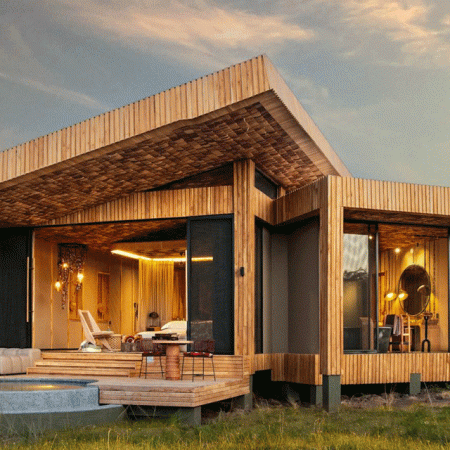
Luxury safari packages provide high-end tented camps, private guides, gourmet meals and sometimes even hot air balloon rides over the Serengeti. These safaris are ideal for travelers seeking premium comfort and exclusive experiences.
Budget camping safaris are a more affordable option. Travelers stay in basic campsites and travel in groups. Although simpler this option still provides excellent wildlife viewing opportunities and a more adventurous experience.
Another option is photographic safaris designed specifically for photographers. These safaris focus on spending more time at key wildlife locations and often include expert guides who understand lighting and animal behavior.
Hot air balloon safaris are also popular during the migration season. They offer a unique aerial view of the herds moving across the plains at sunrise followed by a bush breakfast.
Private safaris allow full customization of itinerary, pace and destinations. This is ideal for families, honeymooners or travelers who want a personalized experience. Each safari type offers a different way to experience the migration but all provide unforgettable wildlife encounters.
Planning Tips for a Wildebeest Migration Safari
Planning a successful wildebeest migration safari requires careful preparation to maximize your chances of seeing key wildlife events.
First, timing is crucial. Choose your travel dates based on what you want to see such as river crossings, calving season or general herd movement. Since migration is seasonal flexibility increases your chances of success.
Second, book early. Accommodation in Serengeti and Maasai Mara fills up quickly during peak migration months especially from July to September. Early booking also gives you better pricing and availability.
Third, choose experienced safari operators. Knowledgeable guides understand animal movement patterns and can position you in the right place at the right time.
Fourth, pack appropriately. Lightweight clothing, neutral colors, binoculars, sunscreen and a good camera are essential. Early mornings and evenings can be cold so warm layers are important.
Fifth, consider health and travel requirements. Make sure vaccinations, travel insurance and visas are arranged before travel.
Finally, be patient during safari drives. Wildlife viewing is unpredictable and the best sightings often come after waiting in the right location. A well-planned safari increases your chances of witnessing dramatic river crossings, predator hunts and massive herds stretching across the horizon.
Cost of a Wildebeest Migration Safari
The cost of a wildebeest migration safari varies widely depending on the level of comfort, travel season and length of the trip. Generally safaris in the Serengeti and Maasai Mara range from budget-friendly camping tours to ultra-luxury private experiences.
Budget safaris typically cost between $200 and $400 per person per day. These include shared transport, basic camping accommodation, meals and a professional guide. They are ideal for travelers who want the experience at a lower cost while still enjoying excellent wildlife viewing.
Mid-range safaris usually range from $400 to $800 per person per day. These packages include comfortable tented camps or lodges, better vehicles and more personalized service. This category is the most popular among international travelers.
Luxury safaris can cost from $900 to $3,000+ per person per day. These include high-end lodges, private guides, domestic flights, gourmet dining and premium locations inside the park. Some even offer private plunge pools and exclusive wildlife viewing areas. Additional costs may include park fees which can be around $60–$100 per day in Tanzania, international flights, travel insurance, visas and optional activities like hot air balloon rides (which can cost $500–$600 per person).
Prices also rise during peak migration months especially July to September when river crossings occur. Overall, the cost depends on how comfortable you want your experience to be. However even budget safaris offer incredible opportunities to witness one of the greatest wildlife events on Earth.
What to Pack for a Wildebeest Migration Safari
Packing correctly for a wildebeest migration safari is essential for comfort, safety and enjoyment. The Serengeti ecosystem has varying weather conditions from warm daytime temperatures to cold early mornings and evenings. Lightweight, breathable clothing in neutral colors such as khaki, brown and green is recommended. These colors help you blend into the environment and avoid attracting insects. Avoid bright colors and dark navy or black clothing as they can attract tsetse flies.
A warm jacket or fleece is important because early morning game drives can be very cold, especially in open safari vehicles. A hat, sunglasses and sunscreen are also essential for protection against strong African sun. Comfortable walking shoes or boots are necessary especially if your safari includes walking tours or camp movements. Sandals can be useful for relaxing at lodges.
Binoculars are highly recommended to help you see distant wildlife especially during river crossings. A high-quality camera with extra batteries and memory cards is also important for capturing unforgettable moments. Other useful items include insect repellent, a reusable water bottle, personal medications and a small backpack for daily game drives.
Travel documents such as passports, visas and travel insurance should be kept safe and accessible. Packing light is always better as most safari vehicles and small aircraft have luggage limits. Proper preparation ensures you can fully enjoy the migration experience without discomfort or missing important wildlife moments.
Wildlife You Can See During the Migration Safari
A wildebeest migration safari is not only about wildebeest. It involves a rich variety of wildlife that follows or interacts with the migrating herds across the Serengeti-Mara ecosystem. The main species is the wildebeest with over 1.5 million individuals moving in a continuous cycle. They are often accompanied by hundreds of thousands of zebras and gazelles which help each other by improving predator detection and grazing efficiency.
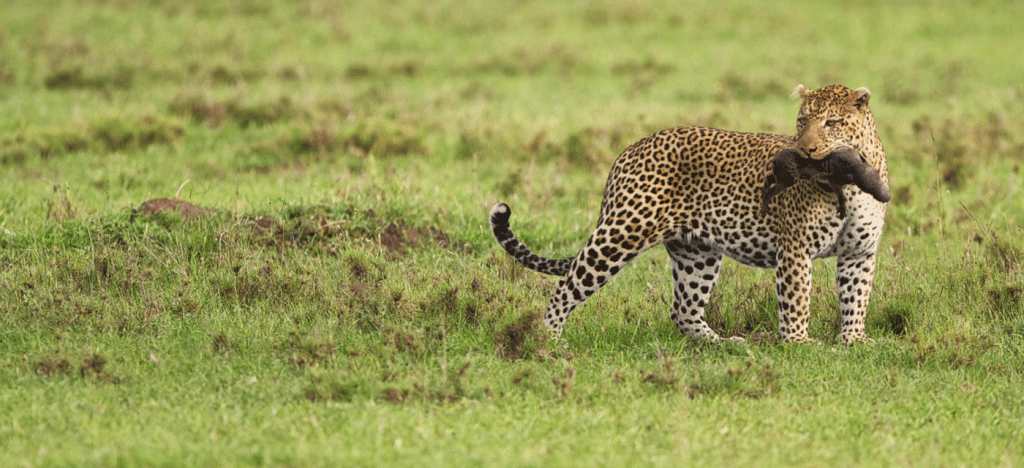
Predators play a major role in the migration ecosystem. Lions are commonly seen hunting or following the herds. Large prides often target weak or young animals. Cheetahs are frequently spotted on the open plains using speed to hunt gazelles. Leopards are more elusive but can be seen resting in trees or stalking prey in wooded areas. Hyenas are also very active and often compete with lions for kills.
One of the most dramatic predators involved is the Nile crocodile especially during river crossings. These large reptiles wait patiently in rivers like the Mara River, creating intense and sometimes brutal wildlife scenes. Other animals include elephants, buffaloes, giraffes, hippos and numerous bird species such as eagles, vultures and storks.
The diversity of wildlife makes the migration safari a complete ecosystem experience. It is not just about movement but also about interaction, survival and balance between prey and predators. Every game drive offers something different making the safari unpredictable and highly exciting.
Mara River Crossing Experience
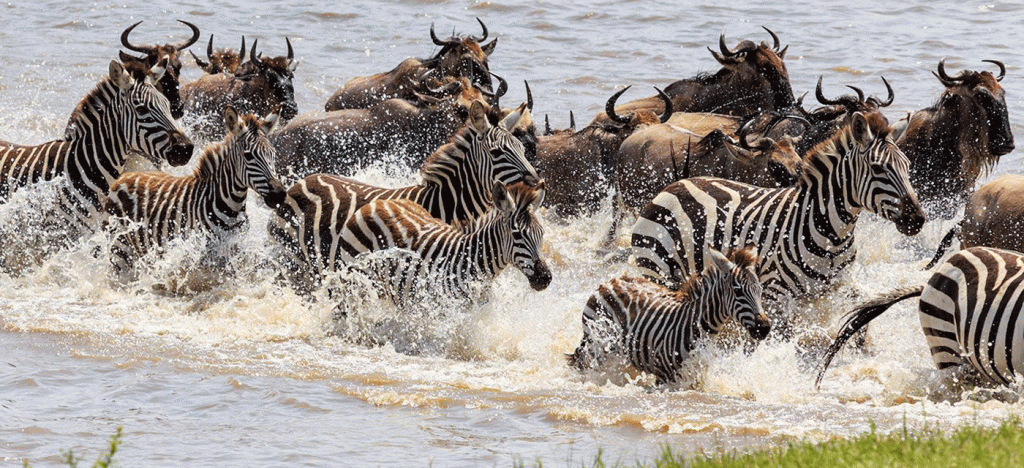
The Mara River crossing is one of the most dramatic and highly anticipated moments of the wildebeest migration safari. It usually happens between July and September in the northern Serengeti and Maasai Mara region. During this time thousands of wildebeest gather at the riverbanks hesitating before making the dangerous jump into fast-moving waters filled with crocodiles.
This moment is not predictable. Animals may gather for hours or even days before a single crossing happens. When it begins chaos unfolds rapidly. Wildebeest plunge into the water often struggling against strong currents while trying to avoid predators waiting below.
Nile crocodiles are the most feared threat during the crossing. These large reptiles remain motionless underwater until the right moment to strike. Lions and hyenas also wait nearby on land targeting weak or injured animals that make it across. Despite the danger the crossing is driven by survival instincts. The herds must reach fresh grazing land on the other side making the risk unavoidable.
For safari travelers witnessing a river crossing is considered the ultimate highlight of the migration. However, patience is essential. Guides often wait for long periods near crossing points, monitoring herd movement and weather conditions. Different crossing points along the Mara River provide varying experiences some more crowded than others. The timing, light and herd behavior make every crossing unique.
Seeing this event in real life is intense, emotional and unforgettable. It captures the raw reality of nature at its most powerful.
Calving Season in the Serengeti
The calving season is another extraordinary phase of the wildebeest migration safari. It takes place mainly from January to March in the southern Serengeti plains and the Ndutu region. During this time over 500,000 wildebeest calves are born within a few weeks.
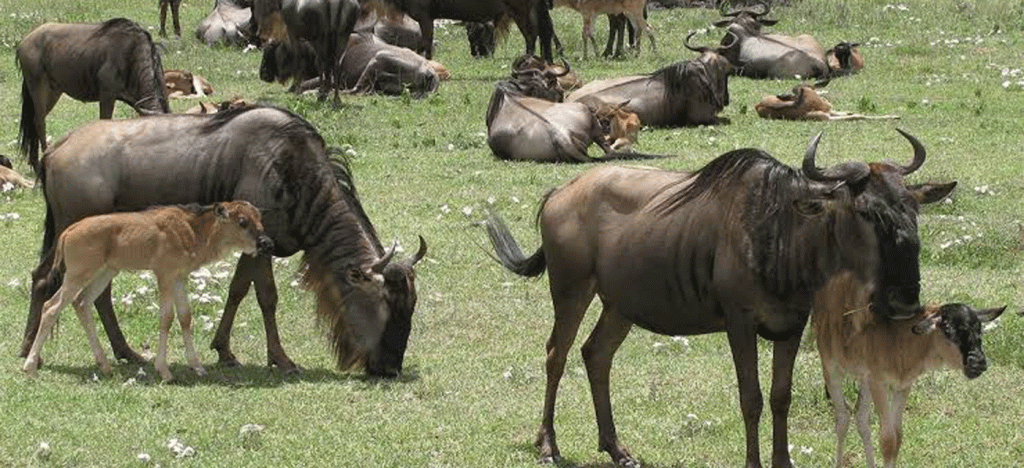
The short grass plains provide ideal conditions for giving birth. The open landscape allows mothers to spot predators from a distance increasing the chances of survival for newborn calves. Most calves are able to stand and run within minutes of birth which is crucial for escaping danger.
This season attracts a high concentration of predators, including lions, cheetahs, hyenas and leopards. It becomes one of the most active wildlife periods in Africa. Predator-prey interactions are frequent and intense, making it a dramatic time for wildlife viewing.
Despite the danger the high number of births ensures the survival of the population. This rapid reproduction is a key survival strategy of the species. For safari travelers, calving season offers unique photographic opportunities. Cute newborn calves, dramatic chases and large herds spread across green plains create stunning scenery.
Unlike river crossings calving season is less crowded with tourists offering a more peaceful safari experience. This stage of the migration shows the beginning of life and the continuation of the cycle. It highlights nature’s balance between birth, survival and predation in one of the world’s most beautiful ecosystems.
Photography Tips for Migration Safaris
A wildebeest migration safari is one of the best wildlife photography opportunities in the world. Capturing the movement of millions of animals, dramatic river crossings and predator action requires preparation and timing. First, use a zoom lens (70–200mm or 100–400mm) to capture distant wildlife safely and clearly. A wide-angle lens is also useful for landscapes showing massive herds across the plains.
Lighting is extremely important. Early morning and late afternoon provide the best natural light known as the golden hours. These times produce warm colors and long shadows enhancing image quality. Stability is essential. Use a bean bag or monopod when shooting from safari vehicles to reduce camera shake. Since vehicles are often open and moving slowly steady support helps achieve sharp images.
Patience is key in wildlife photography. Animals behave unpredictably so waiting in one location often produces better shots than moving frequently. During river crossings continuous shooting mode is useful to capture fast action sequences. Always be ready as events can happen suddenly.
Protect your equipment from dust using camera covers or bags. The Serengeti can be dry especially during migration months. Most importantly respect wildlife. Avoid disturbing animals or asking drivers to get too close. With preparation and patience, photographers can capture some of the most powerful and iconic wildlife images on Earth during the migration safari.
How to Book a Wildebeest Migration Safari
Booking a wildebeest migration safari requires careful planning to ensure you secure the best locations, timing and accommodation. The process usually starts by choosing a reliable safari operator or travel company that specializes in Tanzania or Kenya wildlife tours.
The first step is deciding your travel dates based on what part of the migration you want to see river crossings, calving season or general herd movement. Once your dates are fixed the operator will recommend the best parks and camps for that period. Next, you select your safari type such as budget camping, mid-range lodge safari or luxury tented camp experience. Each option offers different comfort levels and pricing.
After that, you confirm your itinerary, which includes number of days, parks to visit and activities such as game drives or hot air balloon rides. A well-planned itinerary increases your chances of witnessing key migration moments. Most operators require a deposit (often 20%–40%) to secure bookings especially during peak season from July to September. Full payment is usually completed before arrival or shortly after booking.
It is also important to check what is included in the price park fees, accommodation, meals, transport and guide services. Travel insurance and visa arrangements should be handled separately but are essential for international travelers. Early booking is strongly recommended because top lodges inside Serengeti and Maasai Mara can sell out months in advance during migration season.
A properly organized booking process ensures a smooth stress-free safari experience with higher chances of seeing the migration at its best.
Sample Wildebeest Migration Safari Itinerary
A typical wildebeest migration safari itinerary varies from 4 days to 10 days or more depending on the traveler’s time and budget. Below is a sample 7-day itinerary designed for peak migration viewing in the Serengeti.
Day 1: Arrival in Arusha or Kilimanjaro. Meet your safari guide, receive briefing and prepare for the journey. Overnight stay in a lodge or hotel.
Day 2: Drive to Serengeti National Park via Ngorongoro highlands. Game viewing begins en route with chances to see wildlife along the way. Overnight in central Serengeti.
Day 3: Full-day game drive in central Serengeti. Explore predator-rich areas and follow herd movements guided by expert safari trackers.
Day 4: Travel toward northern Serengeti (during migration season). Search for wildebeest herds approaching the Mara River.
Day 5: Full-day river crossing watch. Spend time near key crossing points where wildebeest attempt to cross the Mara River.
Day 6: Morning game drive in northern Serengeti then return to central Serengeti or fly to Arusha depending on itinerary.
Day 7: Departure or optional extension to Ngorongoro Crater or Zanzibar beach holiday.
This itinerary can be adjusted depending on migration location, weather and herd movement. Flexibility is very important because wildlife is unpredictable.
A well-structured itinerary increases your chances of witnessing both river crossings and predator action while still enjoying comfortable travel between destinations.
Safety and Travel Tips for Migration Safaris
A wildebeest migration safari is generally safe but following proper guidelines ensures a smooth and enjoyable experience. Wildlife parks are managed by trained rangers and experienced guides who prioritize visitor safety at all times. One of the most important rules is to always stay inside the safari vehicle during game drives unless your guide specifically allows you to exit in safe designated areas. Wild animals are unpredictable and should never be approached on foot without supervision.
Maintaining a safe distance from animals is essential. Even herbivores like elephants and buffaloes can become dangerous if they feel threatened. Safari guides are trained to position vehicles at safe viewing distances. It is also important to listen carefully to your guide’s instructions. They understand animal behavior, terrain conditions and safe viewing practices.
Travelers should carry essential documents securely, including passports, visas and insurance papers. Keeping copies in a separate location is also recommended. Health precautions are important as well. Drinking bottled or treated water, using insect repellent and carrying basic medications helps avoid common travel issues.
Driving conditions inside parks can be rough so motion sickness tablets may be useful for sensitive travelers. Finally respect park rules and wildlife conservation efforts. Avoid littering, making loud noises or disturbing animals. By following these simple safety practices travelers can fully enjoy the migration experience while staying protected and respecting the natural environment.
Cost Breakdown by Traveler Region (USA, UK, Europe)
The cost of a wildebeest migration safari can vary depending on where you are traveling from, mainly due to flight prices, safari style, and travel season.
For travelers from the USA total safari packages typically range from $4,000 to $10,000 per person for a 7–10 day experience. Long-haul flights to Tanzania or Kenya often cost between $900 and $1,800 depending on the season and booking time. Luxury safari options increase the total significantly especially if combining Serengeti with Zanzibar.
For UK travelers, total safari costs are usually between £3,500 and £8,500 per person. Flights from London to Kilimanjaro or Nairobi are often more affordable than from the USA averaging £600 to £1,200. Many UK travelers choose mid-range or luxury safari packages with comfortable lodges and guided game drives.
For European travelers (Germany, France, Italy, Netherlands, etc.) total costs are generally between €3,800 and €9,000 per person. Direct and connecting flights through major hubs like Doha, Istanbul or Amsterdam influence pricing. Europeans often prefer mixed itineraries combining Serengeti, Ngorongoro Crater and Maasai Mara.
Across all regions, peak migration season (July to September) increases costs due to high demand. Early booking can reduce prices by 10%–25%. Budget travelers from all regions can still experience the migration for around $2,500–$3,500 if they choose group camping safaris and book early.
Understanding regional cost differences helps travelers plan realistic budgets and choose the right safari level without unexpected expenses.
Best Safari Companies for Wildebeest Migration Tours
Choosing the right safari company is one of the most important decisions when planning a wildebeest migration safari. A good operator ensures safety, expert guiding and the best chances of witnessing key wildlife events. Top safari companies in Tanzania and East Africa usually specialize in tailor-made itineraries focused on the Serengeti migration route. These companies provide experienced guides who understand animal movement patterns and seasonal changes.
Well-established operators often offer a full range of services including airport transfers, accommodation bookings, park permits and customized game drives. This makes the travel experience smooth and stress-free. Many high-quality safari companies also operate both Tanzania and Kenya routes allowing travelers to follow the migration across borders for better viewing opportunities.
When choosing a safari company, travelers should look for strong reviews, local expertise, licensed guides and transparent pricing. A reputable company will clearly explain what is included and excluded in the package. It is also important to check whether the company uses well-maintained safari vehicles as comfort and visibility greatly affect the experience.
Smaller boutique safari operators often provide more personalized experiences, while larger companies may offer better group pricing and availability. A good safari company does more than organize transport it acts as a wildlife expert, helping you position at the right place at the right time for river crossings, predator action and large herd movements.
Why the Wildebeest Migration is a Natural Wonder
The wildebeest migration is considered one of the greatest natural wonders of the world because of its scale, complexity and raw beauty. It is the largest land animal migration on Earth involving more than 1.5 million wildebeest along with zebras and gazelles moving in a continuous cycle.
What makes it truly extraordinary is that it is driven entirely by nature. There is no leader guiding the movement no fixed route controlled by humans and no exact timing. Instead rainfall patterns and grass growth determine the direction of the herds.The migration also represents a complete ecosystem in motion. Predators such as lions, cheetahs, hyenas and crocodiles depend on the herds for survival. This creates dramatic interactions that are rarely seen anywhere else in the world.
The movement covers vast distances across the Serengeti in Tanzania and the Maasai Mara in Kenya connecting two countries through a shared natural cycle. Each stage of the migration calving, grazing, river crossings and return journeys offers different wildlife experiences. This diversity makes it a year-round attraction.
The migration also plays an important role in maintaining ecological balance. It helps shape vegetation patterns and supports biodiversity across the entire region.For travelers witnessing this event is more than just a safari. It is an emotional and educational experience that highlights the power of nature and survival. This is why the wildebeest migration is recognized globally as one of Africa’s most iconic and irreplaceable natural wonders.
Challenges of the Wildebeest Migration Safari
While the wildebeest migration safari is one of the most rewarding travel experiences it also comes with certain challenges that travelers should understand before booking. One of the main challenges is unpredictability. The migration does not follow a fixed schedule. It is driven by rainfall and grass availability meaning herds may arrive earlier or later than expected in a specific location. This can make it difficult to guarantee river crossings or exact sightings.
Another challenge is long travel distances. The Serengeti ecosystem is vast and reaching key migration points such as the northern Serengeti or Mara River often requires several hours of driving on rough roads or domestic flights. Weather conditions can also affect the experience. During rainy seasons some roads become muddy and harder to navigate. In dry seasons dust can be intense, affecting visibility and comfort.
Accommodation availability is another issue during peak season (July to September). Lodges and camps near migration hotspots can sell out months in advance often leading to higher prices or limited options for last-minute travelers. Wildlife sightings while abundant are never guaranteed in specific moments. Even river crossings may require hours or days of waiting.
Despite these challenges experienced safari guides help manage expectations and maximize opportunities by tracking animal movements and using real-time knowledge of the ecosystem. Understanding these challenges helps travelers prepare mentally and logistically ensuring a smoother and more enjoyable safari experience overall.
Conservation and Protection of the Migration
The wildebeest migration is not only a tourist attraction but also a vital ecological system that requires strong conservation efforts to protect it for future generations. The Serengeti-Mara ecosystem is carefully managed by both Tanzanian and Kenyan wildlife authorities. National parks, game reserves and conservation areas are established to protect migration routes and reduce human interference.
Anti-poaching efforts play a major role in safeguarding wildlife populations. Rangers patrol large areas to prevent illegal hunting of wildebeest and other animals. Technology such as GPS tracking and drones is also increasingly used for monitoring.
Another important aspect of conservation is maintaining migration corridors. These are natural pathways that allow animals to move freely between grazing areas. Human development such as farming and settlements can sometimes block these routes so land-use planning is essential.
Tourism also contributes significantly to conservation. Entrance fees and safari revenues help fund park management, community projects and wildlife protection programs. Local communities play a key role as well. Many conservation programs involve Maasai and other local groups, providing education, employment and benefits from eco-tourism. This reduces conflict between humans and wildlife.
Climate change is another growing concern as it affects rainfall patterns and grass availability which directly influence migration timing and routes.Protecting the migration requires cooperation between governments, conservation organizations, tour operators and local communities. By supporting responsible tourism visitors directly contribute to preserving one of the world’s most important natural wildlife events.
Frequently Asked Questions (FAQs) About Wildebeest Migration Safari
1. What is a wildebeest migration safari?
A wildebeest migration safari is a wildlife adventure that follows the annual movement of over 1.5 million wildebeest, along with zebras and gazelles, across the Serengeti-Mara ecosystem in search of fresh grass and water. It offers opportunities to witness dramatic events such as calving, predator interactions and river crossings.
2. Where does the wildebeest migration take place?
The wildebeest migration mainly takes place in Tanzania’s Serengeti National Park and Kenya’s Maasai Mara National Reserve. In Tanzania, key migration areas include the southern Serengeti and Ndutu plains, Central Serengeti, Western Corridor and Northern Serengeti near the Mara River.
3. What is the best time to see the wildebeest migration?
The best time depends on what you want to experience. January to March is ideal for calving season in southern Serengeti, while July to September is the best period for witnessing dramatic Mara River crossings in northern Serengeti. April to June and October to November are great for herd movements with fewer crowds.
4. Can I see the wildebeest migration all year round?
Yes. The migration follows a continuous yearly cycle meaning there are opportunities to see migrating herds throughout the year. However, the location of the herds changes depending on rainfall, grazing conditions and seasonal movements.
5. When does the Mara River crossing happen?
The Mara River crossing usually occurs between July and September when wildebeest move from northern Serengeti toward Kenya’s Maasai Mara. However the exact timing is unpredictable because it depends on weather conditions and animal behavior.
6. Is the Mara River crossing guaranteed on a safari?
No. The Mara River crossing is a natural event and cannot be guaranteed. Herds may gather near the river for hours or days before crossing. Experienced safari guides improve your chances by monitoring migration movements and positioning you near active crossing points.
7. Where is the best place to see the wildebeest calving season?
The best place to witness calving season is the southern Serengeti plains and Ndutu area, usually between January and March. During this period hundreds of thousands of calves are born, attracting predators and creating incredible wildlife scenes.
8. How long should I spend on a wildebeest migration safari?
A good migration safari usually takes between 4 and 10 days. Shorter safaris can focus on specific areas while longer itineraries provide more flexibility to follow herd movements and explore different parts of the Serengeti ecosystem.
9. What animals can I see during a wildebeest migration safari?
Besides wildebeest, travelers can see zebras, gazelles, lions, cheetahs, leopards, hyenas, crocodiles, elephants, giraffes, buffaloes, hippos and many bird species. The migration creates one of the best predator-viewing opportunities in Africa.
10. How much does a wildebeest migration safari cost?
The cost varies depending on safari style, season and accommodation level. Budget safaris may cost around $200–$400 per person per day mid-range options around $400–$800 per person per day while luxury migration safaris can exceed $900 per person per day.
11. What type of accommodation is available during a migration safari?
Travelers can choose from budget campsites, comfortable lodges, mid-range tented camps and luxury safari camps. The best accommodation depends on your budget, preferred comfort level and the migration location you want to visit.
12. Is a wildebeest migration safari suitable for families?
Yes. A migration safari can be an excellent family experience. Private safari vehicles, flexible schedules and family-friendly accommodations make it easier for children and adults to enjoy wildlife viewing comfortably.
13. What should I pack for a wildebeest migration safari?
Essential items include lightweight neutral-colored clothing, a warm jacket, comfortable shoes, sunglasses, sunscreen, insect repellent, binoculars, camera equipment, personal medication and important travel documents. Packing light is recommended due to vehicle and flight luggage limits.
14. Is a wildebeest migration safari safe?
Yes, a wildebeest migration safari is generally safe when following professional guides and park regulations. Travelers should remain inside safari vehicles unless instructed otherwise, keep a safe distance from animals and follow their guide’s safety advice.
15. Do I need a private safari guide for the migration?
A private guide is not required but it can greatly improve the experience. Experienced guides understand animal behavior, migration patterns and the best locations for wildlife viewing increasing your chances of seeing important events.
16. What is the difference between a Serengeti migration safari and Maasai Mara migration safari?
The Serengeti hosts the majority of the migration cycle throughout the year, including calving season and major herd movements. The Maasai Mara mainly hosts the herds during the northern migration period when they cross into Kenya between July and October.
17. Can I combine a wildebeest migration safari with Zanzibar beach holiday?
Yes. Many travelers combine a Serengeti migration safari with a Zanzibar beach extension. This allows visitors to experience Tanzania’s wildlife adventure and relax on tropical beaches in one trip.
18. Are hot air balloon safaris available during the migration?
Yes. Hot air balloon safaris are available in the Serengeti and provide a unique sunrise view of migrating herds, wildlife and landscapes from above. Most balloon experiences end with a special bush breakfast.
19. How far in advance should I book a wildebeest migration safari?
It is recommended to book 6–12 months in advance, especially for peak migration months between July and September. Early booking provides better accommodation choices and more competitive prices.
20. Why is the wildebeest migration considered one of the world’s greatest wildlife experiences?
The wildebeest migration is considered one of the greatest wildlife experiences because of its enormous scale, dramatic survival moments and the natural relationship between predators and prey. It represents one of the last major animal migrations on Earth and offers a truly unforgettable safari experience.
Conclusion
The wildebeest migration safari is one of the most extraordinary natural experiences on Earth offering a powerful display of movement, survival and ecosystem balance. It is not just a wildlife event but a continuous journey that defines the Serengeti-Mara ecosystem.
From the birth of thousands of calves in the southern plains to the dramatic river crossings in the north every stage of the migration tells a different story of life in the wild. Predators and prey interact in a constant cycle that reflects the raw reality of nature. What makes this safari truly special is its unpredictability and scale. Millions of animals move together without leadership, guided only by rainfall and instinct. This creates a living landscape that changes every month.
For travelers the migration offers more than sightseeing. It provides emotional moments unforgettable photography opportunities and a deeper understanding of Africa’s natural heritage. Whether seen from a safari vehicle or a hot air balloon the experience is always unique.
Careful planning the right timing, and experienced guides greatly increase the chances of witnessing key moments such as river crossings or calving season. Choosing the right safari style ensures comfort and enjoyment throughout the journey. Ultimately the wildebeest migration safari is a reminder of how powerful and fragile nature can be. It remains one of the last great wildlife spectacles on the planet and a true bucket-list adventure for travelers worldwide.