 English
 Deutsch
 Italia
June 5, 2026
The Best Serengeti Great Migration Safari in Tanzania
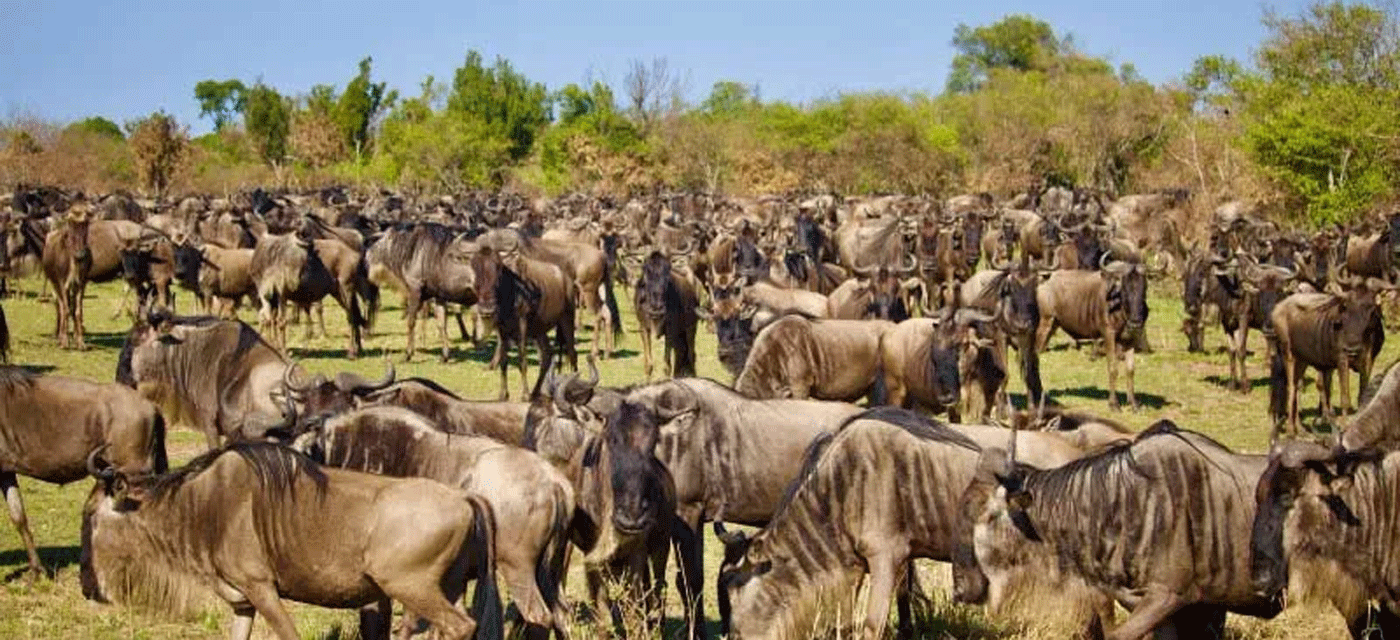
Introduction
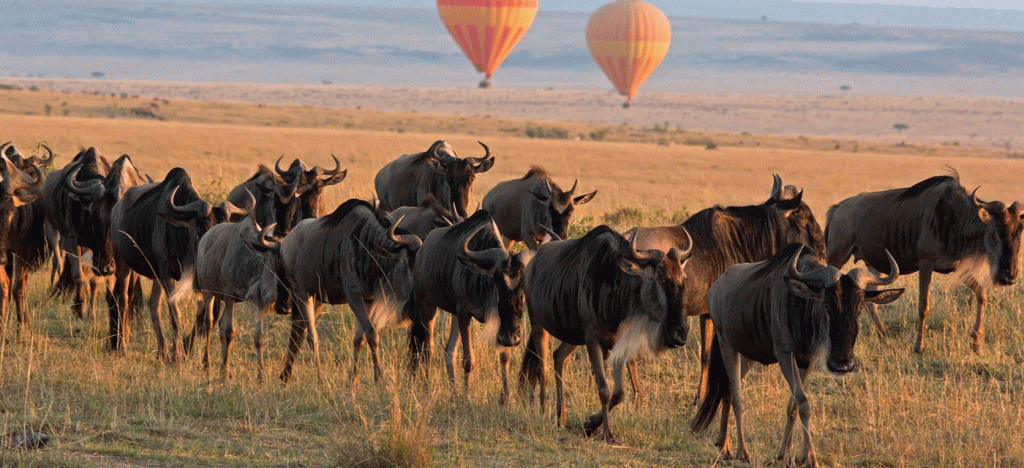
The Great Wildebeest Migration is one of the most remarkable wildlife events on Earth and the main reason many travelers choose Tanzania for a safari. Every year more than two million wildebeest accompanied by hundreds of thousands of zebras and gazelles move across the Serengeti ecosystem in search of fresh grass and water. This continuous journey creates incredible wildlife viewing opportunities throughout the year.
Visitors can witness dramatic river crossings massive grazing herds stretching across the plains predator-prey interactions and the birth of thousands of wildebeest calves.
A migration safari in Tanzania is not a single event but a year-round experience that changes location depending on the season. Different parts of the Serengeti offer unique highlights at different times of the year. Understanding where the herds are located helps travelers choose the best safari itinerary and maximize their chances of witnessing unforgettable wildlife moments.
Tanzania remains the preferred destination for migration safaris because it offers access to the Serengeti National Park the heart of the migration route. Combined with excellent safari lodges, professional guides, breathtaking landscapes and diverse wildlife, Tanzania provides an exceptional safari experience for first-time visitors and experienced safari enthusiasts alike.
Choosing the best migration safari depends on travel dates, budget, accommodation preferences and personal interests. Some visitors prioritize witnessing river crossings while others prefer the calving season or quieter safari experiences away from crowds. Understanding each migration phase helps travelers select the safari that matches their expectations.
This guide explains the best migration safari experiences in Tanzania, including the top seasons, locations, wildlife highlights, accommodation options, transportation methods, costs and planning tips for an unforgettable adventure.
Table of contents
- Introduction
- Southern Serengeti Calving Season Safari (January to March)
- Central Serengeti Migration Safari (April to June)
- Western Corridor River Crossing Safari (May to July)
- Northern Serengeti Mara River Crossing Safari (July to October)
- Accommodation Options for the The Best Serengeti Great Migration Safari in Tanzania
- Best Time to Book The Best Serengeti Great Migration Safari in Tanzania
- Cost of The Best Serengeti Great Migration Safari in Tanzania
- Sample 7-Day Northern Serengeti Migration Safari Itinerary
- What to Pack for The Best Serengeti Great Migration Safari in Tanzania
- Tips for Getting The Best Serengeti Great Migration Safari in Tanzania Experience
- Frequently Asked Questions (FAQs) About the Best Migration Safari in Tanzania
- 1. What is the Great Wildebeest Migration?
- 2. When is the best time to see the Great Migration in Tanzania?
- 3. Where can I see the Best Serengeti Great Migration Safari in Tanzania?
- 4. How many days are recommended for a migration safari?
- 5. Can I guarantee seeing a river crossing?
- 6. Which migration season is best for photographers?
- 7. Is the calving season worth visiting?
- 8. What animals can I see besides wildebeest?
- 9. Is a fly-in migration safari better than a road safari?
- 10. How much does a Tanzania migration safari cost?
- 11. When should I book a migration safari?
- 12. What should I pack for a migration safari?
- 13. Is the Great Migration suitable for families?
- 14. Can I combine the migration safari with other destinations?
- 15. Why should I book my migration safari with Serengeti Travels?
- Conclusion
Southern Serengeti Calving Season Safari (January to March)
The calving season is one of the most rewarding migration safari experiences in Tanzania. Between January and March, the migration herds gather on the fertile short-grass plains of the Southern Serengeti and Ndutu region. During this period approximately 500,000 wildebeest calves are born within a few weeks creating one of nature’s most impressive spectacles.
The nutrient-rich grasses found in this area provide ideal conditions for pregnant wildebeest. The open plains also allow mothers to keep watch for predators. Visitors during the calving season can witness newborn calves taking their first steps within minutes of birth and joining the herd shortly afterward. This remarkable survival adaptation is essential because predators are always nearby.
Predator activity reaches its peak during the calving season. Lions, cheetahs, leopards, hyenas and jackals take advantage of the abundance of vulnerable young animals. As a result safari guests often enjoy excellent predator sightings and dramatic wildlife encounters. Cheetahs are particularly active in the open plains where they can use their speed to hunt effectively.
The scenery during this period is also beautiful. Seasonal rains transform the plains into lush green landscapes filled with wildflowers and abundant grazing animals. Photographers appreciate the vibrant colors and soft lighting that characterize this season.
Accommodation options range from luxury lodges and tented camps to mid-range and budget-friendly safari camps. Mobile migration camps often position themselves near the herds to provide excellent wildlife viewing opportunities. For travelers interested in witnessing wildlife births, predator action and beautiful green landscapes the Southern Serengeti calving season safari represents one of the best migration experiences available anywhere in Africa.
Central Serengeti Migration Safari (April to June)
The Central Serengeti migration safari offers exceptional wildlife viewing opportunities during the transition period as the herds begin moving northward. Between April and June wildebeest and zebras gradually leave the southern plains and travel through the central regions of Serengeti National Park.
This period provides a different safari experience compared to the dramatic calving season. The migration herds form enormous columns stretching across the landscape as they move toward fresh grazing areas. Travelers can witness thousands of animals crossing valleys, woodlands and open plains in a continuous search for food and water.
The Central Serengeti is famous for its year-round wildlife concentrations. Even when migration herds are moving through the area, visitors can also encounter resident lions, leopards, elephants, giraffes, buffaloes and numerous antelope species. The Seronera Valley is particularly well known for its high predator density and excellent game-viewing opportunities.
One advantage of visiting during this period is reduced visitor numbers compared to the peak river crossing season. Safari vehicles are generally fewer allowing more exclusive wildlife encounters and a more peaceful safari atmosphere. Lodges may also offer attractive rates during certain weeks of this transition season. The landscape begins changing from lush green plains to drier golden grasslands as the dry season approaches. These changing conditions create excellent photographic opportunities and showcase the Serengeti’s seasonal diversity.
Travelers who prefer a balanced safari experience with migration viewing, predator sightings, comfortable weather and fewer crowds often find April through June an excellent time to visit. It provides a combination of migration activity and classic Serengeti wildlife experiences that many safari enthusiasts consider highly rewarding.
Western Corridor River Crossing Safari (May to July)
The Western Corridor migration safari focuses on one of the most exciting stages of the Great Migration. Between May and July enormous herds move toward the western section of Serengeti National Park where they face the challenge of crossing the Grumeti River.
The Grumeti River crossings may not be as famous as the Mara River crossings but they are equally fascinating. Massive crocodiles inhabit the river and wait for opportunities to prey on crossing animals. The uncertainty surrounding each crossing creates intense moments that captivate safari visitors.
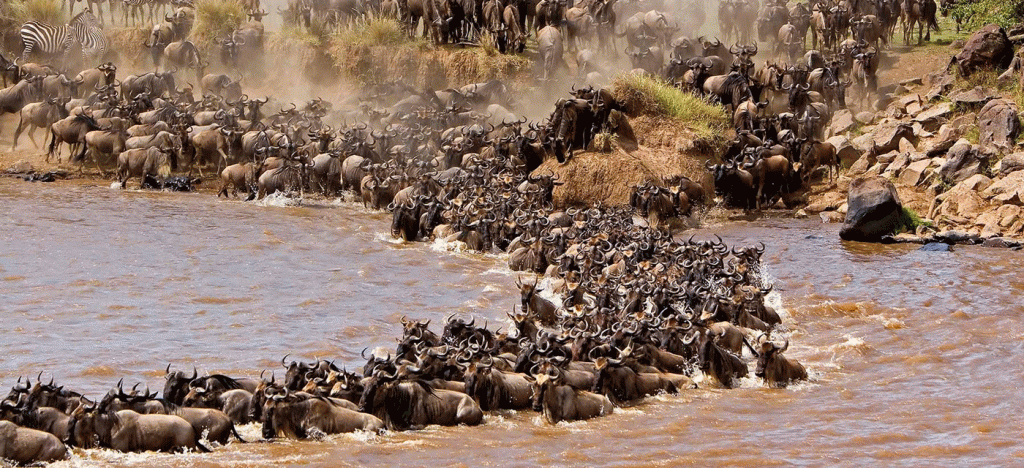
Large groups of wildebeest often gather along riverbanks before deciding whether to cross. Sometimes they hesitate for hours or even days before one animal finally leads the movement. Once the crossing begins thousands of animals may rush into the water simultaneously creating dramatic scenes of survival and determination.
The Western Corridor also offers beautiful landscapes characterized by rolling hills, riverine forests and open grasslands. Wildlife diversity remains excellent throughout the region. Visitors frequently encounter elephants, giraffes, lions, hyenas and numerous bird species in addition to migration herds.
Luxury safari camps located near key migration routes provide exceptional viewing opportunities. Many camps position themselves strategically to maximize guest access to migration activity while maintaining comfort and exclusivity. Because the migration timing depends on rainfall patterns flexibility is important when planning a Western Corridor safari. Experienced safari operators monitor herd movements closely and adjust itineraries when necessary.
For travelers seeking dramatic wildlife encounters without the larger crowds sometimes associated with the northern Serengeti the Western Corridor river crossing safari provides a thrilling and memorable migration experience that showcases the challenges animals face during their annual journey.
Northern Serengeti Mara River Crossing Safari (July to October)
The Northern Serengeti Mara River crossing safari is widely considered the ultimate migration experience in Tanzania. Between July and October hundreds of thousands of wildebeest and zebras reach the Mara River creating some of the most dramatic wildlife spectacles on the planet.
The Mara River presents a major obstacle in the migration journey. Strong currents, steep riverbanks and large crocodiles make every crossing extremely dangerous. Yet the herds must cross repeatedly as they follow fresh grazing opportunities between Tanzania and Kenya.
Safari guests often spend hours observing herds gather along the riverbanks. The anticipation builds as animals move closer to the edge, retreat and return again. When the crossing finally begins thousands of wildebeest plunge into the water while predators wait for opportunities. These moments provide unforgettable wildlife viewing and exceptional photography opportunities.
Northern Serengeti offers more than river crossings. The region features beautiful rolling hills, river valleys, woodlands and open plains. Resident wildlife populations include elephants, lions, leopards, cheetahs and numerous bird species. The relatively remote location creates a more exclusive safari atmosphere compared to some other areas.
Luxury tented camps and permanent lodges provide excellent accommodation options. Many properties are situated close to major crossing points reducing travel times and increasing opportunities to witness migration action. Because this period represents the peak migration season advance booking is essential. Popular camps often fill many months in advance due to high demand from international travelers.
For visitors seeking the most iconic migration safari experience in Tanzania the Northern Serengeti Mara River crossing safari offers unmatched excitement, dramatic wildlife encounters and memories that can last a lifetime.
Accommodation Options for the The Best Serengeti Great Migration Safari in Tanzania
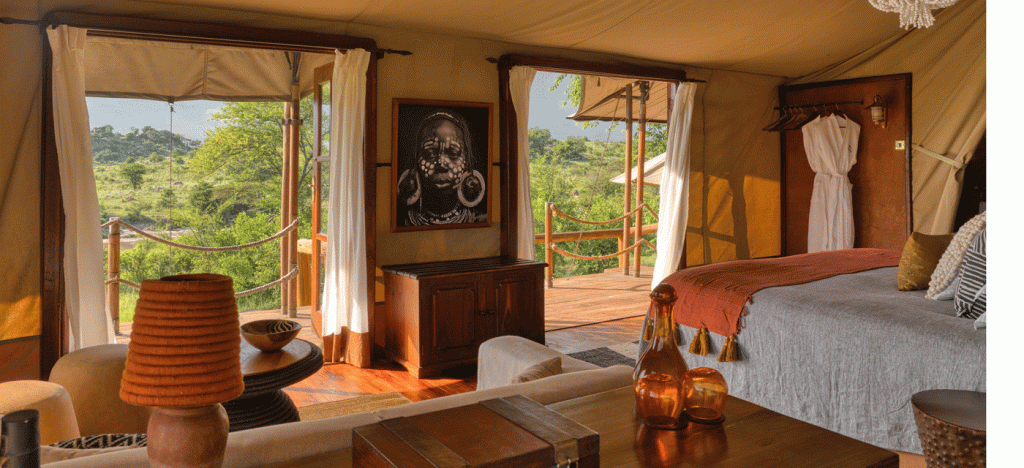
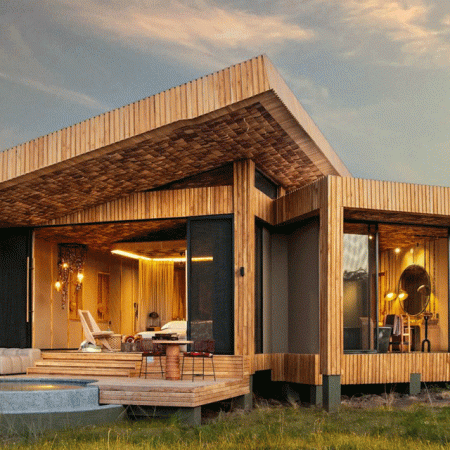
Choosing the right accommodation plays a major role in the overall migration safari experience. Tanzania offers a wide range of lodging options from luxury tented camps to budget-friendly safari camps allowing travelers to select accommodation that matches their comfort level and budget.
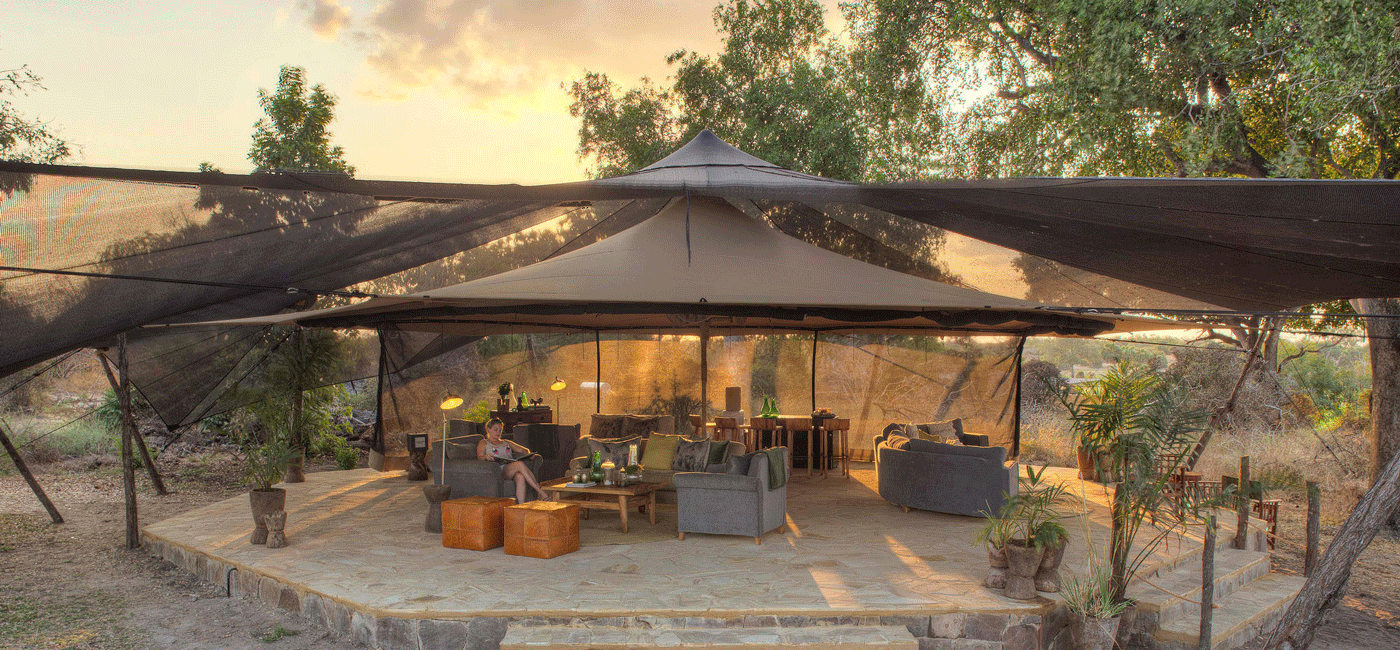
Luxury migration camps provide the highest level of comfort while keeping guests close to wildlife activity. These camps often feature spacious tents with private bathrooms, comfortable beds, hot showers, gourmet dining and personalized service. Many luxury camps are strategically positioned near active migration routes allowing guests to spend more time viewing wildlife and less time driving. Some camps even offer views of migration herds directly from guest tents.
Mid-range safari camps provide an excellent balance between comfort and affordability. Guests enjoy comfortable accommodations, private facilities, quality meals and professional service without the premium cost of luxury properties. These camps are popular among families, couples and first-time safari travelers who want a quality experience while maintaining a reasonable budget.
Budget camps focus on providing basic but comfortable accommodation for travelers who prioritize wildlife viewing over luxury amenities. While facilities may be simpler guests still enjoy excellent safari experiences and access to migration areas.
Mobile migration camps are among the most popular accommodation choices for migration safaris. These camps move several times throughout the year to follow the herds. By relocating according to migration patterns they provide guests with optimal wildlife viewing opportunities during different seasons.
Advance booking is highly recommended especially during peak migration months from July through October. Popular camps can sell out many months in advance. Selecting accommodation based on migration location and travel dates helps maximize wildlife encounters and ensures a more rewarding safari experience.
Best Time to Book The Best Serengeti Great Migration Safari in Tanzania
Planning and booking at the right time can significantly improve the quality of a migration safari. Because the Great Migration attracts travelers from around the world demand for safari camps and lodges can be extremely high during peak seasons.
| Travel Season | Travel Months | Book In Advance | Why Book Early? | Best For |
|---|---|---|---|---|
| Northern Serengeti Mara River Crossing | July – October | 9–12 months | High demand, camps near crossing points sell out quickly, best accommodation choices | River crossings, wildlife photography, peak migration |
| Southern Serengeti Calving Season | January – March | 6–9 months | Popular with photographers and wildlife enthusiasts, Ndutu camps fill early | Calving season, predator action, newborn wildebeest |
| Central Serengeti Migration | April – June | 4–6 months | Good lodge availability and attractive prices | Large migrating herds, fewer crowds, excellent game viewing |
| Western Corridor (Grumeti River) | May – July | 6–9 months | Limited camps near migration routes | Grumeti River crossings, crocodile encounters, scenic landscapes |
| Shoulder Season Safaris | April, May & Early June | 3–6 months | Lower prices, fewer visitors, good accommodation availability | Budget-conscious travelers, peaceful safari experience |
For travelers interested in the Northern Serengeti Mara River crossings booking at least 9 to 12 months in advance is strongly recommended. The most sought-after camps near crossing points often reach full occupancy long before the safari season begins. Early booking provides access to better accommodation choices and often allows travelers to secure preferred travel dates.
The calving season between January and March also attracts significant interest from wildlife enthusiasts and photographers. Although this period is generally less crowded than river crossing season popular camps in the Ndutu and Southern Serengeti regions still require advance reservations.
Travelers with flexible schedules can benefit from shoulder seasons such as April, May and early June. These months often offer attractive safari rates while still providing excellent migration viewing opportunities. Fewer visitors also create a more exclusive safari atmosphere. When booking a migration safari flexibility is important because migration timing depends on rainfall patterns and natural conditions. Experienced safari operators monitor herd movements continuously and can recommend the best locations based on current wildlife activity.
Working with a reputable Tanzania safari company is highly beneficial. Professional safari planners can advise on seasonal migration patterns, recommend suitable accommodations, organize domestic flights and create customized itineraries tailored to individual interests and budgets. Early planning not only increases the chances of securing ideal accommodations but also allows travelers to obtain better flight options and prepare thoroughly for one of Africa’s most spectacular wildlife experiences.
Cost of The Best Serengeti Great Migration Safari in Tanzania
The cost of a Tanzania migration safari varies depending on travel season, accommodation category, transportation method, safari duration and level of exclusivity. Understanding these factors helps travelers create realistic budgets and choose experiences that align with their expectations.
Budget migration safaris typically range from approximately $250 to $450 per person per day. These safaris usually include shared transportation, basic safari camps, park fees, guide services and meals. They provide excellent wildlife experiences while keeping costs relatively affordable.
Mid-range migration safaris generally cost between $450 and $900 per person per day. Travelers enjoy improved accommodations, enhanced comfort, private facilities and more personalized service. This category is often considered the best value for many international visitors.
Luxury migration safaris commonly range from $900 to over $2,500 per person per day. Luxury camps offer premium locations, elegant accommodations, exceptional dining, highly experienced guides and exclusive safari experiences. Some ultra-luxury properties provide private vehicles and customized itineraries.
Domestic flights between Arusha and Serengeti airstrips add convenience but increase overall safari costs. Many travelers choose fly-in safaris to maximize wildlife viewing time and reduce lengthy road transfers. Additional expenses may include international flights, visas, travel insurance, gratuities, beverages, laundry services and optional activities such as hot air balloon safaris. Travelers should account for these extra costs when planning their safari budget.
Although migration safaris require a significant investment, many visitors consider them among the most rewarding travel experiences available anywhere in the world. The opportunity to witness millions of animals moving across the Serengeti ecosystem creates memories that few other destinations can match.
Selecting the right combination of accommodation, safari duration and travel season helps travelers achieve the best balance between cost and experience.
Sample 7-Day Northern Serengeti Migration Safari Itinerary
This itinerary focuses on the peak river crossing season in the Northern Serengeti and is designed for travelers seeking excellent migration viewing and a comfortable safari pace.
Day 1 Arrival in Arusha Arrive at Kilimanjaro International Airport and transfer to your hotel in Arusha. Depending on your arrival time relax after the journey or explore the town. Many safari operators provide a briefing to review the itinerary and answer questions before the safari begins.
Day 2 Fly to the Northern Serengeti Take a scheduled flight from Arusha to an airstrip in the Northern Serengeti. Upon arrival meet your guide and begin game drives en route to your camp. The northern region is known for its rolling hills, river valleys and large concentrations of wildlife during migration season.
Day 3 Mara River Crossing Search Spend the day exploring areas around the Mara River. Your guide will monitor herd movements and position the vehicle at promising crossing points. Patience is often rewarded as crossings can occur unexpectedly and provide some of the most dramatic wildlife scenes in Africa.
Day 4 Full-Day Northern Serengeti Safari Continue searching for migration activity while also enjoying the region’s resident wildlife. Lions, elephants, giraffes and numerous bird species are commonly seen. A full-day game drive allows flexibility to follow wildlife movements and maximize viewing opportunities.
Day 5 Explore Remote Northern Areas Visit more remote sections of the Northern Serengeti where visitor numbers are often lower. These areas can provide excellent photographic opportunities and a greater sense of wilderness while still offering access to migration herds and predators.
Day 6 Final Safari Activities Enjoy a final morning game drive, then return to camp for relaxation. Depending on your schedule, you may take another afternoon drive or simply enjoy the scenery and wildlife around the camp.
Day 7 Return to Arusha Fly back to Arusha and connect with your international departure or continue with additional Tanzania travel arrangements. This itinerary can be customized with extra nights, visits to other parks or a beach extension in Zanzibar.
What to Pack for The Best Serengeti Great Migration Safari in Tanzania
Packing wisely enhances comfort and ensures you are prepared for varying weather conditions in the Serengeti.
Neutral-colored clothing. Choose lightweight, breathable clothing in khaki, green or beige tones. Neutral colors help blend into the environment and are practical for game drives.
Sun protection. Bring a wide-brimmed hat, sunglasses and high-SPF sunscreen. The African sun can be intense even during cooler months.
Comfortable footwear. Pack sturdy walking shoes or lightweight hiking shoes for walking around camps and participating in optional activities.
Camera and binoculars. A good camera and binoculars greatly enhance wildlife viewing. Extra memory cards and batteries are also recommended.
Light layers. Early mornings and evenings can be cool especially during the dry season. A lightweight jacket or fleece is useful for game drives.
Personal essentials. Include any medications, insect repellent, a reusable water bottle and travel documents. Many camps provide basic amenities but it is best to carry personal necessities.
Tips for Getting The Best Serengeti Great Migration Safari in Tanzania Experience
Book early. Peak migration camps can fill up many months in advance especially during the Mara River crossing season
Be flexible with wildlife sightings. The migration is a natural event and animal movements can vary from year to year depending on rainfall patterns.
Choose experienced guides. Knowledgeable guides understand migration behavior and communicate with other guides to locate active herds and crossings.
Allow enough time. A longer safari increases the chances of witnessing key migration events and reduces the pressure of trying to see everything in a short visit.
Enjoy the full ecosystem. While river crossings are spectacular, the Serengeti offers exceptional wildlife viewing throughout the year. Predator sightings, landscapes and birdlife are all part of the experience.
Frequently Asked Questions (FAQs) About the Best Migration Safari in Tanzania
1. What is the Great Wildebeest Migration?
The Great Wildebeest Migration is the annual movement of more than two million wildebeest accompanied by hundreds of thousands of zebras and gazelles across the Serengeti ecosystem in Tanzania and Kenya’s Maasai Mara. The animals migrate in search of fresh grazing and water making it one of the world’s greatest wildlife spectacles.
2. When is the best time to see the Great Migration in Tanzania?
The migration can be experienced throughout the year, but each season offers something unique. January to March is ideal for the calving season in Southern Serengeti May to July is best for the Grumeti River crossings in the Western Corridor and July to October is famous for the dramatic Mara River crossings in Northern Serengeti.
3. Where can I see the Best Serengeti Great Migration Safari in Tanzania?
The migration moves through different regions of Serengeti National Park, including the Southern Serengeti and Ndutu, Central Serengeti, Western Corridor and Northern Serengeti near the Mara River. The best location depends on your travel dates.
4. How many days are recommended for a migration safari?
A safari of 5 to 8 days is recommended for the best migration experience. This allows enough time to follow the herds, enjoy multiple game drives and increase your chances of witnessing major migration events such as river crossings.
5. Can I guarantee seeing a river crossing?
No. River crossings are natural wildlife events and cannot be predicted with certainty. Experienced safari guides monitor herd movements and maximize your chances but patience and flexibility are essential.
6. Which migration season is best for photographers?
Every season offers unique photography opportunities. The calving season provides beautiful green landscapes and newborn wildlife while the Mara River crossing season offers dramatic action shots. The dry season also provides excellent lighting and clear visibility.
7. Is the calving season worth visiting?
Yes. The calving season between January and March is one of the best times to visit. Around 500,000 wildebeest calves are born during this period, attracting predators such as lions, cheetahs, hyenas and leopards, creating incredible wildlife viewing opportunities.
8. What animals can I see besides wildebeest?
In addition to wildebeest, visitors commonly see zebras, gazelles, elephants, lions, leopards, cheetahs, buffaloes, giraffes, hyenas, hippos, crocodiles, jackals and over 500 bird species throughout Serengeti National Park.
9. Is a fly-in migration safari better than a road safari?
A fly-in safari saves travel time and allows you to spend more time viewing wildlife especially if visiting Northern Serengeti. A road safari is generally more affordable and offers opportunities to visit multiple parks such as Tarangire and Ngorongoro Conservation Area.
10. How much does a Tanzania migration safari cost?
Prices vary depending on accommodation and travel style. Budget safaris generally cost between US$250 and US$450 per person per day, mid-range safaris range from US$450 to US$900, while luxury safaris typically start from US$900 and can exceed US$2,500 per person per day.
11. When should I book a migration safari?
For travel during the peak Mara River crossing season (July to October) booking 9 to 12 months in advance is recommended. Early booking provides the best choice of camps, flights and travel dates.
12. What should I pack for a migration safari?
Pack lightweight neutral-colored clothing, a warm jacket for early mornings, comfortable walking shoes, sunscreen, sunglasses, a wide-brimmed hat, insect repellent, binoculars, a camera with extra batteries and memory cards, personal medications and travel documents.
13. Is the Great Migration suitable for families?
Yes. The migration is suitable for families with children, couples, photographers, and wildlife enthusiasts. Many safari lodges offer family-friendly accommodations and activities designed for all ages.
14. Can I combine the migration safari with other destinations?
Absolutely. Many travelers combine the Serengeti migration with Tarangire National Park, Ngorongoro Conservation Area, Lake Manyara National Park or a beach holiday in Zanzibar for a complete Tanzania safari experience.
15. Why should I book my migration safari with Serengeti Travels?
Serengeti Travels offers expertly planned migration safaris led by experienced local guides who closely monitor herd movements throughout the year. Whether you are looking for a luxury fly-in safari, a mid-range lodge safari or a budget-friendly adventure, Serengeti Travels creates customized itineraries designed to maximize wildlife viewing while providing excellent service, comfortable accommodations and unforgettable experiences in Tanzania’s spectacular wilderness.
Conclusion
A Tanzania migration safari is more than just a wildlife holiday it is an unforgettable journey into one of the world’s greatest natural wonders. From the lush plains of the Southern Serengeti during the calving season to the breathtaking Grumeti and Mara River crossings, every stage of the Great Wildebeest Migration offers extraordinary moments that showcase the beauty, power and resilience of nature. Watching millions of wildebeest, zebras and gazelles travel across the Serengeti ecosystem while predators follow closely behind creates memories that few destinations on Earth can match.
Whether you are a first-time visitor, an experienced safari traveler, a wildlife photographer or a family seeking an authentic African adventure a migration safari in Tanzania promises incredible game viewing, stunning landscapes and meaningful encounters with nature. Careful planning, choosing the right season and selecting accommodations that match the migration’s location will help you enjoy the best possible experience.
At Serengeti Travels we are committed to creating personalized migration safaris that match your interests, budget and travel style. Our experienced local guides, carefully designed itineraries, comfortable accommodations and exceptional customer service ensure every journey is both seamless and unforgettable. Whether you dream of witnessing the calving season, the Grumeti River crossings or the famous Mara River crossings Serengeti Travels is ready to help you experience the Great Migration and discover why Tanzania remains Africa’s premier safari destination.