 English
 Deutsch
 Italia
September 17, 2026
Why Serengeti Is the Heart of African Safari
Introduction
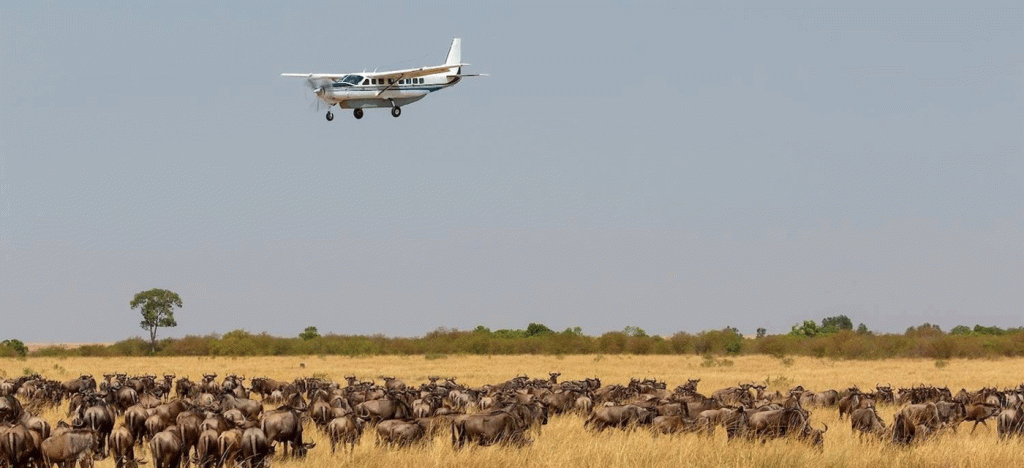
When people around the world dream about an African safari they often picture the endless golden plains of Serengeti National Park. Why Serengeti Is the Heart of African Safari becomes clear when visitors experience its vast wilderness, remarkable wildlife, ancient migration routes and powerful connection with nature. Serengeti allows animals to move freely across enormous landscapes while predators hunt, herbivores graze and millions of wildebeests follow seasonal routes across the ecosystem. This remarkable combination creates an authentic African safari experience that few destinations can match.
For generations Serengeti has attracted travelers, photographers, filmmakers, researchers and conservationists from around the world. Visitors explore the plains and encounter wildlife in its natural environment creating memorable experiences from sunrise to sunset. Every game drive can reveal something different from lions resting beneath trees to cheetahs pursuing prey across open grasslands.
The Great Wildebeest Migration further strengthens Serengeti’s importance. Each year enormous herds move across the ecosystem in search of fresh grazing and water. Their movement also supports predators and influences the wider ecological balance. Lions, leopards, cheetahs, hyenas and crocodiles all play important roles within this dynamic ecosystem.
Serengeti also protects diverse landscapes, including grasslands, woodlands, rivers, kopjes and seasonal wetlands. These habitats support hundreds of wildlife species and create exceptional opportunities for wildlife viewing and photography.
Through conservation and responsible tourism Serengeti continues to protect its natural resources and wildlife. Serengeti Travels helps visitors experience this extraordinary ecosystem while exploring its wildlife, landscapes, migration and cultural connections. Together these features explain why Serengeti remains central to the African safari experience.
Table of contents
- Introduction
- The Meaning Behind the Name Serengeti
- The Endless Plains That Define African Safari
- The Great Wildebeest Migration
- Extraordinary Wildlife Diversity
- Predator Capital of Africa
- Authentic Safari Experience
- The Emotional Impact of Serengeti
- Conservation Importance of Serengeti
- Cultural Connection With the Maasai People
- Serengeti for Photography and Filmmaking
- Luxury and Adventure Combined
- Serengeti Throughout the Seasons
- Why Serengeti Inspires the World
- The Future of Serengeti
- Conclusion
The Meaning Behind the Name Serengeti
The word “Serengeti” comes from the Maasai language and originates from the word “Siringet,” which means endless plains. This name perfectly describes the landscape visitors encounter when entering the park. Vast grasslands stretch far beyond the horizon creating one of the most breathtaking natural scenes in Africa.
The endless plains are one of the reasons Serengeti feels different from many other safari destinations. Visitors often describe the park as peaceful, open and incredibly wild. The feeling of driving through landscapes where no buildings interrupt the horizon creates a sense of freedom that is difficult to experience elsewhere.
The Maasai people who have lived near the Serengeti ecosystem for generations understood the importance and beauty of this land long before modern tourism developed. Their connection to the environment adds cultural depth to the Serengeti experience and reminds visitors that the ecosystem has supported both wildlife and local communities for centuries. The name Serengeti has now become globally recognized as a symbol of African wilderness, adventure and wildlife conservation.
The Endless Plains That Define African Safari
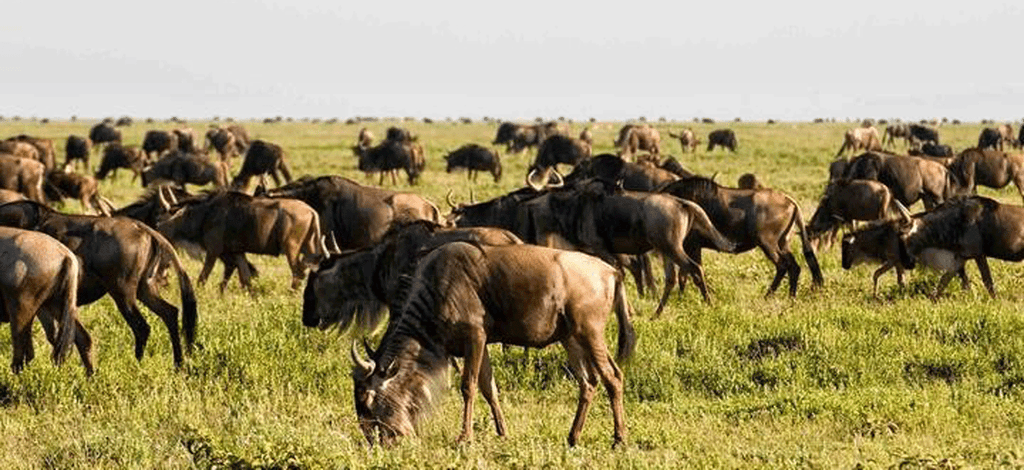
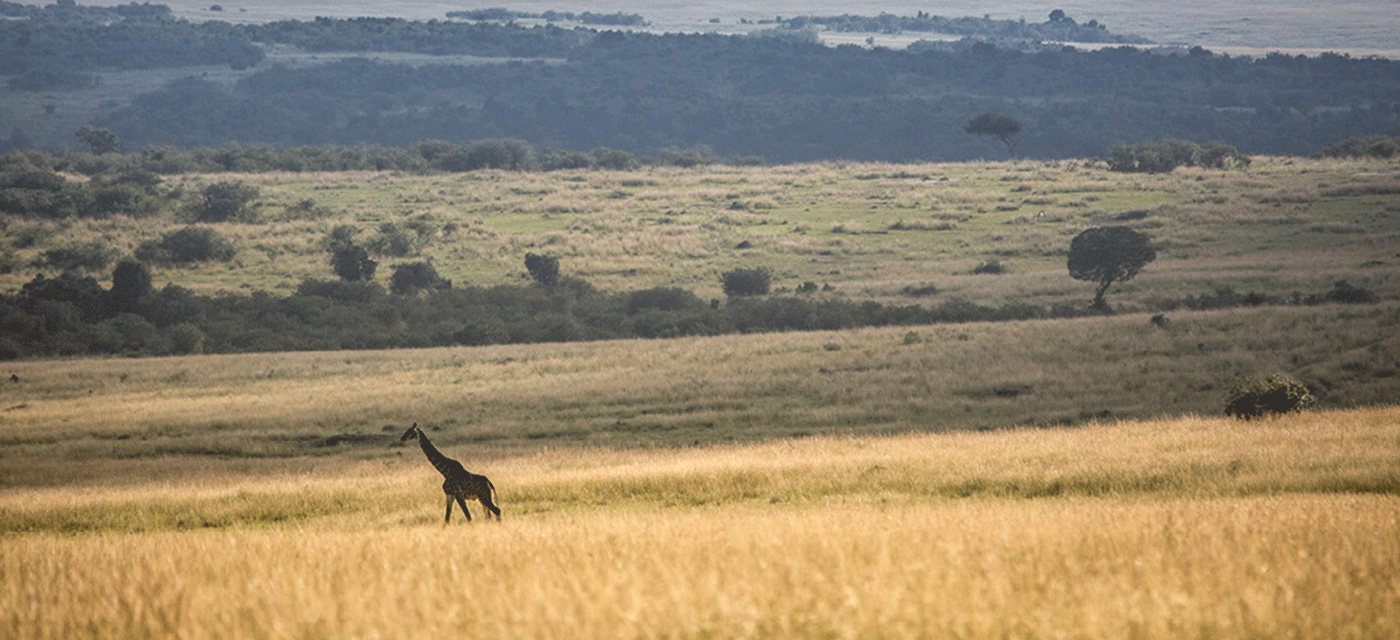
One of the biggest reasons Serengeti is considered the heart of African safari is its landscape. The park’s vast open plains create the classic safari scenery that many people imagine when thinking about Africa. The Serengeti plains are more than just beautiful scenery. They play an important ecological role by supporting millions of grazing animals. Fertile volcanic soil, seasonal rainfall and open grasslands create ideal conditions for wildebeests, zebras, gazelles and other herbivores.
Driving through Serengeti often feels like entering a world untouched by time. The open landscapes allow visitors to see wildlife from great distances. Herds of zebras may appear like moving black and white patterns on the horizon while giraffes walk gracefully between acacia trees. The plains also create dramatic safari moments because predators can easily spot prey in open areas. Lions often rest in tall grass waiting for hunting opportunities while cheetahs climb termite mounds to scan the landscape.
The beauty of Serengeti changes throughout the year. During dry season the grass becomes golden and dusty creating dramatic safari scenes. During green season fresh rain transforms the plains into vibrant landscapes filled with flowers and new grass. Sunrise and sunset are especially magical in Serengeti. The golden light covering the plains creates breathtaking colors that photographers and safari lovers never forget.
The Great Wildebeest Migration
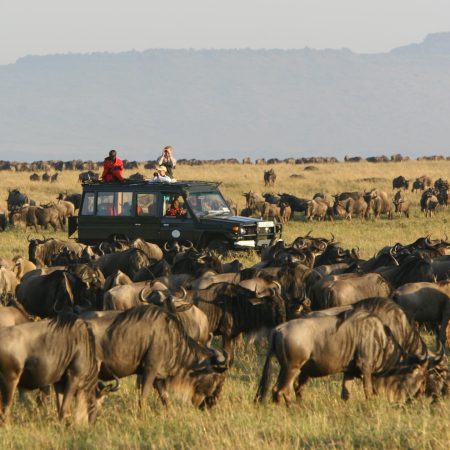
The Great Wildebeest Migration is perhaps the strongest reason Serengeti is known as the heart of African safari. This extraordinary natural event is considered one of the greatest wildlife spectacles on Earth. Every year more than 1.5 million wildebeests together with zebras and gazelles move across the Serengeti ecosystem in search of fresh grazing land and water. The migration follows seasonal rainfall patterns and continues throughout the year.
What makes the migration so special is its scale and intensity. Thousands of animals move together in massive herds that stretch across the plains. The sound of wildebeests grunting while dust rises into the air creates a dramatic atmosphere unlike anything else in nature.
The migration is not only about movement. It is also a story of survival. Predators follow the herds closely because migration provides hunting opportunities. Lions, cheetahs, hyenas and crocodiles all depend on the movement of herbivores. One of the most famous migration moments occurs during Mara River crossings in northern Serengeti. Thousands of wildebeests gather at riverbanks before suddenly jumping into crocodile-filled waters. The crossings are chaotic, emotional, dangerous and unforgettable.
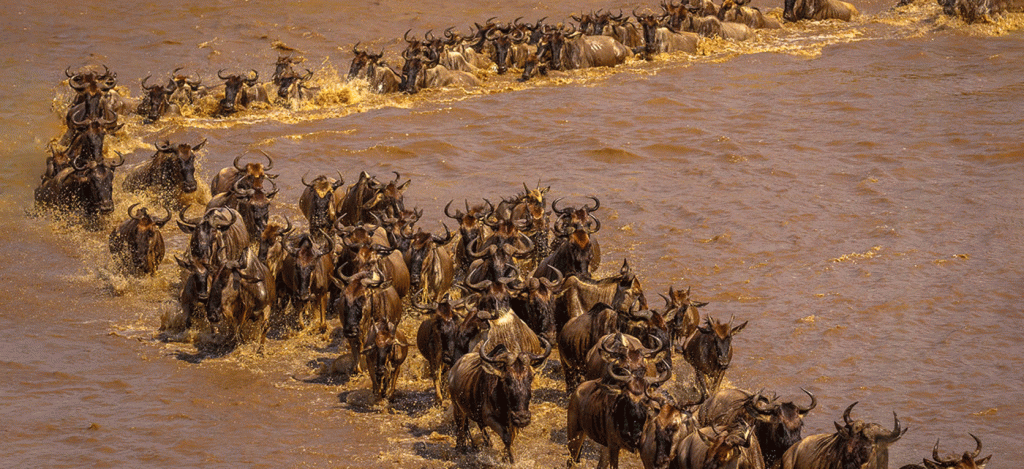
Calving season in southern Serengeti is equally impressive. Between January and March hundreds of thousands of wildebeests give birth on the short grass plains. Predator activity increases dramatically because newborn calves become vulnerable targets.
The migration also demonstrates the natural balance of the Serengeti ecosystem. Herbivores depend on grasslands while predators depend on herbivores. The movement of animals helps maintain healthy grazing patterns and ecological stability. For many travelers witnessing the Great Migration becomes a life-changing experience because it reveals the raw power and beauty of nature.
Extraordinary Wildlife Diversity
Serengeti is one of the richest wildlife ecosystems in the world. The park supports an extraordinary variety of animals making it one of the best safari destinations for wildlife viewing. The park is especially famous for the Big Five animals which include lions, elephants, leopards, buffaloes and rhinos. Seeing these animals in their natural environment is one of the main goals for many safari visitors.
Serengeti has one of the highest lion populations in Africa. Lions are commonly seen resting near kopjes, walking through grasslands or hunting prey during early mornings and evenings. Watching lions interact within prides gives visitors deeper understanding of predator behavior. Cheetahs are another highlight of Serengeti safaris. The open plains provide ideal hunting grounds for these fast predators. Visitors often see cheetahs standing on termite mounds while searching for gazelles.
Leopards are more secretive and usually prefer wooded areas and riverine habitats. Spotting a leopard resting on a tree branch is considered a special safari moment. Elephants move peacefully through woodlands and grasslands while buffaloes gather in large herds across the park. Beyond the Big Five, Serengeti contains countless other animals including giraffes, zebras, wildebeests, hippos, crocodiles, hyenas, jackals, gazelles, impalas, baboons, warthogs and many more.
The park also supports over 500 bird species, making it an excellent destination for bird lovers. Eagles, vultures, ostriches, secretary birds, hornbills and colorful bee-eaters are commonly seen during safaris. What makes Serengeti wildlife viewing truly special is the natural freedom animals enjoy within the ecosystem. Visitors observe authentic animal behavior rather than staged or controlled experiences.
Predator Capital of Africa
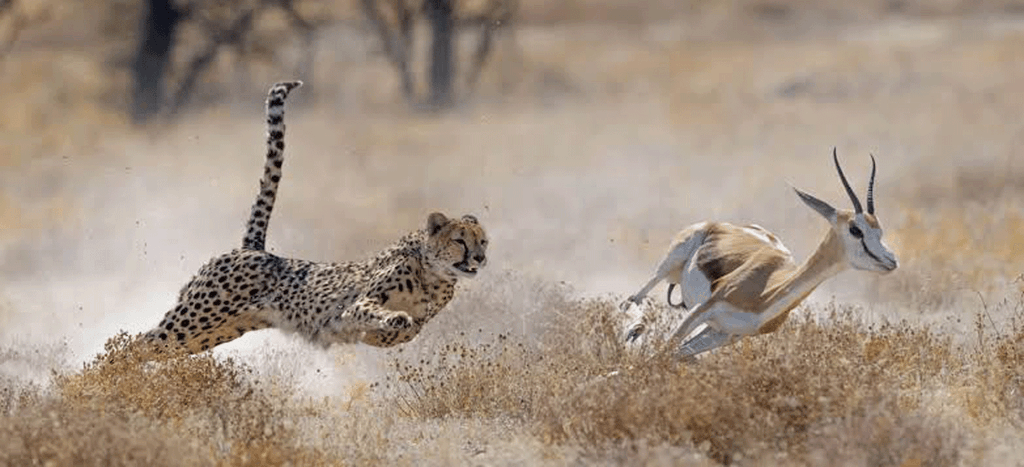
Serengeti is often called the predator capital of Africa because of its high concentration of carnivores. The large herbivore population creates ideal conditions for predators to thrive. Lions dominate the Serengeti ecosystem and are among the easiest predators to spot during game drives. Some lion prides contain many individuals and control large territories across the plains. Watching lions hunt in Serengeti is one of the most dramatic safari experiences. Lionesses often work together strategically while stalking prey through tall grass.
Cheetahs represent speed and elegance within the ecosystem. Unlike lion’s cheetahs rely on incredible acceleration to catch prey in open grasslands. Hyenas are also extremely important predators and scavengers in Serengeti. Although many people misunderstand hyenas they are intelligent animals with strong social structures. Leopards prefer solitary lifestyles and often remain hidden in trees during daytime. Crocodiles in the Mara River become especially active during migration crossings.The presence of so many predators demonstrates the health and balance of the Serengeti ecosystem.
Authentic Safari Experience
One of the strongest reasons Serengeti is called the heart of African safari is the authentic experience visitors enjoy throughout the park. Unlike many modern environments shaped by roads, buildings and constant human activity, Serengeti preserves vast natural landscapes where wildlife follows ancient survival patterns. Visitors can explore open plains watch animals move freely and experience nature without artificial barriers.
Entering Serengeti often creates a powerful impression, especially for first-time travelers. Endless grasslands, scattered acacia trees, distant herds and dramatic skies create scenes that feel timeless. Instead of observing wildlife from controlled spaces, visitors can spend hours exploring an ecosystem where animals roam naturally. During one safari day travelers may watch lions hunt, elephants cross waterways, cheetahs search for prey, giraffes browse trees and wildebeests move across the plains.
Serengeti also makes every game drive unpredictable. Weather, migration, feeding opportunities and animal behavior constantly change wildlife movements. Guides cannot control these events and this natural uncertainty creates genuine excitement. Every drive can produce a different experience.
Professional guides strengthen this authenticity by interpreting what visitors see. Their knowledge of animal behavior, tracking, birds, weather and ecosystem relationships helps travelers understand the park beyond simple wildlife viewing. At Serengeti Travels experienced safari guides help visitors discover these natural stories while maintaining safe and respectful wildlife encounters.
The natural soundscape adds another layer to the experience. Bird calls fill the mornings, while lions, hyenas, hippos and other wildlife create distinctive sounds throughout the day and night. Away from city noise and modern distractions visitors can slow down, observe nature and reconnect with the wilderness.
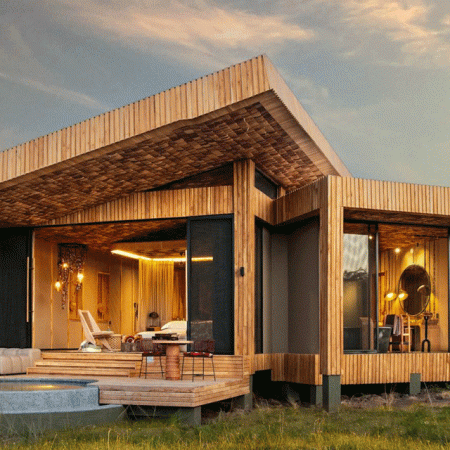
Whether travelers choose a luxury lodge comfortable tented camp or adventurous camping experience Serengeti delivers an immersive connection with nature. This authenticity continues to make the park a defining destination for African safari experiences.
The Emotional Impact of Serengeti
Serengeti offers far more than sightseeing it creates powerful emotional experiences that travelers remember long after their safari ends. Many visitors arrive expecting exciting wildlife encounters but leave with a deeper sense of inspiration, peace, respect and admiration for nature. Serengeti Travels helps travelers experience this meaningful connection while exploring one of Africa’s most extraordinary wilderness destinations.
The vast Serengeti landscape creates an immediate emotional impact. Visitors can stand among endless golden plains and watch wildlife move freely across the horizon. This experience reminds them of nature’s immense scale and power. The open wilderness also provides a refreshing contrast to modern life, where buildings, technology, traffic and daily responsibilities often dominate the environment.
The natural sounds of the plains create peaceful moments throughout the safari. Travelers can watch the sunrise as animals begin their daily activities, creating opportunities for quiet reflection. Wildlife behavior also encourages emotional connections. Visitors may observe elephant families protecting their young, lions caring for cubs or giraffes moving gracefully across the grasslands.
Predator encounters bring another powerful dimension to the experience. Watching lions pursue prey or observing crocodiles during river crossings reveals the realities of survival and the delicate balance of the ecosystem. The Great Migration creates an even stronger impression as thousands of wildebeests and other animals move across the plains searching for fresh grazing.
Serengeti also inspires photographers with dramatic landscapes, wildlife and changing light. Couples can enjoy peaceful sunsets while families can introduce children to wildlife and conservation.
Learning about conservation deepens this connection. Understanding habitat protection and wildlife preservation encourages travelers to value nature and support its future. For many visitors Serengeti creates lasting memories and a stronger appreciation for the natural world.
Conservation Importance of Serengeti
Serengeti is not only important for tourism but also for global conservation.
The ecosystem protects millions of animals and preserves natural migration routes that have existed for thousands of years. Conservation efforts in Serengeti include anti-poaching patrols, scientific research, habitat protection and community education programs.
The park was declared a UNESCO World Heritage Site because of its ecological importance. Without protection, many species within Serengeti could face serious threats from poaching, habitat destruction and climate change.
Tourism contributes significantly to conservation by generating funding for wildlife management and local development. Responsible tourism also helps create employment opportunities for local communities.Protecting Serengeti is important not only for Tanzania but also for the entire world because the ecosystem represents one of humanity’s greatest natural treasures.
Cultural Connection With the Maasai People
The Maasai people are deeply connected to the Serengeti ecosystem. Known for their colorful clothing, livestock traditions and strong cultural identity the Maasai have lived alongside wildlife for generations.
Their traditional lifestyle demonstrates how humans and wildlife can coexist peacefully. Many visitors enjoy cultural tours where they learn about Maasai traditions, dances, food, homes and daily life. Cultural experiences add human depth to Serengeti safaris because they help travelers understand the relationship between people and nature. Supporting local communities through tourism also helps improve education, healthcare and economic opportunities.
Serengeti for Photography and Filmmaking
Serengeti is one of the most photographed wildlife destinations in the world. The park’s landscapes, wildlife density, golden lighting and dramatic migration scenes create ideal conditions for photography and filmmaking.
Wildlife documentaries filmed in Serengeti have inspired millions of viewers globally.
Photographers visit the park to capture:
Lion hunts moving through tall grass, Cheetahs standing on termite mounds, Elephants walking during sunset, Massive migration herds crossing rivers, Acacia trees against colorful skies and Birds flying across golden landscapes.
The changing seasons also create different photography opportunities throughout the year.
Morning and evening light in Serengeti is especially beautiful because it creates soft golden colors across the plains.
Luxury and Adventure Combined
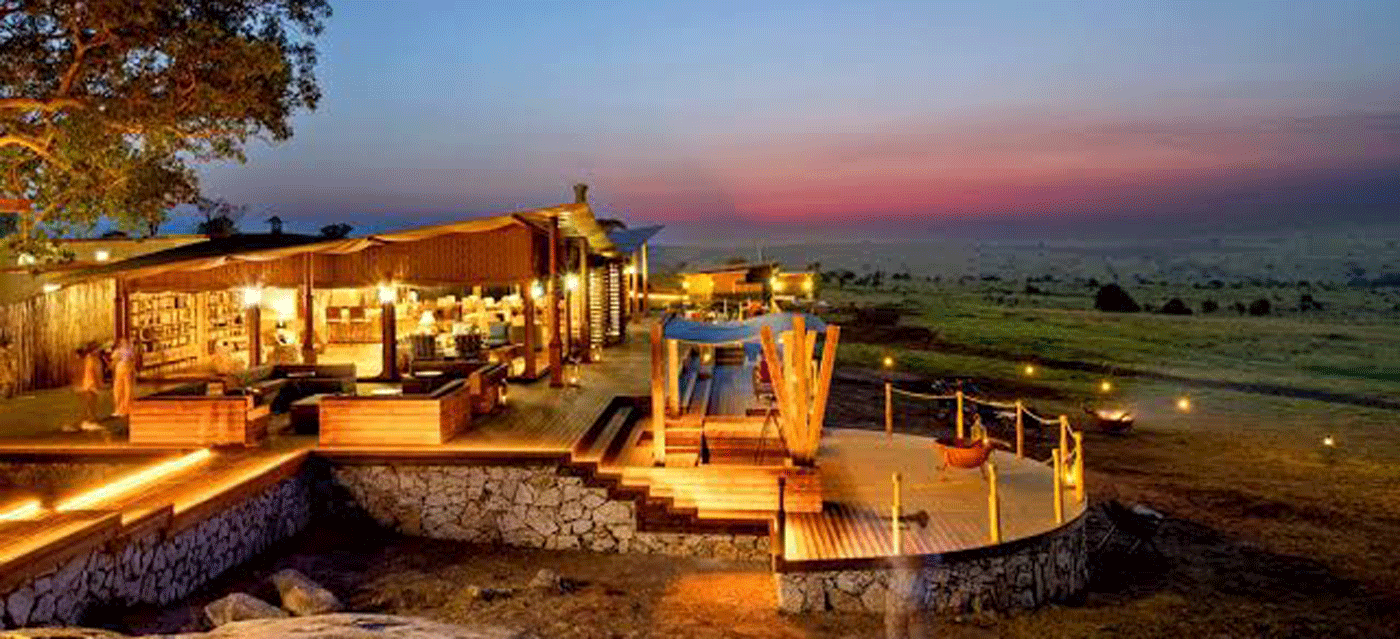
Another reason Serengeti is the heart of African safari is its ability to combine luxury with wilderness adventure. Visitors can experience world-class lodges while still remaining surrounded by untamed nature. Luxury accommodations often provide elegant rooms, gourmet meals, spa treatments and private safari experiences. At the same time adventurous travelers can choose camping safaris that provide closer connection to nature.
This flexibility allows Serengeti to welcome travelers with different budgets and travel styles. Whether sleeping in luxury suites or simple tents visitors still share the same incredible wildlife environment.
Serengeti Throughout the Seasons
Serengeti changes constantly throughout the year making every season unique.
During dry season wildlife gathers around rivers and water sources. Dusty golden landscapes create dramatic safari scenes.
During green season fresh rain transforms the ecosystem into vibrant green plains filled with flowers and newborn animals.
Migration movement also changes according to season. This seasonal variation means Serengeti never feels exactly the same twice. Repeat visitors often discover new experiences during each safari.
Why Serengeti Inspires the World
Serengeti inspires people across the world because it protects one of Earth’s greatest remaining examples of untamed wilderness. As modern cities expand and natural habitats face increasing pressure, Serengeti continues to represent freedom, survival, beauty and ecological balance.
For generations Serengeti has captured human imagination through documentaries, photography, books, films and travel stories. Images of wildebeest crossing vast plains, lions hunting, acacia trees standing beneath golden sunsets and endless grasslands have become powerful symbols of Africa. The park inspires people because it allows nature to reveal its strength and complexity. Visitors watch predators hunt, herbivores migrate and wildlife adapt to changing conditions according to natural rhythms that existed long before modern civilization.
Scientists, filmmakers, photographers and conservationists also find Serengeti remarkable. Filmmakers use its dramatic landscapes and wildlife encounters to tell powerful stories about survival and nature. Scientists study animal behavior, migration, predator-prey relationships, climate influences and ecosystem changes gaining valuable knowledge that supports wildlife conservation.
Photographers find endless opportunities across the landscape. Morning light over the plains elephants moving through golden grass, cheetahs scanning the horizon and migration herds creating clouds of dust can produce unforgettable images.
Travelers from different cultures often leave Serengeti with a stronger connection to nature. The experience reminds them that healthy ecosystems support life and deserve protection. Responsible tourism also helps support conservation, local employment and environmental education.
The stories people create in Serengeti continue reaching global audiences through social media, documentaries, photography and personal experiences. Many visitors return home with greater respect for nature and deeper appreciation for survival, balance and conservation. This lasting global inspiration helps explain why Serengeti remains a defining symbol of the African safari experience.
The Future of Serengeti
The future of Serengeti depends on continued conservation efforts, responsible tourism and environmental protection. Climate change, population growth, habitat pressure and poaching remain challenges that require long-term solutions. Conservation organizations, government authorities, researchers and local communities continue working together to protect the ecosystem.
Tourists also play an important role by supporting sustainable tourism practices and respecting wildlife rules. Protecting Serengeti ensures future generations will continue experiencing one of the world’s greatest wildlife ecosystems.
Frequently Asked Questions
Why is Serengeti called the heart of African safari?
Serengeti is called the heart of African safari because of its vast wilderness, extraordinary wildlife, ancient migration routes, diverse landscapes and authentic wildlife experiences.
What makes Serengeti National Park special?
Serengeti stands out for its endless plains, rich wildlife populations, dramatic predator encounters, diverse habitats and the Great Wildebeest Migration.
What is the meaning of the name Serengeti?
The name Serengeti comes from the Maasai word “Siringet,” which means “endless plains.” The name describes the park’s vast open grasslands.
What animals can you see in Serengeti?
Visitors can see lions, elephants, leopards, buffaloes, rhinos, cheetahs, wildebeests, zebras, giraffes, hippos, crocodiles, hyenas, gazelles, impalas and many other species.
Is Serengeti famous for the Big Five?
Yes. Serengeti is famous for the Big Five: lions, elephants, leopards, buffaloes and rhinos. Visitors can encounter these animals during game drives.
Why is the Great Wildebeest Migration important to Serengeti?
The Great Wildebeest Migration demonstrates the natural movement and ecological relationships within the Serengeti ecosystem. More than 1.5 million wildebeests, together with zebras and gazelles move across the ecosystem in search of fresh grazing and water.
When does the Great Migration occur in Serengeti?
The migration continues throughout the year as herds move according to seasonal rainfall, grazing conditions and water availability. Calving occurs mainly between January and March in southern Serengeti.
What makes Serengeti good for wildlife photography?
Serengeti offers vast landscapes, abundant wildlife, dramatic migration scenes and beautiful morning and evening light. These conditions create opportunities for photographing animals and landscapes.
Why is Serengeti important for conservation?
Serengeti protects millions of animals and important migration routes. Conservation activities include habitat protection, anti-poaching patrols, scientific research and community education.
How does tourism support Serengeti?
Responsible tourism contributes to conservation and creates employment opportunities for local communities. Tourism also helps support wildlife management and local development.
What is the connection between the Maasai people and Serengeti?
The Maasai have lived near the Serengeti ecosystem for generations. Their traditions and relationship with the environment add cultural depth to the safari experience.
Can you experience luxury and adventure in Serengeti?
Yes. Travelers can choose luxury lodges, comfortable tented camps or camping experiences while exploring the same natural wilderness and wildlife environment.
Does Serengeti change throughout the year?
Yes. Dry seasons create golden and dusty landscapes, while green seasons bring fresh grass, flowers and newborn animals. Migration movements also change with the seasons.
Why does Serengeti inspire people around the world?
Serengeti inspires people through its untamed wilderness, wildlife, migration, dramatic landscapes and conservation importance. Documentaries, photography and personal safari experiences have also introduced its natural beauty to global audiences.
How can I experience Serengeti National Park?
Travelers can explore Serengeti through guided safari experiences that include game drives, wildlife viewing, photography and opportunities to learn about the ecosystem and conservation.
Conclusion
Serengeti National Park stands as one of Africa’s greatest wildlife destinations, offering endless plains, remarkable wildlife, dramatic predator encounters and unforgettable migration scenes. The Serengeti Travels helps travelers experience this extraordinary ecosystem while discovering the authentic beauty of the African wilderness.
Serengeti creates experiences that remain in visitors’ memories long after their safari ends. Travelers can watch the sun rise across golden grasslands hear lions calling across the plains observe elephants moving peacefully through their natural habitat and witness wildebeests undertaking their remarkable migration. These moments allow visitors to experience nature in its most authentic form.
The park’s greatest strength comes from its vast and naturally connected ecosystem. Wildlife moves freely across open landscapes following seasonal patterns shaped by rainfall, food and survival. Predators hunt, herbivores graze and migrating animals search for fresh pastures according to natural rhythms that have continued for generations.
The Great Migration further demonstrates Serengeti’s importance. Millions of wildebeests, zebras and other animals move across the ecosystem each year creating one of the world’s most remarkable wildlife spectacles. This movement also supports grassland health and connects countless species within the ecosystem.
Serengeti offers more than wildlife viewing. Its peaceful landscapes, spectacular sunsets and diverse habitats encourage visitors to slow down and reconnect with nature. Responsible tourism also supports conservation, research, local communities and wildlife protection.
For photographers, families, adventure seekers and nature lovers, Serengeti provides meaningful experiences. Every game drive brings new discoveries while every season transforms the landscape.
Serengeti National Park truly represents the heart of African safari because it allows travelers to experience nature, wildlife and wilderness working together in one extraordinary ecosystem.