 English
 Deutsch
 Italia
May 19, 2026
Best Months to See River Crossings in Serengeti
Introduction
Best Months to See River Crossings in Serengeti are generally between late June and October when the Great Migration reaches the northern Serengeti and large herds gather around major rivers especially the Mara River. The river crossings in Serengeti National Park are among the most powerful wildlife events on Earth forming a dramatic chapter of the Great Migration. Each year more than a million wildebeest along with hundreds of thousands of zebras and gazelles move across the Serengeti ecosystem in search of fresh grazing and water.
Unlike many wildlife events that follow a precise schedule, river crossings remain natural and unpredictable. Rainfall patterns, grass availability, herd movement, predator pressure and river water levels all influence when and where the animals cross. Although the migration follows a general seasonal pattern the exact timing can change from year to year or even from week to week.
Understanding the best months to witness river crossings can greatly improve your chances of seeing this spectacular event. Some periods offer more frequent and dramatic crossings while other months may produce fewer opportunities. Careful planning is especially important because herds can remain near a riverbank for hours before suddenly crossing within minutes.
The most reliable viewing period generally runs from late June through October, with July, August and early September often offering some of the strongest opportunities. During this period large herds gather in the northern Serengeti before attempting dangerous crossings through crocodile-filled waters.
This guide explains each key month in detail helping you understand when to visit and what kind of river-crossing experience you can expect.
Table of contents
- Introduction
- Late June – Early Arrival of the Herds
- July – First Major River Crossings Begin
- August – Peak River Crossing Season
- September – Continued but Slightly Less Intense Crossings
- Early October – Last Strong Crossing Window
- Late October – Rare and Unpredictable Crossings
- November – Migration Shift and Return Movement Begins
- Weather and Migration Timing Factors
- Conclusion
Late June – Early Arrival of the Herds
Late June marks the beginning of the northern movement of the Great Migration into the Serengeti’s river-crossing zones. At this stage the vast herds are transitioning from the central Serengeti where they have spent the previous months feeding on fresh grass after the calving season. As the dry season begins to intensify, grazing becomes limited and the animals naturally start moving northward toward the Mara River region.
During late June the migration is still in a forming phase. The herds are not yet fully concentrated along the riverbanks but are gradually arriving in northern Serengeti areas such as Kogatende and Lobo. River crossings are possible but not yet consistent. Travelers may see smaller groups approaching the water, hesitating at the riverbank or retreating before eventually attempting to cross.
The atmosphere in late June is often filled with anticipation rather than constant action. Guides carefully track herd movements and position safari vehicles near potential crossing points. This makes the experience feel like the beginning of a spectacular natural event rather than its peak.
Another advantage of visiting in late June is the relatively lower number of tourists compared with July and August. Camps can feel quieter while safari drives may offer a more peaceful experience. Dry weather, clear visibility and thinning vegetation also create excellent conditions for wildlife viewing.
Although dramatic river crossings are not guaranteed late June offers a fascinating opportunity to witness the migration building toward its famous northern river-crossing season.
July – First Major River Crossings Begin
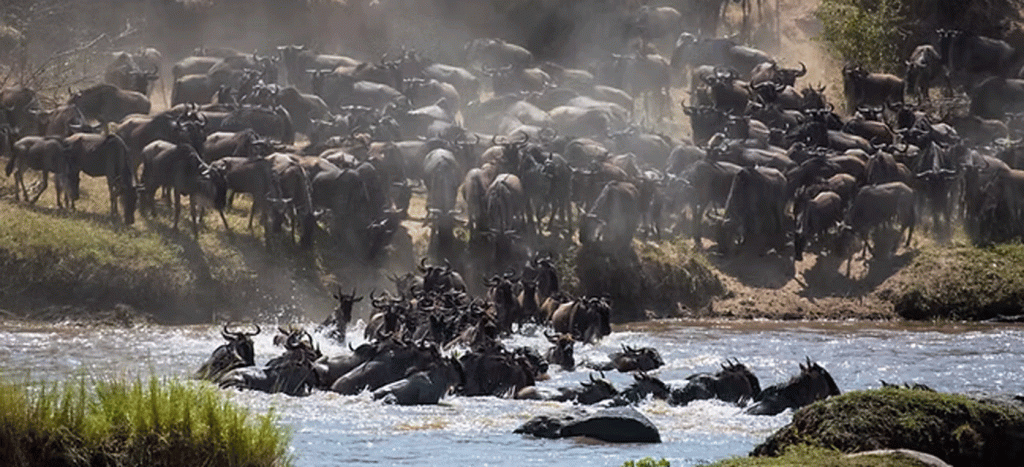
July is widely recognized as the beginning of the true river crossing season in the Serengeti. By this time large numbers of wildebeest, zebras and gazelles have reached the northern Serengeti and are gathering near the Mara River system. The migration becomes more concentrated, while anticipation and tension along the riverbanks increase significantly.
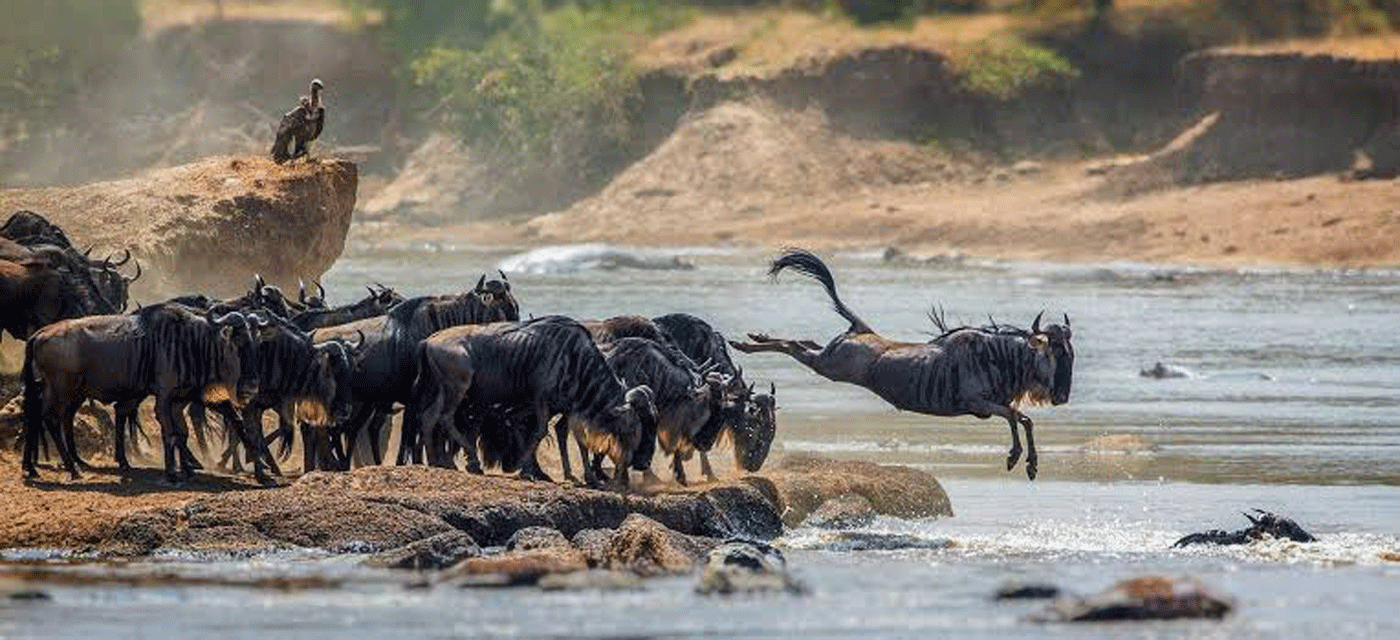
This is when the first major and more predictable crossings begin. Unlike June when crossings can be relatively rare and hesitant, July often sees larger herds attempting to cross in dramatic waves. Thousands of animals may gather at a crossing point, sometimes waiting for hours before one animal finally enters the water. Once the movement begins the herd can follow rapidly.
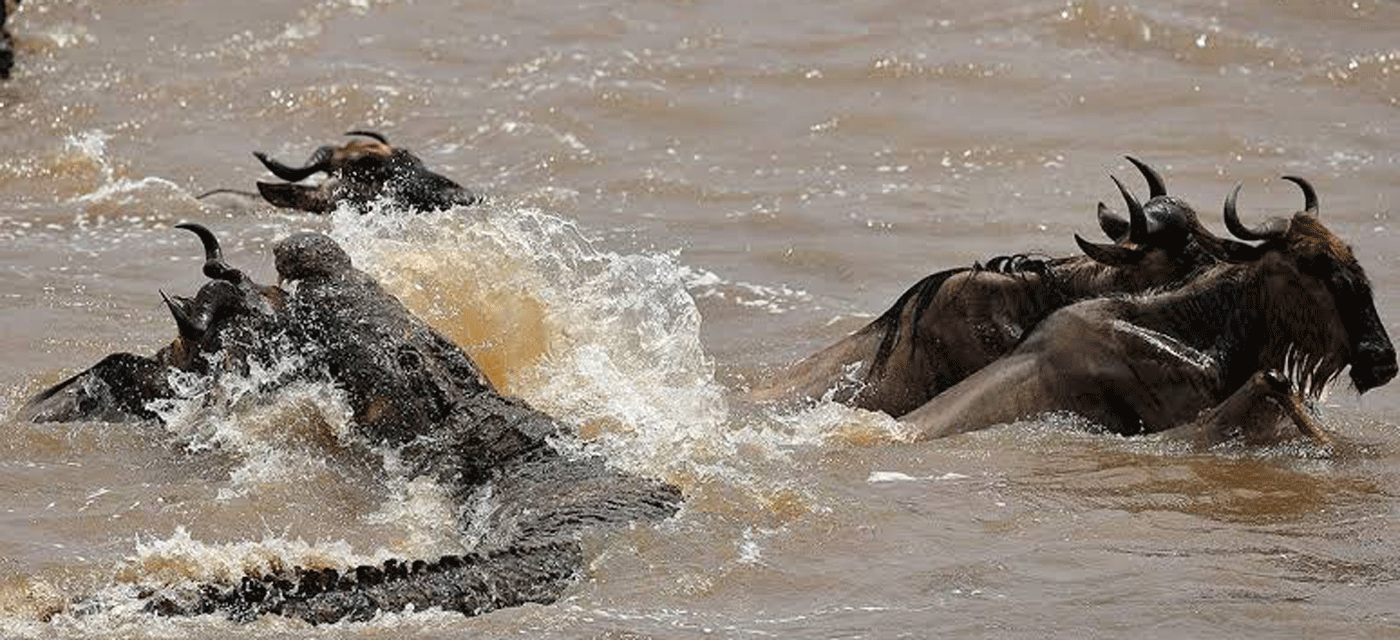
The Mara River presents serious natural challenges, including strong currents and large Nile crocodiles. Lions and hyenas may also wait nearby for opportunities to prey on vulnerable or separated animals. These conditions make July one of the most exciting times for witnessing the Great Migration.
For safari travelers July offers a strong chance of seeing river crossings although sightings can never be guaranteed on a specific day. The weather is generally dry, with clear skies and excellent visibility for photography and game drives. However July is also the start of peak safari season so northern Serengeti camps can become busy and expensive. Booking early is highly recommended.
August – Peak River Crossing Season
August is considered the absolute peak of the river crossing season in the Serengeti offering some of the most dramatic wildlife experiences of the Great Migration. During this month enormous herds of wildebeest gather along the Mara River with crossings taking place regularly as animals move between grazing areas in search of fresh grass and water.
The scale of the migration in August is extraordinary. Thousands of wildebeest can gather at the riverbank before suddenly surging into the water. They may hesitate for long periods because of strong currents and waiting crocodiles creating tense moments before the herd finally plunges across in powerful waves. Each crossing becomes a natural spectacle shaped by instinct, movement and survival.
Wildlife activity around the Mara River also reaches a high point during August. Crocodiles wait in the water while lions and other predators patrol the riverbanks, watching for vulnerable or separated animals. This intense predator activity adds another layer of drama to the migration experience.
For travelers August provides one of the best opportunities to witness multiple river crossings during a safari. Although crossings remain unpredictable experienced guides can monitor herd movements and position safari vehicles near active crossing areas.
Dry, sunny weather and clear visibility also make August excellent for wildlife photography. However high demand means northern Serengeti camps, lodges and safari vehicles can become busy while prices often reach their highest levels. Despite these challenges August remains one of the best months to experience the Mara River crossings.
September – Continued but Slightly Less Intense Crossings
September remains a very strong month for river crossings in the Serengeti, although the intensity begins to slowly decline compared to August. During this period some herds remain in the northern Serengeti while others begin shifting northward toward Kenya’s Maasai Mara or dispersing across wider grazing areas.
Crossings still occur frequently in early September especially in areas such as Kogatende and Lamai. However, the scale of the crossings may be slightly smaller and the frequency becomes less predictable as the migration starts to spread out. Instead of massive continuous crossings travelers may see more spaced-out and irregular events.
The advantage of September is that it offers a balance between high wildlife activity and slightly reduced tourist pressure. While still part of the peak migration season it is generally less crowded than August. This allows for a more relaxed safari experience with better viewing positions and less competition at crossing points.
Predator activity remains strong during this month. Crocodiles are still highly active in the rivers and lions continue to follow the herds along their migration path. This ensures that even when crossings are fewer the overall wildlife experience remains exciting and dynamic.
Weather conditions in September are still excellent, with dry days and clear skies dominating most of the month. This provides ideal conditions for game viewing, photography and long safari drives. Vegetation remains relatively sparse making wildlife easier to spot. For travelers who miss the peak August window September is often considered the best alternative. It still offers a high chance of witnessing dramatic river crossings without the extreme crowds and peak pricing of August.
Early October – Last Strong Crossing Window
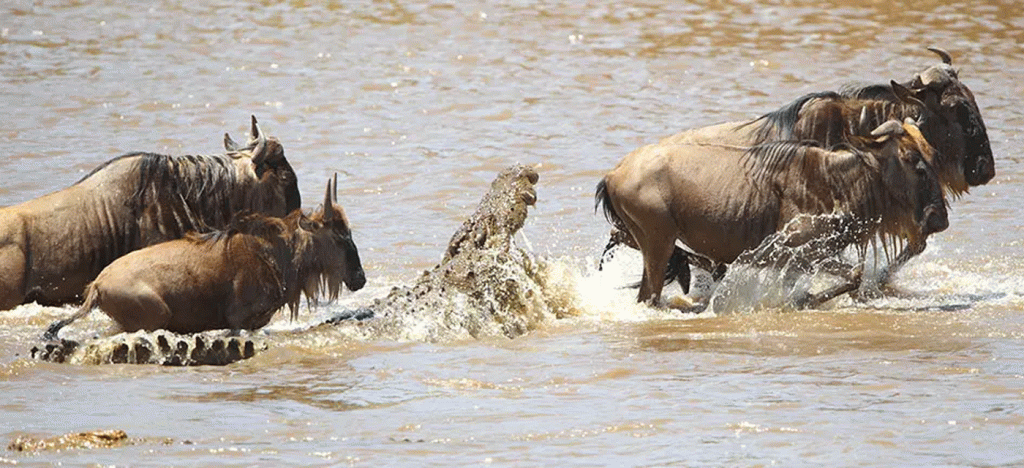
Early October represents the final reliable opportunity to witness river crossings in the Serengeti although conditions begin to change compared to the peak months. By this stage, most of the massive herds have already crossed the Mara River and moved into Kenya’s Maasai Mara ecosystem. However not all animals migrate at the same pace and some groups still remain in the northern Serengeti especially in areas like Lamai Wedge and surrounding river sections.
During early October River crossings still occur, but they are less frequent and more scattered. Instead of the continuous high-intensity crossings seen in August and early September travelers may experience occasional unpredictable events. A herd might gather suddenly at a riverbank and cross within minutes or they may remain hesitant for hours before deciding to move. This unpredictability requires patience and flexibility from visitors.
One of the key advantages of early October is the reduced number of tourists. As the peak season winds down safari camps and viewing areas become noticeably quieter. This allows for a more private and relaxed experience at river crossing points. Photographers in particular benefit from fewer vehicles which improves positioning and shot composition.
Weather conditions remain mostly dry although subtle changes in wind and humidity begin to signal the approaching short rains. Vegetation is still relatively open ensuring good visibility of wildlife across the plains. Even though river crossings are less guaranteed, general wildlife viewing remains strong with predators still following any remaining herds in the north.
Early October is ideal for travelers who want a final chance to catch migration action without the intensity of peak season crowds and pricing. However it is important to understand that success depends heavily on timing and luck as herd movement becomes more dispersed and less predictable.
Late October – Rare and Unpredictable Crossings
Late October marks the transition period where river crossings in the Serengeti become rare and highly unpredictable. By this time the majority of wildebeest and zebra herds have already moved deeper into Kenya or started spreading across wider grazing areas depending on rainfall conditions. The once concentrated movement along the Mara River significantly decreases.
At this stage river crossings are no longer a central feature of the safari experience. Instead they become occasional events that depend on unusual movement patterns or weather shifts. For example if rainfall delays migration or if certain herds lag behind small groups may still attempt crossings. However these are not consistent and cannot be relied upon when planning a safari.
The overall safari experience in late October shifts from dramatic migration viewing to broader wildlife observation. Visitors are more likely to encounter resident species such as elephants, giraffes, buffalo and predators like lions and leopards across different regions of the Serengeti. The park feels more open and less congested offering a peaceful and expansive safari atmosphere.
One advantage of visiting during late October is cost. With peak migration season over safari prices for accommodation and tours often decrease. Camps are quieter and availability is higher allowing for more flexible travel planning. This makes it appealing for travelers who prioritize affordability and tranquility over specific wildlife events.
Weather conditions remain generally dry but early signs of seasonal change become more noticeable. This transitional climate can bring occasional cloud cover or light showers although it does not yet significantly affect road conditions or game drives. In summary late October is not a reliable month for river crossings but it still offers valuable safari experiences for those interested in general wildlife viewing and a quieter Serengeti environment.
November – Migration Shift and Return Movement Begins
November marks an important phase in the Serengeti ecosystem as the Great Migration begins to shift direction due to the arrival of short rains. These rains rejuvenate the southern Serengeti plains encouraging the herds to gradually move back southward after spending months in the northern regions.
By this time river crossings at the Mara River have largely ended. The massive herds that once dominated the northern Serengeti are now dispersed or already on their journey south. As a result, November is not considered a river crossing month in the traditional sense. Instead, it represents the beginning of a new migration cycle.
Although major crossings are no longer happening, smaller and less dramatic movements may still occur across various rivers and water channels within the ecosystem. These are not part of the iconic Mara River crossing spectacle but still reflect the natural movement patterns of wildlife adapting to changing environmental conditions.
The landscape in November undergoes a noticeable transformation. The first rains bring fresh green grass across the plains, attracting scattered wildlife and creating a more vibrant and lush environment. This shift changes the safari experience from dry-season concentration to wet-season dispersion.
For travelers, November offers a different kind of safari experience. It is quieter less crowded and often more affordable compared to peak migration months. Wildlife viewing becomes more spread out requiring more exploration across different areas of the park.
While river crossings are not a feature of November safaris the month plays an important role in the overall migration cycle marking the transition from northern movement back to the southern calving grounds. It is a period of renewal and regeneration in the ecosystem rather than dramatic predator-prey river encounters.
Weather and Migration Timing Factors
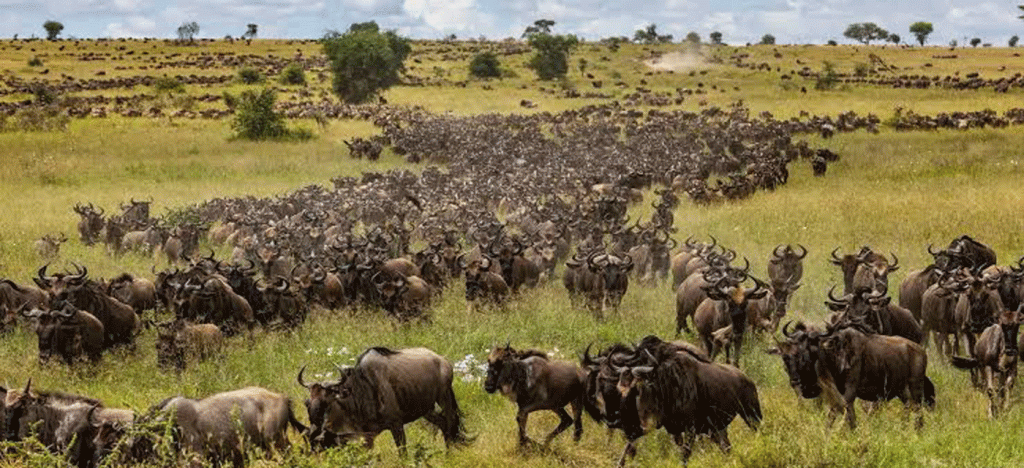
Understanding river crossings in the Serengeti requires more than knowing the best months because the Great Migration does not follow a fixed calendar. Instead environmental conditions influence when and where wildebeest and zebras move, making river crossings flexible and sometimes unpredictable. Even during the peak season crossing activity can vary from one year to another or from one week to the next.
Rainfall is one of the most important factors. The herds follow fresh grass and water so changes in rainfall can alter their movements. Early or delayed rains may shift the timing of crossings as animals respond to changing grazing conditions.
River levels also influence crossing behavior. Heavy rainfall upstream can raise the Mara River creating stronger currents and making crossings more dangerous. Lower water levels may encourage herds to cross more frequently.
Herd behavior adds another layer of unpredictability. Thousands of animals may gather along the riverbank for hours before suddenly moving into the water. Predator pressure from crocodiles and lions can also cause hesitation or trigger sudden movement.
For this reason experienced safari guides are valuable. They monitor herd movements, communicate with other guides and adjust safari routes to improve the chances of witnessing an active river crossing.
Frequently Asked Questions About River Crossings in Serengeti
What are the best months to see river crossings in Serengeti?
The best months to see river crossings in Serengeti are generally July, August and early September. During this period, large herds of wildebeest and zebras gather in the northern Serengeti around the Mara River. Late June and early October can also offer crossings although they are usually less predictable.
When does the Serengeti river crossing season start?
The river crossing season generally begins in late June or July. Late June marks the early arrival of migrating herds in the northern Serengeti while July usually brings more significant and frequent crossing activity.
Is August the best month for Serengeti river crossings?
August is widely considered one of the best months for Serengeti river crossings. Large herds often concentrate around the Mara River creating excellent opportunities to witness dramatic crossings. However crossings remain a natural event so they cannot be guaranteed on a particular day.
Can I see river crossings in September?
Yes, September is still a strong month for river crossings. Early September can provide excellent opportunities, particularly around Kogatende and Lamai. As the month progresses some herds begin moving toward Kenya or dispersing making crossings less predictable.
Are river crossings guaranteed during a Serengeti safari?
No, river crossings are never guaranteed. The Great Migration responds to rainfall, fresh grazing, river levels, herd behavior and predator activity. A herd may gather at the riverbank for hours before crossing or suddenly move away.
Where is the best place to see river crossings in Serengeti?
The northern Serengeti particularly areas around Kogatende, Lamai and the Mara River provides some of the best opportunities to see the Great Migration river crossings. Choosing accommodation close to active migration areas can reduce travel time during game drives.
What animals cross the Mara River?
Wildebeest are the main animals involved in the Mara River crossings but zebras and gazelles also move with the migration. Different species may cross at different times depending on herd movements and grazing conditions.
Why do wildebeest cross the Mara River?
Wildebeest cross the Mara River as part of their annual migration in search of fresh grazing and water. Their movement is influenced by rainfall and the availability of nutritious grass across the Serengeti-Mara ecosystem.
Are there crocodiles in the Mara River?
Yes. Nile crocodiles live in the Mara River and can pose a natural threat to migrating animals. Their presence contributes to the danger and unpredictability of the crossing although the migration itself is driven primarily by the search for food and water.
Is late June a good time for river crossings?
Late June can be a good time to visit particularly for travelers who want to experience the beginning of the northern migration. However the herds may still be scattered so major river crossings are less consistent than during July and August.
Is early October good for seeing river crossings?
Early October can provide a final opportunity for river crossings in the northern Serengeti. Some herds may still remain around the Mara River but crossings become increasingly scattered as the migration moves toward Kenya and other grazing areas.
Can I see river crossings in late October?
River crossings are possible but rare and unpredictable in late October. Most of the major herds have usually moved away from the northern Serengeti by this stage. Late October is better suited to travelers interested in general wildlife viewing and a quieter safari.
Can I see Mara River crossings in November?
November is not considered a river-crossing season. The Great Migration begins shifting southward as short rains encourage fresh grass growth in the southern Serengeti. Travelers visiting in November can still enjoy excellent wildlife viewing but Mara River crossings are unlikely.
How long does a river crossing take?
A river crossing can happen within minutes even after a herd has spent hours gathering and hesitating at the riverbank. The unpredictable timing is one reason patience is essential when searching for crossings.
What affects the timing of Serengeti river crossings?
Several factors affect river-crossing timing, including rainfall, grass availability, river water levels, herd behavior and predator pressure. These environmental conditions mean that the migration does not follow an exact annual calendar.
How long should I stay in the Serengeti to see a river crossing?
Staying for several days in the northern Serengeti generally gives you better opportunities than visiting for only one day. More time allows your safari guide to follow changing herd movements and respond when animals gather near potential crossing points.
Is the Serengeti crowded during river crossing season?
The northern Serengeti can become busy during July and especially August when demand for migration safaris is high. September and early October can offer a quieter experience while still providing opportunities to see crossing activity.
What is the best area for a Serengeti river crossing safari?
For a dedicated river-crossing safari the northern Serengeti is the most suitable area, particularly around Kogatende and the Mara River. Your exact location should depend on where the herds are moving when you travel.
Can Serengeti Travels guarantee a river crossing?
No. Serengeti Travels cannot guarantee a river crossing on a specific day because the event depends on natural migration conditions. However experienced guides can monitor herd movements and adjust safari routes to improve the chances of finding active crossing areas.
What is the best month overall for a Serengeti river crossing safari?
August is often the strongest overall choice for travelers specifically focused on river crossings because large herds commonly gather around the Mara River. July and early September are also excellent alternatives, while late June and early October offer additional opportunities with greater uncertainty.
Conclusion
The river crossings in Serengeti National Park rank among the world’s most dramatic wildlife experiences but they do not occur evenly throughout the year. The best months to see river crossings are July, August and early September when the Great Migration reaches the northern Serengeti and large herds gather near the Mara River.
During this peak period, wildebeest, zebras and gazelles cross the river as they search for fresh grazing and water. August usually offers some of the strongest crossing activity as thousands of animals gather along the riverbanks before making their move. Late June and early October can also bring exciting crossings although the timing remains less predictable.
Serengeti Travels recommends visiting the northern Serengeti during the peak migration months to increase your chances of seeing this spectacular event. However no safari operator can guarantee a river crossing on a specific day. Rainfall, grazing conditions, water levels and animal behavior all influence the migration’s movement.
Outside the main July to September period the herds move toward other parts of the Serengeti so Mara River crossings become less frequent. Travelers should therefore plan carefully, choose the right location and allow enough time for the migration to unfold naturally.