 English
 Deutsch
 Italia
May 19, 2026
Visiting Serengeti in the Dry Season vs Wet Season: Full Comparison
Introduction
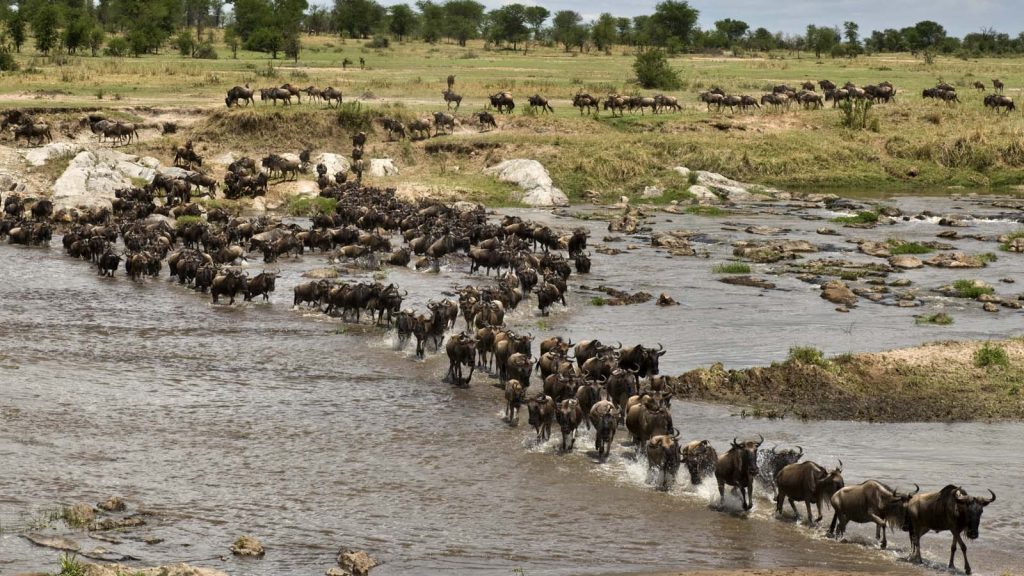
Visiting Serengeti in the Dry Season vs Wet Season: Full Comparison helps travelers understand the best time to experience Serengeti National Park in Tanzania. The Serengeti is famous for its endless plains, abundant wildlife, powerful predators and spectacular Great Migration. However the safari experience changes significantly between the dry and wet seasons.
The dry season from June to October offers excellent wildlife viewing because limited rainfall causes animals to gather around rivers and waterholes. This makes it easier to spot lions, elephants, giraffes, zebras, buffalo and other wildlife. The period is also popular for witnessing dramatic Great Migration river crossings particularly in the northern Serengeti.
The wet season, generally from November to May, brings fresh green landscapes, blooming vegetation and active wildlife. January to March is especially important for the Great Migration calving season in the southern Serengeti and Ndutu area. Travelers can also enjoy excellent birdwatching, fewer crowds and a peaceful safari atmosphere.
Neither season is universally better. The dry season suits travelers seeking predictable wildlife sightings and migration action while the wet season is ideal for lush scenery, newborn animals, birdlife and quieter game drives. Understanding these differences helps you choose the Serengeti season that best matches your safari goals.
Table of contents
Weather and Climate Conditions
Weather is one of the most important factors shaping the Serengeti safari experience and the contrast between the dry and wet seasons is significant.
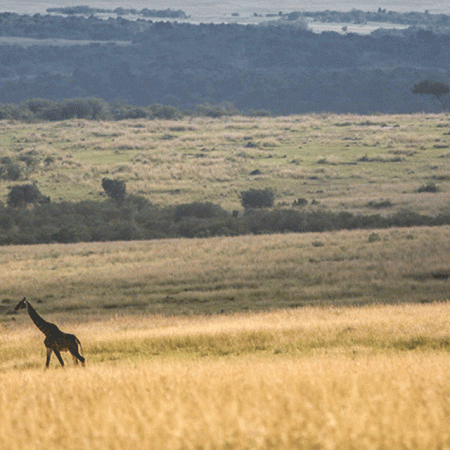
During the dry season (June to October) the Serengeti experiences stable and predictable weather conditions. Rainfall is extremely rare and the sky remains mostly clear and sunny throughout the day. This creates ideal conditions for safari activities because travelers can plan full-day game drives without worrying about sudden weather disruptions. Daytime temperatures are generally warm and comfortable while early mornings and evenings can be cooler especially during sunrise game drives when predators are more active.
One of the defining characteristics of the dry season is the dryness of the land. The soil becomes dusty and loose and safari vehicles often create dust trails while moving across the plains. While this dust can sometimes affect visibility or photography it is a natural part of the dry landscape and does not significantly reduce the quality of wildlife experiences. In fact, clear skies and long sunlight hours make it easier to enjoy extended game drives.
In contrast the wet season (November to May) brings a completely different climate pattern. Rainfall is divided into two phases: short rains and long rains. The short rains (November–December) usually come in brief afternoon showers while the long rains (March–May) are heavier and more continuous.
During this period the Serengeti transforms dramatically. The landscape becomes green, lush and full of life. Fresh grass grows rapidly, flowers bloom and the entire ecosystem feels rejuvenated. Temperatures are often slightly cooler than in the dry season making the environment more comfortable for some travelers.
However the wet season also introduces unpredictability. Rain can occur suddenly and may temporarily interrupt game drives. Roads can become muddy or slippery especially in remote areas making travel more challenging. Some routes may require detours or adjustments depending on weather conditions.
Despite these challenges, many travelers appreciate the wet season for its freshness, beauty and atmospheric conditions. In summary the dry season offers stability and convenience while the wet season provides dramatic transformation and natural vibrancy.
Wildlife Visibility and Game Viewing
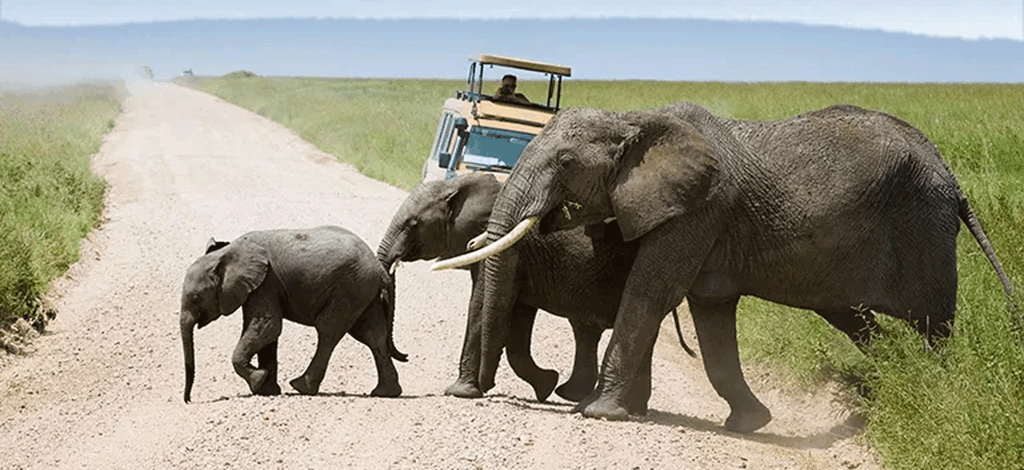
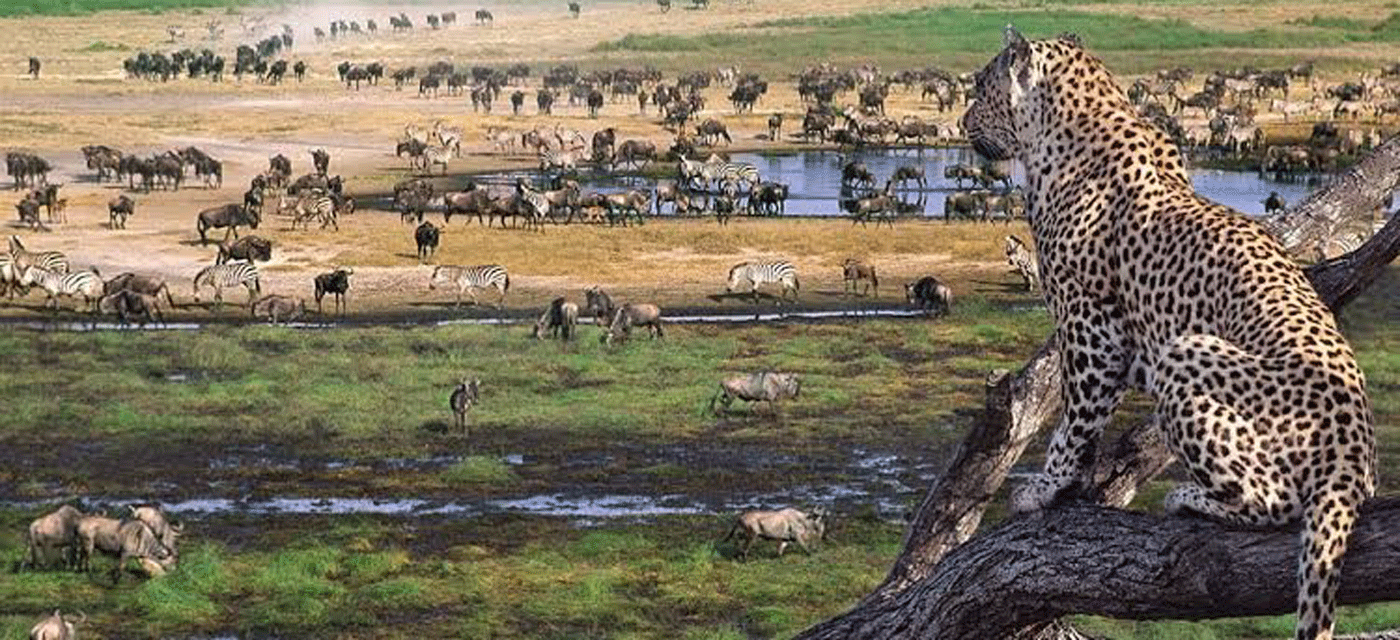
Wildlife visibility is one of the most important reasons travelers visit the Serengeti and the difference between seasons is very clear. During the dry season game viewing is at its absolute best. The combination of sparse vegetation and limited water sources creates ideal conditions for spotting animals. As rivers and waterholes shrink wildlife is forced to gather in concentrated areas. This makes animal sightings more predictable and frequent.
Herbivores such as zebras, wildebeest, buffalo, giraffes and elephants can often be seen in large groups near water sources. Predators also become easier to find because they follow these herds closely. Lions are commonly seen resting in open areas or stalking prey while cheetahs use open plains for hunting. Leopards are often spotted in trees overlooking dry riverbeds.
Another advantage of the dry season is long-distance visibility. With less grass and bush cover animals can be seen from far away making it easier for safari guides to locate wildlife quickly. This is especially beneficial for first-time safari travelers who want guaranteed sightings of major species.
In contrast the wet season presents a more challenging but natural wildlife viewing experience. Rainfall spreads water across the plains allowing animals to disperse widely. There is no need for large gatherings near water sources which means animals are more spread out and harder to locate. The tall green vegetation that grows during this period can also obstruct visibility. Even large animals may be partially hidden in thick grass. As a result, game drives require more patience and tracking skills from guides.
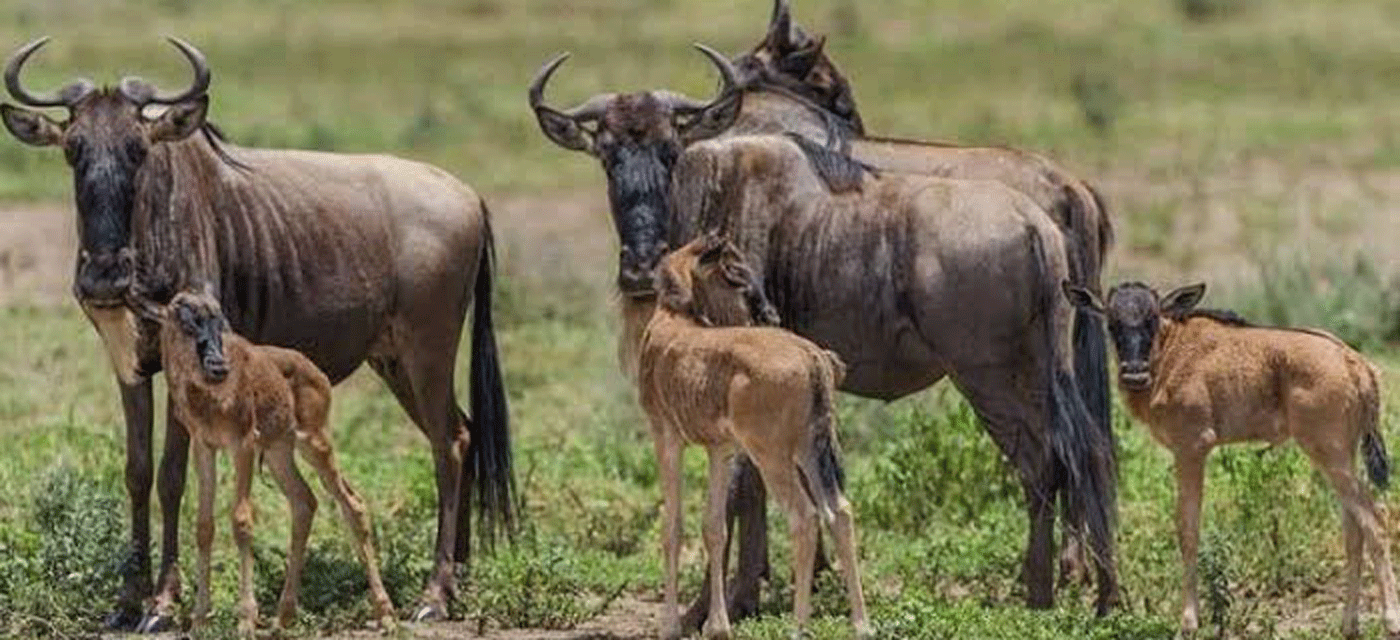
However, the wet season offers unique wildlife advantages. It is the season of birth and renewal. Many animals give birth during this time especially wildebeest and zebras. This attracts predators and creates intense but natural interactions between species. Birdlife also reaches its peak during the wet season with migratory species arriving in large numbers making it excellent for birdwatching enthusiasts.
Overall, the dry season offers predictable and high-density wildlife viewing while the wet season provides more natural, scattered and dynamic wildlife behavior.
The Great Migration Experience
The Great Migration is one of the most spectacular wildlife events in the world and its experience varies greatly depending on the season. During the dry season (June to October) the migration is concentrated in the northern Serengeti and Maasai Mara region. This is the period when the famous river crossings occur at the Mara River. Thousands of wildebeest and zebras gather along the riverbanks hesitating before making the dangerous crossing into crocodile-infested waters.
These crossings are among the most dramatic wildlife moments in Africa. The tension builds as herds gather and when the movement finally begins, chaos unfolds. Some animals successfully cross while others face strong currents or predators. However, these events are unpredictable and visitors may need to wait for long periods before witnessing a crossing.
In the wet season (November to May) the migration shifts to the southern Serengeti and Ndutu plains. The highlight of this period is the calving season which takes place mainly from January to March. During calving season hundreds of thousands of wildebeest give birth within a short time frame. This creates one of the most intense ecological events in nature. Newborn calves are vulnerable, attracting predators such as lions, hyenas and cheetahs almost immediately.
Unlike river crossings, calving season offers more consistent and frequent wildlife activity. Births happen daily and predator interactions are spread across the plains rather than concentrated in one location.
Predator Activity and Behavior
Predator behavior in the Serengeti changes significantly between the dry and wet seasons because it is directly influenced by prey movement, water availability and vegetation density. Understanding these differences is essential for travelers who are particularly interested in lions, leopards, cheetahs, hyenas and other carnivores.
During the dry season predator activity is highly concentrated and easier to observe. As water sources become limited large herbivores such as zebras, wildebeest, buffalo and antelopes gather around rivers and remaining waterholes. This creates predictable hunting zones for predators. Lions in particular take advantage of this situation by positioning themselves near water points or along migration routes. They often rest in open grasslands during the heat of the day and become more active during early morning or late evening hunts.
Cheetahs benefit greatly from the dry season conditions. The open, dry plains allow them to use their speed efficiently and the lack of tall grass improves their ability to track and chase prey. Leopards on the other hand tend to stay in riverine forests or climb trees overlooking plains where prey movements are frequent. Hyenas also become more visible as they compete with lions for carcasses or hunt in large groups.
In contrast the wet season creates a very different predator environment. With water widely available prey animals disperse across the plains rather than clustering around specific points. This reduces predictable hunting hotspots and forces predators to travel larger distances. As a result, predator sightings can be less frequent but more natural and spread out.
However, the wet season introduces one of the most important predator events in the Serengeti the calving season. During this period thousands of newborn wildebeest are extremely vulnerable. Predators take advantage of this abundance of easy prey leading to frequent but short hunting encounters. Unlike the dry season where predators wait at fixed locations wet season hunting is dynamic and constantly shifting across the landscape.
Photography Conditions
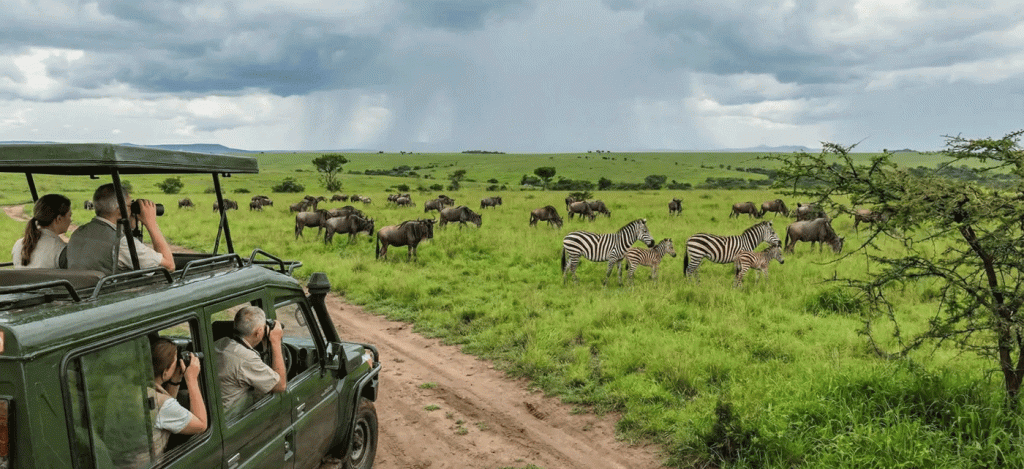
Photography in the Serengeti varies greatly between the dry and wet seasons and each season offers completely different artistic opportunities. The choice between them depends on whether a photographer prefers clear wildlife portraits or dramatic landscape storytelling.
During the dry season photography benefits from clear skies, strong sunlight and excellent visibility. The golden tones of the dry savannah create a classic African safari look where animals stand out sharply against open plains. This makes it ideal for capturing detailed wildlife portraits, especially of lions, elephants, giraffes and zebras. Early morning and late afternoon light are particularly valuable as the low sun creates warm tones and long shadows that enhance image depth.
However, the dry season also has some photographic challenges. Dust is a major factor especially when vehicles move across dry roads. This dust can reduce sharpness in long-distance shots and sometimes create haze in the background. Despite this, many photographers still prefer the dry season for its consistency and reliable lighting conditions.
In contrast the wet season offers a completely different photographic environment. The landscape becomes lush, green and visually rich. This creates a more vibrant and dynamic background for wildlife photography. The presence of rain clouds and dramatic skies adds mood and depth to images making them more cinematic and artistic.
Wet season photography also captures unique natural moments such as newborn animals, feeding scenes and predator interactions during the calving period. However lighting conditions can be more challenging due to cloud cover and sudden weather changes. Photographers must adapt quickly and often work with softer, diffused light instead of direct sunlight.
Another advantage of the wet season is reduced dust which results in cleaner air and clearer long distance visibility. This can significantly improve image quality in many situations.
Road Conditions and Accessibility
Road conditions in the Serengeti play a major role in determining how smooth and flexible your safari experience will be and they vary significantly between the dry and wet seasons.
During the dry season road conditions are generally excellent. The ground is firm, dry and stable allowing safari vehicles to travel easily across most parts of the park. Even remote areas are more accessible and travel times are usually predictable. This allows guides to plan longer game drives and explore deeper regions of the Serengeti without major limitations.
The dry conditions also reduce the risk of vehicles getting stuck which means fewer interruptions during game drives. This makes the dry season especially suitable for first-time visitors who prefer a smooth and hassle-free safari experience. It also allows for better coverage of migration routes, river crossings and predator hotspots.
In contrast the wet season introduces significant changes to road conditions. Rainfall softens the soil and can quickly turn dirt roads into muddy and slippery tracks. Some areas become difficult or even temporarily inaccessible especially in the western and southern Serengeti where rainfall is heavier.
Travel times may increase because vehicles need to move more carefully or take alternative routes. In some cases, game drives may need to be adjusted depending on weather conditions or road safety. However experienced safari guides are well-trained in handling these conditions and know how to navigate safely through the park.
Despite the challenges wet season travel also has advantages. The reduced number of vehicles on the roads creates a more private safari experience. Additionally, the lush environment and dramatic scenery make even difficult journeys visually rewarding.
Crowds and Safari Atmosphere
The number of visitors in the Serengeti changes dramatically between the dry and wet seasons and this has a major impact on the overall safari atmosphere. During the dry season especially from July to September the Serengeti experiences its highest tourist numbers. This is because it coincides with peak wildlife viewing and the famous river crossings of the Great Migration. As a result popular wildlife areas can become crowded with safari vehicles.
At major sightings, such as a lion pride or a river crossing event it is common to see multiple vehicles gathered in one location. While park regulations help manage vehicle behavior the presence of many tourists can sometimes reduce the feeling of wilderness and exclusivity.
However, the advantage of this busy season is that everything is fully operational. Lodges, camps, guides and transportation services run at their highest efficiency. There is also a strong social safari atmosphere where travelers share exciting wildlife moments together.
In contrast the wet season offers a completely different experience. Tourist numbers drop significantly especially during the long rains between March and May. This creates a quiet and peaceful environment where travelers often enjoy wildlife sightings without any other vehicles nearby.
The sense of solitude during the wet season is one of its greatest advantages. The Serengeti feels vast, untouched and deeply connected to nature. Visitors can spend extended time observing animals without interruption or competition for viewing space. Another benefit is that guides have more flexibility and time to focus on individual guest experiences rather than managing crowded sightings. This allows for a more personalized safari journey.
Costs and Budget
The cost of visiting the Serengeti varies significantly between the dry and wet seasons making budget an important factor in choosing when to travel. During the dry season prices are at their highest due to strong demand. This period is considered peak safari season and many travelers from around the world visit Tanzania during these months. As a result accommodation, park tours, flights and safari packages all become more expensive.
Luxury lodges and tented camps often sell out months in advance especially those located near migration routes or popular wildlife areas. Even mid-range accommodations may increase their prices due to high occupancy rates. The high cost is largely justified by excellent wildlife viewing opportunities, stable weather and reliable safari conditions.
In contrast the wet season is known as the low or green season and it offers significantly lower prices. Many lodges reduce their rates to attract visitors during this quieter period. Travelers can often find discounts on accommodation, safari packages and sometimes even flights. This makes the wet season an excellent option for budget-conscious travelers or those who want a luxury safari experience at a lower cost. It also allows travelers to enjoy more days in the park for the same budget compared to the dry season.
However lower prices come with certain trade-offs. Some remote camps may close temporarily during heavy rains and certain routes or regions may be less accessible. Despite this many well-established lodges remain open year-round and continue offering high-quality safari experiences.
Frequently Asked Questions About Visiting Serengeti in the Dry Season vs Wet Season
What is the best season to visit Serengeti National Park?
The best season depends on your safari goals. The dry season from June to October is excellent for wildlife viewing and Great Migration river crossings while the wet season from November to May offers green scenery, birdwatching, fewer crowds and the January–March calving season.
Is the Serengeti better in the dry season or wet season?
The dry season is better for travelers who prioritize predictable wildlife sightings easier road conditions and migration activity. The wet season is ideal for travelers seeking lush landscapes, fewer tourists, newborn animals and lower safari costs.
When is the dry season in Serengeti?
The main dry season runs from June to October. During these months, rainfall is limited, vegetation becomes thinner and animals often gather around remaining water sources making wildlife easier to spot.
When is the wet season in Serengeti?
The wet season generally runs from November to May and includes the short rains in November and December and the longer rains from March to May. The landscape becomes greener and wildlife activity changes significantly.
When is the best time to see the Great Migration in Serengeti?
For river crossings July to October is generally the key period particularly in the northern Serengeti. For the calving season January to March is the main period in the southern Serengeti and Ndutu area.
Can I see the Great Migration during the wet season?
Yes. The Great Migration continues throughout the year. During the wet season the herds move through the southern Serengeti and Ndutu area where January to March is particularly notable for calving.
Is wildlife easier to see during the dry season?
Yes. Limited water and shorter vegetation can concentrate animals around water sources and open areas. This often makes wildlife easier to locate and observe compared with the wetter months.
Is the wet season good for a Serengeti safari?
Yes. The wet season can provide excellent wildlife experiences especially during calving season. It also offers green scenery, migratory birds, fewer visitors and potentially lower safari prices.
Does it rain every day during the wet season in Serengeti?
No. Rainfall varies by month and location. Short rains often arrive as brief showers while the long-rain period can bring heavier and more frequent rainfall. Safari conditions can still be good between showers.
Is Serengeti crowded during the dry season?
The Serengeti is generally busiest during the peak dry-season months especially July to September. Popular wildlife sightings and migration areas can attract multiple safari vehicles.
Is Serengeti quieter during the wet season?
Yes. Visitor numbers generally decrease during the wet season particularly during the long rains. This can create a more peaceful safari atmosphere with fewer vehicles at wildlife sightings.
Which season is cheaper for a Serengeti safari?
The wet or green season is generally more affordable than the peak dry season. Some lodges and safari operators offer lower rates during quieter periods making it attractive for budget-conscious travelers.
Which season is better for photography in Serengeti?
Both seasons offer excellent photography opportunities. The dry season provides clear visibility, golden landscapes and classic wildlife portraits while the wet season offers green scenery, dramatic skies, newborn animals and vibrant landscapes.
Are Serengeti roads difficult during the wet season?
Some roads can become muddy or slippery after heavy rainfall particularly in certain remote areas. Experienced safari guides can adjust routes and driving plans according to local conditions.
Which season is best for birdwatching in Serengeti?
The wet season is particularly rewarding for birdwatching because vegetation is abundant and migratory birds are present. The greener landscape also provides excellent opportunities to photograph birdlife
Conclusion
Choosing between the dry season and wet season in the Serengeti depends on the type of safari experience you want. There is no single best time to visit because each season offers different wildlife encounters, landscapes and advantages. Serengeti Travels helps travelers choose the right season based on their safari interests.
The dry season from June to October is ideal for reliable wildlife viewing. As water becomes scarce, animals gather around rivers and waterholes making it easier to spot lions, elephants, giraffes, buffalo and other wildlife. It is also a prime period for witnessing the Great Migration in the northern Serengeti including dramatic Mara River crossings. However this season attracts more visitors so safari costs can be higher and popular wildlife sightings may become crowded.
The wet season offers a greener, quieter and more scenic Serengeti. Rainfall transforms the plains into lush grasslands while fewer tourists create a more peaceful safari atmosphere. Wildlife spreads across larger areas but the season is particularly rewarding during the calving period in southern Serengeti and Ndutu when thousands of wildebeest calves are born and predators become highly active.
With Serengeti Travels travelers can plan their safari around the season that best matches their priorities whether wildlife concentration, migration, calving, scenery or fewer crowds.