 English
 Deutsch
 Italia
May 19, 2026
Serengeti in January: Weather, Wildlife & Travel Tips
Introduction
Serengeti in January: Weather, Wildlife & Travel Tips can help travelers understand why this month offers a unique and rewarding safari experience in Serengeti National Park. January represents a special moment in the annual cycle of the Serengeti, when lush landscapes, abundant wildlife, comfortable weather and the beginning of the calving season come together to create an exceptional safari experience. Unlike the peak dry season which is known for dramatic river crossings January focuses on new life and the concentration of animals across the southern plains and Ndutu region.
During this time the Serengeti becomes a vibrant green environment following the short rains. Fresh grass attracts large herds of wildebeest, zebras and gazelles drawing the Great Migration toward the southern Serengeti and Ndutu where conditions are ideal for calving. As a result January is one of the most active periods for wildlife viewing, offering consistent and diverse sightings throughout a safari.
What makes January particularly special is the balance it provides. The weather is generally comfortable with warm days and cooler mornings while visitor numbers can be lower than during peak seasons. This creates a more peaceful experience for travelers who want to spend time observing wildlife, appreciating the landscape and enjoying the natural environment.
Overall January offers a well-rounded Serengeti safari that combines comfortable conditions, beautiful green scenery and exceptional wildlife activity, making it an excellent choice for both first-time visitors and experienced safari travelers.
Table of contents
- Introduction
- Weather Conditions for Serengeti in January
- The Start of Calving Season Serengeti in January
- Concentration of the Great Migration Herds
- Predator Activity at Its Peak
- Stunning Green Landscapes
- Excellent Birdwatching Opportunities
- Fewer Crowds Compared to Peak Season
- Road Conditions and Accessibility Serengeti in January
- Photography Advantages
- Packing and Preparation Tips for Serengeti in January
- Accommodation Choices for Serengeti in January
- Ideal Safari Type for January
- Frequently Asked Questions About Serengeti in January: Weather, Wildlife & Travel Tips
- Conclusion
Weather Conditions for Serengeti in January
January in the Serengeti offers one of the most balanced and enjoyable climates for safari travel. It falls between the short rains and the heavier rainy season creating a period where the environment is fresh, green and comfortable without being overly wet. Daytime temperatures typically range from 25°C to 30°C, which is warm enough for outdoor activities but not extreme. This makes long game drives pleasant allowing visitors to explore for hours without discomfort.
Early mornings and evenings are cooler with temperatures dropping to around 14°C to 18°C. These cooler hours are particularly important for safari activities because wildlife is more active during these times. Predators often hunt at dawn and dusk while herbivores take advantage of the cooler temperatures to graze. As a result most safaris begin early in the morning making it essential for travelers to wear layered clothing that can adapt to changing temperatures.
Rainfall in January is usually light and unpredictable but rarely disruptive. Showers are typically short and occur in the late afternoon or overnight. Instead of being a problem, this rain enhances the safari experience by refreshing the landscape, reducing dust and improving air clarity. The absence of heavy dust is especially beneficial for photography and overall comfort.
Humidity levels remain moderate making the environment more comfortable compared to the heavier rainy months. The skies often feature a mix of sunshine and clouds creating dramatic lighting conditions. Sunrises and sunsets during January are particularly beautiful with rich colors that enhance the visual experience.
Road conditions may vary slightly depending on recent rainfall. Some areas can become muddy especially in the southern plains but experienced safari guides and well-equipped vehicles ensure smooth travel. Overall January provides a pleasant and reliable climate that supports both wildlife activity and an enjoyable travel experience.
The Start of Calving Season Serengeti in January
January marks the beginning of the calving season one of the most significant and fascinating events in the Serengeti ecosystem. During this time hundreds of thousands of wildebeest gather in the southern plains to give birth. This process is highly synchronized with many calves born within a short period. The strategy behind this timing is to overwhelm predators by sheer numbers increasing the chances of survival for individual calves.
The presence of fresh nutrient-rich grass is a key factor in this process. After the short rains the plains provide excellent grazing conditions which are essential for pregnant females and nursing mothers. This ensures that newborn calves receive the nourishment they need to grow quickly and gain strength.
For visitors the calving season offers a rare opportunity to witness the beginning of life in the wild. It is common to see newborn calves taking their first steps within minutes of birth. These moments are not only visually striking but also emotionally powerful providing a deeper connection to the natural world.
At the same time the abundance of vulnerable young animals attracts predators. Lions, cheetahs and hyenas are frequently seen following the herds leading to intense and dramatic interactions. This creates a dynamic environment where life and survival are constantly in motion. Beyond the excitement the calving season also highlights the delicate balance of the ecosystem. It demonstrates how different species interact and depend on each other to maintain stability.
For travelers this period provides a unique and unforgettable safari experience combining moments of tenderness with raw displays of nature’s reality.
Concentration of the Great Migration Herds
In January the Great Migration reaches a stage where the herds are concentrated in the southern Serengeti and Ndutu region. This concentration is driven by the availability of fresh short grass that is rich in nutrients. These grazing conditions are ideal for wildebeest especially during the calving season when females require high-quality food to support their young.
Unlike other times of the year when the migration is constantly moving, January offers a more stable and predictable experience. The herds spread across the plains but remain within a defined area making it easier for guides to locate them. This stability allows visitors to spend more time observing animal behavior rather than traveling long distances in search of wildlife.
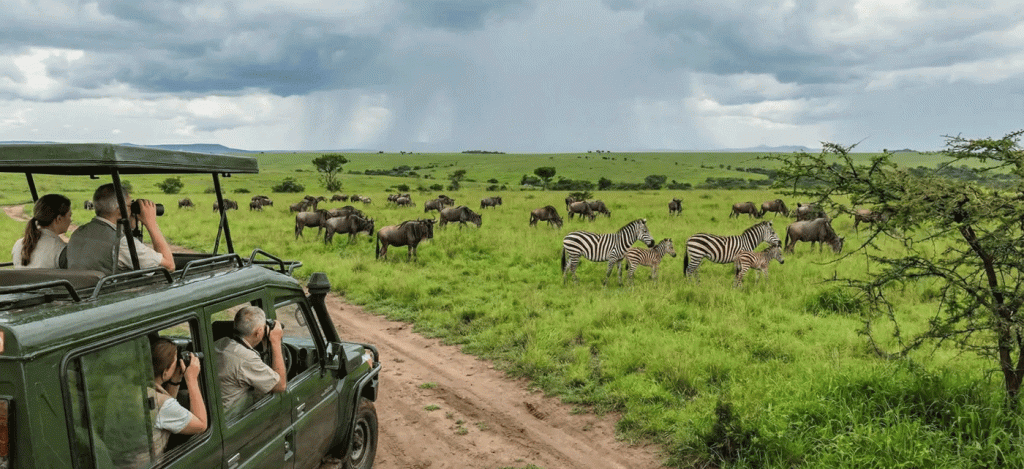
The scale of the migration during this time is extraordinary. Thousands of wildebeest accompanied by zebras and gazelles create a continuous movement across the landscape. This provides a powerful visual experience and highlights the vastness of the Serengeti ecosystem.
Predator Activity at Its Peak
January is one of the best months to observe predator activity in the Serengeti due to the abundance of prey during the calving season. The presence of thousands of newborn animals creates an ideal hunting environment for predators leading to increased activity and frequent sightings.
Lions are particularly active during this time. They often position themselves near the migration herds taking advantage of the easy availability of prey. Visitors may witness coordinated hunting strategies especially during early morning or late evening when temperatures are cooler.
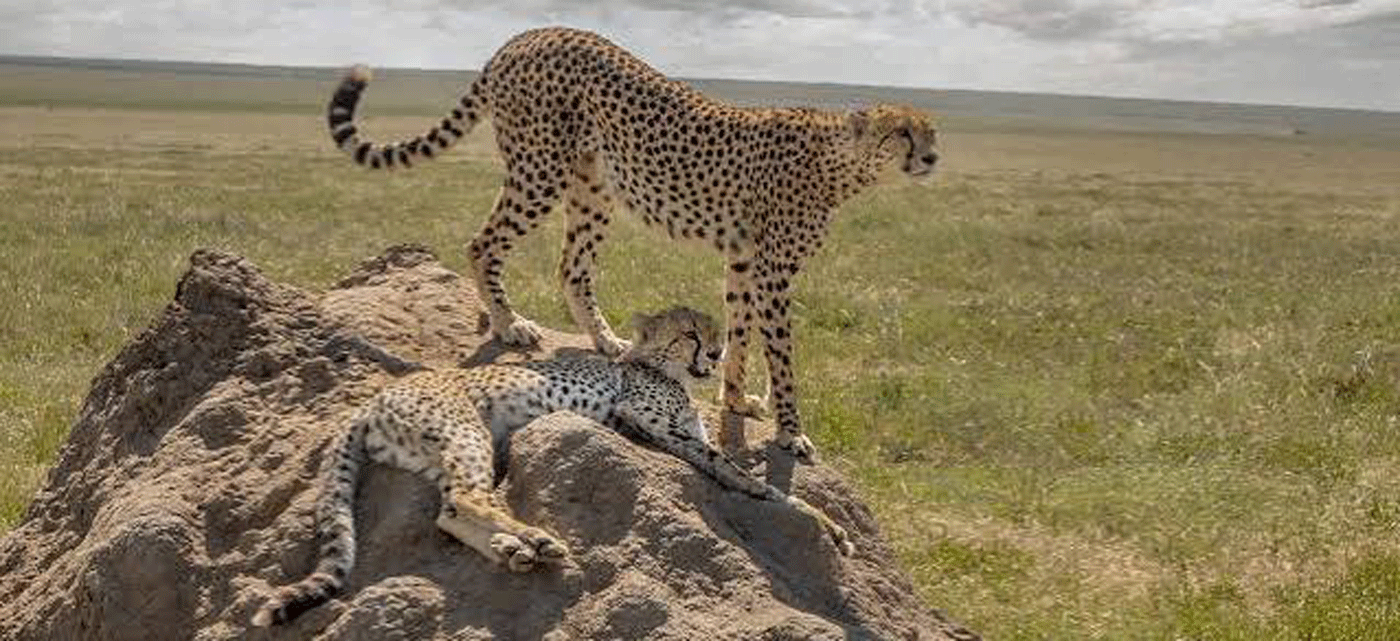
Cheetahs also thrive in this environment. The open plains provide the perfect setting for their high-speed hunting style. With many young and inexperienced prey animals available cheetahs have a higher success rate during this period.
Hyenas are another important part of the ecosystem. They are highly intelligent and capable hunters often competing with lions for food. Their interactions add complexity to the wildlife experience. These predator-prey interactions are not only dramatic but also educational. They provide insight into survival strategies and the balance of nature.
For visitors January offers a high chance of witnessing real hunting scenes making it one of the most exciting times for a safari.
Stunning Green Landscapes
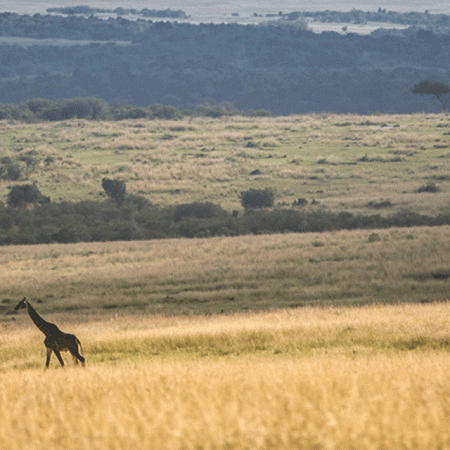
The Serengeti in January is transformed into a lush green environment following the short rains. This seasonal change creates a vibrant and visually stunning landscape that enhances the safari experience. The fresh grass provides essential nutrients for grazing animals supporting the migration and the calving season. The plains appear alive with a sense of renewal and growth that contrasts sharply with the dry season.
For visitors the green landscape offers a refreshing and beautiful setting. The combination of greenery, wildlife and open skies creates a perfect environment for exploration and photography. The reduced dust levels also improve visibility and comfort making game drives more enjoyable. The air feels cleaner and distant views are clearer.
Excellent Birdwatching Opportunities
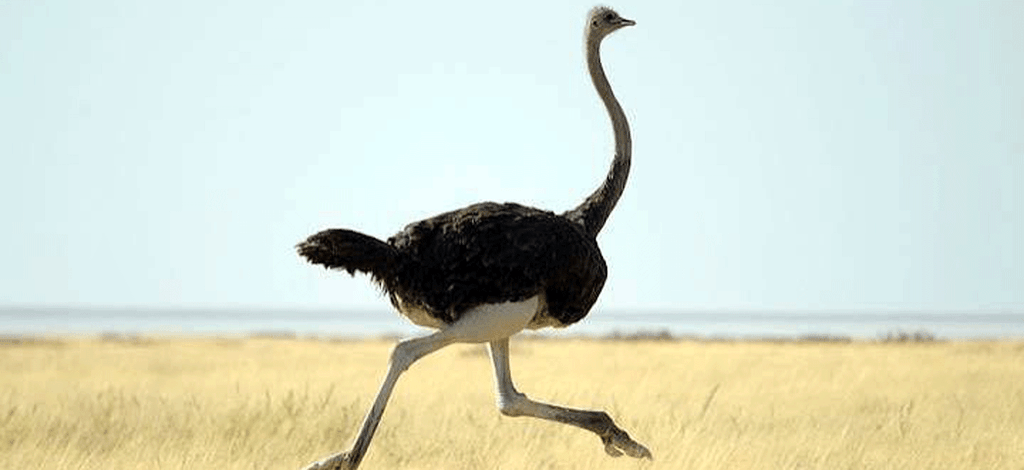
January is one of the most rewarding months for birdwatching in the Serengeti offering an experience that goes far beyond the typical focus on large mammals. During this period migratory bird species arrive from Europe, Asia and other parts of Africa joining the already rich population of resident birds. This seasonal movement significantly increases the diversity of species making the Serengeti a vibrant and dynamic environment for bird enthusiasts.
The combination of fresh vegetation, open water sources and abundant insect life creates ideal conditions for birds to thrive. Wet areas, temporary pools and grassy plains attract a wide variety of species, including wading birds, seed-eaters and birds of prey. Visitors can expect to see storks, herons, egrets and various types of eagles and vultures all actively feeding and interacting within the ecosystem.
One of the most appealing aspects of birdwatching in January is how naturally it fits into the safari routine. Early mornings and late afternoons which are already the best times for game drives are also peak periods for bird activity. This means that even travelers who are not specifically focused on birds can still enjoy excellent sightings without needing special arrangements.
The lush green background of the Serengeti during this time enhances visibility and contrast making it easier to spot birds and appreciate their colors. Brightly colored species stand out beautifully against the landscape creating excellent opportunities for photography. For those interested in expanding their safari experience birdwatching in January adds depth and variety. It highlights the full biodiversity of the Serengeti and offers a more complete understanding of the ecosystem.
Overall January is an ideal time for both casual observers and dedicated birdwatchers to enjoy one of the most diverse and visually rewarding birding experiences in Africa.
Fewer Crowds Compared to Peak Season
January offers a noticeably quieter safari experience compared to peak travel months such as July, August and September. While it is still a popular time for those who understand the value of the calving season it does not attract the same volume of tourists. This creates a more relaxed and enjoyable environment for visitors.
One of the main advantages of fewer crowds is the ability to spend more time at wildlife sightings. In busier months multiple safari vehicles often gather around a single sighting which can limit viewing time and reduce the sense of connection with nature. In January, however there are typically fewer vehicles allowing for longer uninterrupted observation.
This quieter setting also benefits wildlife behavior. Animals are less disturbed by human presence which allows them to act more naturally. This leads to more authentic and meaningful encounters, whether it is a lion resting, a cheetah hunting or a herd grazing peacefully.
The reduced number of visitors also enhances the overall atmosphere of the Serengeti. The landscape feels more open and untouched creating a stronger sense of wilderness. This is particularly appealing for travelers who want to experience the Serengeti in a more personal and immersive way.
Another benefit is greater flexibility in planning. Accommodation availability is often better than in peak season and travelers may have more options when choosing where to stay. In some cases, prices may also be more favorable offering better value for money. For photographers fewer crowds mean more freedom to position vehicles and capture unique angles without obstruction. This can make a significant difference in the quality of images.
Overall, January provides a balance between excellent wildlife viewing and a peaceful less crowded environment making it an ideal choice for travelers seeking a more authentic safari experience.
Road Conditions and Accessibility Serengeti in January
Road conditions in the Serengeti during January can vary depending on recent weather patterns but they are generally manageable with the right preparation and guidance. The occasional rain that occurs during this period can cause some areas particularly the southern plains to become soft or muddy. However these conditions rarely prevent access to key wildlife areas.
Most safari operators use well-maintained four-wheel-drive vehicles designed specifically for off-road conditions. These vehicles provide the necessary traction and stability to navigate challenging terrain safely. Experienced drivers are highly skilled in reading the landscape and choosing the best routes ensuring that visitors can continue their game drives without major disruptions.
Flexibility is an important part of traveling during this time. Routes may be adjusted based on recent rainfall and guides may choose alternative paths to avoid difficult areas. This adaptability often leads to unexpected discoveries such as new wildlife sightings or unique landscapes that might not be part of a fixed itinerary.
While some remote areas may become temporarily inaccessible after heavy rain these situations are usually short-lived. The overall impact on the safari experience is minimal and most travelers find that the benefits of visiting during this season outweigh any minor inconveniences. Another advantage of January travel is the reduced dust on the roads. The moisture in the ground helps keep dust levels low making drives more comfortable and improving visibility.
From a planning perspective choosing a reputable safari operator is essential. A knowledgeable guide can make a significant difference in navigating road conditions and ensuring a smooth experience. In summary while January may present occasional challenges accessibility remains good and with proper support visitors can enjoy a safe and rewarding safari.
Photography Advantages
January is widely considered one of the best months for photography in the Serengeti due to the combination of environmental conditions and wildlife activity. The landscape during this time is lush and green providing a vibrant and visually appealing backdrop for capturing images. This contrasts beautifully with the animals making photographs more dynamic and colorful.
One of the most important factors for photography is lighting and January offers excellent conditions in this regard. The presence of clouds helps diffuse sunlight reducing harsh shadows and creating softer more balanced light. This is especially beneficial for wildlife photography as it allows for better detail and more natural colors.
Sunrises and sunsets during January are particularly striking. The mix of clouds and moisture in the air enhances the colors creating dramatic skies that add depth and emotion to photographs. These moments are ideal for landscape shots as well as silhouettes of animals.
Wildlife activity during this period also contributes to exceptional photographic opportunities. The calving season provides unique subjects, including newborn animals and interactions between predators and prey. These scenes offer powerful storytelling elements that can make images more compelling.
The reduced dust levels in January further improve image quality. Clear air allows for sharper photos, even at longer distances and reduces the need for heavy editing. Fewer crowds also play a significant role. With fewer vehicles around photographers have more freedom to position themselves for the best angles and compositions. This allows for greater creativity and better results.
Overall January provides a rare combination of ideal lighting, vibrant landscapes and active wildlife making it a perfect time for both amateur and professional photographers.
Packing and Preparation Tips for Serengeti in January
Packing for a Serengeti safari in January requires careful planning to ensure comfort in a range of conditions. The weather during this time can vary between warm days, cool mornings and occasional rain so versatility is key.
Clothing should be lightweight and breathable for daytime use as temperatures can be warm during game drives. Neutral colors such as beige, khaki and green are recommended because they help you blend into the environment and avoid attracting insects. Long-sleeved shirts and trousers are also useful for protection against the sun and insects.
For early morning and evening drives a warm jacket or fleece is essential. Temperatures can feel quite cool especially when traveling in open vehicles. Layering is the best approach allowing you to adjust your clothing as temperatures change throughout the day. A waterproof jacket or poncho is highly recommended. While rain is usually light being prepared ensures that it does not disrupt your experience. Waterproof covers for bags and camera equipment are also a good idea.
Footwear should be comfortable and suitable for uneven ground. Although most time is spent in vehicles, you may walk around camps or lodges so durable shoes are important. Other essentials include sunscreen, sunglasses, a hat, insect repellent and personal medications. Binoculars are highly recommended for enhancing wildlife viewing and a good camera is essential for capturing memories.
Packing efficiently ensures that you are prepared for all conditions allowing you to fully enjoy your safari without unnecessary discomfort.
Accommodation Choices for Serengeti in January
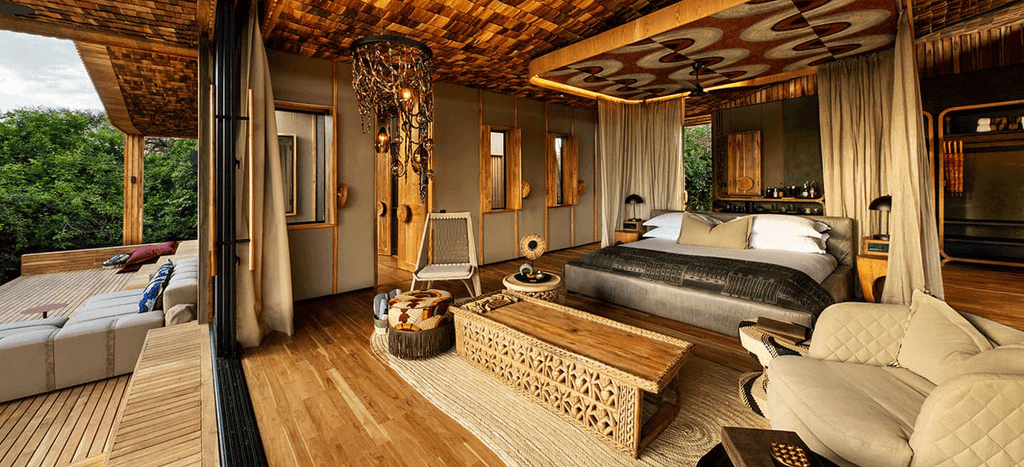
Accommodation in the Serengeti during January offers a wide range of options to suit different budgets and travel styles. From luxury lodges to mid-range tented camps and budget-friendly options visitors can find suitable places to stay that enhance their overall experience.
One of the most important factors when choosing accommodation in January is location. Since the migration herds are concentrated in the southern Serengeti and Ndutu region staying in or near these areas provides better access to wildlife. Many camps are strategically positioned to take advantage of this seasonal movement allowing for shorter travel times to key viewing areas.
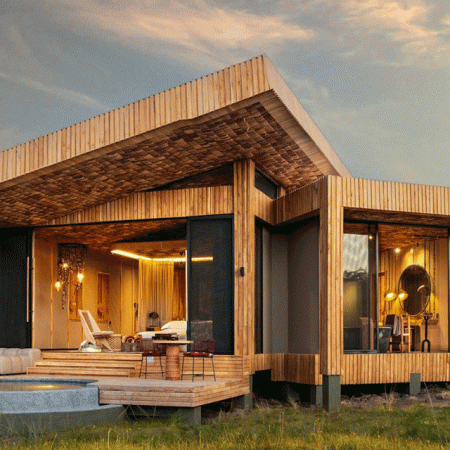
Luxury lodges offer high levels of comfort, including spacious rooms, quality dining and personalized services. These are ideal for travelers who want a more relaxed and exclusive experience. Mid-range camps provide a balance between comfort and affordability offering well-equipped tents and good service. Budget camps while more basic still provide an authentic safari atmosphere.
January is not the busiest time of year but it is still important to book in advance. Camps in prime locations can fill up quickly especially during the calving season. Another advantage of traveling in January is the potential for better value. Some accommodations offer lower rates compared to peak season allowing travelers to enjoy high-quality experiences at a reduced cost.
Choosing the right accommodation can significantly impact your safari making it important to consider both location and comfort.
Ideal Safari Type for January
Choosing the right type of safari is an important part of planning a trip to the Serengeti in January. Both private and group safaris offer unique advantages and the best choice depends on your personal preferences, budget and travel goals.
Private safaris provide a high level of flexibility and personalization. You have control over your schedule allowing you to spend more time at wildlife sightings or adjust your plans based on animal movements. This is particularly useful in January when wildlife may shift slightly depending on grazing conditions and rainfall.
With a private safari you also benefit from a dedicated guide who can tailor the experience to your interests. Whether you are focused on photography, birdwatching or predator sightings a private guide can enhance your understanding and enjoyment of the environment.
Group safaris on the other hand are more affordable and offer a social experience. Traveling with others can be enjoyable especially for solo travelers. While group safaris usually follow a fixed itinerary they still provide excellent opportunities to see wildlife particularly during January when animals are concentrated in certain areas.
Both options typically include experienced guides and well-equipped vehicles ensuring a safe and comfortable journey. In January the abundance of wildlife means that both private and group safaris can provide a highly rewarding experience. The choice ultimately depends on whether you prioritize flexibility and privacy or cost and social interaction.
For travelers the concentration of herds ensures consistent wildlife sightings. Every game drive offers opportunities to see large groups of animals making the safari experience more rewarding. January provides a unique opportunity to witness the migration in a more relaxed and immersive way with fewer logistical challenges and more time for observation.
Frequently Asked Questions About Serengeti in January: Weather, Wildlife & Travel Tips
Is January a good time to visit the Serengeti?
Yes, January is an excellent time to visit the Serengeti. The park has green landscapes, abundant wildlife, comfortable temperatures and the beginning of the annual calving season especially in the southern Serengeti and Ndutu areas.
What is the weather like in the Serengeti in January?
The Serengeti in January is generally warm during the day, with temperatures often around 25°C to 30°C. Mornings and evenings can be cooler while occasional short rain showers help keep the landscape green and fresh.
Can I see the Great Migration in the Serengeti in January?
Yes. January is an important period of the Great Migration when large herds of wildebeest, zebras and gazelles are concentrated in the southern Serengeti and Ndutu region because of fresh grazing.
Is January calving season in the Serengeti?
Yes, January marks the beginning of the Serengeti calving season. Large numbers of wildebeest gather in the southern plains and Ndutu area where fresh grass provides ideal conditions for newborn calves.
What animals can I see in the Serengeti in January?
Visitors can see wildebeest, zebras, gazelles, lions, cheetahs, hyenas, elephants, giraffes and many other species. The abundance of young animals also makes January a particularly good period for observing predator activity.
Is January good for seeing predators in the Serengeti?
Yes. January can provide excellent predator sightings because lions, cheetahs and hyenas are attracted to areas where large numbers of migrating animals are giving birth.
Is the Serengeti crowded in January?
January is generally less crowded than the peak safari months of July, August and September. However popular areas around the calving grounds can still become busy particularly during periods of high wildlife activity.
What should I pack for a Serengeti safari in January?
Pack lightweight clothing for warm days, warm layers for cool mornings and evenings and a waterproof jacket for occasional rain. Sunscreen, a hat, sunglasses, comfortable footwear, insect repellent and binoculars are also useful.
Are roads in the Serengeti accessible in January?
Yes, most safari areas remain accessible in January. Rain can make some roads muddy, particularly in the southern plains, so experienced guides and suitable four-wheel-drive safari vehicles are important.
Is January good for photography in the Serengeti?
Yes. Green landscapes, active wildlife, newborn animals, dramatic skies and reduced dust create excellent photography conditions. The calving season also provides many opportunities for wildlife and landscape photography.
Where should I stay in the Serengeti in January?
For travelers interested in the calving season and Great Migration, staying in or near the southern Serengeti and Ndutu region can provide convenient access to the herds and wildlife activity.
Is a private safari better for visiting the Serengeti in January?
A private safari can be especially useful if you want greater flexibility with game drives, photography or wildlife viewing. Group safaris can be a more affordable option while still providing excellent opportunities to see wildlife.
Does it rain in the Serengeti in January?
Yes, some rainfall is possible in January. Showers are often short and may occur in the afternoon or overnight. The rain helps create the lush green conditions that attract migrating herds.
Can I see newborn wildebeest in the Serengeti in January?
Yes. January is the beginning of the calving season so travelers may have opportunities to see newborn wildebeest and other young animals in the southern Serengeti and Ndutu area.
Is January cheaper for a Serengeti safari?
January can offer better value than some peak-season periods, although prices vary depending on accommodation, safari type, location and operator. Prime camps near the calving areas can still be in high demand.
Should I book a Serengeti safari in January in advance?
Yes. Although January may be quieter than the peak season accommodations in prime wildlife areas can fill quickly during the calving season. Booking ahead gives you more choice of camps, lodges and safari itineraries.
Why choose Serengeti Travels for a January safari?
Serengeti Travels can help organize a January safari focused on the calving season, Great Migration, wildlife viewing and photography. Your itinerary can be planned around your preferred travel style, budget and interests.
Conclusion
Visiting the Serengeti in January provides a distinctive and rewarding safari experience especially for travelers interested in wildlife, green landscapes and the annual calving season. Serengeti Travels helps visitors explore this remarkable period when the park becomes vibrant with fresh vegetation, abundant wildlife and newborn animals. Although January does not offer the dramatic river crossings associated with the Great Migration later in the year, it provides an opportunity to witness the beginning of life and the natural struggle for survival.
The combination of warm weather, lush scenery and concentrated wildlife makes January an excellent time to explore Serengeti National Park. The calving season is one of the main highlights with large numbers of wildebeest and other animals gathering in the southern Serengeti and Ndutu area. Predators also become more active as they take advantage of the abundance of vulnerable young animals.
Another advantage of a January safari is the atmosphere. Compared with the busiest months some areas can feel quieter allowing travelers to enjoy wildlife encounters with fewer vehicles around. Serengeti Travels can help organize a comfortable and well-planned January safari based on your interests, budget and preferred travel style.
Occasional rainfall and changing road conditions are possible but proper preparation makes January an excellent month for an unforgettable Serengeti safari.