 English
 Deutsch
 Italia
May 18, 2026
When Is the Cheapest Time to Visit Serengeti
Introduction
Planning a trip to Serengeti National Park is a dream for many travelers but safari costs can be a major concern. When Is the Cheapest Time to Visit Serengeti is an important question for travelers who want an unforgettable wildlife experience without spending too much. Safari prices vary throughout the year depending on weather, wildlife movements, accommodation demand and visitor numbers. Understanding these seasonal changes can help you choose the right time and save money.
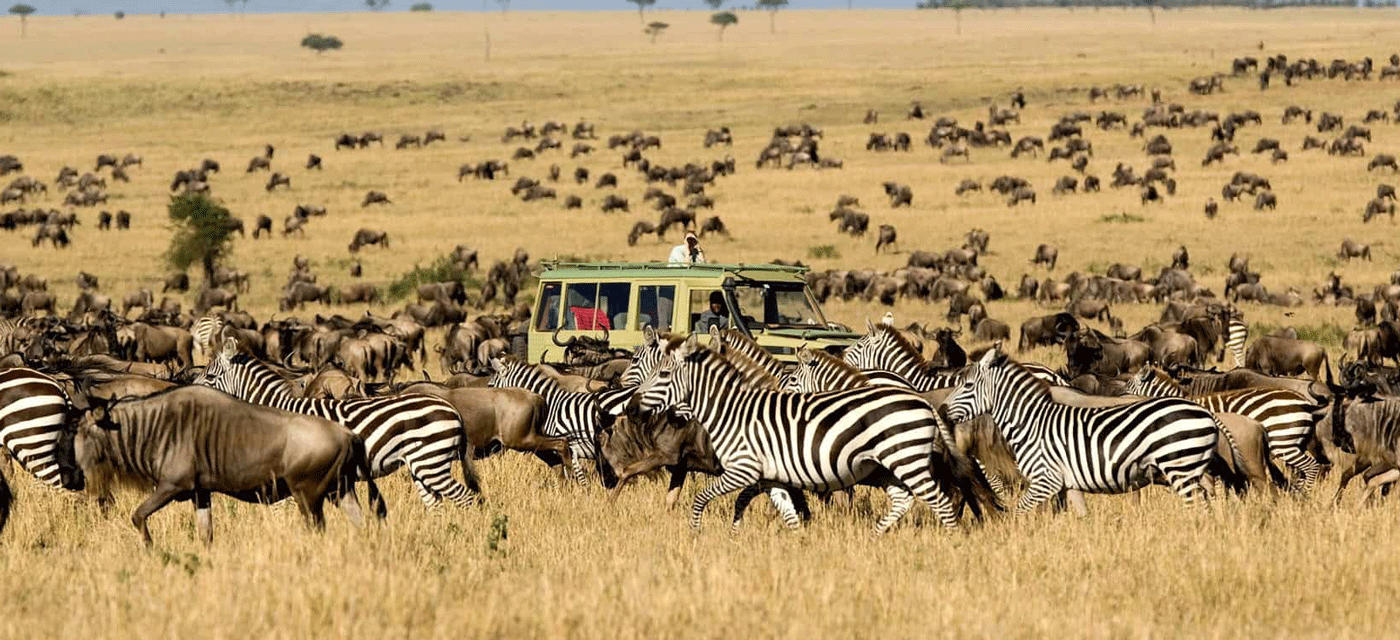
The Serengeti has peak, shoulder and low or green seasons each offering a different travel experience. Peak season, especially from July to October and during the December holidays, usually has the highest prices because of dry weather, excellent wildlife viewing and the Great Migration river crossings.
For travelers seeking lower prices the long rainy season from March to May is generally one of the most affordable periods. During this time, some lodges, camps, airlines and safari operators offer reduced rates or special deals. The landscape is also green and beautiful with fewer tourists.
Shoulder months such as November and January to early March can provide a good balance between affordability and favorable safari conditions. Choosing the right season allows you to enjoy the Serengeti while keeping your safari budget under control.
Table of contents
March to May The Absolute Cheapest Season
The period from March to May is widely regarded as the cheapest time to visit Serengeti National Park. This is known as the long rainy season and it significantly reduces the number of tourists traveling to the area. As demand drops, prices for accommodation, safari packages and sometimes even flights decrease substantially making it the most budget-friendly time of the year.
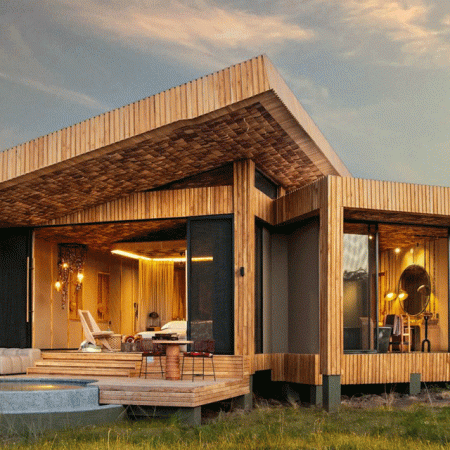
One of the biggest advantages of traveling during this period is the dramatic reduction in accommodation costs. Many lodges and tented camps offer discounts of up to 40 to 50 percent compared to peak season rates. This creates an opportunity for travelers to stay in higher-quality accommodations that might otherwise be too expensive. Luxury lodges in particular become much more accessible during this time.
Safari operators also adjust their pricing to reflect the lower demand. You may find package deals that include additional nights, discounted game drives or other added benefits. This makes it easier to plan a comprehensive safari experience without exceeding your budget.
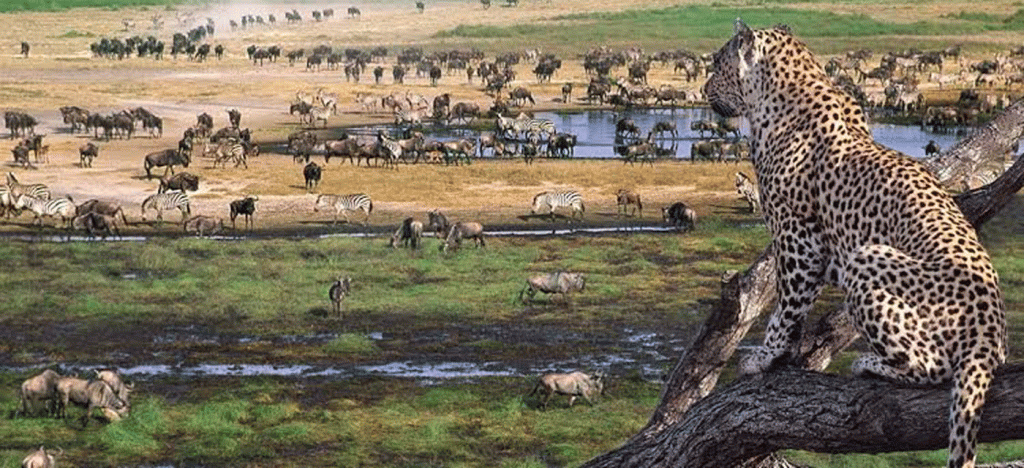
Despite the rainy conditions, the Serengeti remains a vibrant and active ecosystem. The landscape transforms into a lush green environment that is visually stunning. Water sources are plentiful and animals are spread across the park. Predators such as lions, leopards and cheetahs continue to hunt and sightings can still be very rewarding.
Birdwatching is particularly exceptional during this time as migratory species arrive in large numbers. For photography enthusiasts the dramatic skies and fresh greenery create ideal conditions for capturing unique and beautiful images.
However, there are some challenges to consider. Rainfall can make certain roads muddy and difficult to navigate which may limit access to some areas. Travel times between locations can be longer and game drives may occasionally be interrupted by rain showers. Additionally, some smaller camps close during this season.
Even with these drawbacks March to May remains the best choice for travelers who prioritize affordability. With proper planning and realistic expectations, it is possible to enjoy a rich and fulfilling safari experience at a significantly lower cost.
April The Single Cheapest Month
April is often considered the single cheapest month to visit Serengeti National Park. Falling in the middle of the long rainy season it experiences the lowest number of visitors which leads to the most significant price reductions across the safari industry. For travelers focused on minimizing costs April offers unmatched value.
During this month many lodges and camps offer their deepest discounts. High-end properties that are usually priced at premium rates become much more affordable allowing travelers to enjoy luxury experiences at a fraction of the usual cost. This can include spacious tents, high-quality dining and personalized service all available at reduced prices.
Tour operators also provide attractive deals during April. These may include discounted safari packages, flexible booking options and additional services at no extra cost. This makes it easier to customize your itinerary while staying within your budget.
Another major advantage of visiting in April is the lack of crowds. With fewer tourists in the park, you can enjoy a more private and peaceful safari experience. Wildlife sightings are less congested and you can spend more time observing animals without the pressure of competing vehicles.
The natural environment during April is at its most vibrant. The rains bring life to the plains, creating a lush and green landscape that is very different from the dry season. This not only enhances the beauty of the park but also supports a wide range of wildlife activity.
However, April does come with some challenges. Rainfall is more frequent and can sometimes be heavy. Roads may become muddy and certain areas may be temporarily inaccessible. Flexibility is important as plans may need to be adjusted based on weather conditions.
Despite these challenges April remains the best option for travelers who are primarily focused on cost savings. If you are willing to accept some inconvenience in exchange for significantly lower prices it can be an excellent time to visit Serengeti.
November A Balanced Budget Option
November represents one of the best months for travelers seeking a balance between affordability and favorable travel conditions. It falls within the short rainy season which is much milder compared to the long rains of April and May. As a result it offers reduced prices without the same level of travel challenges.
During November many lodges and camps lower their rates to attract visitors. While the discounts may not be as large as those in the low season they are still substantial enough to make a difference. This allows travelers to enjoy a comfortable safari experience at a more reasonable cost.
The weather during November is generally manageable. Rain showers are usually brief and occur later in the day allowing for uninterrupted game drives in the morning and early afternoon. The landscape begins to recover from the dry season, turning green and vibrant once again. Wildlife viewing remains strong during this time. Animals are still easy to locate and the park is less crowded than during peak season. This creates a more relaxed and enjoyable safari experience with fewer vehicles at each sighting.
Another advantage of November is flexibility. Because it is not a peak travel period it is easier to secure bookings for accommodations and tours even with shorter notice. This can be particularly useful for travelers with changing schedules. Overall November offers an excellent compromise between cost, weather and experience. It is ideal for those who want to save money while still enjoying a high-quality safari.
January to Early March Affordable with Unique Wildlife
The period from January to early March is one of the most exciting times to visit Serengeti especially for wildlife enthusiasts. While it is not the absolute cheapest time of year it offers excellent value due to the unique experiences available during this period.
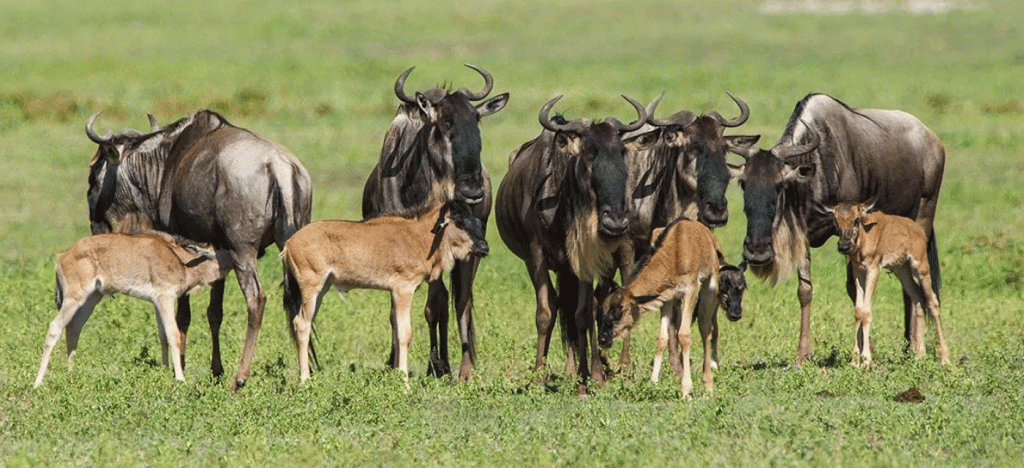
This is the calving season of the Great Migration when hundreds of thousands of wildebeest give birth to their young in the southern Serengeti and Ndutu region. This event attracts predators such as lions, cheetahs and hyenas leading to intense and dramatic wildlife interactions.
From a pricing perspective this period is more affordable than the peak migration months. Accommodation and safari costs are lower although not as low as during the rainy season. This makes it a good option for travelers who want a balance between cost and experience.
The weather during these months is generally pleasant with minimal rainfall and comfortable temperatures. The landscape remains green from previous rains providing a beautiful setting for game drives. Crowds are also more manageable allowing for a more relaxed and enjoyable safari experience. You can observe wildlife without the congestion often seen during peak months.
This period is ideal for travelers who want to experience one of the most dynamic phases of the Serengeti ecosystem while still keeping costs under control.
Avoiding Peak Season to Save Money
Avoiding peak season is one of the most effective strategies for reducing the cost of a Serengeti safari. Peak season typically occurs from July to October and during the Christmas and New Year holidays. These periods are characterized by high demand leading to significantly increased prices.
During peak season accommodation rates can reach their highest levels and availability becomes limited. Safari tours and flights also become more expensive making it difficult to plan a budget-friendly trip. In addition to higher costs peak season brings larger crowds. Popular wildlife sightings can become busy and the overall experience may feel less exclusive.
By choosing to travel outside of these months you can save a substantial amount of money while still enjoying excellent wildlife viewing. The Serengeti offers incredible experiences throughout the year and there is no single “perfect” time to visit. Avoiding peak season allows you to experience the park in a more relaxed and natural way without the pressure of large crowds and high costs.
Frequently Asked Questions for When Is the Cheapest Time to Visit Serengeti
What is the cheapest time to visit Serengeti?
The cheapest time to visit Serengeti is generally from March to May during the long rainy season. April is often the most affordable month because visitor numbers are lower and many accommodations and safari operators offer reduced rates.
Is April the cheapest month to visit Serengeti?
Yes, April is often considered one of the cheapest months to visit Serengeti National Park. Lower tourist demand can result in better rates for accommodation, safari packages and other travel services.
Is March to May a good time for a budget safari in Serengeti?
Yes. March to May can be an excellent choice for budget travelers. Although rain can make some roads challenging, travelers benefit from fewer crowds, lower prices and beautiful green landscapes.
Is Serengeti cheaper during the rainy season?
Generally yes. The rainy season usually brings lower demand, which can lead to reduced accommodation and safari package prices. The long rains from March to May typically provide the greatest opportunities for savings.
Is November a cheap time to visit Serengeti?
November is a relatively affordable month to visit Serengeti. It falls during the short rainy season and can offer a good balance between lower prices, fewer visitors, green scenery and generally manageable safari conditions.
Is January a cheap time to visit Serengeti?
January can offer better value than the peak dry-season months although it is not usually the absolute cheapest period. It is particularly attractive because the Great Migration calving season begins around the southern Serengeti and Ndutu areas.
When should I avoid Serengeti if I want to save money?
If saving money is your priority, consider avoiding July to October and the Christmas and New Year holiday period. These are typically high-demand periods when accommodation and safari prices can increase.
Can I see wildlife during the cheapest season in Serengeti?
Yes. Wildlife can be seen throughout the year. During the rainy season, the Serengeti becomes green and wildlife remains active while January to early March offers excellent opportunities to experience the Great Migration calving season.
Are Serengeti safari lodges cheaper in the low season?
Many lodges and camps offer lower rates during the low season because visitor demand decreases. Availability and discounts vary by property so comparing accommodation options before booking is recommended.
Is a cheap Serengeti safari still worth it?
Absolutely. Traveling during the low or shoulder season can provide excellent value while offering beautiful scenery, active wildlife and fewer crowds. The best choice depends on whether your priority is the lowest possible price or a specific wildlife experience.
How can Serengeti Travels help me save money on a safari?
Serengeti Travels can help travelers choose suitable travel dates, accommodation and safari options based on their budget. Traveling during less busy periods can be an effective way to reduce the overall cost of a Serengeti safari.
Conclusion
Choosing the cheapest time to visit Serengeti is about more than finding the lowest price it means balancing your budget with weather, wildlife and overall safari experience. Serengeti Travels helps travelers plan their trips around seasonal conditions to find excellent value without missing the highlights of the park.
The long rainy season from March to May is generally the most affordable period. April often offers particularly low rates because fewer tourists visit, which can reduce accommodation and safari package costs. Although rain is more frequent the Serengeti becomes lush and green, wildlife remains active and the park feels quieter and more peaceful.
November and January to early March are also attractive options for budget-conscious travelers. November brings short rains and beautiful green scenery while January to early March is known for the calving season. Thousands of newborn animals attract predators, creating exciting wildlife viewing opportunities.
Travelers focused on saving money should generally avoid peak periods from July to October and the December holidays, when demand and prices are higher. Choosing an off-peak period can mean fewer crowds, a quieter safari and more flexible accommodation options.
With Serengeti Travels travelers can select the season that best matches their budget and safari expectations while enjoying an unforgettable Serengeti adventure.