 English
 Deutsch
 Italia
May 19, 2026
Serengeti in July Peak Season Safari Guide
Introduction
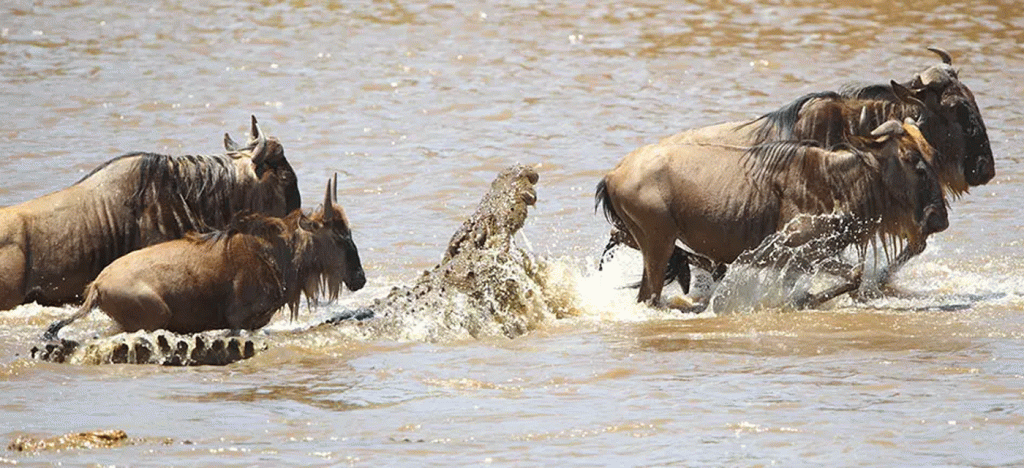
Serengeti in July Peak Season Safari Guide explains why July is one of the most famous and exciting months to visit Serengeti National Park. It is considered the heart of the dry season and one of the busiest safari periods of the year. Travelers from around the world visit Tanzania during this month because wildlife viewing becomes exceptional, weather conditions are comfortable and the Great Migration reaches dramatic stages in the northern Serengeti.
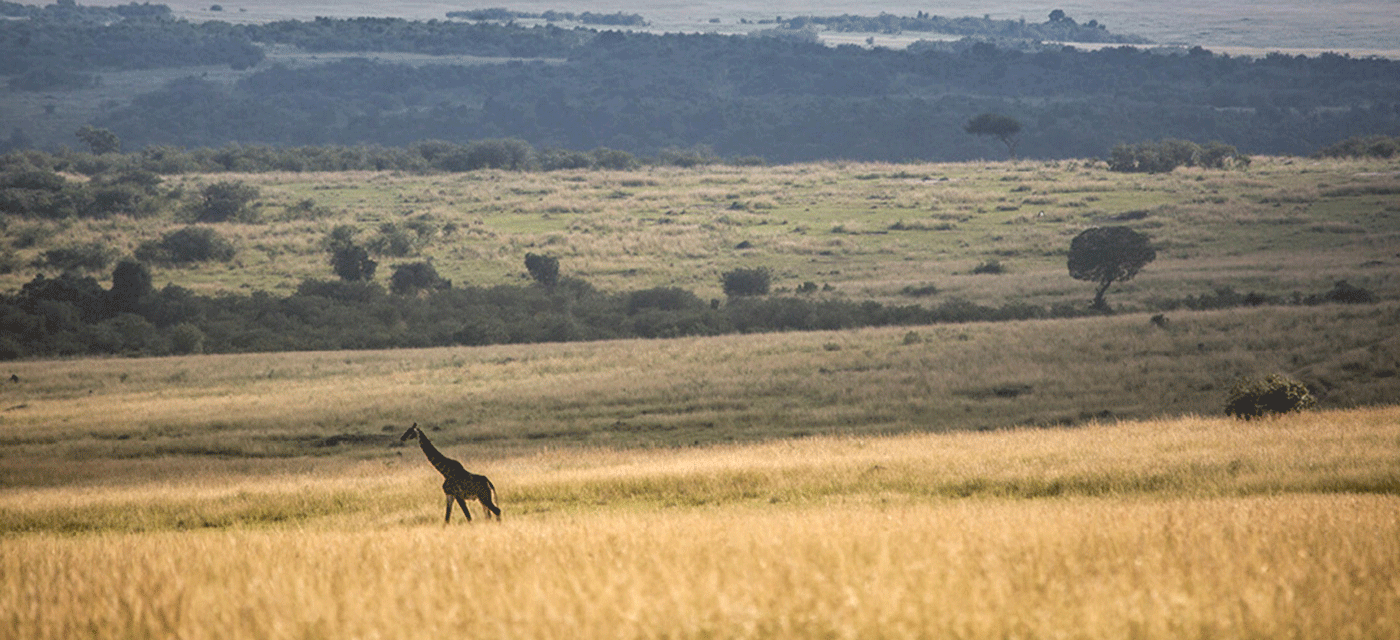
July offers the classic African safari scenery many people dream about: golden grasslands, huge herds of wildebeest, predators hunting near rivers, dusty safari tracks and beautiful sunsets over endless plains.
The dry season transforms the Serengeti landscape. Rainfall becomes extremely low, grass grows shorter and animals gather near rivers and water sources. This makes wildlife easier to locate compared to wetter months when vegetation is thicker and animals spread across larger areas. Safari guides often consider July one of the most reliable months for seeing lions, cheetahs, leopards, elephants, giraffes, zebras and massive wildebeest herds.
July is especially famous for the Great Migration river-crossing season. Thousands of wildebeest and zebras move toward the northern Serengeti near the Mara River. These crossings create some of the most dramatic wildlife scenes on Earth. Animals gather at riverbanks, hesitate for hours and suddenly rush across crocodile-filled water while predators wait nearby. The experience is unpredictable and unforgettable.
Although July offers outstanding safari experiences, it also comes with challenges. Prices become much higher because it is peak tourist season. Lodges and camps often book many months in advance and some popular wildlife areas can become crowded with safari vehicles. Visitors planning a July safari need good preparation, early booking and realistic expectations about costs.
This guide explains everything travelers need to know about visiting the Serengeti in July, including weather, wildlife, migration movements, accommodation choices, safari activities, photography conditions, travel tips, costs and the advantages and disadvantages of peak-season travel.
Table of contents
- Introduction
- Weather Conditions for Serengeti in July Peak Season Safari Guide
- The Great Migration in Serengeti in July Peak Season Safari Guide
- Wildlife Viewing Beyond the Migration
- Safari Crowds and Peak Season Atmosphere in Serengeti in July Peak Season Safari Guide
- Accommodation Options in Serengeti in July Peak Season Safari Guide
- Serengeti in July Peak Season Safari Guide Best Safari Activities
- Cost of Visiting Serengeti in July Peak Season Safari Guide
- Packing Guide for Serengeti in July Peak Season Safari Guide
- Advantages of Visiting Serengeti in July
- Disadvantages of Visiting Serengeti in July
- Frequently Asked Questions About Serengeti in July Peak Season Safari Guide
- Conclusion
Weather Conditions for Serengeti in July Peak Season Safari Guide
July weather in Serengeti is one of the main reasons why this month attracts so many safari travelers. The long rainy season has already ended, leaving behind dry plains, clear skies and comfortable temperatures. The weather creates excellent conditions for game drives because roads remain dry, visibility improves and wildlife becomes easier to spot. Many travelers consider July the most pleasant month for outdoor safari activities.
Daytime temperatures are usually warm but not extremely hot. Average daytime temperatures range between 24°C and 28°C, making long game drives comfortable. The sun is strong during midday but humidity stays low so the heat rarely feels unbearable. Clear skies are common, allowing travelers to enjoy beautiful landscapes and excellent photography lighting throughout the day.
Mornings and evenings in July can become surprisingly cold especially during early morning game drives. Temperatures may fall to around 10°C to 12°C before sunrise. Open safari vehicles can feel chilly because of wind and cold air movement. Travelers who only pack light summer clothes often become uncomfortable during morning drives. A warm jacket, fleece, gloves and layered clothing are highly recommended for July safaris.
Rainfall in July is extremely low. Some areas may receive no rain at all for weeks. The dry conditions help safari vehicles travel smoothly across the park without getting stuck in mud. Dry weather also causes animals to concentrate near permanent water sources improving wildlife viewing opportunities. Dust however becomes more noticeable on roads and during migration movement because thousands of animals and vehicles move across dry plains.
The dry atmosphere also benefits photographers. Blue skies, dramatic sunsets and golden landscapes create stunning safari images. Sunrises become especially beautiful because the cool morning air often produces soft lighting over the plains. Wildlife photographers frequently prefer July because visibility remains excellent throughout most of the day.
Another advantage of July weather is the lower presence of mosquitoes compared to rainy months. Dry conditions reduce breeding areas for insects making evenings more comfortable in camps and lodges. Even so travelers should still use insect repellent and follow basic safari health precautions.
The Great Migration in Serengeti in July Peak Season Safari Guide
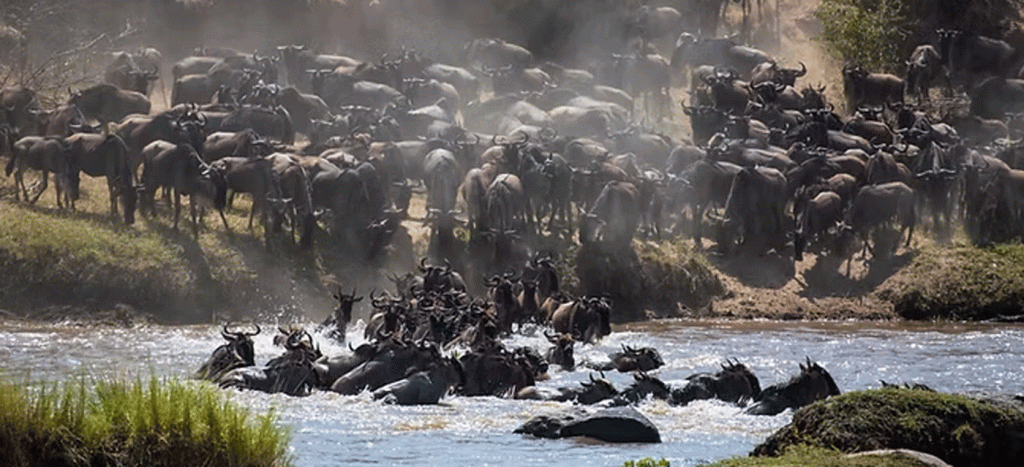
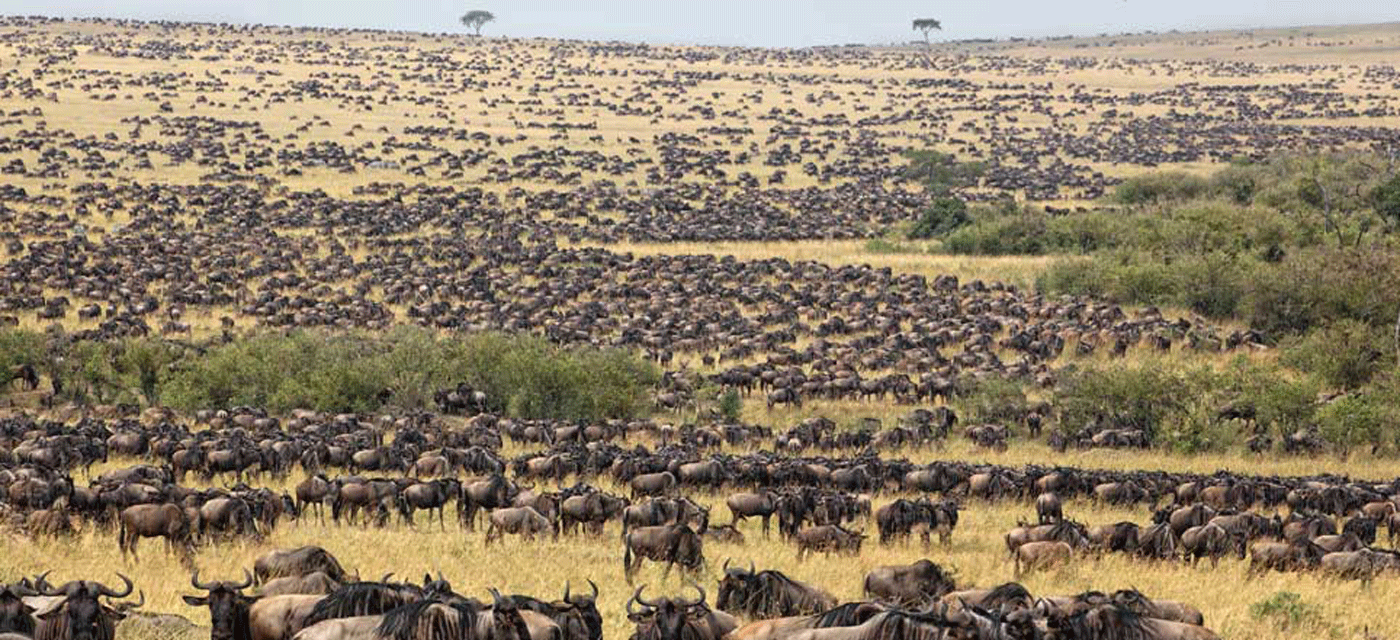
The Great Migration is the biggest attraction in Serengeti during July. This annual movement involves over a million wildebeest together with zebras and gazelles traveling across the Serengeti ecosystem in search of fresh grazing and water. In July the migration usually reaches the northern Serengeti where animals gather near the Mara River for dramatic river crossings.
River crossings are the highlight of the migration season. Herds can gather near the riverbanks for hours or even days before deciding to cross. Suddenly thousands of animal’s rushes into the water together. The scene becomes chaotic as wildebeest struggle against strong currents while crocodiles attack from below. Dust, noise, panic and movement create one of the most intense wildlife spectacles in Africa.
One important thing travelers should understand is that river crossings are unpredictable. There is no guarantee that a crossing will happen during a safari drive. Sometimes herds stand near the river all day without crossing. Other times they cross several times within a few hours. Experienced safari guides play a major role in positioning vehicles near active crossing points.
The northern Serengeti becomes the main migration area during July. Regions such as Kogatende, Lamai Wedge and nearby Mara River zones offer the best opportunities for migration viewing. Travelers staying in northern camps usually have better chances of witnessing crossings compared to those staying in central Serengeti.
Predator activity also increases during migration season. Lions, crocodiles, hyenas and leopards follow the herds because migration provides abundant food opportunities. Visitors may witness dramatic hunting scenes, scavenger competition or predator interactions around crossing areas. This predator-prey relationship is one reason July safaris feel so exciting and dynamic.
Besides the famous river crossings migration season also creates impressive landscape scenes. Endless lines of wildebeest stretch across plains producing classic Serengeti images. Dust clouds rise above moving herds while zebras mix with wildebeest during the long journey northward. Even without a crossing simply seeing the massive migration is unforgettable for most travelers.
Because July migration safaris are extremely popular camps in northern Serengeti become heavily booked. Luxury migration camps often require reservations many months in advance. Travelers who wait too long may struggle to find accommodation close to migration areas. For travelers dreaming about witnessing the Great Migration, July remains one of the best months in the entire year.
Wildlife Viewing Beyond the Migration
Although the Great Migration receives most attention in July Serengeti also offers incredible resident wildlife throughout the park. Even travelers who miss a river crossing still experience outstanding game viewing because animals become easier to find during the dry season.
Lions are among the easiest predators to spot during July. Dry grass becomes shorter improving visibility across the plains. Lions often rest under acacia trees during hot hours and become active in cooler mornings and evenings. Some prides follow migration herds while others remain in central Serengeti territories year-round. Visitors frequently witness lions hunting zebras, wildebeest or buffalo during July safaris.
Cheetahs also thrive during the dry season because open plains make hunting easier. Serengeti’s flat grasslands provide excellent visibility for spotting these fast predators. July often offers strong chances to see cheetahs resting on termite mounds while scanning for prey. Because grass is shorter photography opportunities improve significantly.
Leopards remain more difficult to find but are regularly seen in riverine forests and rocky areas. Experienced guides know favorite leopard resting trees and hunting zones. Dry conditions increase the likelihood of sightings because animals spend more time near permanent water sources.
Elephants become easier to observe during July as they gather near rivers and waterholes. Large elephant families travel together across dry landscapes searching for water and food. Buffalo herds also concentrate in accessible areas attracting predators such as lions and hyenas.
Hippos and crocodiles become especially active near shrinking rivers. Hippo pools grow crowded during the dry season creating noisy and entertaining scenes. Crocodiles remain highly visible near migration crossing points because of the abundance of prey.
Birdwatching remains rewarding in July even though migratory bird numbers are lower than in green season months. Birds of prey such as eagles, vultures and secretary birds are commonly seen. Ostriches, hornbills and colorful bee-eaters also remain active across the plains.
One advantage of July wildlife viewing is predictability. During rainy months animals disperse widely because water is available everywhere. In July limited water forces animals into more concentrated areas. Safari guides can therefore track wildlife more efficiently and provide consistent sightings.
The dry season also improves photography conditions for wildlife. Animals stand out clearly against golden landscapes and reduced vegetation creates fewer visual obstructions. Dusty plains dramatic sunsets and concentrated wildlife create classic safari imagery.
Even travelers who focus mainly on migration often discover that Serengeti’s resident wildlife becomes equally memorable. July provides one of the richest overall wildlife experiences available anywhere in Africa.
Safari Crowds and Peak Season Atmosphere in Serengeti in July Peak Season Safari Guide
July is one of the busiest safari months in Serengeti National Park. The combination of dry weather, migration activity and international holiday travel creates peak tourism conditions. Visitors should understand both the advantages and disadvantages of traveling during this high-demand period.
The biggest advantage of peak season is the lively safari atmosphere. Camps and lodges become active with travelers from around the world sharing wildlife stories and safari experiences. Guides operate at full capacity, flights run more frequently and safari operations become highly organized. Many people enjoy the energy and excitement of peak migration season.
However, popular wildlife areas can become crowded. River crossing sites in northern Serengeti may attract many safari vehicles waiting for migration action. During major crossings dozens of vehicles can gather near riverbanks. Some travelers love the excitement while others prefer quieter safari experiences.
Crowds are usually highest around famous migration crossing points and central Serengeti wildlife hotspots. Travelers wanting more privacy often choose remote camps or conservancy areas with fewer vehicles. Some private concessions limit the number of safari vehicles allowed at sightings creating more exclusive experiences.
Peak season also means limited accommodation availability. Many luxury camps and lodges become fully booked six to twelve months in advance. Last-minute travelers often face fewer choices and higher prices. Budget accommodation options may also fill quickly during July.
Air travel within Tanzania becomes busier as well. Flights between Arusha Serengeti airstrips, and Zanzibar often reach full capacity during peak weeks. Travelers should book domestic flights early and confirm luggage restrictions carefully.
One challenge during crowded periods is waiting at sightings. Some safari vehicles line up around famous predators or migration crossings. Good safari etiquette becomes important. Responsible guides avoid blocking wildlife movement and respect viewing distances.
Despite crowds, Serengeti is enormous. Skilled guides can still find quieter areas away from busy roads. Travelers who spend multiple days in the park often enjoy both dramatic migration action and peaceful wildlife moments in less crowded regions.
Travelers should also remember that peak season crowds exist because July genuinely offers extraordinary safari conditions. Many visitors accept higher prices and increased tourism activity because wildlife experiences can be exceptional. For first-time safari travelers July often fulfills the classic dream of an African safari.
Accommodation Options in Serengeti in July Peak Season Safari Guide
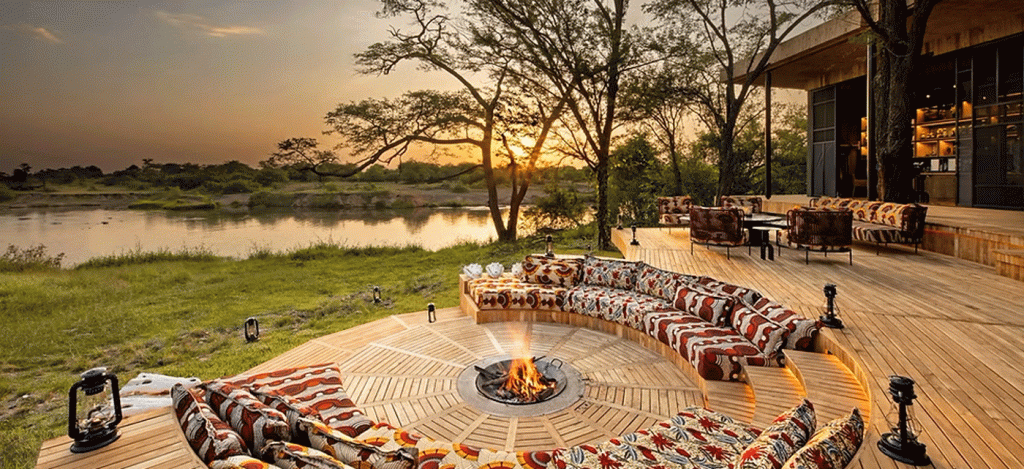
Accommodation planning becomes extremely important for Serengeti safaris in July because peak season demand is very high. Travelers who fail to book early may struggle to find suitable camps or lodges especially in northern migration areas.
Serengeti offers several accommodation categories ranging from budget campsites to ultra-luxury safari lodges. July prices increase significantly across all categories because of strong international demand. Luxury camps near migration crossing points become especially expensive during this period.
Mobile migration camps are popular in July because they move seasonally to stay close to the wildebeest herds. These camps offer excellent migration access and immersive safari experiences. Many provide luxury tents with private bathrooms, comfortable beds and fine dining while still maintaining authentic bush atmosphere.
Permanent lodges in central Serengeti also remain excellent choices for travelers wanting stable access to resident wildlife populations. Areas such as Seronera provide year-round game viewing and easier access to airstrips.
Budget travelers can still visit Serengeti in July but they should expect higher prices compared to low season months. Public campsites and simpler tented camps offer more affordable options though they may book quickly during peak season.
Location becomes very important when selecting accommodation. Travelers mainly interested in river crossings should stay in northern Serengeti near Kogatende or Lamai regions. Those preferring balanced wildlife viewing may choose central Serengeti camps.
Luxury lodges often include additional services such as bush dinners, sundowners, laundry, private guides and high-end photography opportunities. Some camps also offer hot air balloon safaris and cultural visits.
Travelers should book July accommodation as early as possible. Many safari experts recommend securing reservations at least six to twelve months before travel dates. Peak migration camps especially can become unavailable far in advance.
Choosing the right accommodation can strongly influence safari success. Camps located near migration routes reduce long driving times and improve chances of seeing wildlife action early in the morning.
Serengeti in July Peak Season Safari Guide Best Safari Activities
July is one of the most rewarding months for participating in a wide range of safari activities in Serengeti National Park. The dry season creates stable conditions that allow travelers to explore the park in different ways beyond standard game drives. Because wildlife is concentrated and weather is predictable most safari experiences become more reliable and enjoyable compared to other months.
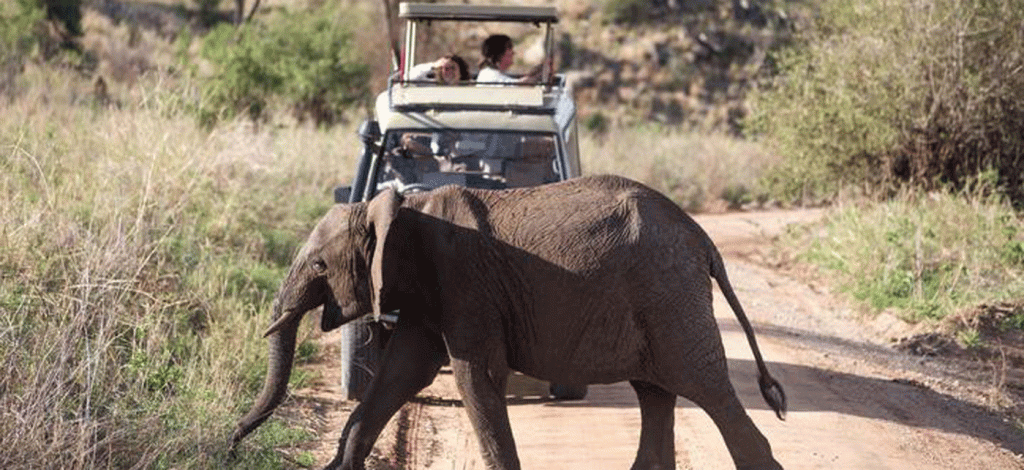
Game drives remain the primary activity and in July they are at their absolute best. Early morning and late afternoon drives offer the highest chances of spotting predators such as lions, cheetahs and leopards. During midday animals tend to rest under trees or near water sources making sightings more relaxed and less rushed. Full-day game drives are also common in July especially in northern Serengeti where travelers may wait for river crossings.
Hot air balloon safaris are another highlight during July. These flights usually take place at sunrise and provide a breathtaking aerial view of the Serengeti plains. From above travelers can see large herds of wildebeest, zebras and elephants moving across the landscape. The dry season improves visibility making the experience even more spectacular. Balloon safaris are often followed by a bush breakfast in the wilderness adding a luxury touch to the adventure.
Walking safaris are limited in Serengeti National Park itself but may be available in nearby conservation areas. In July dry ground conditions make walking easier and safer. These guided walks focus on smaller details such as animal tracks, plants and ecosystem understanding rather than large wildlife encounters.
Cultural visits to nearby communities such as Maasai villages can also be included in a July safari itinerary. These experiences provide insight into traditional lifestyles, livestock practices and the relationship between local people and wildlife. July’s dry weather makes travel to villages easier and more comfortable.
Photography safaris are particularly popular during July. The lighting conditions, wildlife density and dramatic migration scenes create excellent opportunities for both amateur and professional photographers. Specialized photography guides and vehicles may be arranged for those who want to focus deeply on capturing wildlife moments.
Overall July offers one of the most complete safari activity experiences. Whether travelers are interested in adventure, culture, photography or relaxation the dry season supports a wide range of unforgettable activities across the Serengeti ecosystem.
Cost of Visiting Serengeti in July Peak Season Safari Guide
July is one of the most expensive months to visit Serengeti due to peak season demand. Travelers should be fully prepared for higher costs across nearly all aspects of their safari, including accommodation, park fees, transportation and guided services. Understanding these costs helps with better planning and avoiding unexpected expenses.
Accommodation prices increase significantly in July. Luxury lodges and tented camps charge premium rates especially those located in northern Serengeti near migration crossing points. These camps often provide exclusive access to wildlife areas, high-end service and prime viewing locations which justify their higher prices. Mid-range lodges also raise their rates while budget options become limited due to high demand.
Park entry fees remain constant throughout the year but overall safari packages become more expensive because of accommodation and operational costs. In addition to park fees, travelers must consider concession fees, camping fees (if applicable) and guide or vehicle charges.
Transportation costs also rise during July. Domestic flights between Arusha and Serengeti are in high demand and ticket prices increase accordingly. Many travelers prefer flying to save time especially when heading to northern Serengeti. Road transfers are usually cheaper but take longer and may involve long driving hours.
Safari packages offered by tour operators are typically priced higher in July because of increased demand for guides, vehicles and logistics. High-quality safari vehicles with experienced guides become more valuable during migration season especially when positioning near river crossings requires skill and timing.
Additional activities such as hot air balloon safaris, cultural visits and private guided experiences come at extra cost. Balloon safaris in particular are considered a premium activity and can be one of the most expensive single experiences during a Serengeti trip.
Despite high prices many travelers consider July worth the cost because of the exceptional wildlife experiences. However, budget-conscious travelers may need to plan carefully, book early and prioritize essential experiences over luxury add-ons.
In summary July safaris require a higher financial commitment but they offer some of the most rewarding wildlife experiences available anywhere in Africa.
Packing Guide for Serengeti in July Peak Season Safari Guide
Packing correctly for a July safari in Serengeti is essential because of the unique combination of warm days and cold mornings. Many travelers underestimate temperature changes and end up uncomfortable during early game drives. A well-prepared packing list ensures a smooth and enjoyable safari experience.
Layered clothing is the most important packing strategy. Mornings can be very cold especially in open safari vehicles so warm items such as jackets, fleece sweaters, scarves and even gloves are highly recommended. As the day warms up these layers can be removed to stay comfortable under the sun.
Lightweight clothing is suitable for daytime temperatures. Breathable fabrics such as cotton or moisture-wicking materials help manage heat during midday. Neutral colors like khaki, green and brown are preferred because they blend into the environment and do not attract insects.
A good pair of comfortable walking shoes is important, even if most safari activities involve driving. Camps, lodges and short walks still require proper footwear. Closed shoes also provide protection against dust and insects.
Sun protection is essential in July. The dry season brings strong sunlight, so items such as hats, sunglasses and sunscreen are necessary. Lip balm and moisturizer are also useful because the dry air can cause skin dryness.
Dust protection becomes important during July safaris. Roads can be very dusty especially in migration areas. A scarf or buff can help cover the face during game drives while camera equipment should be protected using proper bags or covers.
Binoculars greatly enhance wildlife viewing especially for spotting distant animals or birds. Cameras with zoom lenses are highly recommended for capturing wildlife scenes particularly during migration.
Travel essentials such as insect repellent, personal medications, reusable water bottles and small backpacks should also be included. Even though mosquitoes are fewer in July protection is still necessary. Packing correctly can significantly improve the overall safari experience. Being prepared for both cold mornings and warm afternoons allows travelers to focus fully on enjoying wildlife and landscapes without discomfort.
Advantages of Visiting Serengeti in July
July offers numerous advantages that make it one of the most popular months for a Serengeti safari. These benefits attract travelers from around the world and create the classic safari experience many people expect when visiting Africa.
One of the biggest advantages is excellent wildlife visibility. The dry season reduces vegetation making animals easier to spot across open plains. Wildlife also gathers near water sources increasing the chances of seeing multiple species in one area.
The Great Migration is another major advantage. July provides one of the best opportunities to witness river crossings in northern Serengeti. These dramatic events are considered among the most iconic wildlife spectacles in the world.
Weather conditions are highly favorable. Dry days, clear skies, and comfortable temperatures create ideal safari conditions. Rain rarely disrupts activities and road conditions remain stable throughout the park.
Predator activity is also more visible during July. Lions, cheetahs and hyenas follow migration herds increasing the likelihood of witnessing hunting behavior. These predator-prey interactions add excitement to game drives.
Photography conditions are outstanding. Golden landscapes, dramatic dust clouds and clear lighting allow photographers to capture stunning images. Sunrises and sunsets are particularly beautiful during this time.
Another advantage is accessibility. Most roads remain passable due to dry conditions allowing guides to explore a wider range of areas without limitations caused by mud or flooding. July also offers a wide range of safari activities from game drives to balloon safaris. The overall experience becomes rich and diverse appealing to different types of travelers.
Despite higher costs and crowds the advantages of July often outweigh the challenges. For many travelers it represents the perfect balance of weather, wildlife and classic safari atmosphere.
Disadvantages of Visiting Serengeti in July
While July offers exceptional safari experiences it also comes with several disadvantages that travelers should consider before planning their trip. Understanding these challenges helps set realistic expectations and allows for better preparation.
The most significant disadvantage is high cost. As peak season July brings increased prices for accommodation, flights and safari packages. Budget travelers may find it difficult to afford certain camps or experiences during this time.
Crowds are another major factor. Popular areas especially near Mara River crossing points can become busy with multiple safari vehicles. This may reduce the sense of wilderness for some travelers, particularly those seeking solitude.
Availability of accommodation becomes limited. Many lodges and camps are fully booked months in advance leaving fewer options for last-minute travelers. Prime locations near migration routes are especially difficult to secure.
River crossings although famous are unpredictable. Some travelers may spend days waiting without witnessing a crossing. This uncertainty can lead to disappointment if expectations are not managed properly.
Dust is another challenge during July. Dry conditions create dusty roads which can affect comfort during game drives and require extra care for cameras and personal belongings.
Cold mornings may also surprise travelers who expect only warm African weather. Without proper clothing, early game drives can become uncomfortable. Travel logistics can be more complex due to high demand. Flights may be fully booked and safari schedules can become tight. Planning requires more attention compared to low season travel.
Despite these disadvantages many travelers still choose July because of its unmatched wildlife experiences. With proper planning and realistic expectations, the challenges can be managed effectively.
Frequently Asked Questions About Serengeti in July Peak Season Safari Guide
Is July a good month to visit the Serengeti?
Yes, July offers one of the best times to visit the Serengeti. You can enjoy dry weather, excellent wildlife viewing and the Great Migration in northern Serengeti. However July also brings higher prices and more tourists because it marks the peak safari season.
What is the weather like in Serengeti in July?
Serengeti usually experiences dry and comfortable weather in July. Daytime temperatures often range from 24°C to 28°C, while early mornings and evenings can feel much colder. Rain rarely interrupts safari activities during this month.
Can I see the Great Migration in Serengeti in July?
Yes, July provides an excellent opportunity to see the Great Migration. Large herds of wildebeest and zebras usually move through northern Serengeti as they search for fresh grazing and water.
Can I see the Mara River crossing in July?
Yes, you may witness Mara River crossings in July but you cannot predict exactly when a crossing will happen. Herds may gather near the river for hours or days before they cross. Experienced guides can track the herds and improve your chances of seeing this spectacular event.
Where is the Great Migration in Serengeti in July?
The Great Migration usually reaches northern Serengeti in July. Areas around Kogatende, the Mara River and Lamai Wedge can offer excellent opportunities to see the migrating herds. However, rainfall and grazing conditions can change the herds’ exact location.
Is Serengeti crowded in July?
Yes, July attracts many safari travelers because of its excellent weather and migration activity. Popular areas around Mara River crossing points can become busy with safari vehicles. You can find quieter experiences by choosing remote camps and exploring less crowded areas.
How much does a Serengeti safari cost in July?
A Serengeti safari usually costs more in July because operators charge peak-season rates. Your total cost depends on your accommodation, safari length, transportation, activities and whether you choose a private or shared safari.
How far in advance should I book a Serengeti safari for July?
You should book your July Serengeti safari several months in advance. Popular camps and lodges in northern Serengeti can fill quickly especially during the Great Migration. Early booking gives you more choices for accommodation and safari routes.
What animals can I see in Serengeti in July?
You can see wildebeest, zebras, lions, cheetahs, leopards, elephants, giraffes, buffaloes, hippos, crocodiles and hyenas in July. Dry conditions often bring animals closer to permanent water sources which can make wildlife easier to find.
Is July good for seeing lions and cheetahs in Serengeti?
Yes, July provides excellent opportunities to see lions and cheetahs. Short grass improves visibility across the plains while large concentrations of prey can attract predators. Your safari guide can help you locate predators in their preferred habitats.
Is July good for photography in Serengeti?
Yes, July creates excellent conditions for wildlife and landscape photography. Clear skies, golden grasslands, dramatic sunsets and large animal herds provide excellent subjects. Early morning and late afternoon usually offer the best natural light.
What should I pack for Serengeti in July?
You should pack layered clothing because temperatures can change significantly throughout the day. Bring a warm jacket or fleece for early drives, lightweight clothes for warm afternoons, comfortable closed shoes, sunscreen, sunglasses, a hat, insect repellent and a camera. A scarf or buff can also protect you from dust.
Are mornings cold in Serengeti in July?
Yes, early mornings can feel cold especially when you travel in an open safari vehicle before sunrise. Wear several layers and carry a warm jacket or fleece to stay comfortable during morning game drives.
Is July a good time for a hot air balloon safari in Serengeti?
Yes, July offers favorable conditions for a hot air balloon safari. Dry weather and clear skies can provide excellent views across the Serengeti. Most balloon flights take place around sunrise giving you a unique view of wildlife and the surrounding plains.
Can I take a walking safari in Serengeti in July?
You can take guided walking safaris in designated areas and nearby conservation areas where operators offer them. July’s dry conditions can make walking more comfortable,while trained guides help you explore the ecosystem safely.
What are the disadvantages of visiting Serengeti in July?
July brings higher safari prices, larger crowds and limited accommodation availability. You may also encounter dusty roads and cold early mornings. River crossings remain unpredictable so you should not expect to see one simply because you visit during July.
Is Serengeti in July suitable for first-time safari travelers?
Yes, July works very well for first-time safari travelers who want to experience classic Serengeti wildlife and the Great Migration. The dry weather and strong wildlife visibility make game viewing easier. You should prepare for peak-season prices and increased visitor numbers.
Should I stay in northern or central Serengeti in July?
Choose northern Serengeti if you want to focus on the Great Migration and potential Mara River crossings. Choose central Serengeti if you want to combine migration viewing with excellent opportunities to see resident wildlife. Your safari priorities should guide your choice of location.
Why should I book a July safari with Serengeti Travels?
Serengeti Travels can help you plan a July safari around your preferred wildlife areas, accommodation style, budget and travel schedule. The company can also help you choose suitable northern or central Serengeti locations based on your migration interests.
Conclusion
Visiting Serengeti in July gives travelers an unforgettable safari experience filled with spectacular wildlife, dramatic landscapes and Great Migration action. July marks the dry season and attracts many visitors who want to explore Serengeti National Park under clear skies and comfortable conditions. Serengeti Travels helps travelers experience this remarkable season through well-planned safari journeys.
The Great Migration remains one of July’s biggest attractions. Huge herds of wildebeest and zebras move through the northern Serengeti toward the Mara River. When the herds reach the river, dramatic crossings can occur, creating some of the most exciting moments you can witness on safari. However nature follows its own schedule so guides cannot guarantee a crossing.
July also makes wildlife easier to find across the Serengeti. Dry conditions shorten the grass and concentrate animals around available water sources. Travelers can often spot lions, elephants, giraffes, cheetahs, buffalo and many other species during game drives. Predators also follow the migrating herds creating excellent opportunities to observe natural wildlife behavior.
The weather further improves the safari experience. Clear skies, cool mornings, warm afternoons and little rainfall allow travelers to enjoy longer game drives and capture impressive photographs.
However July also brings higher demand. Popular areas can become busy, while camps, lodges and safari packages often cost more. Booking early helps travelers secure their preferred accommodation and itinerary.