 English
 Deutsch
 Italia
May 20, 2026
Serengeti in December: Is It a Good Time to Visit?
Introduction
Serengeti in December: Is It a Good Time to Visit? December is one of the most interesting and often underrated times to visit Serengeti National Park. It marks a transition period in the ecosystem as the dry season ends and seasonal rains bring the landscape back to life. This creates a very different safari experience compared with the popular dry months from July through October.
Instead of dusty plains and wildlife concentrated around limited water sources, visitors in December can experience fresh green grasslands, scattered herds and a quieter more relaxed atmosphere. One of the main advantages of traveling during this period is the balance between good wildlife viewing, fewer visitors and a more peaceful safari experience.
December is not peak tourist season for most of the month, which can mean fewer crowds, better lodge availability and potentially more competitive prices. At the same time wildlife viewing remains rewarding as the Great Migration begins moving toward the southern Serengeti preparing for the calving season that typically follows in January. This combination makes December appealing to travelers who want an excellent safari without the intensity of the busiest months.
The weather also shapes the December safari experience. Although December falls within the rainy season, showers are often brief and followed by periods of sunshine. Mornings can provide particularly good conditions for game drives, while the rain refreshes the grasslands, cools the air and creates a vibrant environment across the park.
December also offers a contrast between the beginning and end of the month. Early December is generally quieter and suitable for travelers seeking a peaceful wildlife experience while Christmas and New Year can bring increased visitor numbers and a livelier atmosphere. This makes December a flexible time to visit whether you prefer a calm safari or a festive holiday adventure.
Table of contents
Weather in December: Start of the Green Season
December marks an important seasonal transition in the Serengeti ecosystem. It sits at the beginning of what is commonly known as the short rainy season which typically runs from November through early January. Unlike the long rains of March to May, December rainfall is generally light, scattered and predictable making it far less disruptive to travel plans. Most days begin with clear skies and sunshine while rain tends to fall in brief showers during the late afternoon or evening.
These patterns allow visitors to enjoy uninterrupted morning and midday game drives which are the most important wildlife-viewing hours. Temperatures during December are warm but not extreme. Daytime temperatures usually range between 24°C and 30°C, while early mornings and evenings can feel slightly cooler especially when driving in open safari vehicles. Humidity begins to rise compared to the dry season but it is still comfortable for most travelers.
One of the most noticeable changes during December is the transformation of the landscape. The first rains revive the dry plains turning them from dusty brown into lush green grasslands. Seasonal rivers and waterholes begin to refill, attracting wildlife and improving grazing conditions. This renewal of vegetation is critical for the ecosystem as it supports herbivores and sets the stage for the upcoming calving season.
From a travel perspective December remains highly accessible. Most roads are still in good condition although some remote tracks may become slightly muddy after rainfall. Safari vehicles are well-equipped to handle these conditions so it rarely affects the overall experience.
Wildlife Viewing: Still Excellent but More Spread Out
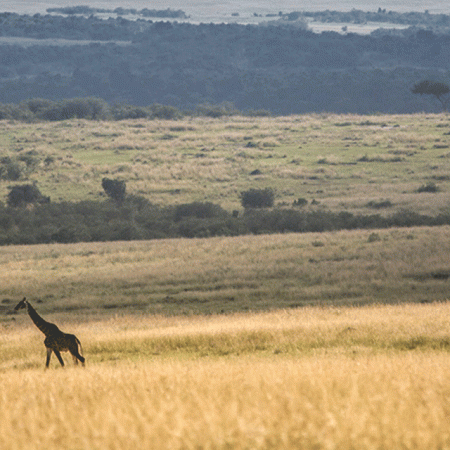
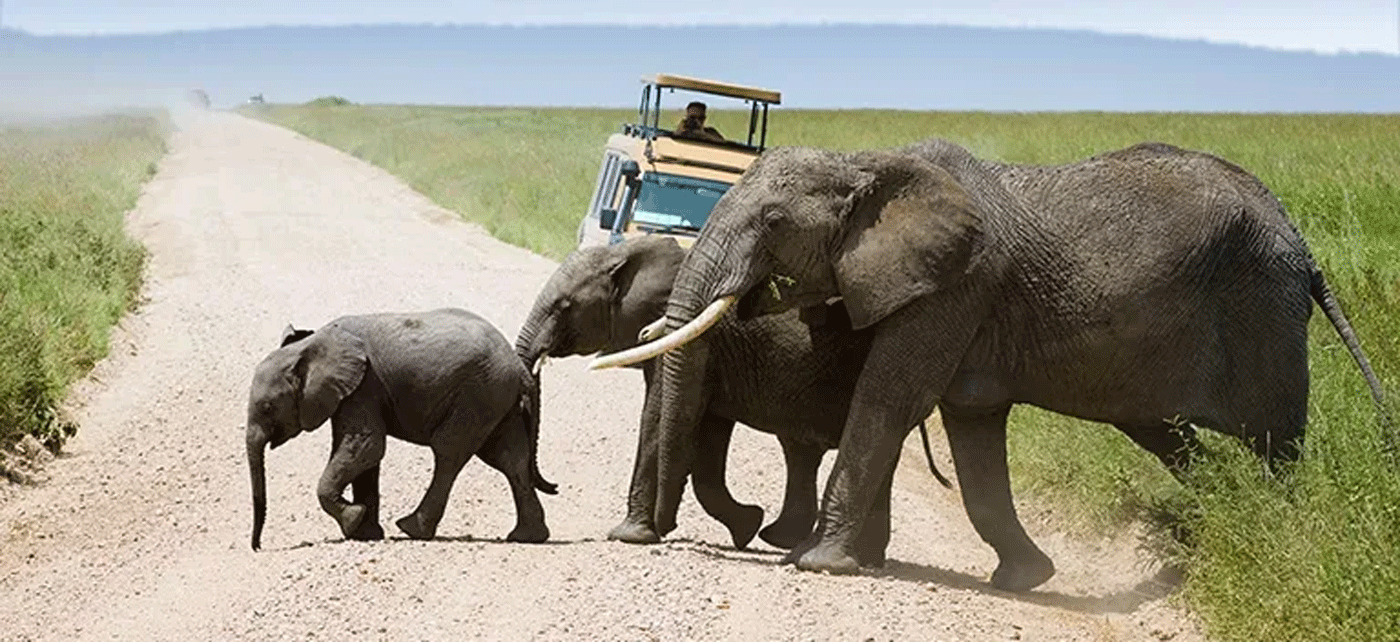
Wildlife viewing in December remains highly rewarding although it differs slightly from the intense concentrations seen during the dry season. The Serengeti is home to an incredible variety of animals year-round and December continues to deliver strong sightings of iconic species such as lions, elephants, giraffes, zebras, buffalo and various antelope species. Predators like cheetahs and leopards are also active often taking advantage of the renewed environment.
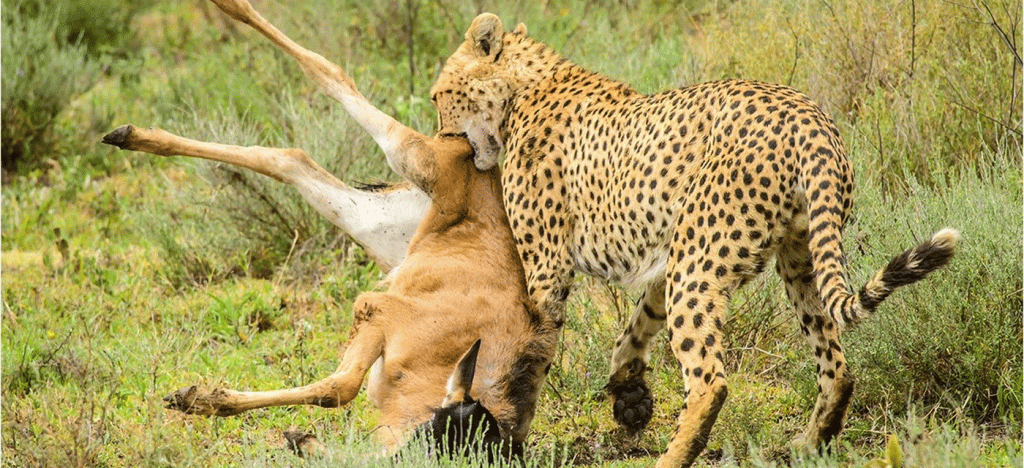
The main difference in December is how animals are distributed across the landscape. During the dry season water sources are limited forcing animals to gather around rivers and permanent waterholes. This makes wildlife easier to locate and observe in large numbers. In December however the arrival of rain creates temporary water sources throughout the plains. As a result animals spread out over wider areas making sightings slightly less predictable.
While this may sound like a disadvantage it actually creates a more natural and immersive safari experience. Instead of seeing crowded clusters of animals visitors encounter wildlife in more open relaxed settings. This often leads to more authentic behavior, such as grazing, social interactions and hunting in less pressured environments.
Predator activity remains strong especially in areas where herbivores are gathering. Lions, in particular, are still frequently seen and cheetahs benefit from the open plains that allow them to hunt effectively. The presence of young grasses also attracts herbivores which in turn supports predator movements. Another advantage of December is the reduced number of safari vehicles compared to peak months. This means less competition at sightings and a more peaceful viewing experience.
Great Migration: Southern Movement Begins
December is a key transitional period in the Great Migration cycle one of the most famous wildlife events in the world. During this time the massive herds of wildebeest, accompanied by zebras and gazelles begin moving toward the southern Serengeti and Ndutu region. This migration is driven by rainfall patterns as animals follow fresh grass and water sources necessary for survival.
By December many of the herds have either arrived in or are approaching the southern plains. These areas offer nutrient-rich grasses that are ideal for grazing especially for pregnant wildebeest. This movement sets the stage for the calving season, which typically occurs between January and March. Although calving has not fully begun in early December the gathering of herds is already an impressive sight.
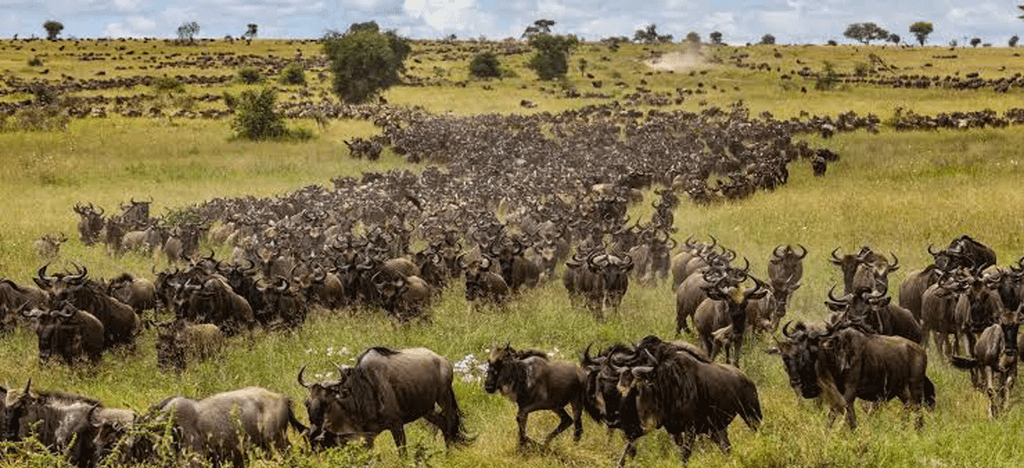
Visitors during this time can witness:
- Large herds spread across open plains
- Continuous movement as animals settle into grazing areas
- Increasing predator presence following the migration
However it is important to understand what December does not offer. This is not the season for dramatic river crossings which usually occur between July and October in the northern Serengeti and Masai Mara. If your main goal is to witness crocodile-filled river crossings December may not meet that expectation.
Instead December provides a quieter but equally fascinating phase of the migration. It is a time of preparation where the ecosystem builds toward one of its most important events: the birth of thousands of wildebeest calves. Predators begin positioning themselves in these regions anticipating the abundance of vulnerable young animals in the coming months.
For travelers who appreciate understanding the full migration cycle rather than just its most dramatic moments December offers valuable insight. You see the beginning of renewal where life is about to expand rapidly across the plains. Overall December is ideal for witnessing the early stages of the southern migration phase, offering scale, movement and anticipation rather than high drama.
Crowds and Costs: A Balanced Situation
December offers a unique balance between low-season quietness and peak-season activity. It can be divided into two distinct travel periods: early December and late December (holiday season) and each has different characteristics.
In early December visitor numbers are relatively low. Many international tourists have not yet started their holiday travel and some travelers avoid this period due to the perception of rain. As a result, safari camps and lodges are less crowded creating a more peaceful and exclusive atmosphere. This is an excellent time for travelers who prefer privacy, flexibility and better interaction with guides.
Accommodation prices during early December are often more affordable compared to peak months like July, August or September. Many lodges offer shoulder-season rates making it a good option for travelers who want a high-quality experience at a slightly lower cost.
However, as the month progresses toward Christmas and New Year demand increases significantly. Late December becomes a festive travel period, attracting both international and regional tourists. Lodges and camps can become fully booked and prices rise accordingly. This period requires advance booking especially for premium accommodations.
Despite this increase December is generally still less crowded than the peak migration months in mid-year. Even during the holidays, the vast size of the Serengeti helps maintain a sense of space and exclusivity. Another advantage is the reduced vehicle congestion at wildlife sightings. Unlike peak season where multiple vehicles may gather around a single sighting December often allows for more relaxed and intimate viewing.
In summary, December provides flexibility:
- Early month: quiet, affordable and peaceful
- Late month: lively, festive but more expensive
This balance makes it suitable for different types of travelers whether they prioritize budget, atmosphere or timing.
Birdwatching: One of the Best Times
December is one of the most rewarding months for birdwatching in the Serengeti. During this time the park experiences an influx of migratory bird species arriving from Europe, Asia and other parts of Africa. These migratory birds join the already rich population of resident species significantly increasing overall bird diversity.
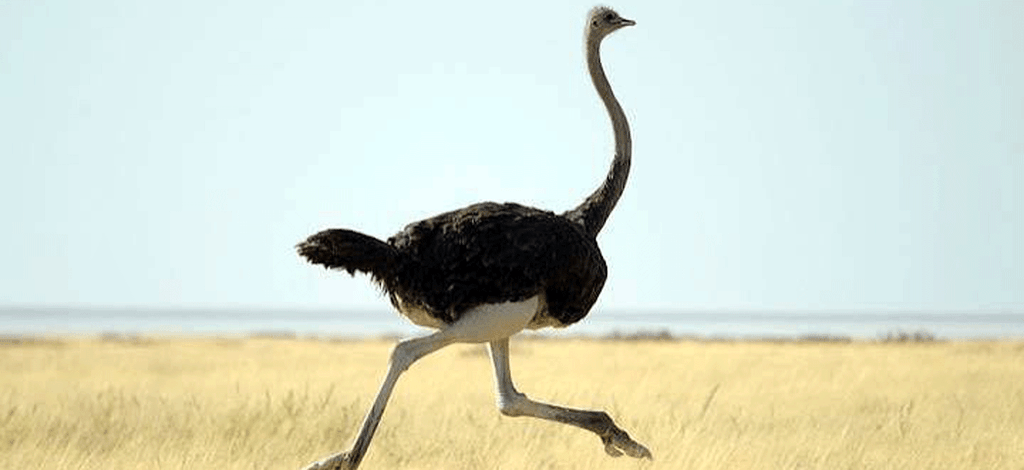
The green season creates ideal conditions for birdlife. Fresh vegetation, abundant insects and replenished water sources provide food and habitat for a wide range of species. As a result, bird activity becomes more visible and dynamic compared to the dry season.
One of the highlights of December birdwatching is the appearance of birds in breeding plumage. Many species display brighter colors and more elaborate markings during this period making them particularly attractive for photography. This is an excellent time for both casual observers and serious bird enthusiasts.
You can expect to see:
- Colorful bee-eaters and rollers
- Storks, herons and egrets near water sources
- Birds of prey such as eagles and vultures
- Migratory species rarely seen at other times of the year
The Serengeti’s diverse habitats, including grasslands, woodlands and wetlands support different bird communities. This variety allows visitors to experience a wide range of species within a relatively short time. Another advantage is the quieter environment. With fewer tourists compared to peak season birdwatchers can enjoy uninterrupted observation and better listening conditions for bird calls.
Even for travelers who are not specifically interested in birds December adds an extra layer of richness to the safari experience. The presence of diverse birdlife enhances the overall sense of biodiversity and ecosystem health.
Landscape and Photography: Stunning Green Scenery
December is one of the most visually striking times to visit the Serengeti especially for photography and scenery lovers. The arrival of rain transforms the environment dramatically turning dry plains into lush green landscapes filled with life. This seasonal change creates a fresh and vibrant atmosphere that contrasts beautifully with the harsher tones of the dry season.
The green grasslands stretch across the horizon creating a soft colorful backdrop for wildlife photography. Animals stand out clearly against the bright vegetation and the improved lighting conditions enhance image quality. Dust which can be a challenge during the dry season, is significantly reduced resulting in clearer air and sharper visibility.
One of the most unique photographic advantages of December is the sky. The combination of sunshine and scattered rain showers often produces dramatic cloud formations adding depth and character to landscape shots. Early mornings and late afternoons offer particularly stunning light with golden tones that highlight both animals and scenery.
Water features also become more prominent. Seasonal pools and streams reflect the sky and surrounding landscape providing creative opportunities for reflection photography. These elements add variety and uniqueness to safari images.
In addition to landscapes animal behavior can also be more visually appealing. The presence of fresh grass encourages grazing, movement and interaction among herbivores while predators take advantage of these conditions for hunting. December is especially valuable for photographers who want to capture a different side of the Serengeti one that feels alive fresh and full of color rather than dry and dusty.
Frequently Asked Questions About Serengeti in December
Is December a good time to visit the Serengeti?
Yes, December is a rewarding time to visit the Serengeti. The landscape becomes green after the seasonal rains, wildlife remains active and visitor numbers are generally lower than during the peak dry season.
What is the weather like in the Serengeti in December?
December marks the beginning of the short rainy season. Rain showers are generally light and scattered with sunshine between showers. Daytime temperatures typically range from 24°C to 30°C.
Can you see the Great Migration in the Serengeti in December?
Yes. In December, wildebeest, zebras and gazelles begin moving toward the southern Serengeti and Ndutu region. This movement prepares the ecosystem for the calving season which usually follows from January to March.
Can you see river crossings in the Serengeti in December?
December is not the best month for dramatic river crossings. The major river-crossing period generally occurs between July and October in the northern Serengeti and Maasai Mara.
What animals can you see in the Serengeti in December?
Visitors can see lions, elephants, giraffes, zebras, buffalo, antelopes, cheetahs and leopards. Wildlife remains active although animals may be more spread out because rain creates additional water sources across the plains.
Is the Serengeti crowded in December?
Early December is generally quieter with fewer visitors and less vehicle congestion at wildlife sightings. Visitor numbers increase around Christmas and New Year when demand for accommodation also rises.
Is a Serengeti safari cheaper in December?
Early December can offer more competitive accommodation prices than peak months such as July, August and September. Prices usually increase toward Christmas and New Year because of higher demand.
Is December good for birdwatching in the Serengeti?
Yes. December is an excellent month for birdwatching because migratory birds join resident species. Fresh vegetation, insects and replenished water sources create favorable conditions for bird activity.
Is December good for photography in the Serengeti?
Yes. The green landscape, dramatic clouds, clearer air, seasonal pools and wildlife activity create excellent photographic opportunities. Early mornings and late afternoons can provide particularly attractive light.
Should I visit the Serengeti in early or late December?
Early December is better if you prefer quieter game drives, potentially lower prices and fewer visitors. Late December is more festive but usually has higher demand and accommodation costs around Christmas and New Year.
Is December suitable for a first-time Serengeti safari?
Yes. December offers a combination of wildlife green scenery the beginning of the southern Great Migration movement, birdlife and relatively peaceful game drives. Serengeti Travels can help travelers plan around these seasonal conditions.
Who should visit the Serengeti in December?
December is particularly suitable for photographers, birdwatchers and travelers who prefer a quieter and more scenic safari. Travelers specifically seeking dramatic river crossings may prefer the July–October period instead.
Conclusion
December stands out as a highly attractive time to visit the Serengeti, particularly for travelers who value a balanced and visually rich safari experience. Serengeti Travels considers December a rewarding month for exploring the park offering a unique combination of favorable weather, active wildlife, fewer crowds and stunning landscapes. It provides a strong alternative to the more popular dry-season months.
One of the biggest strengths of December is its diversity. You are not limited to a single highlight instead you experience a mix of ecological changes from the beginning of the green season to the early stages of the Great Migration’s southern movement. With Serengeti Travels visitors can explore these changing landscapes while gaining a deeper understanding of the Serengeti ecosystem.
The reduced tourist numbers, especially in early December enhance the overall experience. Visitors can enjoy quieter game drives, more personal interactions with guides and a stronger sense of connection with nature. Even during the holiday period, the Serengeti’s vast size ensures that it rarely feels overcrowded.
However December may not be ideal for everyone. Travelers who prioritize dramatic migration events such as river crossings or extremely dense wildlife concentrations may find better opportunities during other months. Similarly those who prefer completely dry conditions should be prepared for occasional rain.
Despite these considerations December remains a highly rewarding choice for most visitors. It is particularly well-suited for photographers, birdwatchers and travelers seeking a more relaxed and scenic safari. Serengeti Travels can help travelers experience this quieter and greener side of the Serengeti while making the most of December’s unique safari conditions.