 English
 Deutsch
 Italia
May 20, 2026
Family Safari in Serengeti: Tips for Traveling with Kids
Introduction
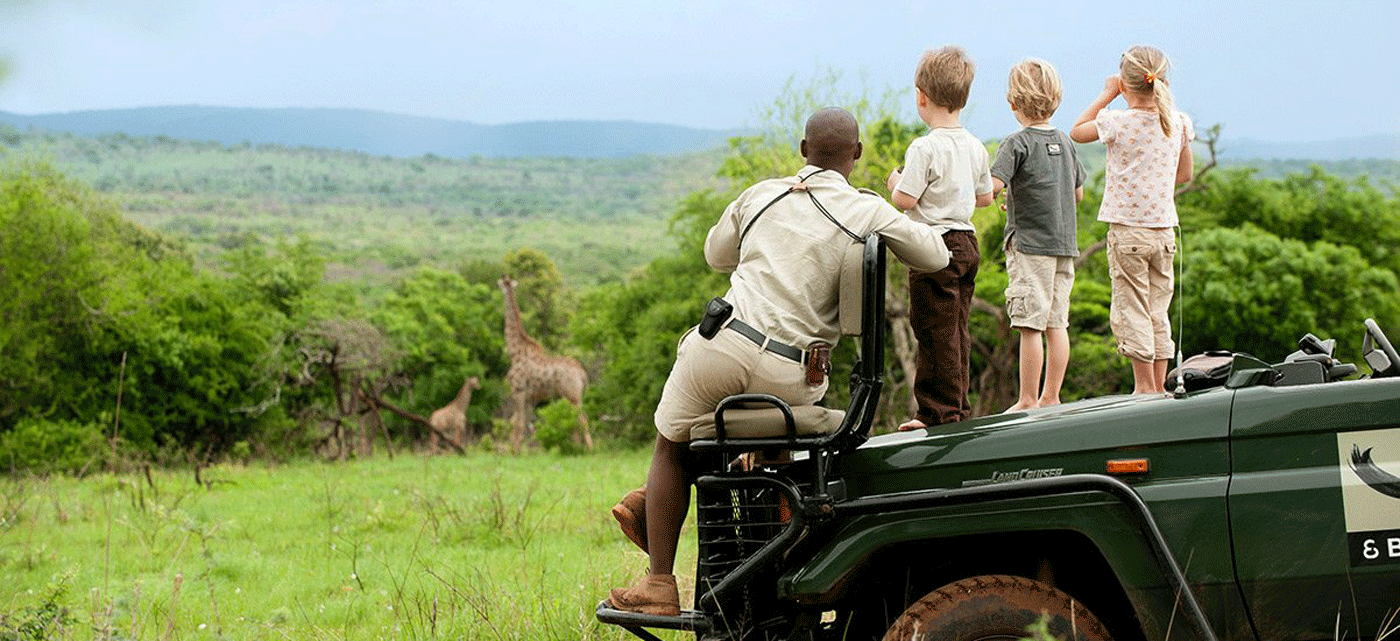
Family Safari in Serengeti: Tips for Traveling with Kids is one of the most rewarding ways to introduce children to wildlife, nature and adventure. Unlike typical vacations focused mainly on entertainment or relaxation, a family safari combines adventure, education and real-world discovery creating meaningful memories for parents and children. Watching elephants, lions, zebras and giraffes in their natural environment can make the Serengeti an exciting outdoor classroom for young travelers.
Children are naturally curious and the Serengeti provides an excellent environment where they can observe wildlife and learn about animal behavior and conservation. However traveling with kids requires careful planning because game drives can be long, wildlife sightings are unpredictable and daily activities often begin early.
Parents should choose an itinerary that balances adventure with comfort and flexibility. Younger children may need shorter game drives, regular breaks and plenty of rest while older children can usually enjoy longer drives and more detailed wildlife experiences. Choosing family-friendly accommodation with comfortable rooms, suitable meal options and child-friendly facilities can also make the trip easier.
Safety should always be a priority. Children need to understand that wild animals must be observed quietly and from a safe distance. Parents should also explain basic safari rules before the first game drive so children know what to expect.
Timing is another important consideration. Choosing the right season can improve wildlife viewing while making travel more comfortable for children. With thoughtful preparation appropriate accommodation and a flexible schedule a family safari in the Serengeti can become an unforgettable adventure that combines learning, excitement and quality family time.
Table of contents
- Introduction
- Choosing Family-Friendly Accommodation
- Planning a Flexible Safari Itinerary
- Ensuring Safety and Health During the Safari
- Keeping Kids Engaged and Entertained
- Choosing the Best Time to Travel with Kids
- Packing Smart for Kids on a Serengeti Safari
- Managing Transport and Long Travel Distances
- Teaching Kids About Wildlife Before the Safari
- Choosing the Right Safari Guide for Families
- Conclusion
Choosing Family-Friendly Accommodation

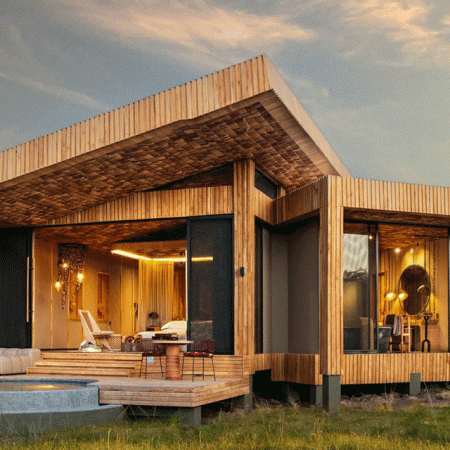
Choosing the right accommodation is one of the most critical decisions when planning a family safari in the Serengeti. The type of lodge or camp you select will directly affect your comfort, safety and overall experience.
Not all safari accommodations are suitable for children so it is essential to focus on those that are specifically designed to welcome families. These properties understand the needs of parents traveling with kids and provide facilities and services that make the experience more manageable.
Family-friendly lodges typically offer larger rooms, family suites or interconnected spaces that allow parents and children to stay together comfortably. This arrangement is especially important for younger children who may feel uneasy in a new and unfamiliar environment. Having everyone in one space also allows parents to monitor their children more easily and maintain a sense of security.
Safety is another major factor. Many Serengeti camps are located in open wilderness areas where wildlife can move freely. Family-oriented accommodations usually provide additional safety measures, such as trained staff escorts at night, secure pathways and clear guidelines for guests. These precautions ensure that children can move around safely while still enjoying the natural surroundings.
Another advantage of family-friendly lodges is the availability of activities tailored for children. Some properties offer junior ranger programs, guided nature walks, storytelling sessions and cultural experiences. These activities are designed to educate and entertain children making the safari more interactive rather than just sitting in a vehicle during game drives.
Food options are also important. Children may not adapt easily to unfamiliar cuisine so lodges that offer flexible menus or simple meals can make a big difference. Access to snacks and familiar foods helps maintain energy and keeps children comfortable.
Finally, location matters. Staying in areas with high wildlife density reduces travel time during game drives which is especially important for children. Shorter drives mean less fatigue and more enjoyable experiences.
Planning a Flexible Safari Itinerary
A flexible safari itinerary is essential when traveling with children in the Serengeti. Unlike adult-focused safaris that follow strict schedules family trips should be designed around the needs and comfort of children. The goal is to create a balanced experience that allows for wildlife viewing while also providing enough time for rest and relaxation.
Game drives are the core of any safari but they can be long and tiring for kids. Instead of planning full-day drives it is better to schedule shorter sessions of two to three hours. This allows children to stay engaged without becoming bored or restless. Breaking the day into manageable segments helps maintain their interest and energy.
Rest time is just as important as activity time. After a game drive children need space to relax, play or simply unwind. Many lodges offer safe areas where kids can move freely which helps them release energy and avoid fatigue. Without proper rest children may become irritable and lose interest in the experience.
Flexibility also means being willing to adjust plans. Children may not always feel like participating in every activity and that is completely normal. Parents should be prepared to skip or shorten activities if necessary. A relaxed approach ensures that the trip remains enjoyable rather than stressful.
Travel distances should also be minimized. Long transfers between locations can be exhausting for children and reduce the overall quality of the experience. Choosing nearby lodges or using domestic flights can significantly improve comfort.
Managing expectations is another important aspect. Wildlife sightings are unpredictable and there may be quiet periods during game drives. Turning the experience into a game such as spotting animals or counting species can make even slow moments enjoyable.
A flexible itinerary allows families to enjoy the Serengeti at their own pace ensuring that children remain comfortable, engaged and happy throughout the journey.
Ensuring Safety and Health During the Safari
Safety and health are top priorities when traveling with children in the Serengeti. The environment is very different from urban areas and it requires careful preparation to ensure a smooth and worry-free experience. Parents must take proactive steps before and during the trip to protect their children.
One of the most important safety rules is to always follow the guide’s instructions. During game drives children must remain inside the vehicle at all times. Wildlife can be unpredictable and maintaining a safe distance is essential. Guides are trained professionals who understand animal behavior so their instructions should always be respected.
Health preparation should begin before the trip. Parents should consult a medical professional regarding vaccinations and preventive measures. Malaria prevention is commonly recommended and insect repellent is essential to protect against mosquito bites.
Hydration is critical in the Serengeti especially during the dry season. Children may not always recognize when they are thirsty so parents should encourage regular water intake. Dehydration can lead to fatigue and discomfort which can affect the overall experience.
Sun protection is equally important. The African sun can be intense even during game drives. Hats sunscreen and lightweight clothing help protect children from sunburn and heat exposure. Food safety should also be considered. While most lodges maintain high hygiene standards it is important to ensure that children wash their hands regularly and avoid unsafe food or water sources.
Carrying a basic first-aid kit is highly recommended. It should include essential items such as bandages fever medication and any personal prescriptions. Knowing the location of medical facilities or having access to emergency services provides additional peace of mind.
By focusing on safety and health, families can enjoy the safari with confidence ensuring that children remain comfortable and protected throughout the journey.
Keeping Kids Engaged and Entertained
Keeping children engaged during a safari is one of the biggest challenges parents face. The Serengeti experience is based on patience and observation which may not naturally appeal to all children. However, with the right approach it can become an exciting and interactive adventure.
One effective strategy is to turn game drives into games. Parents can create simple challenges such as spotting specific animals counting different species or identifying colors and patterns. This keeps children focused and adds an element of fun to the experience.
Educational tools can also enhance engagement. Bringing binoculars wildlife books or simple guides allows children to learn while they explore. Seeing animals in real life while reading about them creates a deeper connection and understanding.
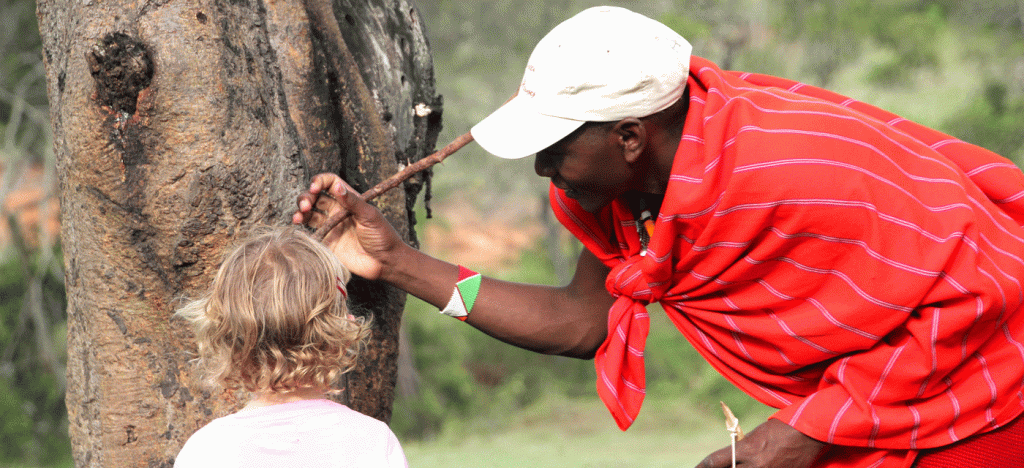
Encouraging curiosity is important. Children should feel comfortable asking questions and interacting with guides. Many guides are excellent storytellers and can explain animal behavior in ways that capture a child’s imagination. Comfort plays a big role in keeping children happy. Snacks, drinks and small toys can help manage boredom during longer drives. Familiar items provide a sense of security in a new environment.
Parents should also recognize when children need a break. Forcing them to stay engaged for too long can lead to frustration. Allowing time to rest or skip activities helps maintain a positive mood. Involving children in planning the trip can also increase excitement. Learning about animals and ecosystems before the safari builds anticipation and interest.
By making the safari interactive and enjoyable parents can ensure that children remain engaged and develop a lasting appreciation for wildlife and nature.
Choosing the Best Time to Travel with Kids
Choosing the right time to visit the Serengeti is essential for a successful family safari. Different seasons offer different experiences and understanding these differences helps parents make the best decision for their children.
The dry season from June to October is often considered the most suitable time for families. During this period wildlife is easier to spot as animals gather around water sources. The weather is also more stable with less rain and cooler temperatures making it more comfortable for children. However, the dry season is also the peak tourist period. This means higher prices and more visitors. Families should plan and book early to secure the best accommodations.
The wet season from November to May offers a different experience. The landscape becomes green and vibrant and it is the best time to witness the calving season when many animals give birth. This can be particularly exciting for children.
On the downside the wet season may involve rain and muddy conditions which can make travel more challenging. Some roads may be difficult to navigate and game drives can be less predictable. School schedules are another important factor. Traveling during holidays ensures that children do not miss important academic commitments and allows families to relax without time pressure.
Ultimately, the best time depends on family priorities. If comfort and easy wildlife viewing are the main goals the dry season is ideal. If the focus is on unique experiences and fewer crowds the wet season can be a great choice.
Packing Smart for Kids on a Serengeti Safari
Packing correctly for a family safari in the Serengeti is not just about convenience it directly affects comfort, health and how smoothly each day runs. Since the Serengeti is remote you cannot easily buy forgotten items so preparation is essential. Families traveling with children must think more carefully than solo travelers because kids have extra needs such as snacks, entertainment, clothing changes and comfort items.
Clothing selection is one of the most important parts of packing. The best option is lightweight breathable clothing in neutral colors like beige, light brown or green. Bright colors are not ideal for safaris and can attract insects. Children should also wear long sleeves and long trousers during game drives to protect against sun exposure and insect bites. Early mornings and evenings can be cold so warm layers like fleece jackets or hoodies are necessary.
Footwear should be comfortable and practical. Closed shoes or lightweight hiking shoes are better than sandals because they protect feet during walking and outdoor movement around lodges. Sun protection is essential in the Serengeti. The sun can be very strong even when it does not feel hot. Parents should pack wide-brim hats sunscreen with high SPF and sunglasses for children. These items help prevent sunburn and fatigue.
A small but important category is entertainment. Game drives can sometimes be long so children should have books, coloring materials, travel games or tablets (used responsibly). These items help prevent boredom during slow wildlife moments.
Snacks are another key item. While lodges provide meals, children often need quick snacks between drives. Healthy easy-to-carry snacks like biscuits, fruit bars or nuts can be very helpful. A basic medical kit should also be included. This should contain fever medicine, plasters, antiseptic cream and any personal prescriptions. Remote areas mean medical help is not always immediately available.
Finally reusable water bottles are very important. Staying hydrated is critical in the Serengeti climate. Smart packing ensures children remain comfortable, healthy and happy throughout the safari making the entire experience smoother for the whole family.
Managing Transport and Long Travel Distances
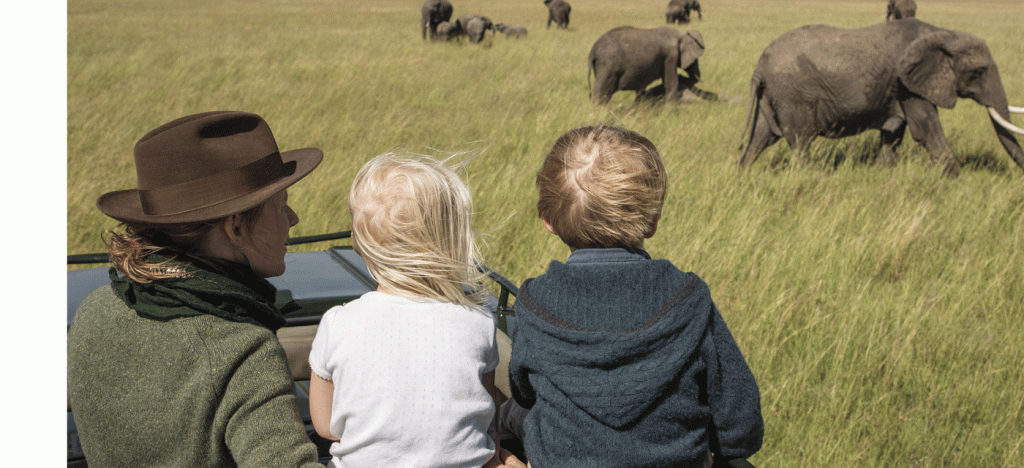
Transport is one of the most challenging parts of a family safari in the Serengeti especially when traveling with children. The park is vast and distances between regions can be very long. Without proper planning travel can become tiring and reduce the enjoyment of the safari experience.
The first important decision is whether to use road transport or flights. Road travel offers scenic views and is often cheaper but it can be long and bumpy. For children long drives of five to eight hours can be exhausting. On the other hand domestic flights between parks or from major cities to Serengeti airstrips are much faster and more comfortable. Flights reduce travel time significantly and help children arrive fresh and ready for game drives.
If road travel is necessary it should be broken into shorter segments. Stops for rest meals and stretching are essential. Children should not be expected to sit in a vehicle for long uninterrupted periods.
Another important factor is timing. Early morning departures are usually better because children are more alert and the weather is cooler. Afternoon travel can feel more tiring due to heat and fatigue. Families should also plan for delays. Safari travel is unpredictable due to weather, road conditions or wildlife sightings along the route. Carrying snacks, water and entertainment helps manage unexpected delays.
Choosing the right lodge locations also reduces transport stress. Staying in one central area of the Serengeti instead of moving frequently between regions helps minimize long transfers. This allows families to focus more on wildlife viewing and less on travel logistics.
Comfort inside the safari vehicle is another key point. Children should have enough space to sit comfortably. Some families choose private safaris specifically to control travel pace and stops which is ideal for kids. Good transport planning ensures that travel becomes part of the adventure rather than a stressful experience making the safari more enjoyable for everyone.
Teaching Kids About Wildlife Before the Safari
Preparing children before a Serengeti safari is one of the most effective ways to improve their experience. When kids understand what they are going to see they become more engaged, curious and excited during the trip.
One of the best ways to prepare children is through simple wildlife education. Parents can introduce basic information about the animals they will likely see, such as lions, elephants, giraffes, zebras and buffalo. Learning about what these animals eat how they behave and where they live helps children connect better during game drives.
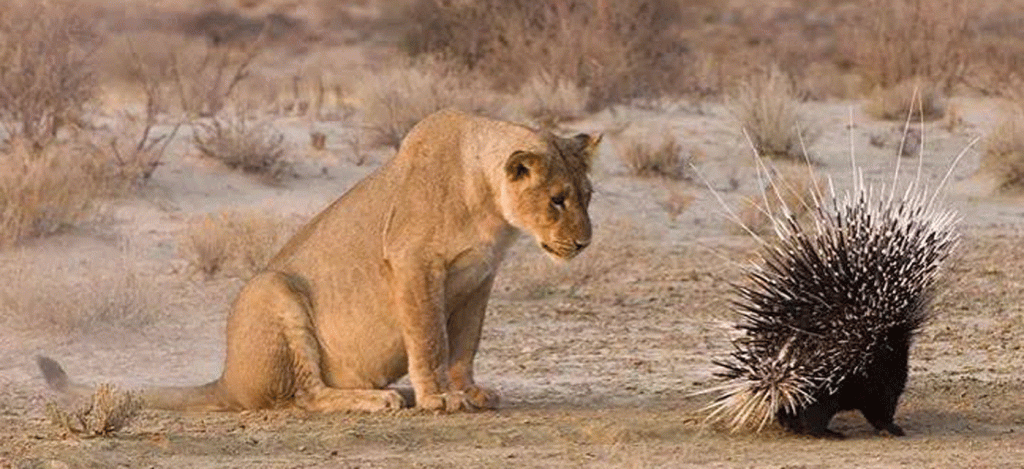
Books, documentaries and short educational videos are very useful tools. Visual learning is especially effective because it helps children recognize animals quickly in real life. When they see a lion or giraffe in the wild they will already understand what it is and feel more connected to the moment.
Storytelling is another powerful method. Parents can create exciting stories about animals or share real safari experiences. This builds imagination and emotional connection to wildlife. Teaching children about conservation is also important. They should understand that animals are protected and that safari tourism helps preserve nature. This builds respect and awareness from a young age.
Parents should also explain safari rules before arrival. Children need to understand why they must stay inside the vehicle remain quiet at certain moments and follow the guide’s instructions. This prevents confusion during the actual trip. Involving children in planning increases excitement. Letting them choose animals they want to see or learn about creates anticipation.
This preparation transforms the safari from a simple sightseeing trip into an interactive learning experience. Children arrive with curiosity, understanding and enthusiasm which makes the entire journey more meaningful and enjoyable.
Choosing the Right Safari Guide for Families
A safari guide plays a very important role in shaping the overall family experience in the Serengeti. For families traveling with children the guide is not just a driver but also an educator, storyteller and safety manager.
A good family safari guide understands how to communicate with children. They should be patient, friendly and able to explain wildlife in simple and interesting ways. Children learn better when information is shared through stories, humor and interactive questions rather than technical explanations.
Experience with family safaris is a major advantage. Guides who have worked with children before know how to adjust the pace of game drives when to take breaks and how to keep young travelers engaged. They can also recognize when children are becoming tired or bored and adjust the experience accordingly.
A skilled guide also knows how to find wildlife efficiently. This reduces long waiting times and increases the chances of exciting sightings which keeps children interested. However they also understand that rushing is not always necessary and can balance excitement with comfort.
Safety awareness is another critical quality. A professional guide ensures that all rules are followed and that the family remains safe at all times. They are trained to understand animal behavior and maintain safe distances during encounters.
Good communication is essential. A guide who speaks clearly and interacts with children can transform the safari into an educational adventure. They often answer questions explain tracks or sounds and help children learn in real time. Choosing the right guide can completely change the quality of a family safari. A great guide makes children feel included, safe and excited turning the Serengeti experience into a lifelong memory.
Frequently Asked Questions About Family Safari in Serengeti
Is the Serengeti suitable for a family safari with children?
Yes, the Serengeti is suitable for families with children when the safari is planned around their age, comfort and energy levels. Wildlife viewing, nature and educational activities can make the experience exciting and memorable for young travelers.
What is the best age for children to go on a Serengeti safari?
There is no single ideal age, but older children often find long game drives easier to enjoy. Younger children can also have a great experience when parents choose shorter drives, family-friendly accommodation and a flexible itinerary.
How long should a family safari in the Serengeti be?
A family safari can work well with around 3 to 7 days in the Serengeti, depending on the children’s ages and the family’s travel plans. Shorter game drives and rest periods can help prevent children from becoming tired.
Is it safe to take children on a Serengeti safari?
Yes, a Serengeti family safari can be safe when families follow their guide’s instructions and safari safety rules. Children should remain inside the vehicle during game drives and should never approach wild animals.
What should children wear on a Serengeti safari?
Children should wear comfortable, lightweight clothing, preferably in neutral or natural colors. Long trousers, long-sleeved shirts, comfortable closed shoes, a hat and warm layers for cool mornings and evenings are useful.
What should I pack for kids on a Serengeti safari?
Parents should consider packing comfortable clothing, sunscreen, hats, sunglasses, reusable water bottles, snacks, personal medicines, insect repellent and simple entertainment such as books, coloring materials or travel games.
How can I keep children entertained during game drives?
Parents can make game drives interactive by encouraging children to identify animals, count different species, use binoculars and ask the guide questions. Wildlife books and simple games can also make quieter periods more enjoyable.
What type of accommodation is best for families in the Serengeti?
Family-friendly lodges and camps with family rooms, suitable meal options, safe facilities and flexible services are generally the best choice. Parents should confirm age policies and available family facilities before booking.
Can children see the Big Five in the Serengeti?
Yes, children may have opportunities to see lions, elephants, leopards, buffalo and rhinoceros during a Serengeti safari. Wildlife sightings are never guaranteed but experienced guides can help families maximize their chances.
What is the best time for a family safari in the Serengeti?
June to October is popular for comfortable weather and generally good wildlife viewing. January to March can also be an excellent period particularly for families interested in the calving season and seeing young animals.
Are long drives in the Serengeti difficult for children?
Long drives can be tiring for young children. Families can reduce fatigue by choosing shorter game drives, taking breaks, limiting unnecessary transfers and considering flights between destinations when appropriate.
Should families choose a private safari in the Serengeti?
A private safari can be particularly convenient for families because the schedule can be adjusted around children’s needs. Families may have more flexibility to take breaks, shorten drives or spend additional time at interesting wildlife sightings.
How can parents prepare children before a Serengeti safari?
Parents can introduce children to African wildlife through books, documentaries and age-appropriate educational activities before the trip. Teaching basic safari rules and conservation principles can also help children understand and enjoy the experience.
What should parents consider when choosing a safari guide?
Families should look for an experienced, patient and child-friendly guide who can explain wildlife in an engaging way. A good guide should also prioritize safety and know how to adjust the pace of the safari when children need a break.
Can children learn about conservation during a Serengeti safari?
Yes. A safari provides an excellent opportunity for children to learn about wildlife, ecosystems, animal behavior and conservation. Seeing animals in their natural habitat can make these lessons more meaningful and memorable.
Can Serengeti Travels arrange a family safari for children?
Yes, Serengeti Travels can help families plan a safari based on children’s ages, preferred activities, accommodation needs, travel dates and desired level of comfort. A family-focused itinerary can be adjusted to create a more relaxed and enjoyable experience.
Conclusion
A family safari in the Serengeti is a truly unique experience that combines adventure, education and meaningful family bonding. While it requires careful planning and preparation the rewards are well worth the effort. Serengeti Travels helps families organize memorable safari experiences by focusing on important elements such as comfortable accommodation, flexible itineraries, safety and activities that keep children interested and engaged.
The Serengeti offers children a chance to experience the natural world in a way that few other destinations can provide. Watching lions, elephants, zebras and giraffes in their natural habitat can turn a family holiday into an exciting learning experience. Children can also learn about ecosystems, animal behavior and conservation while exploring the vast landscapes of Tanzania. These experiences can inspire curiosity, respect for nature and a deeper understanding of the environment.
Flexibility is one of the most important factors in a successful family safari. Children have different needs and energy levels, so families should avoid overly demanding schedules. With Serengeti Travels parents can plan an itinerary that allows time for wildlife viewing, meals, relaxation and rest. A comfortable pace helps ensure that everyone enjoys the journey without feeling rushed.
Safety and health should always remain a priority when traveling with children. Parents should prepare appropriately, follow wildlife safety guidelines and listen carefully to their safari guide. Experienced guides can help families enjoy wildlife encounters while maintaining a safe distance from animals.
Keeping children engaged through educational activities, wildlife spotting and simple nature discussions can make the safari even more memorable. When children actively participate in discovering the Serengeti they are more likely to develop lasting appreciation for wildlife and conservation. With thoughtful planning and support from Serengeti Travels a family safari can become an unforgettable adventure filled with discovery, learning and quality time together.