 English
 Deutsch
 Italia
May 20, 2026
Serengeti Migration Calendar: Where the Herds Are Each Month
Introduction
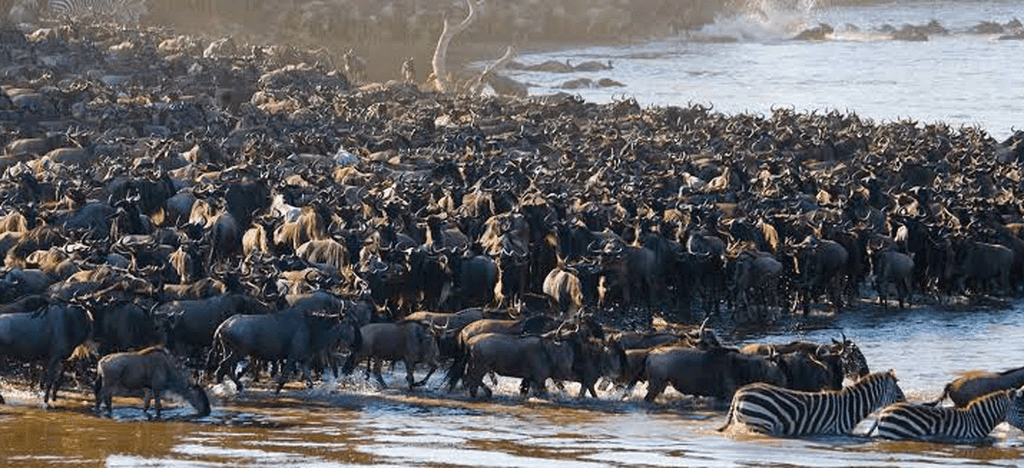
The Serengeti Migration Calendar: Where the Herds Are Each Month explains one of the world’s greatest wildlife spectacles. Each year, more than 1.5 million wildebeest, together with hundreds of thousands of zebras and gazelles move through the Serengeti ecosystem between Tanzania’s Serengeti National Park and Kenya’s Maasai Mara National Reserve. Their movement is mainly influenced by rainfall, fresh grass and water availability.
The Great Wildebeest Migration is not a single event that happens once a year. It is a continuous cycle with herds moving through the southern plains, central Serengeti, western corridors and northern areas throughout the year. This means the migration experience can change significantly depending on the month and location of your safari.
Understanding the migration calendar is important for planning the right Serengeti safari. Calving usually takes place in the southern Serengeti while large herds move toward the western corridor and northern Serengeti later in the year where river crossings become a major attraction.
Each stage offers a different wildlife experience from newborn calves and predator activity to enormous herds crossing open plains and dramatic river crossings. Although daily movements can be unpredictable seasonal patterns provide useful guidance for choosing when and where to visit.
Table of contents
- Introduction
- January – Southern Serengeti
- February – Peak Calving Season
- March – End of Calving & Early Movement
- April – Transition to Central Serengeti
- May – Movement Through Central Serengeti
- June – Western Corridor & Grumeti River Crossings
- July – Northern Serengeti & Start of Mara River Crossings
- August – Peak Mara River Crossings
- September – Northern Serengeti Grazing Phase
- October – Start of Return Movement
- November – Short Rains & Southward Return
- December – Return to Southern Serengeti
- What is the Serengeti Migration Calendar?
- Where is the Great Migration in January?
- Is February a good month to see the Serengeti Migration?
- Where are the herds in March?
- Where does the migration move in April and May?
- When can I see the Grumeti River crossings?
- When is the Mara River crossing season in the Serengeti?
- Where are the wildebeest in September?
- Do the wildebeest return to the southern Serengeti?
- What is the best month to see the Serengeti Migration?
- Can Serengeti Travels help me plan a migration safari?
- Conclusion
January – Southern Serengeti
In January the Great Migration is mainly concentrated in the southern Serengeti ecosystem especially the Ndutu plains and surrounding short grass areas. This region lies between the Serengeti National Park and the Ngorongoro Conservation Area forming one of the most important grazing zones in the entire migration cycle.
The main reason the herds gather here is the availability of fresh nutrient-rich grass. After the short rains of November and December, the plains become green and highly nutritious providing ideal feeding conditions for pregnant wildebeest. At this stage many females are in the final phase of pregnancy building strength for the upcoming calving season.
The concentration of animals in January is enormous. Hundreds of thousands of wildebeest along with zebras and gazelles spread across the open plains. The landscape is flat and wide which makes it easy to observe large herds from a distance. Unlike forested regions there are few obstacles so visibility is excellent for both predators and visitors.
Predator presence is already strong during this month. Lions, cheetahs and hyenas follow the herds closely anticipating the upcoming calving period when newborns will become easy targets. Although mass births have not yet peaked hunting activity is already increasing as predators position themselves for opportunity.
The weather in January is generally warm with occasional rain showers. The scenery is lush, green and photogenic making it an excellent time for photography safaris. The combination of green grass, golden light and large herds creates a visually powerful safari experience.
From a safari planning perspective January is ideal for travelers who want to see massive concentrations of wildlife in one location. It is less chaotic than later months and offers a peaceful but highly rewarding experience. The focus is not yet on dramatic action but on abundance, feeding behavior and predator preparation.
February – Peak Calving Season
February is one of the most dramatic and biologically important months in the entire Serengeti migration cycle. This is the peak of the wildebeest calving season in the southern Serengeti and Ndutu plains where hundreds of thousands of calves are born within a very short period usually within two to three weeks.
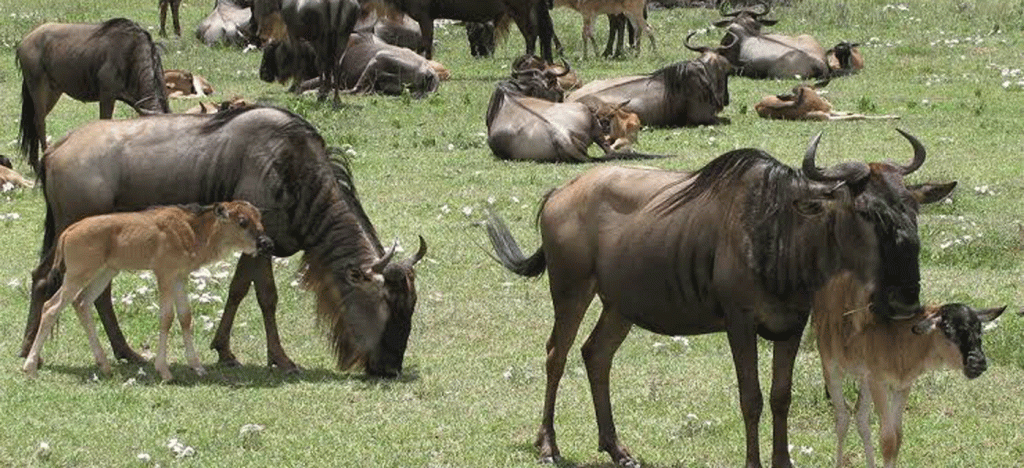
This synchronized birthing strategy is a survival mechanism. By giving birth at the same time wildebeest overwhelm predators with sheer numbers of newborns increasing the chances that many calves will survive. On average around 400,000 to 500,000 calves are born during this period making it one of the largest mass birth events in the natural world.
The environment in February is perfectly suited for this event. The short grass plains provide open visibility allowing mothers to spot predators from a distance. The grass is also nutrient-rich helping mothers produce milk and maintain energy during the demanding calving period.
Newborn wildebeest are extremely vulnerable at first but they are also surprisingly fast. Within minutes of birth, a calf can stand and within hours, it can run with the herd. This rapid development is essential for survival in a predator-rich environment.
Predator activity reaches its peak during February. Lions, cheetahs, hyenas and even scavengers like vultures take advantage of the abundance of young prey. This creates intense predator-prey interactions, including chases, ambushes and frequent hunting attempts. While many calves are lost the overall survival strategy still favors the species due to overwhelming numbers.
For visitors, February offers one of the most powerful safari experiences in Africa. It is a time of life, danger and survival happening simultaneously across the plains. The combination of newborn animals, active predators and vast herds creates constant wildlife action.
The weather is generally warm with occasional rainfall and the landscape remains green and vibrant. This makes it not only biologically significant but also visually stunning for photography and wildlife viewing.
March – End of Calving & Early Movement
In March the Serengeti migration enters a transition phase as the peak calving season begins to slow down. Most wildebeest calves are now a few weeks old stronger and more capable of keeping up with the movement of the herd. While births still occur, the intensity and concentration seen in February gradually decreases.
The herds remain primarily in the southern Serengeti and Ndutu plains. This area continues to provide nutritious grazing, but as the short rainy season progresses, grass begins to grow taller and spread more widely. This reduces the tight concentration of animals seen during peak calving and causes the herds to start dispersing slightly across the plains.
Predator activity remains high in March although the dynamics begin to shift. Young calves are still vulnerable but their improved strength and speed increase survival rates. Lions and hyenas continue to patrol the area but successful hunts become less frequent compared to February’s overwhelming abundance of newborn prey. Cheetahs which rely on speed and open terrain remain particularly active in these plains.
One of the most important developments in March is the early stage of migration movement. While the herds are not yet fully committed to a long journey subtle shifts begin to appear. Some groups start moving northward or westward in search of fresh grazing depending on rainfall distribution. However, this movement is gradual and often unpredictable influenced heavily by local weather conditions.
The landscape in March is still lush and green making it a visually beautiful time for safaris. However, rainfall remains present and some areas may become muddy or difficult to access. Despite this wildlife viewing is still excellent especially for those interested in observing natural behavior without heavy tourist crowds.
For travelers March offers a balanced experience. It is less intense than February but still rich in wildlife interactions. Visitors can observe the final stages of calving, early herd movement and ongoing predator activity all within a single ecosystem. It is a month of change marking the gradual shift from stationary life on the southern plains to the beginning of the great circular journey.
April – Transition to Central Serengeti
April marks one of the most important transition periods in the Serengeti migration cycle. During this month the herds begin to move away from the southern plains and gradually shift toward the central Serengeti. This movement is not sudden but occurs in waves, depending heavily on rainfall patterns and grazing conditions.
The long rains typically reach their peak in April. As a result, the entire Serengeti landscape becomes lush, green and water-rich. While this creates excellent grazing opportunities in many areas it also disperses the wildebeest across a wider region. Instead of massive dense concentrations the herds become more scattered making them slightly harder to locate compared to earlier months.
The central Serengeti particularly areas around Seronera becomes increasingly important during this stage. This region offers a mix of permanent water sources and open grasslands making it a natural stopping point for migrating herds. Some groups move into this area while others continue shifting westward, creating a dynamic and unpredictable pattern.
April is also known for being part of the low tourist season due to heavy rainfall. Many safari routes become muddy and some remote camps may close temporarily. However, this also means fewer visitors offering a more private and exclusive safari experience for those willing to travel during this period.
Wildlife behavior remains active despite the challenging weather. Resident predators such as lions, leopards and hyenas continue to thrive in central Serengeti. Since prey is more spread out predator encounters may be less concentrated but still frequent in key hunting territories.
Birdlife also becomes more noticeable in April due to migratory species arriving in the region. The wet conditions encourage breeding and nesting activity among many bird species adding another layer of biodiversity to the safari experience.
For travelers April is not about dramatic migration events but about movement and transition. It is a month that reveals the flexibility of the ecosystem showing how wildlife adapts to changing environmental conditions. Those who visit during this time often experience quieter safaris, dramatic green landscapes and a more intimate connection with the wilderness.
May – Movement Through Central Serengeti
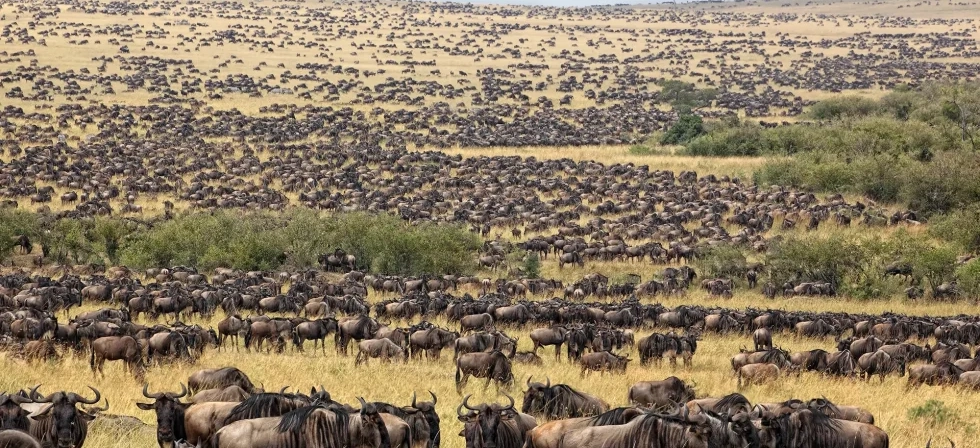
In May the Serengeti migration becomes more structured and visually dramatic as large herds move steadily through the central Serengeti toward the western corridor. This is one of the most visually impressive phases of the entire migration cycle as animals often travel in long continuous columns stretching across the plains.
The movement is driven by the gradual drying of grazing areas in the south and the search for fresh pasture in the northwest. As the long rains begin to taper off toward the end of May the landscape remains green but starts to transition into more open grazing conditions.
Central Serengeti especially the Seronera region becomes a key viewing area during this month. The combination of resident wildlife and migrating herds creates a rich safari environment. Unlike earlier months where animals are concentrated in one region May offers dynamic movement across multiple zones.
One of the defining features of May is the visible structure of migration flow. Wildebeest, zebras and gazelles often move in coordinated lines creating a powerful visual impression across the savannah. This behavior reduces confusion and helps maintain group safety as they travel long distances.
Predator interactions remain strong during this period. Lions are particularly active in central Serengeti using tall grass and rocky outcrops to ambush moving herds. Since animals are constantly on the move predators must adapt their hunting strategies to track and intercept migration paths.
Weather conditions begin to improve in May compared to April. While some rain may still occur, roads become more accessible and travel conditions gradually stabilize. This makes it a more favorable month for safari logistics and movement between camps. Tourist numbers are still relatively moderate making May a good balance between wildlife visibility and crowd levels. It is not as crowded as peak river crossing months but it still offers strong migration activity.
For travelers May represents motion and continuity. It is not about dramatic events like calving or river crossings but about witnessing the migration as a living system in motion. The sheer scale of movement across the landscape is what makes this month unique.
June – Western Corridor & Grumeti River Crossings
In June the Great Migration reaches the western Serengeti corridor a narrow stretch of habitat that follows the Grumeti River system. This area becomes a critical bottleneck for the migrating herds as they move northwest toward the northern Serengeti and eventually the Maasai Mara ecosystem.
The dry season begins to establish itself more clearly in June. Rainfall decreases significantly compared to April and May and grazing resources in the central Serengeti start to decline. This environmental shift pushes the herds forward in search of better feeding conditions guiding them into the western corridor.
One of the defining features of June is the Grumeti River crossings. While not as large or famous as the Mara River crossings in later months they are still dramatic and dangerous. The Grumeti River is home to large Nile crocodiles some of which are among the biggest in the Serengeti ecosystem. These crocodiles lie in wait in deep pools creating a serious threat for animals attempting to cross.
Unlike the chaotic mass crossings seen later in the year Grumeti crossings tend to happen in smaller groups. The herds often gather at the riverbanks for hours or even days before deciding to cross. This hesitation is part of the survival instinct as the animals assess danger and look for safer crossing points.
The western corridor itself is a mix of woodland, riverine forest and open plains. This varied landscape supports both migrating herbivores and resident predators. Lions and leopards are frequently seen in this region taking advantage of the movement of prey.
From a safari perspective June is an excellent month because it combines strong wildlife movement with improving weather conditions. Roads are more accessible vegetation is still relatively green and animal densities remain high. However the herds are more spread out compared to earlier months so tracking movement becomes more important.
June is essentially a preparation stage for the most dramatic phase of the migration. It is a month of tension, movement and anticipation as the herds approach the northern Serengeti.
July – Northern Serengeti & Start of Mara River Crossings
July marks one of the most exciting and highly anticipated phases of the Great Migration. The herds begin to arrive in the northern Serengeti particularly in areas such as Kogatende and Lamai where the famous Mara River system creates one of the most dangerous obstacles of their journey.
The dry season is now fully established. Water sources in the south and central Serengeti are limited forcing the animals to continue moving northward in search of greener grazing areas. This environmental pressure concentrates the herds in the northern region where river crossings become inevitable.
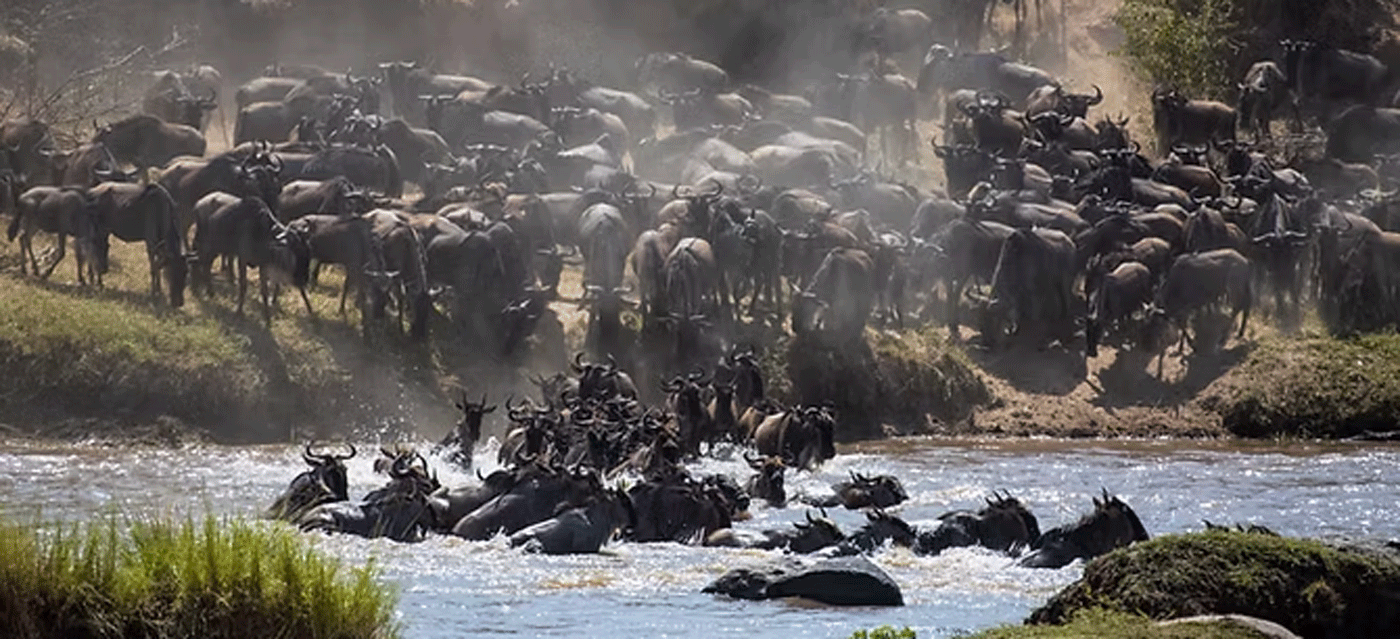
The Mara River crossings begin in July although they are unpredictable and do not follow a fixed schedule. Herds may gather at riverbanks for hours or even days before attempting to cross. The decision to enter the river is collective and often triggered by pressure from behind or perceived safety in numbers.
When crossings occur they are chaotic and intense. Thousands of wildebeest and zebras plunge into fast-moving water filled with strong currents and large Nile crocodiles. Some animals make it safely across while others are lost to the river or predators waiting on the opposite bank. This raw survival drama is one of the most iconic wildlife scenes in the world.
The northern Serengeti landscape is characterized by rolling hills, river valleys, and open plains. Compared to the central Serengeti it is less crowded with tourists although visitor numbers begin to increase significantly during this period due to the popularity of river crossings.
Predator activity is extremely high. Lions, leopards and hyenas position themselves along migration routes waiting for weakened or separated individuals. Scavengers also play an important role in this ecosystem during this time of abundance. For travelers July offers a high chance of witnessing dramatic wildlife behavior but it requires patience. River crossings are not guaranteed daily events they depend on animal decisions and environmental conditions.
July is best described as a month of tension and anticipation where nature builds toward peak dramatic action.
August – Peak Mara River Crossings
August is widely regarded as the peak of the Great Migration River crossing season and one of the most spectacular wildlife events on the planet. During this month massive herds are concentrated in the northern Serengeti and the Maasai Mara border region actively crossing the Mara River in large numbers.
The dry season is at its strongest and grazing in the Serengeti has become increasingly limited. This forces the herds to repeatedly attempt river crossings in search of better pasture on the Kenyan side of the ecosystem. As a result crossings become more frequent and intense compared to July.
The Mara River is deep, fast-flowing and filled with crocodiles that have adapted to the migration cycle over thousands of years. These crocodiles lie in ambush near traditional crossing points creating constant danger for animals entering the water.
What makes August especially dramatic is the scale of crossings. Instead of small groups entire herds often gather at riverbanks sometimes numbering in tens of thousands. The pressure builds until a trigger event causes mass movement into the river resulting in chaotic and high-energy crossings.
These moments are unpredictable and highly emotional in nature. Some crossings are successful while others result in significant losses. The survival of the herd depends on speed, coordination and sheer luck. The northern Serengeti becomes the primary viewing location during this month especially around Kogatende. Tourist numbers peak during August as this is the most famous time for witnessing the migration.
Despite the intensity of activity the ecosystem remains balanced. Predator’s scavengers and herbivores all interact within a tightly connected food web driven by the migration. For visitors August offers the highest chance of witnessing dramatic river crossings but it also requires flexibility and patience. Wildlife does not follow human schedules and crossings can happen at any time of day.
August represents the climax of movement, danger and survival in the Serengeti migration cycle.
September – Northern Serengeti Grazing Phase
In September the Great Migration remains concentrated in the northern Serengeti ecosystem though the intensity of river crossings begins to decline compared to July and August. Many herds are still found in areas such as Kogatende, Lamai and the surrounding Mara River region but their behavior shifts from constant crossing attempts to extended grazing and recovery.
After the high-risk movements of August the herds that have successfully crossed the Mara River begin to spread into the Maasai Mara in Kenya while others remain in Tanzania’s northern Serengeti. This creates a dynamic distribution of wildlife across both sides of the border ecosystem. The animals focus more on feeding and rebuilding energy reserves after weeks of stressful movement and crossing attempts.
The environment in September is typically dry with limited rainfall and gradually reducing grass quality in some areas. However riverine zones and remaining green patches still provide enough grazing to sustain large herbivore populations. Wildebeest, zebras and gazelles are often seen in more relaxed herds compared to the tightly packed formations of crossing months.
Predator activity remains high but hunting behavior becomes more strategic and less chaotic. Lions and hyenas take advantage of weaker individuals especially young or exhausted animals that may have struggled during earlier crossings. Leopards are also frequently seen in the northern woodlands during this period.
One of the advantages of visiting in September is slightly reduced crowd pressure compared to peak August. While still a popular safari month sighting can feel more relaxed and less congested at viewing points. This allows for better observation of natural behavior rather than just dramatic crossing events.
From a safari perspective September offers a balance between action and stability. While the dramatic river crossings may slow down, the sheer presence of large herds in open landscapes still provides excellent wildlife viewing opportunities. Overall, September represents a recovery and grazing phase where the migration stabilizes in the north before the eventual return journey south begins.
October – Start of Return Movement
In October the Serengeti migration begins its gradual return journey southward. This movement is not sudden or chaotic but rather a slow and steady shift influenced by changing weather patterns and the first signs of short rains in the southern regions of the ecosystem.
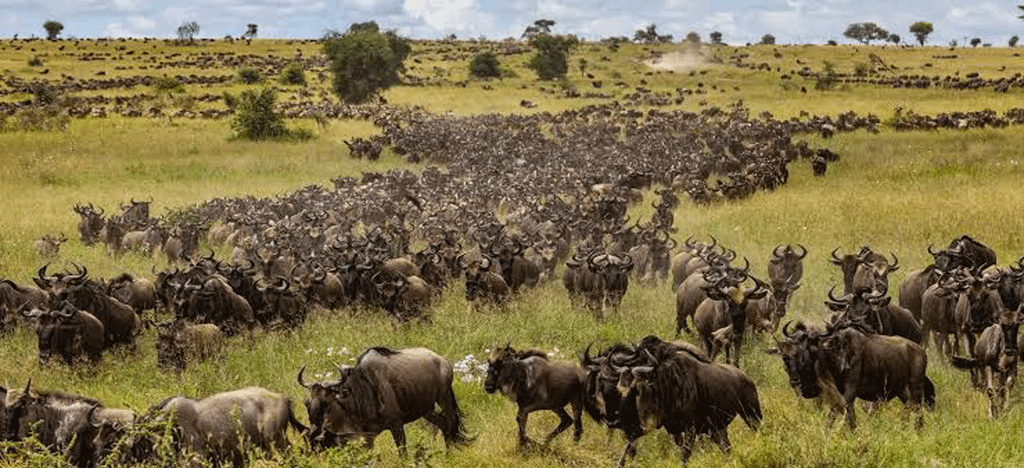
As grazing conditions in the north begin to decline the herds slowly start dispersing from the northern Serengeti and Maasai Mara areas. Wildebeest, zebras and gazelles begin moving back toward central Serengeti following traditional migration routes that have been used for generations.
Unlike the dramatic river crossings of previous months October is characterized by movement without spectacle. The herds are more spread out and tracking them requires attention to rainfall patterns and fresh grass growth rather than fixed viewing points.
The central Serengeti particularly the Seronera region becomes increasingly important again during this month. As animals move southward, they pass through these central plains creating temporary concentrations of wildlife before continuing further south.
Predator interactions remain consistent throughout October. Lions and hyenas continue to follow migrating groups taking advantage of stragglers or weakened individuals. However, hunting opportunities are more dispersed compared to the concentrated action of river crossings.
The landscape begins to show early signs of seasonal change. While still relatively dry in many areas occasional rains start to appear especially toward the end of the month. These rains signal the beginning of the ecosystem’s reset cycle preparing the southern plains for renewed growth.
For safari travelers October offers a quieter and more flexible experience. It is not a peak drama month but it provides excellent opportunities to observe migration flow without large crowds. It is particularly suitable for those interested in understanding the full cycle of movement rather than specific high-action events.
October represents transition and redistribution as the migration gradually resets its position within the Serengeti ecosystem.
November – Short Rains & Southward Return
November marks the beginning of the short rainy season a critical turning point in the Serengeti migration cycle. These rains play a key ecological role by transforming dry landscapes into fresh grazing areas especially in the southern Serengeti plains.
As the rains arrive new grass begins to sprout across the southern ecosystem particularly in areas around Ndutu and the short grass plains. This sudden availability of high-quality forage acts as a powerful natural signal drawing the migrating herds back toward their original calving grounds.
The movement in November is more organized and directional compared to October. Wildebeest, zebras and gazelles begin moving steadily southward often in large groups that gradually merge as they approach more fertile areas. This return journey is essential for completing the annual migration cycle.
Unlike the northern phase November does not involve major river crossings. Instead, it is defined by continuous movement across open plains and transitional landscapes. The herds are highly responsive to rainfall patterns sometimes adjusting direction based on localized green patches.
Predator activity remains present but the dynamics shift again as animals move into more open and safer grazing areas. Lions and cheetahs become more visible in the southern plains as they prepare for the upcoming calving season that will occur in the following months. The landscape in November is a mix of dry remnants and fresh green patches. As rainfall increases, the ecosystem begins to recover setting the stage for nutrient-rich grazing conditions in the south.
For safari travelers November offers a quieter but ecologically important phase of the migration. It is a time of renewal and preparation rather than dramatic action. Visitors can observe the early stages of herd regrouping and movement patterns that will eventually lead to calving.
November represents regeneration and return as the migration cycle shifts back toward its starting point.
December – Return to Southern Serengeti
By December the Great Migration has largely returned to the southern Serengeti and Ndutu plains completing its annual circular journey. This marks the final phase of the migration cycle before the calving season begins again in the coming months.
The short rains that began in November have now transformed the southern plains into lush green grazing fields. The grass is fresh, nutrient-rich and highly attractive to wildebeest, zebras and gazelles. This abundance of food draws the herds into dense concentrations across the region.
In December the migration becomes more stable and settled compared to previous months. The herds are no longer in long-distance movement but are instead focused on feeding rebuilding energy and preparing for the next reproductive cycle. Pregnant females begin to gain strength as they approach the final stages of gestation.
The landscape is visually striking during this month. Green plains stretch across the horizon often dotted with large herds grazing peacefully. The atmosphere is calmer compared to the intense river crossings of earlier months offering a different but equally valuable safari experience.
Predator activity continues especially from lions and hyenas which remain highly active in the southern Serengeti. Although hunting opportunities are less chaotic than during calving season predators still take advantage of weaker individuals and opportunistic moments.
Birdlife also increases significantly during December due to the arrival of migratory species. The wet conditions support breeding activity and add to the overall biodiversity of the ecosystem. For travelers December offers a peaceful yet highly rewarding safari experience. It is not defined by dramatic events but by abundance, stability and the anticipation of the upcoming calving season.
December represents completion and preparation closing the migration loop and setting the stage for the cycle to begin again in January.
Frequently Asked Questions About the Serengeti Migration
What is the Serengeti Migration Calendar?
The Serengeti Migration Calendar shows where the wildebeest herds are likely to be found throughout the year and explains how rainfall, fresh grass and water availability influence their movement.
Where is the Great Migration in January?
In January the herds are mainly concentrated in the southern Serengeti particularly around the Ndutu plains where fresh grass provides excellent feeding conditions.
Is February a good month to see the Serengeti Migration?
Yes. February is the peak calving season in the southern Serengeti and Ndutu plains offering opportunities to see newborn wildebeest and increased predator activity.
Where are the herds in March?
In March the herds remain mainly around the southern Serengeti and Ndutu plains while gradually beginning to disperse and move toward other grazing areas.
Where does the migration move in April and May?
During April the herds gradually transition toward the central Serengeti. By May, large groups are moving through the central Serengeti toward the Western Corridor.
When can I see the Grumeti River crossings?
Grumeti River crossings are associated mainly with June as the herds move through the Western Corridor. The crossings are unpredictable and may involve smaller groups than the later Mara River crossings.
When is the Mara River crossing season in the Serengeti?
Mara River crossings generally begin in July and can continue through the following months. August is described in the guide as the peak period for dramatic river-crossing activity.
Where are the wildebeest in September?
In September many herds remain in the northern Serengeti around areas such as Kogatende and Lamai. Their behavior increasingly focuses on grazing and recovery after the intense crossing period.
Do the wildebeest return to the southern Serengeti?
Yes. The migration gradually moves south during October and November with the short rains encouraging fresh grass in the southern Serengeti and Ndutu areas. By December the herds have largely returned to the southern Serengeti.
What is the best month to see the Serengeti Migration?
There is no single best month. February is ideal for calving while July to October can offer opportunities for river-crossing experiences. Other months reveal different stages of the migration cycle.
Can Serengeti Travels help me plan a migration safari?
Yes. Serengeti Travels can help travelers plan their safari around the seasonal movement of the herds and choose a suitable time and area based on their preferred migration experience.
Conclusion
The Serengeti migration is a continuous interconnected cycle that never truly stops. Instead of having a clear beginning or end it follows an annual rhythm shaped by rainfall, fresh grazing, breeding and survival. Serengeti Travels helps travelers understand this incredible natural phenomenon, where every month offers a different wildlife experience.
From January to February massive herds gather in the southern Serengeti for feeding and calving. This period brings thousands of newborn wildebeest and intense predator activity. During March and April, the herds gradually move north and west as changing rainfall patterns influence the availability of fresh grass.
May and June mark a major movement phase as the herds form long columns and travel toward the Western Corridor. The landscape becomes increasingly active as animals prepare for the challenges ahead. July and August are famous for dramatic river crossings, particularly around the Mara River, where large herds face strong currents and waiting predators.
September and October bring continued grazing in the northern Serengeti and surrounding areas before the herds gradually begin their return journey. By November and December short rains encourage fresh vegetation drawing the animals south toward the plains once again.
For travelers planning a safari with Serengeti Travels there is no single best month to experience the migration. January and February offer calving while July to October can provide opportunities for river-crossing experiences. Other months showcase long-distance movement and changing landscapes.
The Serengeti migration is more than a spectacular wildlife event. It is a living ecological cycle connecting rainfall, vegetation, predators and prey year after year.