 English
 Deutsch
 Italia
May 20, 2026
Calving Season in Serengeti: A Complete Visitor’s Guide
Introduction
Calving Season in Serengeti: A Complete Visitor’s Guide explores one of the most remarkable wildlife events on the planet and offers travelers a unique perspective on the Great Migration. Usually occurring from January to March calving season marks the beginning of new life in the migration cycle. While the northern Serengeti’s river crossings receive much attention the southern plains and Ndutu region provide an equally unforgettable safari experience during this period.
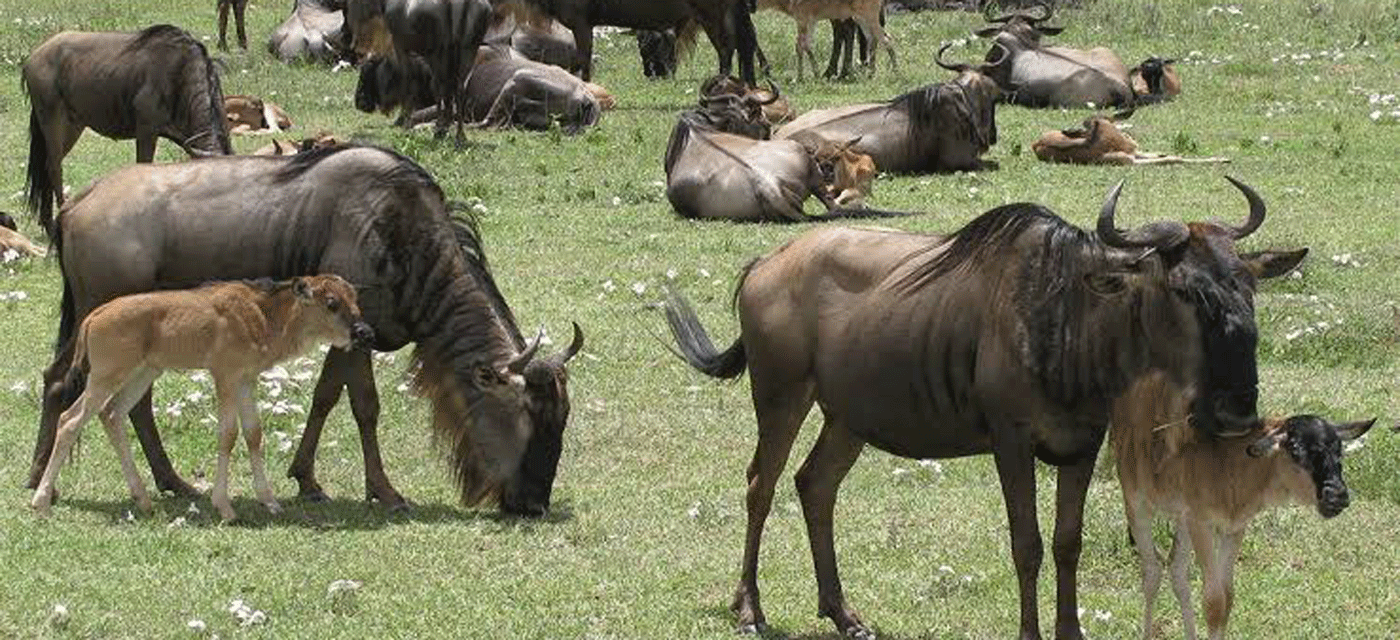
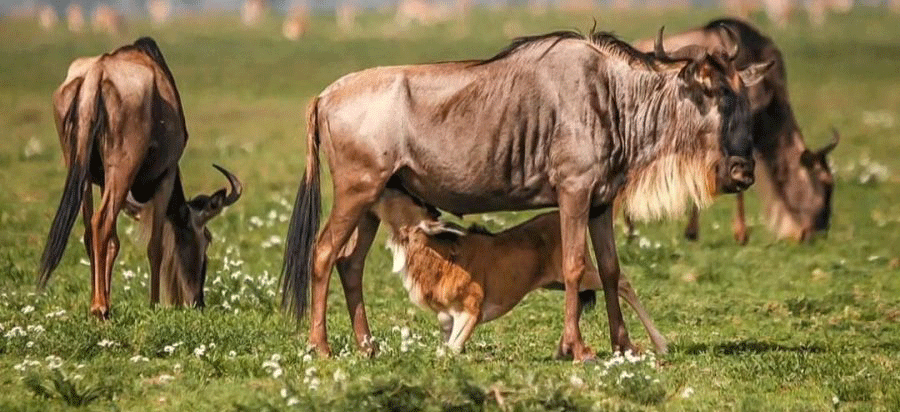
During calving season the southern Serengeti transforms into a vast natural nursery as hundreds of thousands of wildebeest gather to give birth. More than 500,000 calves may be born during the season with the peak generally occurring around February. The sight of newborn calves taking their first steps, learning to walk and staying close to their mothers creates a remarkable wildlife experience.
The abundance of young animals also attracts predators. Lions, cheetahs, hyenas and other carnivores follow the migrating herds, creating excellent opportunities to observe predator behavior and hunting strategies. For wildlife enthusiasts this combination of large herds and active predators makes calving season one of the most exciting times to visit the Serengeti.
The landscape adds to the experience with seasonal rains turning the southern plains green and lush. Short grass provides excellent visibility making it easier to observe wildlife and capture impressive photographs.
Table of contents
Strategic Importance of Calving Season in the Migration Cycle
Calving season is the most critical phase of the Great Wildebeest Migration because it directly determines the survival and continuation of the species. Each year more than 1.5 million wildebeest move in a circular pattern across the Serengeti ecosystem but this movement depends heavily on successful reproduction in the southern plains. Without a strong calving season, the entire migration cycle would weaken over time.
This makes the period between January and March not just important but essential. The southern Serengeti and Ndutu plains are specifically chosen for calving due to their unique soil composition.
The volcanic soil produces short nutrient-rich grass that is high in minerals like calcium and phosphorus. These nutrients are vital for pregnant females helping them produce strong, healthy calves and sufficient milk. This natural advantage ensures that newborns have a better chance of survival in their first weeks of life.
One of the most fascinating aspects of calving season is the synchronization of births. Wildebeest give birth within a very short window usually three to six weeks. This strategy known as predator saturation increases survival rates. Although predators such as lions, hyenas and cheetahs kill many calves the overwhelming number of births ensures that a large percentage survive. Predators simply cannot hunt enough to significantly reduce the population.
The calves themselves are biologically adapted for survival. Within minutes of birth they begin trying to stand and within a few hours they can run with the herd. This rapid development is crucial because the open plains offer little protection from predators. Strength and mobility are their only defenses.
For travelers and safari planners understanding this strategic importance adds depth to the experience. It transforms a safari from simple wildlife viewing into an educational journey about ecological balance, adaptation and survival. For tour operators this knowledge can also be used as a strong selling point helping clients understand why calving season is not just another safari period but the foundation of the entire Serengeti ecosystem.
Detailed Month-by-Month Breakdown
Understanding the month-by-month progression of calving season is essential for planning a successful safari. Although the general period runs from January to March each month offers a different experience and choosing the right timing depends on what a visitor wants to see.
January is considered the build-up phase. During this time the herds begin to settle in the southern Serengeti and Ndutu areas after following the short rains. The landscape is green and fresh providing ideal grazing conditions. Most of the wildebeest are heavily pregnant and the first calves begin to appear. Predator activity starts to increase as lions, cheetahs and hyenas position themselves near the herds in anticipation of the birthing season.
This month is ideal for travelers who prefer fewer crowds and a more relaxed safari atmosphere while still witnessing early calving activity. February is the peak of calving season and the most dramatic period. Thousands of calves are born every day sometimes reaching estimates of up to 8,000 births daily.
The plains become filled with newborn animals and predator activity reaches its highest level. This is the best time for travelers who want intense wildlife action, including hunts, chases and interactions between predators and prey. For photographers February offers unmatched opportunities because of the high concentration of animals and constant activity.
March represents the transition phase. By this time many calves are stronger and more mobile. The herds begin to prepare for their gradual movement northward toward central Serengeti. Predator activity remains strong but it becomes more spread out as the herds start to disperse. The scenery remains green and visitor numbers may decrease slightly compared to February making it a good option for those seeking a balance between action and fewer crowds.
This monthly breakdown is especially valuable for tour operators. It allows them to tailor safari packages based on client preferences whether they prioritize intense action, lower crowds or a balanced experience.
Top Locations for the Best Calving Experience
Choosing the right location during calving season is one of the most important decisions for a successful safari. The majority of calving activity takes place in the southern Serengeti ecosystem particularly in the Ndutu area and surrounding plains. These regions provide the ideal environment for wildebeest to give birth and raise their young during the early stages of life.
Ndutu is widely considered the best location for experiencing calving season. It lies between Serengeti National Park and the Ngorongoro Conservation Area offering a mix of open plains, acacia woodlands and seasonal lakes. One major advantage of Ndutu is that off-road driving is allowed in many parts of the conservation area.
This flexibility enables safari guides to get closer to wildlife and position vehicles for better viewing and photography. As a result, Ndutu is especially popular among photographers and filmmakers.
The southern Serengeti plains are another key location. These vast open grasslands provide excellent visibility making it easier to spot wildlife from a distance. The short grass enriched by volcanic soil attracts large concentrations of wildebeest, zebras and gazelles. This area is ideal for observing massive herds and predator-prey interactions in a natural unobstructed environment.
The Ngorongoro Conservation Area also plays an important role during calving season. It offers diverse landscapes, including woodlands and plains and supports a wide range of wildlife. The flexible safari regulations in this area allow for more dynamic game drives which can enhance the overall experience.
Wildlife movement during calving season is highly dependent on rainfall. Herds may shift locations quickly if new grass grows in another area. This makes experienced guides extremely valuable, as they track animal movements and communicate with other guides to locate the best viewing opportunities.
For safari planning selecting accommodation close to these key areas is crucial. Staying near Ndutu or southern Serengeti reduces travel time and increases the chances of witnessing important wildlife events.
Predator Action
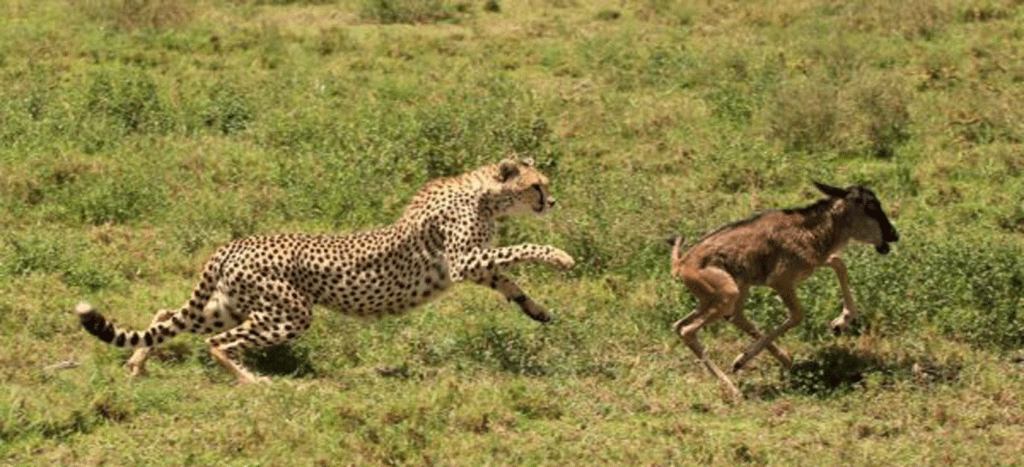
Calving season is widely regarded as the most intense period for predator activity in the Serengeti. The reason is simple: food becomes abundant and easily accessible. With hundreds of thousands of newborn calves on the plains predators have a constant supply of vulnerable prey. This creates one of the most dynamic and dramatic wildlife environments in the world.
Lions are among the most dominant predators during this season. They often hunt in groups using teamwork to target weak or isolated calves. Because prey is so abundant lion prides can be seen hunting more frequently than at other times of the year. Cheetahs also thrive during calving season especially in the open plains where they can use their speed to chase down young animals. Unlike lions cheetahs rely on daytime hunting making them easier to observe during game drives.
Hyenas are extremely active and play a major role in the ecosystem. They are both skilled hunters and opportunistic scavengers. Hyenas often compete with lions for kills and can be seen in large numbers around the herds. Their intelligence and social structure make them one of the most fascinating predators to observe.
Other predators such as jackals and birds of prey also benefit from the abundance of food. Vultures and eagles are often seen circling above hunting areas ready to feed on remains left behind by larger predators.
What makes calving season unique is the consistency of predator action. Unlike other times of the year when sightings may depend on luck calving season offers regular opportunities to witness hunts and predator-prey interactions. This reliability makes it particularly appealing for travelers who want to see real wildlife drama rather than just animals resting.
For safari businesses this is a major selling point. Marketing calving season as the best time for predator sightings can attract clients who are specifically interested in big cats and hunting behavior.
Photography Advantage
Calving season offers some of the best wildlife photography conditions in the Serengeti. Unlike the dry season when landscapes can appear dusty and brown the calving period takes place during the green season. The plains are covered in fresh grass, and the scenery becomes vibrant and visually striking. This creates a more appealing background for photographs adding depth and color to every shot.
Lighting conditions during calving season are also favorable. The presence of clouds helps soften the harsh sunlight that is common in the dry season. This results in more balanced lighting reducing strong shadows and making it easier to capture well-exposed images. Early mornings and late afternoons provide especially beautiful light, ideal for capturing dramatic wildlife scenes.
Another major advantage is the high density of animals. With thousands of wildebeest, zebras and predators concentrated in one area photographers have endless opportunities to capture unique moments. Whether it is a newborn calf taking its first steps a predator stalking its prey or a massive herd stretching across the horizon the variety of subjects is exceptional.
Behavioral photography is particularly rewarding during this season. Photographers can capture emotional and dynamic scenes such as mothers protecting their calves, predators chasing prey and interactions within the herd. These moments tell powerful stories and add meaning to the images.
The relatively short grass also improves visibility making it easier to spot animals and frame shots clearly. This is especially important for capturing predator action which can be more difficult in areas with taller vegetation. For professional photographers and enthusiasts alike calving season provides a high success rate. It is one of the few times in the Serengeti when both quantity and quality of photographic opportunities are at their peak.
Business Opportunity
Calving season presents a significant business opportunity for tour operators in Tanzania. While many international tourists are familiar with the dramatic river crossings of the northern Serengeti fewer are aware of the calving season. This creates a gap in the market that can be used to attract new clients and increase bookings during the early months of the year.
One effective strategy is to position calving season as a unique and exclusive experience. Instead of competing directly with river-crossing safaris operators can market it as the “birth season” or “new life safari.” This approach highlights the emotional and educational aspects of the experience making it appealing to a wider audience.
Creating specialized safari packages can also increase value. For example a five-day Ndutu calving safari can focus on wildlife density and predator action while a photography-focused package can target professional photographers and enthusiasts. Luxury mobile camps positioned near the herds can attract high-end clients looking for comfort and exclusivity.
Targeting the right audience is essential. Calving season is particularly attractive to wildlife photographers, documentary filmmakers, first-time safari travelers and couples seeking a unique travel experience. Marketing campaigns should emphasize consistent wildlife sightings fewer crowds compared to peak migration months and the opportunity to witness rare natural events.
Digital marketing plays a key role in reaching international clients. High-quality photos, videos and educational content about calving season can help build interest and awareness. Partnering with international travel agents and safari platforms can also expand market reach.
By promoting calving season effectively tour operators can extend their peak business period beyond the traditional high season. This not only increases revenue but also helps balance tourist distribution throughout the year.
Practical Travel Tips
Proper preparation is essential for making the most of a calving season safari. Since this period falls within the green season travelers should be prepared for occasional rain and varying road conditions. Packing the right gear can significantly improve comfort and overall experience.
Clothing should be lightweight, breathable and in neutral colors such as khaki, green or brown. These colors help blend into the environment and avoid disturbing wildlife. A light rain jacket is important as showers can occur unexpectedly. Waterproof bags or covers are also recommended to protect cameras and other electronic equipment.
Footwear should be comfortable and suitable for both vehicle use and short walks around camps. Although most game viewing is done from vehicles having proper shoes is still important for general movement.
Game drives are most productive during early morning and late afternoon. During these times, animals are more active and lighting conditions are better for photography. Midday can be quieter but it is often a good time to rest or review photos.
Road conditions in Ndutu and southern Serengeti can become muddy due to rain. For this reason, 4×4 vehicles are essential. Choosing a reputable safari operator with experienced drivers is crucial as they know how to navigate difficult terrain and locate wildlife effectively.
Staying multiple nights in one location is highly recommended. This reduces travel time and increases the chances of witnessing important events such as births or predator hunts. Constant movement between camps can limit wildlife viewing opportunities.
Finally working with knowledgeable guides adds significant value to the safari experience. Guides provide insights into animal behavior track wildlife movements and ensure that visitors are in the right place at the right time. This expertise can make the difference between a good safari and an unforgettable one.
Frequently Asked Questions About Calving Season in the Serengeti
When is calving season in the Serengeti?
Calving season in the Serengeti usually takes place from January to March with February generally considered the peak period. During these months large numbers of wildebeest gather in the southern Serengeti and Ndutu areas to give birth.
Where is the best place to see the Serengeti calving season?
Ndutu and the southern Serengeti are among the best places to experience calving season. These areas provide nutrient-rich short grass, large concentrations of wildebeest and excellent opportunities to observe newborn calves and predators.
What month is best for the Serengeti calving season?
February is generally the best month for travelers who want to experience the peak of calving season. Thousands of wildebeest calves can be born during this period creating exceptional opportunities for wildlife viewing and photography.
How many wildebeest calves are born during calving season?
Estimates suggest that hundreds of thousands of wildebeest calves are born during the calving period with the majority arriving within a relatively short period of several weeks. This synchronized birth period helps improve calf survival through predator saturation.
Can I see predators during calving season?
Yes. Calving season is an excellent time to see predators such as lions, cheetahs, hyenas and jackals. The large concentration of newborn calves attracts predators to the southern Serengeti, creating frequent opportunities to observe natural predator-prey interactions.
Is January a good time to visit the Serengeti for calving season?
Yes. January is an excellent time to visit if you prefer the beginning of the calving period and potentially fewer visitors. The herds are gathering in the southern Serengeti and Ndutu while the first calves begin to appear.
Is March still good for calving season?
Yes. March can still provide excellent calving experiences. Many calves are becoming stronger and more mobile while the herds gradually begin moving toward other areas of the Serengeti. Visitor numbers may also be lower than during February.
Why do wildebeest calve in the southern Serengeti?
The southern Serengeti and Ndutu plains provide nutrient-rich short grass that supports pregnant wildebeest and their newborn calves. Seasonal rainfall also creates favorable grazing conditions during this important stage of the migration cycle.
What makes Ndutu special during calving season?
Ndutu is especially important because it sits within the southern migration ecosystem and offers a combination of open plains, seasonal lakes and woodland habitats. Its location provides excellent opportunities to observe wildebeest, newborn calves and predators during calving season.
Is calving season good for wildlife photography?
Yes. Calving season offers excellent photography opportunities because of the high concentration of wildlife, green landscapes, soft seasonal light and frequent animal activity. Photographers can capture newborn calves, large herds, predators and interactions between mothers and young.
Are there fewer tourists during calving season?
Calving season can be less crowded than the busiest river-crossing periods although popular areas such as Ndutu can still attract many safari vehicles during peak February weeks. Traveling in January or March may provide a quieter experience.
What should I pack for a calving season safari?
Travelers should prepare for the green-season conditions by bringing lightweight clothing, a light rain jacket, comfortable footwear and waterproof protection for cameras and electronics. Neutral-colored clothing is also suitable for safari activities.
Do I need a 4×4 vehicle during calving season?
A capable 4×4 safari vehicle is highly recommended particularly in Ndutu and the southern Serengeti where seasonal rains can make roads muddy. An experienced safari driver can also help navigate changing road conditions and locate wildlife.
How long should I stay for a Serengeti calving safari?
A stay of at least three to five days in the southern Serengeti or Ndutu area is recommended. Spending several nights in one location gives travelers more opportunities to observe changing wildlife activity without losing valuable time to long transfers.
Is calving season suitable for first-time safari travelers?
Yes. Calving season is an excellent choice for first-time safari travelers because it combines large herds, newborn animals, active predators and beautiful green landscapes. It also provides an opportunity to experience an important stage of the Great Migration.
Can Serengeti Travels arrange a calving season safari?
Yes. Serengeti Travels can help travelers plan a calving season safari focused on the southern Serengeti and Ndutu. Safari planning can be tailored around wildlife viewing, photography, accommodation preferences and the desired travel period.
Why choose calving season instead of the river-crossing season?
Calving season offers a completely different perspective of the Great Migration. Instead of focusing on dramatic river crossings, travelers experience newborn wildlife, maternal behavior, large herds and increased predator activity in the southern Serengeti.
Is calving season worth visiting?
Yes. Calving season is one of the most rewarding periods to visit the Serengeti because it combines abundant wildlife, newborn animals, predator activity and lush seasonal landscapes. It provides a deeper understanding of reproduction, survival and the annual Great Migration cycle.
Conclusion
Calving season in the Serengeti stands out as one of the most powerful and meaningful wildlife experiences in the world, and Serengeti Travels helps visitors discover this remarkable period of the Great Migration. It represents the beginning of life within the migration and sets the stage for the entire annual cycle. With hundreds of thousands of wildebeest calves born within a short period the southern plains transform into a dynamic environment filled with movement, energy and constant interaction between species.
What makes this season unique is its balance between beauty and intensity. Visitors can witness newborn animals taking their first steps and mothers caring for their young while predators take advantage of the abundance of prey. Serengeti Travels gives travelers the opportunity to experience these natural moments while gaining a deeper understanding of survival and the delicate balance that sustains the Serengeti ecosystem.
From a travel perspective calving season provides exceptional value. Wildlife density is extremely high making sightings more consistent and reliable. The green landscapes enhance the visual experience while fewer crowds compared to peak migration months allow for a more relaxed and intimate safari. For first-time visitors and experienced travelers alike Serengeti Travels can help create an unforgettable calving season experience.
For travelers looking beyond the traditional river-crossing season Serengeti Travels offers an opportunity to explore a different and equally fascinating chapter of the Great Migration. Calving season combines beautiful landscapes, abundant wildlife, predator activity and unforgettable encounters.