 English
 Deutsch
 Italia
May 19, 2026
Serengeti Weather Guide: What to Expect Year-Round
Introduction
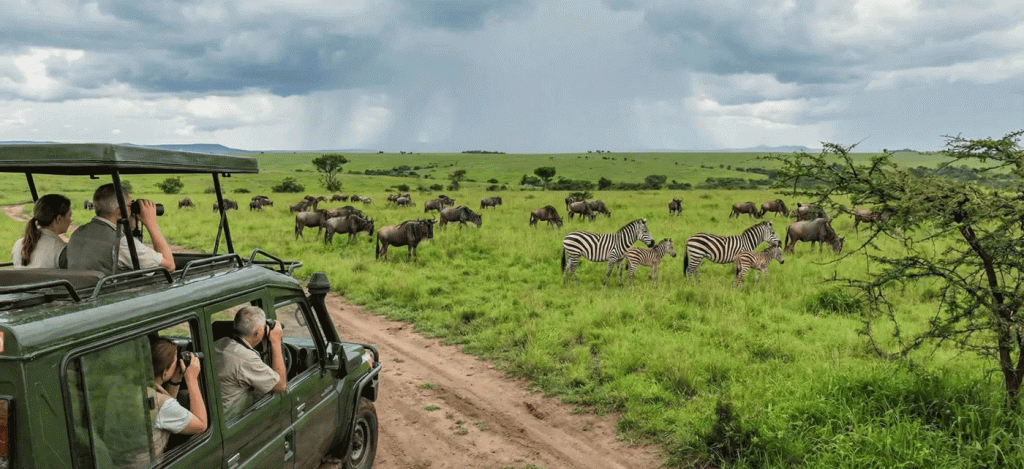
Serengeti Weather Guide: What to Expect Year-Round explains the climate patterns that shape safari experiences in Serengeti National Park. Famous for its vast plains, abundant wildlife and the Great Migration the Serengeti offers excellent safari opportunities throughout the year. Understanding the weather can help you choose the right travel period and prepare for different conditions.
The Serengeti has a tropical climate so temperatures remain fairly consistent throughout the year. Days are usually warm and sunny, while early mornings and evenings can feel cool especially during game drives. Instead of four traditional seasons the park mainly experiences dry and wet periods with rainfall playing an important role in the environment.
The dry season usually brings clear skies, lower rainfall, shorter grass and easier wildlife viewing. As water sources become limited animals often gather around rivers and remaining waterholes. This period also provides excellent conditions for game drives and photography.
The wet season transforms the Serengeti into a green and vibrant landscape. Short rains usually occur from November to December while long rains generally arrive between March and May. Fresh vegetation attracts grazing animals and supports the wider ecosystem. Rainfall also influences the movement of the Great Migration as wildebeest and other animals search for fresh grass and water.
For travelers understanding Serengeti weather helps determine the best time to visit. Whether you want to see river crossings, experience calving season, enjoy green landscapes or avoid peak crowds, each season offers a unique safari experience.
Table of contents
- Introduction
- Overview of Serengeti Climate
- Dry Season (June to October)
- Short Rainy Season November to December
- Long Rainy Season (March to May)
- Calving Season (January to February)
- Month-by-Month Quick Guide
- What to Pack Based on Weather
- Best Time Depends on Your Goals
- Frequently Asked Questions for Serengeti Weather Guide: What to Expect Year-Round
- Conclusion
Overview of Serengeti Climate
The Serengeti National Park has a tropical savannah climate shaped more by rainfall patterns than by temperature changes. Because it lies close to the equator temperatures remain relatively stable throughout the year. This consistency makes the Serengeti a year-round destination but the timing of rains determines how the landscape looks and how wildlife behaves.
Daytime temperatures usually range between 24°C and 30°C, creating warm and comfortable conditions for safari activities. However, early mornings and evenings can feel quite cool especially in open vehicles during game drives. Temperatures can drop to around 10°C to 15°C at dawn so visitors often need warm layers. The difference between day and night temperatures is one of the most noticeable daily weather shifts.
Rainfall is the most important factor influencing the Serengeti’s environment. The region experiences two rainy periods: the short rains from November to December and the long rains from March to May. Between these wet phases the dry season dominates from June to October, with very little rainfall. January and February form a transitional period with mixed conditions often associated with the calving season in the southern plains.
The Serengeti is a vast ecosystem and weather conditions can vary slightly depending on location. Northern areas near the Mara River may receive slightly more rainfall while central and southern plains can be drier depending on the time of year. Altitude also plays a role nearby highland regions such as the Ngorongoro Conservation Area are cooler due to higher elevation.
These climate patterns directly influence vegetation cycles. During the wet season, the plains turn lush green, providing abundant grazing for herbivores. In contrast the dry season causes grass to thin out forcing animals to move in search of water. This movement drives the famous Great Migration.
Understanding this climate overview is essential for planning a safari because it affects not only comfort but also wildlife visibility road conditions and travel logistics.
Dry Season (June to October)
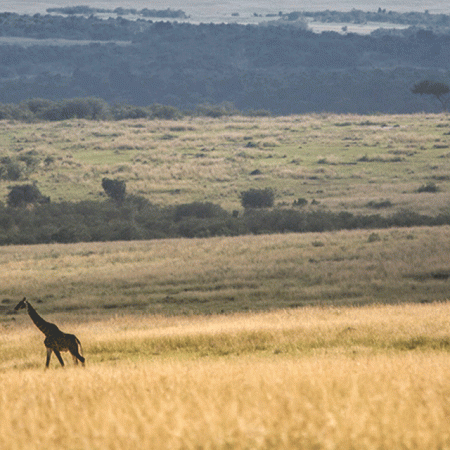
The dry season in the Serengeti, running from June to October is widely considered the best time for wildlife viewing. During this period rainfall is minimal or completely absent and the landscape gradually transforms from green to golden-brown as water sources dry up.
Weather conditions are generally very pleasant. Days are sunny with clear skies and humidity is low making it comfortable for long game drives. Early mornings and evenings can be surprisingly cold particularly in open safari vehicles so warm clothing is necessary. As the season progresses toward September and October temperatures begin to rise slightly especially during midday.
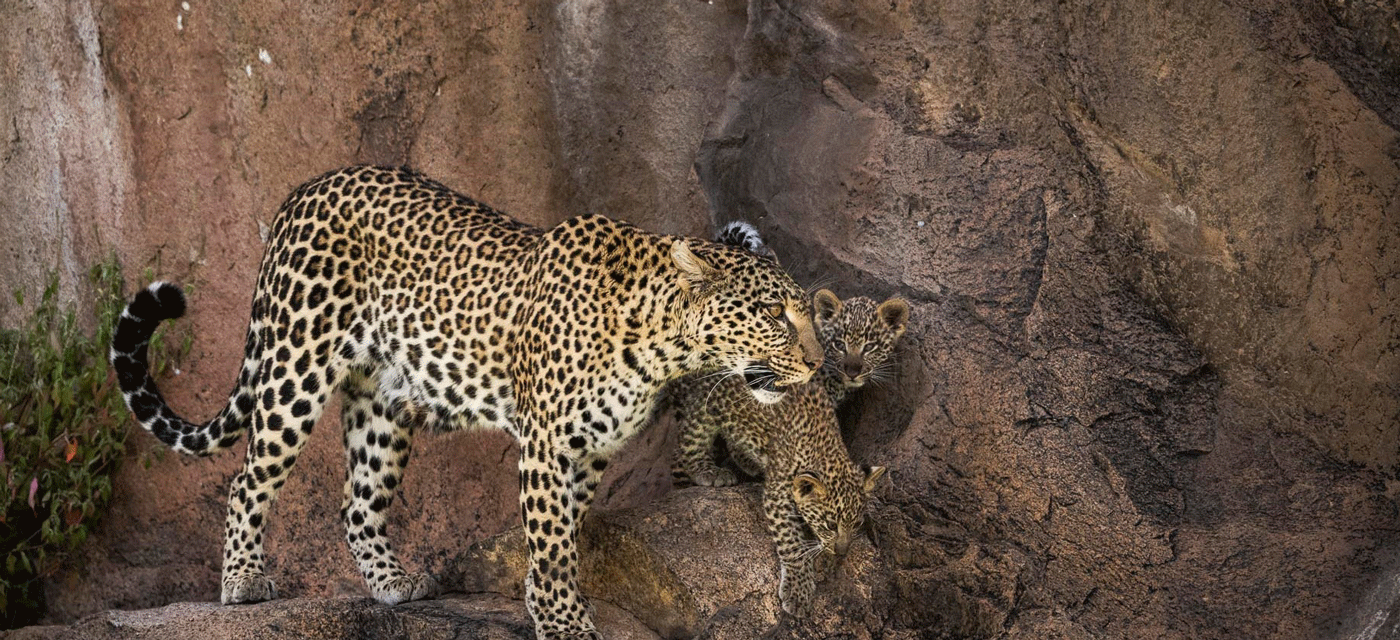
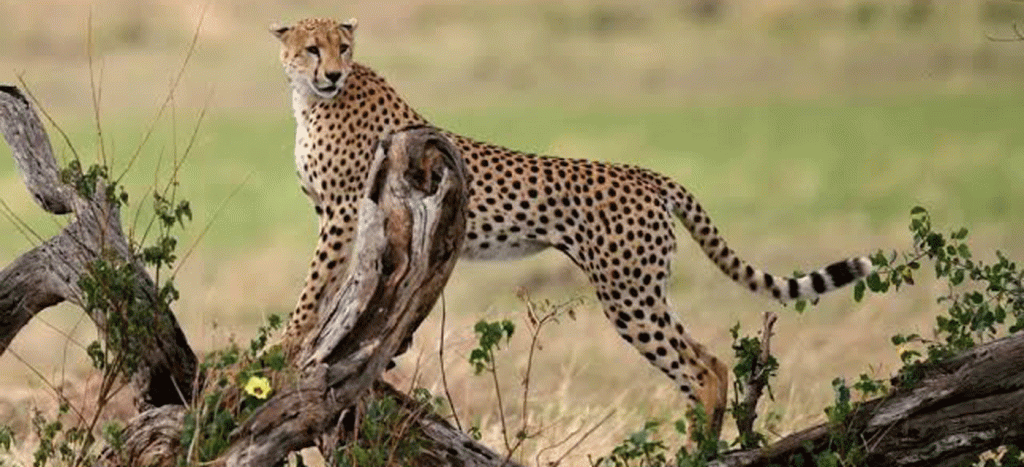
One of the biggest advantages of the dry season is improved wildlife visibility. As vegetation becomes sparse animals are easier to spot across the open plains. Water becomes scarce forcing wildlife to gather around rivers, waterholes and permanent sources like the Mara River. This concentration of animals creates excellent opportunities for sightings of predators such as lions, leopards and cheetahs.
This is also the peak time for the dramatic river crossings of the Great Migration particularly between July and September. Large herds of wildebeest and zebras attempt to cross crocodile-filled rivers creating one of the most iconic wildlife spectacles in the world.
Travel conditions during the dry season are also ideal. Roads are dry and accessible making it easier to move between different parts of the park. This reliability is important for both travelers and tour operators when planning itineraries.
However, the popularity of this season comes with some drawbacks. It is the busiest time of year meaning higher prices for lodges and camps as well as increased vehicle traffic in popular areas. Advance booking is essential. Despite these challenges the dry season remains the top choice for first-time visitors because it offers consistent weather excellent wildlife viewing and iconic safari experiences.
Short Rainy Season November to December
The short rainy season in the Serengeti occurs between November and December and is often referred to as the green season. During this time the landscape begins to recover from the dryness of previous months transforming into a fresh and vibrant ecosystem.
Rainfall during this period is usually light and scattered rather than continuous. Showers often occur in the late afternoon or evening leaving plenty of time for morning and midday game drives. These rains are typically short-lived and rarely disrupt an entire day’s activities.
Temperatures remain warm and humidity begins to increase slightly compared to the dry season. The combination of sunshine and rain creates dramatic skies which are especially appealing for photography. The air also feels fresher and dust levels drop significantly improving overall comfort.
Wildlife behavior changes with the arrival of rain. Fresh grass begins to grow attracting herbivores such as wildebeest, zebras and gazelles. As a result the Great Migration starts moving toward the southern Serengeti plains where grazing conditions improve. Predator activity remains strong because carnivores follow these herds.
One of the key advantages of the short rains is the balance it offers. There are fewer tourists compared to the peak dry season which means a more relaxed and intimate safari experience. Lodges may offer slightly lower rates making it a good option for travelers seeking value.
Birdwatching is particularly rewarding during this season. Migratory bird species arrive adding color and diversity to the environment. The green scenery also enhances the overall beauty of the park making it ideal for landscape photography.
On the downside the thicker vegetation can make wildlife slightly harder to spot compared to the dry season. Occasional rain showers may also affect road conditions in certain areas though this is usually manageable. Overall, the short rainy season is an excellent choice for travelers who want a quieter safari with beautiful scenery and good wildlife activity.
Long Rainy Season (March to May)
The long rainy season, from March to May is the wettest period in the Serengeti and significantly influences both the environment and travel conditions. During these months rainfall is more frequent and can sometimes be heavy often occurring in prolonged showers rather than brief bursts.
The landscape becomes extremely lush and green with grasses growing tall and rivers filling up. This transformation creates a striking contrast to the dry season making the Serengeti look vibrant and full of life. The skies are often dramatic with thick clouds and occasional sunshine breaking through offering unique photographic opportunities.
Temperatures remain warm, but humidity levels are much higher than in other seasons. The combination of heat and moisture can make the environment feel heavier especially during the middle of the day.
Wildlife is still abundant during this period, but viewing can be more challenging. The tall grass provides more cover for animals making them harder to spot. Additionally many animals are more dispersed because water and food are widely available across the park.
One of the main challenges of the long rainy season is accessibility. Roads can become muddy and difficult to navigate especially in remote areas. Some lodges and camps close temporarily due to reduced demand and logistical challenges. Travel plans may require flexibility as weather conditions can occasionally cause delays.
Despite these difficulties this season offers several advantages. It is the least crowded time of year allowing for a more private and peaceful safari experience. Prices are often at their lowest making it attractive for budget-conscious travelers. For photographers the long rainy season can be highly rewarding. The rich colors reflections and dramatic skies create unique compositions not seen during other times of the year.
While it may not be ideal for first-time visitors seeking easy wildlife viewing the long rainy season appeals to experienced travelers looking for a different perspective of the Serengeti.
Calving Season (January to February)
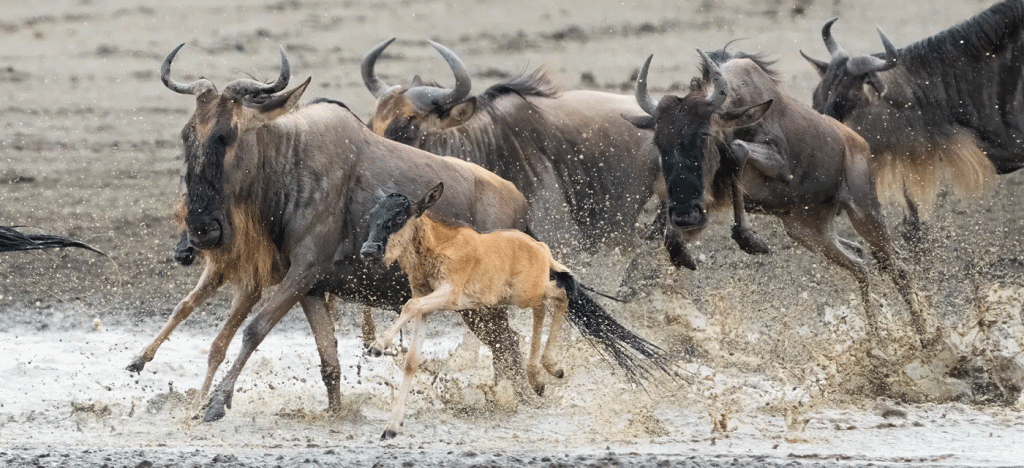
The calving season in the Serengeti takes place mainly between January and February and is one of the most remarkable wildlife events of the year. This period occurs in the southern Serengeti and Ndutu region where the plains provide nutrient-rich grass ideal for grazing.
Weather conditions during this time are generally warm with occasional short rains. The landscape remains green from the previous rainy season creating excellent feeding conditions for herbivores. Temperatures are comfortable though midday heat can be noticeable.
The main highlight of this season is the birth of thousands of wildebeest calves. It is estimated that hundreds of thousands of calves are born within a few weeks. This synchronized birthing strategy increases the chances of survival as predators cannot target all newborns at once.
This abundance of young animals attracts predators such as lions, cheetahs and hyenas, making it one of the best times to witness predator-prey interactions. The presence of vulnerable calves creates intense and dramatic wildlife moments offering unforgettable safari experiences.
Unlike the river crossings of the dry season the calving season focuses more on behavior and interaction rather than movement. Visitors can observe nurturing behavior first steps of newborns and the constant vigilance of mothers protecting their young. Another advantage of this period is relatively lower tourist numbers compared to the peak dry season. This allows for more exclusive game viewing experiences and less crowded areas.
Photography during calving season is exceptional. The green plains provide a beautiful backdrop and the presence of young animals adds emotional depth to images. Light conditions are also favorable especially during early mornings and late afternoons. However travelers should be prepared for occasional rain showers and slightly unpredictable weather. While not as wet as the long rainy season conditions can still vary.
Month-by-Month Quick Guide
A month-by-month understanding of Serengeti weather helps travelers and tour operators plan more precisely based on specific interests and expectations. Each month offers a slightly different combination of weather conditions and wildlife experiences.
January and February are warm months with occasional rainfall. These months are best known for the calving season in the southern Serengeti. The landscape is green and wildlife activity is high especially among predators.
March begins the transition into the long rainy season. Rainfall increases and the environment becomes more lush. Wildlife remains present but viewing starts to become more challenging due to thicker vegetation.
April and May are the wettest months. Heavy rains can affect accessibility and some lodges may close. However, these months offer the lowest prices and the fewest tourists making them appealing for travelers seeking solitude.
June marks the beginning of the dry season. The rains stop and the landscape starts to dry out. Wildlife begins to concentrate around water sources improving visibility.
July and August are among the best months for safari. Conditions are dry and the Great Migration reaches the northern Serengeti. River crossings become a major highlight during this time.
September continues with dry conditions and excellent wildlife viewing. The weather is slightly warmer and migration activity remains strong in the north.
October is still part of the dry season but becomes hotter as it approaches the short rains. Wildlife viewing is still good though conditions can feel more intense due to heat.
November and December bring the short rains. The landscape turns green again and the migration begins moving south. These months offer a quieter safari experience with fewer crowds.
This monthly breakdown allows travelers to match their safari goals with the right time of year. Whether the focus is migration, calving or quiet exploration understanding these patterns ensures better planning and a more satisfying experience.
What to Pack Based on Weather
Packing appropriately for the Serengeti is essential because weather conditions can vary significantly between early mornings, midday heat and seasonal changes. A well-prepared packing list ensures comfort throughout the safari experience.
Clothing should be practical and suitable for a range of temperatures. Lightweight breathable fabrics are ideal for daytime as temperatures can rise quickly under the sun. Neutral colors such as beige, green and brown are recommended because they blend into the environment and do not attract unwanted attention from wildlife.
Layering is key. Early morning game drives can be cold especially during the dry season so a warm jacket or fleece is necessary. As the day warms up layers can be removed to stay comfortable.
Footwear should be comfortable and durable. Closed shoes or lightweight boots are ideal for walking and general use around camps. Even if most activities are vehicle-based proper footwear adds convenience and safety.
Accessories play an important role. A wide brimmed hat protects against strong sunlight while sunglasses reduce glare. Sunscreen is essential due to high UV exposure near the equator.
Seasonal adjustments are also important. During the dry season dust can be an issue so items like scarves or buffs help protect the face and nose. During the rainy seasons waterproof jackets and quick-drying clothes are necessary to stay comfortable during unexpected showers.
Other useful items include binoculars for better wildlife viewing a camera with extra batteries and a reusable water bottle to stay hydrated. Insect repellent is also recommended particularly during wetter months when mosquitoes are more active. Packing efficiently is also important because many domestic flights within Tanzania have luggage restrictions often requiring soft-sided bags instead of hard suitcases.
Best Time Depends on Your Goals
Choosing the best time to visit the Serengeti depends entirely on individual travel goals. There is no single perfect month as each season offers unique advantages and experiences. For travelers focused on classic wildlife viewing the dry season from June to October is the best choice. During this time, animals gather around water sources and vegetation is sparse making sightings easier and more consistent. This period is especially ideal for first-time visitors.
Those interested in witnessing the dramatic river crossings of the Great Migration should plan their visit between July and September in the northern Serengeti. This is one of the most iconic wildlife events in the world and attracts many visitors.
For travelers who prefer fewer crowds and lower costs the long rainy season from March to May offers a quieter experience. While wildlife viewing can be more challenging the peaceful atmosphere and reduced prices can be appealing.
Photography enthusiasts may prefer the green seasons including November to February. During this time the landscape is lush lighting conditions are softer and the scenery is more colorful. The calving season in January and February adds an extra dimension with newborn animals and predator activity.
Birdwatchers will also find the wet season rewarding as migratory species arrive and increase biodiversity.
Travelers seeking a balance between good weather moderate crowds and reasonable prices may find the short rainy season in November and December to be ideal. Ultimately, the best time depends on priorities such as wildlife events, budget, crowd levels and personal comfort. By aligning travel goals with seasonal conditions visitors can create a more fulfilling and memorable Serengeti experience.
Frequently Asked Questions for Serengeti Weather Guide: What to Expect Year-Round
What is the weather like in the Serengeti?
The Serengeti has a tropical savannah climate with fairly stable temperatures throughout the year. Days are generally warm while early mornings and evenings can feel cool especially during game drives.
What is the best time to visit the Serengeti for good weather?
The dry season from June to October generally offers the most reliable safari weather. You can expect clear skies, low rainfall, dry roads and excellent wildlife visibility.
When is the dry season in the Serengeti?
The dry season runs from June to October. During this period, rainfall is minimal, vegetation becomes thinner and wildlife often gathers around reliable water sources.
When does it rain in the Serengeti?
The Serengeti has two main rainy periods. Short rains usually occur from November to December while the long rainy season generally runs from March to May.
When is the Great Migration in the Serengeti?
The Great Migration moves through different areas throughout the year. River crossings are particularly associated with July to September in the northern Serengeti while the herds move south when fresh grass becomes available.
What is the best month for river crossings in the Serengeti?
July to September offers some of the best opportunities to witness Great Migration river crossings in the northern Serengeti. However the exact timing can vary because wildlife follows rainfall and fresh grazing.
When is the Serengeti calving season?
The main calving season takes place in January and February particularly in the southern Serengeti and Ndutu area. This period provides excellent opportunities to see newborn wildebeest and increased predator activity.
Is the Serengeti worth visiting during the rainy season?
Yes. The rainy seasons transform the Serengeti into a lush green landscape, bring fewer visitors and can offer excellent photography and wildlife experiences. The long rains may make some roads more challenging.
Is the Serengeti cold in the morning?
Yes. Although daytime temperatures are warm, early mornings can feel cold with temperatures sometimes dropping to around 10°C–15°C at dawn. Warm layers are recommended for early game drives.
What should I pack for a Serengeti safari?
Pack lightweight clothing for daytime, warm layers for early mornings, comfortable closed shoes, a hat, sunglasses, sunscreen and a waterproof jacket during rainy periods. Binoculars a camera with extra batteries and insect repellent are also useful.
What is the best time to visit the Serengeti for fewer crowds?
March to May generally offers fewer tourists and lower prices. November and December can also provide a quieter safari experience compared with the peak dry season.
Which season is best for photography in the Serengeti?
The green seasons from November to February can be excellent for photography because the landscape becomes lush, skies can look dramatic and lighting can be softer. Calving season also provides opportunities to photograph newborn wildlife.
Does weather affect Serengeti wildlife viewing?
Yes. Rainfall affects vegetation, water availability and animal movements. During the dry season, sparse vegetation and limited water can make wildlife easier to spot while wet-season vegetation can make animals more difficult to see.
Can I visit the Serengeti all year round?
Yes. The Serengeti is a year-round safari destination, but each period offers different weather, wildlife and landscape conditions. The best time depends on whether you prioritize migration events, calving, photography, lower prices or fewer crowds
Conclusion
The Serengeti is a year-round destination offering diverse safari experiences shaped by its unique weather patterns. Unlike destinations with major temperature changes between seasons the Serengeti maintains a relatively stable climate with rainfall playing the biggest role in changing the landscape and wildlife experience. Serengeti Travels helps travelers understand these seasonal patterns when planning their safari.
The dry season offers classic safari conditions, with clear skies, dry roads and excellent wildlife visibility. It is also a popular period for witnessing major Great Migration events, including dramatic river crossings. Because of the favorable conditions this season often attracts more visitors and can come with higher safari prices.
The wet seasons transform the Serengeti into a lush and vibrant landscape. Short rains refresh the plains while the long rains create abundant greenery and dramatic skies. Although rain can make some roads challenging, these months often bring fewer crowds, beautiful scenery and excellent photography opportunities.
The calving season from January to March is another remarkable period. Thousands of wildebeest and other animals give birth, attracting predators and creating exceptional wildlife-viewing opportunities in the southern Serengeti and Ndutu area.
Understanding Serengeti weather helps travelers choose the right time based on their interests, budget and preferred safari experience. Whether you want to see the Great Migration, enjoy peaceful landscapes, photograph wildlife or experience calving season every period offers something special.
With expert planning from Serengeti Travels travelers can select suitable dates and enjoy a memorable Serengeti safari throughout the year.