 English
 Deutsch
 Italia
June 5, 2026
Serengeti Great Migration Safari from Arusha
Introduction
Serengeti Great Migration Safari from Arusha is one of the most popular ways to experience Tanzania’s world-famous Great Wildebeest Migration. Arusha serves as the primary safari gateway in northern Tanzania, offering easy access to Serengeti National Park, Ngorongoro Conservation Area, Tarangire National Park and Lake Manyara National Park. Most international visitors arrive through Kilimanjaro International Airport and begin their migration adventure from Arusha before heading into the wilderness.
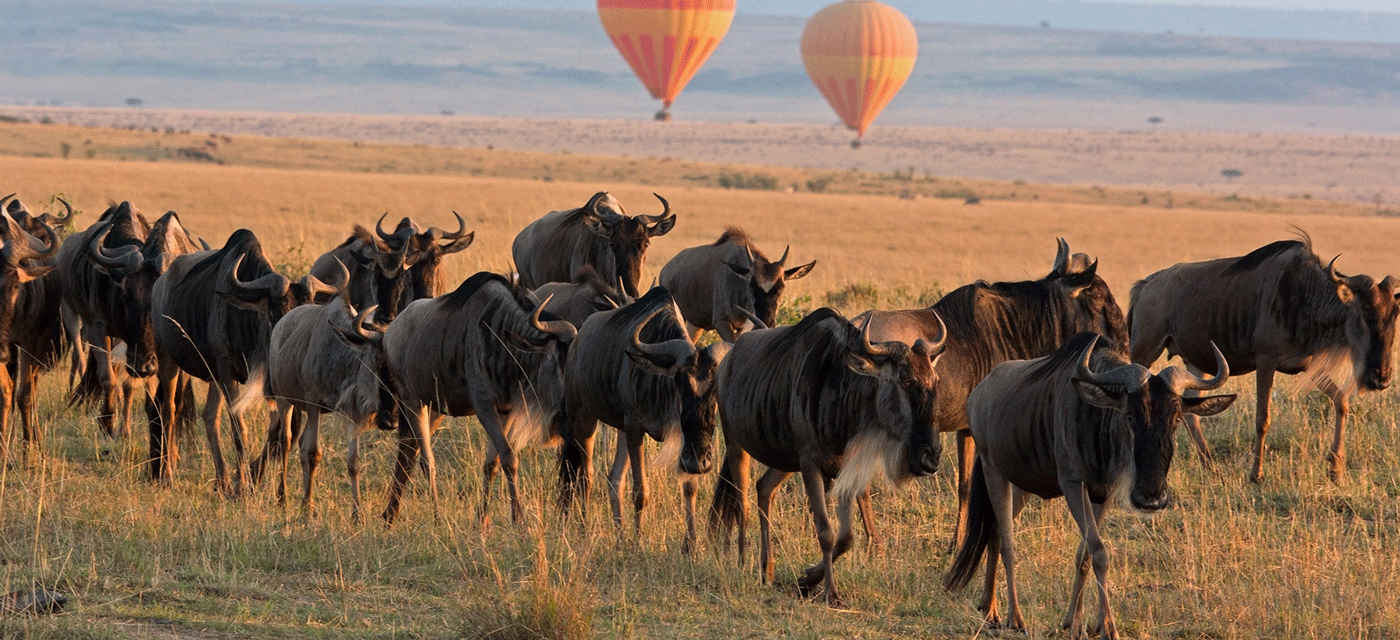
The Great Migration involves more than two million wildebeests, zebras and gazelles moving across the Serengeti ecosystem in search of fresh grazing and water. This incredible natural event is considered one of the greatest wildlife spectacles on Earth. Depending on the time of year visitors can witness calving season in the southern Serengeti massive herds crossing the plains of the central Serengeti or dramatic river crossings in the northern Serengeti.
Starting a migration safari from Arusha provides travelers with excellent accommodation choices, reliable transportation options, professional safari guides and convenient tour planning services. Whether you are visiting Tanzania for the first time or returning for another wildlife adventure Arusha offers the perfect starting point for exploring the migration.
A well-planned migration safari allows visitors to combine several iconic destinations while maximizing opportunities to witness the movement of wildlife throughout the Serengeti ecosystem. Understanding the migration seasons, transportation methods, accommodation options and safari routes is essential for creating a memorable experience.
This guide explains everything travelers need to know about planning a migration safari from Arusha, including the best times to visit, transportation options, accommodation choices, costs and practical travel tips that help ensure a successful and unforgettable safari experience.
Table of contents
- Introduction
- Why Start Your Serengeti Great Migration Safari from Arusha from Arusha?
- Understanding the Great Migration
- Best Time for Serengeti Great Migration Safari from Arusha
- Transportation from Arusha to Serengeti
- Accommodation Options for Serengeti Great Migration Safari from Arusha
- Safari Activities During the Migration
- Cost of a Serengeti Great Migration Safari from Arusha
- Packing List for a Serengeti Great Migration Safari from Arusha
- Travel Tips for a Successful Serengeti Great Migration Safari
- Recommended 5–10 Day Serengeti Great Migration Safari Itineraries from Arusha
- Photography Tips for the Serengeti Great Migration Safari
- Common Mistakes to Avoid on a Serengeti Great Migration Safari from
- Frequently Asked Questions About Serengeti Great Migration Safari from Arusha
- Conclusion
Why Start Your Serengeti Great Migration Safari from Arusha from Arusha?
Arusha is often called the safari capital of Tanzania because it is the main hub for travelers heading to the northern safari circuit. The city is strategically located between Kilimanjaro International Airport and the country’s most famous national parks making it the ideal starting point for a migration safari.
One of the biggest advantages of starting from Arusha is convenience. Most safari companies operate from the city allowing visitors to arrange transportation, accommodations, guides and park permits in one location. Travelers can easily meet their guides, receive pre-safari briefings and prepare for their journey before entering the national parks.
Arusha also offers a wide range of accommodation options suitable for every budget. Luxury lodges, boutique hotels, mid-range safari lodges and budget guesthouses provide comfortable places to stay before and after the safari. This flexibility makes Arusha attractive to solo travelers, couples, families and large groups.
The city serves as a gateway to multiple wildlife destinations. Before reaching the Serengeti many safari itineraries include stops at Tarangire National Park, Lake Manyara National Park or Ngorongoro Crater. These additional destinations enhance the overall safari experience and increase opportunities to see different species and landscapes.
Arusha is also home to experienced safari guides with extensive knowledge of wildlife behavior and migration patterns. Professional guides help visitors locate migrating herds and maximize wildlife viewing opportunities throughout the safari.
Another advantage is access to domestic flights. Travelers who want to reduce driving time can take flights from Arusha Airport directly to various airstrips within Serengeti National Park. This allows visitors to reach migration areas quickly and spend more time enjoying game drives. For these reasons Arusha remains the preferred starting point for migration safaris in Tanzania.
Understanding the Great Migration
The Great Migration is a continuous annual movement of wildebeests, zebras, and gazelles throughout the Serengeti-Mara ecosystem. Contrary to popular belief the migration is not a single event but an ongoing cycle driven by rainfall patterns and the search for fresh grazing land.
The migration typically begins with calving season in the southern Serengeti between January and March. During this period, hundreds of thousands of wildebeest calves are born within a few weeks. The abundance of newborn animals attracts predators such as lions, cheetahs, hyenas and leopards creating exceptional wildlife viewing opportunities.
As the dry season approaches the herds gradually move northwest through central Serengeti between April and June. Massive columns of animals stretch across the plains creating spectacular photographic opportunities.
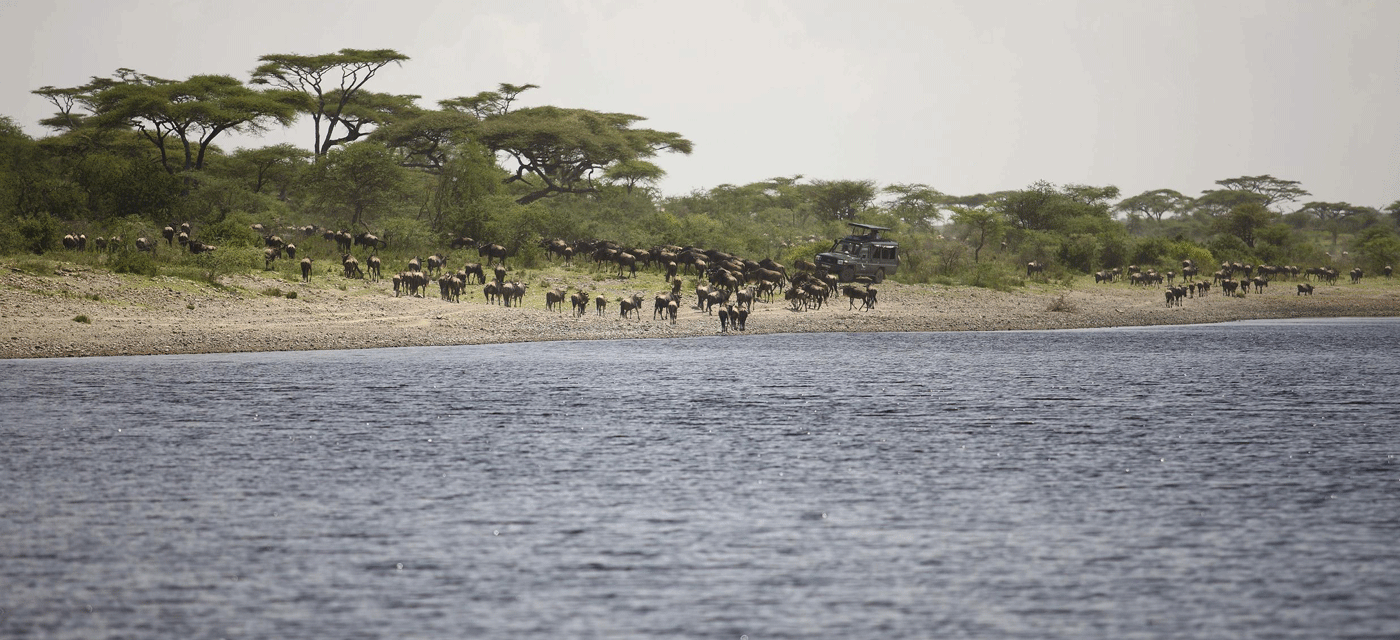
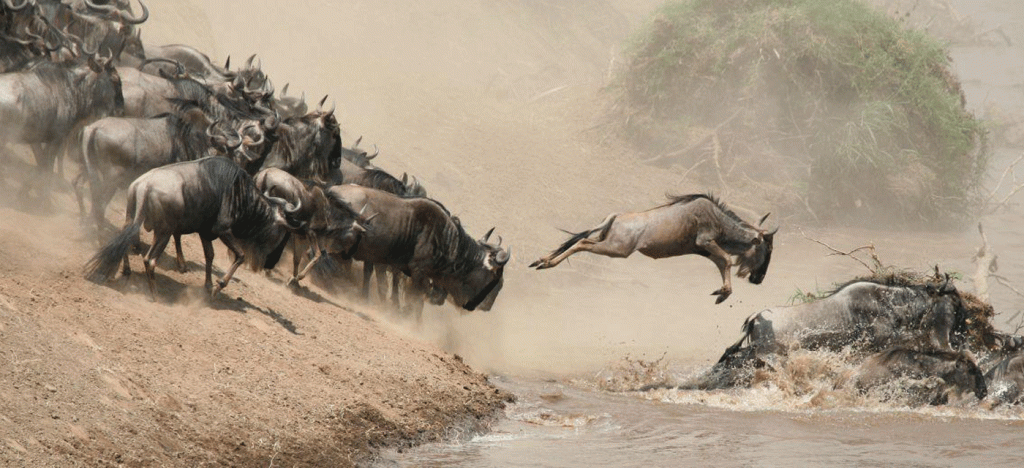
Between July and October, the migration reaches northern Serengeti, where the famous Mara River crossings occur. Thousands of wildebeests attempt to cross crocodile-filled waters while predators wait nearby. These crossings are among the most dramatic wildlife events in Africa and attract visitors from around the world.
When rains return the herds begin moving south through eastern Serengeti and eventually return to the southern plains completing the migration cycle. This journey covers hundreds of kilometers and supports one of the largest wildlife populations remaining on Earth. The exact location of the migration changes every year because rainfall patterns vary. Experienced safari guides monitor wildlife movements closely to position guests in the best locations for viewing the herds.
Understanding the migration cycle helps travelers choose the right time to visit and increases the chances of witnessing specific migration events. Proper planning is essential because different areas of Serengeti offer unique experiences during different months of the year.
Best Time for Serengeti Great Migration Safari from Arusha
Choosing the right time for a migration safari depends on what type of wildlife experience you want to enjoy. Each season offers unique opportunities and different migration highlights.
From January to March southern Serengeti becomes the center of activity during calving season. Vast herds gather on the nutrient-rich plains near Ndutu where thousands of calves are born daily. This period provides excellent opportunities to observe predator-prey interactions and photograph newborn wildlife.
April and May are considered the green season. The landscape becomes lush and beautiful after seasonal rains. Visitor numbers are lower and travelers often benefit from reduced accommodation rates. Although some roads may become muddy wildlife viewing remains rewarding.
June marks the beginning of the dry season and the movement of herds toward western and central Serengeti. Large concentrations of wildebeests can be observed crossing rivers and moving through open grasslands.
July through October is the peak safari season because of the famous Mara River crossings in northern Serengeti. Wildlife activity is intense, and visitors have opportunities to witness dramatic scenes involving crocodiles, predators and migrating herds.
November and December bring short rains that encourage the migration to move southward again. During this period travelers can enjoy excellent game viewing with fewer crowds than peak season. The best overall time depends on personal interests. Travelers seeking river crossings should visit between July and October. Those interested in calving season should consider January through March. Visitors seeking lower costs and fewer tourists may prefer the green season.
Regardless of when you travel a migration safari from Arusha offers remarkable wildlife experiences because animals remain active throughout the year. Working with experienced safari planners helps ensure your itinerary matches the migration’s location during your visit.
Transportation from Arusha to Serengeti
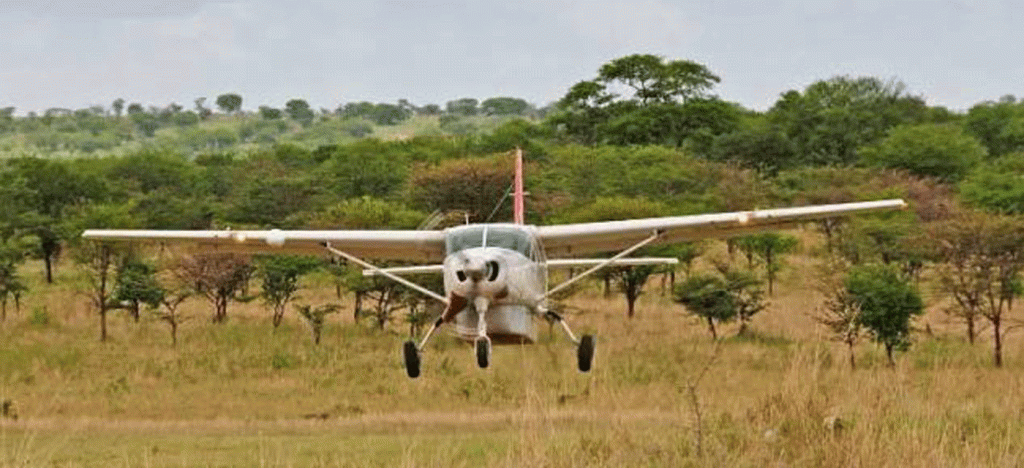
Transportation is an important part of planning a migration safari from Arusha. Travelers can choose between road safaris fly-in safaris, or a combination of both depending on budget, schedule and travel preferences.
A road safari is the most common option. Visitors travel in specially designed 4×4 safari vehicles equipped with pop-up roofs for wildlife viewing. The journey from Arusha to Serengeti usually passes through Ngorongoro Conservation Area and offers opportunities to enjoy spectacular scenery along the way.
Road safaris allow travelers to visit multiple destinations before reaching Serengeti. Many itineraries include Tarangire National Park, Lake Manyara and Ngorongoro Crater. This approach provides a comprehensive northern Tanzania safari experience.
Fly-in safaris offer greater convenience and significantly reduce travel time. Domestic flights depart from Arusha Airport and land at various Serengeti airstrips close to migration areas. Travelers can reach remote regions quickly and maximize time spent on game drives rather than long road transfers.
Luxury safari packages often combine flights and road transportation. Guests may fly into Serengeti and return by road or vice versa. This approach balances comfort, efficiency and sightseeing opportunities. Safari vehicles are driven by professional guides trained in wildlife tracking and park navigation. Their expertise plays a major role in locating migration herds and ensuring a successful safari experience.
When choosing transportation, travelers should consider budget, available vacation time and desired level of comfort. Road safaris generally cost less while fly-in safaris provide greater convenience and access to remote migration areas. Both transportation methods offer unique advantages and many visitors find that combining flights with road travel creates the most rewarding migration safari experience from Arusha.
Accommodation Options for Serengeti Great Migration Safari from Arusha
Accommodation is an important part of any migration safari from Arusha because it directly influences comfort, budget and overall safari experience. Travelers can choose from luxury lodges, tented camps, mid-range lodges and budget guesthouses depending on their travel style.
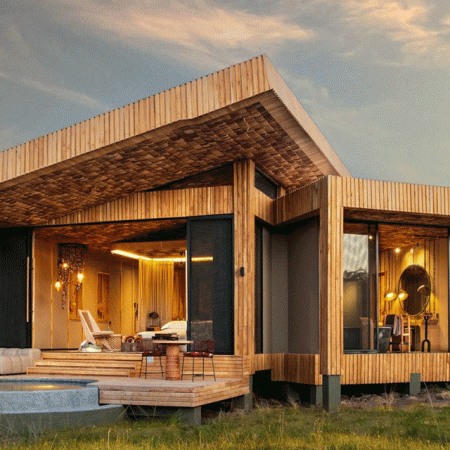
Luxury safari lodges offer high-end comfort with spacious rooms, private decks, swimming pools, gourmet dining and personalized service. These lodges are often located in scenic areas near national parks or inside private conservancies. Many luxury camps are mobile or semi-permanent meaning they move with the migration to ensure guests stay close to the herds. This provides excellent wildlife viewing right from your accommodation.
Mid-range lodges and tented camps provide a balance between comfort and affordability. These properties typically include private bathrooms, comfortable beds, restaurant facilities and guided safari services. They are ideal for travelers who want a good safari experience without paying premium luxury prices. Many mid-range camps are located along major migration routes increasing chances of seeing wildlife nearby.
Budget accommodation options in Arusha include guesthouses, hostels and simple safari camps. While facilities are more basic, they are suitable for travelers who prioritize wildlife experiences over luxury. Budget safaris often use public campsites or simple tented camps within or near national parks.
Inside Serengeti National Park accommodation is more limited and usually requires advance booking especially during peak migration season. Mobile camps are particularly popular because they follow the movement of wildebeest herds ensuring guests are always close to the action.
Many travelers choose to stay in Arusha before and after their safari for convenience. The city offers a wide range of hotels, easy access to tour operators and comfortable recovery time after long game drives. Selecting the right accommodation depends on budget, travel expectations and the type of migration experience desired. Booking early is highly recommended especially during the peak river crossing and calving seasons.
Safari Activities During the Migration
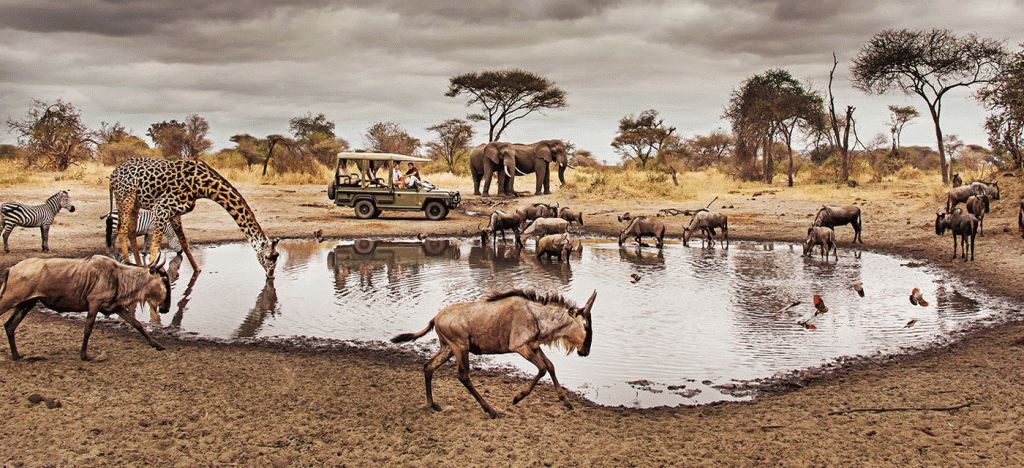
A migration safari from Arusha offers a wide range of activities that allow travelers to experience the Great Wildebeest Migration in different and exciting ways. Game drives are the most common activity providing close encounters with massive herds of wildebeest, zebras and gazelles as they move across the Serengeti plains. Professional guides help locate the herds and position vehicles for the best wildlife viewing and photography opportunities.
One of the most thrilling activities is witnessing river crossings especially along the Mara River in northern Serengeti. During these crossings thousands of animals gather at the riverbanks before plunging into crocodile-filled waters. The dramatic tension, predator presence and chaotic movement make this one of the most unforgettable wildlife experiences in Africa.
Hot air balloon safaris offer a unique aerial perspective of the migration. Floating silently above the plains at sunrise allows travelers to see vast herds stretching across the landscape along with predators moving below. The experience often ends with a champagne breakfast in the bush.
Walking safaris are available in designated areas, particularly in private conservancies and near Ngorongoro. Accompanied by armed rangers, visitors can explore the smaller details of the ecosystem, such as animal tracks, plants and insects which are often missed during game drives.
Cultural visits to local communities especially the Maasai villages near Ngorongoro and Serengeti provide insight into traditional lifestyles, customs and livestock practices. These experiences add cultural depth to the wildlife adventure. Photography is also a major activity during migration safaris. The dramatic landscapes, golden light and dense wildlife populations create ideal conditions for both amateur and professional photographers.
Combining different activities enhances the overall safari experience, making a migration safari from Arusha both diverse and memorable.
Cost of a Serengeti Great Migration Safari from Arusha
The cost of a Serengeti Great Migration Safari from Arusha varies widely depending on travel style, accommodation level, duration and season. Generally safaris can range from budget-friendly group tours to high-end luxury experiences.
Budget safaris typically start from around 200 to 350 USD per person per day. These packages usually include shared transport in a safari vehicle, basic accommodation or camping, park entry fees and a professional guide. Budget options are ideal for travelers who want to experience the migration without spending too much although comfort levels are more basic.
Mid-range safaris usually cost between 400 and 700 USD per person per day. These packages include better lodges or tented camps, more comfortable vehicles, improved meals and sometimes smaller group sizes. Mid-range safaris are popular because they balance comfort and cost while still providing excellent wildlife experiences.
Luxury migration safaris can range from 800 to over 1500 USD per person per day. These packages offer premium lodges, private guides, fly-in options and exclusive safari experiences. Luxury camps often move with the migration ensuring guests stay close to wildlife action throughout the journey.
Additional costs may include international flights, travel insurance, visa fees, tips for guides and optional activities such as balloon safaris or cultural visits. Balloon safaris for example can cost several hundred dollars per person but are considered a once-in-a-lifetime experience.
Prices also vary depending on the season. Peak migration months, especially July to October and January to March tend to be more expensive due to high demand. Traveling during the green season can offer lower rates and fewer crowds.
Planning and booking in advance is the best way to secure good prices and availability especially for accommodations located inside Serengeti National Park.
Packing List for a Serengeti Great Migration Safari from Arusha
Packing correctly for aSerengeti Great Migration Safari from Arusha is essential because conditions in the Serengeti change between warm days, cool mornings and dusty game drives. Lightweight neutral-colored clothing is the standard choice because it helps you blend into the environment and avoids attracting insects.
Travelers should pack breathable shirts, long-sleeved tops and comfortable trousers for game drives. A light jacket or fleece is necessary for early morning and evening drives when temperatures can drop significantly especially in open safari vehicles or hot air balloon flights.
Sturdy walking shoes or lightweight hiking boots are important for walking safaris or uneven terrain around lodges and camps. Sandals can be useful for relaxing at accommodation sites.
Sun protection is critical. A wide-brim hat, sunglasses and high-SPF sunscreen help protect against strong equatorial sun exposure. Dust can also be an issue during dry season so a scarf or buff is useful for covering the face during game drives.
Binoculars are highly recommended for spotting distant wildlife especially during migration movements when herds can stretch across large areas of the plains. A good camera with extra batteries and memory cards is also essential for capturing river crossings and predator action.
Other important items include insect repellent, personal medications, a reusable water bottle and a small backpack for daily safari essentials. Many lodges provide laundry services so there is no need to overpack. Proper preparation ensures a comfortable and enjoyable migration safari experience from Arusha without unnecessary inconvenience.
Travel Tips for a Successful Serengeti Great Migration Safari
A successful Serengeti Great Migration Safari from Arusha depends on planning, timing and flexibility. One of the most important tips is to book your safari early especially if you are traveling during peak migration seasons such as river crossings or calving season. Accommodation near key migration areas is limited and fills quickly.
Flexibility is also important because the Great Migration is unpredictable. Herds move based on rainfall and grazing conditions, so staying with an experienced safari operator helps you adjust routes based on real-time wildlife movements.
Hiring a professional guide significantly improves the experience. Skilled guides understand animal behavior track migration movements and know the best viewing spots. Their knowledge often makes the difference between a good safari and an unforgettable one.
Another important tip is to plan for long driving distances if choosing a road safari from Arusha. The journey to Serengeti can take several hours so travelers should be prepared for extended travel days with scenic stops along the way. Travel insurance is strongly recommended. It should cover medical emergencies trip cancellations and evacuation services especially when visiting remote areas of Tanzania.
Lastly respect wildlife and follow park regulations at all times. Keeping a safe distance from animals staying inside vehicles during game drives and minimizing noise ensures both safety and responsible tourism.
Recommended 5–10 Day Serengeti Great Migration Safari Itineraries from Arusha
Serengeti Great Migration Safari from Arusha can be short or extended depending on how much time you have. Below are practical itinerary structures commonly used by safari operators.
A 5-day safari usually focuses on either Serengeti or a combination of Serengeti and Ngorongoro. Travelers typically depart Arusha pass through Ngorongoro Conservation Area and spend two to three days in Serengeti following migration movements. This option is ideal for those with limited time but still wanting a strong chance of seeing large herds and predators.
A 7-day safari offers a more balanced experience. It often includes Tarangire National Park, Serengeti and Ngorongoro Crater. In Serengeti travelers spend multiple days moving between regions depending on where the migration is located. This duration significantly improves chances of witnessing river crossings or calving activity depending on the season.
A 10-day safari is the most flexible and immersive option. It allows deeper exploration of Serengeti’s northern, central and southern regions. Travelers can follow the migration more closely spend additional time at key wildlife hotspots and include cultural visits or optional activities like balloon safaris. This itinerary is recommended for photographers and wildlife enthusiasts.
Each itinerary starts and ends in Arusha making logistics simple and well-organized. Longer safaris increase wildlife viewing success and reduce pressure to rush between destinations.
Photography Tips for the Serengeti Great Migration Safari
The Great Migration is one of the most photogenic wildlife events in the world and proper preparation can dramatically improve your results. Early morning and late afternoon are the best times for photography because of soft golden light and active wildlife behavior. Midday lighting can be harsh but it is still useful for capturing dramatic river crossings or predator action.
A zoom lens is essential for wildlife photography especially for capturing distant herds across the plains. A wide-angle lens is useful for landscapes and scenes involving large numbers of animals. A fast shutter speed helps freeze movement during river crossings or predator hunts.
Stability is important when shooting from a safari vehicle. Using bean bags or window mounts helps reduce camera shake. Keeping your camera ready at all times is also important because migration events often happen quickly and unpredictably.
Patience plays a key role. Sometimes herds gather for long periods before crossing rivers or moving across plains. Waiting for the right moment often produces the best shots.
Common Mistakes to Avoid on a Serengeti Great Migration Safari from
Many travelers miss key experiences due to avoidable mistakes.One common mistake is booking too late. Migration safaris, especially during peak river crossing or calving seasons require early reservations because lodges near key areas fill quickly.
Another mistake is expecting the migration to be in one fixed location. The herds are constantly moving so rigid planning without flexibility can lead to disappointment.
Some travelers also underestimate travel distances. Driving from Arusha to Serengeti takes time and game drives can last several hours each day. Proper physical and mental preparation improves comfort.
Overpacking is another issue. Safari vehicles have limited space and most lodges provide laundry services. Carrying unnecessary items makes travel less convenient.
Frequently Asked Questions About Serengeti Great Migration Safari from Arusha
1. What is a Migration Safari from Arusha?
A Migration Safari from Arusha is a wildlife adventure that begins in Arusha, Tanzania’s main safari hub and takes travelers to the Serengeti ecosystem to witness the Great Wildebeest Migration. The safari offers opportunities to see millions of wildebeests, zebras, gazelles, predators and other wildlife while exploring Tanzania’s famous national parks.
2. Why is Arusha the best starting point for a migration safari?
Arusha is the ideal starting point because it provides easy access to Serengeti National Park, Ngorongoro Conservation Area, Tarangire National Park and Lake Manyara National Park. The city has experienced safari operators, comfortable accommodations, professional guides and convenient transport options for travelers beginning their Serengeti adventure.
3. What is the best time for a Migration Safari from Arusha?
The best time depends on the migration event you want to experience. January to March is ideal for witnessing calving season in southern Serengeti. July to October is the best period for dramatic Mara River crossings in northern Serengeti. June and November can also offer excellent wildlife viewing with fewer visitors.
4. Can I see the Great Migration all year round?
Yes, the Great Migration is a continuous year-round cycle. The herds move through different areas of the Serengeti ecosystem depending on rainfall, water availability and fresh grazing. Each season provides unique wildlife experiences, from calving and predator sightings to large herd movements.
5. How do I travel from Arusha to Serengeti for a migration safari?
Travelers can reach Serengeti by road safari or domestic flight. Road safaris usually pass through Ngorongoro Conservation Area and offer opportunities to visit additional destinations. Fly-in safaris provide faster access to Serengeti airstrips and maximize time for game drives.
6. How many days are recommended for a Migration Safari from Arusha?
A minimum of 5 days is recommended to experience Serengeti and surrounding attractions. A 7-day safari provides more time to explore different Serengeti regions and follow migration movements while a 10-day safari offers the best flexibility for photographers and wildlife enthusiasts.
7. Will I see the Big Five during a Migration Safari?
Yes, a Migration Safari from Arusha provides excellent opportunities to see the Big Five: lions, elephants, leopards, buffaloes and rhinos. Serengeti is especially famous for its large lion populations and frequent predator activity around migrating herds.
8. What accommodation options are available during a migration safari?
Accommodation options range from budget camps and guesthouses to mid-range lodges, luxury lodges and mobile tented camps. Mobile camps are especially popular during the migration because they move with the herds, allowing travelers to stay close to wildlife activity.
9. How much does a Migration Safari from Arusha cost?
The cost varies depending on safari duration, accommodation level, transportation and season. Budget safaris may start from around $200–$350 per person per day, mid-range safaris from $400–$700 per person per day and luxury experiences can exceed $800 per person per day.
10. Is a Migration Safari from Arusha suitable for families and couples?
Yes, migration safaris are suitable for families, couples, honeymooners, solo travelers and groups. Safari packages can be customized with family-friendly accommodations, private vehicles, romantic experiences or luxury services depending on traveler preferences.
11. What should I pack for a Migration Safari from Arusha?
Travelers should pack lightweight clothing, a warm jacket for early morning game drives, comfortable shoes, sunscreen, sunglasses, a hat, insect repellent, binoculars, a camera, extra batteries and personal essentials. Neutral-colored clothing is recommended for safari environments.
12. Do I need to book a Migration Safari in advance?
Yes, early booking is highly recommended, especially during peak migration seasons such as July to October and January to March. Popular lodges, mobile camps and safari vehicles often become fully booked months in advance.
13. Can I combine a Migration Safari from Arusha with other Tanzania destinations?
Yes, many travelers combine the migration safari with destinations such as Ngorongoro Crater, Tarangire National Park, Mount Kilimanjaro or Zanzibar. This creates a complete Tanzania holiday combining wildlife, culture, adventure and beach relaxation.
14. Why should I choose Serengeti Travels for a Migration Safari from Arusha?
Serengeti Travels provides carefully planned migration safaris with experienced guides, comfortable safari vehicles, flexible itineraries and expert knowledge of Serengeti wildlife movements. The company helps travelers choose the best season, route and accommodation to create an unforgettable Great Migration experience.
Conclusion
A migration safari from Arusha stands out as one of the most remarkable wildlife experiences in the world. It offers direct access to the Serengeti ecosystem where the Great Wildebeest Migration unfolds in a continuous and natural cycle driven by rainfall and grazing patterns. Starting from Arusha makes the journey practical and efficient as it connects travelers easily to major safari destinations in northern Tanzania.
What makes this safari truly special is its unpredictability and scale. Millions of wildebeests, zebras and gazelles move across vast plains, creating dramatic scenes of survival, movement and interaction with predators. Whether it is the calving season in the south, river crossings in the north or large herd movements across the central Serengeti every stage of the migration offers a different and powerful experience.
A successful safari depends on good planning, including choosing the right season, selecting suitable accommodation and working with experienced safari guides. Flexibility is also important because wildlife movement changes throughout the year. Travelers who remain open to adjustments often enjoy the best sightings.
Arusha enhances the overall experience by providing strong infrastructure, professional tour operators and multiple travel options such as road or fly-in safaris. This makes it suitable for all types of travelers from budget explorers to luxury seekers.