 English
 Deutsch
 Italia
June 5, 2026
Serengeti Calving Season Safari: Best Time, Wildlife, Ndutu, Costs & Tours
Introduction
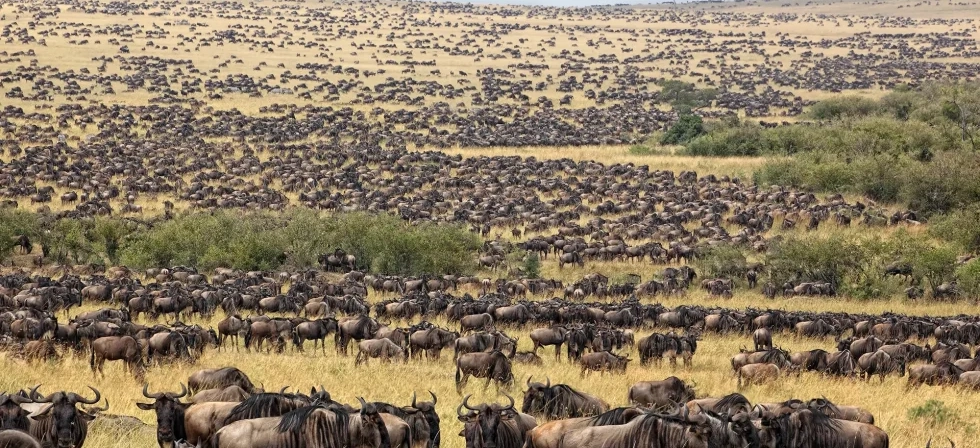
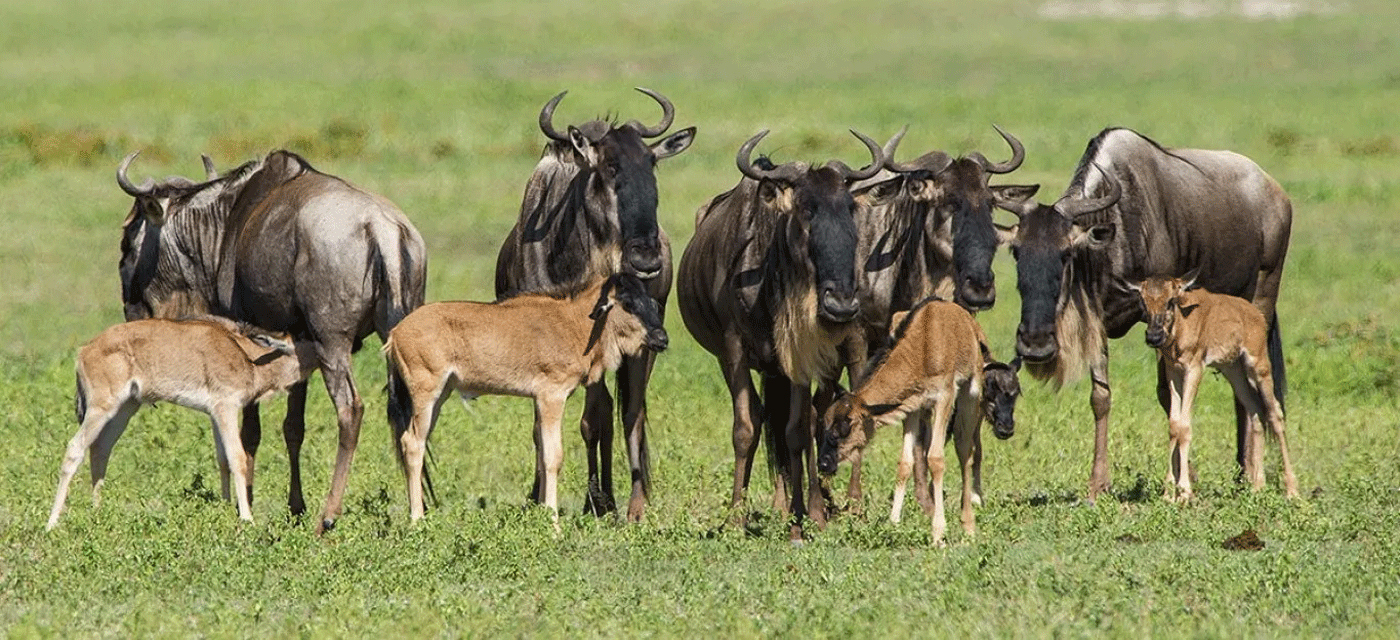
A Serengeti calving season safari is one of the most rewarding wildlife experiences in Tanzania. Every year from late January to March hundreds of thousands of wildebeest gather in the southern Serengeti and Ndutu region to give birth. During this period nearly half a million calves are born within a few weeks creating one of the most remarkable natural events on Earth.
The abundance of newborn animals attracts predators such as lions, cheetahs, leopards, hyenas and jackals making this season ideal for witnessing dramatic wildlife interactions.
Unlike the river crossing season where visitors focus on migration movement the calving season offers a chance to observe wildlife behavior in great detail. Vast grass plains provide excellent visibility, allowing travelers to enjoy extended game drives and exceptional photography opportunities. The landscape is lush and green due to seasonal rains creating beautiful scenery and abundant grazing for herbivores.
The calving season is particularly attractive for photographers, nature enthusiasts, families and first-time safari visitors. The concentration of wildlife is extraordinary and the open plains make animal sightings easier than in many other parts of Africa. Visitors can enjoy close encounters with wildebeest herds, zebras, gazelles and numerous predators.
A Serengeti calving season safari can be combined with visits to Ngorongoro Crater, Tarangire National Park and Lake Manyara creating a comprehensive northern Tanzania safari circuit. Whether traveling on a luxury safari, mid-range adventure or private tailor-made itinerary the calving season delivers unforgettable experiences that showcase the incredible cycle of life and survival in the African wilderness.
What Is the Best Time for a Calving Season Safari?
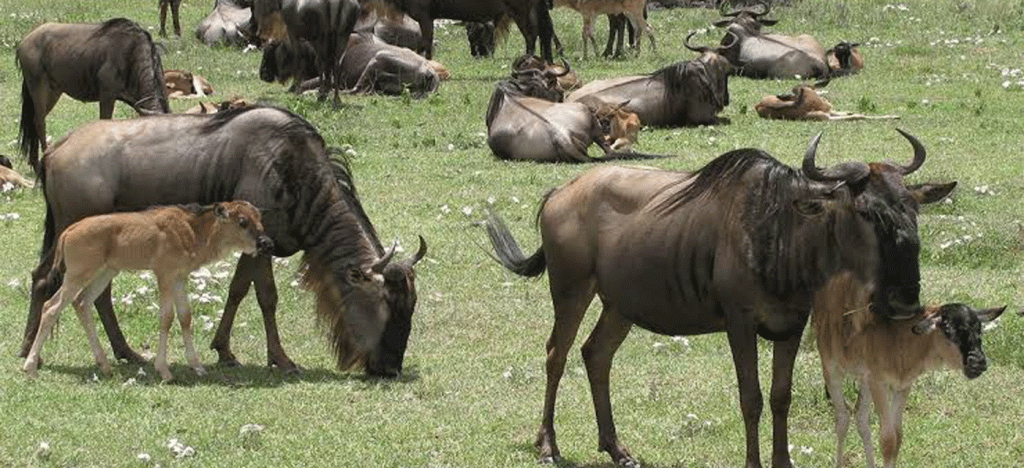
The best time for a calving season safari generally falls between January and March when the southern Serengeti and Ndutu plains support large concentrations of wildebeest and other wildlife. Each month offers a slightly different experience so your ideal travel period depends on whether you want to focus on newborn calves, predator sightings, green landscapes or overall wildlife activity.
January marks the beginning of the main calving period. The herds move across the southern Serengeti as fresh grass develops after the seasonal rains. This month offers beautiful green scenery and opportunities to see pregnant wildebeest preparing to give birth. It can also provide excellent general wildlife viewing.
February often represents one of the most exciting periods for a calving season safari. Large numbers of wildebeest give birth across the Ndutu plains and predators become highly active around the herds. Safari travelers can spend their game drives searching for newborn calves, watching herd movements and observing natural predator-prey interactions.
March can still provide rewarding calving experiences, particularly early in the month. The herds may begin shifting as conditions change but wildlife remains abundant across the southern Serengeti. Travelers who prefer slightly quieter conditions may find March appealing while still enjoying excellent game viewing.
For travelers who want the strongest combination of newborn calves, large herds and predator activity February offers an excellent choice. However January and March can also deliver memorable experiences.
Choosing the right accommodation also matters. Staying near Ndutu reduces unnecessary driving and gives you more time for game drives making it easier to explore the calving grounds during your safari.
Where Does the Serengeti Calving Season Take Place?
The southern Serengeti and the Ndutu area form the heart of the calving season experience. These plains provide important grazing conditions for the migrating herds and attract large concentrations of wildebeest during the early months of the year. The landscape differs from the central Serengeti in several ways with expansive short-grass plains creating excellent conditions for grazing and wildlife viewing.
Ndutu sits in the wider ecosystem between the southern Serengeti and the Ngorongoro Conservation Area. Its location makes it particularly valuable for safari travelers because it allows them to explore a wildlife-rich region while also combining the journey with Ngorongoro Crater and other northern Tanzania destinations.
The southern Serengeti landscape can change dramatically after rainfall. Fresh green vegetation covers areas that may appear much drier during other seasons creating a beautiful setting for wildlife photography. The open plains also provide excellent visibility, although scattered woodland, rocky areas and seasonal water sources add variety to the environment.
Travelers should understand that wildlife does not recognize park boundaries. The migrating herds move according to ecological conditions rather than following fixed tourist routes. This makes the knowledge of an experienced local guide particularly valuable. A good guide can adjust the day’s game-drive route according to recent sightings, weather conditions, road conditions and wildlife movements.
For travelers specifically interested in calving staying close to the southern Serengeti and Ndutu gives you more time in the primary wildlife area instead of spending excessive hours driving from distant locations.
Why Is Ndutu So Important During Calving Season?
Ndutu plays a central role in the Serengeti calving season because its short-grass plains provide important grazing conditions when the migrating herds gather in the southern part of the ecosystem. During the peak period travelers can encounter large concentrations of wildebeest together with zebra, gazelles, lions, cheetahs, hyenas and other wildlife.
The open terrain makes Ndutu particularly attractive for game viewing. You can often scan large areas of grassland and observe herds spread across the plains. At the same time, the mixture of open plains, rocky outcrops, woodland and seasonal water sources creates habitats for different species.
The greatest attraction however comes from the combination of migration and reproduction. Thousands of wildebeest calves can be born during a relatively short period transforming the region into a busy wildlife nursery. Mothers remain close to their young while predators take advantage of the concentration of prey.
Ndutu also provides a practical safari location because travelers can combine their visit with other northern Tanzania highlights. A safari can travel from Arusha toward Tarangire, continue toward the southern Serengeti and Ndutu and then proceed toward the Ngorongoro area before returning to Arusha. This route creates a varied experience without requiring travelers to spend the entire safari in one ecosystem.
For travelers who want to maximize their time around the calving grounds choosing accommodation near the wildlife area can reduce unnecessary driving. Serengeti Travels can design itineraries around the number of nights available preferred accommodation level and the traveler’s budget.
What Happens During the Wildebeest Calving Season?
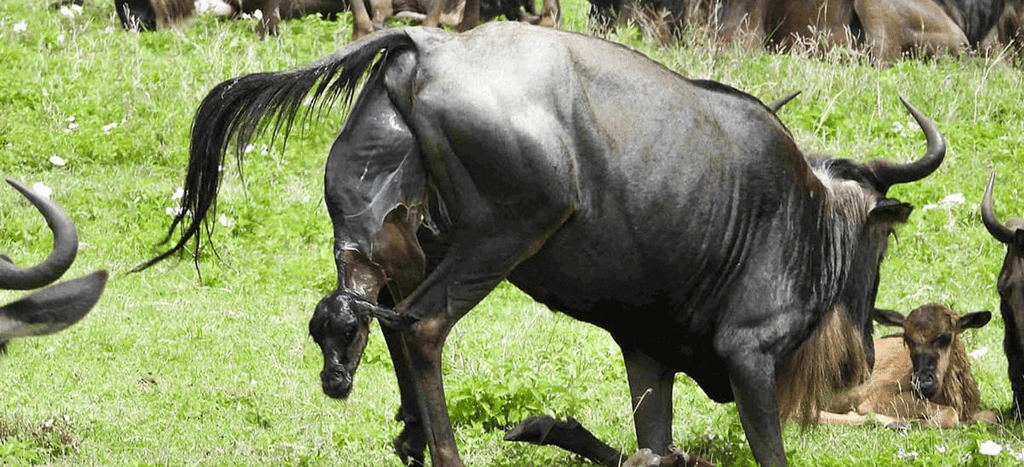
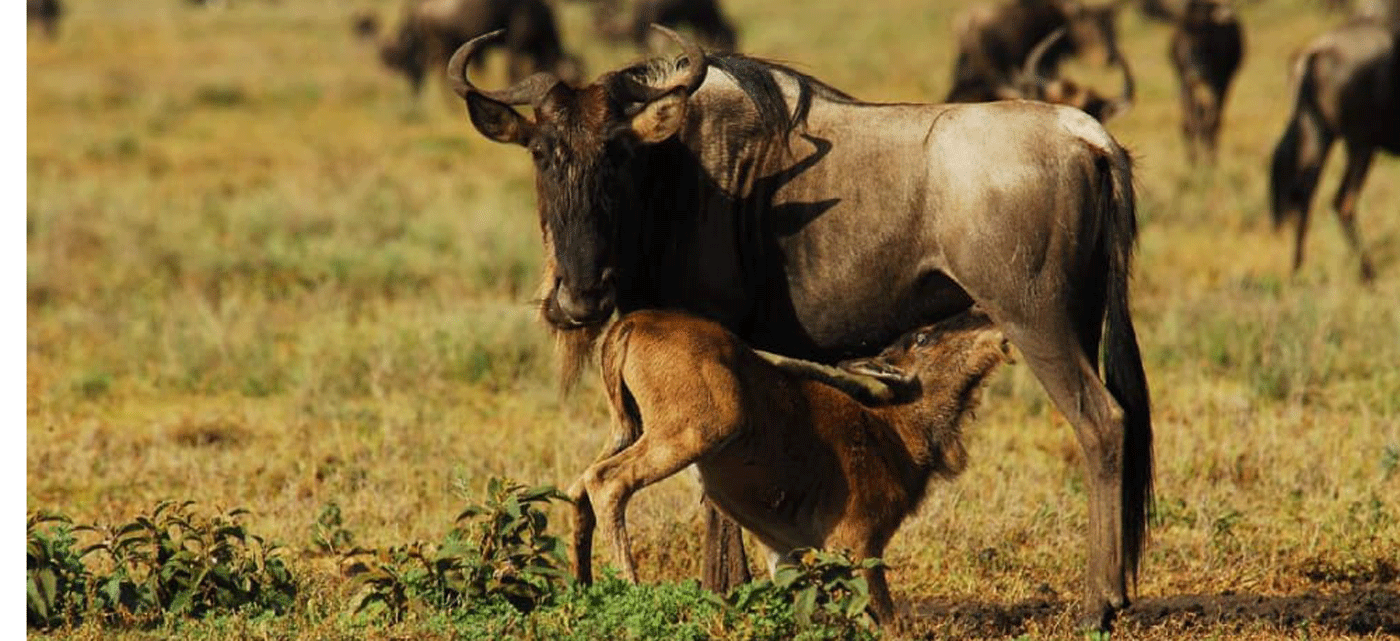
The wildebeest calving season creates an extraordinary concentration of life across the southern Serengeti. During this period, females give birth and spend time protecting and nurturing their young. The enormous herds become more dynamic as adults move across the plains while calves gradually become stronger and more mobile.
For safari travelers this creates opportunities to observe natural behavior rather than simply ticking animals off a checklist. You may see mothers staying close to their young, young calves moving among large herds, zebra grazing nearby and predators patrolling areas where prey concentrations remain high.
The abundance of young animals also affects predator behavior. Lions, cheetahs, hyenas and other predators can become particularly active around the calving grounds because the concentration of prey creates favorable hunting opportunities. This interaction between prey and predator forms one of the most compelling reasons to visit the Serengeti during this season.
Rainfall also changes the character of the landscape. When the short rains arrive, grasses become greener and the plains can look dramatically different from the dry-season Serengeti. Cloud formations, changing light and green vegetation can create exceptional photography conditions.
However travelers should remember that nature does not operate according to a guaranteed schedule. Wildlife movements vary and no responsible safari company can promise a particular animal encounter. The best approach involves allowing sufficient time in the ecosystem and working with an experienced guide who understands seasonal wildlife patterns.
A longer stay therefore often increases your opportunity to experience different wildlife behaviors and changing conditions across the calving grounds.
What Wildlife Can You See During Calving Season?
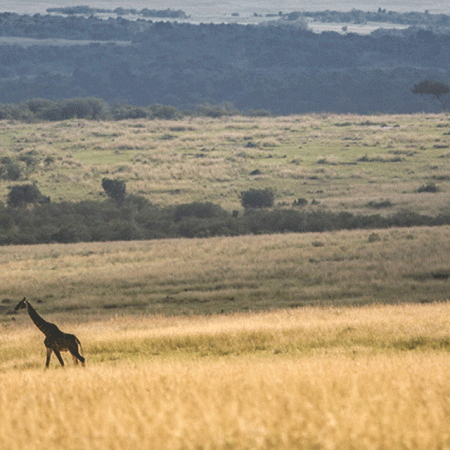
A Serengeti calving season safari can deliver an exceptional variety of wildlife because the southern plains attract large concentrations of herbivores and the predators that follow them. Wildebeest form the main attraction, but travelers can also encounter zebra, Thomson’s gazelles, Grant’s gazelles, giraffes, buffaloes, elephants, warthogs and numerous antelope species.
The predator experience makes this season particularly compelling. Lions often patrol areas where large herds gather while cheetahs can use open plains to search for suitable prey. Hyenas also remain active around the migration and other carnivores may appear depending on the location and conditions.
Birdlife adds another dimension to the experience. Green landscapes after seasonal rainfall can attract and support a wide variety of birds while resident species remain visible throughout the ecosystem. Travelers interested in photography can therefore combine large wildlife scenes with smaller subjects such as birds and landscapes.
The open southern plains can also provide excellent opportunities to observe animal behavior from a distance. Instead of simply searching for individual animals guides can help travelers understand how different species interact with the changing environment.
The number of species you see will depend on weather, location, time of day, guide knowledge and the length of your safari. No itinerary can guarantee every species but spending several days within the ecosystem gives you more opportunities to explore different habitats.
For this reason travelers who want a deeper calving-season experience should consider spending more than one night around Ndutu rather than treating the area as a quick stop between destinations.
Why Are Predators So Active During Calving Season?
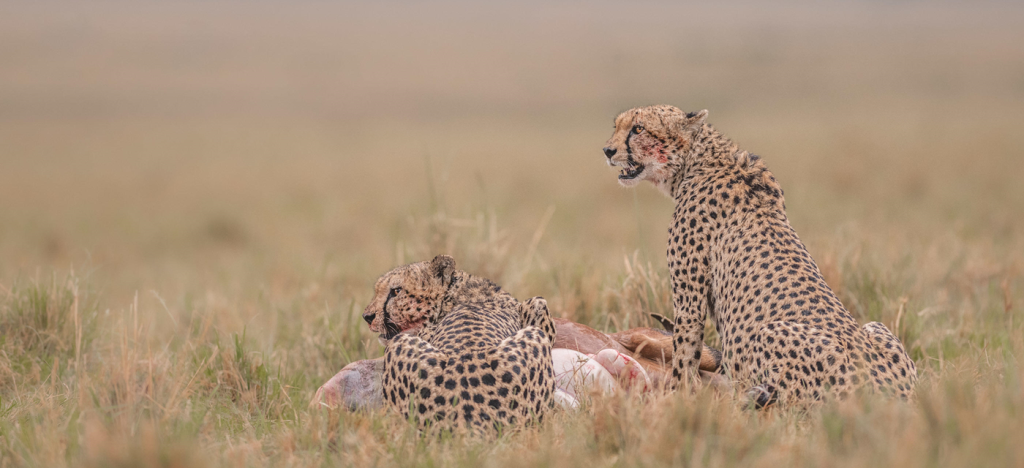
Predators become an important part of the calving season because the migration concentrates large numbers of herbivores in a relatively defined area. Newborn animals also create additional hunting opportunities for carnivores although nature remains unpredictable and predator sightings can never be guaranteed.
Lions represent one of the major attractions. They can move through grasslands and woodland while monitoring herds for opportunities. Cheetahs can also benefit from open terrain because their hunting strategy depends heavily on visibility and space. Hyenas may operate around the wider migration ecosystem and can remain active during both day and night.
For visitors the predator experience becomes more meaningful when guides explain behavior rather than simply pointing out animals. A knowledgeable guide can describe why a pride has chosen a particular location how herbivores respond to predators and how environmental conditions influence animal movements.
The calving season therefore creates a powerful example of how the Serengeti ecosystem works as a connected system. The grass supports herbivores, herbivores support predators and seasonal rainfall influences the entire cycle.
Travelers should approach these encounters responsibly. Safari vehicles should maintain appropriate distances and avoid actions that disturb animals. Good wildlife tourism allows visitors to observe natural behavior without forcing animals to react to human presence.
This combination of wildlife abundance, predator activity and dramatic landscapes makes the calving season one of the most rewarding times for travelers who want more than conventional game viewing.
How Many Days Do You Need for a Calving Season Safari?
The ideal length of a calving season safari depends on your budget, travel schedule and wildlife priorities. A short itinerary can introduce you to the southern Serengeti, while a longer safari gives you more time to explore different areas and respond to changing wildlife movements.
A four-day safari can work well for travelers with limited time. You can travel from Arusha toward Tarangire, continue toward Ndutu, spend time around the southern Serengeti and finish through the Ngorongoro area. This itinerary provides a compact introduction to several northern Tanzania highlights.
A five-day safari provides greater flexibility. You can spend more time around Ndutu and combine the calving experience with Ngorongoro and another destination. This option works particularly well for travelers who want a balance between wildlife time and overall itinerary variety.
Six or seven days can provide an even deeper experience. A longer itinerary allows you to spend additional nights around the calving grounds rather than treating Ndutu as a single overnight stop. You can also include Tarangire, Ngorongoro and additional Serengeti areas without rushing between destinations.
Travelers should remember that driving time matters. An itinerary that looks attractive on paper can become tiring if it includes excessive road travel. Serengeti Travels can design routes that balance game drives, accommodation locations and transfer times.
If calving represents your main objective allocating sufficient nights to the southern Serengeti can provide greater value than adding too many destinations.
Where Should You Stay During Calving Season?

Accommodation location matters greatly during the Serengeti calving season because travelers want to maximize time around the wildlife rather than spend long periods driving to and from distant properties. Camps and lodges around Ndutu and the southern Serengeti can provide convenient access to the calving grounds.
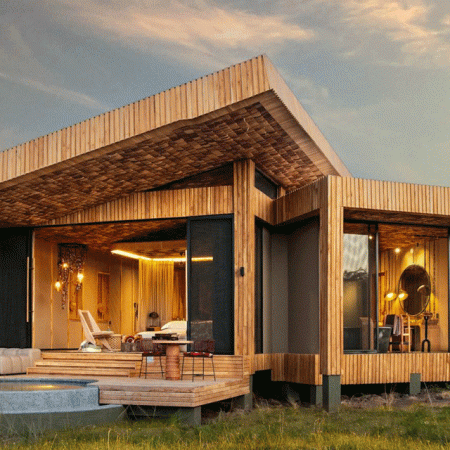
Travelers can choose from budget camping, mid-range tented camps and luxury properties depending on their budget and preferred level of comfort. Seasonal mobile camps can also provide an immersive experience because they operate close to areas where wildlife concentrates.
For a mid-range itinerary properties such as Ndutu Under Canvas can provide an appealing base for travelers who want to stay close to the southern Serengeti environment. Other accommodation options can be selected according to availability, route and travel dates.
Location should always remain an important consideration when comparing accommodation. A cheaper property that requires substantially more driving may not provide the same safari value as accommodation positioned closer to the area you specifically want to explore.
Travelers should also book early when visiting during popular calving-season dates. Accommodation capacity around prime wildlife areas can remain limited particularly for travelers seeking specific room types or luxury properties.
Serengeti Travels can recommend accommodation according to your budget and safari priorities. We can also build an itinerary around practical driving times so that you spend more of your valuable safari hours experiencing wildlife rather than unnecessarily traveling between distant accommodation areas.
How Much Does a Serengeti Calving Season Safari Cost?
The cost of a Serengeti calving season safari depends on your travel style, safari duration, accommodation, transportation, group size and selected route. The calving season attracts many travelers to southern Serengeti and Ndutu because wildlife activity reaches an exciting peak. As demand increases, accommodation in prime wildlife areas can also become more expensive. Instead of comparing prices alone travelers should compare the complete experience and services included in each safari package.
Budget travelers can choose shared safari vehicles, public campsites or comfortable budget camps to control costs. These safaris normally include accommodation, meals, transportation, professional guiding and park fees. Mid-range travelers can choose quality lodges or tented camps that provide private bathrooms, comfortable rooms and better dining while maintaining good value. Luxury travelers can enjoy private vehicles, exclusive camps, personalized services, premium meals and internal flights for greater comfort and convenience.
The length of your safari also affects the final price. A short three- or four-day itinerary generally costs less than a longer safari that combines Tarangire, Ngorongoro and several days in the southern Serengeti. Private safaris usually cost more per person because fewer travelers share the vehicle and guide expenses, while shared safaris can reduce the cost for solo travelers and small groups.
Transportation also influences the total cost. Road safaris usually offer better value, while flights to nearby Serengeti airstrips save travel time and create a more convenient experience. Travelers should also check whether the quotation includes accommodation, meals, park fees, transportation and guide services.
Booking early can help secure preferred camps around Ndutu during the busiest calving months. Serengeti Travels can customize your Serengeti calving season safari according to your budget, preferred accommodation and travel dates while keeping the focus on experiencing the remarkable calving season.
What Does a Calving Season Safari Include?
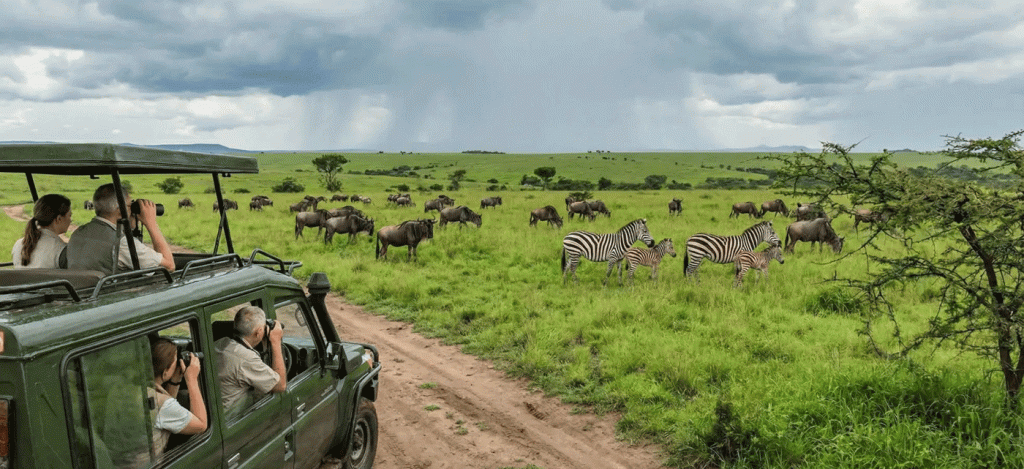
A well-organized Serengeti calving season safari should provide everything travelers need for a comfortable and rewarding wildlife experience. The exact inclusions depend on the itinerary and accommodation category but most packages include transportation in a safari vehicle, professional guide services, accommodation and meals according to the selected plan.
Safari vehicles typically provide elevated viewing positions that allow travelers to observe wildlife and photograph the landscape. A professional guide adds significant value because the guide understands animal behavior, seasonal movements and the best areas to explore.
Park and conservation fees form another important part of safari costs. Travelers should understand these charges before booking so they can compare quotations fairly.
Accommodation and meals also vary according to the selected package. Budget travelers may choose camping, while mid-range and luxury travelers can select tented camps or lodges offering different levels of comfort.
Before booking, ask whether airport transfers, drinks, tips, personal expenses, travel insurance and optional activities are included or excluded. Clear communication prevents misunderstandings and allows travelers to prepare an accurate budget.
At Serengeti Travels we can customize the safari according to your preferred travel style. Whether you want a budget camping adventure a comfortable mid-range safari or a premium private experience the itinerary can focus on the southern Serengeti and Ndutu during the calving season.
The goal should always remain simple: provide a transparent safari plan that gives travelers confidence about what they are paying for before they arrive in Tanzania.
Best Calving Season Safari Itineraries
A good calving-season itinerary should balance wildlife time, driving distances and the destinations that travelers genuinely want to experience. One of the strongest short options begins in Arusha and travels toward Tarangire before continuing toward Ndutu and eventually the Ngorongoro area.
A four-day itinerary can begin with Arusha to Tarangire National Park followed by a transfer toward Ndutu in the southern Serengeti. Travelers can spend a full day exploring the Ndutu area before continuing toward Ngorongoro Crater and returning to Arusha. This route works well for travelers who want a short but varied safari.
A five-day itinerary provides more breathing room. Travelers can spend additional time around Ndutu and explore the southern Serengeti without rushing through the wildlife area. This option can work particularly well for couples and families who want a stronger focus on the calving season.
Longer itineraries can add more Serengeti game-drive time and reduce the pressure to move between destinations each day. A six- or seven-day itinerary can therefore provide a more immersive wildlife experience.
The best itinerary depends on your arrival date, departure flight, budget and preferred accommodation. Travelers should also consider whether they want to include Tarangire, Ngorongoro or additional Serengeti areas.
Serengeti Travels can customize your route around these priorities. Instead of choosing a generic itinerary, you can request a private safari designed around calving season, preferred accommodation and the number of nights you want to spend in the southern Serengeti.
Wildlife Highlights During Calving Season
The Serengeti calving season offers some of the most exciting wildlife viewing opportunities in Africa. While newborn wildebeest are the main attraction visitors encounter an extraordinary diversity of animals throughout the ecosystem.
The wildebeest herds dominate the landscape stretching across the plains in seemingly endless numbers. Newborn calves quickly learn survival skills and often begin running within hours of birth. Watching mothers care for their young provides fascinating insights into animal behavior.
Predators become particularly active during this season. Lions frequently patrol areas where wildebeest congregate while cheetahs use their speed to target vulnerable calves. Hyenas are constantly searching for opportunities and leopards occasionally appear near woodland edges. These interactions create thrilling game-viewing experiences.
Large populations of zebras accompany the migration sharing grazing grounds with wildebeest. Thomson’s gazelles and Grant’s gazelles are also abundant across the plains. Their presence contributes to the rich biodiversity of the ecosystem and provides additional opportunities for wildlife photography.
Birdlife is exceptional during the green season. Migratory species arrive from Europe and Asia joining resident birds to create an impressive variety of sightings. Bird enthusiasts can enjoy observing ostriches, secretary birds, crowned cranes, eagles, vultures and numerous colorful species.
Elephants, giraffes, buffaloes and various antelope species can also be seen throughout the Serengeti ecosystem. Nearby Ngorongoro Crater offers opportunities to spot black rhinos and other animals that may be less commonly encountered on the plains.
The combination of newborn animals, active predators, abundant herbivores and diverse birdlife makes the calving season one of the richest wildlife experiences available anywhere in Africa. Each game drive offers unique encounters and unforgettable moments in one of the world’s most celebrated natural environments.
Safari Activities During the Calving Season
A Serengeti calving season safari offers a wide range of activities designed to help visitors experience the migration from different perspectives. While traditional game drives remain the primary attraction several other experiences add depth and excitement to the journey.
Game drives are the highlight of most itineraries. Morning and afternoon drives allow visitors to follow wildebeest herds, observe newborn calves and search for predators. Since animals are highly concentrated during the calving season sightings are often frequent and diverse. Experienced guides track wildlife movements and position vehicles for excellent viewing opportunities.
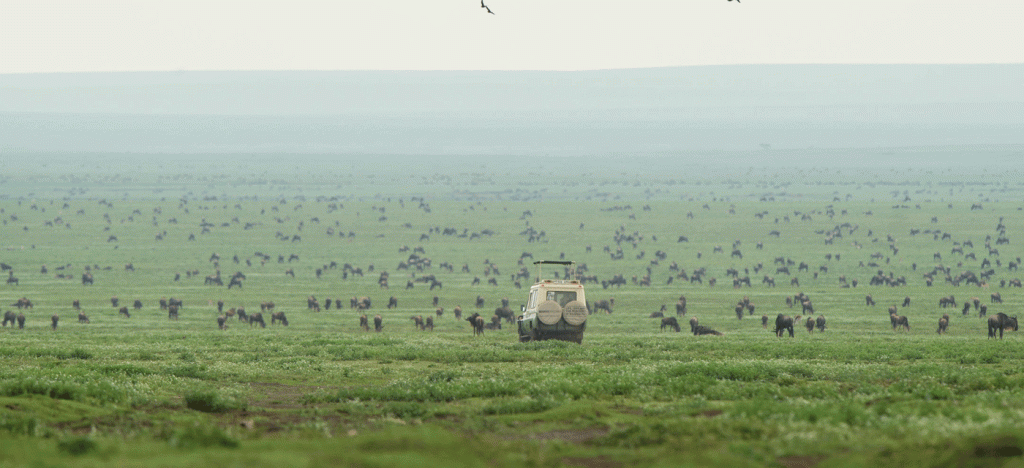
Full-day game drives are particularly popular in the Ndutu region. Travelers can spend extended periods exploring different habitats, including open plains, seasonal lakes and acacia woodlands. These longer excursions increase the likelihood of witnessing dramatic predator-prey interactions and rare wildlife behavior.
Photography safaris are especially rewarding during the calving season. The green landscapes, soft lighting and abundance of animals create ideal conditions for capturing memorable images. Wildlife photographers often consider this period one of the best times to visit the Serengeti.
Birdwatching is another rewarding activity. Seasonal rains attract numerous migratory birds and the region becomes a paradise for bird enthusiasts. Visitors can observe a wide variety of species ranging from large birds of prey to colorful songbirds.
Cultural visits to local communities may also be included in some itineraries. These experiences provide insight into the traditions and lifestyles of people living near the Serengeti ecosystem. Learning about local cultures adds a valuable human dimension to the safari experience.
Many travelers combine the calving season safari with visits to Ngorongoro Crater, Lake Manyara or Tarangire National Park. This combination creates a diverse itinerary that showcases different landscapes, wildlife species and conservation areas throughout northern Tanzania.
The variety of available activities ensures that every day offers something unique making the calving season safari both exciting and educational.
Advantages of Choosing a Calving Season Safari
A Serengeti calving season safari offers several advantages that distinguish it from other periods of the Great Migration. Many safari experts consider it one of the most rewarding times to visit because of the unique wildlife experiences available during these months.
One of the biggest advantages is the opportunity to witness thousands of newborn wildebeest calves. Seeing animals take their first steps and interact with their mothers creates memorable moments that cannot be experienced during other migration stages. These scenes reveal the beginning of the migration cycle and provide insight into the survival strategies of wildlife.
The concentration of animals is another major benefit. During the calving season, wildebeest, zebras, gazelles and predators gather across the southern plains in enormous numbers. This concentration increases the chances of seeing a wide variety of species within a relatively small area.
Predator activity is often at its peak. Lions, cheetahs, hyenas and leopards are attracted by the abundance of vulnerable prey leading to frequent hunting opportunities. Visitors interested in wildlife behavior and predator-prey interactions often find this season particularly exciting.
The scenery is also exceptional. Seasonal rains transform the plains into lush green landscapes filled with fresh grass and wildflowers. These conditions create beautiful backgrounds for photography and enhance the overall visual appeal of the safari.
Compared to the peak river crossing season the calving period can sometimes offer better wildlife viewing because animals are more concentrated and predictable. Travelers spend less time searching for herds and more time observing behavior. Birdwatchers also benefit from the arrival of migratory species that enhance the diversity of the ecosystem. The combination of resident and migratory birds creates excellent birding opportunities throughout the region.
For travelers seeking a balance of wildlife abundance, predator action, stunning scenery and unique natural events the calving season represents one of the finest safari experiences available in Tanzania.
What to Pack for Safari
Packing properly for a Serengeti calving season safari can make your trip more comfortable and enjoyable. The calving season occurs during the green season typically from January to March when weather conditions are generally warm with occasional rain showers. Travelers should prepare for both sunny and wet conditions while keeping luggage practical and safari-friendly.
Lightweight neutral-colored clothing is recommended for game drives. Colors such as khaki, beige, olive and brown blend well with the environment and are preferred for wildlife viewing. Long-sleeved shirts and lightweight trousers help protect against sun exposure, dust and insects while remaining comfortable throughout the day.
A waterproof jacket is essential because short rain showers can occur particularly during February and March. Although rains are usually brief having proper rain protection ensures game drives remain comfortable regardless of weather conditions. Layered clothing is also useful because early mornings can feel cool before temperatures rise later in the day.
Comfortable walking shoes are important for activities around camps and lodges. If cultural visits or nature walks are included in the itinerary sturdy footwear provides additional comfort and safety. A hat with a wide brim and quality sunglasses help protect against strong African sunlight.
Photography enthusiasts should bring cameras, extra memory cards, spare batteries and protective equipment for dust and moisture. The calving season offers extraordinary photography opportunities and having sufficient equipment ensures important moments are not missed. Binoculars are equally valuable for observing distant wildlife and bird species.
Personal items such as sunscreen, insect repellent, medications and travel documents should be packed carefully. A small daypack is useful for carrying essentials during game drives. Many safari operators provide guidance regarding luggage restrictions particularly for domestic flights within Tanzania. Soft-sided bags are generally preferred because they fit more easily into safari vehicles and small aircraft.
Proper preparation allows travelers to focus entirely on enjoying the remarkable wildlife experiences that make the Serengeti calving season one of Africa’s most celebrated safari adventures.
Why Book Your Calving Season Safari With Serengeti Travels?
Choosing the right safari company can make a major difference during calving season because wildlife movements change and travelers benefit from guides who understand the Serengeti ecosystem. Serengeti Travels operates from Tanzania and can design safari itineraries around the southern Serengeti, Ndutu and other northern Tanzania destinations.
Our approach focuses on matching each safari to the traveler’s interests, budget and available time. Instead of offering only one standard package, we can create private, budget, mid-range and luxury options depending on what you want from your journey.
Local knowledge also helps when planning routes. The best itinerary is not always the one with the greatest number of destinations. During calving season spending enough time in the right wildlife area can provide more value than constantly moving between parks.
Our safari planning can combine Ndutu with destinations such as Tarangire and Ngorongoro creating a broader northern Tanzania experience while keeping the calving season as the central focus.
We also understand that travelers need clear information before committing to a safari. Our team can explain accommodation choices, safari duration, vehicle arrangements, inclusions and practical travel details so you can make an informed decision.
If your main goal is to experience newborn wildebeest, large migrating herds and predator activity we can build the itinerary around that objective.
For travelers planning a Tanzania safari between January and March, the Serengeti calving season offers a remarkable opportunity to experience one of nature’s most important wildlife cycles with a locally planned safari.
When Should You Book a Calving Season Safari?
Travelers should consider booking a calving season safari as early as possible when they have fixed travel dates, especially if they want specific accommodation around Ndutu or the southern Serengeti. Demand can increase during the most popular weeks and accommodation capacity in prime wildlife areas remains limited.
Early planning provides several advantages. You can compare different accommodation categories select your preferred safari duration and create a route that matches your interests rather than accepting whatever remains available at the last minute.
Booking early can also help travelers coordinate international flights, airport transfers and pre- or post-safari accommodation in Arusha. This becomes particularly useful for visitors who have limited vacation time.
However travelers who plan closer to departure can still ask for availability. The important point is to communicate your dates, group size, preferred accommodation and budget clearly so the safari company can identify the most suitable options.
If you are traveling as a couple, family or small private group early planning can provide greater flexibility when selecting vehicles and accommodation.
Serengeti Travels can help you plan your calving season safari according to your preferred dates and travel style. Once you provide your approximate travel period, number of travelers and budget the itinerary can be shaped around the areas you most want to experience.
A well-planned booking does more than secure a room. It allows you to build the entire safari around the wildlife experience you want which is especially important when your main objective is to experience the Serengeti calving season.
Frequently Asked Questions About Serengeti Calving Season Safari
When is the Serengeti calving season?
The Serengeti calving season generally takes place from January to March with the southern Serengeti and Ndutu areas becoming the main gathering grounds for migrating wildebeest. February often provides particularly strong opportunities to see newborn calves and active predators.
What is the best month for a Serengeti calving season safari?
February is often an excellent month for a Serengeti calving season safari because large numbers of wildebeest give birth and predator activity can increase around the herds. January and March can also provide excellent wildlife experiences.
Where does the Serengeti calving season take place?
The main calving areas include the southern Serengeti and Ndutu region. These short-grass plains provide important grazing conditions for wildebeest and create excellent opportunities for wildlife viewing during the calving period.
Why is Ndutu important during calving season?
Ndutu provides important short-grass plains where large concentrations of wildebeest gather during the calving season. Its open landscape also makes it easier to observe herds, newborn calves and predators during game drives.
What wildlife can you see during calving season?
Travelers can see wildebeest, newborn calves, zebras, gazelles, lions, cheetahs, hyenas, leopards, giraffes, buffaloes, elephants, warthogs and many bird species. The exact wildlife sightings depend on location, weather and animal movements.
Why are predators active during calving season?
Predators become more active because the calving season concentrates large numbers of herbivores in the southern Serengeti. Newborn calves also create additional hunting opportunities for lions, cheetahs, hyenas and other carnivores.
How many days do you need for a calving season safari?
A four-day safari can provide a short introduction to the calving season while five to seven days allows travelers to spend more time around Ndutu and explore additional destinations such as Tarangire and Ngorongoro.
How much does a Serengeti calving season safari cost?
The cost depends on safari duration, accommodation, transportation, group size and travel style. Budget, mid-range and luxury options are available while private safaris generally cost more per person than shared trips.
Where should you stay during the calving season?
Staying around Ndutu or the southern Serengeti can reduce unnecessary driving and give you more time for game drives. Travelers can choose from budget camps, mid-range tented camps and luxury properties according to their budget and preferences.
What does a calving season safari include?
Safari packages commonly include accommodation, meals, transportation in a safari vehicle, professional guide services and applicable park or conservation fees. Travelers should always confirm the exact inclusions and exclusions before booking.
When should you book a Serengeti calving season safari?
Booking early is recommended, particularly for February travel and accommodation around Ndutu. Early booking gives travelers more choice of camps, lodges, room categories, safari dates and vehicle arrangements.
Can you combine a calving season safari with Ngorongoro and Tarangire?
Yes. Travelers can combine the southern Serengeti and Ndutu with destinations such as Tarangire National Park and Ngorongoro Crater to create a broader northern Tanzania safari experience.
Is the Serengeti calving season good for photography?
Yes. Green landscapes, large wildlife concentrations, newborn calves and active predators create excellent photography opportunities. The open plains around Ndutu also provide good visibility for wildlife photography.
Can Serengeti Travels customize a calving season safari?
Yes. Serengeti Travels can customize a safari according to your travel dates, group size, budget, preferred accommodation and desired safari duration while keeping the southern Serengeti and Ndutu calving experience as the main focus.
Plan Your Serengeti Calving Season Safari
The Serengeti calving season offers an extraordinary combination of newborn wildlife, migrating herds, active predators, green landscapes and dramatic natural encounters. From the open plains of Ndutu to the wider southern Serengeti ecosystem this period allows travelers to experience the Great Migration from a completely different perspective.
The best safari does not simply chase the migration. It gives you enough time to understand the ecosystem, explore productive wildlife areas and enjoy the journey without unnecessary rushing. Choosing the right number of days, accommodation and route can transform a short wildlife trip into a deeply rewarding Tanzania experience.
Whether you have four days or a full week Serengeti Travels can create a calving season safari around your priorities. You can choose budget camping, comfortable mid-range accommodation or a luxury experience while focusing your itinerary on the southern Serengeti and Ndutu. You can also combine the calving experience with Tarangire and Ngorongoro Crater to create a broader northern Tanzania safari.
If you are planning to travel between January and March and want to experience the Great Migration during one of its most fascinating stages now is the time to start planning. Contact Serengeti Travels with your travel dates, number of travelers, preferred safari style and approximate budget, and we can help create a personalized calving season itinerary designed around your Tanzania adventure.