 English
 Deutsch
 Italia
May 23, 2026
Best Budget Itinerary for Serengeti National Park
Introduction
Best Budget Itinerary for Serengeti National Park is an excellent way to experience one of the world’s most famous safari destinations without spending a fortune. Serengeti National Park is known for its endless plains, large predator populations and the Great Migration. Many travelers assume that visiting Serengeti requires a very high budget, but with proper planning, it is possible to enjoy affordable accommodation, shared transport and memorable wildlife encounters without compromising the quality of your safari experience.
A budget Serengeti itinerary focuses on maximizing value while minimizing unnecessary costs. Instead of luxury lodges and private vehicles, budget travelers rely on group safaris, shared transport and basic camping accommodations. This approach allows you to still enjoy full game drives, professional guiding and access to the same wildlife-rich areas as high-end tours.
The main idea behind a budget itinerary is efficiency. Serengeti is a vast ecosystem and spending wisely means choosing the right locations especially Central Serengeti (Seronera) which offers year-round wildlife viewing. By reducing long-distance travel between park regions and focusing on key wildlife hotspots travelers can enjoy a rich safari experience at a lower cost.
This itinerary is designed for travelers who want real adventure rather than luxury comfort. It combines structured daily game drives, simple accommodation and smart routing to ensure that every day inside the park delivers maximum wildlife exposure.
Table of contents
- Introduction
- Overview for Best Budget Itinerary for Serengeti National Park
- Day 1: Arrival and Transfer to Central Serengeti
- Day 2: Full-Day Game Drive in Central Serengeti
- Day 3: Optional Region Exploration (North or West Serengeti)
- Day 4: Morning Game Drive and Departure
- Optional Day 5: Ngorongoro Crater Extension
- Budget Breakdown for Best Budget Itinerary for Serengeti National Park
- Money Saving Tips for Serengeti Safari
- Frequently Asked Questions of Best Budget Itinerary for Serengeti National Park
- Conclusion
Overview for Best Budget Itinerary for Serengeti National Park
A budget safari to Serengeti National Park is absolutely possible if you plan carefully and prioritize experience over luxury. The main idea is to reduce unnecessary costs while still maximizing wildlife viewing opportunities. Serengeti is large and many travelers waste money by moving too much between regions or booking private luxury lodges that do not significantly improve wildlife sightings.
The smartest budget strategy is to focus on group safaris where costs for transport, guide, fuel and park logistics are shared among travelers. This alone can reduce the price dramatically compared to private tours. Another major cost-saving decision is choosing public campsites or basic tented camps instead of high-end lodges. Campsites inside or near Serengeti still give you full access to wildlife sounds and sunrise game drives but at a fraction of the price.
Most budget itineraries start from Arusha or Mwanza where you join a shared safari vehicle. These vehicles are designed for long game drives and reduce transport costs significantly. Another important strategy is to limit your route to Central Serengeti (Seronera) which has the highest concentration of wildlife year-round. This avoids expensive long-distance travel to remote northern or western regions unless it is migration season.
Food is usually included in group safaris often prepared by a cook accompanying the safari. This helps avoid expensive lodge dining. Park fees are unavoidable and form a large portion of the budget so the goal is to maximize every day spent inside the park.
Day 1: Arrival and Transfer to Central Serengeti
Day one of your Serengeti budget itinerary begins early in the morning from either Arusha or Mwanza. This is a long travel day, so the goal is to enter the park efficiently while still enjoying wildlife viewing along the way. Most budget safaris use shared 4×4 safari vehicles, which pick up multiple travelers to reduce costs.
The journey typically passes through scenic landscapes, including rural villages, open savannahs and the Ngorongoro Conservation Area (if coming from Arusha). This route is not only practical but also part of the safari experience itself as animals such as zebras, wildebeests and giraffes can sometimes be seen before even entering Serengeti.
Upon reaching Naabi Hill Gate you complete registration and enter Serengeti National Park. From here the real safari begins. Instead of rushing deep into the park budget itineraries usually focus on Central Serengeti (Seronera Valley) which is known for its dense wildlife population and reliable sightings year-round.
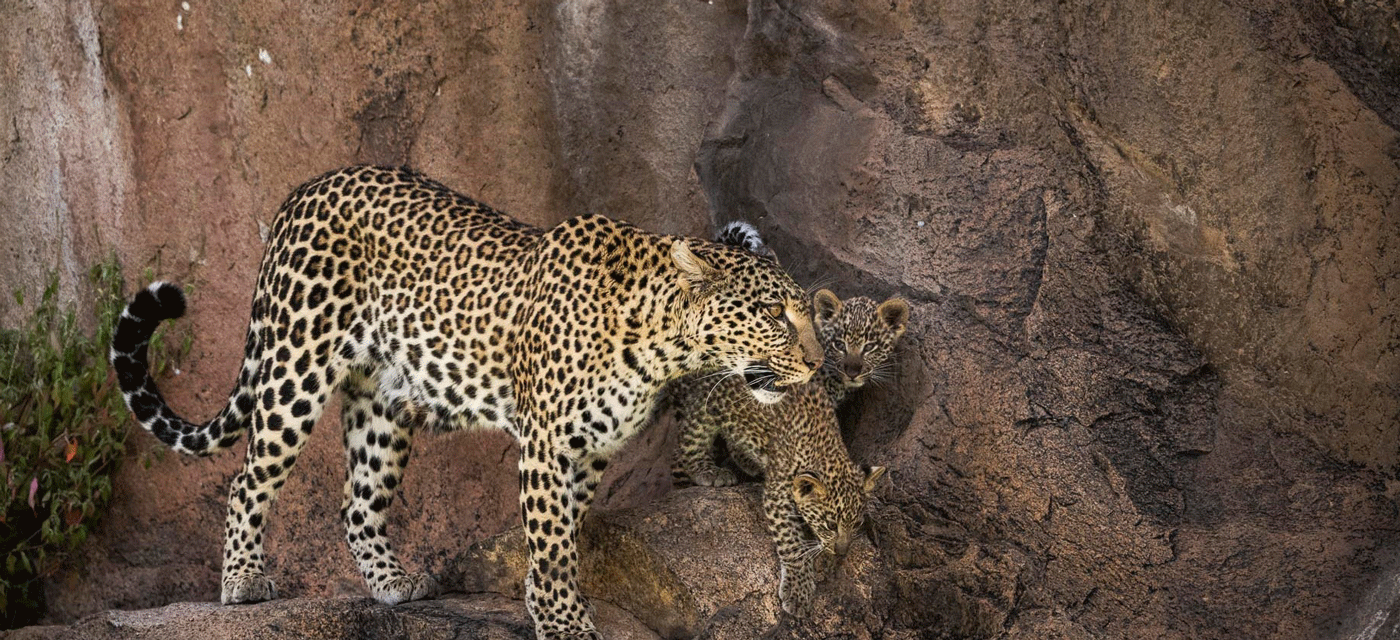
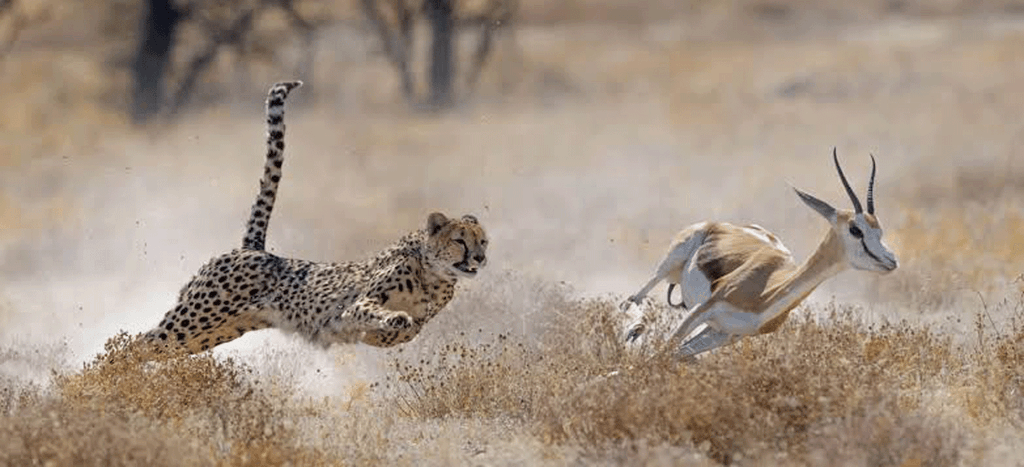
Your first game drive usually takes place in the afternoon. This is an excellent time to see animals as they begin to become active after midday heat. Lions, elephants, buffalo, giraffes and antelopes are commonly spotted in this region. Seronera is also known for predators so lucky travelers may see lions or cheetahs hunting.
By late afternoon you head to your campsite or budget tented accommodation. These camps are simple but safe often located within or near wildlife zones. You may hear animals at night which adds to the authentic safari experience. Day one is important because it sets the tone for the trip efficient travel, immediate wildlife exposure and cost control by avoiding unnecessary detours.
Day 2: Full-Day Game Drive in Central Serengeti
Day two is the most important wildlife viewing day in a budget Serengeti itinerary. It is dedicated entirely to exploring Central Serengeti (Seronera region) which is widely considered the best area for consistent animal sightings throughout the year.
The day begins early in the morning when animals are most active. This is the best time to see predators such as lions, leopards and hyenas as they may still be hunting or returning from night activity. The morning light also provides excellent visibility for photography and observation.
A full-day game drive means you remain inside the park with packed meals provided by your safari team. This helps reduce extra spending on restaurants or lodge dining. The vehicle slowly moves across different habitats, including river valleys, open plains, rocky kopjes and woodland areas.
Seronera is famous for its high concentration of wildlife. You are likely to see elephants, giraffes, wildebeests, zebras, hippos, crocodiles and large numbers of birds. Predator sightings are also common due to the abundance of prey animals.
One of the biggest advantages of staying in one region is cost efficiency. There is no need to pay for additional fuel or accommodation transfers. Instead, the entire day is focused on maximizing wildlife encounters within a compact area.
In the evening you return to your campsite or budget lodge. Many travelers enjoy storytelling around a campfire while listening to distant animal sounds which enhances the safari atmosphere without adding extra cost. Day two is the core of the budget safari experience maximum wildlife exposure, zero unnecessary movement and full value from park fees already paid.
Day 3: Optional Region Exploration (North or West Serengeti)
Day three introduces flexibility depending on your budget and the season of travel. While Central Serengeti remains the most cost-effective base this day allows you to explore either the Northern Serengeti or the Western Corridor both offering unique wildlife experiences.
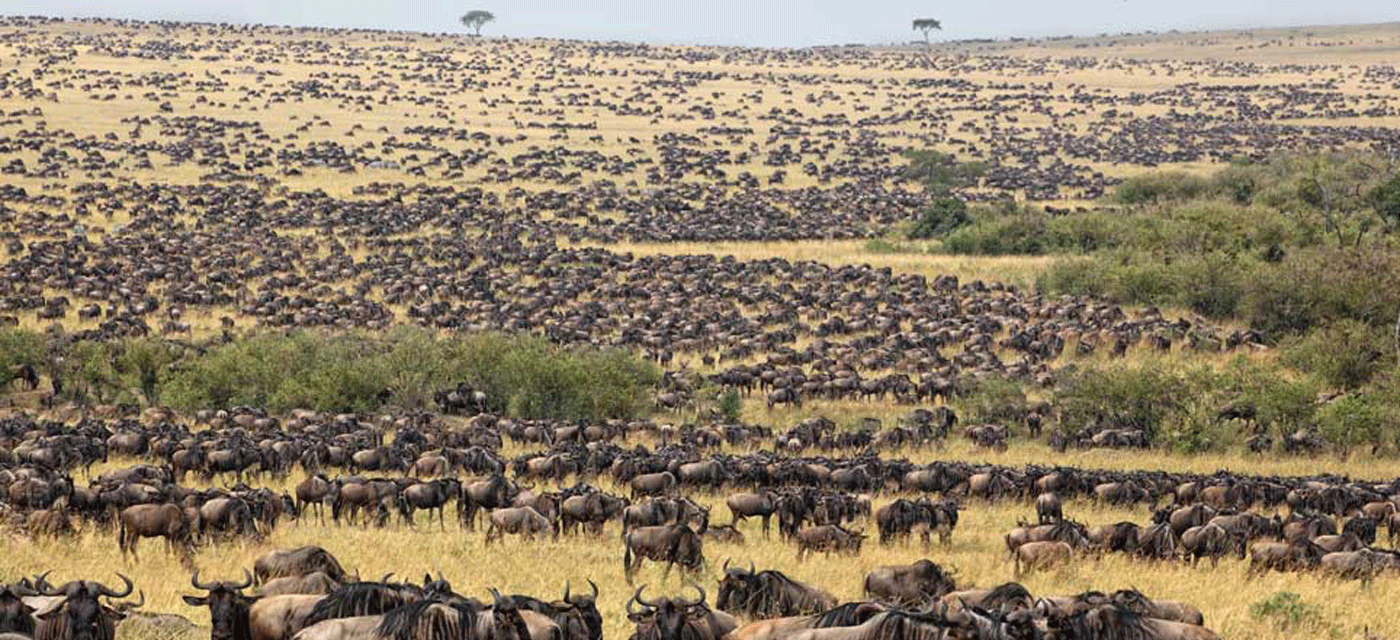
If you travel during the Great Migration season (typically June to October) the Northern Serengeti becomes a major highlight. This region is famous for the dramatic Mara River crossings where thousands of wildebeests and zebras face crocodile-filled waters. However, reaching this area requires longer travel time and higher fuel costs making it slightly more expensive for budget travelers.
Alternatively the Western Corridor (Grumeti region) offers a quieter and less crowded experience. This area features large herds of wildebeest and strong predator activity especially near rivers where crocodiles are active. It is a good option for travelers who want something different from the central plains without going as far north.
However for strict budget travelers the smartest option is often to remain in Central Serengeti. This avoids extra transport costs and still guarantees excellent wildlife viewing. Seronera alone provides enough diversity to make the safari worthwhile. This day is also a good opportunity to adjust the pace of the trip. You can take a slower game drive, focus on photography or revisit areas where predators were previously spotted.
The key budget principle for Day 3 is decision-making either invest slightly more for a unique migration experience or save money by staying central and maximizing efficiency.
Day 4: Morning Game Drive and Departure
The final day of your Serengeti budget safari begins early with a short morning game drive. This is one of the most valuable moments of the entire trip because wildlife is highly active before temperatures rise. Predators may still be moving grazing animals are feeding and the soft morning light enhances visibility.
This final drive is your last opportunity to spot animals you may have missed earlier, such as leopards in trees, lion prides resting after hunting or large elephant herds moving across the plains. Even a short two to three-hour drive can be highly rewarding.
After the game drive you begin your journey out of the park through Naabi Hill Gate. The exit route often provides additional sightings so the experience does not end immediately upon leaving the main safari area. From here you travel back to Arusha or Mwanza depending on your starting point. This long drive marks the conclusion of the safari but it also gives time to reflect on the experience.
For travelers with slightly more budget flexibility an optional extension can be added on the return route to visit Ngorongoro Crater which offers extremely high wildlife density in a compact area. This is one of the best-value add-ons in East Africa if time and money allow.
Overall Day 4 is about completing the experience efficiently while maximizing final wildlife encounters without increasing unnecessary costs.
Optional Day 5: Ngorongoro Crater Extension
If your budget and schedule allow adding a fifth day to your Serengeti itinerary with a visit to the Ngorongoro Crater is one of the smartest upgrades you can make. This extension is highly recommended because it offers one of the highest wildlife densities in Africa within a very small area making it extremely efficient for travelers on limited time.
The journey from Serengeti toward Ngorongoro is scenic passing through highland landscapes and Maasai villages. Many budget safari routes already include this stop as part of the return trip which helps reduce additional transport costs.
Once inside the crater you descend more than 600 meters into a natural volcanic caldera. The environment inside is unique because animals are largely contained within the crater walls creating predictable and frequent sightings. You may see lions, elephants, buffalo, hyenas, zebras and large herds of wildebeest all within a single game drive.
One of the highlights is the possibility of spotting the endangered black rhinoceros which is more reliably seen here than in Serengeti. The crater also features lakes filled with flamingos adding strong photographic value to the experience. From a budget perspective this day is efficient because you are not paying for long-distance movement or extra nights inside expensive lodges. Instead, it is typically added as a transit stop before returning to Arusha.
The game drive is usually half-day which keeps park usage cost-effective while still delivering a world-class safari experience. After the visit you continue your journey back to your final destination.
Budget Breakdown for Best Budget Itinerary for Serengeti National Park
Understanding the cost structure of a Serengeti safari is essential for planning a realistic budget. The biggest expense is always park fees, followed by transport and accommodation. Even on a budget safari these core costs cannot be avoided but they can be optimized.
Park entry fees for Serengeti are charged per day and per person making them the single largest fixed cost. Conservation fees, vehicle entry fees and camping fees also apply. This is why minimizing unnecessary days inside the park is important for budget travelers.
Transport is the second major cost. Shared safari vehicles significantly reduce expenses compared to private tours. When you join a group safari, fuel, driver salary and vehicle maintenance costs are divided among all participants making it much more affordable.
Accommodation depends heavily on your choice. Budget travelers typically stay in public campsites or basic tented camps which are far cheaper than lodges or luxury camps. These camps provide essential facilities such as toilets, dining tents and basic security while keeping costs low.
Food is usually included in group safari packages. A cook travels with the group and prepares meals which helps eliminate restaurant expenses inside the park where food prices are high. Other possible costs include tips for guides, optional drinks and personal items. These are small but should still be considered in your planning.
A realistic budget range for a Serengeti safari can vary widely depending on comfort level. Budget group safaris are the most cost-efficient option while private or luxury safaris can be significantly more expensive. In summary the budget structure is simple: park fees are fixed, transport is shared, accommodation is flexible and food is usually included making group camping safaris the best value option overall.
Money Saving Tips for Serengeti Safari
Saving money on a Serengeti safari is not about reducing quality it is about making smart decisions that reduce unnecessary expenses while maintaining a rich wildlife experience. The most important tip is to join a group safari instead of a privatesafari. This alone can reduce your total cost significantly because transport, fuel, guide services and logistics are shared among multiple travelers.
Another key strategy is to choose Central Serengeti as your mainbase. Many travelers overspend by moving between multiple regions but Seronera already offers excellent wildlife density year-round. Staying in one area reduces fuel costs and accommodation transfers.
Accommodation choice also plays a major role. Opting for public campsites or basic tented camps instead of luxury lodges can cut costs dramatically while still keeping you inside or near the park environment. Booking in advance or joining last-minute group departures can also reduce prices. Safari operators often lower costs when trying to fill empty seats in vehicles.
Another useful tip is to ensure your safari package is all-inclusive. Hidden costs such as park fees, meals and transport can quickly increase expenses if not clearly included in the initial price. Traveling during low or shoulder seasons can also be more affordable. While wildlife remains abundant in Serengeti year-round prices for accommodation and tours may vary depending on demand.
Finally, avoid unnecessary extras such as expensive drinks, private upgrades or long detours unless they are essential for your experience. In summary the best money-saving strategy is to focus on group travel, central location, simple accommodation and all-inclusive packages ensuring you get maximum safari value at minimum cost.
Frequently Asked Questions of Best Budget Itinerary for Serengeti National Park
What is the best budget itinerary for Serengeti National Park?
The best budget itinerary is a 4-day safari focusing mainly on Central Serengeti (Seronera). This route provides excellent wildlife viewing while reducing transportation, accommodation and fuel costs.
How many days do I need for a budget Serengeti safari?
Four days is a good option for a budget Serengeti safari. It provides enough time for arrival, full-day game drives, wildlife exploration and a final morning game drive before departure.
Can I visit Serengeti on a low budget?
Yes, Serengeti can be visited on a budget by joining a group safari, choosing camping or basic tented accommodation, sharing transportation and avoiding unnecessary transfers between distant regions.
What is the cheapest way to visit Serengeti National Park?
Joining a shared group safari is generally the most cost-effective approach. Sharing the safari vehicle, guide, fuel and other logistics with other travelers helps reduce the overall cost per person.
Is Central Serengeti good for a budget safari?
Yes. Central Serengeti especially the Seronera area is an excellent choice because it offers strong year-round wildlife viewing. Staying in one region also helps reduce transportation and fuel expenses.
Can I see the Big Five on a budget Serengeti safari?
Yes. Budget travelers can have opportunities to see lions, elephants, buffalo, leopards and rhinos. Wildlife sightings are never guaranteed, but choosing productive areas and spending more time on game drives improves your chances.
Is camping cheaper than staying in a lodge in Serengeti?
Generally yes. Public campsites and basic tented camps are usually more affordable than luxury lodges. Camping can significantly reduce accommodation costs while still allowing you to experience the Serengeti wilderness.
Is food included in a budget Serengeti safari?
Many group budget safari packages include meals often prepared by a safari cook. However travelers should always confirm exactly what is included in their package before booking.
When is the cheapest time to visit Serengeti?
Travel costs can be lower during quieter or shoulder seasons, although prices vary between safari operators and accommodations. The best time also depends on whether you want general wildlife viewing or specific migration experiences.
Can I see the Great Migration on a budget safari?
Yes. A budget safari can include migration areas but the best location depends on the season. Northern Serengeti is particularly important during the Mara River crossing period while southern Serengeti is significant during the calving season.
Should I visit Northern Serengeti on a budget itinerary?
Northern Serengeti can be worthwhile during migration season, but reaching it requires additional travel and can increase costs. For strict budgets staying in Central Serengeti may provide better overall value.
Can I add Ngorongoro Crater to a budget Serengeti itinerary?
Yes. Adding Ngorongoro Crater as an optional fifth day can provide excellent value because the crater has a high concentration of wildlife in a relatively compact area.
What should I avoid when planning a budget Serengeti safari?
Avoid unnecessary long-distance transfers, expensive luxury accommodation, private vehicles when a group safari suits you and optional extras that are not important to your experience. Comparing what different packages include can also help prevent unexpected costs.
Can Serengeti Travels arrange a budget safari?
Yes. Serengeti Travels can help travelers plan a budget-focused Serengeti safari based on their preferred itinerary, accommodation style and travel dates.
Conclusion
A budget Serengeti safari is absolutely worth it especially for travelers who prioritize wildlife experiences over luxury comfort. With Serengeti Travels you can explore one of the world’s most iconic safari destinations while keeping costs manageable. Even a budget trip can deliver unforgettable encounters with Africa’s most famous animals.
The key takeaway from a budget itinerary is that you do not need luxury lodges or private vehicles to enjoy Serengeti. What truly matters is time inside the park, smart route planning and choosing areas with high wildlife density such as Central Serengeti.
Even on a limited budget travelers can experience lions hunting, elephants crossing the plains, giraffes grazing and massive herds of wildebeest moving across the landscape. These experiences depend more on timing and location than accommodation quality.
Budget safaris also encourage a more authentic experience. Camping in or near the park allows travelers to experience nature more directly and enjoy the sounds of the African wilderness at night.
However careful planning is essential. Costs can increase quickly because of park fees, transport, accommodation or unnecessary route changes. Serengeti Travels helps travelers create practical itineraries that balance affordability with excellent wildlife viewing.
In conclusion a Serengeti budget safari offers exceptional wildlife experiences at an accessible price, making it a great choice for travelers seeking adventure without overspending. With smart planning and the right local operator, Serengeti Travels can help you experience the wonders of Serengeti while staying within your budget.