 English
 Deutsch
 Italia
May 25, 2026
How Much Should You Budget for a Tanzania Safari?
Introduction
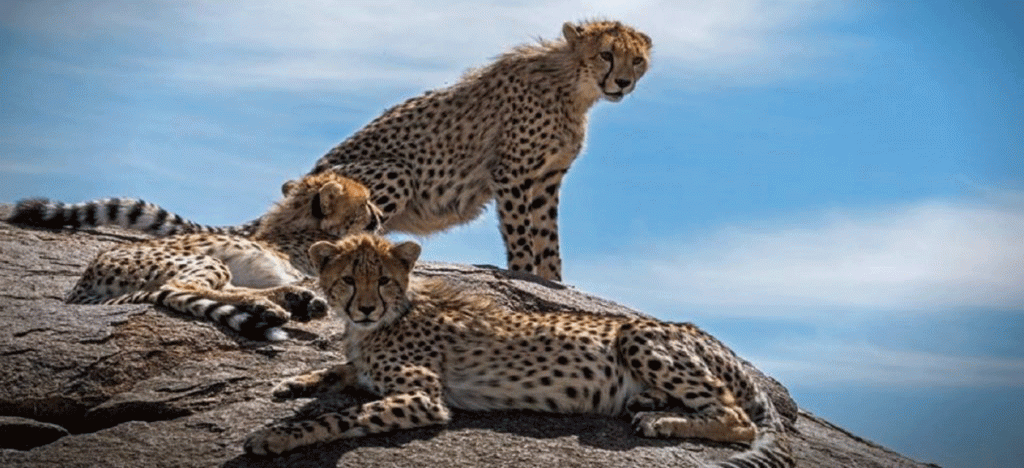
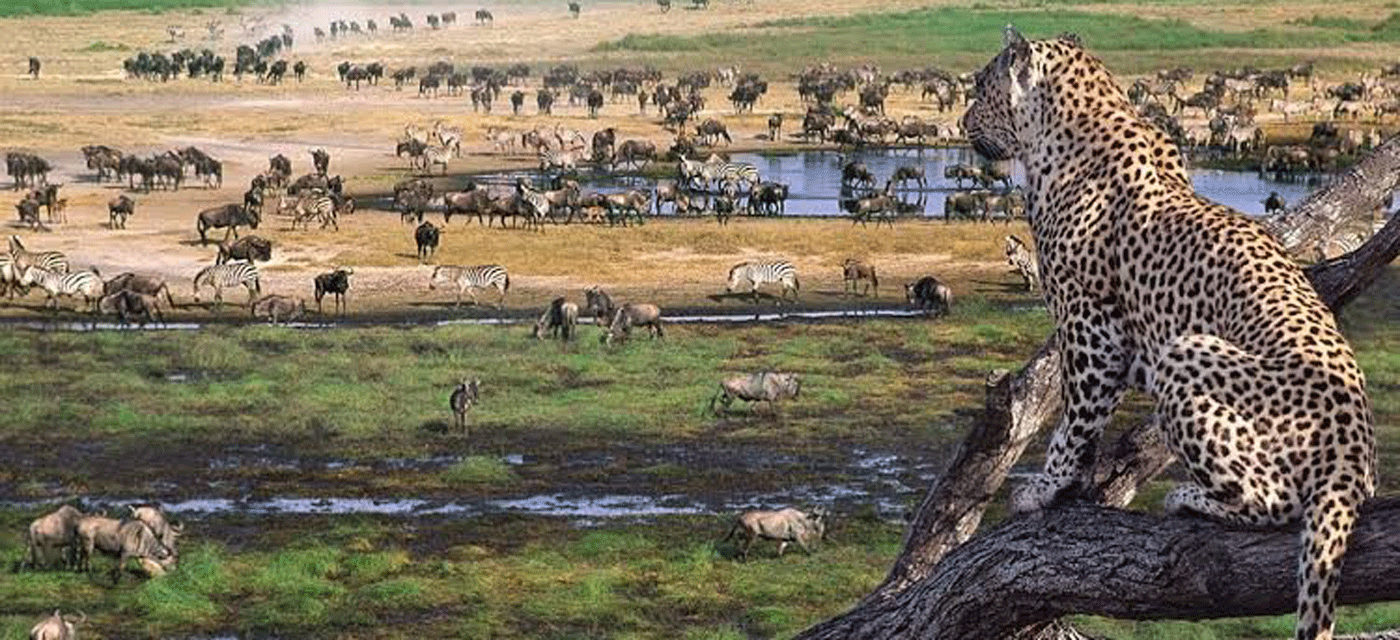
A Tanzania safari is widely regarded as one of the most extraordinary wildlife experiences in the world. From the endless golden plains of the Serengeti to the dramatic landscapes of the Ngorongoro Crater the country offers a rare combination of raw nature, dense wildlife populations and iconic scenery. However before travelers can enjoy these experiences one of the most important questions always arises how much should you actually budget for a Tanzania safari?
The answer is not straightforward because safari costs in Tanzania vary widely depending on multiple factors. Unlike standard vacations where prices are more predictable, safari pricing is shaped by accommodation type, park fees, transportation methods, travel season, group size and personal preferences. Two people visiting the same park on the same day can spend completely different amounts depending on how their trip is structured.
This makes budgeting for a Tanzania safari less about finding a single fixed price and more about understanding how each cost component works. Without this understanding travelers often either overspend unnecessarily or underestimate the true cost of the experience. Both situations can affect the quality of the trip.
Another important point is that Tanzania safaris are not just tourism products they are also conservation-driven experiences. A significant portion of what you pay goes directly into protecting wildlife, maintaining national parks and supporting local communities. This is one reason why safari costs may appear higher compared to other travel destinations.
This guide is designed to remove confusion and provide clarity. Instead of simply listing prices it breaks down the real structure of safari costs so you can make informed decisions. Whether you are planning a budget adventure, a mid-range journey or a luxury experience understanding these fundamentals will help you build a realistic and well-balanced safari budget that matches your expectations and travel goals.
Table of contents
- Introduction
- Your Safari Style Sets the Financial Foundation
- Park Fees Are a Core and Fixed Expense
- Accommodation Choices Drive Daily Spending
- Transportation Costs Add Up Quickly
- Travel Season Strongly Influences Prices
- Group vs Private Safari Affects Cost Efficiency
- Food and Service Levels Influence Overall Value
- Extra Costs Can Increase Your Budget Significantly
- Safari Duration Impacts Total Spending
- Smart Planning Maximizes Value, Not Just Cost
- Frequently Asked Questions for How Much Should You Budget for a Tanzania Safari?
- Conclusion
Your Safari Style Sets the Financial Foundation
The type of safari you choose is the single most important factor in determining your total budget because it directly affects every other cost you will face. In Tanzania safaris are generally divided into three categories: budget, mid-range and luxury. Budget safaris are the most affordable and usually involve camping, shared vehicles and basic meals.
These are ideal for travelers who prioritize wildlife over comfort. Mid-range safaris offer a balance, with comfortable lodges or tented camps, good meals and smaller group sizes. Luxury safaris, on the other hand, provide high-end lodges, private vehicles, premium services and exclusive experiences such as bush dinners or guided walking safaris.
The difference between these options is not just about comfort but also about convenience and flexibility. For example luxury safaris may include domestic flights between parks saving time while budget safaris rely on long road journeys. Many travelers make the mistake of assuming that spending more guarantees a better wildlife experience but this is not always true.
Wildlife sightings depend more on location and timing than on price. A mid-range safari often delivers excellent value by combining comfort with strong wildlife access. To budget effectively you need to decide what matters most to you cost, comfort or exclusivity. This decision will shape your entire financial plan and help you avoid overspending on features you may not fully need.
Park Fees Are a Core and Fixed Expense
National Park fees in Tanzania are a significant and unavoidable part of your safari budget and they often surprise first-time travelers. These fees are charged per person per day and are set by the government to support conservation wildlife protection and park management.
For example entry to Serengeti National Park can cost around $70 to $100 per day per person while visiting the Ngorongoro Crater includes additional vehicle fees that can exceed $200. These charges apply regardless of whether you are on a budget or luxury safari.
One important thing to understand is that these fees are usually included in safari packages so travelers may not immediately realize how much they are paying for park access. However they form a large portion of the total cost. This is why safaris in Tanzania are generally more expensive compared to some other African destinations.
Smart budgeting involves planning your itinerary carefully to manage these costs. Visiting multiple high-fee parks for many days can quickly increase your budget. Instead you can balance your itinerary by combining premium parks like Serengeti with more affordable options such as Tarangire or Lake Manyara. Another strategy is to reduce the number of days spent in the most expensive parks while still experiencing their highlights.
Understanding Park fees helps you see where your money is going and allows you to make smarter decisions about how to allocate your budget without sacrificing the overall safari experience.
Accommodation Choices Drive Daily Spending
Accommodation is one of the biggest factors influencing your daily safari cost and it offers the most flexibility when adjusting your budget. In Tanzania options range from public campsites to mid-range lodges and luxury camps. Budget accommodations such as camping are the cheapest but come with limited comfort and shared facilities.
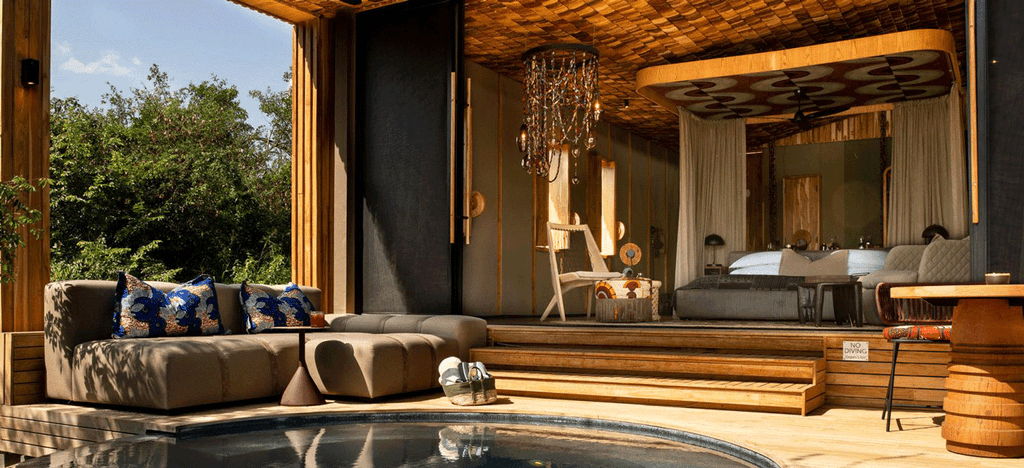
Mid-range lodges provide private rooms, proper beds and good meals offering a comfortable experience without excessive cost. Luxury lodges and camps can be extremely expensive often including premium services, fine dining and stunning locations.
The location of your accommodation also plays a major role in pricing. Lodges inside national parks are usually more expensive than those outside but they provide better access to wildlife and reduce travel time. Staying inside the park allows for early morning game drives which can significantly improve your chances of seeing animals.
Another important factor is what is included in the accommodation price. Some lodges offer full-board packages that include meals, drinks and activities, while others charge separately. A slightly more expensive lodge that includes everything can actually be more cost-effective in the long run.
When budgeting it is important to choose accommodation that matches your comfort level while ensuring you are close to key wildlife areas. This balance helps you maximize value without unnecessarily increasing your expenses.
Transportation Costs Add Up Quickly
Transportation is a major component of your safari budget and is often underestimated by travelers. In Tanzania safaris typically involve traveling long distances between national parks using 4×4 vehicles designed for rough terrain. These vehicles are not cheap to operate, and costs include fuel, maintenance and the driver-guide’s salary. All of these are factored into your safari price.
There are two main transport options road travel and domestic flights. Road travel is more affordable but can be time-consuming with some journeys taking several hours or even a full day. Domestic flights are much faster and more convenient but can significantly increase your budget. These flights are commonly used in luxury safaris to save time and enhance comfort.
Another factor to consider is whether you are sharing a vehicle or using a private one. Shared vehicles reduce costs by splitting expenses among travelers while private vehicles offer more flexibility but are more expensive. Long travel times can also affect your overall experience by reducing the time available for wildlife viewing.
Smart planning involves choosing parks that are close to each other to minimize travel time and costs. By optimizing your itinerary you can reduce transportation expenses while maximizing your time in the wild.
Travel Season Strongly Influences Prices
The time of year you choose to travel has a significant impact on your safari budget. Tanzania experiences different travel seasons each with its own pricing and conditions. The low season typically from March to May offers the lowest prices due to rain and fewer tourists. The high season, from June to October, provides excellent wildlife viewing but comes with higher costs. Peak season especially during the Great Migration is the most expensive time to visit.
Accommodation prices can increase dramatically during peak months, sometimes doubling compared to the low season. However, traveling during peak season is not the only way to have a great safari experience. Wildlife is present throughout the year and some parks are even more enjoyable when there are fewer crowds.
A smart approach is to consider shoulder seasons such as November or early June. These periods offer a balance between lower prices and good wildlife viewing conditions. Flexibility with travel dates can help you take advantage of better deals and avoid peak pricing. Understanding how seasons affect pricing allows you to plan a safari that fits your budget while still providing a memorable experience.
Group vs Private Safari Affects Cost Efficiency
Choosing between a group safari and a private safari is one of the most important decisions you will make when planning your Tanzania safari budget because it directly affects how your money is spent and how much flexibility you have during the trip. A group safari is usually the more affordable option because the costs of the vehicle, fuel and guide are shared among several travelers.
This significantly reduces the price per person making it ideal for solo travelers or those trying to minimize expenses. However group safaris come with limitations, such as fixed schedules, less flexibility in choosing destinations and limited time at wildlife sightings depending on group preferences.
On the other hand a private safari offers a completely personalized experience. You have full control over your itinerary, meaning you can decide how long to stay at a particular wildlife sighting, when to start your game drives and which parks to visit. This level of control enhances the overall experience especially for photographers or travelers who want a more relaxed pace. However the cost is much higher because you are not sharing expenses with others.
A smart strategy is to travel with a small group of friends or family. This allows you to split costs while still enjoying the flexibility of a private safari. Ultimately, the decision depends on your priorities if saving money is your main goal, a group safari is the better choice, but if you value freedom and comfort a private safari may be worth the extra cost.
Food and Service Levels Influence Overall Value
Food and service quality play a bigger role in your safari experience than many travelers initially expect and they can also influence your overall budget. In budget safaris, meals are usually simple and prepared by guides or camp staff. These meals are functional and filling but lack variety and presentation. While this helps keep costs low it may not provide the level of comfort some travelers prefer especially after long days of game drives.
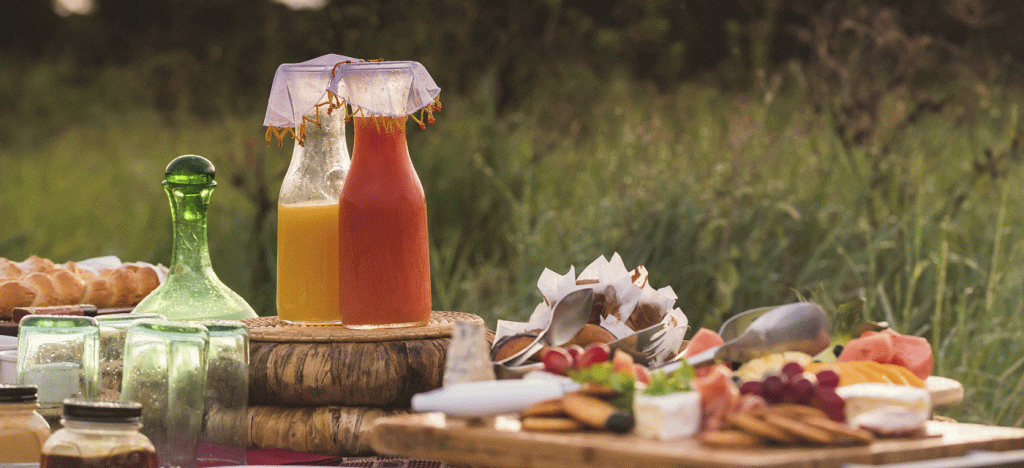
Mid-range and luxury safaris however offer a completely different dining experience. Meals are often prepared by professional chefs and can include a wide range of local and international dishes. Some lodges even provide buffet-style dining or multi-course meals, which significantly enhances the overall experience. In addition, service levels are much higher, with dedicated staff attending to guests’ needs, ensuring comfort and creating a more relaxed environment.
Another important factor is whether meals and drinks are included in your package. Some safari packages are full-board, meaning all meals are covered while others may charge separately for drinks and special dining experiences. A package that appears more expensive upfront may actually provide better value if it includes everything.
When budgeting it is important to consider not just the cost but the value you receive. Spending slightly more on better food and service can greatly improve your overall safari experience without dramatically increasing your total budget.
Extra Costs Can Increase Your Budget Significantly
One of the most common mistakes travelers make when planning a Tanzania safari is underestimating additional costs that are not included in the main package. These extra expenses can quickly add up and significantly increase your overall budget if not planned for in advance. One of the most important additional costs is tipping.
In Tanzania, tipping safari guides, drivers and lodge staff is customary and expected. Typically, travelers budget around $10 to $20 per person per day for tips depending on the level of service.
Another major cost is international airfare which can sometimes be as expensive as the safari itself. In addition you need to consider visa fees, which vary depending on your nationality as well as travel insurance which is highly recommended for any safari trip. Optional activities, such as hot air balloon safaris in the Serengeti can cost several hundred dollars but offer a unique and memorable experience.
Personal expenses, including drinks not included in your package, souvenirs and laundry services also contribute to your total spending. These smaller costs may seem insignificant individually but they add up over the course of your trip.
A smart budgeting approach is to allocate an additional 15 to 25 percent of your total safari budget for these extra costs. This ensures that you are financially prepared and can fully enjoy your experience without unexpected stress or limitations.
Safari Duration Impacts Total Spending
The length of your safari is a key factor in determining your total budget and it requires careful planning to strike the right balance between cost and experience. A longer safari naturally increases your total expenses because you are paying for more days of accommodation, park fees and guide services. However it is important to note that the cost per day may decrease slightly on longer safaris as certain fixed costs such as transportation are spread over more days.
Despite this adding extra days does not always mean a better experience. Spending too much time in areas with limited wildlife activity can reduce the overall value of your trip while increasing costs unnecessarily. On the other hand a safari that is too short may feel rushed and prevent you from fully enjoying the experience.
For most travelers a safari lasting between four and seven days provides the best balance. This duration allows enough time to explore major parks like Serengeti and Ngorongoro while keeping costs manageable. It also gives you flexibility to adapt your schedule based on wildlife sightings.
A smart approach is to focus on quality rather than quantity. Instead of visiting many parks in a short time, it is often better to spend more time in fewer locations where wildlife viewing is more rewarding. This strategy helps you maximize your experience while keeping your budget under control.
Smart Planning Maximizes Value, Not Just Cost
Budgeting for a Tanzania safari is not simply about spending less money it is about making smart decisions that maximize the value of every dollar you spend. Many travelers focus only on reducing costs but this approach can sometimes lead to a less enjoyable experience if important aspects are compromised. Instead the goal should be to allocate your budget in a way that enhances your overall safari experience.
Smart planning begins with understanding all the factors that influence your budget, including safari style, park fees, accommodation, transport and additional expenses. Once you have a clear picture of these elements you can make informed decisions about where to spend and where to save. For example you might choose a mid-range lodge instead of a luxury one but invest in a private guide for better wildlife viewing.
Another important aspect of smart planning is creating an efficient itinerary. Reducing unnecessary travel time choosing parks that are close to each other and avoiding peak pricing periods can all help you save money without sacrificing quality.
Ultimately the most successful safari experiences come from thoughtful planning rather than simply spending more money. By focusing on value instead of just cost you can create a safari that fits your budget while still delivering unforgettable memories and experiences.
Frequently Asked Questions for How Much Should You Budget for a Tanzania Safari?
How much should I budget for a Tanzania safari?
The cost of a Tanzania safari depends on your safari style, accommodation, park fees, transportation, travel season and trip duration. Budget, mid-range and luxury safaris can have significantly different prices. Planning these factors in advance helps you create a realistic safari budget.
Is Tanzania expensive for a safari?
Tanzania can be more expensive than some safari destinations because of national park fees, conservation charges, transportation and quality accommodation. However travelers can control costs by choosing budget or mid-range accommodation, traveling during lower seasons and joining a group safari.
What is the cheapest way to go on a Tanzania safari?
Joining a group safari, choosing budget camping accommodation and traveling during the low or shoulder season are some of the most effective ways to reduce safari costs. Working with a local operator such as Serengeti Travels can also help you choose an itinerary that fits your budget.
Are park fees included in Tanzania safari prices?
Park fees are commonly included in organized safari packages. These fees contribute to conservation, wildlife protection and park management. It is important to confirm exactly what is included in your safari quotation before booking.
Is a private Tanzania safari more expensive than a group safari?
Yes. Private safaris generally cost more because you are paying for dedicated transportation, a private guide and greater flexibility. Group safaris reduce the cost per person by sharing vehicle, guide and transportation expenses among travelers.
What type of accommodation is best for a Tanzania safari?
The best accommodation depends on your budget and comfort preferences. Camping is suitable for budget travelers, mid-range lodges provide a balance of comfort and cost while luxury lodges and tented camps offer premium services and additional amenities.
Does the time of year affect Tanzania safari prices?
Yes. Safari prices usually vary by season. Peak travel periods often have higher accommodation and tour prices, while the low and shoulder seasons can offer better value. Choosing travel dates carefully can help you control your overall safari budget.
How much extra money should I take on a Tanzania safari?
It is wise to keep additional money available for expenses such as tips, drinks, souvenirs, optional activities, visa costs and other personal expenses. Planning an extra amount beyond the main safari package can help avoid unexpected financial stress.
How many days should I spend on a Tanzania safari?
For many travelers four to seven days can provide a good balance between cost and wildlife experience. A longer safari allows more time to explore different areas while a shorter itinerary can reduce accommodation, park and transportation expenses.
Is a mid-range Tanzania safari good value for money?
Yes. A mid-range safari can offer an excellent balance between comfort and cost. Travelers can enjoy comfortable accommodation, professional guides, reliable transportation and excellent wildlife viewing without paying the premium prices associated with luxury safaris.
What additional costs should I consider when budgeting for a Tanzania safari?
Additional costs may include international flights, visa fees, travel insurance, tips, optional activities, drinks, souvenirs and laundry. Checking what your safari package includes before booking will help you estimate your total spending more accurately.
Can Serengeti Travels help me plan a Tanzania safari within my budget?
Yes. Serengeti Travels can help travelers select suitable safari styles, destinations, accommodation and itineraries based on their priorities and budget. This makes it easier to balance cost, comfort and wildlife experiences when planning a Tanzania safari.
Conclusion
Planning a Tanzania safari is not about choosing the cheapest or most expensive option. It is about making informed decisions that match your expectations, comfort level and budget. Serengeti Travels helps travelers understand the main factors that influence safari costs, including safari style, park fees, accommodation, transportation, travel season, group size and additional expenses.
There is no single correct price for a Tanzania safari because costs vary depending on the type of experience you want. Budget travelers can still enjoy Tanzania’s incredible wildlife and landscapes while mid-range and luxury travelers benefit from additional comfort, flexibility and convenience. Your choices directly influence both the price and the quality of your safari experience.
Smart planning can often be more important than spending more money. A carefully organized mid-range safari can provide excellent value, combining comfortable accommodation, reliable transportation, professional guiding and outstanding wildlife viewing without unnecessary expenses. Serengeti Travels can help travelers choose suitable options based on their priorities and available budget.
It is also important to understand where your safari money goes. Park fees contribute to conservation, transportation provides access to remote wildlife areas and accommodation ensures comfort during your stay. These costs support the services and infrastructure that make safari experiences possible.
Ultimately the best Tanzania safari is not determined by how much you spend but by how wisely your budget is used. With realistic expectations, careful planning and guidance from Serengeti Travels travelers can create a memorable Tanzania safari that fits their budget while experiencing some of Africa’s most remarkable wildlife and landscapes.