 English
 Deutsch
 Italia
May 23, 2026
Is a Serengeti Safari Worth It? Reasons the Serengeti is the best safari in Africa
Introduction
A Serengeti safari is widely regarded as one of the most iconic wildlife experiences in the world, attracting travelers, photographers, researchers and adventure seekers from every corner of the globe. Is a Serengeti Safari Worth It? Reasons the Serengeti is the best safari in Africa are closely connected to its incredible wildlife diversity, the Great Migration vast landscapes and unforgettable opportunities to experience animals in their natural habitat. Located in northern Tanzania, Serengeti National Park is part of a much larger ecosystem that stretches across vast plains, woodlands and river systems. It is most famous for its incredible wildlife density, spectacular migration and untouched natural beauty.
For many people however the idea of visiting the Serengeti raises an important question: is it really worth it? Safaris often come with significant costs, long travel times and logistical planning. Because of this, travelers naturally want to know whether the experience justifies the investment. The answer depends on what kind of travel value a person is seeking.
If you are looking for shopping, city entertainment or luxury resorts alone, then a safari may feel very different from traditional vacations. But if your goal is to experience raw nature, witness animals in their natural habitat and connect deeply with the natural world, then the Serengeti stands in a category of its own.
What makes this destination special is not just one attraction but the combination of many extraordinary elements working together. Endless golden plains, powerful predator-prey interactions, massive animal migrations, diverse ecosystems and peaceful moments under African skies all contribute to an experience that cannot be easily replicated elsewhere.
This guide explores 25 high-value reasons why a Serengeti safari is worth it. Each point breaks down a different aspect of the experience, from wildlife and landscapes to emotional impact and conservation value. Together, they provide a complete understanding of why the Serengeti is considered one of the greatest safari destinations on Earth and why it continues to leave a lasting impression on visitors.
Table of contents
- Introduction
- Extraordinary Wildlife Concentration
- The Great Migration as a Global Natural Wonder
- Reliable Big Five Opportunities
- Deep Sense of Authentic Wilderness
- Ever-Changing Landscapes and Natural Beauty
- Diversity of Ecosystems Enhances Every Game Drive
- Highly Skilled and Knowledgeable Safari Guides
- Close and Safe Wildlife Encounters
- A Destination Worth Visiting All Year Round
- Cultural Connections and Local Experiences
- Wide Range of Accommodation Options for Every Budget
- World-Class Photography Opportunities
- Constant Sense of Adventure and Unpredictability
- Opportunity to Disconnect and Reset Mentally
- Strong Educational and Learning Experience
- It Combines Adventure and Relaxation
- Direct Contribution to Wildlife Conservation
- Unique Nighttime Atmosphere and Sounds
- A Balance Between Adventure and Safety
- A True Once-in-a-Lifetime Experience
- Deep Emotional and Personal Impact
- Incredible Birdlife Diversity
- Rare and Memorable Predator Behavior
- Vast, Uncrowded Landscapes
- Strong Sense of Connection With Nature
- Lifetime Memories That Never Fade
- Frequently Asked Questions for Is a Serengeti Safari Worth It? Reasons the Serengeti is the best safari in Africa
- Conclusion
Extraordinary Wildlife Concentration
One of the strongest reasons a Serengeti safari is worth it is the sheer density of wildlife found within the ecosystem. Unlike many other destinations where animal sightings can feel unpredictable or rare, the Serengeti consistently delivers high-quality encounters.
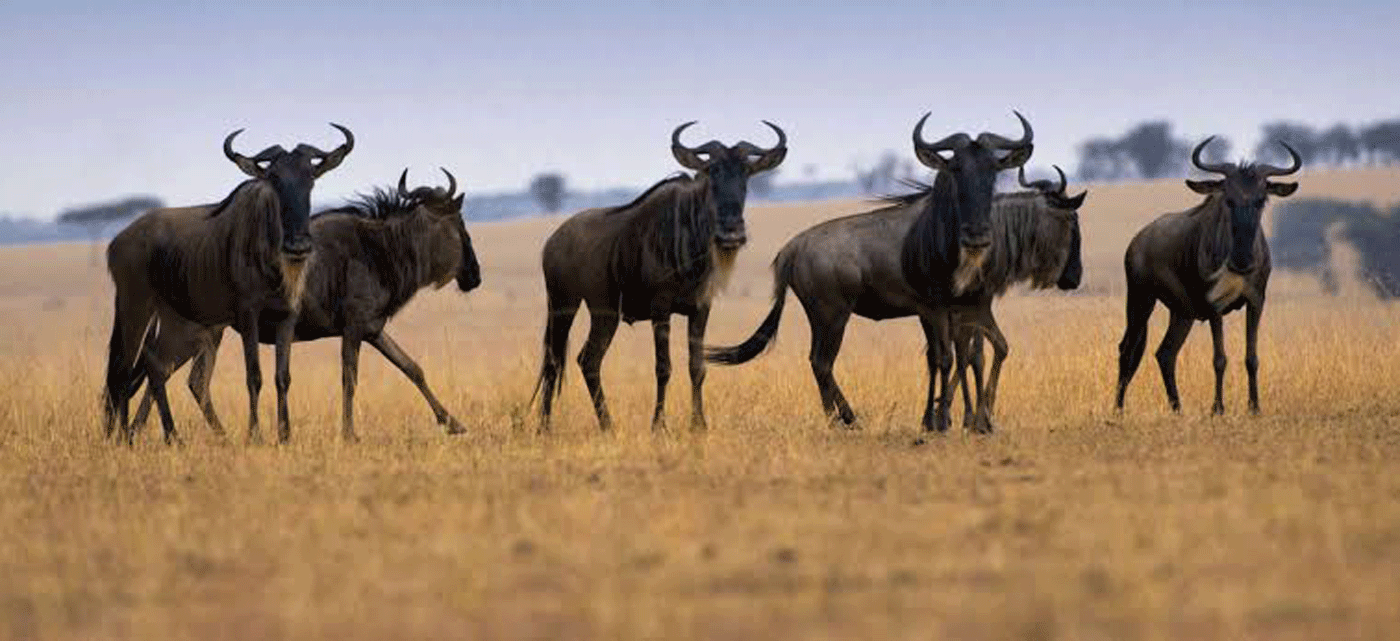
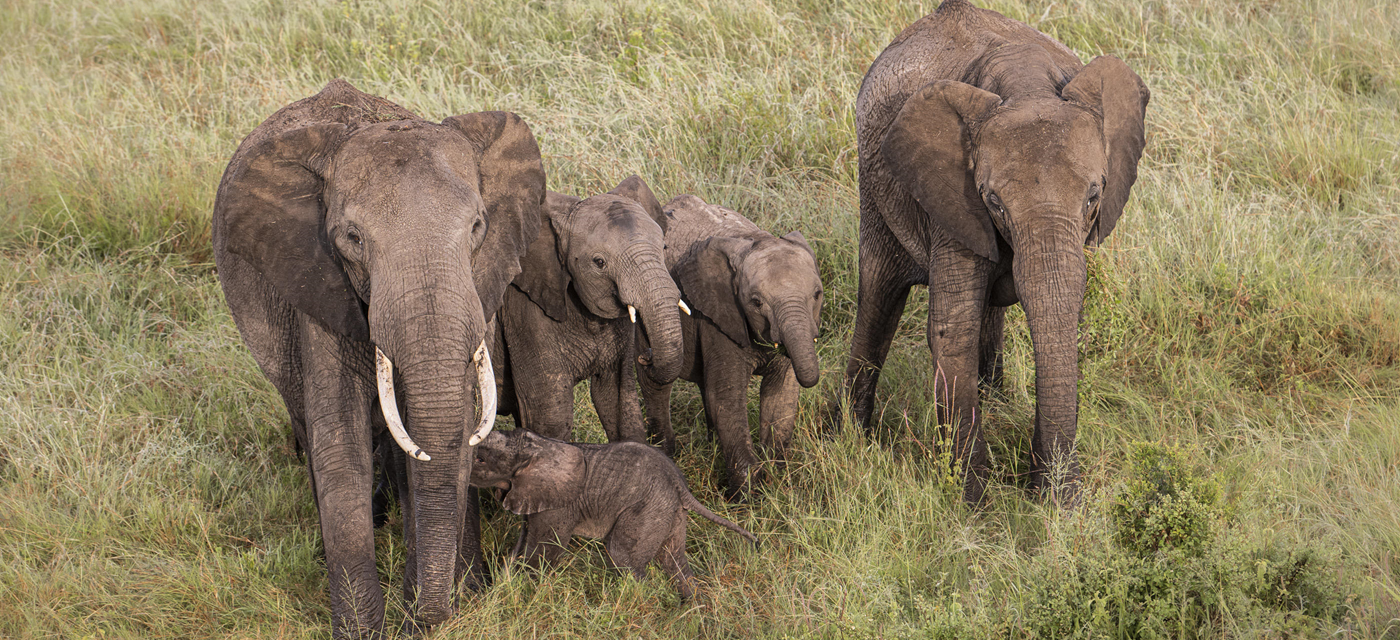
The plains are filled with thousands of grazing animals such as wildebeest, zebras and gazelles creating a living landscape that is constantly moving and evolving. This abundance naturally attracts predators, meaning that lions, cheetahs, hyenas and leopards are never far away.
What makes this especially valuable is efficiency. On a typical game drive, you are almost guaranteed to see multiple species without long hours of searching. This increases the overall satisfaction of the safari experience, particularly for travelers with limited time. Instead of spending days hoping for a single good sighting the Serengeti provides daily excitement.
Another important factor is natural behavior. Because of the large population sizes animals behave in a completely authentic way. Predators hunt regularly, herds migrate naturally and interactions happen in real time without human influence. This creates a dynamic environment where no two drives are ever the same.
For anyone investing in a safari this level of wildlife concentration ensures that the experience feels rich, active and worth the cost. It removes uncertainty and replaces it with consistent memorable encounters that justify the journey.
The Great Migration as a Global Natural Wonder
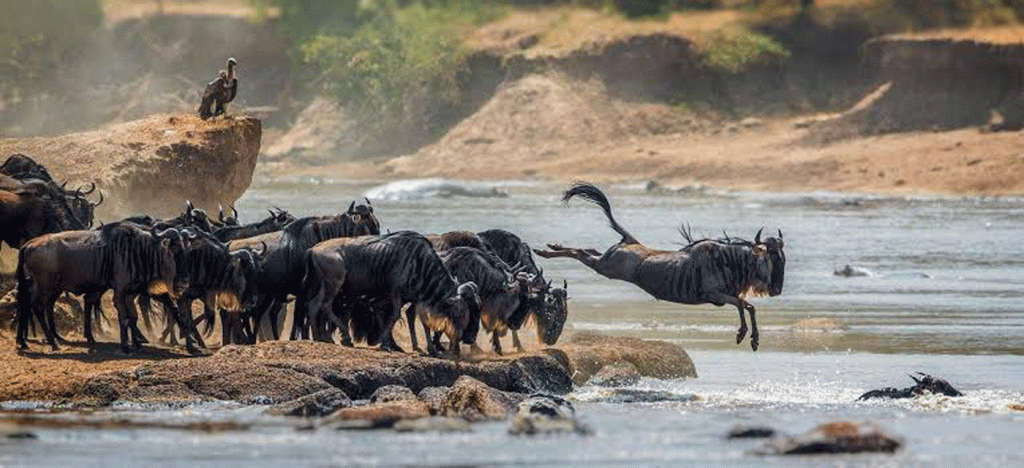
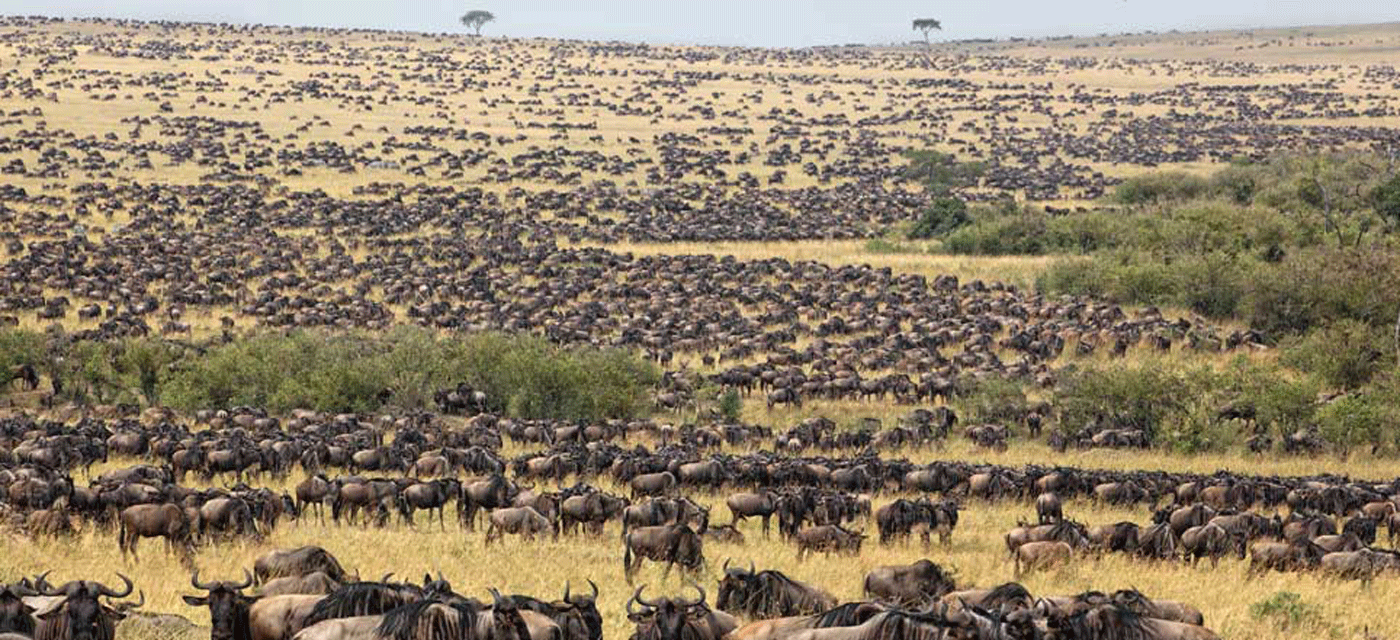
The Great Migration is often described as one of the most remarkable wildlife events on the planet and it is a key reason why the Serengeti stands above other safari destinations. Each year more than a million wildebeest along with hundreds of thousands of zebras and gazelles move in a continuous cycle across the Serengeti ecosystem in search of fresh grazing land and water. This movement is driven by rainfall patterns making it both predictable in timing and unpredictable in exact location.
What makes the migration truly special is its scale and intensity. It is not just about large numbers of animals it is about the drama that comes with them. River crossings particularly at the Mara River are among the most iconic safari moments. Animals gather at the riverbanks, hesitant and alert before suddenly rushing into the water where crocodiles lie in wait. The result is a powerful display of survival, instinct and chaos that is unforgettable.
Beyond crossings, the migration includes calving season where thousands of young animals are born within a short period. This attracts predators and creates constant interaction between species. The entire cycle represents life, death and renewal in its most natural form.
Witnessing even a part of the migration provides a deep appreciation for the complexity of ecosystems. It is not just a visual spectacle it is a moving story of survival making it one of the most valuable travel experiences in the world.
Reliable Big Five Opportunities
The Serengeti is one of the few places where you have a realistic chance of seeing the Big Five animals in their natural habitat. These animals lion, elephant, leopard, buffalo and rhinoceros have become symbolic of African safaris but not all destinations offer equal opportunities to see them. In the Serengeti the chances are significantly higher due to the size and health of the ecosystem.
Lions are particularly abundant often seen resting on rocky kopjes or moving through the grasslands in search of prey. Elephants travel in family groups and are commonly encountered while buffalo herds can number in the hundreds. Leopards are more elusive but are regularly spotted by experienced guides who know their preferred habitats especially near riverine trees.
Rhinos are the rarest of the five but protected areas within the broader ecosystem still offer opportunities for sightings. Even if you do not see all five encountering several of these animals in a single trip is highly likely.
The importance of the Big Five goes beyond tourism appeal. Each species plays a critical role in the ecosystem and observing them in the wild provides insight into how nature maintains balance. For many travelers completing the Big Five becomes a personal milestone adding a sense of achievement to the journey.
This reliability makes the Serengeti a strong investment for safari travelers seeking iconic wildlife experiences.
Deep Sense of Authentic Wilderness
A Serengeti safari offers something increasingly rare in modern travel a true sense of untouched wilderness. There are no urban distractions, no artificial attractions and no staged experiences. What you encounter is entirely natural shaped only by the rhythms of the environment and the behavior of wildlife.
This authenticity is one of the most valuable aspects of the experience. Game drives take place across vast open landscapes where animals move freely without fences restricting their behavior. You are not observing a curated version of nature you are stepping into a living ecosystem that operates independently of human control.
Accommodation, especially in tented camps, enhances this connection. At night the sounds of the wild become part of your environment lions roaring in the distance, hyenas calling and insects creating a constant background rhythm. These elements create an immersive atmosphere that cannot be replicated in cities or resorts.
This level of immersion encourages a deeper appreciation of nature. It allows you to slow down, observe and connect with your surroundings in a meaningful way. For many travelers this becomes one of the most memorable aspects of the entire trip. The Serengeti’s authenticity is not just a feature it is the core of its value, offering an experience that feels real, raw and unforgettable.
Ever-Changing Landscapes and Natural Beauty
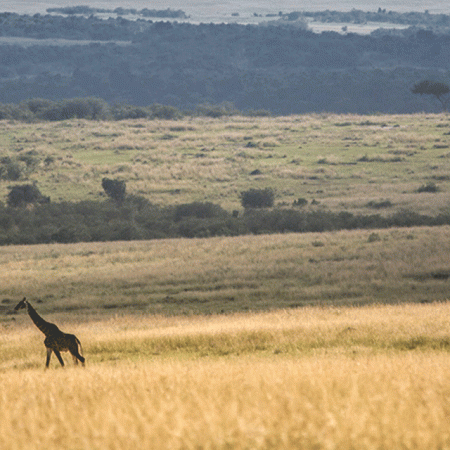
The Serengeti is not a static destination its landscapes change continuously with the seasons creating a dynamic visual experience that enhances every safari. From wide golden plains to lush green fields during the rainy season the environment transforms in ways that directly influence both scenery and wildlife behavior.
During the dry season the becomes more open and sparser making it easier to spot animals gathering around limited water sources. This often leads to dramatic wildlife concentrations and increased predator activity. In contrast the wet season brings vibrant greenery, blooming and a sense of renewal that supports calving and new life.
The presence of different landscape features adds further variety. Rocky outcrops known as kopjes provide shelter for predators and offer elevated viewpoints across the plains. River systems attract hippos, crocodiles and a wide range of birdlife creating completely different ecosystems within the same region.
Sunrises and sunsets are particularly striking due to the openness of the terrain. With no buildings or obstructions, the sky becomes a canvas of shifting colors enhancing the overall atmosphere of the safari. This constant variation ensures that no two visits feel the same. Whether you come for wildlife, photography or natural beauty the Serengeti delivers a rich and evolving environment that keeps the experience fresh and engaging.
Diversity of Ecosystems Enhances Every Game Drive
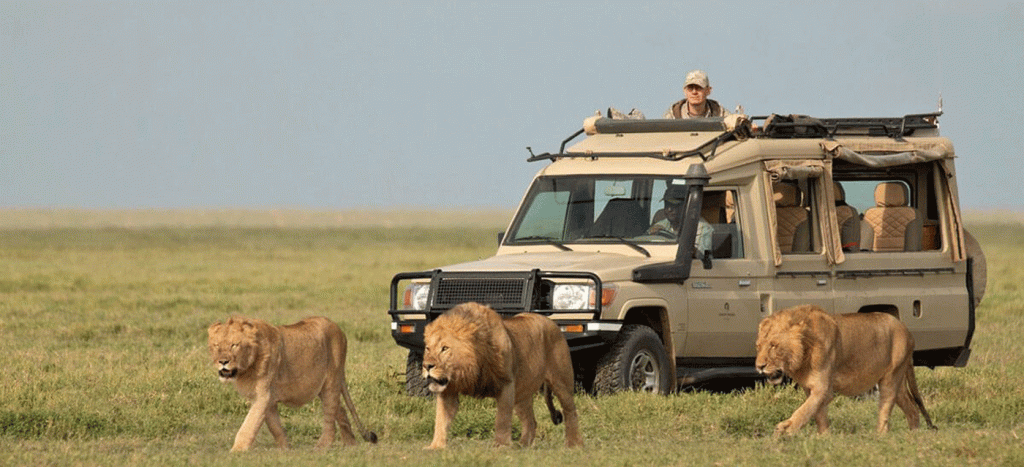
One of the most underrated reasons a Serengeti safari is worth it is the diversity of ecosystems within the park. Many people imagine the Serengeti as just endless grassland but in reality it is a complex mix of habitats including open plains, riverine forests, wetlands, woodlands and rocky kopjes. Each of these environments supports different types of wildlife which means your experience changes depending on where you go.
For example, the open plains are ideal for spotting large herds of grazing animals like wildebeest and zebras along with predators such as cheetahs that rely on speed and visibility. In contrast riverine areas attract animals like hippos, crocodiles and elephants while also serving as hunting grounds for leopards that prefer tree cover. Kopjes, the rocky outcrops scattered across the landscape are often home to lions and other predators that use the elevation as a vantage point.
This ecological variety ensures that no two game drives feel repetitive. Even within a single day you can move between different environments and observe entirely different sets of species and behaviors. It also increases the chances of rare sightings since certain animals are only found in specific habitats.
For travelers this diversity adds significant value. It transforms the safari from a simple wildlife viewing activity into a broader exploration of ecosystems and how they interact. This depth makes the Serengeti experience far more engaging and educational.
Highly Skilled and Knowledgeable Safari Guides
The quality of your safari experience in the Serengeti is greatly enhanced by the expertise of professional guides. These guides are not just drivers they are trained naturalists with deep knowledge of animal behavior, tracking techniques and the overall ecosystem. Their ability to interpret the environment adds a level of understanding that would be impossible to achieve alone.
Guides can read subtle signs such as footprints, broken branches or alarm calls from birds and other animals. These clues often lead to sightings that would otherwise be missed. For example, a guide might recognize that a group of antelope is behaving nervously and deduce that a predator is nearby. Moments later you could be witnessing a lion or cheetah preparing to hunt.
In addition to finding animals guides explain what you are seeing. They provide context about social structures, hunting strategies, migration patterns and conservation challenges. This turns each sighting into a learning opportunity rather than just a visual experience.
Another important aspect is safety. Guides are trained to approach wildlife in a way that minimizes risk while still allowing close observation. They understand animal behavior and know when to keep distance or move away.
Overall, the presence of skilled guides significantly increases the value of a Serengeti safari. They transform the experience from passive observation into an informed and immersive journey through one of the world’s most complex ecosystems.
Close and Safe Wildlife Encounters
A Serengeti safari offers the rare opportunity to observe wild animals at close range while maintaining a high level of safety. This balance is one of the key reasons the experience feels both thrilling and accessible. Safari vehicles are designed to allow proximity without disturbing the animals and wildlife in the Serengeti is generally accustomed to these vehicles seeing them as neutral elements rather than threats.
This means you can often approach animals within a surprisingly short distance. Watching a pride of lions resting just meters away or seeing elephants calmly cross in front of your vehicle creates a powerful sense of connection. These moments are intense, real and unforgettable offering a perspective that cannot be matched by documentaries or photographs.
The safety aspect is equally important. Guides follow strict protocols to ensure that interactions remain respectful and non-intrusive. Vehicles stay on designated paths and behavior is carefully managed to avoid stressing animals or putting visitors at risk. This structured approach allows you to experience the wild without unnecessary danger.
These close encounters also deepen your understanding of animal behavior. You can observe details such as facial expressions interactions between group members and subtle movements that are not visible from a distance. For many travelers these moments become the highlight of the entire trip. The combination of proximity, authenticity and safety creates an experience that feels both adventurous and reassuring at the same time.
A Destination Worth Visiting All Year Round
Unlike some travel destinations that are only appealing during certain seasons the Serengeti offers a rewarding experience throughout the entire year. This flexibility is a major advantage as it allows travelers to plan their safari based on personal schedules rather than being restricted to a narrow time window.
Each season brings its own unique characteristics. During the dry season vegetation is thinner and animals tend to gather around limited water sources making them easier to spot. This is often considered one of the best times for general wildlife viewing. In contrast the wet season transforms the landscape into lush green plains supporting new plant growth and creating ideal conditions for calving.
The calving season, in particular is a highlight. Thousands of young animals are born within a short period attracting predators and leading to frequent interactions. This creates a dynamic environment full of activity and life. Birdwatching is also excellent during the wet season as migratory species arrive and add to the diversity of birdlife in the region. Photographers often prefer this time due to the vibrant colors and dramatic skies.
This year-round appeal ensures that the Serengeti is always worth visiting regardless of when you go. It also means that repeat visits can offer completely different experiences adding long-term value for travelers who wish to return.
Cultural Connections and Local Experiences
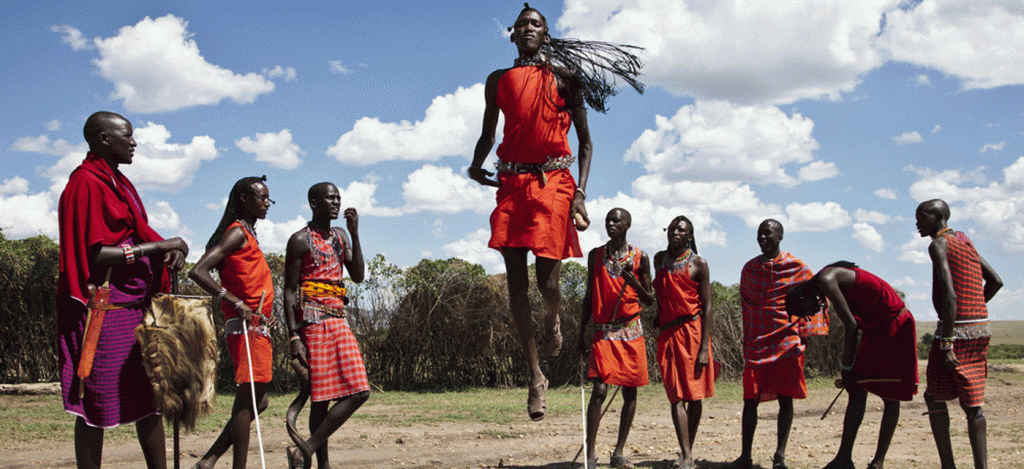
While the Serengeti is primarily known for its wildlife the surrounding regions offer meaningful cultural experiences that add depth to your journey. One of the most well-known communities in the area is the Maasai whose traditional lifestyle has remained closely connected to the land for generations.
Visiting a Maasai village provides insight into a way of life that is very different from modern urban living. You can learn about their customs, social structures and relationship with livestock and wildlife. These interactions help you understand how local communities coexist with the natural environment often in challenging conditions.
Cultural experiences also highlight the human side of conservation. Many local communities play a role in protecting wildlife, whether through tourism partnerships, conservation programs or sustainable practices. Seeing this connection firsthand adds a new layer of appreciation to your safari.
In addition to Maasai culture, you may encounter other local traditions, crafts and storytelling practices that reflect the region’s heritage. These experiences provide context and meaning beyond the wildlife itself.
For travelers seeking more than just animal sightings cultural interactions offer a broader perspective. They turn the safari into a more complete journey that includes both natural and human elements making the overall experience richer and more memorable.
Wide Range of Accommodation Options for Every Budget
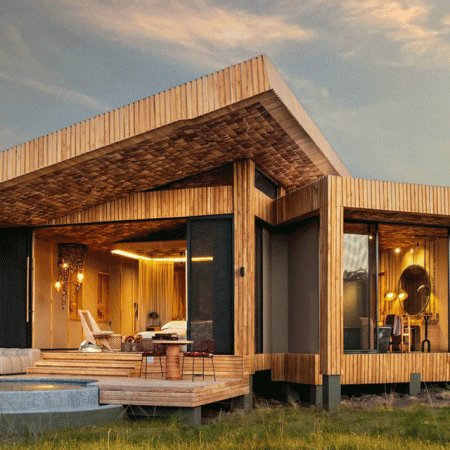
One of the key reasons a Serengeti safari is worth it is the flexibility in accommodation choices. Contrary to the belief that safaris are only for luxury travelers the Serengeti offers a wide spectrum of options ranging from basic campsites to high-end lodges. This variety allows different types of travelers to experience the park without being completely limited by budget.
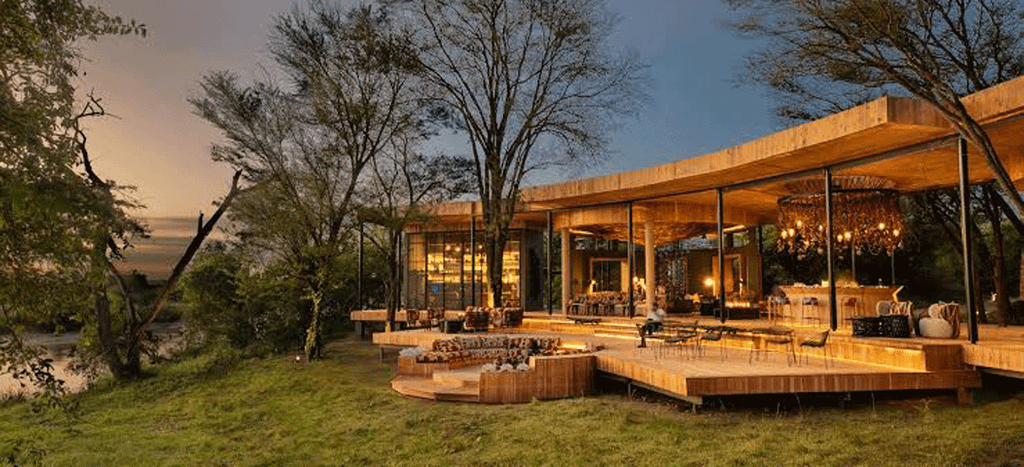
Budget camping is the most affordable option and still provides an authentic safari feel. You stay close to nature often hearing wildlife at night which enhances the overall experience. Mid-range lodges offer a balance between comfort and cost including proper beds, private bathrooms and good meals. These are ideal for travelers who want convenience without excessive spending.
Luxury camps and lodges on the other hand, deliver premium experiences such as private game drives, fine dining and high-end facilities. While expensive they provide exceptional service and comfort in the middle of the wilderness. This range ensures that the Serengeti is not a one-size-fits-all destination. You can adjust your experience based on your priorities whether that is saving money or maximizing comfort.
The availability of options increases the overall value of the safari. It allows more people to access the experience while still maintaining quality across different price levels.
World-Class Photography Opportunities
The Serengeti is one of the best places in the world for wildlife and landscape photography. The combination of abundant animals, open landscapes, and dramatic lighting creates ideal conditions for capturing powerful images. Whether you are a professional photographer or a beginner using a smartphone the environment naturally supports great results.
One of the biggest advantages is visibility. The open plains allow clear unobstructed views of animals making it easier to frame shots. Unlike dense forests where animals can be hidden the Serengeti provides wide angles and natural backgrounds that enhance composition.
Lighting plays a major role as well. Early mornings and late afternoons, often called golden hours, produce soft, warm light that adds depth and color to photographs. Sunsets and sunrises create dramatic skies that can transform even simple scenes into striking visuals.
Wildlife behavior also adds value. Capturing moments such as a lion hunt, elephants interacting or birds in flight creates dynamic and meaningful images. These are not staged scenes they are real events happening in real time. Photography in the Serengeti is not just about taking pictures it is about telling a story. Each image reflects a moment in the ecosystem making your photos more than just souvenirs.
Constant Sense of Adventure and Unpredictability
A Serengeti safari offers a level of adventure that is difficult to match in other types of travel. Every game drive is unpredictable which keeps the experience exciting from start to finish. Unlike structured tours where activities follow a fixed schedule a safari is shaped by nature itself.
You never know what you will encounter. One moment you might be watching a peaceful herd grazing and the next you could witness a predator stalking its prey. This unpredictability creates a sense of anticipation that makes each day feel fresh and engaging.
The terrain itself adds to the adventure. Driving through open plains, crossing small rivers or navigating rough tracks creates a physical sense of exploration. You are not just observing you are actively moving through a wild environment.
Weather conditions can also influence the experience. Sudden rain can transform the landscape while dry conditions can concentrate wildlife around water sources. These changes keep the safari dynamic and prevent it from becoming repetitive.
For travelers seeking more than relaxation this constant variation is highly valuable. It creates stories, memories and moments that feel unique and personal. The Serengeti is not predictable and that is exactly what makes it exciting.
Opportunity to Disconnect and Reset Mentally
In today’s fast-paced world finding a place to truly disconnect is becoming increasingly difficult. The Serengeti provides that opportunity in a natural and powerful way. With limited internet access and minimal digital distractions you are encouraged to step away from screens and focus on the present moment.
This disconnection is not a limitation it is a benefit. It allows your mind to slow down and adjust to a more natural rhythm. Early mornings, long game drives and quiet evenings create a routine that feels calm and balanced.
The environment itself contributes to this mental reset. The absence of urban noise combined with the sounds of nature creates a peaceful atmosphere. Watching animals, observing landscapes and simply being present in the moment can reduce stress and improve overall well-being.
Many travelers report feeling refreshed and mentally clear after a safari. It provides a break from constant notifications, deadlines and routines replacing them with simplicity and awareness. This aspect of the experience is often underestimated but adds significant value. A Serengeti safari is not just an external journey it is also an internal one that helps you reconnect with yourself.
Strong Educational and Learning Experience
A Serengeti safari is not only about entertainment it is also a powerful learning experience. Being in a real ecosystem allows you to understand concepts that are difficult to grasp through books or documentaries alone. You see how animals interact how food chains operate and how environmental factors influence behavior.
Guides play a key role in this educational aspect. They explain complex ideas in simple ways helping you understand topics such as predator-prey relationships, migration patterns and conservation challenges. This turns each game drive into a moving classroom.
You also learn about environmental balance. For example observing how herbivores depend on rainfall and vegetation helps you understand the importance of climate and natural cycles. Seeing predators hunt shows how ecosystems regulate themselves. This knowledge often stays with travelers long after the trip ends. It can influence how you view nature, conservation and even global environmental issues.
For families the Serengeti is especially valuable as an educational destination. Children and adults alike gain firsthand knowledge that is both engaging and memorable. This combination of learning and experience adds depth to the safari making it more than just a trip it becomes an opportunity for personal growth and understanding.
It Combines Adventure and Relaxation
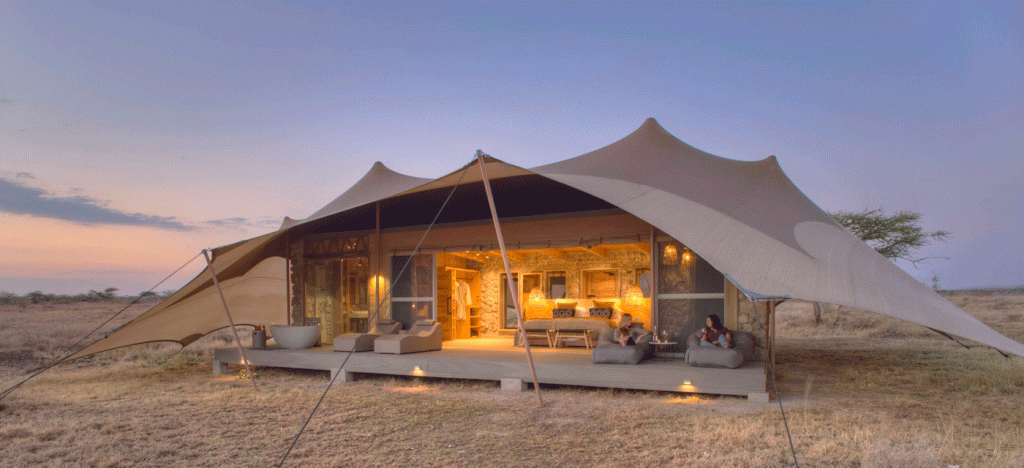
A Serengeti safari combines adventure, excitement and relaxation in a way that few other holidays can match. Each game drive brings a sense of anticipation as you travel across the plains searching for lions, elephants, leopards, cheetahs, giraffes and other wildlife in their natural habitat. You never know what you might encounter around the next bend, which makes every drive feel like a genuine adventure.
At the same time, a Serengeti safari does not have to be rushed or exhausting. Between game drives, travelers can enjoy peaceful moments at their lodge or tented camp surrounded by the sounds and scenery of the African wilderness. Sitting outside while watching the sunset enjoying a quiet meal or simply taking in the endless landscapes provides an opportunity to slow down and appreciate the natural environment.
This combination allows travelers to experience both the thrill of wildlife viewing and the peaceful atmosphere of the Serengeti. A morning game drive may bring an exciting wildlife encounter while the afternoon can be spent relaxing at camp and enjoying the surrounding scenery. In the evening, travelers can unwind beneath the African sky and reflect on the day’s experiences.
The balance between adventure and relaxation makes a Serengeti safari suitable for different types of travelers. Whether you enjoy exciting wildlife encounters, peaceful landscapes or both the Serengeti provides an experience that feels rewarding without being limited to one type of vacation.
Direct Contribution to Wildlife Conservation
One of the most meaningful reasons a Serengeti safari is worth it is its direct contribution to wildlife conservation. When you visit the Serengeti a significant portion of what you pay including park fees, permits and accommodation costs goes toward protecting the ecosystem. This funding supports anti-poaching efforts, habitat preservation, wildlife monitoring and park management.
Without tourism maintaining such a vast protected area would be extremely difficult. The Serengeti is enormous and safeguarding its wildlife requires resources, trained personnel and continuous monitoring. Tourist revenue helps fund ranger patrols, conservation programs and scientific research that ensure animals and their habitats remain protected.
Another important aspect is community involvement. Many conservation initiatives include local communities providing them with employment and economic benefits linked to tourism. This creates a system where protecting wildlife becomes more valuable than exploiting it. As a result tourism helps reduce illegal activities such as poaching or land encroachment.
Visitors also gain awareness of conservation challenges. Seeing wildlife in its natural environment often creates a stronger emotional connection encouraging people to support conservation efforts even after they return home.
This means your safari is not just a personal experience it is part of a larger system that helps preserve one of the world’s most important ecosystems. That added purpose significantly increases the value of the trip.
Unique Nighttime Atmosphere and Sounds
The Serengeti offers a completely different experience after sunset and this is something that adds significant depth to a safari. While most wildlife viewing happens during the day nighttime in the Serengeti brings its own atmosphere that is equally powerful and memorable.
When darkness falls the landscape becomes quiet in a different way. Without city lights the sky is incredibly clear revealing a vast number of stars. This alone creates a sense of awe and connection to the natural world. Sitting around a campfire or relaxing outside your tent under this sky becomes a highlight of the experience.
At the same time the sounds of the wild become more noticeable. You may hear lions roaring in the distance, hyenas calling to each other or the subtle movements of animals nearby. These sounds are not just background noise they remind you that you are in a living active ecosystem.
For those staying in tented camps this experience becomes even more immersive. The thin barrier between you and the environment makes every sound feel closer and more real adding a sense of excitement and authenticity.
This nighttime dimension transforms the safari into a 24-hour experience. It extends the connection with nature beyond game drives and creates moments that are often just as memorable as daytime wildlife sightings.
A Balance Between Adventure and Safety
A Serengeti safari offers a rare balance between true wilderness adventure and structured safety. This combination is what makes it appealing to a wide range of travelers including those who may not normally consider visiting remote or wild environments.
On one hand the Serengeti is genuinely wild. Animals roam freely, landscapes are vast and undeveloped and the experience feels raw and authentic. This creates a strong sense of adventure as you are entering an environment that operates independently of human control.
On the other hand, safaris are carefully managed to ensure safety. Guides are trained to understand animal behavior and to maintain appropriate distances. Vehicles are designed for both visibility and protection and camps follow strict protocols to minimize risk.
This structure allows you to experience close encounters with wildlife without unnecessary danger. You can watch predators, observe large animals and explore remote areas while knowing that your guide is managing the situation.
For many travelers this balance is essential. It provides the excitement of adventure without the stress or fear that might come with unmanaged wilderness travel. The result is an experience that feels thrilling but controlled allowing you to fully enjoy the environment with confidence. This combination significantly adds to the overall value of a Serengeti safari.
A True Once-in-a-Lifetime Experience
For many people visiting the Serengeti is not just another trip it is a once-in-a-lifetime experience. This perception is not simply due to cost or distance but because of the uniqueness of what the destination offers. There are very few places in the world where you can witness such a large intact ecosystem functioning naturally.
The scale of the Serengeti combined with its wildlife and landscapes creates a sense of rarity. You are not just visiting a location you are experiencing something that exists in only a handful of places globally. This makes the trip feel special and significant.
Even for experienced travelers the Serengeti often stands out as one of the most memorable destinations they have visited. The combination of wildlife encounters, natural beauty and emotional impact creates lasting memories that are difficult to match.
Because of this many people approach the trip with a sense of importance. They see it as an opportunity to experience something extraordinary at least once in their lives. This mindset often increases the perceived value of the safari making it feel worth the investment. Whether or not you return the experience leaves a strong impression that stays with you for years reinforcing its status as a truly unique journey.
Deep Emotional and Personal Impact
Beyond all the practical and visual benefits one of the strongest reasons a Serengeti safari is worth it is the emotional impact it creates. Being in such a vast, natural environment can change how you think and feel in ways that are difficult to predict.
The scale of the landscape alone can be humbling. Standing in an open plain with no visible boundaries creates a sense of perspective that is hard to find in everyday life. It reminds you of how small you are within the larger natural world.
Watching animals live freely also creates a powerful connection. You see moments of survival, cooperation and instinct that feel raw and real. These experiences can be both exciting and reflective encouraging you to think differently about nature and your relationship to it.
Many travelers describe feeling a sense of calm and clarity during their safari. The combination of natural beauty, quiet surroundings and meaningful experiences helps reduce stress and creates a lasting sense of well-being. This emotional depth is what transforms the safari from a simple trip into something more meaningful. It is not just about what you see it is about how the experience affects you long after it ends.
Incredible Birdlife Diversity
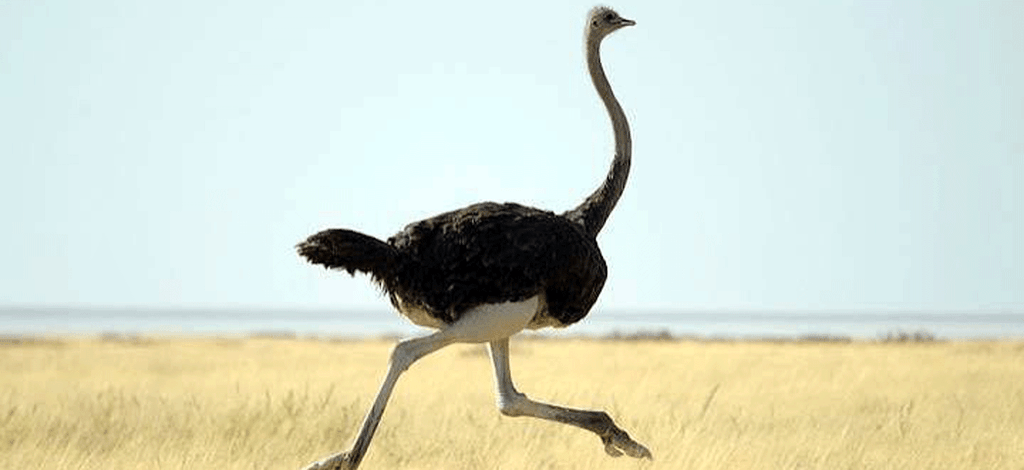
A Serengeti safari is not only about large mammals it is also one of the richest birdwatching destinations in Africa. The ecosystem supports over 500 bird species ranging from large ostriches to colorful lilac-breasted rollers and powerful raptors like eagles and vultures. This diversity adds another layer of value to the safari experience, especially for nature lovers and photographers.
Birdlife in the Serengeti is constantly active. During the early morning you will hear constant calls, songs and movement as birds begin their daily routines. Wetland areas attract waterbirds such as flamingos, herons and storks while open plains are home to ground birds like bustards and secretary birds. Trees and riverine forests provide shelter for hornbills, weavers and kingfishers.
Birds also play an important ecological role. Many scavenger species such as vultures help clean the environment by feeding on remains from predator kills. Raptors help control smaller animal populations maintaining ecological balance.
For bird enthusiasts the Serengeti offers a constantly rewarding experience. Even for casual observers, the variety and beauty of bird species enhance every game drive. The presence of birds adds movement, sound and color to the landscape making the entire ecosystem feel more alive and dynamic.
This hidden layer of biodiversity is often underestimated but it significantly increases the overall richness of a Serengeti safari.
Rare and Memorable Predator Behavior
One of the most powerful aspects of a Serengeti safari is the opportunity to observe predator behavior in the wild. Unlike in controlled environments predators in the Serengeti operate entirely based on survival instincts, creating dramatic and unforgettable moments.
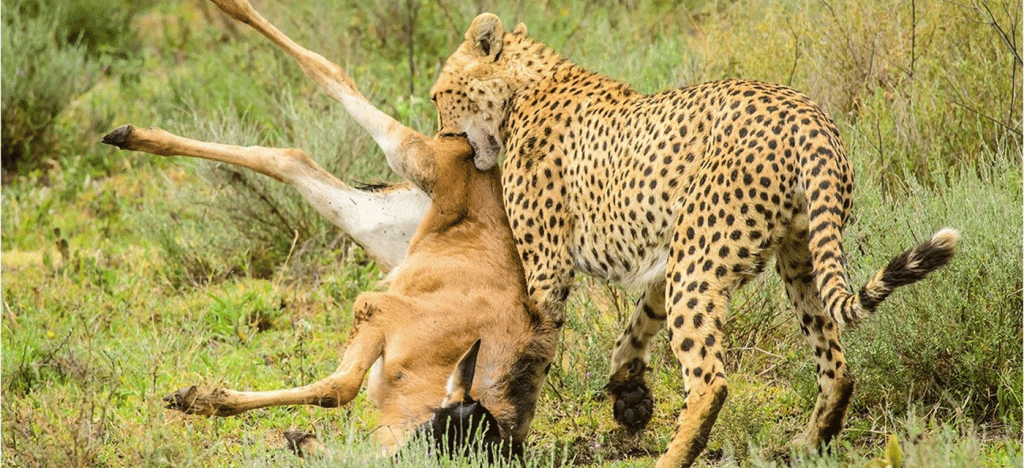
Lions hunting in coordinated groups, cheetahs chasing prey at high speed and hyenas working together to scavenge or hunt all represent different survival strategies. These behaviors are not staged they happen naturally as part of the ecosystem’s balance.
Watching a hunt unfold is one of the most intense experiences in wildlife tourism. It involves patience, tension and sudden bursts of action. Even when hunts are not successful, the preparation and interaction between animals are fascinating to observe.
Predators also display complex social structures. Lion prides show family bonds, cooperation and territorial behavior. Leopards are solitary and strategic while cheetahs rely on speed and precision. Each species offers a different perspective on survival in the wild. These moments are unpredictable which makes them even more valuable. You never know when or where you might witness them adding excitement to every drive.
This access to real predator behavior is one of the strongest reasons the Serengeti is considered a world-class safari destination.
Vast, Uncrowded Landscapes
The Serengeti is famous for its vast open spaces which create a sense of freedom and isolation that is increasingly rare in today’s world. Unlike crowded tourist attractions the Serengeti offers wide, uninterrupted views of nature without buildings, traffic or urban noise.
This openness enhances the safari experience in several ways. First, it allows animals to move freely across the landscape creating natural migration patterns and behaviors. Second it gives visitors a feeling of being immersed in something much larger than themselves. Even during peak tourist seasons the size of the park ensures that you rarely feel crowded. Game drives often take place in areas where the only visible movement is wildlife not other vehicles.
This lack of congestion also improves wildlife viewing. Animals are not overwhelmed by human presence so they behave naturally and remain relaxed. This leads to more authentic encounters. For many travelers this sense of space is deeply refreshing. It contrasts sharply with busy cities and tourist-heavy destinations. The result is a calmer more personal experience that feels exclusive even when shared with others.
The Serengeti’s vastness is not just physical it is emotional. It creates a sense of scale that makes the experience feel truly extraordinary.
Strong Sense of Connection With Nature
A Serengeti safari creates a powerful emotional and intellectual connection with the natural world. Being surrounded by wildlife, landscapes and natural rhythms encourages a deeper understanding of how ecosystems function.
Unlike observing nature through screens or documentaries being physically present allows you to experience it fully. You see how animals depend on each other how seasons influence behavior and how survival shapes every aspect of life in the wild.
This connection often leads to greater appreciation for conservation. Many travelers leave the Serengeti with a renewed interest in protecting wildlife and natural habitats. Seeing the fragility and beauty of the ecosystem firsthand creates a lasting impression.
There is also a personal aspect to this connection. The silence, space and natural beauty allow for reflection. Many people find that they think more clearly and feel more grounded during their safari experience. This emotional bond is one of the reasons the Serengeti stands out compared to other travel destinations. It is not just about sightseeing it is about feeling part of something larger and more meaningful.
Lifetime Memories That Never Fade
The final and perhaps most important reason a Serengeti safari is worth it is the lasting memory it creates. Unlike material possessions or short vacations, the experiences you gain in the Serengeti stay with you for life.
Moments such as watching a lion resting in the sun, witnessing a wildebeest crossing or standing under a sky full of stars become permanent mental images. These memories often grow more valuable over time becoming stories you share for years. What makes these memories special is their uniqueness. Very few places in the world offer such a combination of wildlife, landscapes and emotional intensity. This rarity makes the experience unforgettable.
Even small moments a sunrise over the plains, the sound of birds at dawn or a quiet drive through open land can become deeply meaningful later in life. For many travelers the Serengeti becomes a defining journey. It represents adventure, discovery and connection with nature at its highest level.
This lasting impact is what ultimately makes the safari worth it. It is not just a trip you take it is an experience that stays with you forever.
Frequently Asked Questions for Is a Serengeti Safari Worth It? Reasons the Serengeti is the best safari in Africa
1. Is a Serengeti safari really worth it?
Yes. A Serengeti safari is worth it for travelers who want to experience exceptional wildlife, the Great Migration, vast landscapes, diverse ecosystems and authentic African wilderness.
2. Why is the Serengeti considered one of the best safari destinations in Africa?
The Serengeti combines abundant wildlife the Great Migration, the Big Five, diverse habitats, skilled safari guides and vast natural landscapes in one ecosystem.
3. Can I see the Big Five in the Serengeti?
Yes. The Serengeti offers strong opportunities to see lions, elephants, leopards, buffalo and rhinoceros in their natural habitat.
4. What makes the Great Migration special?
The Great Migration involves more than a million wildebeest together with large numbers of zebras and gazelles moving through the Serengeti ecosystem in search of fresh grazing and water.
5. Is the Serengeti good for wildlife photography?
Yes. Open plains, abundant wildlife, dramatic landscapes and excellent early-morning and late-afternoon lighting provide strong photography opportunities.
6. Is the Serengeti worth visiting throughout the year?
Yes. Different seasons offer different experiences, including excellent general wildlife viewing during the dry season and lush landscapes, calving and birdlife during the wetter months.
7. Is a Serengeti safari suitable for families?
Yes. Besides wildlife viewing, the Serengeti provides educational opportunities where children and adults can learn about animal behavior, ecosystems, migration and conservation.
8. Are Serengeti safaris only for luxury travelers?
No. Accommodation ranges from budget campsites to mid-range lodges and luxury camps, allowing travelers to choose an option that matches their budget and comfort preferences.
9. Can I experience Maasai culture during a Serengeti safari?
Yes. Cultural experiences in the surrounding region can provide opportunities to learn about Maasai traditions, community life and relationships with livestock and wildlife.
10. Is the Serengeti safe for safari travelers?
Safaris are structured around trained guides, appropriate wildlife-viewing practices and safety procedures. Guides help manage encounters and maintain appropriate distances from wildlife.
11. Can I see birds during a Serengeti safari?
Yes. The Serengeti supports more than 500 bird species, including ostriches, raptors, waterbirds and colorful species such as lilac-breasted rollers.
12. Does a Serengeti safari contribute to conservation?
Yes. According to the article tourism revenue including park fees and accommodation costs supports conservation activities such as wildlife monitoring, habitat protection, park management and anti-poaching efforts.
13. What wildlife can I see in the Serengeti?
Visitors may encounter wildebeest, zebras, gazelles, lions, elephants, cheetahs, leopards, hyenas, buffalo, rhinoceros and many bird species.
14. Why is the Serengeti good for an authentic wilderness experience?
The Serengeti offers vast open landscapes, freely roaming wildlife and minimal urban distractions creating an immersive experience in a natural ecosystem.
15. Why should I book a Serengeti safari with Serengeti Travels?
Serengeti Travels helps travelers discover the Serengeti through planned safari experiences focused on authentic wildlife encounters and exploration with local knowledge to help match routes and experiences to travel preferences.
Conclusion
A Serengeti safari is far more than a simple holiday or sightseeing trip it is an immersive experience that combines wildlife, nature, adventure, education and unforgettable moments. After exploring all 25 reasons, one clear conclusion emerges the Serengeti is not just worth visiting it is worth experiencing at least once in a lifetime. Serengeti Travels helps travelers discover this remarkable destination through thoughtfully planned safari experiences focused on authentic wildlife encounters and exploration.
What makes the Serengeti so special is its incredible diversity and scale. It is not a single attraction but a living ecosystem where wildlife and nature interact every day. From the dramatic Great Migration, when millions of wildebeest and other animals move across the plains to watching a leopard resting in an acacia tree every safari can bring something different.
The Big Five predator-prey interactions, endless grasslands, beautiful sunsets and changing seasons create an experience that feels constantly alive. With local knowledge Serengeti Travels can help visitors choose routes and safari experiences that match the season, wildlife interests and travel preferences.
Beyond wildlife the Serengeti offers moments of peace and reflection. The quiet plains, golden landscapes and star-filled skies provide an opportunity to disconnect from everyday life and reconnect with nature. Many visitors leave with a deeper appreciation for wildlife and conservation.
Although a Serengeti safari can require a significant investment its value goes beyond accommodation and transportation. It provides rare encounters, lasting memories and access to one of Africa’s most extraordinary ecosystems.