 English
 Deutsch
 Italia
May 23, 2026
Hidden Costs of Serengeti Safari You Should Know
Introduction
Hidden Costs of Serengeti Safari You Should Know are important to understand before planning your trip to the Serengeti. A Serengeti safari is one of the most iconic wildlife experiences in the world, offering unforgettable views of lions, elephants, wildebeest migration and vast open landscapes. Many travelers begin planning their trip by focusing on advertised safari packages which often look clear, fixed and affordable at first glance. However the final cost of a Serengeti safari can be higher than expected.
This difference happens because some important expenses are not fully included in the initial safari price. These are often referred to as hidden costs. They are not necessarily unfair or unnecessary but they may be left out of early pricing details or explained only after booking. As a result travelers may discover additional expenses during or after their trip.
Hidden costs can include park fees, tipping, transportation, travel insurance, visa expenses, optional activities, equipment and unexpected changes to the itinerary. Each expense may seem small on its own but together they can significantly increase your overall safari budget.
Understanding these costs in advance is important because it allows you to plan realistically, avoid financial surprises and choose a safari package that matches your expectations. A well-prepared traveler can enjoy the Serengeti experience more fully without worrying about unexpected payments along the way.
This guide explains the most important hidden costs you should know before booking a Serengeti safari, from medical preparation and travel documents to optional activities, tipping and unexpected delays. Knowing these expenses beforehand will help you understand the true cost of your safari beyond the advertised package price.
Table of contents
- Introduction
- Park Entry and Conservation Fees
- Tips for Guides, Drivers and Camp Staff
- Internal Transportation and Transfers
- Accommodation Upgrades and Extra Lodge Charges
- Optional Activities and Excursions
- Travel Insurance and Medical Costs
- Visa Fees and International Flights
- Currency Exchange and Banking Fees
- Safari Gear and Personal Equipment
- Unexpected Delays and Itinerary Changes
- Conclusion
Park Entry and Conservation Fees
One of the most important hidden costs in a Serengeti safari is the park entry and conservation fee system. Many travelers assume that once they pay for a safari package everything inside the park is already covered. In reality Serengeti National Park operates on a strict per-person per-day fee structure that applies to all visitors.
For international tourists the entry fee is typically around $60–$80 per person per day. This cost alone can significantly increase your total safari budget especially for longer trips of 5–10 days. What surprises many travelers is that the park counts each calendar day separately. Even if you enter in the afternoon and leave early the next morning, you may still be charged for two full days.
In addition to entry fees there are conservation charges that support wildlife protection anti-poaching efforts and park maintenance. These are essential for preserving the ecosystem but they are not always included in advertised safari prices. Some lodges also include concession fees if they are located inside protected areas.
The biggest issue is transparency. Many budget safari advertisements show only the base package price excluding park fees in small print or adding them later. This leads to confusion when travelers realize their final bill is much higher than expected. For example, a 6-day safari could add $360–$480 per person just in park fees. For couples or families this becomes a major expense.
To avoid surprises always confirm whether park fees are included in your total safari cost. A reliable operator will clearly break down all fees before booking. Planning ahead ensures your budget reflects the true cost of entering one of Africa’s most iconic wildlife destinations.
Tips for Guides, Drivers and Camp Staff
Tipping is another hidden cost that many travelers underestimate when planning a Serengeti safari. Although it is not officially required it is widely expected and forms an important part of income for safari staff.
Your safari guide or driver is usually the most important person in your experience. A common tipping range is around $10–$20 per day per traveler. For a couple this may mean $20–$40 per day. Over a week-long safari this alone can add $140–$280 or more.
In addition to guides, there are camp staff, including cooks, cleaners, porters and waiters. These workers are typically tipped through a shared staff tip box at lodges or camps. This ensures fair distribution among the team. What makes tipping a hidden cost is that it is rarely included in safari quotes or package descriptions. Many travelers only learn about it during or after the trip which can cause budget stress.
Tipping culture in Tanzania is based on appreciation for service quality not obligation. However in practice it is expected in most safari environments. Not tipping can be seen as poor etiquette especially if service is good. Another challenge is uncertainty about how much to tip. Travelers often feel unsure whether they are giving too little or too much. This creates confusion at the end of the trip when they are already managing other expenses.
To prepare properly it is best to include tipping as a fixed part of your safari budget. Carry small USD bills because they are commonly used. Planning ahead helps you avoid awkward situations and ensures you fairly reward the people who make your safari experience smooth, safe and enjoyable.
Internal Transportation and Transfers
Transportation inside Tanzania is one of the most underestimated hidden costs of a Serengeti safari. Many travelers assume that once they book a safari package all movement from arrival to departure is included. However this is not always the case.
Most safari itineraries begin in Arusha which is the main gateway city to northern Tanzania parks. However, international flights usually land in Kilimanjaro International Airport or Dar es Salaam. Transfers from the airport to Arusha may cost extra if not included in your package.
From Arusha to Serengeti there are two main options road or air. Road transfers are cheaper but involve long journeys of 7–10 hours, depending on road conditions and park routes. While this saves money it can also be tiring and may require additional overnight stops.
Flying into the Serengeti via small bush planes is much faster and more comfortable but significantly more expensive. A single flight can cost several hundred dollars per person, depending on season and route. Another hidden issue is internal movement between park regions. Serengeti is vast and moving from central to northern or western areas may require extra driving time or internal flights which are not always included in standard packages.
Some safari operators advertise “all-inclusive transport,” but this often only covers basic game drives not airport transfers or regional flights. This creates confusion when travelers are asked to pay extra after booking.
Because transportation directly affects comfort and time it is one of the most important cost factors to clarify before booking. Always ask exactly what type of transport is included, where pickup starts and whether internal flights or long transfers are part of the package.
Accommodation Upgrades and Extra Lodge Charges

Accommodation in Serengeti safari packages is another major source of hidden costs. While most safari deals include lodging the level of comfort can vary greatly and upgrades often come at a significant additional price.
Basic tented camps or budget lodges are usually included in standard packages. However, once travelers see mid-range or luxury lodges many choose to upgrade for better comfort, views or privacy. These upgrades can increase the total cost by $100–$500 per night depending on the lodge.
Luxury safari camps often offer premium experiences such as private decks, larger tents or exclusive locations inside the park. While these enhance the experience, they are rarely included in advertised prices. Beyond room upgrades there are also hidden lodge charges. Drinks especially alcoholic beverages are often not included in full-board packages. Some lodges also charge for premium dining experiences, bush dinners or private meals.
Additional services such as laundry, Wi-Fi or special room requests may also come with extra fees. Because these services are provided in remote areas where logistics are difficult they are often more expensive than expected. Another hidden factor is service charges or environmental levies added at checkout. These are not always clearly explained during booking and may surprise travelers when receiving their final bill.
Over a multi-day safari these small extras can accumulate into a large additional cost. To avoid surprises, it is essential to carefully review what your accommodation package includes. Always ask whether drinks, taxes and services are part of the price or charged separately.
Optional Activities and Excursions
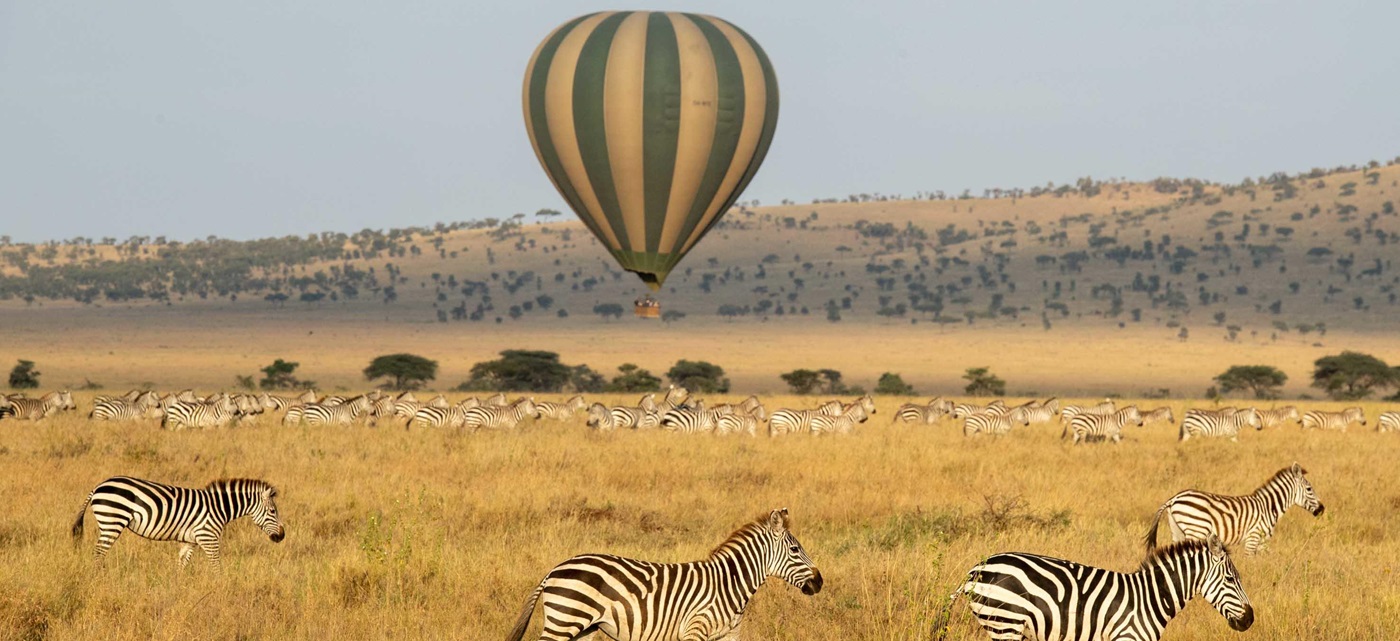
Optional activities are one of the most exciting parts of a Serengeti safari, but they are also a major hidden cost. While game drives are usually included in safari packages many unique experiences come at an extra charge. The most famous example is the hot air balloon safari. This experience offers sunrise views over the plains and wildlife below but it typically costs $500–$600 per person. It is one of the most expensive add-ons in the region.
Other optional activities include guided walking safaris cultural visits to Maasai villages, night game drives (in permitted areas) and photography-focused excursions. Each of these activities has separate pricing that is not included in standard packages.
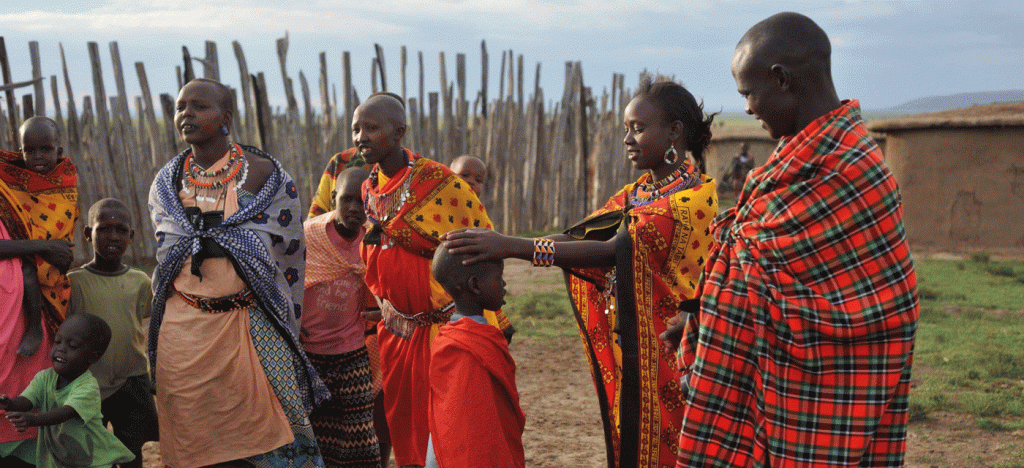
The challenge is that these activities are often introduced during the safari itself, rather than fully explained before booking. Many travelers decide to add them spontaneously leading to unexpected budget increases. For example a couple adding just two or three optional experiences during a week-long safari may spend an additional $1,000 or more.
While these experiences are valuable and memorable they significantly change the total cost of the trip. Some travelers later realize that optional activities cost nearly as much as the base safari package itself. To manage this it is best to research optional experiences in advance and decide which ones matter most. This allows you to plan a realistic budget and avoid emotional overspending during the trip.
Travel Insurance and Medical Costs
Travel insurance is one of the most overlooked hidden costs when planning a Serengeti safari yet it is absolutely essential. Many travelers focus on safari packages, accommodation and transport forgetting that they are traveling into a remote wilderness area where medical facilities are limited. Most safari operators do not include insurance in their pricing which means you must arrange and pay for it separately.
A proper safari travel insurance policy should cover emergency medical treatment, evacuation by air, trip cancellation, lost baggage and sometimes even delays caused by weather or logistics. The most critical part is evacuation coverage. In the Serengeti if a serious medical emergency occurs evacuation by small aircraft may be required to reach a hospital in Arusha or Nairobi. Without insurance this alone can cost thousands of dollars.
In addition to insurance there are other medical-related expenses that are often forgotten. Vaccinations such as yellow fever may be required depending on your travel route. Malaria prevention medication is strongly recommended for most safari regions. These medications must be taken before, during and after travel adding to overall cost.
Travelers also need to prepare a personal medical kit including pain relievers, antihistamines, insect bite treatment, antiseptic wipes and motion sickness tablets. These small items may seem minor individually but together they form a necessary pre-safari expense.
Another hidden factor is that some insurance providers require you to upgrade to higher-tier plans specifically for adventure travel or remote destinations. Standard travel insurance may not be sufficient for safari environments. Overall medical preparedness is not optional in the Serengeti. While it increases your total budget slightly it provides essential safety and peace of mind in one of the world’s most remote and wild destinations.
Visa Fees and International Flights
Visa fees and international flights are major hidden costs that significantly affect the overall budget of a Serengeti safari yet they are often excluded from advertised safari packages. Most safari prices only cover ground arrangements inside Tanzania meaning everything before arrival is your responsibility.
International flights are usually the single largest expense of the entire trip. Depending on your departure country, season and booking timing airfare can vary widely. Travelers from Europe, North America, Asia or the Middle East often face long-haul flights that require one or more connections. Prices can increase significantly during peak safari seasons such as July to October or December holidays.
Because flight prices fluctuate many travelers underestimate this cost when planning their safari. Booking late or during high-demand periods can significantly increase expenses.
In addition to flights most visitors to Tanzania require a visa. The cost is typically around $50–$100 depending on nationality. While this may seem small compared to safari costs it is still a required entry expense that must be planned in advance. Some travelers also face additional administrative fees depending on how the visa is processed whether online or upon arrival.
There may also be airport-related charges depending on your flight route, such as transit visa fees, departure taxes or baggage fees. These costs are not part of safari packages but still contribute to total travel expenses. Another important consideration is travel time. Long flights often require overnight stays in transit cities which adds hotel and meal expenses before you even reach Tanzania.
When combined international flights and visa-related expenses can account for a large portion of your overall safari budget. Planning early and comparing flight options helps reduce this hidden cost significantly.
Currency Exchange and Banking Fees
Currency exchange and banking fees are often underestimated hidden costs during a Serengeti safari. Even though safari prices are usually quoted in US dollars travelers still need to manage money conversions, withdrawals and payments throughout the trip.
Before arriving in Tanzania most travelers exchange their home currency into US dollars or Tanzanian shillings. Currency exchange services often charge fees or offer less favorable exchange rates meaning you lose a percentage of your money during conversion. This cost is rarely noticed immediately but adds up depending on how much cash you exchange.
Once in Tanzania ATM withdrawals can also be expensive. Most international bank cards charge withdrawal fees and local banks may add their own charges. If you withdraw cash multiple times during your safari these small fees accumulate into a noticeable expense.
Credit card usage is another hidden cost factor. While many lodges and safari companies accept credit cards, they often apply a surcharge ranging from 3% to 5%. On a high-cost safari package this can result in a significant additional payment. Another issue is exchange rate variation. When paying in different currencies such as USD for safari packages and Tanzanian shillings for local purchases travelers may lose money due to fluctuating exchange rates.
Cash is also essential for tipping guides drivers and lodge staff. This means travelers often carry a mix of currencies which may require advance planning and multiple exchanges. Overall banking and currency-related costs are not obvious when booking a safari but they quietly increase the total trip expense. Careful financial planning, using low-fee cards and minimizing unnecessary withdrawals can help reduce these hidden charges.
Safari Gear and Personal Equipment
Safari gear and personal equipment represent another hidden cost that many travelers do not fully consider before booking a Serengeti safari. While safari packages cover transport, accommodation and game drives they do not include the essential items needed for comfort and practicality in the wilderness.
Proper safari clothing is one of the first expenses. Lightweight neutral-colored clothing is recommended to blend with the environment and stay comfortable in varying temperatures. Depending on your wardrobe, you may need to purchase shirts, trousers, jackets and hats specifically for safari conditions. This can become expensive if you are starting from scratch.
Footwear is also important. Comfortable walking shoes or boots are necessary for game drives and optional walking safaris. High-quality shoes designed for outdoor terrain can be costly but are essential for safety and comfort.
In addition many travelers invest in binoculars to enhance wildlife viewing. A good pair of binoculars can significantly improve your safari experience but may represent a notable upfront cost. Similarly photography enthusiasts often bring or rent expensive camera equipment, lenses and accessories.
Other essential gear includes sunscreen, insect repellent, sunglasses, reusable water bottles and power banks for charging devices during long game drives. These items are often purchased specifically for safari travel and are not included in package prices. Luggage requirements also matter. Soft-sided bags are often required for small safari aircraft which may force travelers to buy new travel bags if they do not already own suitable luggage.
While these gear costs vary depending on personal choices, they collectively add to the overall safari budget. Proper preparation ensures comfort, safety and better wildlife viewing but it is important to factor these expenses into your planning from the beginning.
Unexpected Delays and Itinerary Changes
Unexpected delays and itinerary changes are one of the least predictable hidden costs in a Serengeti safari. Although safari operators carefully plan schedules the reality of traveling in remote wilderness areas means that not everything goes according to plan.
Weather conditions can affect both road and air travel. Heavy rains may make dirt roads difficult or impossible to use while fog or wind can delay small aircraft flights into or out of the Serengeti. When delays occur travelers may need to extend their stay unexpectedly resulting in additional accommodation, food and transport costs.
Wildlife movement and park conditions can also influence itinerary changes. For example roads may be temporarily closed or certain regions of the park may become inaccessible due to conservation management decisions. In such cases alternative routes or accommodations may need to be arranged at extra cost.
Flight delays are another common issue. Domestic safari flights operate on small schedules and can be delayed or rescheduled due to weather or operational reasons. If a connection is missed travelers may need to pay for additional hotel nights or rebooking fees. Another hidden aspect is flexibility costs. Some safari operators charge extra for last-minute changes to itineraries such as extending your stay, adding game drives or changing destinations within Tanzania’s northern circuit.
Even small disruptions can have financial consequences. A one-day delay can result in extra lodge nights, additional meals and unexpected transport adjustments all of which increase the total safari cost. While these situations are not frequent they are important to consider when budgeting. Travelers who include a contingency fund are better prepared to handle unexpected changes without financial stress.
Frequently Asked Questions About Hidden Costs of a Serengeti Safari
What are the hidden costs of a Serengeti safari?
Hidden costs can include park entry and conservation fees, tips, airport transfers, accommodation upgrades, optional activities, travel insurance, visa fees, currency exchange charges, safari gear and unexpected itinerary changes.
Are park fees included in a Serengeti safari package?
Not always. Some safari packages include park and conservation fees, while others advertise a base price and charge these fees separately. Always confirm what is included before booking.
How much should I budget for tipping on a Serengeti safari?
Tipping is generally expected when travelers receive good service. The article suggests around $10–$20 per day per traveler for a safari guide or driver with additional tips for camp staff.
Are airport transfers included in a Serengeti safari?
Airport transfers are not always included. Transfers between Kilimanjaro International Airport, Arusha and other starting points may cost extra depending on the safari package.
Does flying to the Serengeti cost extra?
Flying into the Serengeti can cost significantly more than traveling by road. Internal flights are often priced separately so travelers should confirm whether flights are included in their package.
Are accommodation upgrades an additional cost?
Yes. Upgrading from a budget camp or lodge to a mid-range or luxury property can substantially increase the safari price. Drinks, laundry, Wi-Fi, special dining and other lodge services may also cost extra.
What optional activities cost extra on a Serengeti safari?
Optional experiences can include hot air balloon safaris, cultural visits, walking safaris, permitted night game drives and photography-focused excursions. These activities are generally charged separately from the standard safari package.
Do I need travel insurance for a Serengeti safari?
Travel insurance is an important part of safari planning. A suitable policy can provide coverage for medical emergencies, evacuation, trip cancellation, lost baggage and travel delays.
How much do international flights and Tanzania visas add to safari costs?
International flights are separate from most safari packages and can vary considerably depending on your departure country and travel season. Visa costs also need to be budgeted separately and may vary by nationality.
Are there banking and currency exchange fees in Tanzania?
Yes. Travelers may encounter currency exchange charges, ATM withdrawal fees, unfavorable exchange rates and credit-card surcharges. Planning your cash and payment methods in advance can help reduce these costs.
Do I need to buy special gear for a Serengeti safari?
You may need to budget for items such as comfortable outdoor clothing, suitable footwear, binoculars, sunscreen, insect repellent, sunglasses, reusable water bottles and power banks. Photography equipment can add further costs.
Can unexpected delays increase the cost of a Serengeti safari?
Yes. Weather, road conditions, flight delays and itinerary changes can sometimes require additional accommodation, meals, transportation or rebooking. A contingency budget can help cover unexpected expenses.
How can I avoid hidden costs when booking a Serengeti safari?
Ask the safari operator for a detailed breakdown of the total price. Confirm whether park fees, transportation, accommodation, meals, airport transfers, internal flights, optional activities and other charges are included before making your booking.
Conclusion
A Serengeti safari is a once-in-a-lifetime experience but it is also a journey where careful financial planning makes a big difference. While safari packages often appear straightforward the true cost is made up of many smaller less visible expenses that can easily be overlooked.
From park entry fees and tipping to international flights, insurance, gear and unexpected itinerary changes each hidden cost plays a role in shaping your total budget. Some of these costs are predictable while others only appear during the trip itself. However, all of them are part of the real safari experience.
The important lesson is not to avoid these costs, but to understand and prepare for them. A well-planned safari budget should always include extra allowances for tips, optional activities, banking fees and possible changes in travel plans. This flexibility helps prevent stress and allows you to fully enjoy the experience.
When travelers are financially prepared, they can focus on what truly matters: the breathtaking wildlife, the peaceful landscapes and the unforgettable moments inside one of Africa’s most famous national parks. Instead of worrying about unexpected expenses they can enjoy every game drive, sunrise and wildlife encounter with peace of mind.
In the end a Serengeti safari is not just about the price you see in a brochure but about the complete journey from planning to experience. Understanding hidden costs ensures that your adventure is not only memorable but also smooth, well-managed and truly worth every investment you make.