 English
 Deutsch
 Italia
May 23, 2026
Is Serengeti Worth the Price? Honest Travel Review
Introduction
Is Serengeti Worth the Price? Honest Travel Review is a question many travelers ask before committing to a safari in Tanzania. The Serengeti is one of Africa’s most celebrated wildlife destinations, famous for its endless plains, incredible wildlife encounters and the spectacular Great Migration. Yet, with park fees, accommodation, transportation, guides and safari activities adding to the total cost a Serengeti safari can require a significant investment. So is the experience truly worth the price?
For many travelers, the answer is yes but understanding what you are paying for is essential. A Serengeti safari offers more than simply seeing lions, elephants, cheetahs and wildebeest. It provides the opportunity to experience a remarkable natural ecosystem, witness wildlife in its environment and explore one of Tanzania’s most iconic landscapes. However the value of the trip can vary depending on your travel season, safari style, accommodation, itinerary and expectations.
In this honest travel review, we look beyond the stunning photographs and famous reputation to examine what a Serengeti safari actually offers for the money. From the major costs and highlights to potential drawbacks and ways to get better value this guide will help you decide whether visiting the Serengeti deserves a place on your travel list and whether the experience is worth the investment.
Table of contents
- Introduction
- Big Five Accessibility
- The Great Migration Advantage
- Year-Round Safari Potential
- Landscape Variety
- Authentic Wilderness Feel
- High Accommodation Costs
- Range of Lodging Options
- Park Fees and Conservation Impact
- Quality of Safari Guides
- Photography Opportunities
- Travel and Transport Costs
- Time Investment Required
- Crowds in Peak Season
- Off-Peak Value Opportunities
- Safety and Stability
- Cultural Experiences
- Comfort vs Cost Balance
- Once-in-a-Lifetime Experience
- Emotional and Personal Impact
- Frequently Asked Questions
- Is the Serengeti worth the price?
- Why is a Serengeti safari so expensive?
- Is the Serengeti good for seeing the Big Five?
- Is the Great Migration worth paying more for?
- Can you visit the Serengeti outside the peak season?
- How many days should you spend in the Serengeti?
- Is Serengeti accommodation worth the cost?
- Are Serengeti park fees worth paying?
- Is the Serengeti crowded during peak season?
- How can I make a Serengeti safari more affordable?
- Is the Serengeti suitable for wildlife photography?
- Is the Serengeti a good destination for first-time safari travelers?
- Is the Serengeti worth visiting for a once-in-a-lifetime trip?
- What is the biggest drawback of visiting the Serengeti?
- Is the Serengeti ultimately worth the investment?
- Conclusion
Exceptional Wildlife Density
One of the biggest reasons travelers consider the Serengeti worth its price is the sheer density of wildlife. Unlike many safari destinations where animal sightings depend heavily on luck the Serengeti offers a level of consistency that is difficult to match anywhere else in the world.
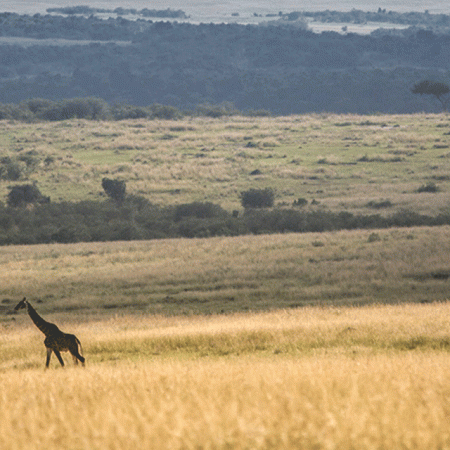
From the moment you enter the park it becomes clear that animals are not rare occurrences they are part of the everyday landscape. Herds of zebras, wildebeest and gazelles stretch across the plains while predators like lions and hyenas are regularly seen resting or hunting.
This abundance significantly reduces the risk of disappointment. When you are spending a large amount of money on a safari the last thing you want is to leave without meaningful encounters. In the Serengeti even short game drives often result in multiple sightings making the experience feel rewarding almost immediately. This reliability is a major factor in justifying the high cost.
Additionally, the density of wildlife creates more dynamic interactions. You are not just observing isolated animals you are witnessing ecosystems in motion. Predators follow prey, scavengers compete for leftovers and birds interact with larger animals in fascinating ways. These continuous interactions create a richer more immersive experience.
For travelers who prioritize wildlife above all else the Serengeti offers exceptional value. The consistent exposure to animals, combined with the diversity of species, ensures that every day feels active and engaging. In this sense the high price becomes easier to justify because the destination delivers exactly what it promises an intense unforgettable wildlife experience.
Big Five Accessibility
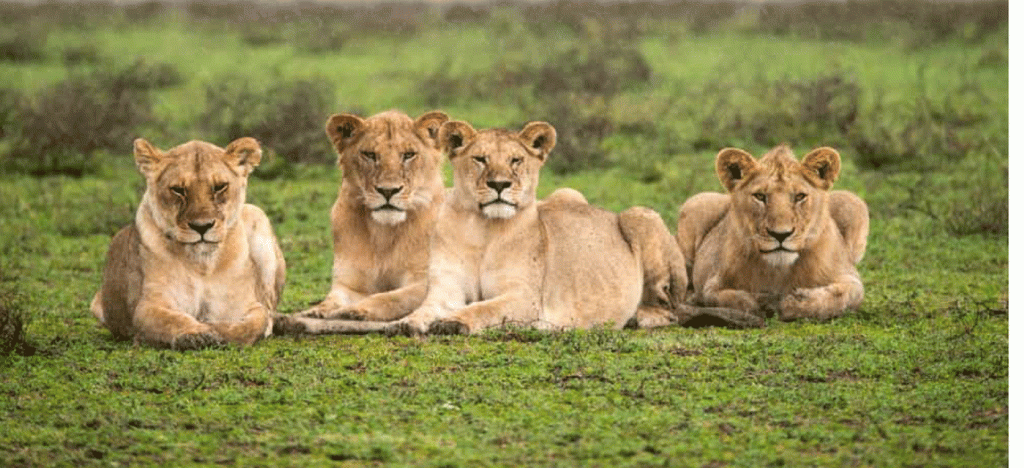
For many travelers, seeing the Big Five lion, elephant, buffalo, leopard and rhinoceros is a central goal of any African safari. The Serengeti stands out as one of the best places to achieve this goal particularly when it comes to lions and elephants which are commonly seen throughout the park. Buffalo are also widely distributed often appearing in large herds that add drama to the landscape.
Leopards while more elusive are still regularly spotted in certain with experienced guides who know their habits. Rhinos are the rarest of the Big Five in the Serengeti but they can occasionally be seen in protected areas such as the Ngorongoro Conservation Area nearby. Even if you do not see all five the chances of seeing at least three or four are very high.
This accessibility adds strong value to the Serengeti experience. In some safari destinations travelers spend days searching for just one or two of the Big Five which can feel disappointing considering the cost. In contrast the Serengeti increases your odds significantly making the investment feel more worthwhile.
Another important factor is the quality of sightings. Seeing a lion far in the distance is very different from observing a pride up close, interacting, resting or hunting. The Serengeti often provides these close and meaningful encounters which elevate the experience beyond simple checklists.
Ultimately the ability to reliably see iconic animals enhances the overall value of the trip. For many visitors fulfilling the dream of encountering the Big Five in their natural habitat is a powerful justification for the expense.
The Great Migration Advantage
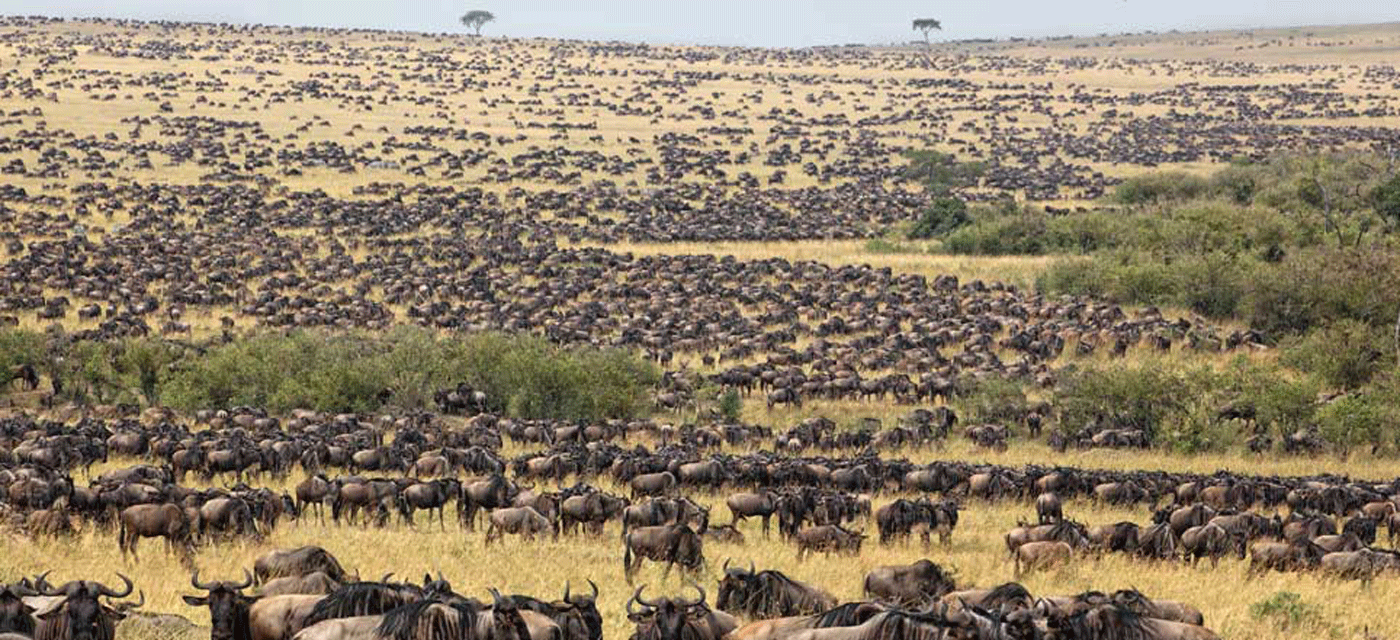
The Great Migration is one of the most extraordinary natural events on Earth and it plays a major role in the Serengeti’s reputation and its price. Each year over two million wildebeest, along with zebras and gazelles move in a continuous cycle across the ecosystem in search of fresh grazing land. This movement creates dramatic scenes that are unmatched anywhere else in the world.
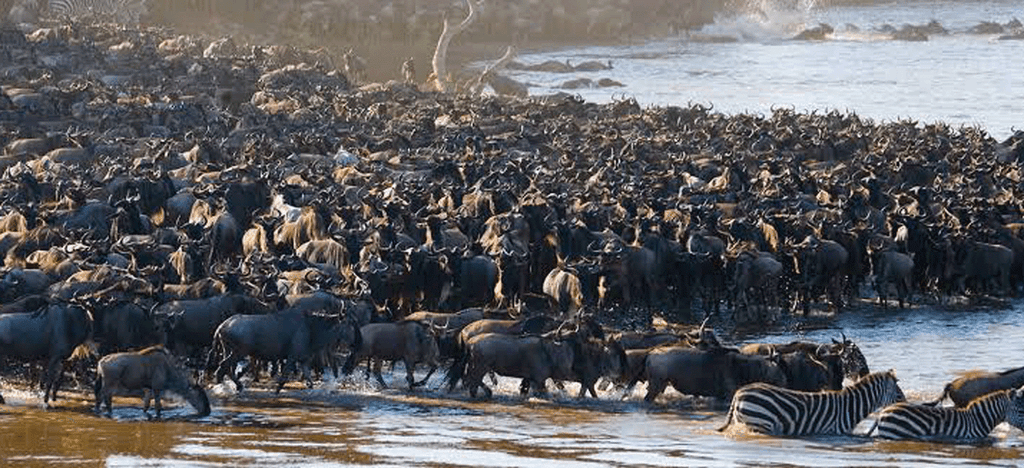
For travelers who time their visit correctly the migration can transform the safari into something truly unforgettable. River crossings where animals plunge into crocodile-filled waters are especially intense and emotional. These moments are unpredictable, raw and deeply impactful often becoming the highlight of the entire trip.
However the value of the migration depends heavily on timing and location. The animals are constantly moving so being in the wrong area at the wrong time can mean missing the most dramatic events. This can lead to mixed feelings about the cost if expectations are not aligned with reality.
Even outside peak migration periods the presence of large herds still adds to the experience. The scale alone thousands of animals moving together is impressive and contributes to the sense of wilderness. From a value perspective the Great Migration can justify the Serengeti’s high price if planned properly. It elevates the experience from a standard safari to a world-class natural spectacle making it one of the most compelling reasons to visit.
Year-Round Safari Potential
One of the advantages of the Serengeti is that it offers strong wildlife viewing opportunities throughout the year. Unlike some safari destinations that are only worthwhile during specific seasons the Serengeti maintains a stable population of resident animals that can be seen regardless of the time of year.
This consistency adds value because it provides flexibility in travel planning. Not everyone can visit during peak migration months and the Serengeti ensures that even off-season trips remain rewarding. Lions, elephants, giraffes and many other species are present year-round making it unlikely that a visit will feel empty or uneventful.
Seasonal variations still play a role of course. Certain times of the year offer unique experiences such as calving season or river crossings. However even during quieter periods the park’s ecosystem remains active and engaging.
From a financial perspective this year-round appeal allows travelers to choose less expensive times to visit without sacrificing too much in terms of experience. Shoulder seasons often provide better value with lower accommodation costs and fewer crowds.
In terms of overall worth the Serengeti’s ability to deliver consistent wildlife experiences across all seasons strengthens its case as a high-value destination. It reduces the pressure of perfect timing and increases the likelihood that your investment will pay off regardless of when you choose to go.
Landscape Variety
The Serengeti is often imagined as a vast, flat plain, but in reality it offers a surprising diversity of landscapes. This variety plays an important role in enhancing the overall safari experience and contributes to the sense that the destination is worth its cost.
Different regions of the Serengeti provide distinct environments, including open savannahs, wooded areas, river systems and rocky outcrops known as kopjes. Each of these landscapes supports different types of wildlife and creates unique viewing opportunities. For example rivers attract hippos and crocodiles while kopjes are favorite resting spots for lions and leopards.
This diversity keeps game drives visually and emotionally engaging. Instead of seeing the same scenery every day travelers experience constantly changing environments which adds depth to the journey. It also increases the chances of varied wildlife encounters as different animals prefer different habitats.
From a photography perspective, landscape variety is particularly valuable. Changing backdrops, lighting conditions and terrain provide endless opportunities for capturing unique images. This is especially important for travelers who want more than just animal sightings they want visually compelling experiences.
Overall, the range of landscapes enhances the Serengeti’s appeal and helps justify its price. It ensures that the experience feels dynamic rather than repetitive making each day of the safari distinct and memorable.
Authentic Wilderness Feel
One of the Serengeti’s most valuable qualities is its authenticity. Unlike many tourist destinations that feel heavily developed the Serengeti remains largely untouched and wild. There are no large cities, no major infrastructure inside the park and very limited signs of modern life. This creates a powerful sense of isolation and immersion that is increasingly rare in today’s world.
When you are in the Serengeti you are truly in nature. The sounds you hear are not traffic or crowds, but birds, wind and distant animal calls. At night the darkness is complete and the stars are incredibly visible. This deep connection to nature is something many travelers are seeking, and it is a major reason why people are willing to pay premium prices.
This authenticity also enhances the emotional impact of the experience. Seeing animals in a completely natural environment without fences or artificial settings feels more real and meaningful. It is not a staged experience it is genuine wilderness.
For travelers who value raw unfiltered nature this aspect alone can justify the cost. It transforms the Serengeti from just another destination into a deeply immersive experience that feels rare and special.
High Accommodation Costs
Accommodation in the Serengeti is one of the biggest factors contributing to the overall expense. Even mid-range camps can be costly while luxury lodges can reach very high prices per night. This is largely due to the park’s remote location and the logistical challenges of operating in such an environment.
Everything from food to fuel must be transported into the park which increases operational costs. These expenses are reflected in the price guests pay. While the quality of accommodation is generally high not every traveler will feel that the cost matches their expectations.
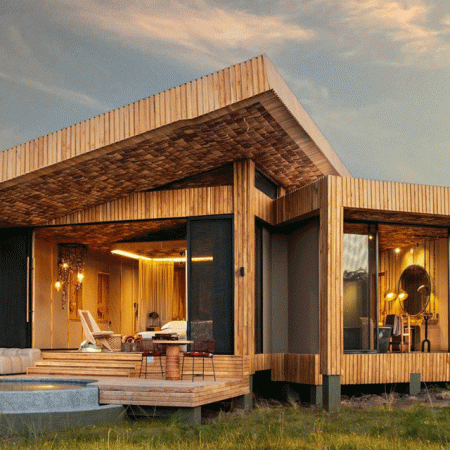
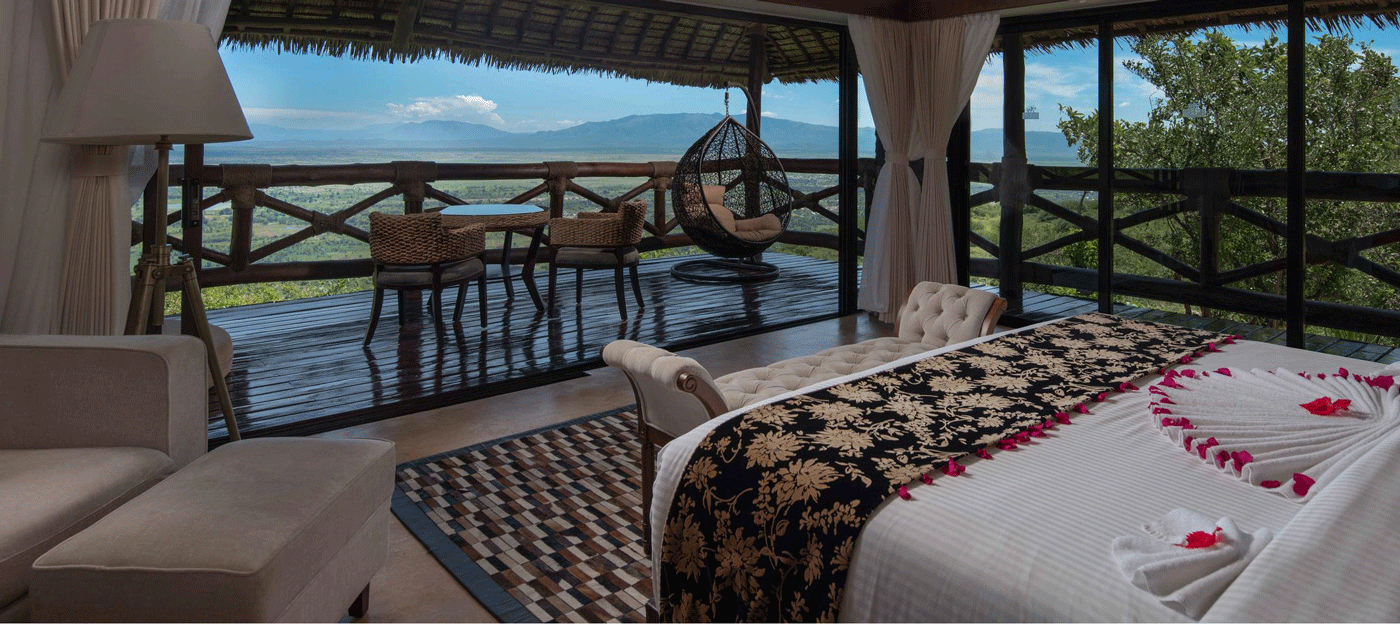
However, it is important to understand that you are not just paying for a bed. Many camps include full-board meals, guided game drives and unique locations surrounded by wildlife. Some lodges offer exceptional comfort, privacy and service that can rival luxury hotels.
For travelers who value comfort and exclusive experiences the cost may feel justified. But for those who simply need a place to sleep the prices can feel excessive. Ultimately accommodation is where personal preferences matter most. It can either enhance the experience significantly or become the main reason the Serengeti feels overpriced.
Range of Lodging Options
Despite the overall high cost the Serengeti offers a range of accommodation options that allow travelers to adjust their budget. From basic tented camps to high-end luxury lodges there is a spectrum of choices that can influence how much you spend.
Budget-friendly camps provide a more simple experience often with fewer amenities but still located in excellent wildlife areas. Mid-range options balance comfort and cost offering good service without extreme luxury pricing. At the top end luxury lodges deliver premium experiences, including spacious rooms, gourmet meals and personalized service.
This variety adds value because it gives travelers control over their spending. You can prioritize what matters most whether that is comfort, location or cost and adjust accordingly. However, it is worth noting that even the most affordable options in the Serengeti are not cheap compared to other destinations. The baseline cost remains relatively high due to the park’s remote nature.
Still having options allows you to shape your experience. This flexibility is important when evaluating whether the Serengeti is worth the price as it means the destination can accommodate different travel styles and budgets to some extent.
Park Fees and Conservation Impact
Park fees in the Serengeti are significant and can add a substantial amount to your total trip cost. These fees are mandatory and apply per person per day making longer stays more expensive. However, these fees serve an important purpose. They fund conservation efforts including wildlife protection, anti-poaching operations and maintenance of the park’s infrastructure. They also support local communities and sustainable tourism initiatives.
For many travelers this adds a sense of purpose to their spending. Instead of simply paying for a vacation you are contributing to the preservation of one of the world’s most important ecosystems. This ethical dimension can make the cost feel more justified. On the other hand travelers who are focused purely on budget may find these fees difficult to accept. Unlike accommodation there is no way to reduce or avoid them.
From a value perspective the importance of conservation cannot be ignored. The Serengeti’s continued existence depends on funding and tourism plays a key role in that. If you value responsible travel and environmental protection park fees become part of the reason the Serengeti is worth visiting.
Quality of Safari Guides
The quality of guides in the Serengeti is generally excellent and this has a major impact on the overall experience. A knowledgeable guide can turn a simple game drive into something educational, engaging and memorable.
Guides are trained to track animals interpret behavior and understand the ecosystem. They know where to find wildlife and how to position vehicles for the best viewing opportunities. This expertise increases your chances of meaningful encounters. Without a good guide a safari can feel random and less rewarding. With a skilled guide every sighting becomes an opportunity to learn and appreciate the complexity of nature.
This added value is often overlooked when considering cost. You are not just paying for access to the park you are paying for professional insight and guidance. For many travelers the presence of experienced guides is one of the reasons the Serengeti feels worth the price. It elevates the experience beyond simple observation and turns it into a deeper exploration of wildlife.
Photography Opportunities
The Serengeti is one of the best places in the world for wildlife photography. The combination of abundant animals, open landscapes and beautiful natural lighting creates ideal conditions for capturing stunning images. Sunrise and sunset provide dramatic lighting that enhances the beauty of the landscape and wildlife. The open plains make it easier to spot animals and photograph them without obstruction.
For photography enthusiasts this adds significant value. The ability to capture unique and powerful images can make the trip feel more rewarding. Even for casual travelers the visual impact of the Serengeti is memorable. The scenes you witness are often beyond what photos can fully capture.
This visual richness contributes to the overall worth of the destination especially for those who appreciate natural beauty and storytelling through images.
Travel and Transport Costs
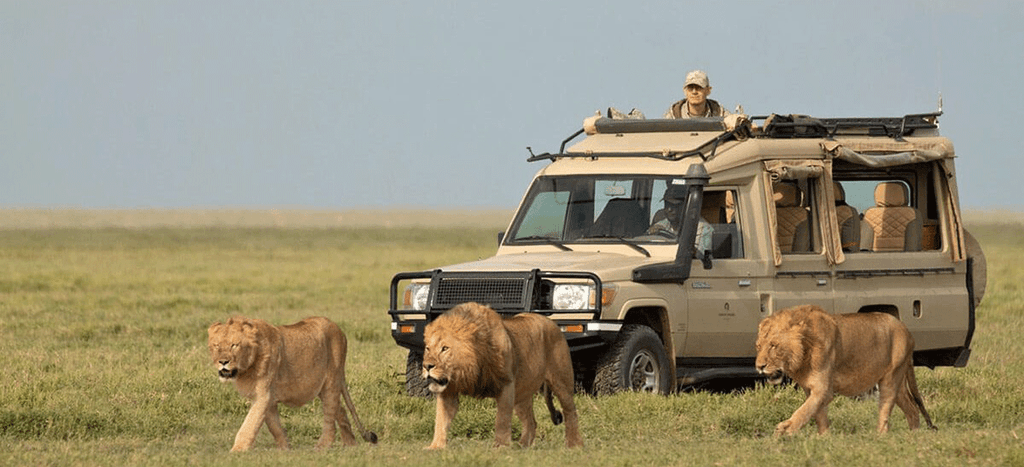
Travel and transport are among the most underestimated contributors to the overall cost of a Serengeti safari. Unlike destinations that are easily accessible by direct international flights or short road transfers reaching the Serengeti requires multiple steps and careful coordination. Most journeys begin in Arusha or Dar es Salaam followed by either a domestic flight or a long overland drive into the park.
Flying is the fastest and most convenient option. Small bush planes operate scheduled flights into various airstrips within the Serengeti, significantly reducing travel time. However, this convenience comes at a premium cost. Domestic flights can be expensive especially during peak travel seasons and they can quickly increase the total budget of your safari.
Driving is the more affordable option, but it requires patience and physical endurance. The journey can take many hours depending on the route, road conditions and stops along the way. While this option saves money it can be tiring and may reduce the time you spend enjoying game drives.
Despite these challenges, the Serengeti’s remote location is part of its appeal. The difficulty of reaching it helps preserve its natural state and prevents mass tourism. This exclusivity contributes to the overall experience.
From a value perspective transport costs are unavoidable. They add to the expense but also serve as the gateway to one of the world’s most remarkable wildlife destinations. Whether they feel justified depends on how much you value the experience that follows.
Time Investment Required
The Serengeti is not a destination that rewards short rushed visits. One of the most important factors in determining whether it is worth the price is how much time you dedicate to your stay. A brief visit of one or two days is unlikely to provide enough depth to justify the high cost, especially when you consider travel time and park fees.
Spending at least three to five days in the Serengeti allows you to explore different regions and significantly increases your chances of seeing a wide range of wildlife. The park is vast and animals are constantly moving so time plays a critical role in the quality of your experience.
A longer stay also allows for a more relaxed pace. Instead of rushing between sightings, you have time to observe animal behavior, enjoy the environment and fully immerse yourself in the experience. This deeper connection adds significant value to the trip.
From a financial perspective staying longer can improve the overall value. Fixed costs such as transportation become more efficient when spread over several days. In contrast a short trip can feel expensive relative to what you actually experience. Ultimately the Serengeti rewards patience. The more time you invest, the richer and more satisfying your experience will be, making the cost feel more worthwhile.
Crowds in Peak Season
The Serengeti is a world-famous destination and during peak travel seasons it attracts a large number of visitors. While the park is vast certain high-interest events such as river crossings during the migration can draw multiple safari vehicles to the same location.
At these moments the sense of wilderness can feel slightly reduced. Seeing several vehicles gathered around a single sighting may take away from the feeling of exclusivity that many travelers expect. This is especially noticeable during dramatic wildlife events that naturally attract attention.
However it is important to understand that these crowded situations are usually limited to specific areas and times. Much of the Serengeti remains quiet and uncrowded allowing for peaceful and private game drives. Skilled guides often know how to avoid busy spots and find equally rewarding experiences elsewhere.
Travel timing and route planning can greatly influence your experience. Visiting during shoulder seasons or exploring less popular regions can help maintain a sense of solitude. From a value perspective crowds can slightly reduce the experience but rarely outweigh the overall quality of the Serengeti. With good planning it is still possible to enjoy a deeply personal and immersive safari.
Off-Peak Value Opportunities
Traveling during off-peak or shoulder seasons is one of the most effective ways to improve the value of a Serengeti safari. While many travelers focus on peak migration periods these times also come with the highest prices and the most visitors.
During quieter months accommodation rates often decrease making the trip more affordable. This can significantly reduce your overall expenses without eliminating the core wildlife experience. The Serengeti has a strong population of resident animals, so game viewing remains excellent throughout the year.
Another major advantage of off-peak travel is the reduced number of visitors. Fewer safari vehicles mean more time at sightings, less competition for viewing positions and a more relaxed atmosphere overall. This can make the experience feel more personal and enjoyable. Weather conditions may vary but they rarely prevent meaningful wildlife encounters. In some cases the landscape becomes greener and more visually appealing adding to the overall experience.
From a value standpoint off-peak travel offers an excellent balance between cost and quality. It allows travelers to experience the Serengeti in a more peaceful setting while spending less making it one of the smartest ways to approach this destination.
Safety and Stability
Safety is an important factor when evaluating any travel destination and the Serengeti performs well in this area. The park is professionally managed and most safari operations are conducted by experienced companies with trained staff.
Guides play a key role in maintaining safety. They understand animal behavior and know how to approach wildlife responsibly. This ensures that you can enjoy close encounters without unnecessary risk. Their training and experience help create a secure environment while still delivering an exciting safari.
Lodges and camps also follow clear safety procedures. Guests are given instructions on how to behave around wildlife particularly in unfenced camps where animals may move freely nearby. These guidelines are designed to protect both visitors and animals.
In addition, Tanzania’s tourism sector is well established and the Serengeti is one of its most important destinations. This means that infrastructure, regulations and support systems are in place to ensure a smooth experience for travelers. From a value perspective safety adds significant worth. Knowing that your trip is well organized and secure allows you to fully relax and enjoy the experience. This peace of mind is an essential part of what you are paying for.
Cultural Experiences
Although the Serengeti is primarily known for wildlife the surrounding region offers meaningful cultural experiences that can enhance your trip. Visits to local communities such as the Maasai provide insight into traditional lifestyles that have existed alongside wildlife for generations.
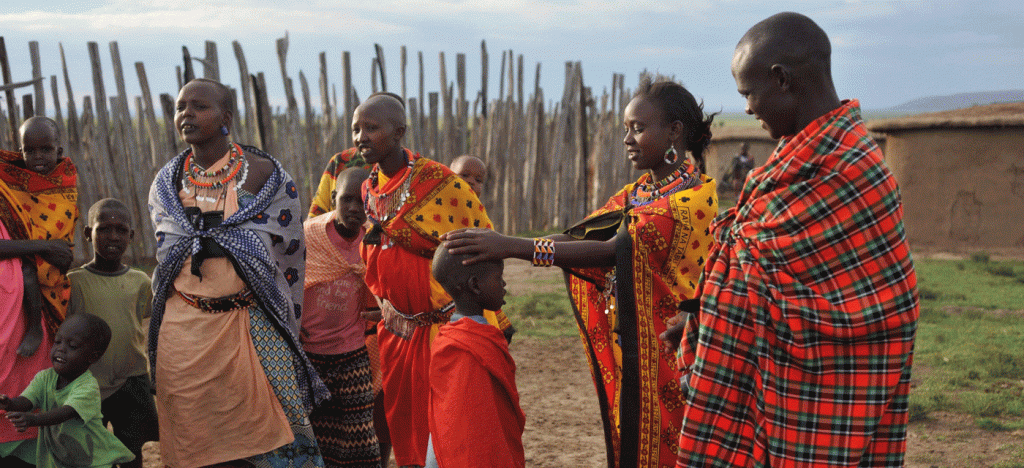
These experiences often include learning about daily life, customs and traditional practices. They offer a human perspective that complements the natural environment creating a more well-rounded journey. For many travelers this cultural dimension adds depth and context to the safari. It helps you understand how people and wildlife coexist and highlights the importance of preserving both natural and cultural heritage.
However, the quality of these experiences can vary. Some visits may feel more authentic than others depending on how they are organized. Choosing reputable operators can help ensure that interactions are respectful and meaningful. From value perspective cultural experiences are not the main reason to visit the Serengeti but they are a valuable addition. They enrich the overall journey and provide a broader understanding of the region.
Comfort vs Cost Balance
The Serengeti offers a wide range of accommodation styles creating an important balance between comfort and cost. Travelers can choose from basic camps, mid-range lodges and high-end luxury properties each offering a different level of service and experience.
Luxury lodges provide exceptional comfort including spacious rooms, fine dining and personalized service. These features can significantly enhance the overall experience especially for those who value relaxation and exclusivity. However, these benefits come at a high price. For some travelers the additional cost may not feel justified particularly if most of their time is spent on game drives rather than at the lodge.
Mid-range options often provide a good compromise, offering comfort and quality without the extreme cost. Budget camps while more basic still allow access to the same wildlife experiences. From a value perspective the key is understanding your priorities. If comfort is essential to your enjoyment the Serengeti delivers high-quality options. If your focus is primarily on wildlife it is possible to reduce costs without sacrificing the core experience.
Once-in-a-Lifetime Experience
For many people visiting the Serengeti is not just another trip it is a once-in-a-lifetime experience. This perception plays a major role in how the cost is evaluated. The Serengeti offers something unique that is difficult to find elsewhere. Large-scale wildlife movements predator-prey interactions and vast natural landscapes create experiences that feel rare and significant. This uniqueness increases the perceived value of the trip.
When travelers view the Serengeti as a special one-time journey they are often more willing to invest in it. The focus shifts from cost to experience making the expense feel more acceptable. However, this also raises expectations. A once-in-a-lifetime trip must deliver a high level of satisfaction. Careful planning is essential to ensure that the experience meets those expectations.
From a value perspective, the uniqueness of the Serengeti is one of its strongest advantages. It offers memories and experiences that are difficult to replicate making it a worthwhile investment for many travelers.
Emotional and Personal Impact
The final factor in determining whether the Serengeti is worth its price is its emotional and personal impact. This is something that cannot be measured in financial terms but often becomes the most important part of the experience.
Moments such as watching a lion move through the grass, seeing elephants at sunrise or observing a herd crossing the plains create a deep connection to nature. These experiences go beyond simple sightseeing and become meaningful personal memories. For many travelers the Serengeti becomes one of the most memorable trips of their lives. The sense of scale, silence and natural beauty leaves a lasting impression that stays long after the journey ends.
This emotional value often outweighs the financial cost. While the Serengeti is expensive the depth of the experience can make it feel worthwhile. In the end the true value of the Serengeti lies not just in what you see but in how it makes you feel. For those who connect with it, it becomes an unforgettable and deeply rewarding experience.
Frequently Asked Questions
Is the Serengeti worth the price?
Yes for many travelers the Serengeti is worth the price because it offers exceptional wildlife viewing, the Great Migration, diverse landscapes and an authentic wilderness experience. However, the value depends on your budget, travel style, timing and expectations.
Why is a Serengeti safari so expensive?
A Serengeti safari can be expensive because of park fees, accommodation, transportation, guides and the logistical challenges of operating in a remote wilderness area. Food, fuel and other supplies also have to be transported into the park increasing operating costs.
Is the Serengeti good for seeing the Big Five?
Yes. The Serengeti provides strong opportunities to see lions, elephants, buffalo and leopards. Rhinos are much rarer so seeing all five cannot be guaranteed.
Is the Great Migration worth paying more for?
For many travelers yes. The Great Migration can provide spectacular wildlife experiences, particularly when the timing and location are right. However the animals are constantly moving so witnessing a specific event such as a river crossing cannot be guaranteed.
Can you visit the Serengeti outside the peak season?
Yes. The Serengeti offers wildlife viewing throughout the year because many resident animals remain in the ecosystem regardless of season. Traveling during shoulder or off-peak periods can also provide better value and fewer crowds.
How many days should you spend in the Serengeti?
The article recommends spending around three to five days in the Serengeti. A longer stay allows more time to explore different areas, observe wildlife and make better use of fixed travel costs.
Is Serengeti accommodation worth the cost?
It depends on your priorities. Luxury lodges can provide exceptional comfort and service, while mid-range and budget camps can reduce costs while still giving you access to the park’s wildlife.
Are Serengeti park fees worth paying?
For travelers who value conservation park fees can add meaningful value because they help support wildlife protection, anti-poaching efforts, park infrastructure and local communities.
Is the Serengeti crowded during peak season?
Some areas can become crowded during major wildlife events especially around popular river crossings. However much of the Serengeti remains quiet and experienced guides can often find less crowded areas.
How can I make a Serengeti safari more affordable?
Traveling during shoulder or off-peak seasons, choosing suitable accommodation and balancing comfort with your wildlife priorities can help improve the value of your safari.
Is the Serengeti suitable for wildlife photography?
Yes. The combination of abundant wildlife, open landscapes and natural lighting provides excellent photography opportunities. Sunrise and sunset can also create particularly memorable scenes.
Is the Serengeti a good destination for first-time safari travelers?
The article presents the Serengeti as a strong choice for travelers who prioritize wildlife, nature and meaningful experiences. Its high wildlife density and experienced guides can make the safari especially rewarding.
Is the Serengeti worth visiting for a once-in-a-lifetime trip?
For many travelers yes. The combination of large-scale wildlife movements, natural landscapes and authentic wilderness creates experiences that can be difficult to replicate elsewhere.
What is the biggest drawback of visiting the Serengeti?
The biggest drawback is the overall cost. Accommodation, transportation and park fees can make a Serengeti safari expensive, particularly for budget travelers or people planning a very short visit.
Is the Serengeti ultimately worth the investment?
For travelers who value wildlife, nature and meaningful experiences the Serengeti is generally worth the investment. The strongest value comes from its exceptional wildlife density, authentic wilderness, diverse landscapes and emotional impact although careful planning is important to ensure the experience matches your expectations.
Conclusion
The Serengeti stands as one of the most extraordinary travel destinations in the world, offering a level of wildlife experience and natural beauty that is difficult to match. However it is also undeniably expensive, creating a natural tension between cost and value. Whether it is worth the price ultimately depends on what you are looking for in your travel experience and how well your expectations align with what the Serengeti provides. With the right planning and guidance from a trusted local operator such as Serengeti Travels travelers can make the most of their investment.
Throughout this review it becomes clear that the Serengeti delivers strongly in key areas such as wildlife density, authenticity and emotional impact. The opportunity to witness animals in their natural environment, observe predator and prey interactions and experience the vastness of untouched landscapes creates moments that are both powerful and memorable. For many travelers, these experiences alone justify the financial investment. Serengeti Travels helps travelers plan safari experiences that match their interests, budget and expectations.
At the same time the Serengeti is not a perfect fit for everyone. The high costs of accommodation, transportation and park fees can feel overwhelming especially for those who prioritize budget travel or short trips. Without proper planning the experience may not fully match the price paid. This is why preparation, timing and realistic expectations are essential when planning a Serengeti safari.
For travelers who value nature wildlife and meaningful experiences the Serengeti often proves to be worth the cost. It offers something rare in modern travel a deep connection to the natural world. With support from Serengeti Travels travelers can better understand their options and plan an experience that delivers genuine value. In the end the Serengeti is more than just a destination it is an experience that stays with you. If that experience matches your goals then the price becomes much easier to justify.