 English
 Deutsch
 Italia
May 23, 2026
By kelvingaspar
How to Travel Serengeti Without a Tour (Is It Possible?)

Introduction
Traveling to the Serengeti without a tour is a question many independent travelers ask, especially those looking for freedom, flexibility and potentially lower costs. At first glance it may seem like you can approach it the same way you would explore other destinations by booking your own transport, choosing your own accommodation and moving at your own pace.
However, the Serengeti is not a typical travel destination. It is a vast, protected wilderness with strict regulations, limited infrastructure and real safety considerations. Unlike city travel or even other national parks around the world the Serengeti operates within a structured system designed primarily around guided safaris.
Tour operators usually handle everything from park entry fees and vehicle logistics to accommodation and wildlife tracking. When you remove that structure, you take on full responsibility for every detail of the journey. This includes navigating remote areas managing costs that are not always obvious and ensuring your own safety in an environment where wild animals roam freely.
That said independent travel is not impossible. With proper planning, the right resources and realistic expectations, it can be done. The key is understanding the challenges before you go rather than discovering them along the way. This guide explores the reality behind traveling the Serengeti without a tour helping you decide whether it is the right approach for your travel style.
Understanding Park Regulations and Entry Requirements
The Serengeti is not a casual destination you can enter freely without preparation. It is a highly protected national park managed by the Tanzania National Parks Authority. Every visitor must pay park fees which are charged per person per day and can be quite expensive. These fees are usually easier to handle through tour operators but independent travelers must manage them directly.
In addition access gates are located far from towns and you must enter and exit within permitted hours. You cannot simply arrive late or leave whenever you want. Park rules also require visitors to stay on designated roads, respect wildlife distances and avoid walking freely in most areas due to safety risks from animals.
Another important factor is accommodation regulations. Wild camping is not allowed unless you are in designated campsites and even those require prior booking. Independent travelers must arrange these bookings in advance often through official channels or lodges.
The biggest challenge is that many logistics like vehicle access, permits and campsite reservations are designed with tour operators in mind. This doesn’t mean solo travel is impossible but it means you will need to handle multiple administrative steps yourself. In short entering the Serengeti independently is possible but it requires understanding rules that are normally handled by guides and safari companies.
Transportation Challenges Inside and Outside the Park
One of the biggest barriers to traveling the Serengeti without a tour is transportation. There is no public transport system inside the park. Once you enter you are entirely responsible for your own movement. Getting to the Serengeti itself is already a challenge. You can travel from Arusha or Mwanza using buses to nearby (towns like Karatu or Ndabaka) but from there reaching the park gates requires private transport. This often means hiring a vehicle which can be expensive.
Inside the park a standard car is not suitable. The terrain is rough with dirt roads that can become muddy or difficult depending on the season. A 4×4 vehicle is strongly recommended and not just for comfort it is often necessary for safety and accessibility. Fuel availability is another concern. Fuel stations inside the Serengeti are very limited so you must plan carefully and carry enough fuel for your entire journey.
Navigation is also not straightforward. While maps and GPS can help network coverage is weak in many areas. Tour guides usually rely on experience and radio communication to locate wildlife and navigate safely advantages you won’t have when traveling alone.
Because of these factors, many independent travelers choose a compromise they rent a 4×4 vehicle (sometimes with a driver) instead of joining a full tour. This reduces costs while still solving the transportation problem.
Safety Risks Without a Guide
The Serengeti is a wild environment not a typical tourist city. Traveling without a guide means taking full responsibility for your safety in a landscape filled with large animals such as lions, elephants, buffalo and hyenas.
Guides are trained to read animal behavior and understand when a situation might become dangerous. Without that knowledge independent travelers can unintentionally get too close to wildlife or misinterpret warning signs. For example, elephants may appear calm but can charge quickly if they feel threatened.
Another safety issue is getting lost or stranded. The Serengeti is (extremely vast) and roads are not always clearly marked. If your vehicle breaks down, help may not be nearby. Tour operators typically carry communication equipment and have backup systems in place while solo travelers may not.
There is also the issue of medical emergencies. There are very limited medical facilities inside the park. In case of serious injury or illness evacuation can take time and may require special arrangements. Camping independently adds another layer of risk. At night animals often roam near campsites. Official camps are safer because they are monitored but even there you must follow strict safety guidelines.
Traveling without a guide does not automatically mean you will face danger but it significantly increases your responsibility. You must be cautious, informed and prepared for situations that are usually handled by professionals.
Cost Reality Is Independent Travel Actually Cheaper
Many people assume that traveling without a tour will save money but, in the Serengeti, this is not always true. In fact, independent travel can sometimes be just as expensive or even more costly than joining a group safari. Park fees are fixed and non-negotiable. Whether you are part of a tour or traveling solo you will pay the same daily conservation fees. These alone can make up a large portion of your budget.
Then there is vehicle rental. A proper 4×4 safari vehicle is not cheap to rent especially if you need it for multiple days. You also need to factor in fuel costs which can be high due to long distances and limited supply points. Accommodation is another major expense. Budget options exist, such as public campsites, but they still require fees and advance booking. Lodges and tented camps are significantly more expensive and without a tour package you may not get discounted rates.
Food is also something to consider. When traveling independently you must either bring your own supplies or rely on lodge restaurants which can be costly. In contrast, group tours often bundle all these costs together transport, guide, accommodation and meals making them surprisingly cost-efficient. So while independent travel gives you freedom it does not automatically guarantee savings. In many cases the financial difference is smaller than expected.
Navigation and Wildlife Viewing Without Expert Knowledge
One of the biggest advantages of a guided safari is the ability to actually find wildlife. The Serengeti is huge, and animals are constantly moving. Without experience you may spend hours driving without seeing much.
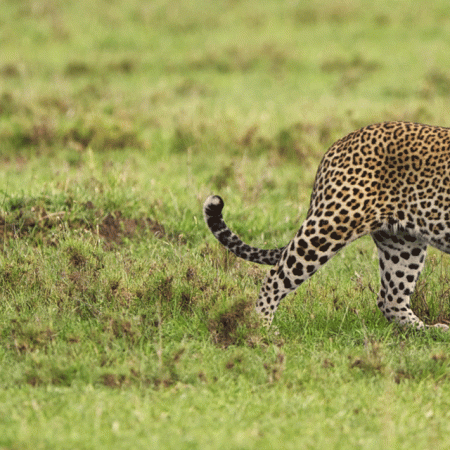
Guides use multiple strategies to locate animals. They understand migration patterns know common areas and often communicate with other guides via radio to share sightings. This network significantly increases the chances of seeing iconic animals like lions, cheetahs and leopards.
As an independent traveler you won’t have access to these networks. You will rely on maps, luck and basic knowledge. While you can still see wildlife the experience may be less rewarding compared to guided safaris. Another challenge is timing. Knowing when animals are most active early morning and late afternoon is important. Guides plan daily schedules around these patterns while independent travelers must figure it out themselves.
Photography is also affected. Getting the best angles and positioning safely requires skill and experience. Guides often help position vehicles for optimal viewing without disturbing animals. This doesn’t mean independent travel is not enjoyable it can be very rewarding for experienced travelers. However, you should be realistic about expectations. You may not see as much wildlife as someone on a guided safari.
Accommodation Options for Independent Travelers
Accommodation in the Serengeti is structured in a way that can make independent travel slightly complicated but still possible with proper planning. There are generally three main types of accommodation: public campsites, special campsites and lodges/tented camps.
Public campsites are the most accessible option for independent travelers. They are relatively affordable and do not require exclusive booking. However they come with basic facilities shared bathrooms, limited security and no luxury services. You will need to bring your own camping equipment or rent it beforehand.
Special campsites offer more privacy, but they must be booked in advance and are often used by tour operators. Booking them independently is possible but requires dealing directly with park authorities or authorized agents.
Lodges and tented camps are the most comfortable options, offering full services such as meals, guided activities and secure environments. However, these are significantly more expensive especially when booked individually without a tour package.
Another challenge is location. The Serengeti is vast, and accommodation is spread out. Choosing where to stay affects your ability to see wildlife so planning your route carefully is essential. Independent travelers must also confirm bookings ahead of time especially during peak seasons. Unlike cities you cannot rely on last-minute availability.
In summary while there are options for independent travelers they require more effort to arrange and may not offer the same convenience as tour-based accommodations.
Planning and Logistics Complexity
Planning a Serengeti trip without a tour involves coordinating multiple elements that are usually handled by professionals. This includes transportation, park permits, accommodation bookings, food supplies, fuel planning and daily itineraries. Timing is critical. The Serengeti experience changes throughout the year due to the Great Migration. Knowing where to go during different months is essential if you want to see large herds or dramatic river crossings.
You also need to plan entry and exit routes carefully. The park has multiple gates and distances between them can take several hours of driving. Poor planning can result in wasted time or missed opportunities. Communication is another factor. Mobile network coverage is limited so you cannot rely on internet access for navigation or last-minute bookings. Having offline maps and a clear plan is important.
Weather conditions can also affect travel. During the rainy season, some roads become difficult or even impassable. Tour operators monitor these conditions and adjust plans accordingly but independent travelers must do their own research. Because of all these factors independent travel requires a higher level of preparation and flexibility. It is not impossible but it is definitely not a simple trip.
The Role of Hiring a Driver Instead of a Full Tour
For many travelers who want independence but not full responsibility hiring a driver is a practical middle ground. This option allows you to avoid joining a group tour while still benefiting from local expertise. A driver typically provides transportation and basic navigation, but not always the full guiding experience. However many drivers have safari knowledge and can help you spot wildlife, understand animal behavior and navigate the park safely.
This option can be more affordable than a full tour package especially if you share the cost with other travelers. It also gives you flexibility you can decide your schedule, where to go and how long to stay in each area. Hiring a driver also reduces stress. You don’t have to worry about driving in rough conditions, dealing with mechanical issues or navigating unfamiliar terrain.
However it is important to clarify what is included. Some drivers may not handle park fees, accommodation bookings or meals, so you still need to manage those aspects. Overall, hiring a driver is often the best compromise for travelers who want independence without taking on all the risks and responsibilities of traveling completely alone.
Conclusion
In reality traveling the Serengeti without a tour sits somewhere between possible and impractical depending on your level of experience and preparation. While it offers a sense of independence and adventure it also comes with significant challenges that cannot be ignored. From navigating rough terrain and managing logistics to ensuring safety around wildlife independent travel requires far more effort than most people initially expect.
For highly experienced travelers especially those familiar with self-driving in remote environments this kind of trip can be rewarding. It allows for personal exploration flexible scheduling and a deeper sense of connection with the landscape. However for the average traveler the disadvantages often outweigh the benefits. Costs may not be significantly lower wildlife viewing may be less effective without expert guidance and the risks are higher without professional support.
A balanced approach such as hiring a driver or arranging partial services often provides the best outcome. It maintains some level of independence while reducing the most difficult aspects of the journey. Ultimately the Serengeti is a place where expertise enhances the experience. Choosing how you travel should not only be about saving money or avoiding tours but about ensuring you get the most value, safety and enjoyment from one of the world’s most remarkable ecosystems.