 English
 Deutsch
 Italia
June 4, 2026
Serengeti Safari Complete Guide from Europe
Introduction
A Serengeti safari is one of the most iconic wildlife experiences in the world attracting thousands of travelers from Europe every year. Located in northern Tanzania, the Serengeti National Park is famous for its endless plains, rich biodiversity and the Great Migration, where millions of wildebeest, zebras and gazelles move across the ecosystem in search of fresh grazing land. For European travelers, it represents a once-in-a-lifetime journey into untouched nature and raw African wilderness.
Traveling from Europe to the Serengeti is more accessible than many people think. Most international flights connect through major hubs such as Amsterdam, Istanbul, Doha or Dubai with arrivals in Kilimanjaro International Airport or Julius Nyerere International Airport in Dar es Salaam. From there domestic flights or road transfers take you closer to the Serengeti ecosystem.
The safari experience itself offers a wide range of activities including game drives, hot air balloon safaris, guided walking safaris and cultural visits to nearby Maasai communities. Visitors can expect to see the Big Five lion, elephant, buffalo, leopard and rhinoceros along with cheetahs, giraffes, hippos, crocodiles and hundreds of bird species.
For European tourists the Serengeti offers a completely different environment compared to urban life. The vast landscapes, golden savannahs and dramatic sunsets create unforgettable memories. Whether you are traveling solo as a couple or with family the Serengeti provides a safe and well-organized safari experience with professional guides and established tourism infrastructure.
This guide will help you understand everything needed to plan your Serengeti safari from Europe, including travel routes, costs, accommodation, best seasons and essential preparation tips.
Table of contents
- Introduction
- Best Time to Visit Serengeti from Europe
- How to Travel from Europe to Serengeti
- Accommodation Options in Serengeti
- Safari Activities and Experiences
- Costs and Budget Planning
- Packing List and Preparation for Serengeti Safari
- Visa, Health and Travel Insurance Requirements
- Sample 8-Day Serengeti Safari Itinerary from Europe
- Essential Travel Tips for Serengeti Safari
- Photography Tips for Serengeti Safari
- Wildlife in Serengeti National Park
- Transportation Inside Serengeti
- Cultural Experience with Maasai Communities
- Safety and Security in Serengeti Safari
- Choosing the Right Safari Tour Operator
- Internet, Communication and Connectivity in Serengeti
- Food and Dining Experience in Serengeti
- Challenges and Things to Expect in Serengeti Safari
- Hidden Costs of Serengeti Safari
- Common Booking Mistakes to Avoid
- Serengeti Migration Map and Wildlife Zones
- Best Safari Packages for European Travelers
- Best Serengeti Safari Companies for European Travelers
- Full Cost Breakdown of Serengeti Safari
- Ultimate Serengeti Safari Packing Checklist
- How do I travel from Europe to the Serengeti?
- What is the best time to visit the Serengeti from Europe?
- How much does a Serengeti safari from Europe cost?
- Do European citizens need a visa for Tanzania?
- Can I fly directly into the Serengeti?
- How long should I spend on a Serengeti safari?
- Is the Serengeti safe for European travelers?
- What should I pack for a Serengeti safari from Europe?
- Can I see the Great Migration during my Serengeti safari?
- Can I combine the Serengeti with Ngorongoro Crater?
- What type of accommodation is available in the Serengeti?
- Can I take a fly-in Serengeti safari from Europe?
- Is internet available in the Serengeti?
- What wildlife can I see in the Serengeti?
- Can I visit a Maasai community during my Serengeti safari?
- Conclusion
Best Time to Visit Serengeti from Europe
Choosing the best time to visit the Serengeti is essential for maximizing your safari experience. The park is open year-round, but different seasons offer different wildlife experiences, weather conditions and travel prices.
The most popular time for European travelers is during the dry season, which runs from June to October. During this period, vegetation is thinner making it easier to spot animals around water sources. This is also the best time to witness the Great Migration in the northern Serengeti especially the dramatic river crossings where wildebeest face crocodile-infested waters.
Another excellent time is the short dry season between January and February. This is the calving season in the southern Serengeti and Ndutu area. Thousands of wildebeest calves are born within weeks, attracting predators such as lions, hyenas and cheetahs. This creates intense wildlife action making it highly attractive for photographers and wildlife enthusiasts from Europe.
The rainy seasons from March to May (long rains) and November to early December (short rains) offer fewer tourists and lower prices. The landscape becomes lush and green ideal for birdwatching and peaceful safaris. However, some roads may become muddy and less accessible. European travelers should also consider school holidays and peak booking periods. July, August and December are the busiest months so booking early is recommended.
In summary the best time depends on your priorities. For dramatic wildlife action choose June to October or January to February. For budget-friendly travel and fewer crowds the rainy seasons are ideal.
How to Travel from Europe to Serengeti
Traveling from Europe to the Serengeti involves international and domestic connections but the journey is straightforward when properly planned. Most travelers begin their trip from major European cities such as London, Paris, Frankfurt, Amsterdam, Rome or Madrid.
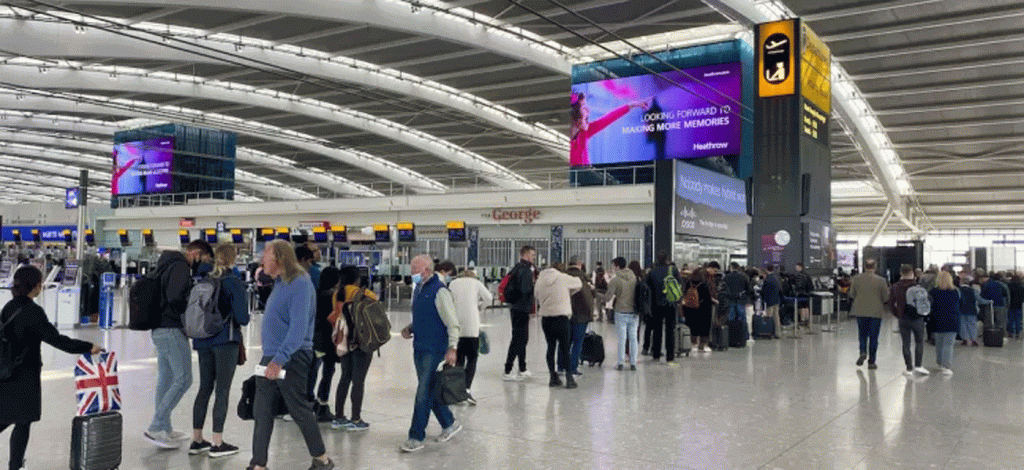
There are no direct flights to Serengeti so the first step is flying to Tanzania. The two main entry airports are Kilimanjaro International Airport (JRO) near Arusha and Julius Nyerere International Airport (DAR) in Dar es Salaam. Many European airlines and Middle Eastern carriers such as Qatar Airways, Turkish Airlines, Emirates and Ethiopian Airlines offer convenient one-stop flights.
Once in Tanzania travelers typically take a domestic flight to one of the Serengeti airstrips such as Seronera, Kogatende or Grumeti. These flights are operated by small regional airlines and offer stunning aerial views of the landscapes.
Alternatively, some travelers choose a road safari from Arusha. This journey takes approximately 6 to 8 hours depending on the park entrance and route. Although longer it allows visitors to experience rural Tanzania, local villages and scenic landscapes along the way.
For European tourists combining flight and safari packages is often the easiest option. Many tour operators provide full-service packages that include international airport pickup, domestic flights, accommodation, park fees and guided safaris. Visa requirements are also simple. Most European citizens can obtain a Tanzanian tourist visa online or upon arrival depending on their nationality.
Proper planning ensures a smooth journey and most travelers find that the long distance from Europe is well worth the unforgettable experience awaiting them in the Serengeti.
Accommodation Options in Serengeti
The Serengeti offers a wide range of accommodation options to suit different budgets and travel styles from luxury lodges to mobile camps and budget-friendly tented camps.
Luxury lodges provide high-end comfort with private suites, gourmet dining, swimming pools and panoramic views of the savannah. These lodges are ideal for European travelers seeking comfort while still being close to wildlife. Many luxury lodges are located in prime wildlife areas allowing animals to be seen directly from your balcony or nearby waterholes.
Mid-range tented camps offer a balance between comfort and adventure. These camps provide proper beds, private bathrooms and delicious meals while still maintaining an authentic safari atmosphere. They are often semi-permanent and move seasonally depending on wildlife migration patterns.
Budget camps are simpler but still safe and comfortable. They usually include basic tents, shared facilities and essential services. These options are ideal for backpackers or travelers looking to reduce costs while still enjoying the Serengeti experience. For a more exclusive experience mobile migration camps follow the Great Migration allowing guests to stay close to the action throughout the year.
European travelers should book accommodation early especially during peak season. Popular lodges can fill up months in advance. Many safari packages include accommodation, park fees and guided tours in one price making planning easier. Overall, Serengeti accommodation ensures that every traveler whether luxury seeker or budget explorer can experience the beauty of the wilderness in comfort and safety.
Safari Activities and Experiences
The Serengeti offers some of the most exciting safari activities in Africa making it a dream destination for European travelers seeking adventure and wildlife encounters.
Game drives are the most common activity. These guided tours take place in 4×4 safari vehicles and allow visitors to explore different parts of the park while spotting lions, elephants, giraffes, zebras and many other animals. Early morning and late afternoon drives are especially rewarding due to active wildlife behavior.
Hot air balloon safaris provide a unique perspective of the Serengeti. Floating above the plains at sunrise offers breathtaking views of wildlife and landscapes followed by a champagne breakfast in the bush. Walking safaris guided by experienced rangers allow travelers to explore the environment on foot. This experience focuses on smaller details such as tracks, plants, insects and birdlife.
Cultural visits to Maasai villages are also popular. These visits give insight into traditional lifestyles, customs and ceremonies of one of Tanzania’s most famous tribes. For photographers the Serengeti offers endless opportunities. From predator hunts to golden sunsets every moment is visually stunning.
European travelers often combine several activities to create a full safari experience that includes adventure, relaxation and cultural learning.
Costs and Budget Planning
The cost of a Serengeti safari from Europe varies depending on travel style, duration and level of comfort. On average a safari can range from mid-budget to luxury pricing.
Budget safaris typically start from lower daily costs and include basic accommodation, shared transport and essential services. These are ideal for travelers who prioritize experience over luxury.
Mid-range safaris offer private or semi-private tours, comfortable lodges and better amenities. This is the most popular option among European tourists.
Luxury safaris include high-end lodges, private guides, charter flights and exclusive experiences such as hot air balloon rides. These packages offer maximum comfort and personalized service.
Major cost factors include international flights, park entry fees, accommodation, domestic flights and guide services. The Great Migration season and peak travel months usually have higher prices. European travelers can reduce costs by booking early, traveling during low season or choosing group safari packages.
Overall while Serengeti safaris are not the cheapest travel option, they provide excellent value for one of the most extraordinary wildlife experiences in the world.
Packing List and Preparation for Serengeti Safari
Packing correctly for a Serengeti safari is very important especially for travelers coming from Europe who may not be familiar with African safari conditions. The key is to pack light, practical and suitable for changing weather.
Clothing should be lightweight, breathable and neutral-colored such as beige, khaki or olive green. These colors help you blend into the environment and avoid attracting insects. Bright colors and dark blue or black clothing should be avoided because they can attract tsetse flies. Long-sleeved shirts and trousers are recommended for protection against sun and insects especially during morning and evening game drives.
A warm jacket or fleece is also necessary because early mornings and nights in the Serengeti can be surprisingly cold especially between June and August. Comfortable walking shoes or lightweight boots are essential for walking safaris and uneven terrain.
Other important items include sunscreen, sunglasses, a wide-brim hat, insect repellent and a reusable water bottle. A good camera or smartphone with zoom capability is highly recommended to capture wildlife moments. Binoculars are also very useful for spotting distant animals.
Travel documents such as passport, visa confirmation, travel insurance and safari booking details should be kept in a waterproof folder. Personal medications and basic first-aid items should also be included as pharmacies are limited inside the park. European travelers should avoid overpacking because most safari flights have strict luggage limits usually around 15–20 kg in soft bags.
Proper preparation ensures comfort, safety and a more enjoyable safari experience in the Serengeti.
Visa, Health and Travel Insurance Requirements
Before traveling from Europe to the Serengeti, it is important to understand visa, health and insurance requirements to ensure a smooth journey.
Most European citizens need a tourist visa to enter Tanzania. This visa can be obtained online through the official Tanzania immigration website or upon arrival at major airports such as Kilimanjaro or Dar es Salaam. The process is generally straightforward but applying online in advance is recommended to save time at arrival.
Health preparation is also very important. Travelers should check with their doctor or travel clinic for recommended vaccinations which may include yellow fever (if arriving from risk countries) hepatitis A and B, typhoid and tetanus. Malaria prevention is strongly advised because Tanzania is in a malaria-risk zone. Anti-malaria tablets and insect protection measures are essential.
Travel insurance is highly recommended for all safari travelers from Europe. A good insurance policy should cover medical emergencies, evacuation services, trip cancellations and lost luggage. Since Serengeti is a remote area emergency evacuation coverage is particularly important. Drinking only bottled or purified water is advised during the safari to avoid stomach issues. Basic hygiene practices should also be followed.
Overall preparing documents, vaccinations and insurance in advance ensures peace of mind and allows travelers to fully enjoy their Serengeti adventure without unexpected issues.
Sample 8-Day Serengeti Safari Itinerary from Europe
An 8-day Serengeti safari itinerary is ideal for European travelers who want to experience Tanzania’s highlights without rushing.
Day 1: Arrival in Tanzania
Arrive at Kilimanjaro International Airport or Dar es Salaam. Transfer to Arusha for overnight rest and safari briefing.
Day 2: Tarangire National Park
Start with a game drive in Tarangire, famous for large elephant herds and ancient baobab trees.
Day 3: Lake Manyara National Park
Explore diverse landscapes including forests, flamingos and tree-climbing lions.
Day 4: Transfer to Serengeti
Drive or fly into the Serengeti. Afternoon game drive begins upon arrival.
Day 5–6: Serengeti Full Safari Experience
Spend full days exploring different regions of the park tracking the Big Five and witnessing predator action. Depending on the season you may see the Great Migration.
Day 7: Ngorongoro Conservation Area
Travel to the Ngorongoro Crater for a full-day wildlife experience inside the world’s largest volcanic caldera.
Day 8: Return and Departure
Return to Arusha and transfer to the airport for your flight back to Europe.
This itinerary offers a balanced combination of wildlife, landscapes and cultural experiences, making it one of the most popular safari routes for European travelers.
Essential Travel Tips for Serengeti Safari
To make the most of a Serengeti safari European travelers should follow several important travel tips.
First, always book with a trusted safari operator. This ensures safety, professional guiding and well-organized logistics. Experienced guides greatly enhance wildlife viewing by tracking animal movements and sharing valuable knowledge.
Second, remain flexible. Wildlife is unpredictable and some of the best sightings happen unexpectedly. Patience is essential during game drives.
Third, respect wildlife and park rules. Always stay inside the vehicle unless instructed otherwise by a guide. Do not feed or disturb animals.
Fourth, carry cash in small amounts for tips and small purchases as card payments are not always available in remote areas.
Fifth, maintain a digital detox mindset. Mobile networks are limited in the Serengeti allowing you to fully enjoy nature without distractions.
Sixth, wake up early. Morning game drives often provide the best wildlife activity and cooler temperatures.
Finally, always listen to your guide. Their experience and knowledge are key to a successful safari. Following these tips ensures a smooth, safe and unforgettable Serengeti experience.
Photography Tips for Serengeti Safari
The Serengeti is one of the best wildlife photography destinations in the world attracting photographers from across Europe. The best time for photography is early morning and late afternoon when the light is soft and golden. This lighting enhances animal colors and creates dramatic landscapes.
A camera with a zoom lens is highly recommended ideally between 200mm and 600mm to capture distant wildlife without disturbing them. Smartphones with advanced zoom features can also perform well. Stability is important so using a bean bag or monopod in safari vehicles helps reduce camera shake. Many safari vehicles are designed with open roofs or large windows for photography.
Patience is key. Wildlife photography often requires waiting for the perfect moment whether it is a lion hunt or a herd crossing the plains. Composition should include not only animals but also landscapes, skies and natural behavior to tell a complete story. Always protect your camera from dust by using a protective bag especially during dry seasons.
Finally, respect wildlife boundaries. Never ask drivers to get too close to animals for photos as safety is always the priority. With the right approach Serengeti photography can produce world-class images and unforgettable memories.
Wildlife in Serengeti National Park
The Serengeti is one of the richest wildlife ecosystems on Earth making it a top destination for European safari travelers. The park is home to over 70 large mammal species and more than 500 bird species creating endless opportunities for wildlife viewing throughout the year.
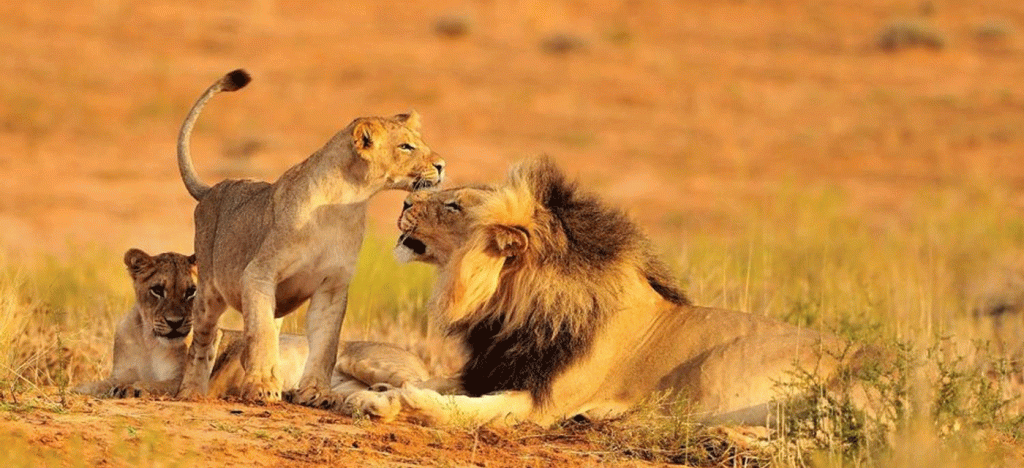
The most famous animals are the Big Five: lion, elephant, leopard, buffalo and rhinoceros. Lions are especially abundant in the Serengeti often seen resting under acacia trees or hunting in prides across the plains. Elephants move in large family groups especially in the northern and western regions of the park.
Leopards are more elusive and are usually spotted in riverine forests or resting on tree branches. Buffalos are commonly seen in large herds while rhinos are rare but protected in specific conservation zones.
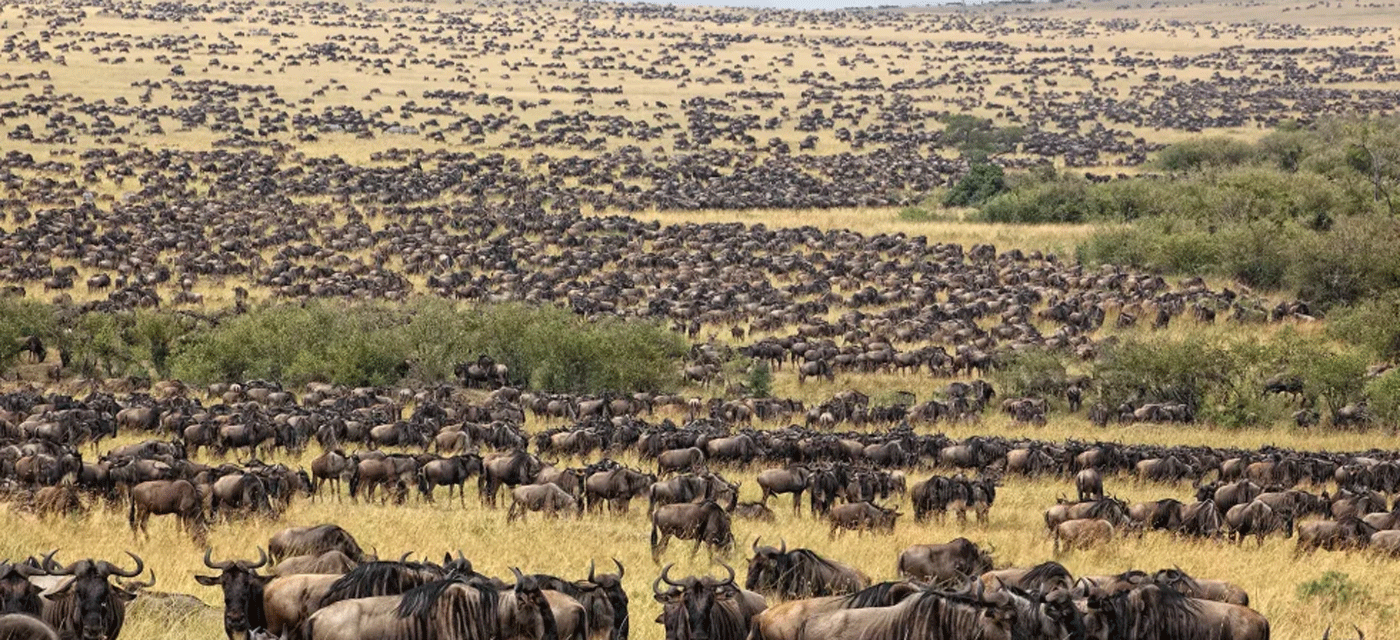
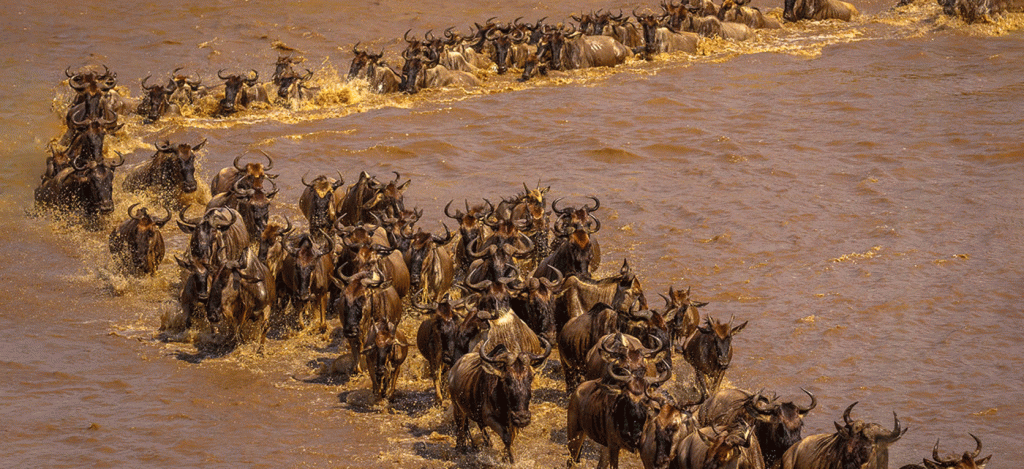
One of the biggest highlights is the Great Migration where over 1.5 million wildebeest, accompanied by zebras and gazelles move across the Serengeti in search of fresh grass. This movement attracts predators such as lions, cheetahs, hyenas and crocodiles creating dramatic wildlife interactions.
Other commonly seen animals include giraffes, hippos, warthogs, baboons, jackals and various antelope species such as impalas and Thomson’s gazelles. Birdwatchers from Europe also find the Serengeti fascinating, with species like ostriches, secretary birds, lilac-breasted rollers and eagles. The diversity of wildlife ensures that every game drive offers something new and unpredictable making the Serengeti one of the most rewarding safari destinations in the world.
Transportation Inside Serengeti
Transportation inside the Serengeti plays a major role in shaping the safari experience. Most travel within the park is done using specially designed 4×4 safari vehicles that are built for rough terrain and wildlife viewing. These vehicles typically include pop-up roofs allowing travelers to stand and observe animals safely from an elevated view. They are strong enough to handle dirt roads, river crossings and remote areas of the park.
European travelers usually join guided safari tours where a professional driver-guide handles navigation, wildlife tracking and safety. These guides are highly experienced and understand animal behavior which greatly improves the chances of seeing rare wildlife moments.
In addition to road transport small charter flights are commonly used to move between different regions of the Serengeti or connect from Arusha or Zanzibar. These flights land on small airstrips located within the park such as Seronera or Kogatende, saving time and offering aerial views of the landscape.
Walking inside the Serengeti is only allowed in specific areas and must be done with an armed ranger for safety. Self-driving is possible but not recommended for first-time European visitors due to complex terrain, wildlife risks and navigation challenges. Most safari packages include all transport arrangements making it easy for travelers to focus entirely on wildlife viewing and photography.
Overall transportation in the Serengeti is designed to balance accessibility, safety and immersive wildlife experiences.
Cultural Experience with Maasai Communities
A Serengeti safari is not only about wildlife but also about experiencing the rich cultural heritage of Tanzania especially through visits to Maasai communities. The Maasai are one of the most well-known ethnic groups in East Africa, recognized for their traditional red clothing, beadwork and semi-nomadic lifestyle. They live in villages located near the Serengeti and Ngorongoro regions.
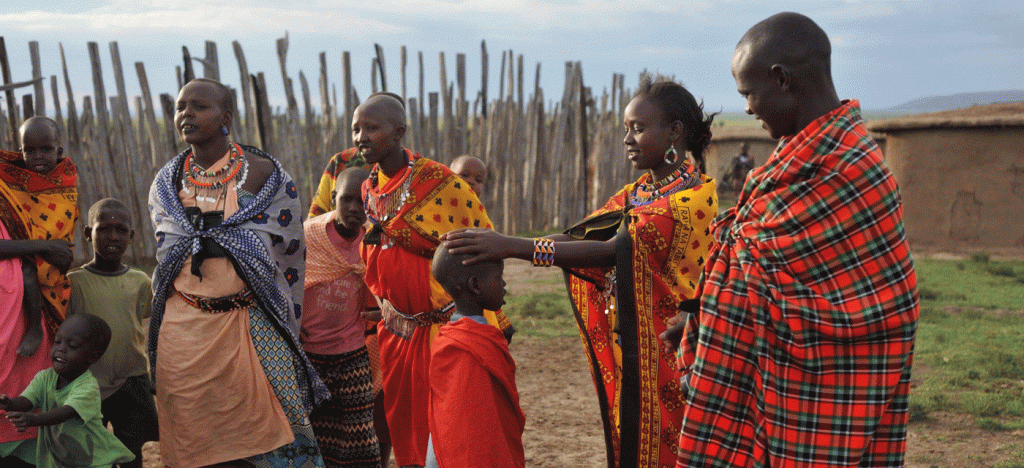
European travelers often have the opportunity to visit a Maasai boma (village) as part of their safari itinerary. During these visits guests are welcomed with traditional dances, songs and ceremonies that reflect Maasai culture and history. Visitors can learn about daily life including cattle herding, traditional medicine and social structures. Cattle are extremely important in Maasai culture and represent wealth and status.
Handmade crafts such as jewelry, bead necklaces and bracelets are often available for purchase supporting local communities directly. These cultural experiences provide a deeper understanding of how people live alongside wildlife in harmony with nature. It also adds an educational and human connection to the safari experience.
European travelers often find these interactions meaningful because they offer insight into traditions that have remained largely unchanged for centuries. Respect for local customs is important during visits and guides usually explain proper etiquette before entering villages. Overall cultural visits enhance the Serengeti safari by combining wildlife adventure with authentic human experiences.
Safety and Security in Serengeti Safari
Safety is a top priority in the Serengeti making it a secure destination for European travelers when proper guidelines are followed. Inside the national park visitors are always accompanied by professional guides who are trained in wildlife behavior and emergency procedures. These guides ensure that all game drives and activities are conducted safely.
Wild animals in the Serengeti are not domesticated so it is important to follow all instructions carefully. Travelers must remain inside vehicles during game drives unless explicitly permitted by guides in designated areas. Accommodation facilities such as lodges and tented camps are also designed with safety in mind. Many camps are surrounded by wildlife-proof barriers or are located in controlled areas were staff escort guests at night.
At night guests are often guided between their tents and communal areas due to the presence of wild animals in the surroundings. Health safety is also important. Drinking bottled water, using insect repellent and following hygiene practices help prevent illness during the trip. Tour operators provide emergency communication systems and some camps have access to medical evacuation services if needed.
Tanzania is generally considered safe for tourists especially within established safari routes. However normal travel precautions such as safeguarding valuables and following local advice should always be observed. For European travelers the Serengeti offers a well-managed and secure environment where safety and adventure are carefully balanced allowing visitors to fully enjoy the experience without unnecessary risk.
Choosing the Right Safari Tour Operator
Selecting the right safari tour operator is one of the most important decisions for European travelers planning a Serengeti safari. A good operator ensures safety, comfort and a well-organized experience while a poor choice can lead to stress, missed opportunities or hidden costs.
The best safari operators are licensed by Tanzanian tourism authorities and have strong experience in organizing wildlife tours. European travelers should always check reviews, testimonials and ratings on trusted platforms before booking. A professional operator will provide a detailed itinerary, clear pricing and transparent inclusions such as park fees, accommodation, meals, transport and guide services. Hidden costs should be avoided so clarity is essential before payment.
Experienced safari companies often employ local guides who have deep knowledge of wildlife behavior, migration routes and park geography. This expertise significantly improves the quality of game viewing. Many European travelers prefer operators that offer customized safari packages. These allow flexibility in choosing destinations, travel dates, accommodation levels and activities.
Communication is another key factor. A reliable operator responds quickly, provides detailed answers and assists with visa guidance, packing advice and flight coordination. Travel insurance partnerships and emergency support services are also signs of a trustworthy company. Finally sustainability is increasingly important. Many responsible operators support conservation efforts and local communities, ensuring that tourism benefits both nature and people.
Choosing the right operator guarantees a smooth, safe and unforgettable Serengeti safari experience.
Internet, Communication and Connectivity in Serengeti
Internet and communication in the Serengeti are limited compared to urban areas in Europe which is part of the authentic wilderness experience. Most safari lodges and camps offer basic Wi-Fi services but speeds can be slow and inconsistent due to remote location and satellite connections. High-bandwidth activities such as video calls or streaming are often not reliable.
Mobile network coverage is available in some parts of the park, especially around central regions like Seronera. Tanzanian mobile providers such as Vodacom, Airtel and Tigo offer SIM cards that can be purchased in cities like Arusha or Dar es Salaam before entering the park. European travelers are advised to buy a local SIM card for better connectivity and affordable data packages. However, it should be expected that coverage will disappear in deeper wilderness areas.
Because of limited connectivity many travelers choose to disconnect and enjoy a digital detox during their safari. This allows for a more immersive experience, focusing fully on wildlife, landscapes and nature sounds. Important communication for emergencies is handled by safari guides and lodges which are usually equipped with radio systems or satellite phones.
Travelers should inform family and friends in advance that communication may be irregular during the safari. Overall while the Serengeti does offer some connectivity options it is designed to be a place where nature takes priority over technology.
Food and Dining Experience in Serengeti
The dining experience in the Serengeti varies depending on the type of accommodation but overall it is designed to meet international standards while offering fresh and satisfying meals. Luxury lodges typically provide buffet-style or à la carte dining with a mix of international and African cuisine. Meals often include fresh fruits, vegetables, grilled meats, seafood and vegetarian options. European travelers usually find the food quality comparable to high-end hotels.
Mid-range tented camps offer hearty meals served in communal dining areas or outdoor settings. Breakfast, lunch and dinner are usually included in safari packages. Packed lunches are common during full-day game drives. Bush dining is a unique experience where meals are served in the middle of the savannah or under the stars. This creates a memorable atmosphere combining nature and fine dining.
Many camps also accommodate dietary requirements such as vegetarian, vegan, gluten-free or allergy-specific meals when informed in advance. Drinking water is usually provided in bottled or filtered form to ensure safety. European travelers should note that fresh ingredients are transported regularly from nearby towns ensuring good quality despite the remote location.
Overall, dining in the Serengeti is part of the safari experience, blending comfort, simplicity and nature.
Challenges and Things to Expect in Serengeti Safari
While a Serengeti safari is an unforgettable experience European travelers should also be aware of certain challenges to prepare properly. One of the main challenges is long travel distances. Getting to and moving within the Serengeti can involve several hours of driving or small domestic flights. Patience is important during transfers.
Weather conditions can also vary significantly. Days may be hot, while early mornings and nights can be very cold. Dust during dry seasons or mud during rainy seasons can also affect travel comfort. Wildlife sightings are never guaranteed at specific times. Animals move freely so patience and flexibility are required during game drives.
Limited internet and mobile connectivity may be difficult for travelers who are used to constant communication in Europe. Basic facilities in remote camps may not match urban hotel standards especially in budget accommodations. However, these challenges are part of what makes the Serengeti experience authentic. Most travelers quickly adapt and find that the natural beauty and wildlife encounters outweigh any inconvenience.
Proper preparation, realistic expectations and a positive mindset ensure a successful safari experience. For European visitors understanding these challenges in advance helps create a smoother and more enjoyable journey.
Hidden Costs of Serengeti Safari
When planning a Serengeti safari from Europe many travelers focus only on package prices but there are several hidden or additional costs that should be understood in advance to avoid surprises. One of the main extra costs is international travel insurance. While not always included in safari packages, it is essential for covering medical emergencies, evacuation and trip cancellations. This is especially important for remote areas like the Serengeti.
Tipping is another important cost. In Tanzania, it is customary to tip safari guides, drivers, lodge staff and porters. Although not mandatory it is highly expected and appreciated. European travelers should budget daily tipping amounts throughout their trip. Optional activities such as hot air balloon safaris, cultural Maasai village visits or night game drives (where allowed) are usually not included in standard packages and come at additional cost.
Alcoholic drinks, premium beverages and some specialty meals may also not be included in basic safari packages. Visa fees for Tanzania are another small but necessary cost depending on nationality. Some travelers may also need to pay for luggage storage or excess baggage fees when using domestic safari flights with strict weight limits. Souvenirs, crafts and personal shopping in local markets are optional but common expenses.
Understanding these hidden costs helps European travelers create a realistic budget and avoid unexpected financial stress during the safari.
Common Booking Mistakes to Avoid
European travelers often make several common mistakes when booking a Serengeti safari which can affect the overall experience. One major mistake is booking too late. The Serengeti is a popular destination, especially during the Great Migration season and top lodges and flights sell out months in advance. Early booking ensures better prices and availability.
Another mistake is choosing the cheapest operator without checking reviews or credentials. Low-cost offers may sometimes exclude important services or compromise safety and quality. Some travelers also underestimate travel time. The Serengeti is remote and transfers from Europe involve multiple flights and domestic connections. Poor planning can lead to rushed itineraries.
Not checking what is included in the safari package is another frequent issue. Some packages exclude park fees, meals or transport leading to unexpected extra costs. Ignoring seasonality is also a mistake. Wildlife experiences vary depending on the time of year so choosing the wrong season may reduce chances of seeing key events like the Great Migration.
Packing incorrectly or bringing too much luggage can also cause problems due to strict aircraft weight limits on safari flights. Finally, some travelers fail to prepare for limited connectivity and remote conditions expecting European-style convenience throughout the trip. Avoiding these mistakes ensures a smoother, more enjoyable and better-organized Serengeti safari experience.
Serengeti Migration Map and Wildlife Zones
The Great Migration is one of the most spectacular wildlife events in the world and understanding its movement is essential for European travelers planning a Serengeti safari. The migration involves over 1.5 million wildebeest along with hundreds of thousands of zebras and gazelles moving in a circular route across the Serengeti ecosystem and into Kenya’s Maasai Mara.
January to March: Southern Serengeti and Ndutu area
This is the calving season where thousands of wildebeest are born daily. Predator activity is very high.
April to May: Central Serengeti
Herds begin moving northward as rains end spreading across the central plains.
June to July: Western Corridor
Animals gather near the Grumeti River where dramatic river crossings begin.
August to October: Northern Serengeti
This is the most famous stage of the migration featuring the Mara River crossings with crocodile encounters.
November to December: Return to Southern Serengeti
Herds move back south as rains begin completing the cycle.
Each region of the Serengeti offers different wildlife experiences even outside migration season. The central Serengeti is known for year-round wildlife while northern areas are best for dramatic crossings.
Understanding these zones helps European travelers choose the right timing and location for their safari.
Best Safari Packages for European Travelers
European travelers can choose from a wide range of Serengeti safari packages depending on budget, time and travel style. Budget group safaris are ideal for solo travelers or backpackers. These include shared vehicles, basic camps and fixed itineraries offering a cost-effective way to experience the Serengeti.
Mid-range private safaris are the most popular option. They include comfortable lodges or tented camps, private guides and flexible schedules. This option offers a good balance between comfort and cost.
Luxury safaris are designed for travelers seeking premium experiences. These include fly-in safaris, high-end lodges, private vehicles, gourmet dining and exclusive wildlife viewing.
Fly-in safari packages are especially convenient for European travelers with limited time. They reduce long road travel and maximize time inside the park.
Some packages combine Serengeti with other destinations such as Ngorongoro Crater, Tarangire, Lake Manyara or even Zanzibar beach holidays. Custom safari packages are also available allowing travelers to design their own itinerary based on personal interests such as photography migration tracking or cultural experiences. Most packages include accommodation, park fees, meals, transport and professional guides.
Choosing the right package ensures a well-organized, comfortable and unforgettable safari experience tailored to European travel expectations.
Best Serengeti Safari Companies for European Travelers
Choosing a reliable safari company is one of the most important steps for European travelers planning a Serengeti trip. The best companies combine local expertise, professional guiding, safety standards and transparent pricing. High-quality safari operators in Tanzania usually specialize in customized itineraries for international clients. They offer services such as airport pickup, domestic flight arrangements, park permits, accommodation booking and guided game drives.
European travelers should prioritize companies that are registered with Tanzanian tourism authorities and have strong experience working with international tourists. A good operator will clearly explain what is included in the package avoiding hidden costs. Professional safari companies also employ certified driver-guides who understand wildlife behavior, migration routes and photography positioning. This significantly improves the safari experience.
Many top operators also focus on sustainable tourism supporting conservation projects and local communities near the Serengeti. When choosing a safari company, European travelers should check online reviews, request detailed itineraries, compare prices and confirm communication responsiveness before booking. Companies that offer 24/7 support during the trip are especially valuable for international travelers.
A trustworthy safari company ensures a smooth, safe and well-organized Serengeti experience from arrival to departure.
Full Cost Breakdown of Serengeti Safari
Understanding the full cost structure of a Serengeti safari helps European travelers plan their budget effectively. International flights from Europe to Tanzania are often the largest expense. Prices vary depending on season, airline and booking time. Domestic flights or road transfers to the Serengeti are another key cost. Fly-in safaris are more expensive but save time while road safaris are more budget-friendly.
Park entrance fees are mandatory and contribute to conservation efforts. These fees are usually included in safari packages but vary depending on duration and park zones. Accommodation costs depend on category: budget camps, mid-range tented camps or luxury lodges. Luxury options significantly increase total safari cost.
Guide and vehicle services are essential and typically included in packages. Private safari vehicles cost more but offer flexibility and comfort. Meals are often included, but premium dining, alcohol and special requests may add extra charges.
Optional activities such as hot air balloon safaris, Maasai village visits or walking safaris increase the total budget. Tipping for guides and staff is an additional daily expense that should be planned in advance. Travel insurance is another important cost that ensures safety during emergencies.
Ultimate Serengeti Safari Packing Checklist
A complete packing checklist helps European travelers prepare efficiently for a Serengeti safari.
Clothing:
Lightweight shirts, long-sleeved tops and trousers in neutral colors are essential. A warm jacket or fleece is needed for early mornings and evenings. Comfortable walking shoes or boots are important for safaris and excursions.
Accessories:
A wide-brim hat, sunglasses and scarf help protect against sun and dust. A lightweight backpack is useful for daily game drives.
Photography gear:
A camera with zoom lens (200mm–600mm recommended), extra batteries, memory cards and lens cleaning cloth are important. Smartphones with good cameras also work well.
Health and safety:
Sunscreen, insect repellent, hand sanitizer, personal medications and basic first-aid supplies should always be included.
Travel documents:
Passport, visa, travel insurance, safari booking confirmations and emergency contact information must be kept safely.
Other essentials:
Reusable water bottle, binoculars, flashlight or headlamp and power bank for charging devices.
Luggage tips:
Use soft-sided bags due to strict weight limits on safari flights (usually 15–20 kg). Avoid hard suitcases.
Proper packing ensures comfort, safety and convenience throughout the safari journey.
Frequently Asked Questions About Serengeti Safari from Europe
How do I travel from Europe to the Serengeti?
Most travelers fly from Europe to Kilimanjaro International Airport (JRO) or Julius Nyerere International Airport (DAR) then continue by domestic flight to a Serengeti airstrip or by road from Arusha.
What is the best time to visit the Serengeti from Europe?
The best time depends on your interests. June to October is excellent for wildlife viewing and the Great Migration while January to February is ideal for the calving season in southern Serengeti and Ndutu.
How much does a Serengeti safari from Europe cost?
The cost depends on the safari duration, accommodation, transport and travel season. Budget, mid-range and luxury options are available, with international flights and optional activities adding to the overall cost.
Do European citizens need a visa for Tanzania?
Most European citizens require a tourist visa to enter Tanzania. The visa can generally be obtained online or upon arrival, depending on nationality.
Can I fly directly into the Serengeti?
There are no international flights directly from Europe to the Serengeti. Travelers first fly to Tanzania and can then take a domestic flight to airstrips such as Seronera, Kogatende or Grumeti.
How long should I spend on a Serengeti safari?
An 8-day itinerary is one option for experiencing several of Tanzania’s major wildlife destinations without rushing. The ideal duration depends on your interests, budget and available travel time.
Is the Serengeti safe for European travelers?
The Serengeti is generally considered safe for tourists when park regulations and guide instructions are followed. Professional guides help manage wildlife encounters and safety during game drives.
What should I pack for a Serengeti safari from Europe?
Essential items include lightweight neutral-colored clothing, a warm jacket, comfortable shoes, sunscreen, insect repellent, sunglasses, a hat, binoculars, personal medication and travel documents.
Can I see the Great Migration during my Serengeti safari?
Yes. The Great Migration moves through different parts of the Serengeti throughout the year. January to March is associated with calving in the south, June to July with the Western Corridor and August to October with the northern Serengeti and Mara River crossings.
Can I combine the Serengeti with Ngorongoro Crater?
Yes. Serengeti and Ngorongoro can be combined in the same safari itinerary. An 8-day itinerary, for example, includes time in Serengeti followed by the Ngorongoro Conservation Area.
What type of accommodation is available in the Serengeti?
Travelers can choose from luxury lodges, mid-range tented camps, budget camps and mobile migration camps. The choice depends on budget, comfort preferences and safari style.
Can I take a fly-in Serengeti safari from Europe?
Yes. After arriving in Tanzania, travelers can connect by domestic flight to the Serengeti. Fly-in safaris are particularly useful for travelers who want to reduce long road transfers and maximize time in the park.
Is internet available in the Serengeti?
Internet and mobile coverage are limited compared with Europe. Some lodges and camps provide Wi-Fi while mobile coverage is available in certain areas such as central Serengeti around Seronera.
What wildlife can I see in the Serengeti?
The Serengeti is home to the Big Five lion, elephant, leopard, buffalo and rhinoceros along with cheetahs, giraffes, hippos, zebras, wildebeest, gazelles and more than 500 bird species.
Can I visit a Maasai community during my Serengeti safari?
Yes. Cultural visits to Maasai communities can be included in some safari itineraries, providing opportunities to learn about traditional lifestyles, crafts, customs and daily life.
Conclusion
A Serengeti safari from Europe is more than just a vacation it is a transformative journey into one of the most extraordinary natural environments on Earth. From the vast golden plains to the dramatic Great Migration the Serengeti offers unmatched wildlife experiences that cannot be found anywhere else in the world. European travelers are drawn to its raw beauty, rich biodiversity and sense of untouched wilderness.
Every moment in the Serengeti creates lasting memories whether it is watching a lion hunt at sunrise witnessing thousands of wildebeest crossing rivers or enjoying a quiet sunset over the savannah. The safari experience also combines comfort and adventure, with a wide range of accommodations, professional guides and well-organized travel systems making it accessible even from distant continents like Europe.
Beyond wildlife cultural interactions with Maasai communities add depth and meaning to the journey offering insight into traditional African lifestyles. Although the journey requires planning distance and investment the reward is an unforgettable experience that stays with travelers for life. For many Europeans a Serengeti safari becomes a once-in-a-lifetime dream fulfilled a perfect combination of nature, adventure, photography and cultural discovery.
With the right preparation, timing and safari operator the Serengeti delivers an experience that exceeds expectations and leaves a lasting impression of Africa’s wild heart.