 English
 Deutsch
 Italia
June 5, 2026
Serengeti Wildebeest Great Migration Tour
Introduction
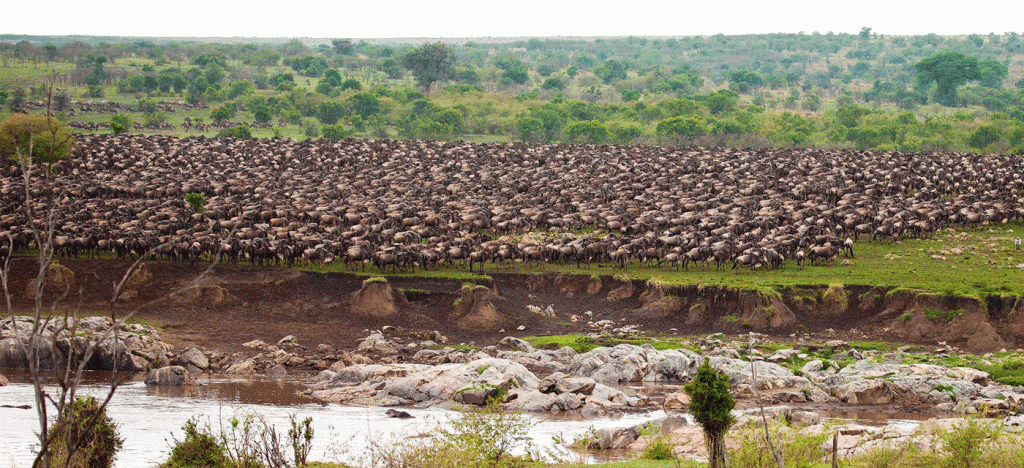
A Serengeti Wildebeest Great migration tour offers travelers the opportunity to witness one of the most extraordinary natural events on Earth. Known as the Great Wildebeest Migration, this annual movement involves more than 1.5 million wildebeest, hundreds of thousands of zebras and numerous gazelles traveling across the vast plains of Tanzania’s Serengeti National Park and Kenya’s Maasai Mara in search of fresh grazing and water.
The migration is not a single event but a year-round cycle driven by seasonal rainfall patterns. As the animals move across the ecosystem, they face numerous challenges, including predator attacks, harsh weather conditions and dangerous river crossings. This constant movement creates incredible wildlife viewing opportunities throughout the year.
A Serengeti migration tour is suitable for wildlife enthusiasts, photographers, nature lovers, families, couples and adventure travelers seeking an authentic African safari experience. Every month offers a different stage of the migration making it possible to plan a rewarding safari at any time of the year.
Understanding the migration cycle, choosing the right season, selecting suitable accommodations and working with experienced safari operators are all important factors in creating a memorable journey. Whether your dream is to witness dramatic river crossings, newborn wildebeest calves taking their first steps or large predator interactions the Serengeti provides unparalleled opportunities.
This guide covers everything you need to know about planning a Serengeti migration tour, including the migration calendar, best travel seasons, accommodations, safari activities, costs, packing recommendations and practical travel tips.
Table of contents
- Introduction
- Understanding the Serengeti Wildebeest Great Migration Tour
- Best Time for a Serengeti Wildebeest Great Migration Tour
- Best Areas to See the Migration
- Accommodation Options
- Safari Activities During the Serengeti Wildebeest Great Migration Tour
- Cost of a Serengeti Wildebeest Great Migration Tour
- Packing List for a Serengeti Wildebeest Great Migration Tour
- Travel Tips for a Successful Migration Safari
- Photography Tips for the Serengeti Migration
- Migration Calendar Month-by-Month Overview
- Wildlife Species Involved in the Migration Ecosystem
- Booking Process for a Serengeti Wildebeest Great Migration Tour
- Transportation During the Serengeti Migration Safari
- Safety and Health Information for Safari Travelers
- Frequently Asked Questions
- Conclusion
Understanding the Serengeti Wildebeest Great Migration Tour
The Serengeti Great Wildebeest Migration is often described as the largest terrestrial mammal migration in the world. Each year, over 1.5 million wildebeest, approximately 250,000 zebras and hundreds of thousands of gazelles follow a circular route through the Serengeti-Mara ecosystem.
The migration begins with the calving season in the southern Serengeti and Ndutu region. Between January and March fertile grasslands provide ideal conditions for pregnant wildebeest to give birth. During this period nearly 500,000 calves are born within a few weeks. As rainfall patterns change the herds gradually move northwest through the central Serengeti and into the western corridor. By June and July, many animals gather near the Grumeti River before continuing their journey northward.
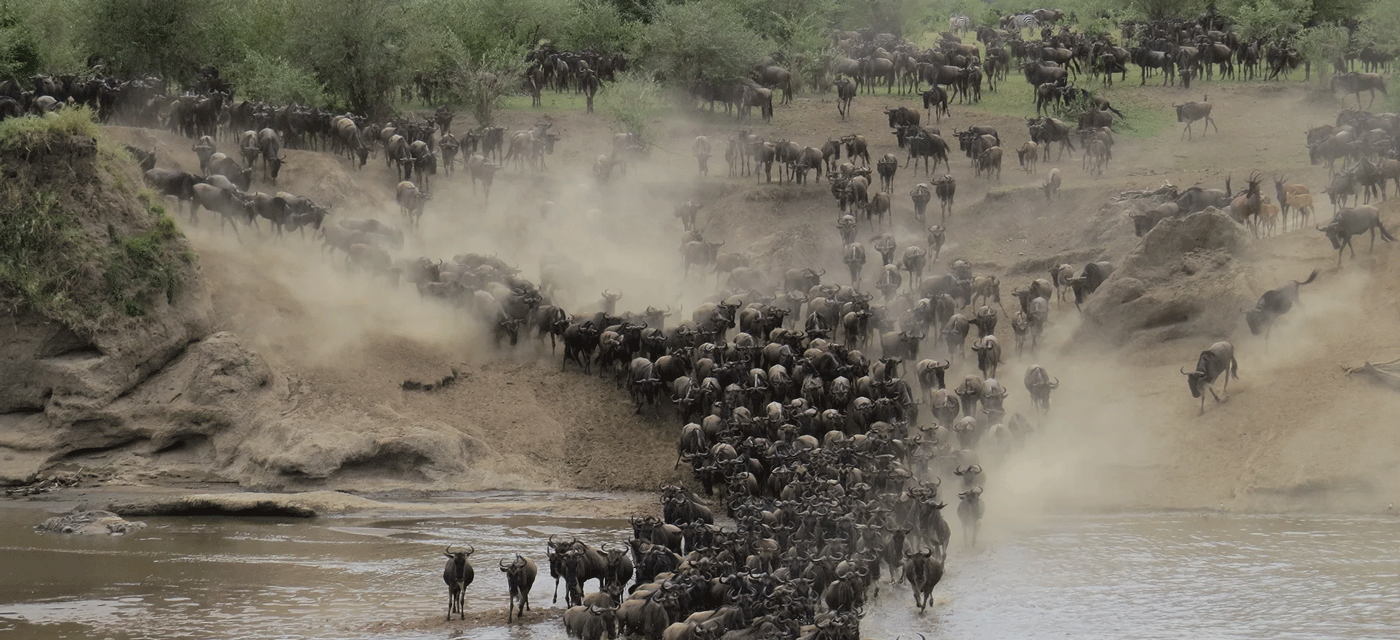
The most famous stage of the migration occurs between July and October when thousands of animals cross the Mara River. These crossings are dramatic and unpredictable. Crocodiles wait in the water while predators such as lions, cheetahs and hyenas patrol nearby.
After spending time in the northern Serengeti and Maasai Mara regions the herds gradually begin their journey south as seasonal rains return. By November and December many animals move back into Tanzania’s southern plains completing the migration cycle. The migration follows nature’s rhythm rather than a fixed schedule. Rainfall variations can influence animal movements making flexibility an important part of migration safari planning.
Best Time for a Serengeti Wildebeest Great Migration Tour
Choosing the best time for a migration safari depends on the specific experiences you wish to witness.
January to March: Calving Season During this period the southern Serengeti and Ndutu plains become the center of migration activity. Vast herds gather on nutrient-rich grasslands where hundreds of thousands of calves are born.
This season offers excellent opportunities to witness predator action because lions, cheetahs, leopards and hyenas are attracted by the abundance of vulnerable young animals. Wildlife photography is particularly rewarding due to the open landscapes and large concentrations of animals.
April to May: Green Season The rainy season transforms the Serengeti into a lush green paradise. Visitor numbers are lower creating a more exclusive safari experience.
Although some roads may become muddy, photographers appreciate the dramatic skies, vibrant scenery and reduced tourist traffic. Accommodation prices are often lower during these months.
June to July: Western Corridor As the dry season begins, the herds move toward the western corridor. Grumeti River crossings may occur during this stage providing exciting wildlife encounters.
This period marks the beginning of peak safari season and offers excellent game viewing across much of the Serengeti.
July to October: Mara River Crossings This is the most famous migration period. Thousands of wildebeest gather along riverbanks before making dangerous crossings into and out of the northern Serengeti.
River crossings are unpredictable but patient visitors may witness some of the most dramatic wildlife scenes in Africa.
November to December: Return Journey Short rains encourage the herds to move south toward the central and southern Serengeti. Large groups of animals once again spread across the plains as they prepare for the upcoming calving season.
Best Areas to See the Migration
The Serengeti is vast covering approximately 14,750 square kilometers. Different regions become migration hotspots at various times of the year.
Southern Serengeti and Ndutu The southern plains are best visited from December through March. This region hosts the calving season and attracts numerous predators. The landscape consists of open grasslands, making wildlife viewing relatively easy. Photographers often favor this area because animals can be observed against expansive scenic backgrounds.
Central Serengeti Central Serengeti remains productive throughout the year due to permanent water sources and resident wildlife populations. Visitors can often see lions, leopards, elephants, giraffes and many other species regardless of migration timing. This area serves as an excellent base for first-time safari travelers.
Western Corridor The western corridor becomes important between May and July as migrating herds move toward the Grumeti River. River crossings and predator interactions create exciting game-viewing opportunities during this period.
Northern Serengeti The northern Serengeti is famous for Mara River crossings from July through October. This region is less crowded than some migration viewing areas, allowing for more exclusive safari experiences. Visitors often spend several days here to maximize their chances of witnessing river crossings.
Accommodation Options
A Serengeti migration tour offers accommodation choices suitable for various budgets and travel styles.
Luxury safari lodges provide spacious suites, gourmet dining, private game drives and premium amenities. Many luxury properties occupy strategic locations near migration routes.

Tented camps offer an authentic safari atmosphere while maintaining high levels of comfort. Luxury tented camps often feature private bathrooms, comfortable beds and exceptional service.
Mobile migration camps move throughout the year to follow wildlife movements. These camps place guests close to migration activity and provide excellent wildlife access.
Mid-range lodges balance comfort and affordability. They often include private rooms, dining facilities and guided safari activities.
Budget camps and public campsites offer affordable options for travelers seeking adventure without high accommodation costs.
Selecting accommodations based on migration timing significantly improves wildlife viewing opportunities.
Safari Activities During the Serengeti Wildebeest Great Migration Tour
A Serengeti migration tour is not limited to game drives alone. The migration season unlocks a wide range of safari activities that allow travelers to experience the ecosystem from different perspectives. The most common activity is the classic morning and afternoon game drive where professional guides take visitors deep into the plains to follow herds of wildebeest, zebras and predators such as lions and cheetahs.
These drives are carefully timed to maximize wildlife sightings during cooler hours when animals are most active.
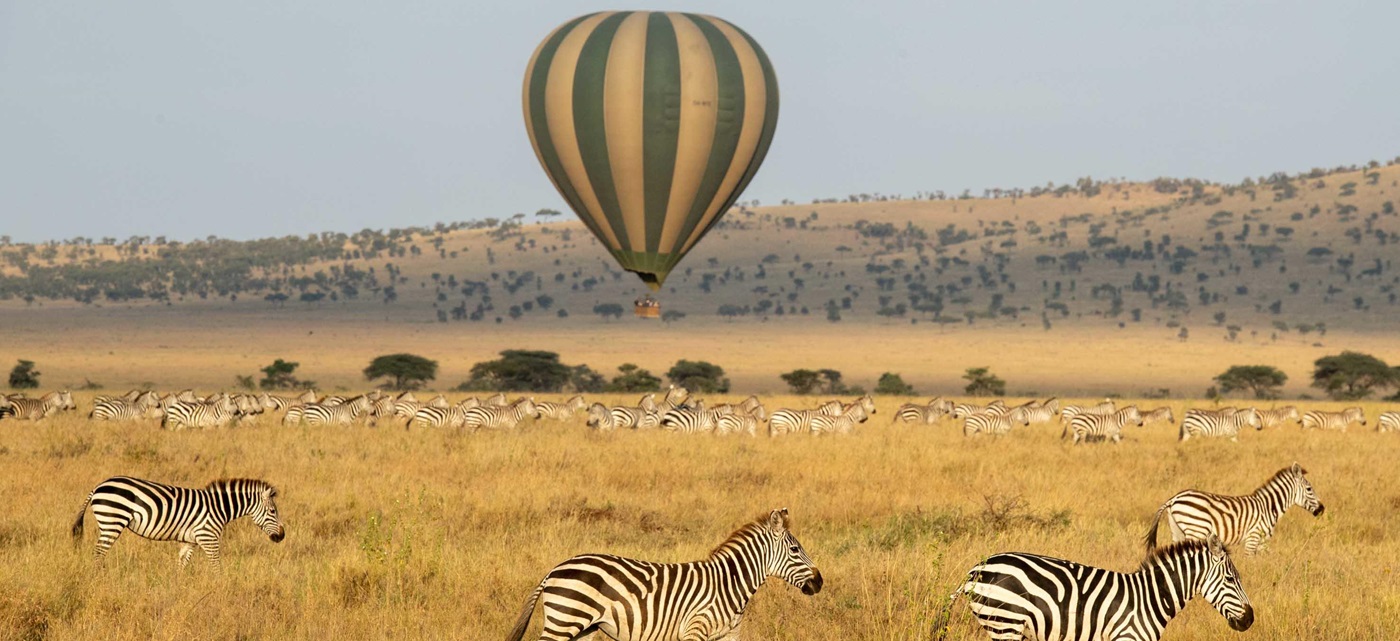
Hot air balloon safaris are another unforgettable experience. Floating silently above the Serengeti at sunrise offers a panoramic view of migrating herds stretching across the horizon. From above the scale of the migration becomes even more impressive, revealing thousands of animals moving in coordinated patterns across the landscape. After landing guests are usually treated to a bush breakfast in the wild.
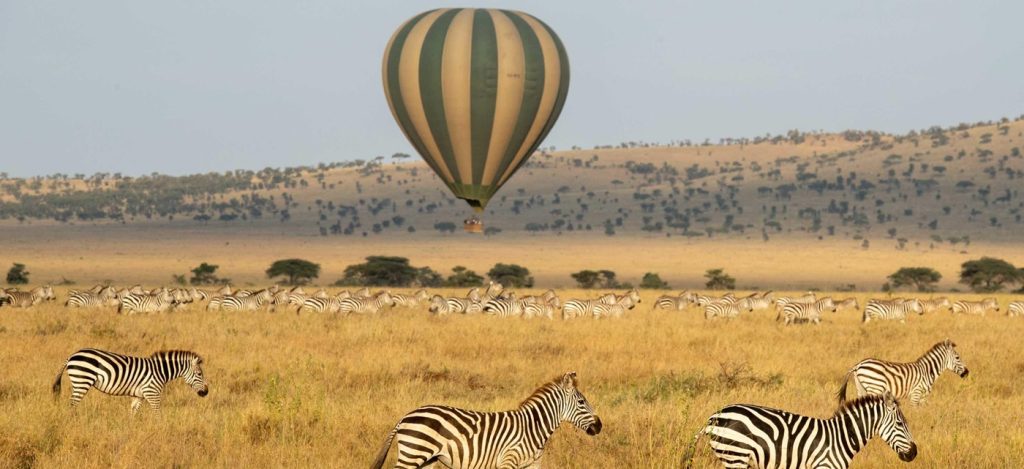
Walking safaris are available in selected areas under the guidance of armed rangers and expert trackers. These walks provide a closer look at the smaller details of the ecosystem, such as animal tracks, insects, plants and birdlife that are often missed during game drives. Birdwatching is also rewarding as the Serengeti hosts over 500 bird species. During migration periods scavenger birds such as vultures and marabou storks become more active due to predator kills.
Each activity adds a different dimension to the Serengeti migration experience.
Cost of a Serengeti Wildebeest Great Migration Tour
The cost of a Serengeti Wildebeest Great Migration Tour varies widely depending on travel style, accommodation level and season. On average budget travelers may spend between 250 and 400 USD per day while mid-range safaris typically range from 400 to 800 USD per day. Luxury migration safaris can exceed 1,000 USD per day especially during peak river crossing seasons.
One of the biggest cost factors is accommodation. Mobile migration camps and luxury lodges positioned near river crossing points are more expensive due to their strategic location and high demand. Transportation also affects pricing with private 4×4 safari vehicles costing more than shared group tours.
Park fees are another important consideration. Serengeti National Park charges daily entrance fees that contribute to conservation efforts and park maintenance. These fees are usually included in full safari packages but can significantly impact overall costs.
Seasonality also plays a major role. Peak migration months especially July to October,see higher prices due to increased demand. In contrast, the green season from April to May offers more affordable rates and fewer crowds although wildlife may be more dispersed. Additional costs may include international flights, travel insurance, tips for guides and optional activities such as hot air balloon rides.
Planning early and booking in advance often helps secure better prices and availability during migration season.
Packing List for a Serengeti Wildebeest Great Migration Tour
Packing correctly for a Serengeti Wildebeest Great Migration Tour is essential for comfort, safety and convenience. Lightweight neutral-colored clothing is recommended to blend with the environment and avoid attracting insects. Breathable fabrics such as cotton and linen are ideal for daytime game drives while warmer layers are necessary for early morning and evening safaris when temperatures can drop significantly.
A good pair of binoculars is essential for viewing distant wildlife especially during river crossings or when animals are spread across the plains. A high-quality camera with zoom lenses is highly recommended for capturing migration moments including predator interactions and large herds on the move.
Sun protection is very important. Travelers should bring wide-brim hats, sunglasses and sunscreen due to strong equatorial sunlight. A reusable water bottle is also useful to stay hydrated during long game drives. Insect repellent helps protect against mosquitoes particularly during the rainy season. Comfortable walking shoes or boots are needed for walking safaris or moving around camp areas.
Travel documents including passports, visas and travel insurance should always be kept secure and accessible. A small backpack is useful for carrying essentials during daily excursions. Power banks and adapters are also important as electricity in remote camps may be limited or solar-powered. Proper packing ensures a smoother and more enjoyable migration safari experience.
Travel Tips for a Successful Migration Safari
Planning a successful Serengeti Wildebeest Great Migration Tour requires flexibility, patience and preparation. One of the most important tips is to travel with experienced safari guides who understand animal movement patterns. Since the migration is driven by rainfall rather than fixed schedules, expert knowledge greatly increases the chances of witnessing key events such as river crossings or calving scenes.
Booking early is highly recommended especially for peak months between July and October. Accommodations near migration hotspots fill quickly due to high demand. Early reservations also provide better pricing options and more availability in prime locations. Flexibility in travel dates can improve the overall experience. Staying in one region for several days increases the likelihood of seeing dramatic wildlife behavior rather than rushing between locations.
It is also important to manage expectations. River crossings for example are unpredictable and may require waiting for several hours or even days. Patience is often rewarded with unforgettable sightings. Health preparation should not be overlooked. Travelers should consult medical professionals regarding vaccinations and malaria prevention before traveling.
Respecting wildlife and following park rules ensures safety for both visitors and animals. Keeping a safe distance and minimizing noise helps preserve natural behavior. Finally, choosing a reputable safari operator ensures better logistics, safety, and overall experience quality.
Photography Tips for the Serengeti Migration
A Serengeti Wildebeest Great Migration Tour is one of the most rewarding wildlife photography opportunities in the world. Capturing the movement of millions of animals across open plains requires both preparation and patience. One of the most important tips is to use a camera with a good zoom lens, ideally between 100–400mm to capture distant wildlife without disturbing their natural behavior. A wide-angle lens is also useful for landscape shots that show the scale of the migration across the Serengeti plains.
Lighting plays a critical role in safari photography. Early mornings and late afternoons provide the best natural light often referred to as the golden hours. During these times, animals are more active and the soft light enhances colors and shadows creating dramatic images. Midday light can be harsh so focusing on action shots or shaded areas is often more effective during that time.
Patience is essential. River crossings, predator hunts and herd movements are unpredictable and waiting for the right moment often results in the most powerful images. Staying still and observing behavior before shooting helps capture more natural and storytelling photographs. It is also important to maintain a respectful distance from wildlife. Using a zoom lens allows photographers to avoid disturbing animals while still capturing close-up details.
Migration Calendar Month-by-Month Overview
Understanding the month-by-month movement of the Serengeti migration is essential for planning the perfect tour. In January large herds gather in the southern Serengeti and Ndutu region where fresh grasses support calving season. February continues the peak birthing period, attracting predators and offering intense wildlife interactions.
By March the herds begin spreading out as calves grow stronger while still remaining in the southern plains. April marks the start of the long rains and animals slowly start moving northward through the central Serengeti.
In May the migration continues toward the western corridor where lush vegetation supports large herds. June is a transitional month with animals gathering near the Grumeti River where some dramatic crossings may occur.
July marks the beginning of the famous Mara River crossings as herds enter the northern Serengeti. August and September are peak river crossing months offering some of the most dramatic wildlife scenes in Africa.
By October, herds start spreading into both northern Serengeti and Maasai Mara regions. November brings the short rains encouraging movement back toward the southern plains.
December sees large herds returning to the Ndutu and southern Serengeti completing the cycle. This continuous movement ensures that wildlife viewing remains dynamic throughout the year.
Wildlife Species Involved in the Migration Ecosystem
The Serengeti migration is not only about wildebeest it is a complex ecosystem involving multiple species. Wildebeest form the largest population, numbering over 1.5 million and they are the primary drivers of the migration. Zebras numbering around 250,000, often lead the movement because they can digest tougher grasses making them important pioneers in grazing patterns.
Gazelles especially Thomson’s gazelles also participate in the migration in smaller numbers benefiting from fresh grazing areas left behind by larger herds. These herbivores create a dynamic food chain that supports a wide range of predators.
Predator species are a key part of the migration experience. Lions are the dominant predators in the Serengeti and often follow migrating herds closely. Cheetahs take advantage of open plains during the calving season while leopards hunt more stealthily in wooded areas. Hyenas play a major role as both hunters and scavengers.
Crocodiles are particularly important during river crossings, especially in the Mara and Grumeti Rivers where they lie in wait for migrating herds. Scavenger species such as vultures and marabou storks help maintain ecological balance by feeding on carcasses. This interconnected system makes the Serengeti migration one of the most complete and dramatic wildlife ecosystems on Earth.
Booking Process for a Serengeti Wildebeest Great Migration Tour
Booking a Serengeti Wildebeest Great Migration Tour requires careful timing and the right choice of safari operator. The first step is deciding your travel dates based on the migration stage you want to experience such as calving season in the south or river crossings in the north. Once the timing is clear the next step is selecting a reputable safari company that specializes in Tanzania wildlife tours and has strong knowledge of migration patterns.
Most travelers book either directly with local tour operators or through international travel agencies. Booking directly with a Tanzanian safari operator often provides better value and more flexible itinerary customization. A good operator will help design a route that follows the migration movement and increases your chances of witnessing key wildlife events.
After choosing an operator, you will receive a detailed itinerary including accommodation types, park entry fees, transportation and daily activities. At this stage a deposit is usually required to confirm bookings especially during peak migration months when lodges fill up quickly. It is highly recommended to book at least 6 to 12 months in advance for July to October travel as this is the most competitive season. For green season travel shorter notice may still secure good availability.
Transportation During the Serengeti Migration Safari
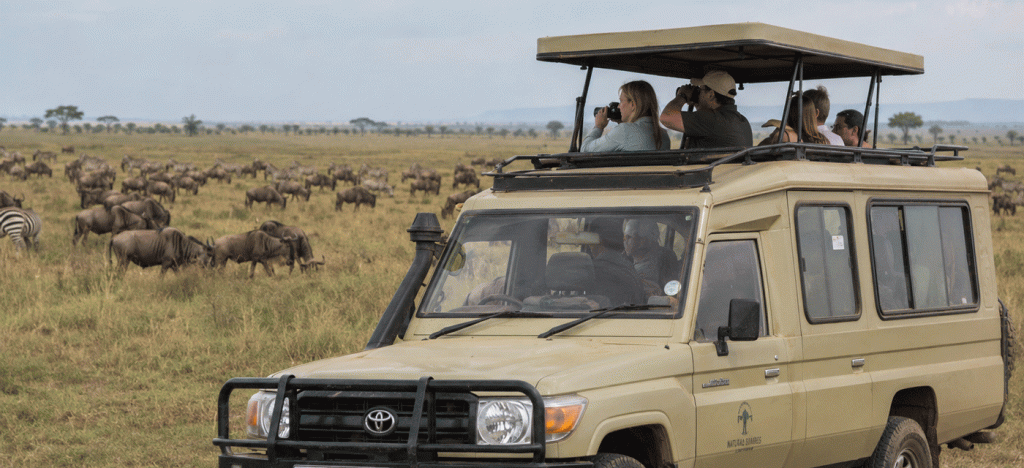
Transportation is a key part of any Serengeti migration tour, as the park covers vast distances and wildlife locations change throughout the year. The most common mode of transport is a 4×4 safari Land Cruiser specially designed for off-road conditions. These vehicles are built with pop-up roofs allowing travelers to stand and enjoy 360-degree wildlife viewing during game drives.
Most migration safaris include a private driver-guide who is both a skilled tracker and knowledgeable about animal behavior. These guides communicate with other drivers using radio systems to locate herds, predators and river crossings in real time. This greatly increases the chances of witnessing important migration events.
Some itineraries also include domestic flights between regions such as Arusha, Central Serengeti, Northern Serengeti and Ndutu. Flying reduces travel time significantly and allows visitors to spend more time on game drives rather than long road journeys.
Road transfers are common for budget and mid-range safaris though travel times can be long due to the size of the park and road conditions. However road safaris offer excellent opportunities to see changing landscapes and wildlife along the way. Proper transportation planning ensures that travelers can efficiently follow the migration without missing key seasonal movements across different regions of the Serengeti.
Safety and Health Information for Safari Travelers
Safety is an important consideration when planning a Serengeti Wildebeest Great Migration Tour. The park is generally very safe for tourists when proper guidelines are followed. Wildlife is unpredictable so it is essential to always remain inside the safari vehicle during game drives unless instructed otherwise by a professional guide. Visitors should never approach or attempt to feed wild animals as this can be dangerous and disrupt natural behavior. Safari guides are trained to maintain safe distances while still providing excellent viewing opportunities.
Health preparation is also important before traveling. Most travelers are advised to receive vaccinations such as yellow fever (depending on travel history), hepatitis and typhoid. Malaria prevention medication is strongly recommended as the Serengeti is located in a malaria-risk zone.
Drinking bottled or filtered water is essential and travelers should avoid consuming untreated water. Basic hygiene practices help prevent stomach illnesses during the trip. Travel insurance that covers medical emergencies and evacuation is highly recommended as some safari areas are remote and far from major hospitals.
Finally, travelers should pack a basic first aid kit including pain relievers, antiseptics and any personal medications. With proper preparation a Serengeti safari remains a safe and highly rewarding experience.
Frequently Asked Questions
What is the Serengeti Wildebeest Great Migration?
The Great Migration is the annual movement of more than 1.5 million wildebeest, along with zebras and gazelles, across the Serengeti-Mara ecosystem in search of fresh grazing and water.
When is the best time to see the Great Migration in the Serengeti?
The best time depends on what you want to see. January to March is ideal for calving, while July to October offers the best opportunities for Mara River crossings.
Where can I see the wildebeest migration in Tanzania?
The main areas include Southern Serengeti and Ndutu, Central Serengeti, the Western Corridor, and Northern Serengeti. Each area becomes important at different stages of the migration.
When is the calving season in the Serengeti?
Calving season mainly takes place from January to March in the Southern Serengeti and Ndutu areas, when hundreds of thousands of wildebeest calves are born.
When can I see the Mara River crossings?
Mara River crossings are most likely between July and October in Northern Serengeti. However, crossings are unpredictable and depend on animal movements and rainfall.
How much does a Serengeti Great Migration safari cost?
Costs vary by accommodation and travel style. Budget safaris may cost around $250–$400 per person per day, mid-range safaris around $400–$800, while luxury safaris can exceed $1,000 per person per day.
How far in advance should I book a migration safari?
For July to October, booking 6–12 months in advance is recommended because accommodation near migration hotspots can fill quickly.
What accommodation is available during the migration safari?
Travelers can choose from luxury lodges, tented camps, mobile migration camps, mid-range lodges, and budget campsites.
What activities can I do during a Serengeti migration safari?
Activities include game drives, hot-air balloon safaris, walking safaris in selected areas, and birdwatching.
What should I pack for a Serengeti migration safari?
Recommended items include lightweight neutral-colored clothing, warm layers, binoculars, a camera with a zoom lens, sunscreen, sunglasses, a hat, insect repellent, comfortable shoes, travel documents, a power bank, and a reusable water bottle.
Is the Serengeti migration safe for travelers?
Yes. The Serengeti is generally safe when visitors follow park rules and their guide’s instructions. Travelers should remain inside the vehicle unless their professional guide gives permission to leave.
How do I book a Serengeti Wildebeest Great Migration Tour?
Choose your preferred migration season, select a reputable safari operator, confirm your itinerary and accommodation, and pay the required deposit to secure your booking.
Conclusion
A Serengeti Wildebeest Great Migration Tourstands as one of the most extraordinary wildlife experiences on the planet offering a rare opportunity to witness nature operating on a vast and ancient scale. The continuous movement of over 1.5 million wildebeest alongside hundreds of thousands of zebras and gazelles creates a living rhythm across the Serengeti ecosystem that changes with every season. From the southern plains during the calving season to the dramatic Mara River crossings in the north each stage of the migration delivers unique and unforgettable wildlife encounters.
What makes this journey especially remarkable is its unpredictability. The migration does not follow a fixed timetable but instead responds to rainfall, grazing conditions and survival instincts. This natural uncertainty means every safari is different rewarding travelers who remain patient and flexible. Some may witness intense predator interactions while others may see peaceful scenes of endless herds moving across golden grasslands.
A well-planned Serengeti migration tour also provides more than just wildlife viewing. It offers a deeper understanding of ecological balance, predator-prey relationships and the resilience of nature in one of the world’s last great wilderness areas. With expert guides, carefully chosen routes and appropriate seasonal timing visitors can significantly enhance their chances of experiencing the most dramatic moments of the migration.