 English
 Deutsch
 Italia
June 5, 2026
Great Migration Safari in Serengeti
Introduction
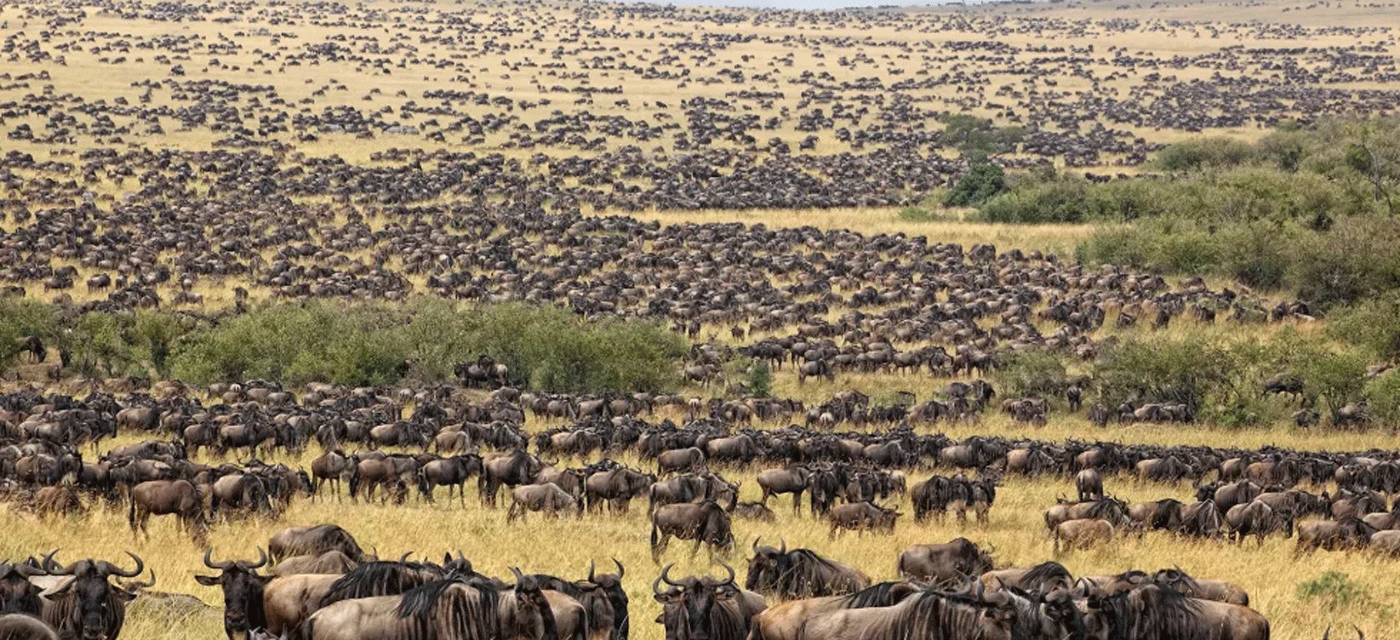
Great Migration Safari in Serengeti is one of the most extraordinary wildlife experiences on Earth. Every year, more than two million wildebeest, accompanied by hundreds of thousands of zebras and gazelles, move across the vast plains of Tanzania’s Serengeti National Park and Kenya’s Maasai Mara ecosystem in search of fresh grazing and water. This continuous movement creates one of the largest and most dramatic animal migrations in the world.
The migration follows seasonal rainfall patterns and provides visitors with an opportunity to witness nature at its most powerful. From the calving season in the southern Serengeti to the dangerous river crossings in the north every stage of the migration offers unique wildlife encounters. Predators such as lions, cheetahs, leopards, hyenas and crocodiles closely follow the herds creating unforgettable moments for safari travelers.
Unlike many wildlife events that occur over a short period the Great Migration is a year-round phenomenon. Different locations within the Serengeti ecosystem offer excellent viewing opportunities throughout the year. Understanding where the herds are likely to be during specific months can help travelers plan the perfect safari experience.
A Great Migration safari combines stunning landscapes, abundant wildlife, expert-guided game drives and exceptional photography opportunities. Whether you are a first-time visitor to Africa or a seasoned safari enthusiast witnessing thousands of animals moving across the African plains is an experience that remains unforgettable for a lifetime.
This guide explains everything travelers need to know about the Great Migration, including its stages, best viewing locations, timing, accommodation options, safari activities, costs and planning tips.
Table of contents
- Introduction
- Understanding the Great Migration
- Calving Season in Southern Serengeti
- Western Corridor Migration
- Mara River Crossings
- Best Time to Visit for a Great Migration Safari in Serengeti
- Best Locations to Witness the Great Migration Safari in Serengeti
- Wildlife Beyond the Migration
- Accommodation Options During the Great Migration Safari in Serengeti
- Photography Opportunities During the Great Migration
- Cost of a Great Migration Safari
- Activities to Enjoy During a Great Migration Safari in Serengeti
- Essential Packing Guide for a Great Migration Safari
- Conservation and the Future of the Great Migration Safari in Serengeti
- How to Plan the Perfect Great Migration Safari in Serengeti
- Why the Serengeti Is the Best Place to Experience the Great Migration
- The Role of Predators During the Great Migration
- Great Migration Safari for Families
- Luxury Great Migration Safari Experience
- Common Mistakes Travelers Make When Planning a Great Migration Safari
- Frequently Asked Questions About the Great Migration
- Great Migration Safari Photography Tips
- Birdwatching During the Great Migration Safari
- The Economic Importance of the Great Migration Safari in Serengeti
- Great Migration Safari in Serengeti for Honeymooners
- Why the Great Migration Is Considered One of the Seven Natural Wonders of Africa
- What Makes the Great Migration Different from Other Wildlife Safaris
- The Journey of a Wildebeest During the Migration
- The Best Safari Vehicles for Great Migration Viewing
- How Local Guides Improve the Great Migration Experience
- Great Migration Safari: A Once-in-a-Lifetime Experience
- The Great Migration and the Serengeti Ecosystem
- Comparing the Great Migration Seasons
- Sustainable Tourism and the Great Migration
- The Cultural Heritage Surrounding the Great Migration
- Preparing for Your First Great Migration Safari
- Frequently Asked Questions About the Great Migration Safari
- Conclusion
Understanding the Great Migration
The Great Migration is a natural annual movement of wildebeest, zebras and gazelles throughout the Serengeti-Mara ecosystem. It is driven by the search for fresh grass and water which are essential for the survival of these herbivores. The migration follows seasonal rainfall patterns rather than a fixed route meaning the exact location of the herds can vary slightly each year.
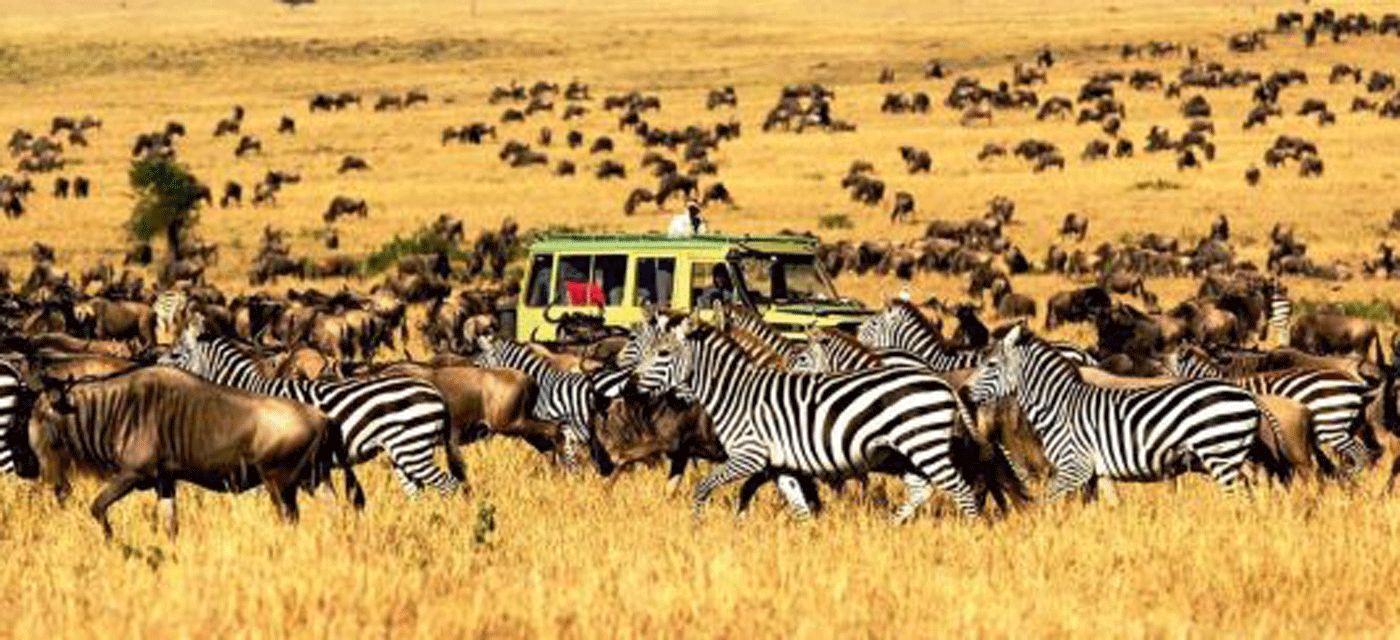
More than 1.5 million wildebeest lead the migration, accompanied by approximately 300,000 zebras and hundreds of thousands of Thomson’s gazelles. Together they travel thousands of kilometers across the ecosystem. The journey is dangerous and demanding, with many animals facing threats from predators, river crossings, exhaustion and natural challenges.
The migration begins with the calving season in the southern Serengeti where hundreds of thousands of wildebeest calves are born within a short period. As the dry season approaches the herds move westward and then northward toward the Mara River. After spending time in the northern Serengeti and Maasai Mara regions they gradually return south as seasonal rains begin again.
Predators rely heavily on the migration for food. Lions, cheetahs, leopards, hyenas and crocodiles follow the herds throughout the year. This creates some of Africa’s most exciting wildlife viewing opportunities and provides photographers with remarkable chances to capture dramatic scenes.
The migration is often called the “World Cup of Wildlife” because of its scale and significance. It represents one of nature’s most remarkable survival strategies and demonstrates the interconnected relationship between weather, vegetation, wildlife and predators within the African ecosystem.
Calving Season in Southern Serengeti
The calving season occurs between January and March in the southern Serengeti and Ndutu region. During this period the migration herds gather on nutrient-rich grasslands that provide ideal conditions for pregnant wildebeest. This stage is one of the most rewarding times to visit the Serengeti.
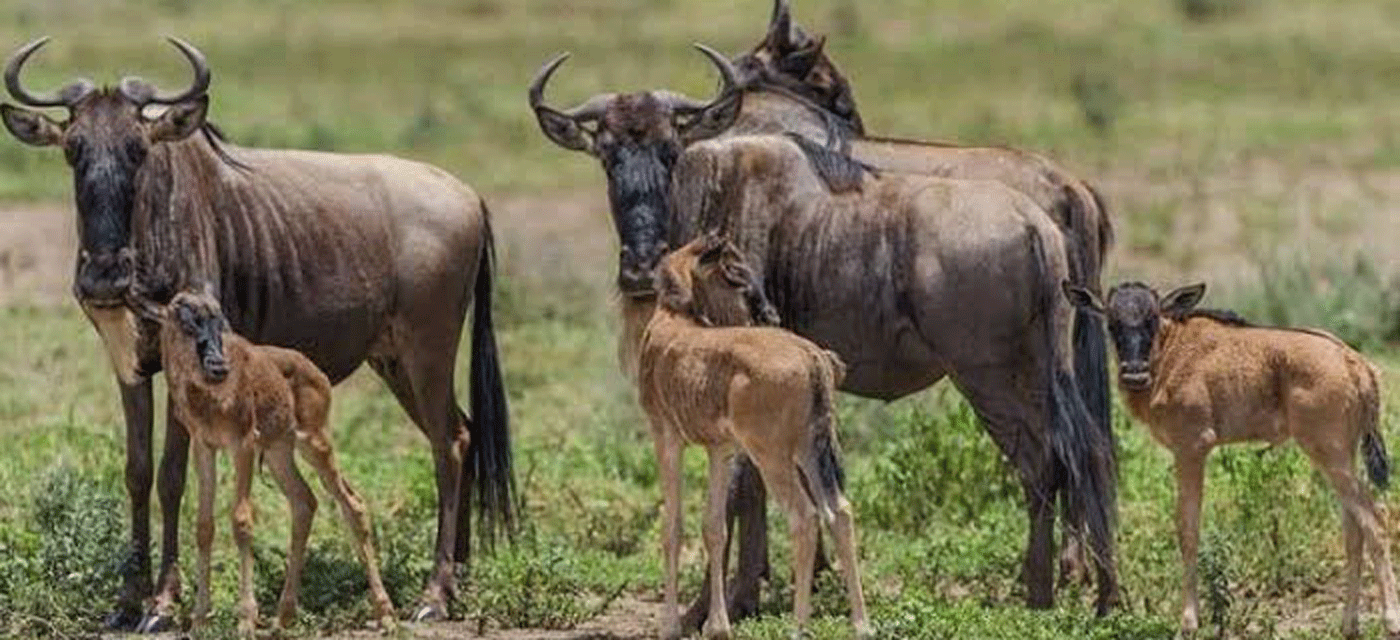
Approximately 500,000 wildebeest calves are born within a few weeks. The abundance of newborn animals attracts numerous predators, creating intense wildlife activity. Lions, cheetahs, hyenas, jackals and leopards are frequently seen hunting in the area. Visitors often witness dramatic predator-prey interactions during game drives.
The southern plains offer open landscapes that make wildlife viewing easier than in more densely vegetated areas. The short grass provides excellent visibility allowing travelers to observe large herds stretching across the horizon. Photographers particularly enjoy this season because of the beautiful green scenery and the opportunity to capture newborn animals.
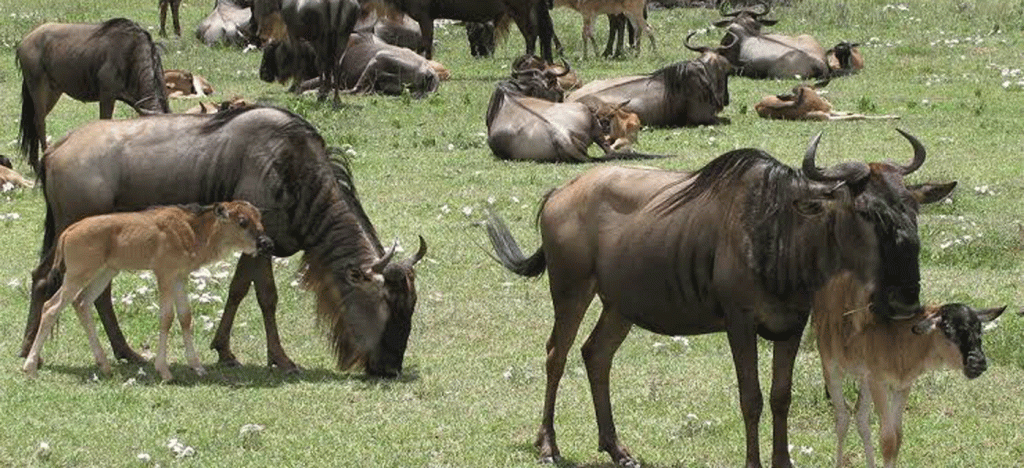
Despite the predator presence the calving season is a period of renewal and growth. Many calves are able to stand and walk within minutes of birth a crucial survival adaptation. The concentration of wildlife makes this one of the best times for visitors seeking high animal density and diverse wildlife encounters.
The weather is generally pleasant and fewer crowds compared to the peak river crossing season can make the safari experience more relaxed. For travelers interested in witnessing the beginning of the migration cycle and observing young animals in their natural environment the calving season offers exceptional opportunities.
Western Corridor Migration
Between May and June the migration moves into the Western Corridor of the Serengeti. This region serves as a critical transition zone as the herds travel toward the northern parts of the ecosystem. The movement becomes more organized with long columns of animals stretching across the landscape.
One of the major highlights during this phase is the crossing of the Grumeti River. Although not as famous as the Mara River crossings the Grumeti crossing provides exciting wildlife encounters. Large Nile crocodiles wait in the river creating significant challenges for migrating animals attempting to cross safely.
The Western Corridor contains diverse habitats including riverine forests, woodlands and open plains. This variety supports a wide range of wildlife species beyond the migrating herds. Visitors often encounter elephants, giraffes, buffaloes, hippos and numerous bird species.
As the dry season intensifies the migration herds become increasingly concentrated around available water sources. This concentration attracts predators and creates excellent game-viewing opportunities. Lions are particularly active in the region, taking advantage of the large numbers of prey animals passing through their territories.
Compared to the northern Serengeti the Western Corridor generally receives fewer visitors offering a more exclusive safari experience. Travelers seeking excellent wildlife viewing without large tourist crowds often find this stage of the migration particularly appealing.
The Western Corridor demonstrates the incredible scale of the migration and provides an opportunity to witness animals adapting to changing environmental conditions as they continue their journey through the Serengeti ecosystem.
Mara River Crossings
The Mara River crossings are often considered the most dramatic stage of the Great Migration. Usually occurring between July and October these crossings take place in the northern Serengeti and Maasai Mara regions.
Thousands of wildebeest gather along the riverbanks often hesitating for hours before attempting a crossing. The decision to enter the water can appear sudden with entire herds plunging into the river within moments. The scene is filled with dust, noise, confusion and intense emotion.
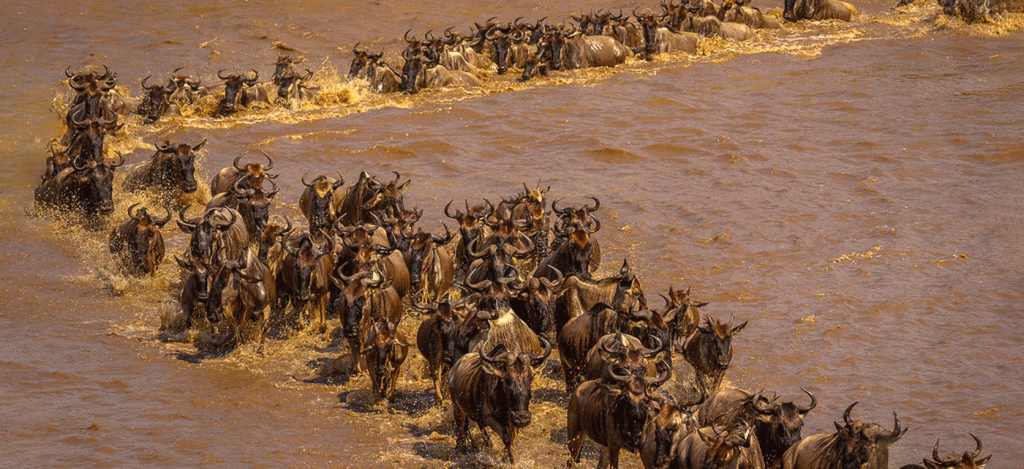
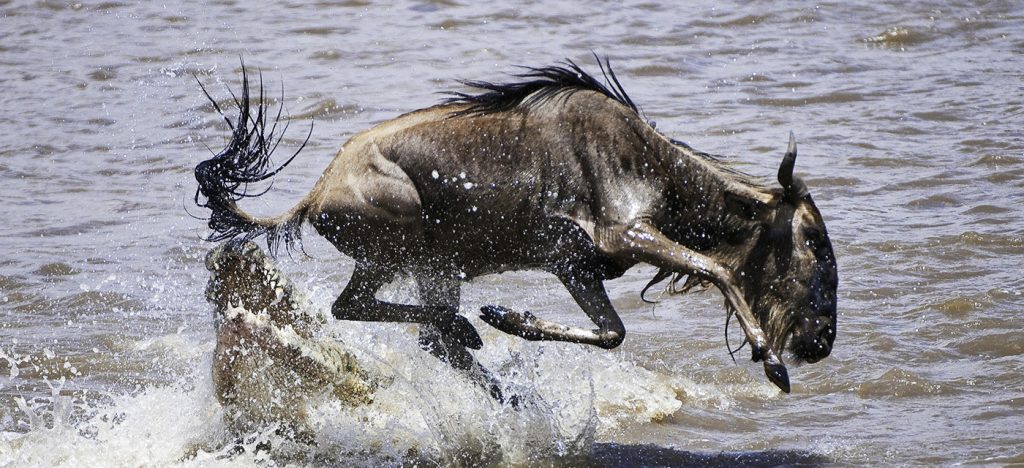
The crossings are dangerous because of strong currents, steep riverbanks and large crocodiles waiting in the water. Some animals become separated from the herd while others face injuries during the chaotic movement. Despite these risks crossing the river is essential for reaching fresh grazing areas.
For safari travelers witnessing a river crossing is an unforgettable experience. The unpredictability adds excitement as no one can predict exactly when or where a crossing will occur. Patience is often rewarded with extraordinary wildlife spectacles.
Photographers from around the world travel to the northern Serengeti specifically to capture these moments. The combination of dramatic action, natural landscapes and massive animal numbers creates some of Africa’s most iconic wildlife images.
The Mara River crossings symbolize the determination and survival instincts of migrating animals. They represent one of nature’s most powerful displays and remain a primary reason why the Great Migration is considered one of the world’s greatest wildlife events.
Best Time to Visit for a Great Migration Safari in Serengeti
Choosing the best time for a Great Migration Safari in Serengeti depends on the specific experience’s travelers wish to witness. Since the migration is a year-round event, each season offers unique opportunities.
From January to March visitors can enjoy the calving season in the southern Serengeti. This period is ideal for seeing newborn animals and predator activity. The landscapes are green and beautiful following seasonal rains.
Between April and June the migration moves through central Serengeti and the Western Corridor. This period showcases large moving herds and the Grumeti River crossings. Visitor numbers are generally lower than during peak season.
July through October is considered peak migration season because of the Mara River crossings. The northern Serengeti attracts travelers seeking dramatic crossing events and exceptional wildlife viewing opportunities.
November and December mark the beginning of the herds’ return journey southward. Short rains create fresh grazing conditions encouraging movement back toward the southern plains.
Weather conditions, accommodation availability and budget considerations should all influence travel planning. Peak season often brings higher prices and greater demand for safari lodges and camps. Regardless of the month chosen the Serengeti offers excellent wildlife viewing throughout the year. Working with experienced safari operators can help travelers select the best itinerary based on migration patterns and personal interests.
Best Locations to Witness the Great Migration Safari in Serengeti
The Great Migration Safari in Serengeti covers a vast area of the Serengeti ecosystem and choosing the right location at the right time is essential for maximizing wildlife viewing opportunities. Different regions of the Serengeti offer unique experiences throughout the year making location selection one of the most important aspects of safari planning.
The Southern Serengeti and Ndutu region are ideal from January to March during the calving season. Vast grass plains attract hundreds of thousands of wildebeest preparing to give birth. Visitors can observe newborn calves taking their first steps while predators remain active nearby. The open landscape provides excellent visibility and photography conditions.
The Central Serengeti often known as Seronera is one of the best year-round safari destinations. Wildlife remains abundant even when the migration is elsewhere. Large numbers of lions, leopards, elephants, giraffes and resident wildebeest make this area attractive throughout the year. Travelers who want consistent wildlife viewing often include Central Serengeti in their itinerary.
The Western Corridor becomes important between May and June as the migration moves toward the Grumeti River. This region offers excellent opportunities to witness long migration columns and river crossing activity. The area is less crowded than northern sections of the park creating a more exclusive safari experience.
Northern Serengeti is the primary destination from July through October. This region is famous for the Mara River crossings where thousands of animals risk their lives to reach fresh grazing grounds. Visitors often spend several days waiting for crossing events because they occur unpredictably.
Each region contributes to the overall migration story. Understanding the seasonal movement of the herds helps travelers select the most suitable location and enjoy the most rewarding safari experience possible.
Wildlife Beyond the Migration
Although the Great Migration is the main attraction the Serengeti offers extraordinary wildlife viewing beyond migrating wildebeest and zebras. Visitors are often surprised by the diversity of animals encountered during a migration safari.
The Serengeti is home to Africa’s largest lion population. Lions thrive because of the abundance of prey provided by both resident animals and migrating herds. During game drives, travelers frequently observe lions resting beneath acacia trees, hunting or interacting within family groups known as prides.
Leopards are another highlight. These elusive cats are often found in riverine forests and wooded areas where they use trees as vantage points and resting places. Spotting a leopard carrying prey into a tree is considered a special safari experience. Cheetahs are commonly seen in open grasslands. Their incredible speed and hunting skills make them one of the most fascinating predators in Africa. The Serengeti provides some of the best cheetah-viewing opportunities on the continent.
Large herbivores also contribute to the park’s biodiversity. Elephants, giraffes, buffaloes, hippos and various antelope species can be seen throughout the ecosystem. Many of these animals remain in the Serengeti year-round regardless of migration movements.
Bird enthusiasts find the Serengeti particularly rewarding. More than 500 bird species inhabit the region, including ostriches, secretary birds, eagles, vultures, storks and colorful bee-eaters. Seasonal wetlands attract additional migratory bird species from different parts of the world.
A Great Migration safari therefore offers much more than following wildebeest herds. The combination of predators, herbivores, reptiles and birds creates a complete wildlife experience that satisfies travelers with a wide range of interests and expectations.
Accommodation Options During the Great Migration Safari in Serengeti
Accommodation plays a major role in the success of a Great Migration Safari in Serengeti. The Serengeti offers a wide variety of lodging options ranging from luxury camps to budget-friendly safari lodges. Selecting accommodation close to migration activity increases the chances of witnessing key wildlife events.
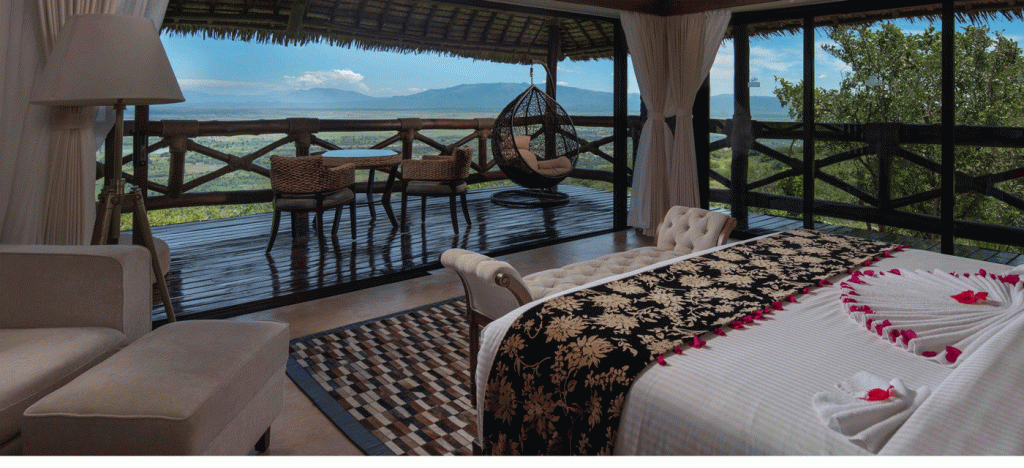
Mobile tented camps are among the most popular choices for migration safaris. These camps relocate throughout the year to follow the movement of the herds. By positioning themselves near migration hotspots they allow guests to stay close to the action. Mobile camps provide comfortable beds, private bathrooms, dining facilities and excellent service while maintaining an authentic wilderness atmosphere.
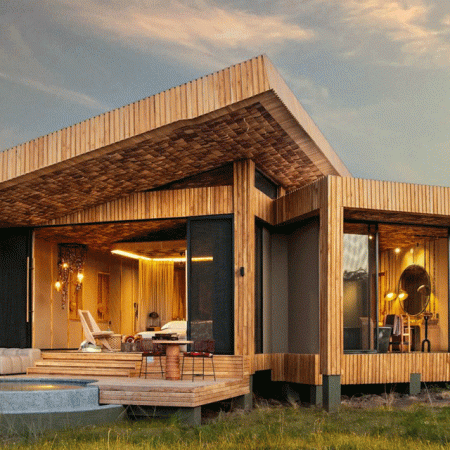
Permanent luxury lodges offer high-end accommodations with spacious rooms, gourmet dining, swimming pools and panoramic views. Many luxury properties are strategically located in areas known for excellent wildlife viewing. These lodges appeal to travelers seeking maximum comfort while exploring the Serengeti.
Mid-range tented camps provide a balance between comfort and affordability. They often feature en-suite bathrooms, comfortable furnishings and professional guiding services. Many visitors choose this category because it delivers excellent value without sacrificing the safari experience.
Budget camps and public campsites are available for travelers with limited budgets. These options provide basic facilities while allowing visitors to experience the Serengeti’s incredible wildlife. Budget safaris remain popular among adventure travelers and independent explorers.
Advance booking is highly recommended particularly during peak migration months. Popular camps near river crossing areas often sell out many months before travel dates. Early reservations ensure access to preferred accommodations and increase the likelihood of securing prime locations near migration activity.
Choosing the right accommodation enhances convenience, comfort, and wildlife viewing opportunities making it an essential component of successful safari planning.
Photography Opportunities During the Great Migration
The Great Migration is considered one of the world’s finest wildlife photography experiences. Professional photographers and amateur enthusiasts travel from across the globe to capture dramatic moments that occur throughout the migration cycle.
One of the most photographed subjects is the Mara River crossing. Thousands of wildebeest charging into the river create powerful images filled with movement, emotion and natural drama. The combination of water splashes, dust clouds and animal interactions produce unforgettable photographic opportunities.
The calving season offers a completely different photographic experience. Newborn wildebeest, predator encounters and lush green landscapes create beautiful compositions. Photographers can capture intimate wildlife moments that showcase the beginning of life within the migration cycle.
Golden hours shortly after sunrise and before sunset provide exceptional lighting conditions. Soft light enhances landscapes, improves animal portraits and creates warm colors that define classic African safari photography. Many guides schedule game drives around these optimal lighting periods.
The Serengeti’s vast plains allow photographers to capture both close-up wildlife images and expansive landscape scenes. Herds stretching across the horizon emphasize the scale of the migration and provide unique storytelling opportunities.
Patience is often essential. Wildlife behavior is unpredictable and some of the most memorable images require waiting for the right moment. Experienced safari guides help position vehicles strategically while respecting wildlife and maintaining ethical photography practices.
Whether using professional camera equipment or a smartphone visitors have countless opportunities to create remarkable images. The Great Migration provides an endless variety of subjects and remains one of the most rewarding wildlife photography destinations in the world.
Cost of a Great Migration Safari
The cost of a Great Migration safari varies depending on travel season, accommodation standards, safari duration, transportation methods and included services. Understanding these factors helps travelers establish realistic budgets and select suitable safari packages.
Budget safaris generally cost less because they use basic camps, shared transportation and simpler itineraries. These trips still provide excellent wildlife viewing opportunities while making the migration accessible to more travelers.
Mid-range safaris offer a balance of comfort and affordability. Travelers typically stay in quality tented camps or lodges with private facilities, enjoy professionally guided game drives and receive comprehensive safari services. This category is often the most popular among international visitors.
Luxury migration safaris provide premium experiences including exclusive camps, charter flights, personalized guiding, gourmet dining and high-end accommodations. Luxury packages can significantly increase overall costs but deliver exceptional comfort and convenience.
Peak migration periods particularly during Mara River crossing season often commands the highest prices. Demand for accommodations and safari services rises substantially during these months. Travelers who book early generally have access to better rates and more accommodation choices.
Additional expenses may include international flights, travel insurance, visa fees, gratuities, optional activities and personal purchases. These costs should be considered when planning the total safari budget.
While a Great Migration safari represents a significant investment many travelers consider it one of the most rewarding wildlife experiences available. Careful planning and selecting the right safari package help ensure excellent value and an unforgettable African adventure.
Activities to Enjoy During a Great Migration Safari in Serengeti
A Great Migration Safari in Serengeti offers much more than traditional game drives. While watching the migrating herds remains the main attraction travelers can participate in a variety of activities that enhance their understanding of the Serengeti ecosystem and create a more complete safari experience. These activities allow visitors to appreciate the landscape, wildlife and culture from different perspectives.
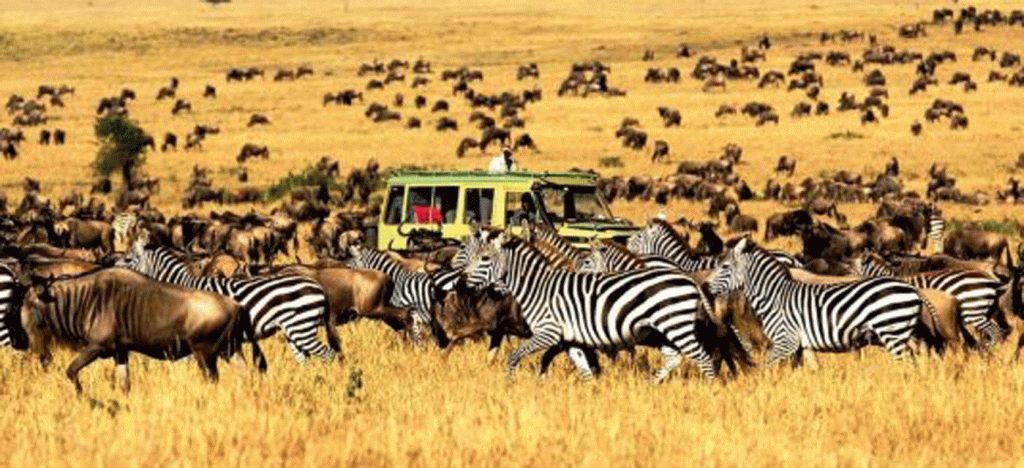
Game drives are the foundation of every migration safari. Morning and afternoon drives provide opportunities to follow the herds observe predators and witness dramatic wildlife interactions. Professional guides use their knowledge of animal behavior and migration patterns to maximize wildlife sightings. Each game drive offers unique experiences because animal movements constantly change throughout the day.
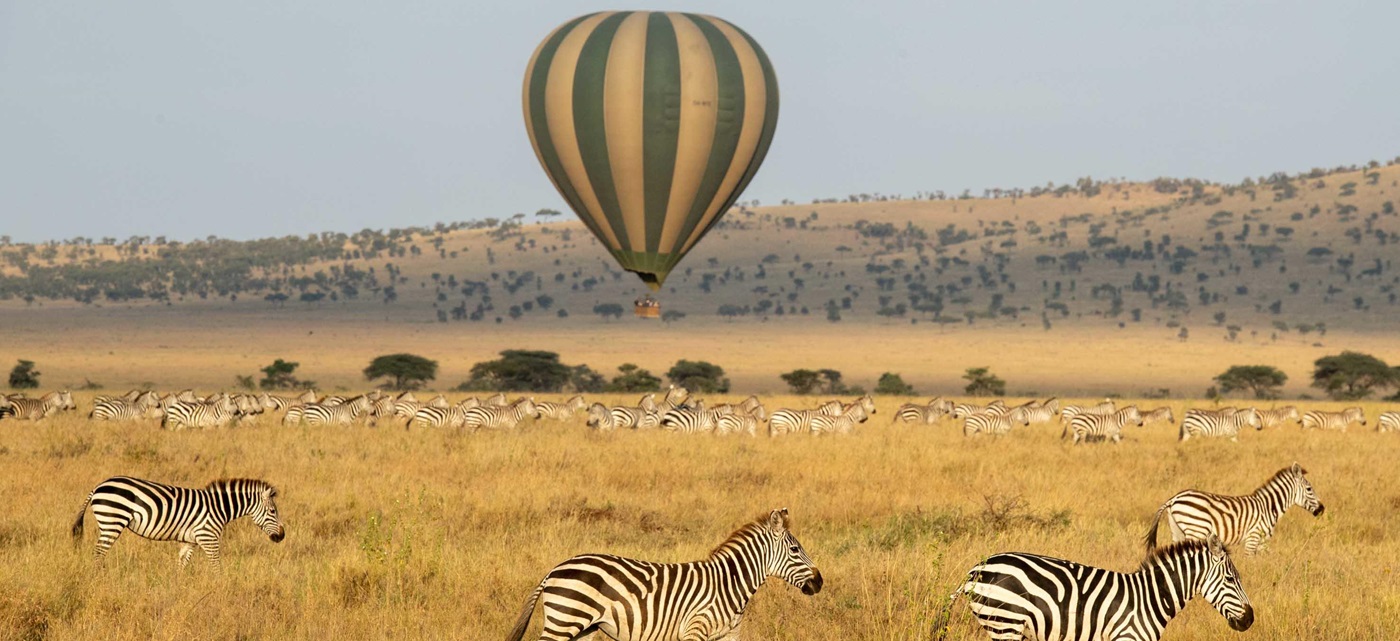
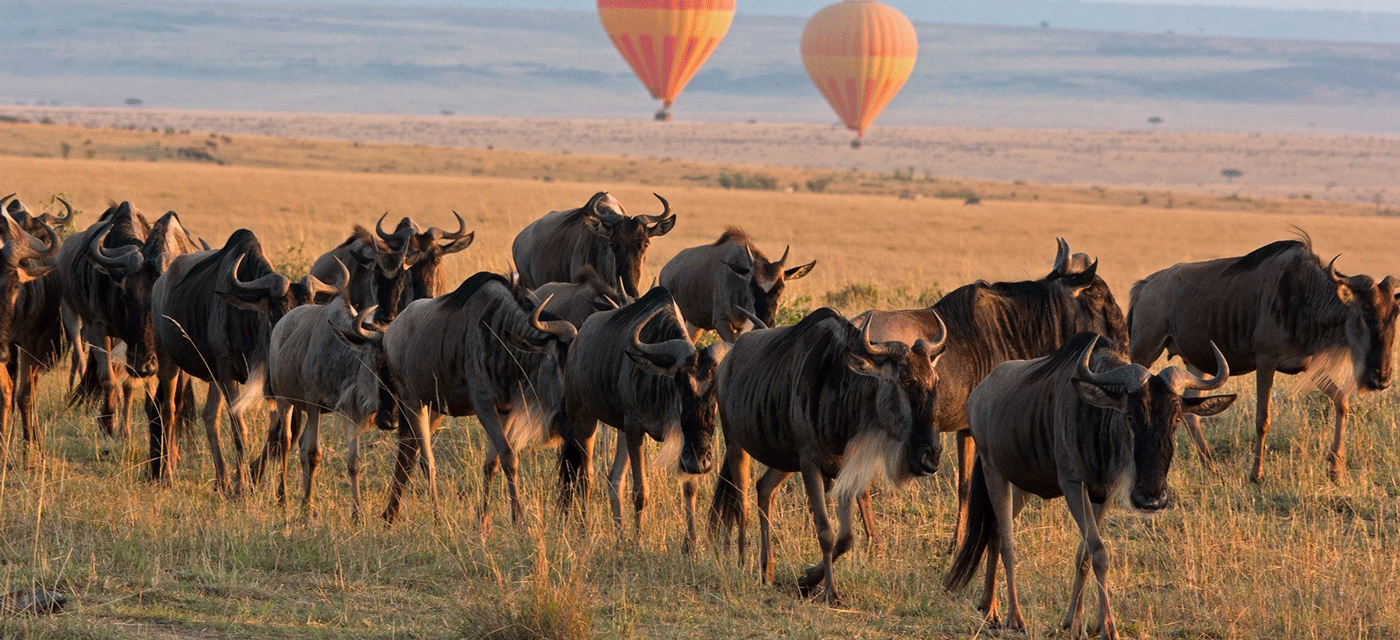
Hot air balloon safaris provide one of the most spectacular ways to experience the Serengeti. Floating silently above the plains at sunrise offers breathtaking views of migrating animals, rivers, forests and open grasslands. From the air visitors can fully appreciate the enormous scale of the migration. Many balloon safaris conclude with a bush breakfast served in the wilderness.
Walking safaris are available in selected areas outside the core national park zones. Accompanied by armed guides and experienced trackers visitors learn about animal tracks, plants, insects and smaller details often missed during vehicle-based safaris. Walking through the African bush creates a deeper connection with nature and provides a different perspective on the ecosystem.
Cultural visits to local communities can also enrich a migration safari. Travelers may have opportunities to visit Maasai villages, learn about traditional lifestyles, explore local customs and gain insight into the relationship between people and wildlife. These experiences add cultural depth to the safari journey.
Birdwatching, photography-focused safaris and night drives in permitted areas provide additional opportunities for exploration. Together these activities transform a Great Migration safari into a diverse and unforgettable adventure.
Essential Packing Guide for a Great Migration Safari
Packing correctly for a Great Migration safari helps ensure comfort, safety and enjoyment throughout the journey. Conditions in the Serengeti can vary depending on the season, location and time of day making preparation important for all travelers.
Lightweight neutral-colored clothing is highly recommended. Colors such as khaki, beige, olive green and brown blend naturally into the environment and are less likely to attract insects. Lightweight fabrics help travelers remain comfortable during warm daytime temperatures. Long-sleeved shirts and long trousers provide protection from the sun, dust and insects.
Temperatures can be surprisingly cool during early morning game drives and evenings. A warm jacket, fleece or sweater is essential particularly during the dry season. Layered clothing allows travelers to adjust comfortably as temperatures change throughout the day.
Comfortable walking shoes are important for activities such as walking safaris, camp exploration and airport transfers. Sturdy footwear helps protect against uneven terrain and ensures greater comfort during outdoor activities. Sun protection is a necessity in the Serengeti. Travelers should pack sunscreen with a high SPF rating, sunglasses and a wide-brimmed hat. The African sun can be intense even during cooler months making protection essential for long periods outdoors.
Photography enthusiasts should bring cameras, extra memory cards, spare batteries and lens cleaning equipment. Dust can be common during the dry season so protective camera bags are highly useful. Binoculars are also valuable for spotting distant wildlife and enhancing game-viewing experiences.
Additional essentials include personal medications, insect repellent, travel documents, power adapters, reusable water bottles and small backpacks for daily excursions. Careful packing ensures travelers remain comfortable and prepared throughout their migration safari.
Conservation and the Future of the Great Migration Safari in Serengeti
The Great Migration is one of the world’s most important wildlife phenomena but its long-term survival depends on effective conservation efforts. Protecting migration routes, wildlife populations and natural habitats remains essential for preserving this extraordinary event for future generations.
The Serengeti-Mara ecosystem functions as a connected landscape that allows animals to move freely between seasonal grazing areas. Any disruption to these migration routes could have serious consequences for wildlife populations. Conservation organizations, governments, local communities and tourism stakeholders work together to maintain the integrity of these critical habitats.
National parks and protected areas play a central role in conservation success. Serengeti National Park in Tanzania and the Maasai Mara National Reserve in Kenya safeguard large portions of the migration ecosystem. These protected areas help prevent habitat destruction, support wildlife management and provide safe environments for migrating animals.
Anti-poaching initiatives are another important component of conservation. Rangers and wildlife authorities patrol protected areas to combat illegal hunting and protect vulnerable species. Tourism revenue contributes significantly to funding these conservation programs and supporting local employment opportunities.
Community involvement has become increasingly important in modern conservation strategies. Local communities living near protected areas often benefit from tourism-related employment, education programs and conservation partnerships. When local people gain economic benefits from wildlife conservation support for protecting natural resources increases.
Climate change presents new challenges for the future of the migration. Changes in rainfall patterns may affect grazing conditions, water availability and migration timing. Ongoing research helps scientists understand these impacts and develop strategies to support ecosystem resilience. By choosing responsible safari operators and supporting conservation-focused tourism travelers contribute directly to preserving one of Earth’s greatest natural wonders.
How to Plan the Perfect Great Migration Safari in Serengeti
Planning a successful Great Migration Safari in Serengeti requires careful consideration of timing, budget, travel preferences and desired experiences. Since the migration moves continuously throughout the year understanding where the herds are likely to be during specific months is the first step toward creating an effective itinerary.
Travelers should begin planning well in advance especially if they intend to visit during peak migration periods. River crossing season in the northern Serengeti is particularly popular and accommodations often become fully booked many months before arrival. Early planning provides greater flexibility and access to preferred camps and lodges.
Selecting the right safari duration is equally important. While shorter safaris can provide excellent wildlife viewing longer itineraries allow travelers to explore multiple regions of the Serengeti and increase opportunities for witnessing significant migration events. Many visitors combine several ecosystems, including Ngorongoro Conservation Area, Tarangire National Park and Lake Manyara to create a more comprehensive Tanzania safari experience.
Choosing a reputable safari operator enhances overall trip quality. Experienced operators monitor migration movements, employ knowledgeable guides, maintain reliable vehicles and provide valuable logistical support. Their expertise can significantly improve wildlife viewing opportunities and overall comfort.
Travel insurance, visa requirements, health preparations and international flight arrangements should also be addressed during the planning process. Understanding these practical considerations helps avoid unnecessary complications during travel.
Flexibility remains one of the most valuable qualities for migration travelers. Wildlife movements are influenced by rainfall and natural conditions making exact predictions impossible. Travelers who embrace this unpredictability often enjoy the most rewarding experiences. With proper planning, realistic expectations and expert guidance a Great Migration safari can become one of the most memorable adventures of a lifetime.
Why the Serengeti Is the Best Place to Experience the Great Migration
The Serengeti National Park is widely regarded as the premier destination for witnessing the Great Migration. While the migration extends into Kenya’s Maasai Mara approximately 80 percent of the migration cycle takes place within Tanzania’s Serengeti ecosystem. This makes the Serengeti the most important and comprehensive destination for travelers who want to experience every stage of this remarkable natural event.
One of the Serengeti’s greatest advantages is its enormous size. Covering nearly 15,000 square kilometers, the park provides vast grasslands, woodlands, river systems and rolling hills that support millions of animals throughout the year. The diverse habitats ensure that wildlife remains abundant regardless of where the migration herds are located.
Unlike many wildlife destinations that offer seasonal viewing opportunities the Serengeti provides year-round migration experiences. Visitors can witness calving season in the south, migration movement through central areas, Grumeti River crossings in the west and Mara River crossings in the north. Few destinations in the world offer such a complete wildlife spectacle within a single protected ecosystem.
The Serengeti is also home to one of Africa’s highest concentrations of predators. Lions, leopards, cheetahs, hyenas and crocodiles thrive because of the enormous prey base provided by the migration. This creates exceptional opportunities to observe natural predator-prey interactions in their authentic environment.
Another advantage is the quality of safari infrastructure. The park offers excellent lodges, mobile camps, experienced guides and reliable transportation networks that allow visitors to access migration hotspots safely and comfortably. For travelers seeking the most authentic and extensive migration experience possible the Serengeti remains unmatched. Its scale, biodiversity and year-round migration activity make it one of the greatest wildlife destinations on Earth.
The Role of Predators During the Great Migration
Predators play a critical role in the Great Migration ecosystem. While many visitors focus on the movement of wildebeest and zebras predators are equally important participants in this annual wildlife phenomenon. Their presence helps maintain ecological balance and contributes to the dramatic wildlife encounters that make migration safaris so memorable.
Lions are perhaps the most famous predators associated with the migration. The Serengeti supports thousands of lions many of which depend heavily on migrating herbivores for food. As herds move through lion territories opportunities for hunting increase significantly. Visitors often observe prides stalking prey, coordinating hunts or feeding on recent kills.
Cheetahs are especially active in open grassland areas where they can use their remarkable speed to chase gazelles and young wildebeest. The southern Serengeti is particularly famous for cheetah sightings during the calving season when vulnerable young animals are abundant.
Leopards prefer wooded environments and riverine forests. Although more difficult to spot than lions or cheetahs they remain an important part of the ecosystem. Their solitary behavior and remarkable climbing abilities make them fascinating subjects for wildlife enthusiasts.
Spotted hyenas are often misunderstood but are among Africa’s most successful predators. They are skilled hunters as well as scavengers and frequently compete with lions for access to carcasses. Their intelligence and social organization make them highly effective predators.
Nile crocodiles become especially important during river crossing periods. Large crocodiles wait patiently in rivers such as the Mara and Grumeti taking advantage of opportunities created by thousands of animals attempting dangerous crossings.
The relationship between predators and migrating herbivores demonstrates the complexity of the Serengeti ecosystem. Without predators ecological balance would be disrupted. Their role is essential to maintaining one of the world’s most remarkable wildlife systems.
Great Migration Safari for Families
A Great Migration Safari in Serengeti can be an excellent family adventure when planned carefully. Many families choose Tanzania because it offers educational experiences unforgettable wildlife encounters and opportunities for children to connect with nature in meaningful ways.
One of the greatest benefits of a family safari is the educational value. Children can learn about animal behavior, ecosystems, conservation, geography and cultural diversity while experiencing these subjects firsthand. Observing wildlife in its natural habitat creates memories and lessons that often remain with young travelers for a lifetime.
Family-friendly lodges and camps are available throughout the Serengeti. Many accommodations offer larger family rooms, interconnected tents, child-friendly meal options and activities specifically designed for younger guests. Some properties provide educational programs that introduce children to wildlife tracking, local culture and conservation efforts.
Choosing the right safari schedule is important when traveling with children. Extremely long game drives may be tiring for younger travelers so many families select itineraries that balance wildlife viewing with relaxation time at camp. Flexible schedules help ensure that everyone enjoys the experience.
Safety is another important consideration. Reputable safari operators prioritize guest safety and provide clear guidance regarding wildlife interactions. Children should always follow guide instructions and remain supervised particularly in wilderness areas. Family safaris also create valuable opportunities for shared experiences. Witnessing a lion hunt, watching elephants interact or seeing thousands of wildebeest crossing a river can bring families together through unforgettable moments.
With proper planning and suitable accommodations a Great Migration safari can become one of the most rewarding family travel experiences available anywhere in the world.
Luxury Great Migration Safari Experience
Luxury Great Migration Safari in Serengeti combine world-class wildlife viewing with exceptional comfort, service and exclusivity. For travelers seeking a premium African adventure luxury safaris provide access to outstanding accommodations and personalized experiences while maintaining close connections to nature.
Luxury tented camps are among the most popular options. These properties offer spacious suites with private bathrooms, comfortable beds, fine dining and attentive service. Despite their high standards many camps maintain an authentic safari atmosphere that allows guests to feel immersed in the wilderness.
Private guides and vehicles are a major advantage of luxury safaris. Personalized game drives allow travelers to spend more time observing preferred wildlife species and photography opportunities without following group schedules. Guides can tailor activities according to guest interests and maximize migration viewing opportunities.
Charter flights often form part of luxury safari packages. Instead of spending long hours driving between destinations guests can travel quickly between safari regions while enjoying spectacular aerial views of the Serengeti landscape. This convenience allows more time for wildlife viewing and relaxation.
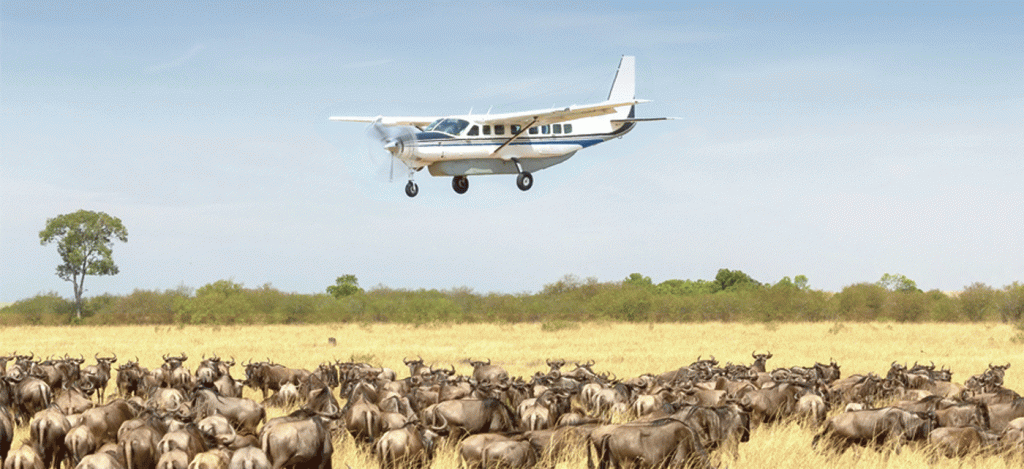
Fine dining is another highlight. Many luxury camps serve gourmet meals prepared with fresh ingredients often accompanied by excellent wines and personalized service. Bush breakfasts and sunset dinners in scenic wilderness locations further enhance the experience.
Exclusive locations near migration hotspots provide exceptional access to wildlife. Some luxury camps are strategically positioned near river crossing points or calving areas allowing guests to reach key viewing locations quickly. A luxury Great Migration safari offers an ideal combination of adventure and comfort. It allows travelers to experience one of nature’s greatest spectacles while enjoying some of Africa’s finest hospitality and service standards.
Common Mistakes Travelers Make When Planning a Great Migration Safari
Planning a Great Migration Safari in Serengeti requires careful preparation yet many travelers make avoidable mistakes that can affect their overall experience. Understanding these common errors helps visitors make informed decisions and enjoy a more successful safari.
One of the most frequent mistakes is assuming the migration remains in one location throughout the year. The herds constantly move in response to rainfall and grazing conditions. Travelers who choose the wrong region for their travel dates may miss key migration activity. Researching seasonal movements is essential.
Another common mistake is booking too late. Peak migration periods, particularly Mara River crossing season attract significant international demand. Popular camps often sell out months in advance. Early booking increases accommodation choices and improves access to prime locations.
Some travelers focus exclusively on river crossings and overlook other stages of the migration. While crossings are dramatic, calving season, predator activity and large herd movements can be equally rewarding. Every phase offers unique experiences worth considering. Packing incorrectly can also reduce comfort. Visitors sometimes underestimate cool morning temperatures or fail to bring adequate sun protection. Proper clothing and equipment significantly improve safari enjoyment.
Choosing safari operators based solely on price may result in lower service quality. Experienced guides, well-maintained vehicles and reliable logistics often contribute greatly to overall safari success. Evaluating value rather than simply selecting the cheapest option is generally advisable.
Frequently Asked Questions About the Great Migration
Many travelers have questions when planning their first Great Migration Safari in Serengeti. Understanding the basics helps create realistic expectations and supports better travel decisions. One of the most common questions concerns timing. The migration occurs throughout the year but different stages happen in different regions. Travelers should choose dates based on the specific migration events they wish to witness.
Another frequently asked question involves river crossings. While crossings are among the migration’s most famous events they cannot be predicted precisely. Herds may cross multiple times, wait for days or change locations unexpectedly. Patience is often necessary.
Visitors often ask how many days they should spend on safari. While shorter trips are possible many experts recommend at least five to seven days to maximize wildlife viewing opportunities and explore multiple regions of the Serengeti. Questions about safety are also common. Safaris conducted by reputable operators are generally very safe. Professional guides follow strict safety procedures and provide instructions regarding wildlife encounters and camp activities.
Many travelers wonder whether the migration is suitable for photographers. The answer is overwhelmingly yes. The migration offers some of the finest wildlife photography opportunities in the world, including dramatic action scenes, predator encounters and stunning landscapes. Accommodation options are another frequent topic. The Serengeti offers everything from budget camping experiences to ultra-luxury lodges. Travelers can select options that match their comfort preferences and budget.
Understanding these common questions helps visitors prepare effectively and enjoy one of Africa’s most extraordinary wildlife experiences with confidence and realistic expectations.
Great Migration Safari Photography Tips
Photographing the Great Migration is a dream for many wildlife enthusiasts. The movement of millions of animals across the Serengeti creates endless opportunities to capture dramatic, emotional and visually stunning images. However successful wildlife photography requires preparation, patience and an understanding of animal behavior.
One of the most important factors is timing. Early morning and late afternoon provide the best lighting conditions. During these periods the sunlight is softer and warmer creating beautiful colors and reducing harsh shadows. Wildlife is also more active during cooler hours increasing the chances of capturing interesting behavior.
A zoom lens is extremely useful for wildlife photography. Animals are often viewed from a distance to avoid disturbing them and a powerful lens allows photographers to capture detailed images safely. However wide-angle lenses should not be overlooked. They are excellent for showing the scale of the migration and incorporating dramatic Serengeti landscapes into photographs.
Patience is one of the most valuable skills a wildlife photographer can possess. Great images often require waiting for the right moment. A herd gathering at a riverbank, a lion preparing to hunt or a newborn wildebeest taking its first steps can all provide remarkable photographic opportunities.
Understanding animal behavior can significantly improve photography results. Experienced safari guides often know when predators are likely to become active or when herds may approach a river crossing point. Listening to guide recommendations can increase the chances of capturing extraordinary moments.
Photographers should also focus on storytelling. Rather than simply taking individual animal portraits, capturing interactions, movement, and environmental context helps create images that communicate the true essence of the migration experience. The Serengeti offers some of the world’s finest wildlife photography opportunities rewarding photographers with unforgettable images and lifelong memories.
Birdwatching During the Great Migration Safari
While the Great Migration is famous for its wildebeest and predator encounters birdwatching is another remarkable aspect of the Serengeti experience. The ecosystem supports more than 500 bird species making it one of Africa’s premier birding destinations.
The Serengeti’s diverse habitats contribute to its rich birdlife. Open grasslands, rivers, wetlands, woodlands and rocky outcrops provide homes for a wide variety of species. Throughout the year visitors can observe both resident birds and seasonal migrants from Europe, Asia and other parts of Africa.
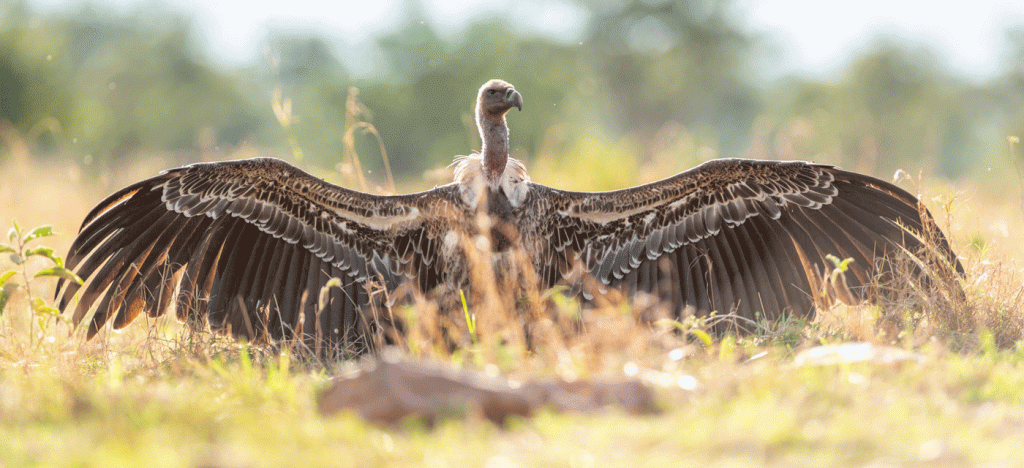
Large birds are among the easiest to spot. Ostriches the world’s largest birds are commonly seen running across open plains. Secretary birds attract attention with their distinctive appearance and unique hunting style as they walk through grasslands searching for snakes and small animals.
Birds of prey are particularly impressive in the Serengeti. Eagles, vultures, hawks and falcons patrol the skies taking advantage of abundant food sources. During migration season scavengers often gather near predator kills creating excellent birdwatching opportunities.
Wetland areas attract storks, herons, pelicans and kingfishers. These environments provide important feeding grounds and breeding habitats. Seasonal rainfall can significantly increase bird diversity as temporary water sources attract additional species. Colorful birds such as bee-eaters, rollers, weavers and starlings add vibrant colors to the landscape. Their striking plumage makes them popular subjects for wildlife photographers.
Birdwatching can be enjoyed alongside traditional game drives, making it easy for visitors to appreciate both large mammals and avian wildlife. For many travelers the Serengeti’s birdlife becomes an unexpected highlight of their safari adventure.
The Economic Importance of the Great Migration Safari in Serengeti
The Great Migration Safari in Serengeti is not only a natural wonder but also an important economic asset for Tanzania and the broader East African region. Tourism generated by the migration supports thousands of jobs, contributes substantial revenue and helps fund conservation initiatives that protect wildlife and habitats.
International visitors travel from around the world specifically to witness the migration. These travelers spend money on accommodations, transportation, park fees, guiding services, flights, restaurants and other tourism-related activities. This spending creates significant economic benefits for local communities and national economies.
Safari lodges, tented camps and tour operators employ large numbers of people. Guides, drivers, chefs, housekeeping staff, maintenance workers and administrative personnel all benefit directly from tourism activity associated with the migration. Many rural communities rely heavily on safari tourism for employment opportunities.
Government agencies also benefit through park entrance fees and tourism taxes. These revenues help fund wildlife management, anti-poaching operations, infrastructure development and conservation programs. The success of protected areas such as Serengeti National Park depends in part on tourism-generated income.
Local businesses gain additional benefits. Farmers, artisans, transportation providers and suppliers often support the tourism industry by providing goods and services to safari operators and accommodations. This creates economic opportunities that extend beyond the immediate tourism sector.
The migration also enhances Tanzania’s global reputation as a premier safari destination. This international recognition attracts investment, promotes tourism growth and strengthens the country’s position within the global travel industry. Protecting the Great Migration therefore has both ecological and economic significance. Conservation efforts help preserve not only wildlife populations but also the livelihoods of countless people who depend on sustainable tourism.
Great Migration Safari in Serengeti for Honeymooners
The Great Migration Safari in Serengeti is increasingly popular among honeymoon couples seeking a unique and unforgettable romantic experience. Combining luxury accommodations, breathtaking scenery and extraordinary wildlife encounters a Serengeti safari offers an alternative to traditional beach-focused honeymoon destinations.
One of the most appealing aspects of a safari honeymoon is exclusivity. Many luxury camps are located in remote wilderness areas far from crowded tourist destinations. Couples can enjoy privacy, tranquility and intimate moments surrounded by nature.
Luxury tented camps often provide honeymoon-specific services such as private dinners, special room decorations, complimentary drinks and personalized experiences. Dining under the stars while listening to distant wildlife sounds creates memories that few other destinations can match.
Hot air balloon safaris are particularly popular among honeymooners. Floating above the Serengeti at sunrise offers spectacular views and a sense of adventure. Many couples consider this one of the most romantic experiences available in Africa.
Wildlife viewing itself adds excitement and shared experiences. Witnessing a lion pride, watching elephants at a waterhole or observing thousands of migrating wildebeest creates moments that couples often remember for years. These experiences foster connection and provide stories that can be shared long after the honeymoon ends.
Many couples combine a Serengeti safari with a beach extension in Zanzibar. This combination offers both adventure and relaxation allowing travelers to enjoy wildlife experiences followed by peaceful days on the Indian Ocean coast. A Great Migration honeymoon provides romance, adventure, luxury and unforgettable memories making it one of the world’s most unique honeymoon experiences.
Why the Great Migration Is Considered One of the Seven Natural Wonders of Africa
The Great Migration is frequently recognized as one of Africa’s greatest natural wonders because of its scale, ecological significance and breathtaking spectacle. Few wildlife events anywhere in the world can match the magnitude and drama of this annual movement.
The migration involves more than two million animals traveling across a vast ecosystem in search of fresh grazing and water. The sheer number of animals participating is extraordinary. Herds can stretch across the horizon for kilometers creating scenes unlike anything found elsewhere on Earth.
The event is also remarkable because it is entirely natural. Unlike managed wildlife attractions or human-created spectacles the migration follows ancient patterns that have evolved over thousands of years. Seasonal rains, grass growth, predator populations and animal instincts all contribute to this complex ecological process.
The migration supports an entire ecosystem. Predators rely on migrating herbivores for food, scavengers benefit from carcasses and numerous species depend on the environmental conditions created by the movement of animals. The migration demonstrates how interconnected natural systems function on a large scale.
Its dramatic moments further contribute to its legendary status. River crossings, predator hunts, calving season and massive herd movements create unforgettable wildlife spectacles that attract visitors from every corner of the globe. Scientists, conservationists, photographers and travelers all recognize the migration as one of the planet’s most significant wildlife events. Its importance extends beyond tourism, representing a powerful example of ecological resilience and natural beauty.
For many people witnessing the Great Migration is a once-in-a-lifetime experience. Its scale, complexity and emotional impact explain why it continues to be celebrated as one of Africa’s most extraordinary natural wonders.
What Makes the Great Migration Different from Other Wildlife Safaris
Many safari destinations around the world offer excellent wildlife viewing but the Great Migration stands apart because of its scale, movement and constant unpredictability. Unlike traditional safaris where animals live within relatively fixed territories the Great Migration is a continuous journey involving millions of animals moving across an immense ecosystem.
One of the biggest differences is the sheer number of animals involved. More than 1.5 million wildebeest, hundreds of thousands of zebras and large numbers of gazelles travel together in search of fresh grazing. The sight of endless herds stretching across the horizon creates an experience that few wildlife destinations can match.
Another unique aspect is that the migration is constantly changing. The herds do not remain in one place meaning every safari experience is different. Visitors who travel during different months witness entirely different stages of the migration cycle. One traveler may experience calving season while another witnesses dramatic river crossings or long migration columns moving through the plains.
The migration also creates exceptional predator activity. Because such large numbers of herbivores move through the ecosystem predators follow closely behind. This results in frequent wildlife interactions that are difficult to observe elsewhere.
The migration is not a single event but a year-round phenomenon. Unlike seasonal wildlife spectacles that last only a few weeks the Great Migration offers opportunities throughout the year. This flexibility allows travelers to choose experiences that best match their interests.
Perhaps most importantly the migration provides a powerful reminder of nature’s resilience and interconnectedness. Every movement is influenced by rainfall, grass growth, predator behavior and survival instincts. Witnessing this complex ecological process in action makes the Great Migration one of the most extraordinary wildlife experiences on Earth.
The Journey of a Wildebeest During the Migration
The life of a migrating wildebeest is filled with challenges, risks and constant movement. Understanding the journey from the perspective of a single wildebeest helps visitors appreciate the incredible endurance required to complete the migration cycle each year.
The journey often begins in the southern Serengeti during the calving season. Here pregnant females gather on nutrient-rich grasslands to give birth. Calves are born into a world where survival depends on rapid development. Within minutes of birth, many calves can stand and within hours they are capable of running alongside the herd.
As grazing conditions change, wildebeest begin moving toward central Serengeti and later into the western and northern regions. The search for fresh grass drives every stage of the journey. Animals may travel hundreds or even thousands of kilometers throughout the year.
Danger is a constant companion. Lions, cheetahs, hyenas, leopards and crocodiles continuously target vulnerable individuals. Young calves, older animals and those separated from the herd face the greatest risks. River crossings present additional challenges, including strong currents and steep riverbanks.
Despite these dangers wildebeest possess remarkable instincts. Their movement is guided by environmental cues, rainfall patterns and social behavior. Large herds provide protection because predators find it more difficult to isolate individual animals within massive groups. Not every wildebeest survives the migration. Many fall victim to predators, disease, exhaustion or accidents. However these losses support the broader ecosystem by providing food for predators and scavengers.
The journey of a wildebeest illustrates the harsh realities of life in the wild while highlighting the extraordinary adaptations that allow the species to thrive within one of the world’s most dynamic ecosystems.
The Best Safari Vehicles for Great Migration Viewing
Safari vehicles play a significant role in the overall migration experience. The right vehicle improves comfort, visibility, safety and photography opportunities making it easier for travelers to enjoy wildlife encounters throughout the Serengeti.
The most common safari vehicle in Tanzania is the customized 4×4 Land Cruiser. These vehicles are specifically designed for African safari conditions and can handle rough roads, riverbeds and challenging terrain. Their durability makes them ideal for exploring remote migration areas.
One of the most important features is the pop-up roof. This design allows passengers to stand and observe wildlife from an elevated position while remaining safely inside the vehicle. Standing visibility is particularly useful during migration viewing because it provides a wider perspective of the surrounding landscape.
Window seats are highly desirable because they offer unobstructed views and better photography opportunities. Most safari operators limit vehicle occupancy to ensure every guest has access to a window position during game drives.
Photography-focused safaris may use specially modified vehicles with open sides, camera mounts, charging facilities and extra storage space for equipment. These features help photographers capture high-quality wildlife images while remaining comfortable during long game drives.
Comfort is another important consideration. Quality safari vehicles typically include comfortable seating, refrigeration units, charging ports and communication equipment. These features become especially valuable during full-day game drives in remote wilderness areas.
An experienced driver-guide is just as important as the vehicle itself. Skilled guides understand animal behavior, road conditions and migration patterns allowing them to position vehicles effectively while respecting wildlife and maintaining safety standards. Choosing a reputable safari operator with well-maintained vehicles significantly enhances the overall migration experience and contributes to successful wildlife viewing.
How Local Guides Improve the Great Migration Experience
Professional safari guides are among the most important contributors to a successful Great Migration safari. Their expertise local knowledge and ability to interpret wildlife behavior transform a simple game drive into a rich educational and wildlife experience.
Guides spend years developing their understanding of the Serengeti ecosystem. They learn animal behavior, migration patterns, bird identification, plant ecology and conservation principles. This knowledge allows them to explain complex ecological relationships in ways that enhance visitor understanding.
One of the greatest benefits of an experienced guide is their ability to locate wildlife. Guides communicate with each other, monitor animal movements and recognize subtle signs that indicate nearby wildlife activity. Their observations often lead to sightings that visitors would never discover independently.
Guides also help interpret animal behavior. Rather than simply pointing out wildlife, they explain hunting strategies, social interactions, territorial behavior and migration dynamics. These explanations add depth and meaning to every sighting. Safety is another critical responsibility. Guides understand how to approach wildlife respectfully and maintain appropriate distances. Their training helps ensure both visitor safety and animal welfare throughout the safari.
For photographers guides can be particularly valuable. They know how to position vehicles for optimal lighting and viewing angles while minimizing disturbances to wildlife. Their experience often increases opportunities for capturing exceptional images.
Local guides also share cultural and historical information about Tanzania. Many provide insights into conservation challenges, local traditions and the relationship between communities and wildlife. This broader perspective helps visitors appreciate the Serengeti beyond its wildlife alone. A knowledgeable guide often becomes one of the most memorable aspects of a Great Migration safari enriching every wildlife encounter through expertise and passion.
Great Migration Safari: A Once-in-a-Lifetime Experience
For many travelers a Great Migration safari represents the ultimate African adventure. It combines wildlife, landscapes, conservation, culture and natural drama in a way that few destinations can match. The experience leaves lasting impressions that often remain vivid long after the journey ends.
The scale of the migration is difficult to comprehend until witnessed firsthand. Seeing thousands of animals moving across open plains, hearing the sounds of the herds and watching predators follow their movements creates a sense of awe that photographs and documentaries cannot fully capture.
Each day brings new surprises. A quiet morning may suddenly become exciting when a cheetah begins a hunt. A peaceful riverbank may transform into chaos as hundreds of wildebeest launch into a crossing. This unpredictability adds excitement and ensures that no two safaris are exactly alike.
The Serengeti itself contributes greatly to the experience. Its endless plains, dramatic sunsets, acacia trees and abundant wildlife create some of the most iconic landscapes in Africa. Simply being immersed in this environment is rewarding even when major migration events are not occurring.
Many travelers also develop a deeper appreciation for conservation after witnessing the migration. Observing how countless species depend on a healthy ecosystem highlights the importance of protecting wildlife and natural habitats for future generations.
Whether experienced through a luxury lodge, a mobile tented camp, a family safari or a photography expedition the Great Migration has the power to inspire and transform. It is one of the few travel experiences that consistently exceeds expectations and remains a lifelong memory.
For anyone dreaming of an authentic African safari, the Great Migration stands as one of the most extraordinary wildlife spectacles on the planet and a journey that truly deserves a place on every traveler’s bucket list.
The Great Migration and the Serengeti Ecosystem
The Great Migration is far more than a movement of animals from one location to another. It is the driving force behind the Serengeti ecosystem and plays a crucial role in maintaining the health and balance of one of the world’s most famous wildlife regions. Every stage of the migration influences plants, predators, scavengers, insects, birds and countless other organisms that depend on this remarkable natural process.
As millions of wildebeest, zebras and gazelles move across the landscape they consume vast quantities of grass. This grazing helps prevent excessive vegetation growth and encourages fresh plant development. The animals effectively shape the environment through their feeding patterns creating conditions that benefit numerous other species.
The migration also contributes to nutrient cycling. Animal waste enriches the soil returning valuable nutrients that support plant growth. When animals die during the migration, their remains provide food for predators, scavengers, insects and microorganisms. These natural processes help sustain the ecosystem’s productivity.
Predator populations are closely linked to migration activity. Lions, hyenas, cheetahs, leopards and crocodiles rely heavily on migrating herbivores as a food source. Without the migration predator numbers would likely decline affecting the broader ecological balance of the region.
Bird species benefit as well. Scavenging birds feed on carcasses, while insect-eating birds take advantage of insects disturbed by moving herds. Seasonal wetlands created by rainfall attract numerous bird species that depend on these habitats for feeding and breeding.
Scientists often describe the Serengeti as one of the world’s most intact ecosystems because natural ecological processes continue to function largely as they have for thousands of years. The Great Migration remains at the center of these processes demonstrating the complex relationships that connect all forms of life within the ecosystem.
Understanding this ecological significance helps visitors appreciate that the migration is not simply a tourist attraction but one of nature’s most important biological events.
Comparing the Great Migration Seasons
One of the most common questions among travelers is which migration season is best. The answer depends largely on personal interests because each stage of the migration offers unique experiences and wildlife viewing opportunities.
The period from January to March is known for calving season. During these months the southern Serengeti and Ndutu region become home to hundreds of thousands of newborn wildebeest. This season is ideal for travelers interested in seeing young animals and predator activity. The landscape is generally green and beautiful following seasonal rains.
April through June marks a period of movement. The herds travel through central Serengeti and the Western Corridor as they search for fresh grazing. Travelers can witness long migration columns stretching across the plains. This season often attracts fewer visitors, creating a more peaceful safari experience.
July through October is famous for the Mara River crossings. During this period animals gather in the northern Serengeti and Maasai Mara regions. River crossings provide some of the most dramatic wildlife spectacles in Africa attracting photographers and wildlife enthusiasts from around the world.
November and December represent the beginning of the southward return journey. Fresh rains stimulate new grass growth encouraging herds to move back toward the southern plains. This period offers excellent wildlife viewing while often experiencing lower visitor numbers than peak river-crossing months.
No season is objectively better than another. Some travelers prioritize river crossings while others prefer calving season or quieter safari experiences. Understanding the characteristics of each period allows visitors to choose travel dates that align with their personal interests and expectations.
Regardless of when travelers visit the migration offers extraordinary opportunities to witness one of nature’s greatest spectacles.
Sustainable Tourism and the Great Migration
Sustainable tourism has become increasingly important in protecting the Great Migration and ensuring that future generations can continue to enjoy this remarkable wildlife event. Responsible tourism practices help balance visitor experiences with conservation goals and community development.
One of the primary benefits of sustainable tourism is financial support for conservation. Park fees, concession fees and tourism-related revenue help fund wildlife protection programs, anti-poaching operations, scientific research and habitat management initiatives. These efforts are essential for maintaining healthy wildlife populations and protecting migration routes.
Responsible safari operators follow guidelines designed to minimize environmental impact. These may include limiting vehicle numbers at wildlife sightings, reducing waste production, conserving water and energy and supporting environmentally friendly camp operations. Such practices help preserve the natural environment while maintaining high-quality visitor experiences.
Community involvement is another key aspect of sustainable tourism. Many tourism businesses employ local residents, purchase goods from local suppliers and support community development projects. These economic benefits encourage positive relationships between local communities and conservation efforts.
Visitors also play an important role. Respecting wildlife, following guide instructions, avoiding littering and supporting responsible tourism businesses contribute to sustainable safari practices. Small individual actions can collectively make a significant difference.
Sustainable tourism helps demonstrate that wildlife conservation can provide long-term economic value. When communities benefit from tourism revenue, support for conservation initiatives often increases. This creates a positive cycle that benefits wildlife, local people and visitors alike.
The future of the Great Migration depends not only on protected areas and conservation organizations but also on responsible tourism practices that prioritize environmental protection and community well-being.
The Cultural Heritage Surrounding the Great Migration
The Serengeti is not only a wildlife destination but also a region rich in cultural heritage. For centuries indigenous communities have lived alongside wildlife, developing unique traditions, knowledge systems and relationships with the natural environment.
The Maasai are among the most well-known communities associated with the Serengeti ecosystem. Their traditional pastoral lifestyle revolves around livestock herding and a deep connection to the land. Despite modern changes many Maasai communities continue to maintain aspects of their cultural identity and traditional practices.
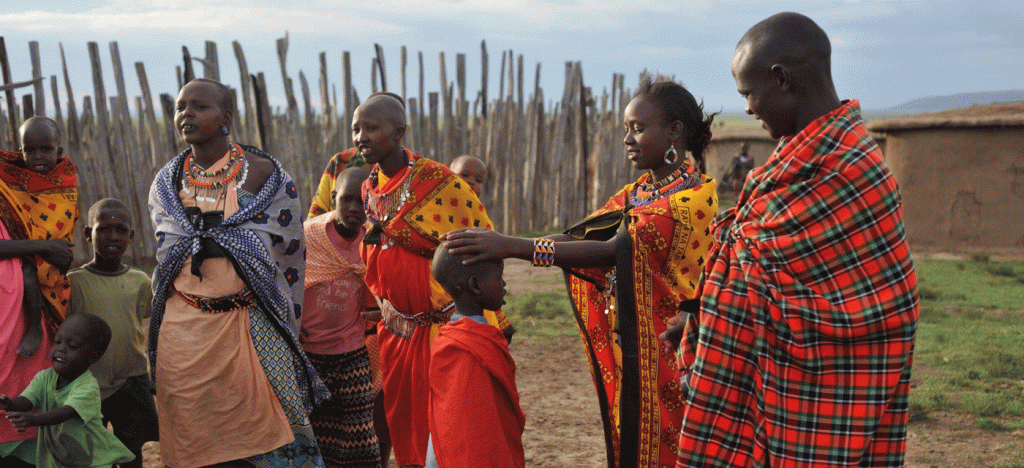
Visitors often have opportunities to learn about local cultures through guided cultural experiences. These visits may include traditional dances, demonstrations of daily activities, storytelling and discussions about local history and customs. Such experiences provide valuable insights into the human dimension of the Serengeti landscape.
Traditional ecological knowledge developed over generations often complements modern conservation efforts. Local communities possess detailed understanding of wildlife behavior, seasonal changes, plant uses and environmental conditions. This knowledge can contribute to effective natural resource management.
Cultural tourism also provides economic opportunities. Revenue generated through cultural experiences supports local communities and encourages preservation of traditional practices. When managed responsibly, cultural tourism can benefit both visitors and host communities.
Understanding the cultural context of the Serengeti enriches the safari experience. Travelers gain a broader appreciation for the region by learning not only about wildlife but also about the people who have lived alongside these ecosystems for generations. The combination of natural and cultural heritage makes the Serengeti a truly unique destination offering visitors opportunities to explore both wildlife and human history within one remarkable landscape.
Preparing for Your First Great Migration Safari
For first-time safari travelers, proper preparation can significantly enhance the overall experience. Understanding what to expect before arrival helps visitors feel more comfortable and allows them to focus fully on enjoying the migration.
Researching migration patterns is an important first step. Knowing which regions are likely to host migration activity during planned travel dates helps set realistic expectations and informs itinerary decisions. Consulting experienced safari operators can provide valuable guidance.
Travel documents should be organized well in advance. Passports, visas, travel insurance, flight confirmations and other necessary paperwork should be reviewed carefully before departure. Ensuring that all documents are valid helps avoid last-minute complications.
Health preparations are equally important. Travelers should consult healthcare professionals regarding recommended vaccinations, medications and health precautions relevant to East Africa. Carrying personal medications and basic first-aid supplies is advisable.
Packing appropriately contributes greatly to comfort. Lightweight clothing, warm layers for cool mornings, comfortable footwear, sun protection, binoculars, cameras and personal essentials should all be included. Overpacking is generally unnecessary because most safari activities require practical rather than formal clothing.
Maintaining realistic expectations is perhaps the most valuable preparation of all. Wildlife sightings are never guaranteed and migration events such as river crossings can be unpredictable. Travelers who embrace the uncertainty of nature often enjoy the most rewarding experiences.
A first Great Migration safari is often an emotional and unforgettable adventure. The combination of spectacular wildlife, breathtaking landscapes and authentic wilderness experiences creates memories that last a lifetime. Proper preparation ensures that travelers can fully appreciate every moment of this extraordinary journey.
Frequently Asked Questions About the Great Migration Safari
When is the best time to see the Great Migration?
The best time depends on what you want to experience. January to March is ideal for the calving season, May to June for the Western Corridor and Grumeti River, and July to October for the famous Mara River crossings.
Where is the Great Migration in January to March?
During January to March, the herds are mainly in the Southern Serengeti and Ndutu region for the calving season.
When can I see the Mara River crossings?
Mara River crossings usually occur between July and October in the Northern Serengeti and Maasai Mara. However, crossings are unpredictable and cannot be guaranteed on a specific day.
How many days should I spend on a Great Migration safari?
While shorter safaris are possible, five to seven days can provide more opportunities to explore different areas and increase the chances of experiencing significant migration activity.
Is the Great Migration a year-round event?
Yes. The Great Migration is a continuous, year-round movement. Different parts of the Serengeti offer different migration experiences throughout the year.
Can I see the Big Five during a Great Migration safari?
Yes. The Serengeti offers opportunities to see lions, leopards, elephants and other major wildlife species, while the migration also attracts predators such as cheetahs, hyenas and crocodiles.
Is the Great Migration suitable for families?
Yes. A Great Migration safari can be an excellent family experience when the itinerary, accommodation and game-drive schedule are selected with children in mind.
What type of accommodation is available during the migration?
Travelers can choose from mobile tented camps, permanent luxury lodges, mid-range tented camps and budget campsites, depending on their preferred comfort level and budget.
How much does a Great Migration safari cost?
The cost varies according to the season, safari duration, accommodation category, transportation and included services. Budget, mid-range and luxury options are available.
Can I take photographs during the Great Migration?
Absolutely. The migration provides excellent photography opportunities, particularly during calving season, predator encounters and Mara River crossings. Early mornings and late afternoons generally offer favorable lighting.
Are river crossings guaranteed on a safari?
No. River crossings are unpredictable. Herds may wait for hours or days, cross at different locations or change direction depending on natural conditions.
What should I pack for a Great Migration safari?
Pack lightweight neutral-colored clothing, warm layers, comfortable shoes, sun protection, binoculars, camera equipment, insect repellent, personal medications and important travel documents.
Is the Great Migration safe?
Safaris with reputable operators are generally conducted with established safety procedures. Professional guides provide instructions on wildlife encounters and help guests maintain safe distances from animals.
Why should I choose the Serengeti for the Great Migration?
The Serengeti offers access to multiple stages of the migration, including calving in the south, movement through the central and western areas and Mara River crossings in the north. It also provides excellent year-round wildlife viewing.
Should I book my Great Migration safari early?
Yes. Early booking is especially recommended for the peak July to October period because popular camps and lodges can become fully booked months in advance.
Conclusion
The Great Migration safari is one of the most extraordinary wildlife experiences available anywhere in the world. Every year more than two million wildebeest, zebras and gazelles undertake an incredible journey across the Serengeti-Mara ecosystem following seasonal rains and fresh grazing lands. This continuous movement creates a natural spectacle that has fascinated travelers, photographers, conservationists and wildlife enthusiasts for generations.
From the calving season in the southern Serengeti to the dramatic Mara River crossings in the north every stage of the migration offers unique and unforgettable experiences. Visitors have the opportunity to witness newborn animals taking their first steps, predators pursuing prey, massive herds stretching across endless plains and the remarkable survival instincts that drive one of nature’s greatest journeys. No two migration safaris are exactly alike making every visit special and unique.
Beyond the migration itself the Serengeti provides an incredibly rich wildlife experience. Lions, leopards, cheetahs, elephants, giraffes, buffaloes, hippos, crocodiles and hundreds of bird species contribute to the diversity and beauty of the ecosystem. The region also offers cultural experiences, luxury and budget accommodation options, photography opportunities and educational insights into conservation and ecology.
The Great Migration is more than a tourist attraction it is a vital ecological process that supports countless species and helps maintain the balance of the Serengeti ecosystem. Conservation efforts, responsible tourism and community involvement are essential to ensuring that this natural wonder continues for future generations.
Whether you are planning your first safari or returning to Africa for another adventure the Great Migration remains one of the most rewarding travel experiences on Earth. The combination of breathtaking landscapes, abundant wildlife, dramatic natural events and authentic wilderness creates memories that last a lifetime.
For many travelers witnessing the Great Migration is the fulfillment of a lifelong dream. It is a journey into the heart of wild Africa, where nature still operates on a grand scale and where every day brings new discoveries. A Great Migration safari is not simply a vacation it is an experience that inspires, educates and leaves a lasting appreciation for one of the world’s greatest natural wonders.