 English
 Deutsch
 Italia
June 4, 2026
Why Early Booking for Serengeti Safaris Saves You Money
Introduction
Why Early Booking for Serengeti Safaris Saves You Money is important to understand when planning your trip. Planning a Serengeti safari is one of the most exciting travel decisions you can make, but it also requires careful budgeting and timing. The Serengeti is a world-famous wildlife destination, attracting visitors year-round to witness the Great Migration, Big Five encounters, and vast African landscapes. Because of this global demand, safari prices are highly sensitive to booking time.
Many travelers are surprised to learn that when they book can be just as important as where they go or what package they choose.
Early booking is not just a planning strategy; it is a powerful cost-saving approach. It allows travelers to secure lower rates before seasonal price increases, access exclusive discounts and choose from a wider range of affordable accommodations and flights. It also reduces financial stress by offering flexible payment plans and protecting against unexpected price changes.
In contrast, last-minute bookings often come with higher prices, limited availability and fewer choices. This can force travelers into expensive upgrades or rushed decisions that increase total costs.
This guide explains in detail why early booking for Serengeti safaris saves money, covering major financial advantages from accommodation and transport savings to currency protection and value-added benefits. Understanding these factors helps travelers plan smarter, spend less and enjoy a better safari experience without unnecessary financial pressure.
Table of contents
- Introduction
- Lower Seasonal Price Increases
- Early Booking for Serengeti Safaris Saves You Money Access to Early Bird Discounts
- Better Choice of Budget-Friendly Accommodation
- Early Booking for Serengeti Safaris Saves You Money Cheaper Domestic Flights and Transfers
- Early Booking for Serengeti Safaris Saves You Money Avoiding Last-Minute Premium Charges
- More Time to Compare Affordable Packages
- Group Travel Discounts and Shared Costs
- Secure Lower Park Fee Impact
- Early Booking for Serengeti Safaris Saves You Money Flexible Payment Plans
- Avoid Currency Exchange Risks
- Early Booking for Serengeti Safaris Saves You Money Better Planning Reduces Hidden Costs
- Access to Value-Added Packages
- Frequently Asked Questions (FAQs)
- 1. Why is early booking for Serengeti safaris cheaper?
- 2. How far in advance should I book a Serengeti safari?
- 3. Can I get an early bird discount for a Serengeti safari?
- 4. Does booking early help me save on accommodation?
- 5. Can early booking reduce domestic flight costs?
- 6. Is it more expensive to book a Serengeti safari at the last minute?
- 7. Can I save money by booking a group Serengeti safari early?
- 8. Does early booking protect me from future safari price increases?
- 9. Are payment plans available when booking early?
- 10. How does early booking help with currency exchange risks?
- 11. Can early booking help me get better safari packages?
- 12. Is early booking important for the Great Migration?
- 13. Does early booking guarantee the lowest safari price?
- 14. What other costs can early planning help reduce?
- 15. Should I book my Serengeti safari early or wait for a last-minute deal?
- Conclusion
Lower Seasonal Price Increases
Early booking for Serengeti safaris is one of the most effective strategies for avoiding seasonal price increases that occur throughout the year. Serengeti National Park experiences strong demand cycles driven by wildlife movements especially the Great Migration which attracts travelers from all over the world. Peak seasons such as June to October and December holidays create extremely high demand for accommodation, transport and safari services.
As availability decreases prices increase gradually. This is not random but a standard pricing strategy used by hotels, lodges and tour operators. When rooms are still widely available prices remain lower. However as occupancy rises the remaining inventory becomes more expensive. Luxury lodges can increase their rates significantly sometimes by 30% to 60%, while mid-range and even budget camps also adjust prices upward due to demand pressure.
Early booking allows travelers to secure current rates before these increases happen. This means you are locking in today’s pricing instead of paying future inflated costs. It also protects you from additional price changes such as fuel surcharges, inflation adjustments or park fee revisions that may be passed on later by operators.
Over time these increases can add hundreds or even thousands of dollars to a safari package. Early booking eliminates this uncertainty and provides financial stability. It ensures that travelers enjoy the same safari experience at a significantly lower cost compared to those who book late during high-demand periods.
Early Booking for Serengeti Safaris Saves You Money Access to Early Bird Discounts
Early bird discounts are one of the most valuable financial incentives available for Serengeti safari travelers. Many tour operators, lodges and travel agencies offer reduced pricing for clients who confirm their bookings several months in advance. These discounts typically range from 5% to 20%, depending on the season, accommodation category and safari duration.
The main reason these discounts exist is operational efficiency. When bookings are made early safari companies can plan logistics in advance. This includes reserving lodge rooms, organizing transport routes, scheduling professional guides and coordinating internal flights. Advance planning reduces uncertainty and helps operators optimize resources more efficiently.
Because of these savings in planning and operations, companies are able to pass a portion of the benefit to early customers in the form of discounts. In addition to reduced prices early bird packages often include extra benefits such as complimentary airport transfers, discounted domestic flights, free guided activities or room upgrades.
These offers are usually time-limited and disappear as peak season approaches. Once demand increases and availability decreases operators no longer need to offer incentives, and prices return to standard or even premium levels. For families, group travelers or long safari itineraries early bird discounts can lead to substantial overall savings. Even a small percentage reduction can translate into significant cost reductions when applied to full safari packages.
Therefore booking early is not just about securing availability but also about accessing exclusive financial benefits that are unavailable to late travelers.
Better Choice of Budget-Friendly Accommodation
Accommodation is one of the most expensive components of a Serengeti safari and early booking plays a critical role in controlling this cost. The Serengeti offers a wide variety of lodging options, including luxury safari lodges, mid-range tented camps, mobile camps and budget-friendly campsites. Each category has different pricing levels but availability changes rapidly depending on the season.

Budget and mid-range accommodations are usually the first to be fully booked because they provide the best balance between comfort and affordability. These options are highly popular among international travelers and often sell out months before peak travel dates.
When travelers delay booking they often find that affordable options are no longer available. As a result they are forced to upgrade to more expensive lodges or accept less convenient locations both of which increase the total safari cost significantly.
Early booking ensures that travelers have access to the full range of accommodation choices. This allows careful selection based on budget, comfort level and preferred location within or near the park. It also gives travelers the ability to choose camps located near key wildlife areas reducing travel distance and fuel costs during game drives.
Some camps also offer early reservation discounts or special seasonal rates that are not available later. These deals are typically removed once occupancy levels increase. By booking early travelers maintain full control over accommodation costs and avoid unnecessary financial pressure caused by limited availability.
Early Booking for Serengeti Safaris Saves You Money Cheaper Domestic Flights and Transfers
Domestic flights are a major component of Serengeti safari logistics, especially for travelers arriving from Dar es Salaam, Zanzibar or Kilimanjaro. These flights are essential for reaching remote airstrips inside or near the Serengeti and their pricing is highly dynamic.
Airlines use demand-based pricing systems where ticket costs increase as seats are booked and departure dates approach. Early booking allows travelers to secure lower airfare before this price escalation occurs. During peak safari seasons flight prices can rise significantly due to high demand for bush flights.
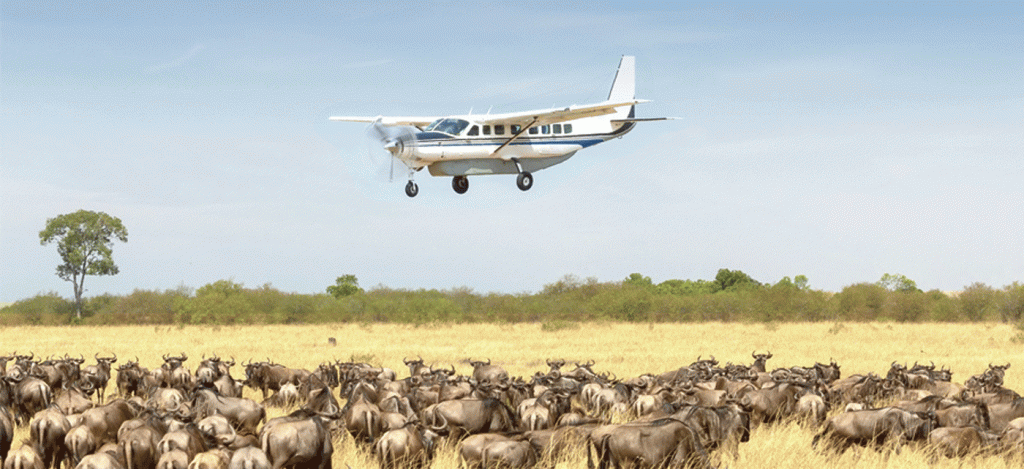
Tour operators often collaborate with airlines to create bundled safari packages that include discounted internal flights. These bundles are typically only available for early bookings because airlines can allocate seats in advance at lower negotiated rates.
In addition to flights ground transportation costs also benefit from early booking. Safari operators can plan vehicle routes more efficiently, reduce fuel consumption and organize shared transfers between camps and airports. This reduces overall transport costs. Late bookings often result in higher flight prices, limited seat availability or less convenient schedules. In some cases travelers may be forced to use private transfers which are significantly more expensive.
Early booking ensures smoother coordination between flights, accommodations and safari activities, while also reducing total transportation expenses.
Early Booking for Serengeti Safaris Saves You Money Avoiding Last-Minute Premium Charges
Last-minute Serengeti safari bookings often lead to significantly higher costs due to urgency and limited availability. When travelers book close to their departure date safari operators must quickly secure remaining accommodation, transport and guide services. This urgency increases operational costs.
As a result, operators apply premium pricing to cover these additional expenses and risks. These last-minute charges can increase total safari costs by 15% to 40%, depending on the season and availability. In addition to higher prices last-minute travelers have less negotiating power because there are fewer alternatives available. Operators may only have expensive lodges or limited itinerary options remaining.
Early booking eliminates this problem entirely. When bookings are made in advance operators have sufficient time to plan logistics efficiently and secure better rates for all services. This reduces unnecessary emergency arrangements and prevents inflated pricing. Early planning also ensures that travelers avoid forced upgrades or substitutions caused by lack of availability. Instead of paying higher prices for remaining options they secure their preferred itinerary at stable rates.
Overall early booking provides financial protection against urgency-based pricing and ensures better control over the safari budget.
More Time to Compare Affordable Packages
Early booking gives travelers sufficient time to compare multiple Serengeti safari packages in detail. Safari pricing varies widely depending on duration, accommodation level, transport method, group size and included activities. With early planning, travelers can research different operators, evaluate inclusions and carefully analyze pricing structures. This allows them to identify the best value-for-money option rather than choosing under pressure.
Early comparison also enables customization of safari itineraries. Travelers can request adjustments such as removing unnecessary services, changing accommodation levels or modifying travel routes to reduce costs. Operators are also more flexible when there is sufficient time before departure. This increases the possibility of negotiation, discounts or added benefits.
In contrast last-minute bookings limit choice and force travelers to accept available options without proper comparison. This often leads to higher costs and less optimal safari experiences.
Group Travel Discounts and Shared Costs
Early booking makes group travel significantly more affordable because it allows time to properly organize multiple travelers under one coordinated safari plan. In Serengeti safaris group travel is one of the most effective ways to reduce overall costs since many expenses are shared. These include safari vehicle costs, professional driver-guide fees, fuel costs, park logistics and sometimes even accommodation discounts for multiple rooms booked together.
When travelers book early tour operators can combine individuals or families into structured groups traveling on the same dates and routes. This allows the operator to use one vehicle at full capacity instead of assigning separate private vehicles which are much more expensive per person. The cost of a 4×4 safari vehicle is high so sharing it across 4 to 7 people significantly reduces the individual price.
Early planning also helps secure group discounts from lodges and camps. Many accommodations offer reduced rates for multiple rooms booked under one reservation but these discounts are only available when booked in advance. Once peak season approaches, availability becomes limited and group coordination becomes difficult.
Late bookings often miss these opportunities because there is no time to form groups or align travel schedules. This results in travelers paying higher private safari costs. Overall early booking ensures that group travel is fully optimized, making the Serengeti safari experience far more cost-effective while still maintaining comfort, quality and smooth logistics.
Secure Lower Park Fee Impact
Early booking helps protect travelers from future increases or adjustments in Serengeti National Park-related fees. While park entry fees are officially set by government authorities the total safari package cost is influenced by these fees, conservation charges and administrative costs. These costs can change over time due to policy updates, inflation or conservation funding requirements.
When travelers book early their safari price is usually calculated based on the current fee structure. This means they lock in today’s cost before any future adjustments take effect. In many cases tour operators absorb or adjust pricing changes for early bookings to maintain agreed contract rates especially for confirmed itineraries.
However, travelers who delay booking may be exposed to revised pricing that includes updated park fees or additional charges introduced closer to the travel date. These increases are often unavoidable and can slightly or significantly raise the total safari budget.
Early booking provides a form of financial protection against these unpredictable changes. It ensures that even if park fees increase later your safari cost remains stable according to the original agreement. This stability is particularly important for long itineraries that involve multiple park entries or extended stays where cumulative fee increases can become substantial.
In short, early booking reduces exposure to regulatory cost changes and helps travelers maintain a predictable and controlled safari budget.
Early Booking for Serengeti Safaris Saves You Money Flexible Payment Plans
One of the major financial advantages of early booking is access to flexible payment plans offered by many Serengeti safari operators. Instead of paying the full safari cost upfront travelers are often allowed to secure their booking with a deposit and then pay the remaining balance in installments over time.
This payment structure makes Serengeti safaris more accessible and easier to budget for especially for international travelers or families planning expensive multi-day itineraries. Spreading payments over several months reduces financial pressure and allows better cash flow management.
Some operators offer structured monthly or quarterly payment schedules while others allow customized payment arrangements depending on the traveler’s situation. In some cases early booking clients may even benefit from zero-interest installment plans or reduced deposit requirements.
This flexibility is rarely available for last-minute bookings where full payment is typically required immediately to secure limited remaining availability. As a result late travelers face higher financial strain and fewer payment options. Early booking also gives travelers more time to plan additional expenses such as flights, visas, travel insurance and personal spending making overall trip budgeting more efficient.
Overall, flexible payment plans make Serengeti safaris financially manageable and they are almost always linked to early reservation policies.
Avoid Currency Exchange Risks
Early booking helps international travelers reduce the financial impact of currency exchange fluctuations. Most Serengeti safari packages are priced in US dollars while travelers often pay using their local currency. This means exchange rate changes can significantly affect the final cost of the safari.
If a traveler books late and their local currency weakens against the US dollar the same safari becomes more expensive in real terms. These fluctuations can happen unexpectedly due to global economic changes, inflation rates or political factors affecting currency markets. By booking early travelers can lock in a fixed price at a more favorable exchange rate period. This reduces uncertainty and protects them from sudden financial increases caused by currency volatility.
Some tour operators also allow partial or full early payments, meaning travelers can convert their money when exchange rates are favorable and secure the cost in advance. This strategy is commonly used by experienced international travelers to manage safari budgets more effectively.
Late bookings remove this advantage because payment is usually required closer to travel dates when exchange rates may be less favorable. In this way early booking acts as a financial safeguard ensuring that currency fluctuations do not negatively impact the overall safari cost.
Early Booking for Serengeti Safaris Saves You Money Better Planning Reduces Hidden Costs
Early booking allows for detailed safari planning which helps reduce hidden or unexpected costs during the trip. Poorly planned safaris often lead to inefficiencies such as last-minute transportation changes, emergency accommodation upgrades or unnecessary travel routes that increase fuel and logistics expenses.
When travelers book early tour operators have enough time to design an optimized itinerary that minimizes waste. Routes can be carefully planned to reduce long-distance driving, avoid unnecessary backtracking and ensure smooth movement between parks and accommodations.
This level of planning reduces fuel consumption, vehicle wear costs and time inefficiencies all of which contribute to a lower overall safari price. Early planning also reduces the risk of expensive last-minute changes. For example if accommodation is not properly secured in advance travelers may be forced to upgrade to more expensive lodges or relocate unexpectedly.
Additionally well-planned safaris avoid emergency situations such as rushed flight changes or urgent transport arrangements which are often significantly more expensive. In contrast last-minute planning tends to be reactive rather than strategic resulting in higher hidden costs that accumulate throughout the trip.
Access to Value-Added Packages
Early booking provides access to exclusive value-added safari experiences that are often limited in availability. These include activities such as hot air balloon safaris over the Serengeti, guided walking safaris, cultural village visits, private game drives and premium photographic tours.
These experiences are highly popular and often have limited capacity meaning they are allocated on a first-booked basis. Travelers who book early are more likely to secure spots at standard or discounted bundle rates. Tour operators frequently include these experiences as part of early booking promotions to encourage advance reservations. This increases the overall value of the safari package without significantly increasing cost.
Late travelers may miss out entirely on these experiences or be required to pay higher standalone prices if space is still available. In many cases availability is completely sold out during peak seasons. Early booking also allows better scheduling of these activities within the itinerary ensuring smooth coordination and avoiding rushed or inconvenient timing.
Frequently Asked Questions (FAQs)
1. Why is early booking for Serengeti safaris cheaper?
Early booking can help you secure current safari rates before seasonal price increases, while also giving you access to early booking discounts, affordable accommodation and lower domestic flight fares.
2. How far in advance should I book a Serengeti safari?
For peak seasons, especially June to October and the Christmas holidays, booking 3 to 6 months in advance is recommended. For popular luxury camps and specific Great Migration locations, booking even earlier is beneficial.
3. Can I get an early bird discount for a Serengeti safari?
Yes. Some safari operators, lodges and camps offer early booking discounts or additional benefits for travelers who confirm their safari well in advance. Availability and discount levels vary by season and package.
4. Does booking early help me save on accommodation?
Yes. Booking early gives you access to a wider selection of budget, mid-range and luxury accommodations. This helps you choose an option that fits your budget before affordable properties become fully booked.
5. Can early booking reduce domestic flight costs?
Yes. Booking domestic flights early can help you access lower fares and better flight schedules. This is particularly useful for travelers flying between Zanzibar, Arusha and Serengeti airstrips.
6. Is it more expensive to book a Serengeti safari at the last minute?
It can be. Last-minute bookings may have fewer accommodation and flight options available, potentially requiring more expensive lodges, private transfers or alternative arrangements.
7. Can I save money by booking a group Serengeti safari early?
Yes. Early booking gives operators more time to organize shared vehicles, coordinate travelers and secure group accommodation. Sharing vehicle and guide costs can significantly reduce the price per person.
8. Does early booking protect me from future safari price increases?
It can provide greater price stability. However, travelers should always check the booking terms to understand whether future changes to park fees, taxes, flights or other mandatory charges can affect the agreed price.
9. Are payment plans available when booking early?
Many safari operators allow travelers to secure a safari with a deposit and pay the remaining balance later. The exact deposit, deadlines and payment terms depend on the operator and package.
10. How does early booking help with currency exchange risks?
If your safari is priced in US dollars, exchange-rate changes can affect what you pay in your local currency. Paying or securing the safari price early can reduce exposure to unfavorable currency movements, depending on the payment terms.
11. Can early booking help me get better safari packages?
Yes. Booking early gives you more time to compare different itineraries, accommodation categories, transportation options and included activities. This makes it easier to choose a package that offers the best value for your budget.
12. Is early booking important for the Great Migration?
Yes. The Great Migration attracts very high demand, particularly during popular river-crossing periods. Booking early gives you a better chance of securing accommodation and safari arrangements in your preferred area and travel dates.
13. Does early booking guarantee the lowest safari price?
Not always. Prices depend on season, accommodation, itinerary, group size, flights and operator policies. However, early booking generally gives you more opportunities to compare prices and avoid limited-availability premiums.
14. What other costs can early planning help reduce?
Early planning can help reduce unnecessary transportation changes, expensive accommodation upgrades, rushed flight arrangements and other unexpected logistical expenses.
15. Should I book my Serengeti safari early or wait for a last-minute deal?
For travelers with fixed dates or who want specific accommodations and migration locations, booking early is usually the safer choice. Last-minute deals may occasionally appear, but they are unpredictable and can come with limited choices.
Conclusion
Early booking for Serengeti safaris is one of the most effective and practical ways to reduce overall travel costs while improving the quality of the experience. Across all aspects of safari planning accommodation, flights, transport, park fees and additional activities advance reservations consistently provide financial advantages that last-minute bookings cannot match.
By booking early travelers secure lower prices before seasonal demand drives costs upward. They also gain access to early bird discounts, better accommodation options, cheaper domestic flights and group travel savings. In addition, early planning helps avoid last-minute premium charges, currency exchange risks and hidden logistical costs that often increase total safari expenses.
Beyond financial savings, early booking provides stability and control. Travelers can spread payments over time, compare different packages carefully and design a well-structured itinerary that maximizes both value and experience. It also ensures access to limited-value experiences such as hot air balloon safaris and cultural tours that often sell out quickly during peak seasons.
In contrast delaying booking often leads to higher prices, fewer choices and reduced flexibility. This can significantly impact both budget and overall safari satisfaction.