 English
 Deutsch
 Italia
June 4, 2026
Serengeti Safari for First-Time Visitors
Introduction
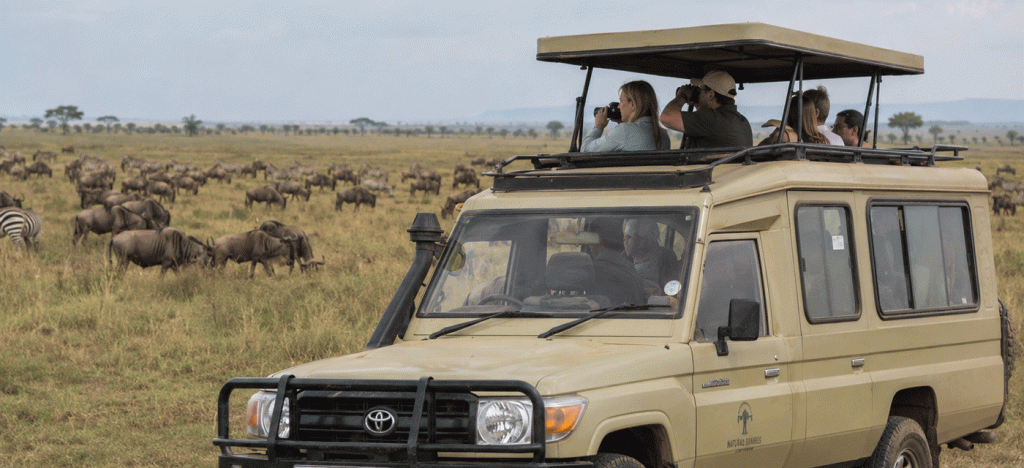
The Serengeti National Park is one of the most famous wildlife destinations in the world and a dream location for many travelers visiting Africa for the first time. Located in northern Tanzania the Serengeti covers approximately 14,750 square kilometers of protected wilderness filled with wildlife, vast grasslands, rivers, woodlands and breathtaking landscapes. The name “Serengeti” comes from the Maasai word “Siringet,” meaning endless plains which perfectly describes the park’s scenery.
For first-time visitors the Serengeti offers an opportunity to experience nature in its purest form. The park is home to the Big Five including lions, leopards, elephants, buffaloes and rhinos. In addition, visitors can see cheetahs, giraffes, zebras, wildebeests, hyenas, crocodiles, hippos and hundreds of bird species.
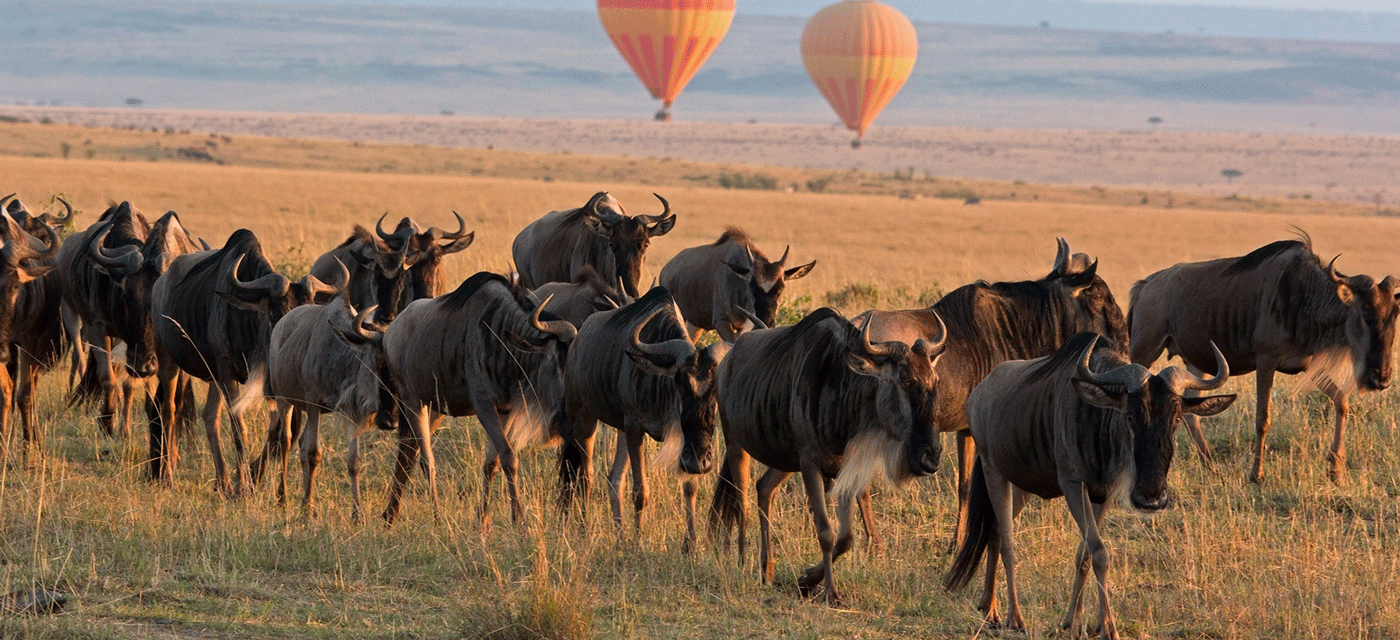
One of the park’s biggest attractions is the Great Migration, a natural event involving more than two million wildebeests, zebras and gazelles moving across the Serengeti ecosystem in search of fresh grazing land. This spectacular migration attracts visitors from around the world and is considered one of the greatest wildlife events on Earth.
The Serengeti is not only about animals. Visitors also enjoy beautiful sunrises, dramatic sunsets, cultural experiences with local communities, luxury lodges, tented camps and unforgettable safari adventures. Every game drive offers different wildlife encounters making each day unique.
For first-time travelers, proper planning is important. Understanding the best time to visit, transportation options, accommodation choices, safari activities and park regulations can significantly improve the experience. This guide provides all the essential information needed to help first-time visitors enjoy a safe, comfortable and unforgettable Serengeti safari.
Best Time to Visit the Serengeti
Choosing the right time to visit the Serengeti is one of the most important decisions for first-time visitors. Although the park offers excellent wildlife viewing throughout the year each season provides different experiences.
From January to March the southern Serengeti becomes the center of activity during the wildebeest calving season. Thousands of baby wildebeests are born every day, attracting predators such as lions, cheetahs and hyenas. This period provides excellent opportunities for wildlife photography and predator sightings.
Between April and May the region experiences the long rainy season. Visitor numbers decrease significantly and accommodation prices are often lower. The landscape becomes green and beautiful making it an attractive option for budget-conscious travelers.
June to October is generally considered the best safari season. The weather is dry, vegetation is thinner and wildlife becomes easier to spot around water sources. This period also includes some of the most famous migration river crossings particularly in the northern Serengeti near the Mara River. November and December bring shorter rains but wildlife viewing remains excellent. The migration starts moving southward again as animals follow seasonal rainfall patterns.
Weather conditions during the dry season are usually pleasant with sunny days and cooler mornings and evenings. Travelers should bring light clothing for daytime activities and warmer layers for early morning game drives. Peak season usually occurs between June and October. During this period lodges and camps may sell out months in advance. Booking early is highly recommended for travelers planning to visit during these popular months.
Ultimately, there is no bad time to visit the Serengeti. The best period depends on individual interests whether focused on migration viewing, photography, birdwatching, predator sightings or budget travel.
Getting to the Serengeti
For many first-time visitors reaching the Serengeti may seem complicated but the journey is straightforward when properly organized. Most international travelers arrive in Tanzania through Kilimanjaro International Airport near Arusha which serves as the primary safari gateway in northern Tanzania.
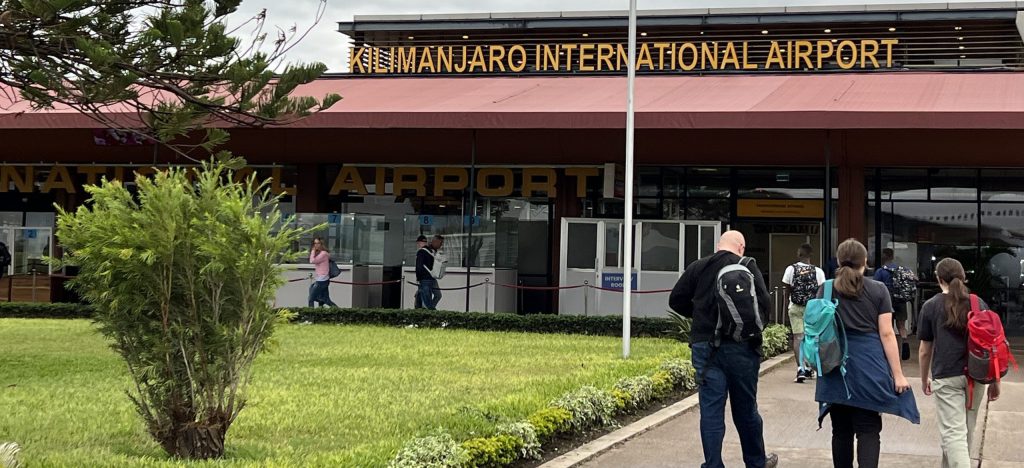
After arriving in Tanzania visitors have two main options for reaching the Serengeti. The first option is flying directly to one of several airstrips located within the park. Domestic flights operate daily from Arusha, Zanzibar, Dar es Salaam and other destinations. Flights significantly reduce travel time and provide spectacular aerial views of Tanzania’s landscapes.
The second option involves traveling by road from Arusha. A road safari allows visitors to explore additional destinations along the way, including Lake Manyara National Park, Tarangire National Park and the Ngorongoro Conservation Area. Although road journeys take longer they provide opportunities to experience more of Tanzania’s diverse wildlife and scenery.
Many safari operators offer complete packages that include airport transfers, domestic flights, park transportation, accommodation, meals and guided game drives. These packages simplify travel arrangements and are especially beneficial for first-time visitors unfamiliar with local logistics.
Travelers should ensure their passports remain valid for at least six months beyond their travel dates. Most visitors also need a Tanzanian visa which can often be obtained online before arrival. Travel insurance is strongly recommended to cover unexpected situations such as flight delays, medical emergencies or luggage issues. Visitors should also confirm luggage restrictions for domestic flights, as small aircraft often have weight limitations.
Planning transportation in advance ensures a smoother safari experience and allows visitors to focus on enjoying the adventure rather than managing complex travel arrangements.
Choosing the Right Safari Accommodation
Accommodation plays a major role in shaping the overall Serengeti experience. The park offers a wide range of options suitable for different budgets, travel styles and comfort preferences.
Luxury lodges provide spacious rooms, gourmet dining, swimming pools, spa services and exceptional wildlife views. Many luxury properties are strategically located near major wildlife areas allowing guests to enjoy game viewing even from their rooms.
Tented camps offer a more immersive safari experience while still providing comfortable beds, private bathrooms and quality service. These camps allow visitors to feel closer to nature while maintaining a high level of comfort.
Mobile camps follow the Great Migration throughout the year giving guests access to the best wildlife viewing locations. This option is particularly popular among travelers seeking front-row access to migration activities.
Mid-range lodges and camps balance comfort and affordability. They typically provide private accommodations, good meals and guided safari activities without the premium cost of luxury properties.
Budget camps offer basic facilities and are ideal for travelers seeking affordable adventures. Although simpler many budget camps still provide excellent wildlife experiences.
When selecting accommodation, location is extremely important. The Serengeti is vast and wildlife movements vary throughout the year. Staying in the right region increases the chances of seeing specific wildlife events including migration river crossings or calving season activities. Booking well in advance is essential especially during peak travel periods. Popular camps and lodges can become fully booked several months before arrival.
First-time visitors often benefit from working with experienced safari operators who understand seasonal wildlife movements and can recommend the most suitable accommodation based on travel dates, interests and budget. A carefully chosen lodge or camp can transform a safari from an enjoyable trip into a truly unforgettable adventure.
What to Expect on a Game Drive
Game drives are the highlight of every Serengeti safari. These guided wildlife excursions allow visitors to explore different habitats and observe animals in their natural environment. Most game drives begin early in the morning when temperatures are cooler and wildlife activity is highest. Predators such as lions, leopards and cheetahs are often more active during these hours increasing the chances of exciting sightings.
Vehicles are specially designed for safari use and often feature pop-up roofs that allow passengers to stand and enjoy unobstructed views. Experienced guides use their knowledge of animal behavior, tracks, sounds and radio communication to locate wildlife.
A typical game drive may include encounters with elephants crossing the road, giraffes feeding on trees, zebras grazing in open plains and lions resting under acacia trees. Every drive is unique because wildlife movements constantly change. Visitors should bring binoculars, cameras, sunscreen, hats and drinking water. Patience is also important because wildlife sightings can sometimes require time and careful observation.
Guides provide valuable information about animal behavior, ecology, conservation efforts and local history. Their expertise helps visitors gain a deeper understanding of the Serengeti ecosystem. Safety rules must always be followed. Guests should remain inside vehicles unless instructed otherwise and avoid making loud noises that could disturb animals.
Many safari itineraries include both morning and afternoon game drives maximizing wildlife viewing opportunities throughout the day. Some accommodations also offer full-day safaris with picnic lunches in designated areas. For first-time visitors game drives often exceed expectations. Seeing wild animals roaming freely across the endless plains creates memories that last a lifetime and provides a powerful connection to nature rarely experienced elsewhere.
Packing Essentials for a Serengeti Safari
Packing correctly for a Serengeti safari is very important for first-time visitors because the environment is different from normal holiday destinations. The park has early morning cold temperatures, hot midday sun, dusty roads and occasional rain depending on the season. Because of these changing conditions travelers need to pack in a smart and flexible way.
Clothing should be light, breathable and neutral colored to blend with the natural environment and avoid attracting insects. Earth tones such as khaki, beige, brown and olive green are ideal. Bright colors and heavy black clothing are usually not recommended because they can absorb heat and may disturb wildlife visibility during game drives.
A warm jacket or fleece is necessary for early morning and evening game drives when temperatures can drop significantly. During midday light cotton shirts and trousers are comfortable and practical. Comfortable walking shoes or lightweight boots are important for movement around lodges and camps. Sun protection is essential in the Serengeti. Travelers should bring sunglasses, sunscreen with high SPF, a wide brim hat and lip balm. The African sun can be strong even on cloudy days.
Other important items include binoculars for wildlife viewing a good camera with extra batteries or memory cards and a power bank for charging devices. Many safari lodges have limited charging points, so planning ahead is important. Personal items such as insect repellent, basic medications, wet wipes and hand sanitizer are also recommended. A small backpack is useful for carrying essentials during game drives.
Travel documents including passport, visa, travel insurance details and booking confirmations should be kept in a waterproof pouch for safety. Packing light is always recommended because many domestic flights to the Serengeti have strict luggage weight limits. Soft sided bags are preferred over hard suitcases due to limited storage space in safari vehicles and aircraft.
With the right packing strategy, first-time visitors can enjoy a comfortable stress free safari experience while fully focusing on wildlife and adventure.
Safari Costs and Budget Planning
Understanding safari costs is essential for first-time visitors planning a Serengeti trip. The overall cost can vary widely depending on travel style, accommodation level, duration and time of year. The Serengeti offers options ranging from budget camping safaris to high end luxury experiences making it accessible to different types of travelers.
Budget safaris are the most affordable option and usually include basic camping accommodation, shared vehicles and simple meals. These safaris are ideal for travelers who prioritize adventure over luxury. Costs are generally lower because services are shared and facilities are minimal.
Mid range safaris offer a balance between comfort and affordability. They include lodge or tented camp accommodation, private or semi private game drives, professional guides and quality meals. This category is popular among first time visitors because it provides comfort without extremely high prices.
Luxury safaris provide high end experiences with premium lodges, private guides, exclusive game viewing areas, gourmet dining and additional services such as spa treatments and swimming pools. These safaris are designed for travelers seeking maximum comfort and personalized experiences.
The length of stay also affects the overall budget. A short three-day safari will cost significantly less than a seven-to-ten-day itinerary covering multiple parks such as Serengeti, Ngorongoro and Tarangire. Additional costs include park entry fees, domestic flights, travel insurance, tips for guides and staff drinks and optional activities such as hot air balloon safaris.
Peak season from June to October is generally more expensive due to high demand especially during migration river crossing periods. Traveling during the low season can reduce costs significantly while still offering excellent wildlife viewing. Booking early helps secure better prices and availability especially for popular lodges. Many safari operators also offer package deals that combine accommodation, transport and guided tours which can be more cost effective.
Careful budgeting ensures travelers enjoy a smooth Serengeti experience without unexpected financial stress.
Safety Tips and Park Rules
Safety is a top priority during a Serengeti safari and first-time visitors must follow important guidelines to ensure a secure and enjoyable experience. Although the Serengeti is a well managed national park it is still a wild environment with free roaming animals.
One of the most important rules is to always remain inside the safari vehicle during game drives unless the guide gives permission. Wildlife such as lions, elephants and buffaloes can be dangerous if approached on foot even if they appear calm. Visitors should never feed animals. Feeding wildlife disrupts their natural behavior and can create dependency on human food which is harmful to the ecosystem.
Maintaining a quiet environment during game drives is important. Loud noises or sudden movements can disturb animals and reduce the chances of observing natural behavior. Travelers should follow all instructions provided by professional safari guides. These guides are highly trained in animal behavior and park regulations and know how to keep guests safe.
It is also important to respect speed limits within the park. Safari vehicles must drive carefully to avoid accidents and protect both wildlife and passengers. Health precautions are also necessary. Visitors should drink bottled or purified water apply insect repellent to prevent mosquito bites and take recommended vaccinations before traveling.
At night, guests should avoid walking alone outside their lodges or camps. Many accommodations have security personnel to ensure visitor safety within the premises. Valuables should be kept secure and important documents should not be left unattended. Most safari camps provide safes or secure storage areas.
Travel insurance is highly recommended in case of emergencies such as illness or unexpected travel disruptions. By following these safety rules and respecting the natural environment first time visitors can enjoy a safe and unforgettable Serengeti experience while contributing to conservation efforts.
Maasai Culture and Conservation Experience
A Serengeti safari is not only about wildlife but also about experiencing the rich cultural heritage of the local Maasai people. The Maasai are one of the most well-known indigenous communities in East Africa living around the Serengeti and Ngorongoro regions for centuries.
First time visitors often have the opportunity to visit traditional Maasai villages. These visits offer insight into their unique way of life including traditional housing, clothing, food and customs. The Maasai are known for their colorful clothing, beadwork and strong cultural identity that has been preserved over time.
During cultural visits, travelers may observe traditional dances, storytelling and daily activities such as cattle herding. Cattle play a central role in Maasai culture and are considered a symbol of wealth and livelihood. It is important for visitors to approach cultural experiences with respect and openness. Asking questions and engaging respectfully helps create meaningful interactions between travelers and local communities.
Conservation is another important aspect of the Serengeti experience. The park is part of a larger ecosystem that requires ongoing protection to maintain wildlife populations and natural habitats. Conservation efforts focus on protecting endangered species, managing human wildlife conflict and supporting sustainable tourism.
Tourism plays a major role in funding conservation programs and supporting local communities. Entrance fees, lodge operations and safari activities contribute directly to park management and community development projects. Many safari operators also promote eco friendly tourism practices such as reducing plastic waste, supporting local employment and using sustainable energy sources in camps and lodges.
For first time visitors understanding the connection between wildlife conservation and local culture adds depth to the safari experience. It highlights the importance of protecting the Serengeti not only for future travelers but also for the animals and communities that depend on it. A Serengeti safari therefore becomes more than a holiday. It becomes a meaningful journey that connects nature, culture, and conservation in one of the most iconic landscapes in the world.
Photography Tips for First-Time Safari Travelers
Photographing the Serengeti is one of the most rewarding parts of a safari especially for first-time visitors who want to capture wildlife memories. The park offers endless opportunities for stunning images from dramatic landscapes to close-up animal encounters.
Light is one of the most important factors in safari photography. Early morning and late afternoon provide the best natural lighting often called the golden hours. During these times the soft light enhances colors and creates beautiful shadows across the plains.
A zoom lens is highly recommended because it allows you to photograph animals from a safe distance without disturbing them. Many wildlife moments happen far from the vehicle so a lens with good reach increases your chances of capturing clear shots. Stability is also important. Since safari vehicles move on uneven terrain using a camera with image stabilization or supporting your camera on a bean bag can reduce blur. Many safari guides provide bean bags for photographers.
Patience is key in wildlife photography. Animals do not follow schedules so waiting for the right moment often results in the best images. Observing animal behavior helps predict actions such as hunting, grazing or crossing roads. Composition plays a major role in creating powerful safari photos. Including elements of the landscape such as acacia trees or open plains, adds context to wildlife images. Wide angle shots can capture the vastness of the Serengeti environment.
Visitors should always respect wildlife by maintaining distance and avoiding flash photography. Flash can disturb animals especially at night or during close encounters. Keeping extra memory cards and batteries is essential because charging opportunities may be limited during long game drives. Dust protection for cameras is also important due to the dry environment.
For first-time travelers photography in the Serengeti is not just about taking pictures but about capturing moments that tell a story of nature, survival and beauty.
Great Migration Experience Explained
The Great Migration is the most famous wildlife event in the Serengeti and one of the main reasons travelers visit the park. It involves over two million wildebeests, zebras and gazelles moving across the Serengeti ecosystem in a continuous cycle driven by rainfall and grazing patterns. This migration is not a single event but a year-round movement. The animals follow fresh grass and water sources across different regions of the Serengeti and into Kenya’s Maasai Mara.
From January to March the southern Serengeti becomes the calving ground. Thousands of wildebeest calves are born within a short period. This attracts predators such as lions, cheetahs and hyenas creating dramatic wildlife interactions. Between April and June, the herds begin moving northwest through the central Serengeti as the dry season approaches. This period offers excellent opportunities to see large herds moving across open plains.
From July to October the migration reaches the northern Serengeti where the famous river crossings occur. Wildebeests face dangerous challenges crossing rivers filled with crocodiles. These moments are some of the most photographed wildlife scenes in the world. November and December mark the return of the herds to the southern plains as the short rains begin completing the cycle.
For first-time visitors timing is critical if the goal is to witness specific migration events. However even outside peak migration periods the Serengeti still offers incredible wildlife viewing with resident animals. Guides play an important role in tracking herd movements and positioning visitors in the best viewing locations. Their experience increases the chances of witnessing key migration moments.
The Great Migration represents one of nature’s most powerful survival journeys and provides an unforgettable experience for anyone visiting the Serengeti for the first time.
Final Travel Advice for First-Time Visitors
Planning a first Serengeti safari requires careful preparation but the reward is an unforgettable adventure. First-time visitors should focus on organizing key travel elements such as timing, budget, accommodation and transportation well in advance. Booking early is highly recommended especially for peak travel seasons. Popular lodges, flights and safari vehicles can sell out months before arrival. Early planning also helps secure better prices and more accommodation options.
Choosing a reliable and experienced safari operator is essential. A good operator ensures smooth logistics, knowledgeable guides and well-planned itineraries. This reduces stress and allows visitors to fully enjoy the experience. Flexibility is important during a safari. Wildlife movements are unpredictable and game drives may change depending on animal activity. Being open to schedule adjustments increases the chances of seeing unique wildlife moments.
Travel insurance provides added security in case of unexpected situations such as flight delays, medical issues or lost luggage. It is a small investment that adds peace of mind. Health preparation is also necessary. Visitors should consult medical professionals for recommended vaccinations and malaria prevention advice before traveling.
Respect for nature and local culture enhances the overall experience. Following park rules, supporting conservation efforts and engaging respectfully with local communities contribute to responsible tourism. First-time visitors should also manage expectations. While the Serengeti offers incredible wildlife sightings animals are free roaming and cannot be guaranteed on specific schedules. Patience and observation are key parts of the experience.
Most importantly travelers should take time to enjoy the moment rather than focusing only on photography or schedules. The sounds, landscapes and atmosphere of the Serengeti create memories that go far beyond pictures. A Serengeti safari is not just a trip. It is a life changing journey into one of the most remarkable natural environments on Earth, offering discovery, adventure and a deeper connection with the wild
Accommodation Experience in Detail for First-Time Visitors
For first-time visitors understanding what a typical day and stay looks like in Serengeti accommodation helps reduce uncertainty and improves the overall safari experience. Whether staying in a luxury lodge, tented camp or mid-range option most accommodations are designed to blend comfort with nature.
Mornings in the Serengeti often begin very early usually before sunrise. Guests are typically woken up with tea or coffee delivered to their room or tent. This is because early morning is the best time for wildlife activity. After a light breakfast visitors head out for a game drive with their guide.
During midday many travelers return to their lodge or camp for lunch and rest. The heat can be strong so this is also the best time to relax, take photos or enjoy views of wildlife from the accommodation area. Some lodges have swimming pools where guests can cool off while watching animals nearby.
Evening experiences are another highlight. Sunset game drives or sundowner stops allow visitors to enjoy drinks while watching the sun set over the plains. After returning guests are usually served dinner under the stars or inside a dining tent. Accommodation staff play a key role in creating a welcoming atmosphere. Many camps offer personalized service including packed breakfasts for full-day safaris and special arrangements for celebrations like birthdays or honeymoons.
First-time visitors often notice that electricity and internet access may be limited in remote areas. Many camps use solar power and Wi-Fi may only be available in central areas. This encourages a digital detox and deeper connection with nature. Nighttime in the Serengeti is quiet and peaceful with sounds of wildlife in the distance. Security staff ensure guest safety especially in tented camps where animals may move nearby.
Understanding this rhythm helps first-time visitors adapt easily and enjoy the unique lifestyle of staying inside one of the world’s most famous national parks.
Wildlife Behavior and What Beginners Should Know
For first-time safari visitors understanding basic wildlife behavior greatly enhances the experience in the Serengeti. Animals in the park are wild and behave according to natural instincts which means sightings can be unpredictable but highly rewarding.
Lions are often seen resting during the day under trees or in open grasslands. They are most active during early morning and evening hours when they hunt. Visitors may witness pride interactions, cubs playing or coordinated hunting behavior if lucky. Elephants are gentle giants commonly seen in family groups. They move slowly across the plains often near water sources. Observing their social structure and communication is fascinating for first-time visitors.
Leopards are more elusive and usually found resting in trees during daylight hours. Spotting a leopard requires patience and a trained guide who can identify subtle signs such as movement in branches or alarm calls from other animals.
Cheetahs prefer open plains where they can use speed to hunt. They are often seen scanning the horizon from termite mounds or resting in shaded areas before chasing prey.
Wildebeests and zebras are usually seen in large herds especially during migration periods. Their movement patterns create dramatic scenes across the landscape and attract predators. Birdlife in the Serengeti is also rich, with hundreds of species including eagles, vultures, flamingos and ostriches. Birdwatching adds another layer of interest for visitors who enjoy nature photography or observation.
Understanding animal behavior helps visitors appreciate sightings more deeply. For example alarm calls from zebras or gazelles often signal nearby predators even if they are not immediately visible. First-time visitors should remember that wildlife viewing depends on patience and timing. Every game drive offers different surprises making each experience unique and exciting.
Common Mistakes First-Time Safari Travelers Make
Many first-time visitors to the Serengeti make simple mistakes that can affect their overall safari experience. Understanding these in advance helps travelers avoid disappointment and enjoy a smoother journey. One common mistake is overpacking. Since many safaris involve small aircraft and limited storage space bringing large suitcases can create unnecessary problems. Lightweight soft bags are much more practical.
Another mistake is unrealistic expectations about wildlife sightings. Some travelers expect to see all Big Five animals immediately. However, wildlife is unpredictable and patience is required to enjoy natural encounters. Ignoring weather conditions is also a frequent issue. The Serengeti can be cold in the morning and hot during the day so dressing in layers is essential. Many first-time visitors underestimate temperature changes.
Some travelers do not bring proper photography equipment or forget extra batteries and memory cards. This can be frustrating when unexpected wildlife moments occur. Not respecting park rules is another mistake. Leaving the vehicle, feeding animals or making loud noises can disturb wildlife and reduce safety.
Choosing the wrong travel season without research can also affect the experience. For example, visiting during heavy rain may limit road access in some areas while missing migration periods may change expectations. Another issue is not booking accommodations early enough especially during peak season. This can lead to limited options or higher prices.
Finally, rushing the safari is a common mistake. Trying to see everything in a short time reduces enjoyment. A slower more relaxed approach allows visitors to fully appreciate the Serengeti environment. Avoiding these mistakes helps first-time travelers have a more enjoyable safe and memorable safari experience.
Health Preparation and Travel Requirements
Before traveling to the Serengeti, first-time visitors should take time to prepare their health and ensure all travel requirements are in order. This helps avoid problems during entry, stay and safari activities.
One of the most important steps is checking passport validity. Most travelers are required to have a passport valid for at least six months beyond the date of entry. A visa is also required for many international visitors and it can often be obtained online before arrival or on entry depending on nationality.
Vaccinations may be recommended depending on travel history and origin country. Common recommendations include yellow fever vaccination for travelers coming from certain regions, as well as routine vaccines such as tetanus, hepatitis A and typhoid. It is always best to consult a travel clinic before departure for personalized advice.
Malaria prevention is another important consideration because the Serengeti is located in a tropical region where mosquitoes may be present. Many travelers take anti malaria medication and use insect repellent especially during evenings and early mornings.
Travel insurance is strongly recommended. It should cover medical emergencies, evacuation, trip cancellations and lost luggage. Because the Serengeti is remote medical facilities are limited and serious cases may require evacuation to larger cities. Staying hydrated is essential during safaris. The dry climate and long game drives can lead to dehydration if visitors do not drink enough water. Bottled or purified water is usually provided by safari operators.
First-time visitors should also bring a basic personal medical kit with items such as pain relief medication, motion sickness tablets, bandages and any personal prescriptions. By preparing properly travelers reduce health risks and ensure a safe comfortable safari experience in the Serengeti.
Transportation Inside the Serengeti
Once inside the Serengeti transportation is entirely organized around safari game drives and transfers between camps or lodges. Understanding how transport works helps first-time visitors feel more comfortable and prepared. The most common vehicle used in the Serengeti is a 4×4 safari jeep. These vehicles are specially designed for rough terrain and wildlife viewing. They usually feature pop-up roofs that allow visitors to stand and observe animals from a higher angle.
Safari vehicles are driven by professional guides who are also trained drivers. They understand park roads, animal behavior and safety rules. Their experience is one of the most valuable parts of the safari journey. Road conditions inside the Serengeti can be uneven, dusty or muddy depending on the season. This is normal and part of the adventure. Vehicles are built to handle these conditions but travelers should be prepared for bumpy rides.
For long distances within the park, some itineraries include internal flights between airstrips. This is especially useful when moving between northern, central or southern regions of the Serengeti. It saves time and reduces long driving hours. Transfers between lodges are often scheduled based on wildlife movements or itinerary plans. Guides ensure that guests reach their next destination safely while also maximizing game viewing opportunities along the way.
Night driving is generally not allowed inside the park. All movement happens during daylight hours for safety reasons and to protect wildlife. First-time visitors should remain flexible as travel times can vary depending on animal sightings or road conditions. Sometimes game drives may take longer if exciting wildlife encounters occur.
Understanding transportation in the Serengeti helps visitors appreciate that travel itself is part of the safari experience not just a means of reaching destinations.
Dining Experience on Safari
The dining experience in the Serengeti is an important part of the overall safari journey especially for first-time visitors who may be surprised by the quality and variety of food available in remote wilderness settings. Most safari lodges and tented camps offer full board service, meaning breakfast, lunch and dinner are included. Meals are carefully prepared by professional chefs and often feature a mix of international and local cuisine.
Breakfast is usually served early before morning game drives and may include items such as eggs, toast, fruits, cereals, pancakes and coffee or tea. In some cases, travelers are provided with packed breakfasts to enjoy during long game drives. Lunch can be served at the lodge or packed for picnic-style dining in the bush. Picnic lunches are often enjoyed in designated safe areas within the park while observing wildlife nearby.
Dinner is typically the highlight of the day. It is often served in a communal dining area or under the stars in an outdoor setting. Meals may include grilled meats, vegetables, pasta, soups and desserts depending on the lodge. Some luxury camps offer private dining experiences where meals are served on individual balconies or in secluded bush settings for a more exclusive atmosphere.
Special dietary requirements such as vegetarian, vegan or gluten-free meals can usually be arranged in advance if requested during booking. Drinks such as bottled water, soft drinks, wine and beer may be included in luxury packages or available for purchase depending on the accommodation level.
Dining in the Serengeti is not just about food but also about atmosphere. Listening to distant wildlife sounds while enjoying a meal creates a unique and memorable experience that is very different from traditional restaurants. For first-time visitors the combination of quality food and natural surroundings adds an unexpected level of comfort to the safari adventure.
Sustainability and Responsible Tourism
Sustainability is becoming increasingly important in the Serengeti as tourism continues to grow. First-time visitors play a key role in supporting responsible travel practices that help protect wildlife and local communities. One of the main principles of responsible tourism is minimizing environmental impact. Many lodges now use solar power, reduce plastic use and implement water-saving systems to protect natural resources.
Waste management is carefully controlled in the park. Visitors are encouraged to avoid littering and to follow “leave no trace” principles. Even small actions such as carrying reusable water bottles can make a difference. Supporting local communities is another important aspect. Many safari operators hire local guides, staff and drivers helping create employment opportunities and improve livelihoods in surrounding areas.
Cultural respect is also essential. Visitors should approach local communities with respect, avoid intrusive behavior and seek permission before taking photographs of individuals. Wildlife conservation is at the heart of the Serengeti ecosystem. Entrance fees and tourism revenue contribute directly to park management, anti-poaching efforts and habitat protection programs.
Responsible safari operators also follow ethical wildlife viewing practices. This includes maintaining safe distances from animals, avoiding interference with natural behavior and limiting the number of vehicles around sightings. First-time visitors can contribute by choosing eco-friendly safari companies that prioritize sustainability and conservation.
By practicing responsible tourism travelers help ensure that the Serengeti remains a thriving ecosystem for future generations of wildlife and visitors. A safari becomes not only a personal adventure but also a contribution to global conservation efforts and community development.
Communication, Internet and Connectivity in the Serengeti
For first-time visitors understanding communication in the Serengeti is important because the park is a remote wilderness area with limited infrastructure. Mobile network coverage is available in some regions but it is not consistent across the entire park.
Most safari lodges and camps provide some level of WiFi, usually in central areas such as reception or lounge spaces. However the connection may be slow and not suitable for heavy use like video streaming or large file uploads. This is mainly due to the remote location and reliance on satellite internet.
Mobile networks can work in certain parts of the Serengeti, especially near main roads or airstrips. However, signal strength may drop significantly when traveling deeper into the park. Visitors should not rely on mobile data for continuous communication. Because of limited connectivity the Serengeti offers a natural opportunity for a digital break. Many travelers appreciate the chance to disconnect from constant online activity and focus on wildlife, photography and nature experiences.
For emergencies safari guides and lodges usually have reliable communication systems such as radio or satellite phones. This ensures safety and coordination even in areas without mobile coverage. It is recommended that first-time visitors inform family or friends before traveling that communication may be limited. This helps manage expectations and reduces concerns during the safari.
Power availability for charging devices can also be limited in some camps. Many lodges provide charging stations in common areas and some luxury camps offer in-room charging options powered by solar energy or generators. Carrying a power bank is highly recommended especially for long game drives or multi-day safari itineraries.
Overall while the Serengeti is not a fully connected destination this limited communication environment enhances the feeling of adventure and immersion in nature.
Weather Conditions and Seasonal Changes
The Serengeti has a tropical climate, but weather conditions can vary significantly depending on the season and location within the park. First-time visitors should understand these patterns to prepare properly.
The dry season which typically runs from June to October is the most popular time for safaris. During this period, rainfall is minimal, skies are clear and wildlife is easier to spot because animals gather around water sources. Days are generally warm, while mornings and evenings can be quite cool.
The short rainy season occurs around November and December. During this time, the landscape becomes greener and new grass attracts wildlife. Rain showers are usually brief and followed by sunshine so safari activities continue normally. The long rainy season happens from March to May. This is the wettest period of the year with heavier rainfall and fewer tourists. Some roads may become muddy or difficult to access but the scenery is extremely lush and beautiful.
Temperature differences between day and night are common. Midday temperatures can be warm to hot while early mornings and evenings can feel chilly especially in open safari vehicles. Wind conditions can also affect comfort during game drives. Dust may be present during the dry season so protective clothing and eyewear are helpful.
First-time visitors should always pack layers of clothing to adjust to changing conditions throughout the day. Lightweight fabrics are ideal for heat while warmer clothing is needed for early morning drives. Weather patterns also influence wildlife behavior. During dry months, animals concentrate near rivers and waterholes while in wet seasons they spread out across the plains following fresh grazing areas.
Understanding the Serengeti climate helps travelers choose the best time for their interests and ensures a more comfortable and enjoyable safari experience.
Conclusion
A first-time Serengeti safari is one of the most powerful and memorable travel experiences a person can have. It is not simply a holiday destination but a journey into a living breathing wilderness where nature follows its own rhythm without human control.
Throughout this guide the key elements of planning a successful safari have been covered, including the best time to visit, how to get there, accommodation options, game drive experiences, wildlife behavior, packing essentials, safety rules and responsible tourism practices. Each of these components plays an important role in shaping a smooth and enjoyable trip.
What makes the Serengeti truly special is its natural unpredictability. Every game drive offers something different. One moment you may see a lion resting under a tree and the next you may witness thousands of wildebeests moving across the plains. These spontaneous encounters create a sense of excitement that cannot be replicated elsewhere.
For first-time visitors’ patience and openness are essential. Wildlife sightings cannot be guaranteed on demand but with time and the guidance of experienced safari professionals the chances of unforgettable moments are extremely high.
The Serengeti also offers more than wildlife. It provides cultural encounters with local communities, opportunities to learn about conservation and a chance to disconnect from modern life and reconnect with nature. This balance of adventure, education and reflection makes the experience deeply meaningful.
Proper planning ensures comfort and safety while responsible travel helps protect the ecosystem for future generations. Choosing eco-friendly operators, respecting park rules and supporting conservation efforts all contribute to the long-term survival of this unique environment. In the end a Serengeti safari leaves most first-time visitors with lasting memories and a new appreciation for the natural world. It is an experience that often inspires a deeper interest in wildlife, travel and conservation.
The Serengeti is not just a place to visit once but a destination that stays in the heart long after the journey ends.