 English
 Deutsch
 Italia
June 1, 2026
5-Day Serengeti Safari Tour Package with Migration Focus
Introduction
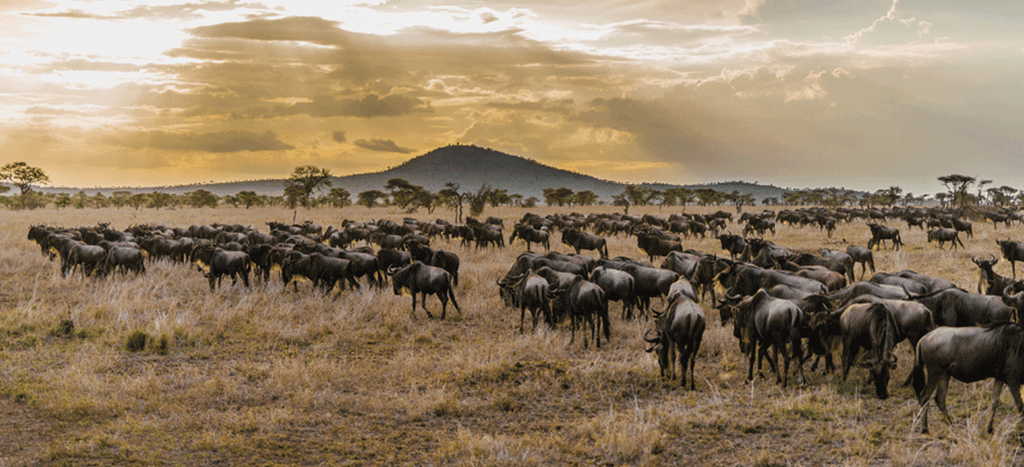
A 5-Day Serengeti Safari Tour Package with Migration Focus is one of the most exciting wildlife experiences available in Africa. The package is specially designed for travelers who want to witness the world-famous Great Wildebeest Migration a natural event involving more than 1.5 million wildebeests, hundreds of thousands of zebras and gazelles moving across the Serengeti ecosystem in search of fresh grazing land and water.
This migration is often referred to as one of the Seven Natural Wonders of Africa and attracts visitors from around the globe.
Unlike standard safari packages a migration-focused safari prioritizes locations where the herds are expected to be during a specific season. Since the migration moves throughout the year safari routes are carefully planned to maximize wildlife viewing opportunities. Depending on the month of travel visitors may witness dramatic river crossings, calving season, predator interactions or massive herds stretching across the plains.
A five-day itinerary provides enough time to explore different sections of Serengeti National Park while enjoying multiple game drives and comfortable accommodations. Travelers can choose from budget, mid-range or luxury safari options according to their preferences and budget.
This safari is ideal for wildlife enthusiasts, photographers, couples, families and adventure seekers who want an unforgettable African safari experience. Alongside the migration, visitors can also encounter the Big Five, breathtaking landscapes and spectacular African sunsets that make the Serengeti one of the most celebrated safari destinations in the world.
Table of contents
- Introduction
- Understanding the Great Wildebeest Migration
- Day 1: Arrival and Transfer to Serengeti National Park for 5-Day Serengeti Safari Tour Package with Migration Focus
- Day 2: Full-Day Migration Tracking Safari
- Day 3: Big Cats and Migration Experience
- Day 4: Exploring Key Migration Areas
- Day 5: Final Game Drive and Departure
- Best Time to Book a 5-Day Serengeti Safari Tour Package with Migration Focus
- Accommodation Options for 5-Day Serengeti Safari Tour Package with Migration Focus
- Wildlife Beyond the Great Migration
- What Is Included in 5-Day Serengeti Safari Tour Package with Migration Focus?
- Conclusion
Understanding the Great Wildebeest Migration
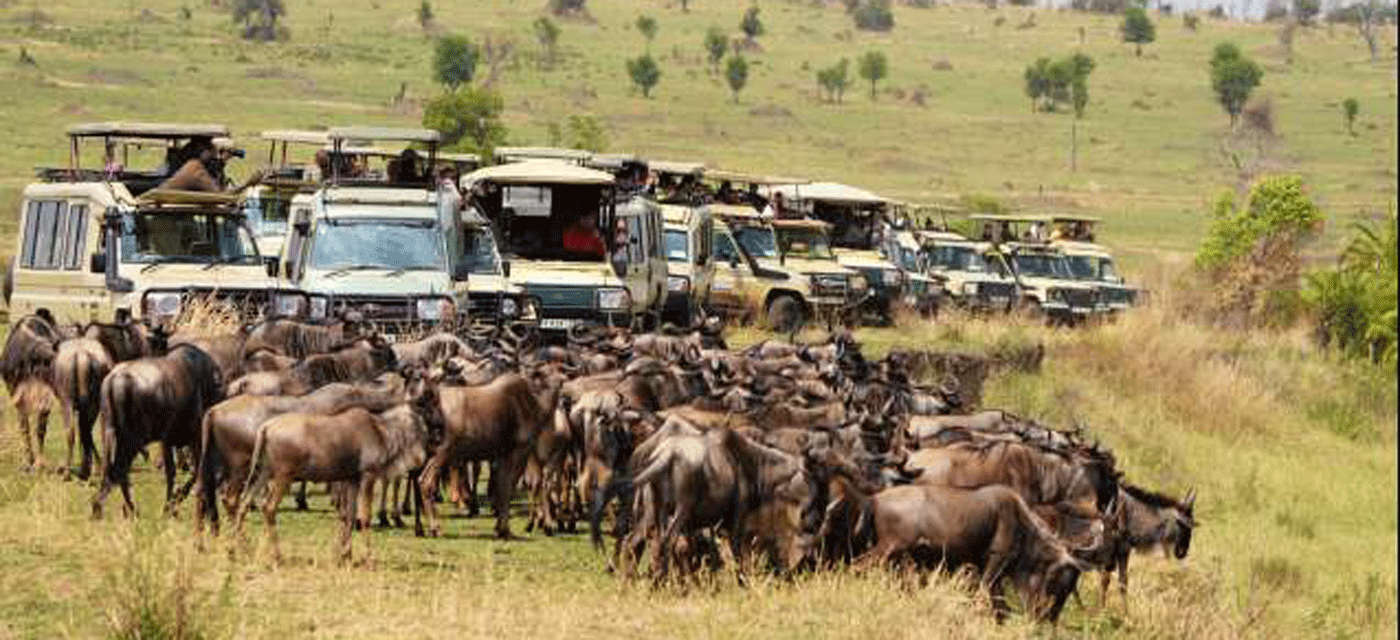
The Great Wildebeest Migration is the primary attraction of this safari package. Every year, millions of wildebeests, zebras and gazelles move through the Serengeti-Mara ecosystem in a continuous circular journey. Their movement is influenced by rainfall patterns and the availability of fresh grass and water.
From December to March the migration is usually found in the Southern Serengeti and Ndutu region where calving season takes place. During this period thousands of wildebeest calves are born daily, attracting predators such as lions, cheetahs and hyenas. Between April and June the herds move toward Central and Western Serengeti. This period features long migration columns crossing open plains and woodlands. It is also less crowded compared to peak tourist months.
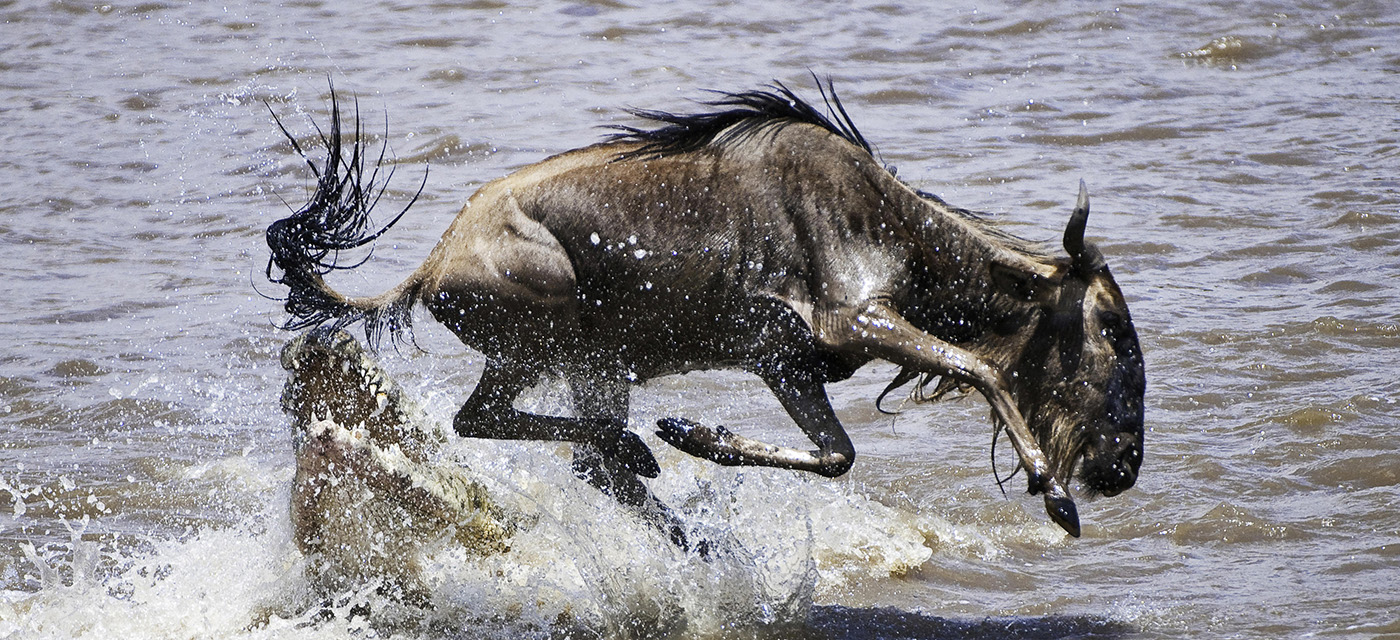
From July to October the migration reaches Northern Serengeti where dramatic Mara River crossings occur. These crossings are among the most photographed wildlife events in the world as animals face strong currents and crocodile-infested waters. During November the herds begin moving southward again following seasonal rains.
A migration-focused safari ensures your itinerary matches the location of the herds during your travel dates. Professional guides constantly monitor migration movements and adjust game-drive routes to increase your chances of witnessing spectacular wildlife events and unforgettable migration scenes.
Day 1: Arrival and Transfer to Serengeti National Park for 5-Day Serengeti Safari Tour Package with Migration Focus
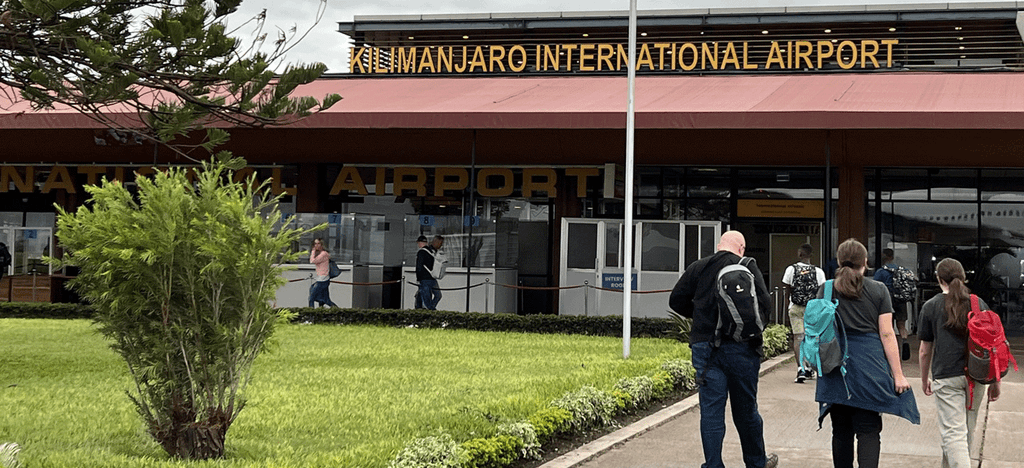
The adventure begins with an early departure from Arusha or a flight to Serengeti National Park. Depending on your chosen package transportation may be by 4×4 safari vehicle or a scheduled bush flight.
As travelers journey toward Serengeti they experience changing landscapes that gradually transform into vast savannahs filled with wildlife. Even before reaching the main safari areas animal sightings are common. Zebras, giraffes, antelopes, elephants and various bird species often appear along the route.
Upon entering Serengeti National Park the first game drive begins immediately. This allows visitors to start experiencing the park’s incredible biodiversity from the first day. Professional guides use their expertise to locate wildlife and explain animal behavior, ecosystem dynamics and migration patterns.
Lunch is usually served at a scenic picnic site or safari lodge. Afternoon game drives continue until sunset when wildlife activity is often at its peak. Visitors may encounter lions resting beneath acacia trees, elephants grazing peacefully or cheetahs scanning the plains for prey.
The day concludes at a carefully selected camp or lodge located near the migration route. Comfortable accommodation, delicious meals and views of the African wilderness provide the perfect introduction to the safari experience while preparing guests for the exciting days ahead.
Day 2: Full-Day Migration Tracking Safari
The second day is dedicated entirely to tracking the Great Migration. Early morning game drives begin before sunrise when wildlife is highly active and temperatures are cooler.
Migration-focused safaris involve following herd movements across different parts of the Serengeti. Depending on the season visitors may witness thousands of wildebeests moving together across open plains creating one of the most impressive wildlife spectacles on Earth.
Guides communicate with other experienced trackers and use recent migration reports to identify the best locations for sightings. This flexibility significantly improves opportunities to observe migration activity. During the day visitors may see zebras leading migration groups, wildebeests crossing valleys and predators closely monitoring herd movements. Lions, cheetahs, leopards and hyenas often take advantage of the abundance of prey during migration season.
Photographers particularly enjoy this day because the enormous herds create extraordinary photographic opportunities. Dust clouds dramatic landscapes and interactions between animals provide countless chances for memorable images.
Lunch is often served in the bush allowing guests to remain close to wildlife activity throughout the day. Evening game drives continue until sunset maximizing viewing opportunities before returning to camp for dinner and overnight accommodation. This full-day safari experience provides an in-depth understanding of the migration and the complex ecological relationships that sustain it.
Day 3: Big Cats and Migration Experience
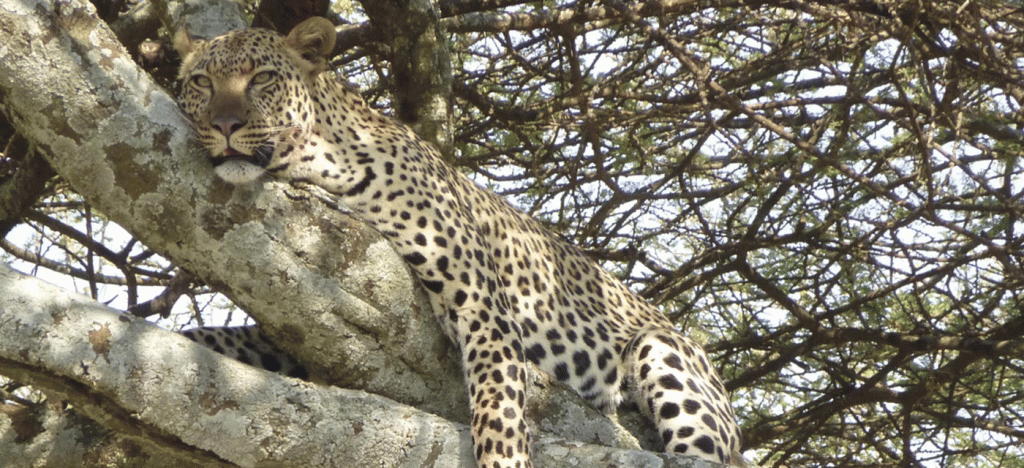
Day three combines migration viewing with a special focus on predator activity. The Serengeti is renowned for having one of Africa’s highest concentrations of big cats making it an exceptional destination for predator sightings.
Because migration herds attract predators’ travelers have excellent chances of observing hunting behavior. Lions often position themselves near migration routes where prey is abundant. Cheetahs use their speed to target young or vulnerable animals while leopards prefer ambush tactics from trees and rocky outcrops.
Morning game drives concentrate on areas where predator activity has recently been reported. Guides track animal movements and identify signs that may indicate nearby wildlife activity. Throughout the day visitors learn about predator-prey relationships and how migration influences the behavior of various species. The constant movement of herbivores creates feeding opportunities for carnivores and scavengers throughout the ecosystem.
In addition to big cats, travelers may encounter elephants, buffaloes, giraffes, hippos, crocodiles, jackals and numerous bird species. Every game drive offers unique wildlife encounters.
The combination of migration herds and predator activity creates an action-packed safari experience that appeals to wildlife enthusiasts and photographers alike. By the end of the day visitors gain a deeper appreciation of the Serengeti’s ecological balance and the extraordinary role migration plays within it.
Day 4: Exploring Key Migration Areas
The fourth day focuses on exploring some of the most important migration regions within the Serengeti ecosystem. The exact location depends on the season of travel. During river-crossing season visitors spend time near crossing points where herds gather before attempting dangerous crossings. These events can last minutes or hours and often involve intense drama as animals navigate strong currents and avoid predators.
During calving season game drives focus on southern grasslands where newborn wildebeests and zebras are abundant. This period offers incredible opportunities to observe young animals taking their first steps and interacting with their mothers. For travelers visiting during transitional migration guides may explore central migration corridors where large herds move across the landscape. These areas offer spectacular panoramic views and abundant wildlife.
The day includes extended game drives designed to maximize migration sightings while also exploring less-visited sections of the park. Visitors often appreciate the opportunity to experience the Serengeti’s diverse habitats including grasslands, river systems, woodlands and rocky kopjes.
By spending another full day in migration zones guests significantly increase their chances of witnessing remarkable wildlife behavior and capturing unforgettable photographs that showcase the scale and beauty of the Great Migration.
Day 5: Final Game Drive and Departure
The final day begins with an early morning game drive offering one last opportunity to experience the Serengeti wilderness. Morning hours are often highly productive for wildlife viewing as many animals are active before temperatures rise. Guests may encounter predators returning from nighttime hunting activities, elephants moving toward water sources or migration herds beginning another day of movement across the plains.
This final game drive often provides memorable farewell sightings and a chance to appreciate the extraordinary landscapes that define Serengeti National Park. Guides help visitors identify species they may have missed earlier in the safari while sharing additional insights about wildlife conservation and ecosystem management.
After breakfast travelers begin their journey back to Arusha or transfer to a nearby airstrip for a return flight. Depending on travel arrangements some itineraries may include a short stop for sightseeing or souvenir shopping before departure.
As the safari concludes visitors leave with a greater understanding of the Serengeti ecosystem and the incredible migration phenomenon. The experience creates lasting memories through close wildlife encounters, breathtaking scenery and the excitement of witnessing one of nature’s greatest spectacles.
Best Time to Book a 5-Day Serengeti Safari Tour Package with Migration Focus
Choosing the right travel period is one of the most important factors when planning a migration-focused safari. Since the Great Wildebeest Migration is constantly moving throughout the Serengeti ecosystem the best safari experience depends on what travelers want to witness. Different months offer different highlights making the migration a year-round attraction rather than a seasonal event.
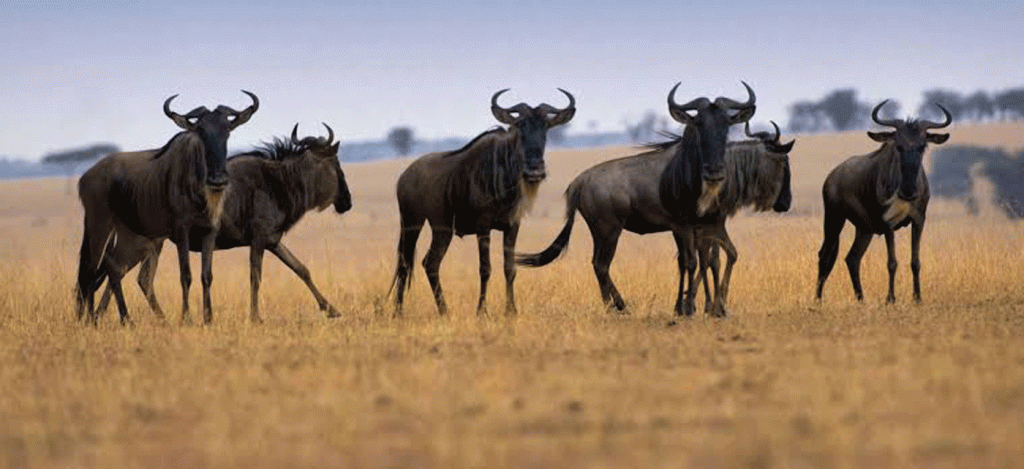
From January to March, the Southern Serengeti and Ndutu plains host the calving season. During this time hundreds of thousands of wildebeests gather on nutrient-rich grasslands to give birth. The abundance of newborn animals attracts predators creating excellent opportunities to observe dramatic wildlife interactions. Photographers particularly enjoy this period because of the lush green landscapes and large concentrations of animals.
From April to June the migration moves through Central and Western Serengeti. This season features long migration columns stretching across the plains. Visitor numbers are generally lower making it an excellent choice for travelers seeking fewer crowds and competitive safari prices.
July to October is considered the peak migration season due to the famous Mara River crossings in Northern Serengeti. Thousands of wildebeests attempt dangerous crossings while avoiding crocodiles and strong river currents. This period attracts photographers and wildlife enthusiasts from around the world.
November and December see the herds returning south as seasonal rains begin. Wildlife viewing remains excellent and travelers often enjoy a quieter safari atmosphere. Booking six to twelve months in advance is highly recommended especially for peak migration months when accommodations fill quickly.
Accommodation Options for 5-Day Serengeti Safari Tour Package with Migration Focus
Accommodation plays a major role in the overall safari experience. Most migration-focused packages offer a variety of lodging options designed to meet different budgets and comfort preferences. Whether travelers choose budget camping, mid-range tented camps or luxury lodges the goal is to stay as close as possible to migration activity.
Budget accommodations usually consist of public campsites or simple safari camps. These options provide essential facilities and are ideal for travelers seeking affordable safari experiences. Despite the lower cost guests still enjoy authentic wilderness surroundings and excellent wildlife access.
Mid-range tented camps offer greater comfort while maintaining an authentic safari atmosphere. Spacious tents, private bathrooms, comfortable beds and quality dining services make these camps popular among couples, families and small groups. Many are strategically positioned near migration routes to reduce travel time during game drives.
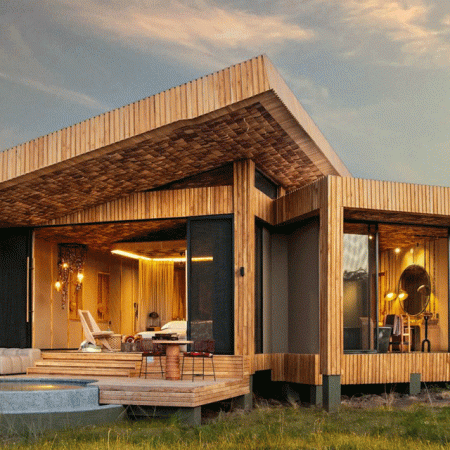
Luxury safari lodges and mobile camps provide premium experiences with elegant rooms, gourmet meals, personalized service and exceptional wildlife viewing opportunities. Some luxury camps move seasonally to remain close to the migration allowing guests to maximize wildlife encounters throughout the year.
Many accommodations feature viewing decks, campfire areas and dining spaces overlooking the wilderness. It is common to hear lions roaring, hyenas calling or wildebeests moving nearby during the night. Selecting the right accommodation depends on budget, travel style and desired comfort level. Regardless of category staying within or near migration zones significantly enhances the safari experience.
Wildlife Beyond the Great Migration
Although the migration is the main attraction Serengeti National Park offers far more than wildebeests and zebras. The park supports one of the richest wildlife populations in Africa making every game drive rewarding regardless of migration activity.
The Big Five lion, leopard, elephant, buffalo and rhinoceros are among the most sought-after sightings. Lions are particularly common in Serengeti where large prides dominate the grasslands. Leopards are often spotted resting in acacia trees while elephants travel through woodlands and river systems.
Cheetahs thrive in the open plains where they use speed to hunt gazelles and young wildebeests. Hyenas, jackals and wild dogs contribute to the park’s diverse predator population and provide fascinating opportunities to observe complex animal behavior. Herbivores are equally abundant. Visitors frequently encounter giraffes, impalas, elands, topis, hartebeests, waterbucks and warthogs. Hippos gather in rivers and pools while crocodiles patrol major waterways.
Birdwatchers can enjoy more than 500 recorded bird species including secretary birds, ostriches, eagles, vultures, hornbills and colorful bee-eaters. The variety of habitats supports both resident and migratory bird populations throughout the year. The diversity of wildlife ensures that every safari day remains exciting. Even when migration herds are not immediately visible travelers continue to enjoy exceptional game viewing opportunities across the Serengeti ecosystem.
What Is Included in 5-Day Serengeti Safari Tour Package with Migration Focus?
Most professional tour operators offer comprehensive safari packages that include essential services and amenities required for a smooth and enjoyable experience. Understanding what is included helps travelers plan effectively and avoid unexpected expenses.
Typically, the package includes transportation in a customized 4×4 safari vehicle equipped with a pop-up roof for wildlife viewing and photography. Professional driver-guides accompany guests throughout the safari and provide valuable knowledge about wildlife, ecosystems and migration movements.
Accommodation is usually included for all nights of the safari. Depending on the package category, travelers stay in campsites, tented camps or luxury lodges. Meals are generally provided on a full-board basis, including breakfast, lunch and dinner. Park entry fees are often included covering access to Serengeti National Park and other conservation areas visited during the safari. These fees contribute to wildlife conservation and park management efforts.
Many packages also include bottled drinking water, airport transfers, government taxes and game drives according to the itinerary. Items commonly excluded include international flights, travel insurance, visa fees, alcoholic beverages, personal expenses, laundry services and guide gratuities.
Before booking travelers should carefully review package details to understand inclusions and exclusions. A transparent safari package helps ensure a comfortable and stress-free adventure from arrival to departure.
Frequently Asked Questions About a 5-Day Serengeti Safari Tour Package With Migration Focus
What is a 5-Day Serengeti Safari Tour Package with Migration Focus?
A 5-Day Serengeti Safari Tour Package with Migration Focus is a safari designed around the seasonal movements of the Great Wildebeest Migration. The itinerary combines multiple game drives with strategic routing to increase opportunities to see wildebeests, zebras, predators and other Serengeti wildlife.
How many animals are involved in the Great Wildebeest Migration?
The Great Wildebeest Migration involves more than 1.5 million wildebeests along with hundreds of thousands of zebras and gazelles. The animals move through the Serengeti-Mara ecosystem in search of fresh grazing and water.
What is the best time for a 5-day migration safari in Serengeti?
The best time depends on the migration experience you want to see. January to March is ideal for the calving season in the Southern Serengeti and Ndutu while July to October is popular for Mara River crossings in Northern Serengeti. April to June and November to December can also provide excellent wildlife viewing with generally fewer visitors.
Can I see the Great Migration during a 5-day Serengeti safari?
Yes. A five-day safari provides enough time to explore migration areas and follow seasonal herd movements. However, the exact location of the herds depends on rainfall, grazing conditions and your travel dates.
Where is the Great Migration located from January to March?
From January to March large migration herds are generally concentrated around the Southern Serengeti and Ndutu areas. This period is known as the calving season when large numbers of wildebeest calves are born.
When can I see the Mara River crossings?
Mara River crossings are most commonly associated with July to October when migration herds reach Northern Serengeti and move toward the Maasai Mara ecosystem. River crossings are natural events so sightings cannot be guaranteed on a specific day.
Can I see the Big Five during a migration-focused safari?
Yes. Serengeti National Park supports lions, leopards, elephants, buffaloes and rhinoceros. Wildlife sightings depend on animal movements and conditions during your safari but the abundance of prey during migration can create excellent opportunities to observe predators.
What animals can I see besides wildebeests?
Besides wildebeests, travelers may encounter zebras, gazelles, lions, cheetahs, leopards, elephants, buffaloes, giraffes, hippos, crocodiles, hyenas, jackals, warthogs and many bird species. The Serengeti is home to a highly diverse range of wildlife.
What does a typical 5-day Serengeti migration safari itinerary include?
A typical itinerary includes arrival and transfer to Serengeti, several game drives focused on migration tracking, predator and Big Five viewing, exploration of important seasonal migration areas and a final game drive before departure. The exact route can be adjusted according to the migration season.
What type of accommodation is available?
Accommodation can range from budget campsites to mid-range tented camps and luxury safari lodges or mobile camps. The best option depends on your budget, preferred comfort level and desired location near the migration.
Are meals included in a 5-day Serengeti safari package?
Most safari packages include breakfast, lunch and dinner throughout the itinerary. Some full-day game drives may include a packed picnic lunch so travelers can spend more time in the wilderness.
Is transportation included in the safari package?
Most packages include transportation in a customized 4×4 safari vehicle with a professional driver-guide. Some itineraries may also offer scheduled or private flights to and from Serengeti airstrips.
Are Serengeti National Park entry fees included?
Park entry and conservation fees are commonly included in the total safari package price. Travelers should confirm the exact inclusions and exclusions with their safari operator before booking.
Can I choose between budget, mid-range and luxury options?
Yes. A 5-day migration safari can usually be customized according to your preferred accommodation standard, transportation arrangements and overall safari budget.
Is a 5-day Serengeti safari suitable for families?
Yes. A five-day safari can be suitable for families, provided the itinerary and accommodation are selected according to the ages and needs of the travelers. Family-friendly planning can make game drives more comfortable and enjoyable.
Is this safari suitable for photographers?
Yes. Migration herds, predators, landscapes, sunrise and sunset can provide excellent photography opportunities. Calving season and river-crossing periods are particularly popular with wildlife photographers.
How far in advance should I book a migration safari?
Booking six to twelve months in advance is recommended particularly for peak migration periods such as July to October. Early booking can provide better accommodation choices and help secure preferred travel dates.
Can the safari route change depending on migration movements?
Yes. Migration-focused itineraries are often flexible because the herds move according to rainfall, water and food availability. Experienced guides can adjust game-drive routes based on recent wildlife information and seasonal conditions.
What is usually not included in a 5-day safari package?
Common exclusions may include international flights, visas, travel insurance, alcoholic drinks, personal expenses, laundry services and gratuities. The exact inclusions vary between safari packages so travelers should review the quotation carefully before booking.
Is the Great Wildebeest Migration guaranteed during a safari?
No. The migration is a natural process influenced by rainfall, grazing conditions and animal behavior. Safari operators can plan routes based on seasonal patterns and recent reports but specific sightings or river crossings cannot be guaranteed.
Why choose a migration-focused safari instead of a standard Serengeti safari?
A migration-focused safari places greater emphasis on the seasonal location of the herds. The itinerary can prioritize areas where wildebeests and zebras are expected to gather increasing the opportunity to experience major migration events while still enjoying the Serengeti’s wider wildlife and landscapes.
Conclusion
A 5-Day Serengeti Safari Tour Package with Migration Focus is one of the most rewarding wildlife adventures available anywhere in the world. By concentrating on the Great Wildebeest Migration travelers gain front-row access to a natural phenomenon that showcases the power, beauty and complexity of Africa’s ecosystems.
The safari offers much more than migration viewing alone. Visitors experience thrilling game drives, encounters with the Big Five, breathtaking landscapes, spectacular sunrises and sunsets and the opportunity to learn from experienced professional guides. Every day presents new discoveries and unforgettable wildlife encounters.
Whether witnessing dramatic Mara River crossings observing newborn calves during the calving season or watching endless herds move across the plains, each migration stage offers unique experiences. Combined with comfortable accommodations and expertly planned itineraries the safari delivers exceptional value for travelers seeking authentic African adventures.
For first-time visitors and experienced safari enthusiasts alike a migration-focused Serengeti safari provides memories that last a lifetime. The combination of abundant wildlife, world-class photography opportunities and the awe-inspiring movement of millions of animals creates an experience unlike any other. Investing in a well-planned 5-day migration safari is not simply a holiday it is an opportunity to witness one of nature’s greatest spectacles in one of the world’s most iconic wildlife destinations.