 English
 Deutsch
 Italia
June 4, 2026
Complete Guide of Serengeti Safari from the UK
Introduction
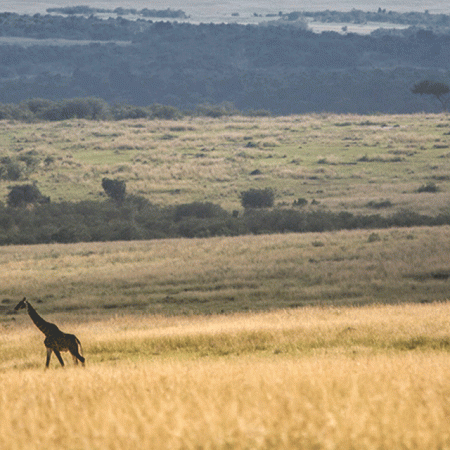
A Serengeti safari from the United Kingdom is one of the most exciting wildlife adventures available to travelers seeking an authentic African experience. Located in northern Tanzania, Serengeti National Park is internationally recognized for its vast plains, incredible wildlife populations and the world-famous Great Migration.
Every year thousands of visitors from the UK travel to Tanzania to witness lions hunting on the savannah, elephants roaming freely across the grasslands and millions of wildebeest and zebras moving across the Serengeti ecosystem.
The Serengeti covers approximately 14,750 square kilometers and is part of a larger ecosystem that includes the Ngorongoro Conservation Area, Maasai Mara in Kenya and several protected wildlife regions. This remarkable environment supports some of the highest concentrations of wildlife on Earth.
For British travelers looking to escape busy city life and experience nature in its purest form, the Serengeti provides unforgettable opportunities for exploration, photography and wildlife viewing.
Planning a safari from the UK requires understanding several important factors, including flight routes, visa requirements, safari seasons, accommodation options, transportation within Tanzania and safari costs. With proper preparation travelers can enjoy a smooth and rewarding journey from departure in the UK to arrival in the heart of the African wilderness.
Many visitors choose to combine the Serengeti with other Tanzanian attractions such as Ngorongoro Crater, Tarangire National Park, Lake Manyara National Park or Zanzibar Island. This combination allows travelers to experience wildlife, culture and beautiful beaches during a single holiday.
Whether you are planning a honeymoon, family vacation, photography expedition or luxury adventure the Serengeti offers experiences suitable for every type of traveler. Understanding the available options and planning carefully can help ensure that your safari becomes one of the most memorable trips of your lifetime.
Table of contents
- Introduction
- Traveling from the UK to Tanzania
- Best Time to Visit Serengeti from the UK
- Safari Accommodation Options
- Safari Costs and Budget Planning
- Wildlife Experiences in the Serengeti
- Safari Activities Beyond Game Drives
- What to Pack for a Serengeti Safari from the UK
- Why UK Travelers Choose Tanzania Over Other Safari Destinations
- Booking Your Serengeti Safari from the UK
- Costs and Budget Breakdown for Serengeti Safari from the UK
- Health, Safety and Travel Requirements
- 7-Day Serengeti Safari Itinerary from the UK
- 10-Day Serengeti and Zanzibar Safari Itinerary
- Luxury Fly-In Serengeti Safari Itinerary
- Month-by-Month Serengeti Migration Guide for UK Travelers
- Common Mistakes UK Travelers Make on Serengeti Safaris
- Best Serengeti Safari Routes and Travel Flow for UK Visitors
- Best Luxury Lodges and Camps in Serengeti by Region
- Real Cost Examples: UK Flights + Full Serengeti Safari Packages
- Serengeti Photography Guide for UK Travelers
- How to Choose a Trusted Serengeti Safari Company from the UK
- Best Time of Day for Wildlife Viewing in Serengeti
- Zanzibar Extension Guide After Serengeti Safari
- Big Five Spotting Guide in Serengeti for UK Travelers
- Money-Saving Strategies for Serengeti Safari from the UK
- Serengeti Map Explained Regions, Wildlife Zones and Migration Flow
- Honeymoon Serengeti Safari Guide for UK Couples
- Ultimate Serengeti Safari Packing Checklist (Advanced UK Travel Version)
- Conclusion
Traveling from the UK to Tanzania
Traveling from the United Kingdom to Tanzania is straightforward thanks to numerous international airlines connecting major UK airports with East Africa. Most travelers begin their journey from London Heathrow, London Gatwick, Manchester, Birmingham, Edinburgh or Glasgow. While direct flights are uncommon several airlines provide convenient one-stop connections through major international hubs.
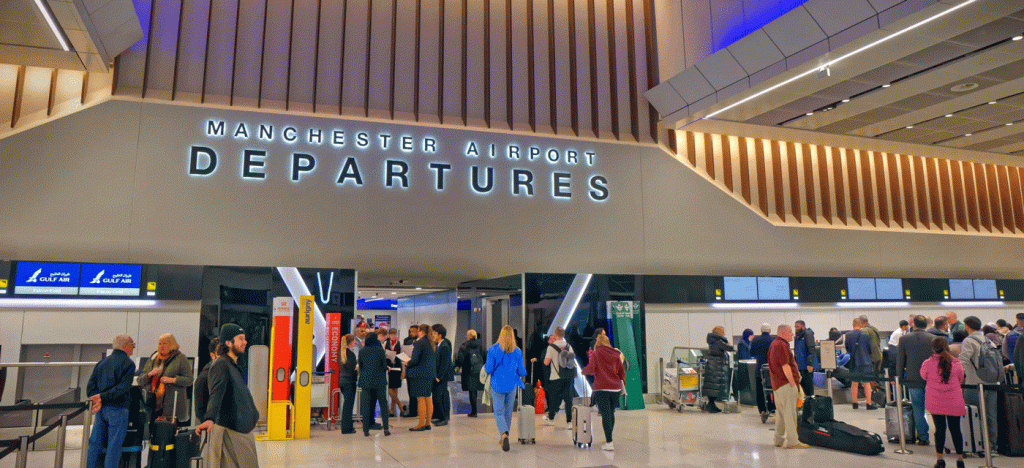
Popular airline routes often include connections through Doha, Dubai, Addis Ababa, Nairobi, Istanbul, Amsterdam or Kigali. Depending on the route selected total travel time generally ranges between 10 and 16 hours. Travelers should compare airline schedules, baggage allowances and transit times when booking their flights.
The most common arrival point for Serengeti visitors is Kilimanjaro International Airport (JRO) located between Arusha and Moshi. This airport serves as the primary gateway for northern Tanzania safaris. Upon arrival visitors are usually transferred to Arusha the safari capital of Tanzania where many tours begin.
Travelers can either start a road safari from Arusha or take a domestic flight directly to various Serengeti airstrips. Road safaris provide opportunities to visit multiple national parks along the way while fly-in safaris offer faster access and more time inside the Serengeti.
When planning flights UK travelers should consider arriving at least one day before their safari begins. This allows time for rest after a long journey and helps reduce the impact of travel delays. Many safari operators provide airport pickup services and overnight accommodations in Arusha before the safari starts.
Booking flights several months in advance often results in lower fares, particularly during peak safari seasons. Travelers visiting during summer holidays, Christmas or migration season should secure their flights early to avoid limited availability and higher prices. Careful flight planning helps create a smoother safari experience and ensures travelers arrive relaxed and ready to explore one of Africa’s greatest wildlife destinations.
Best Time to Visit Serengeti from the UK
Choosing the right time to visit Serengeti is one of the most important decisions for UK travelers. The park offers outstanding wildlife viewing throughout the year but each season provides different experiences and attractions.
The dry season which generally runs from June to October is considered the most popular safari period. During these months vegetation becomes thinner and animals gather around water sources making wildlife easier to spot. Predator activity is often excellent and weather conditions are comfortable with sunny days and minimal rainfall.
July through September is especially famous because many visitors hope to witness the Great Migration river crossings. During this period enormous herds of wildebeest and zebras move through northern Serengeti while crossing crocodile-filled rivers. These dramatic wildlife spectacles attract photographers and nature enthusiasts from around the world.
January and February represent another exceptional safari season. This period is known as the calving season in southern Serengeti. Hundreds of thousands of wildebeest gather to give birth creating extraordinary opportunities to observe newborn animals and predator interactions.
March, April and May are considered part of the green season. Although rainfall is more frequent the landscape becomes lush and beautiful. Fewer tourists visit during these months resulting in lower accommodation rates and quieter safari experiences. Wildlife remains abundant despite occasional rain showers.
November and December provide another excellent opportunity for travel. Short rains refresh the landscape and wildlife viewing remains rewarding. Visitor numbers are generally lower than during peak season.
For UK travelers the ideal safari timing depends on personal interests. Those seeking river crossings should target July through September. Travelers interested in newborn wildlife should consider January and February. Visitors looking for lower prices and fewer crowds may prefer the green season. Regardless of timing Serengeti offers extraordinary wildlife experiences throughout the year.
Safari Accommodation Options
Accommodation plays a major role in shaping the overall safari experience. Serengeti offers a wide variety of lodging options designed to accommodate different budgets, preferences and travel styles.
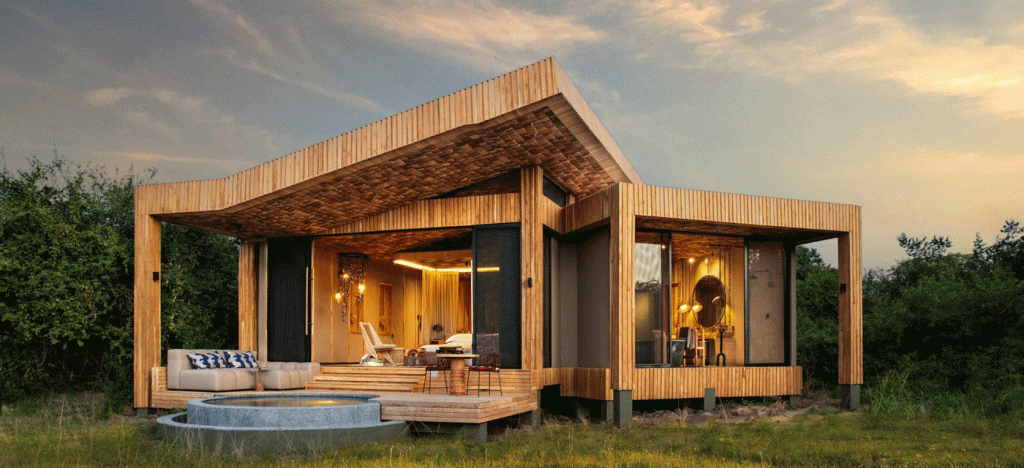
Budget accommodations provide affordable opportunities to experience the park without sacrificing wildlife encounters. These facilities often include comfortable rooms, shared dining areas and guided safari activities. Budget options are ideal for students, backpackers and travelers seeking value.
Mid-range lodges represent one of the most popular choices among UK visitors. These accommodations offer comfortable rooms, private bathrooms, quality dining and excellent service. Guests enjoy a balance between affordability and comfort while remaining close to major wildlife areas.
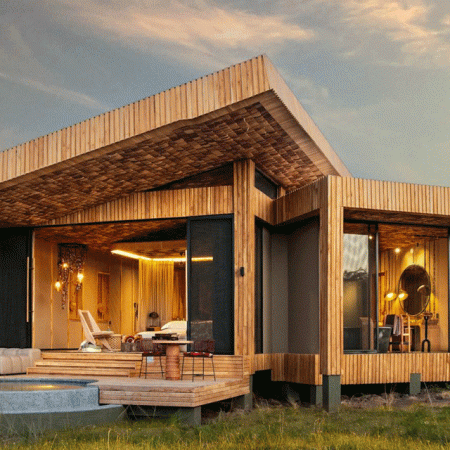
Luxury tented camps provide a unique combination of adventure and sophistication. Despite being called tents, these accommodations often feature spacious bedrooms, private bathrooms, comfortable beds and high-quality furnishings. Many luxury camps are strategically located near migration routes and wildlife hotspots.
Ultra-luxury lodges offer premium safari experiences with personalized services, private guides, gourmet cuisine, spa facilities and exclusive wildlife viewing opportunities. These properties cater to honeymooners, photographers and travelers seeking exceptional comfort.
Mobile camps are another distinctive accommodation option. These camps move seasonally to follow the Great Migration allowing guests to stay close to wildlife action throughout the year. Mobile camps provide immersive safari experiences while maintaining comfort and professional service.
Location is an important consideration when selecting accommodation. Central Serengeti offers excellent year-round wildlife viewing while northern and southern regions provide seasonal migration opportunities. When booking accommodation, travelers should evaluate factors such as room quality, dining options, safari activities, transportation arrangements and proximity to wildlife areas. Many safari packages include accommodation, meals, park fees and game drives.
Selecting suitable accommodation enhances comfort, improves wildlife viewing opportunities and contributes significantly to the overall safari experience.
Safari Costs and Budget Planning
Understanding safari costs helps UK travelers plan realistic budgets and avoid unexpected expenses. Serengeti safaris vary significantly in price depending on travel season, accommodation standard, transportation method and safari duration.
Budget safaris typically offer the most affordable option. These packages often include shared vehicles, standard accommodations, meals, park fees and guide services. Budget travelers can enjoy excellent wildlife experiences while controlling overall costs.
Mid-range safaris are popular among couples and families seeking greater comfort. These packages generally include quality lodges, professional guides, private facilities and enhanced dining experiences. Mid-range options often provide excellent value for money. Luxury safaris involve premium accommodations, charter flights, private vehicles, personalized services and exclusive experiences. These packages can cost significantly more but provide exceptional comfort and convenience.
International flights from the UK represent another major expense. Airfare varies depending on airline, season, booking date and departure airport. Booking early often helps reduce costs.
Additional expenses may include. Tanzania visa fees, Travel insurance, Tips for guides and lodge staff, Personal shopping, Optional activities, Domestic flights and Airport transfers
Travel during peak migration season generally increases accommodation and safari prices due to high demand. Travelers seeking savings may consider visiting during shoulder seasons when rates are often lower. Many safari operators offer all-inclusive packages covering accommodation, transportation, meals, game drives and park fees. These packages simplify budgeting and reduce administrative planning.
Comparing multiple safari quotations helps travelers identify suitable options and understand what services are included. While budget considerations are important, selecting experienced operators and qualified guides often contributes more to overall satisfaction than simply choosing the lowest price. Proper financial planning ensures travelers can enjoy their safari without unnecessary stress and fully appreciate the remarkable wildlife experiences Serengeti has to offer.
Wildlife Experiences in the Serengeti
One of the main reasons travelers from the United Kingdom choose the Serengeti is the incredible diversity of wildlife found throughout the park. Serengeti National Park is home to some of the largest concentrations of wild animals in Africa making it one of the best safari destinations in the world. Every game drive offers opportunities to encounter different species in their natural habitats.
The Serengeti is particularly famous for the Big Five: lion, leopard, elephant, buffalo and rhinoceros. Although rhinos are less common and usually found in protected areas visitors regularly see the other four members of the Big Five during their safari. Lions are especially abundant and the Serengeti supports one of Africa’s largest lion populations.
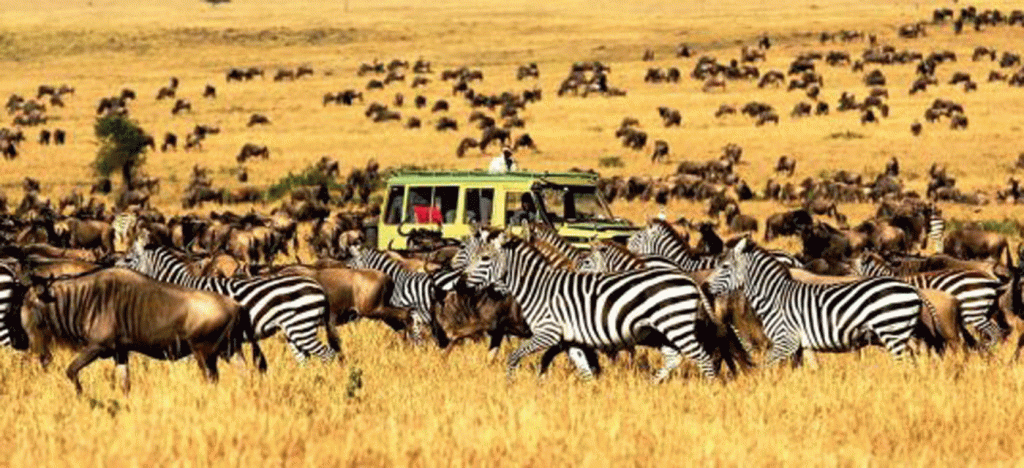
The Great Migration is another extraordinary wildlife event. More than two million wildebeest, zebras and gazelles move across the Serengeti ecosystem in search of fresh grazing. This migration creates dramatic scenes involving river crossings, predator encounters and massive herds stretching across the horizon.
In addition to large mammals, visitors can observe cheetahs, hyenas, jackals, hippos, crocodiles, giraffes, impalas, elands, topis and numerous antelope species. Bird enthusiasts also find the Serengeti rewarding as the park hosts over 500 bird species, including eagles, vultures, secretary birds, ostriches and colorful kingfishers.
Professional guides play a vital role in helping visitors locate wildlife and understand animal behavior. Their knowledge significantly enhances the safari experience by explaining ecological relationships, migration patterns and conservation efforts.
Each season offers different wildlife highlights. During the dry season animals gather around rivers and waterholes. During calving season visitors witness thousands of newborn wildebeest and increased predator activity. These changing conditions ensure that every safari experience remains unique. For UK travelers seeking close encounters with Africa’s most iconic wildlife the Serengeti provides exceptional opportunities that few destinations can match.
Safari Activities Beyond Game Drives
Although game drives are the primary attraction the Serengeti offers several additional activities that allow travelers to experience the park from different perspectives. These activities add variety to safari itineraries and create memorable moments beyond traditional wildlife viewing.
One of the most popular experiences is a hot air balloon safari. These early-morning flights provide breathtaking views of the Serengeti plains as the sun rises over the landscape. From above, guests can observe wildlife movements, migration routes, rivers and vast grasslands. After landing many balloon operators offer a bush breakfast in the wilderness adding a special touch to the experience.
Guided nature walks are available in certain areas outside the core national park. These walks allow visitors to appreciate smaller details often missed during vehicle-based safaris, including plants, insects, tracks and birdlife. Walking safaris also provide a deeper understanding of the ecosystem and local conservation efforts.
Cultural visits offer opportunities to learn about the traditions and lifestyles of the Maasai people. Visitors can explore Maasai villages observe traditional dances, learn about livestock management and gain insight into one of East Africa’s most recognizable cultures.
Photography safaris are increasingly popular among UK travelers. Specialized photographic tours focus on maximizing wildlife viewing opportunities and positioning vehicles for optimal photography. These safaris often involve experienced guides who understand animal behavior and lighting conditions.
Birdwatching is another rewarding activity. The Serengeti’s diverse habitats support a remarkable variety of bird species attracting bird enthusiasts from around the world.
Some luxury lodges also offer educational presentations, conservation talks and stargazing sessions. Due to minimal light pollution the night sky above the Serengeti is exceptionally clear creating excellent opportunities for astronomical observation. Combining these activities with traditional game drives allows travelers to gain a more comprehensive appreciation of the Serengeti ecosystem while creating a richer and more diverse safari experience.
What to Pack for a Serengeti Safari from the UK
Packing appropriately for a Serengeti safari can greatly improve comfort and convenience during the trip. The climate in northern Tanzania differs significantly from the United Kingdom so travelers should prepare carefully for changing weather conditions and outdoor activities.
Lightweight neutral-colored clothing is highly recommended. Colors such as khaki, beige, olive and brown help blend into the environment and are practical for safari activities. Bright colors can attract attention and are generally less suitable for wildlife viewing.
Layered clothing is important because temperatures can vary throughout the day. Early morning game drives are often cool while midday temperatures may become quite warm. A lightweight jacket or fleece is useful for morning and evening activities. Comfortable walking shoes are essential for travel, lodge grounds and cultural visits. Sandals may also be useful for relaxing at camps and lodges.
Important personal items include. Passport and travel documents, Travel insurance information, Visa documentation, Camera equipment, Binoculars, Sunglasses, Sunscreen, Insect repellent, Reusable water bottle, Personal medications and Power adapters
Photography enthusiasts should bring spare batteries, memory cards and protective bags for camera equipment. Dust can be common on safari roads making equipment protection important. Travelers flying on domestic safari flights should pay close attention to baggage restrictions. Small aircraft often impose strict weight limits making soft-sided luggage preferable to large hard-shell suitcases.
A hat with a wide brim provides protection from strong African sunshine while lightweight long-sleeved shirts help reduce sun exposure during outdoor activities. Packing efficiently allows travelers to remain comfortable throughout their safari while ensuring they have all necessary equipment for wildlife viewing, photography and daily activities. Proper preparation contributes significantly to a smooth and enjoyable Serengeti experience.
Why UK Travelers Choose Tanzania Over Other Safari Destinations
Many safari destinations exist across Africa yet Tanzania continues to attract large numbers of visitors from the United Kingdom. Several factors contribute to its popularity and reputation as one of the continent’s premier wildlife destinations.
The Serengeti ecosystem is widely considered one of the finest safari regions in the world. Its vast landscapes, abundant wildlife and natural migration cycles create a level of authenticity that appeals strongly to international travelers. The opportunity to witness the Great Migration alone motivates many visitors to choose Tanzania over alternative destinations.
Tanzania also offers remarkable diversity within a single holiday. Travelers can combine Serengeti safaris with visits to Ngorongoro Crater, Tarangire National Park, Lake Manyara and Zanzibar Island. This variety allows visitors to experience wildlife, culture, scenery and beaches during one trip.
Another advantage is the quality of safari infrastructure. Tanzania has developed a strong tourism industry supported by experienced guides, professional tour operators, quality accommodations and reliable transportation networks. These services help ensure safe and enjoyable travel experiences.
Wildlife density is another major attraction. The Serengeti supports large populations of predators and herbivores increasing the likelihood of memorable sightings. Visitors often see multiple lion prides, large elephant herds, cheetahs, giraffes and thousands of grazing animals during a single safari.
The country’s commitment to conservation also enhances its appeal. Tanzania has protected vast areas of natural habitat helping preserve biodiversity and maintain healthy wildlife populations for future generations. For UK travelers seeking both adventure and comfort Tanzania offers accommodations ranging from budget camps to world-class luxury lodges. This flexibility allows visitors with different budgets to enjoy high-quality safari experiences.
The combination of spectacular wildlife, diverse attractions, excellent guiding services and rich cultural experiences makes Tanzania one of the most desirable safari destinations for travelers departing from the United Kingdom.
Booking Your Serengeti Safari from the UK
Booking a Serengeti safari requires careful planning and research to ensure a successful and enjoyable experience. Many UK travelers begin planning their safari six to twelve months before departure particularly when traveling during peak wildlife seasons. The first step involves determining travel dates and trip duration. Most Serengeti safaris range from five to twelve days although longer itineraries are common for travelers combining multiple parks or beach destinations.
Selecting a reputable safari operator is equally important. Travelers should evaluate company experience, guide qualifications, customer reviews, vehicle quality, safety standards and itinerary flexibility. A professional safari operator can help customize a trip according to budget, interests and travel preferences.
Accommodation choices should be finalized early especially during migration season when popular lodges and camps often reach full capacity months in advance. Booking early typically provides access to a wider selection of properties and better pricing. Travel insurance should be arranged before departure. Comprehensive coverage helps protect against unexpected travel disruptions, medical emergencies, baggage loss and trip cancellations.
Visitors should also verify passport validity and visa requirements well before travel. Many countries require passports to remain valid for at least six months beyond the travel period. When comparing safari quotations travelers should carefully review what is included. Typical inclusions may consist of: Accommodation, Meals, Park entry fees, Safari vehicle, Professional guide, Airport transfers and Drinking water during game drives
Some packages may exclude international flights, visa fees, travel insurance, tips and optional activities. Communication with the safari operator before arrival helps clarify expectations and logistical arrangements. Discussing special interests such as photography, birdwatching, family travel or honeymoon experiences can help create a more personalized itinerary.
Proper planning and early booking increase the likelihood of securing preferred accommodations, obtaining competitive pricing and enjoying a seamless safari adventure in the Serengeti.
Costs and Budget Breakdown for Serengeti Safari from the UK
Understanding the total cost of a Serengeti safari from the UK is essential for proper planning. Prices vary widely depending on travel season, accommodation level, itinerary length and whether the safari is private or group-based. However most UK travelers can expect a full safari package to include international flights, domestic transport, park fees, accommodation, meals and guided game drives.
International flights from the UK to Tanzania typically range from moderate to expensive depending on booking time and airline choice. Flights are often one of the largest single expenses. Booking several months in advance can significantly reduce costs especially for peak travel periods such as July to October and December holidays.
Safari packages within Tanzania are usually categorized into three main levels: Budget safaris generally use basic lodges or tented camps and shared safari vehicles. These trips are more affordable and suitable for travelers prioritizing wildlife experiences over luxury comfort.
Mid-range safaris offer a balance between comfort and price. They include well-equipped lodges, professional guides, private or semi-private vehicles and higher-quality meals. This is the most popular option for UK couples and families.
Luxury safaris include high-end lodges, fly-in transfers, private guides, gourmet dining and premium services. These packages are designed for travelers seeking exclusivity, comfort and personalized experiences.
Additional costs to consider include. Tanzania visa fees, Travel insurance, Tips for guides and lodge staff, Optional activities such as balloon safaris, Alcoholic drinks and personal expenses and Domestic flights between parks
Park fees in the Serengeti are also a significant part of the budget and these are usually included in safari packages. Fees help support conservation efforts and park management. A typical safari budget from the UK might range from lower-cost group safaris to high-end luxury experiences. The key is choosing a package that matches both financial expectations and desired comfort level.
Proper budgeting ensures travelers can fully enjoy their safari without unexpected financial stress and focus on experiencing the wildlife and landscapes of the Serengeti.
Health, Safety and Travel Requirements
Health and safety preparation is an important part of planning a Serengeti safari from the UK. While Tanzania is a popular and well-established safari destination travelers should still take necessary precautions to ensure a safe and healthy trip.
Before traveling UK, visitors are advised to consult a travel health clinic or doctor. Recommended vaccinations may include hepatitis A, typhoid, tetanus and other routine immunizations depending on personal medical history. In some cases, malaria prevention medication is also recommended because Tanzania is a malaria-risk region.
Travel insurance is essential and should include medical coverage, emergency evacuation, trip cancellation and lost baggage protection. Since safaris often take place in remote areas insurance that covers air evacuation is highly recommended. Malaria prevention is important during a Serengeti safari. Travelers should use insect repellent, wear long sleeves in the evening and sleep under mosquito nets provided at lodges and camps.
In terms of safety Serengeti National Park is generally very secure for tourists. Visitors must always follow guide instructions during game drives and remain inside safari vehicles unless permitted otherwise. Wildlife is unpredictable and safety rules are strictly enforced. Sun protection is also important due to strong equatorial sunlight. Travelers should use sunscreen, wear hats and stay hydrated throughout the day.
Visitors should carry copies of important documents such as passports, visas and travel insurance policies. Original documents should be kept secure at accommodation facilities. Tanzania requires most UK travelers to obtain a tourist visa which can be applied for online or upon arrival depending on current regulations. Passport validity should extend at least six months beyond the travel date.
By following health precautions and safety guidelines travelers can enjoy a worry-free safari experience and focus on the natural beauty and wildlife of the Serengeti.
7-Day Serengeti Safari Itinerary from the UK
A 7-day Serengeti safari is one of the most popular choices for UK travelers because it offers a balanced experience of wildlife viewing, travel time and comfort. This itinerary is ideal for first-time visitors who want to experience Tanzania’s top safari destinations without feeling rushed.
The journey usually begins with an international flight from the UK to Kilimanjaro International Airport. After arrival travelers are transferred to Arusha where they rest overnight and prepare for the safari adventure.
On Day 2 the safari begins with a drive to Tarangire National Park. This park is famous for its large elephant herds, ancient baobab trees and diverse wildlife. Game drives here introduce travelers to Tanzania’s natural beauty and safari rhythm.
Day 3 and 4 are typically spent in the Serengeti National Park. The drive from Ngorongoro or Arusha to Serengeti offers scenic landscapes and wildlife sightings along the way. Once inside the Serengeti visitors enjoy full-day game drives across the endless plains. Lions, cheetahs, elephants, zebras and wildebeest are commonly seen. Depending on the season travelers may also witness parts of the Great Migration.
Day 5 includes another full day in the Serengeti allowing deeper exploration of different regions such as central Seronera or northern areas near the Mara River. This increases the chances of seeing predators and migration events.
On Day 6 travelers often visit the Ngorongoro Conservation Area. The crater is one of the most unique wildlife destinations in the world, offering high chances of spotting the Big Five within a single day.
Day 7 marks the return to Arusha for departure or onward travel.
This itinerary provides a compact yet rich safari experience combining multiple parks, diverse wildlife and unforgettable landscapes.
10-Day Serengeti and Zanzibar Safari Itinerary
A 10-day safari combining the Serengeti with Zanzibar is ideal for UK travelers who want both wildlife adventure and beach relaxation. This itinerary blends game drives with tropical on the Indian Ocean coastline.
The journey begins with arrival in Kilimanjaro International Airport followed by transfer to Arusha for overnight rest. On Day 2, travelers visit Tarangire National Park known for elephants and scenic baobab landscapes.
Days 3 to 5 are dedicated to the Serengeti National Park. Travelers explore different regions depending on migration patterns including central Serengeti and northern river areas. Full-day game drives provide opportunities to see lions hunting, cheetahs chasing prey and large herds of wildebeest and zebras moving across the plains.
Day 6 includes a visit to the Ngorongoro Crater where wildlife density is extremely high. This location offers excellent chances to see rhinos, lions, buffalo and flamingos within a collapsed volcanic landscape.
On Day 7 travelers fly from Arusha or Serengeti airstrips to Zanzibar Island. This short domestic flight saves travel time and transitions the journey from safari to beach holiday.
Days 8 and 9 are spent relaxing on Zanzibar’s white sand beaches. Travelers can enjoy swimming, snorkeling, spice tours, Stone Town cultural visits or simply relaxing by the ocean. The island offers a peaceful contrast to the excitement of safari game drives.
On Day 10 travelers return to the airport for their flight back to the UK.
This itinerary is perfect for honeymooners, couples and travelers who want both adventure and relaxation in one trip. It combines wildlife, culture and beach luxury into a single unforgettable experience.
Luxury Fly-In Serengeti Safari Itinerary
A luxury fly-in safari is designed for UK travelers who want maximum comfort, speed and exclusivity. Instead of long road transfers this itinerary uses small aircraft to move directly between parks and lodges saving time and increasing comfort.
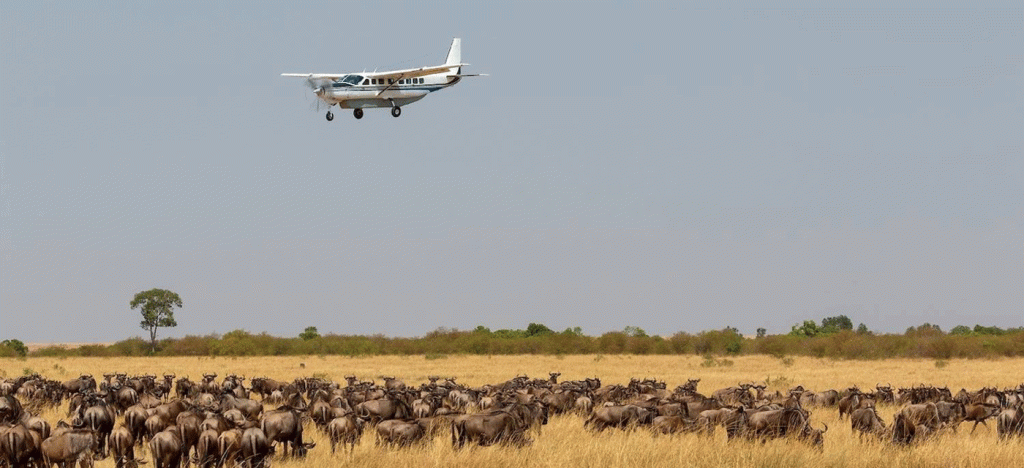
The journey begins with arrival in Kilimanjaro International Airport where travelers are welcomed and transferred to a luxury lodge in Arusha for relaxation and briefing. From here the safari experience begins in style.
On Day 2 guests fly directly to the Serengeti National Park. The flight offers breathtaking aerial views of mountains, lakes and endless plains. Upon landing at a private airstrip travelers are greeted by safari guides and transferred to a luxury tented camp.
Days 2 to 5 are spent in carefully selected luxury camps located in prime wildlife areas. These camps offer spacious suites, private bathrooms, gourmet meals and personalized service. Game drives are conducted in private vehicles with experienced guides who tailor the experience to guest interests such as photography, predator tracking or migration viewing.
Depending on the season guests may stay in different regions of the Serengeti to follow the Great Migration. This allows close-up encounters with river crossings or calving events.
On Day 6 travelers may fly to Ngorongoro Conservation Area for a crater safari experience. The crater offers one of the highest wildlife densities in Africa.
On Day 7 or 8 the safari concludes with a return flight to Arusha or a connection to Zanzibar for beach relaxation.
Luxury fly-in safaris offer unmatched comfort, privacy and efficiency. They are ideal for honeymooners, high-end travelers photographers and those with limited time who still want a premium Serengeti experience.
Month-by-Month Serengeti Migration Guide for UK Travelers
Understanding the Great Migration month by month is extremely important for UK travelers planning a Serengeti safari because wildlife location changes throughout the year. The migration is not a single event but a continuous movement of more than two million wildebeest, zebras and gazelles across the Serengeti ecosystem.
January to March – Southern Serengeti During these months the herds gather in the southern plains of the Serengeti and the Ndutu region. This is calving season when hundreds of thousands of wildebeest calves are born within a short period. The plains are green and open making it easier for predators like lions, cheetahs and hyenas to hunt. UK travelers visiting during this time often witness dramatic predator-prey interactions.
April to May – Central and Western Serengeti As rains begin the herds start moving northwest through central Serengeti and into the western corridor. This period is less crowded with tourists offering quieter safari experiences and lower accommodation prices. Wildlife remains abundant but movement is more spread out.
June to July – Western Corridor By June and July large herds gather in the western Serengeti particularly around the Grumeti River. This is one of the first major river-crossing challenges of the migration. Crocodiles are active and dramatic survival scenes occur during crossings.
August to October – Northern Serengeti (Mara River) This is the most famous migration period. Herds cross the Mara River into Kenya’s Maasai Mara. River crossings are intense, unpredictable and highly sought after by photographers. Many UK travelers specifically plan their trips around these months.
November to December – Return to Southern Serengeti After the short rains herds begin moving back south into Serengeti plains. The cycle restarts as the ecosystem refreshes.
For UK travelers choosing the right month determines what wildlife experiences they will see making this guide essential for safari planning.
Common Mistakes UK Travelers Make on Serengeti Safaris
Even though Serengeti safaris are well-organized many UK travelers make avoidable mistakes that can affect their overall experience. Understanding these mistakes helps ensure a smoother and more enjoyable trip.
One of the most common mistakes is booking too late. Serengeti lodges especially during migration season (July to October) can sell out months in advance. Travelers who book late often face higher prices or limited accommodation options.
Another mistake is underestimating travel time. Many visitors assume Serengeti is easily accessible from the UK but the journey includes international flights, transfers and sometimes domestic flights or long drives. Not planning for rest days after arrival can lead to fatigue during the safari.
Some travelers also pack incorrectly. Heavy luggage, bright clothing and lack of layered clothing can create discomfort. Safari conditions require lightweight neutral-colored clothing and practical gear suitable for dust, sun and early morning cold temperatures.
Another issue is choosing the wrong safari package. Some travelers select the cheapest option without checking guide quality, vehicle condition or itinerary structure. This can lead to poor wildlife viewing experiences. A knowledgeable guide is often more important than luxury accommodation.
Many UK visitors also underestimate the importance of travel insurance. Because safaris take place in remote areas emergency evacuation coverage is essential.
Finally some travelers try to rush too many destinations into a short trip. Moving between multiple parks too quickly reduces actual time spent on game drives. A well-balanced itinerary provides better wildlife experiences. Avoiding these mistakes ensures a smoother, safer and more rewarding Serengeti safari experience.
Best Serengeti Safari Routes and Travel Flow for UK Visitors
Choosing the right safari route is one of the most important planning decisions for UK travelers because it directly affects wildlife sightings, travel comfort and overall experience. The Serengeti ecosystem is vast and different regions offer different wildlife highlights throughout the year.
Classic Northern Tanzania Route (Most Popular) This is the most recommended route for first-time UK visitors. It typically follows this sequence: Arusha → Tarangire National Park → Ngorongoro Crater → Central Serengeti → Northern Serengeti → Return to Arusha or fly to Zanzibar
This route works well because it gradually builds up the safari experience. Travelers start with elephants in Tarangire, then experience the unique crater ecosystem and finally reach the Serengeti’s vast plains. The northern Serengeti section is especially important for those wanting to see the Mara River crossings between July and October.
Central Serengeti Focus Route (Year-Round Option)
For travelers with limited time focusing on the central Serengeti (Seronera Valley) is a smart choice. This area has one of the highest concentrations of wildlife in Africa year-round. UK travelers choosing this route often fly directly into Serengeti airstrips to maximize game drive time.
Migration-Focused Route (Seasonal Strategy)
This route changes depending on the time of year: December to March: Southern Serengeti (Ndutu), April to June: Western Serengeti and July to October: Northern Serengeti
This flexible routing ensures travelers follow the Great Migration for the best possible sightings.
Fly-In Luxury Route For premium UK travelers fly-in safaris connect Arusha directly to Serengeti airstrips. This reduces long driving times and increases time spent on game drives. It is ideal for luxury lodges and honeymoon safaris.
Combined Safari and Beach Route A popular extension includes: Serengeti → Ngorongoro → Zanzibar This allows travelers to combine wildlife adventure with beach relaxation. Choosing the right route ensures better wildlife experiences, reduced travel fatigue and a more enjoyable safari overall.
Best Luxury Lodges and Camps in Serengeti by Region
Luxury accommodation in the Serengeti plays a major role in creating a high-quality safari experience for UK travelers. The park is divided into regions and each region has exceptional lodges and tented camps offering different wildlife advantages and landscapes.
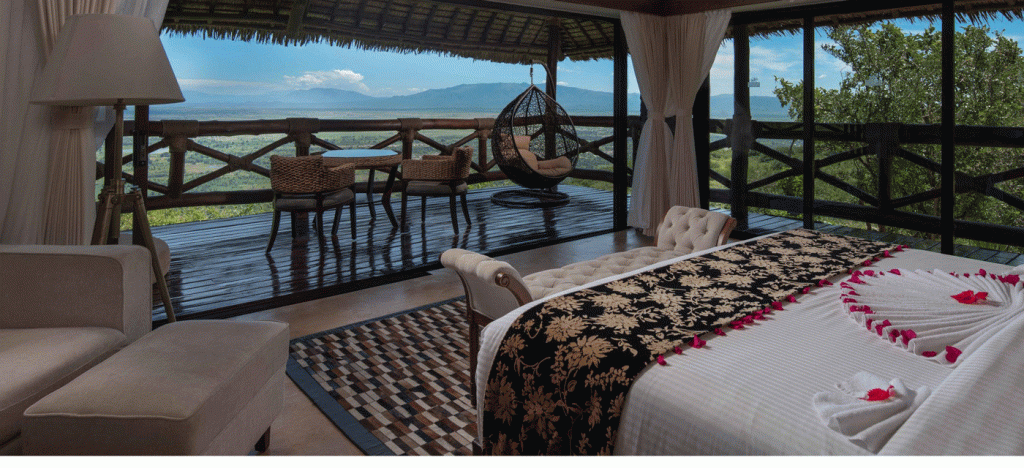
Central Serengeti (Seronera Region) This is the heart of the Serengeti and one of the best year-round wildlife areas. Luxury lodges here offer constant access to predators and large herbivore populations.
Common features include infinity pools overlooking the plains, private verandas, gourmet dining and guided game drives. This region is ideal for travelers who want consistent wildlife viewing without depending heavily on migration timing.
Northern Serengeti (Mara River Region) This region is famous for the Great Migration River crossings. Luxury camps here are often seasonal and move depending on wildlife patterns. They offer front-row access to dramatic river crossings involving wildebeest and crocodiles.
Lodges in this region tend to be more exclusive with fewer guests and highly personalized service. UK travelers visiting between July and October often prioritize this area.
Southern Serengeti (Ndutu Region) This area is best known for calving season from December to March. Luxury camps here are often mobile and positioned close to migration herds.
Guests can witness thousands of newborn wildebeest and intense predator activity. The landscape is open and photogenic making it ideal for wildlife photography.
Western Serengeti (Grumeti Region) This region is less crowded and known for river crossings and luxury exclusivity. Lodges here often offer private conservancies, night drives and walking safaris not available in other parts of the park.
Ultra-Luxury Experiences Across all regions, ultra-luxury camps offer private chefs, spa services, personal safari guides and tailored itineraries.
For UK travelers seeking comfort and exclusivity selecting the right region based on travel season significantly enhances the safari experience.
Real Cost Examples: UK Flights + Full Serengeti Safari Packages
Understanding real-world pricing is very important for UK travelers planning a Serengeti safari because advertised prices can vary widely depending on season, comfort level and inclusions. A clear breakdown helps travelers set realistic expectations and choose the right package.
International Flights from the UK Flights from major UK airports such as London Heathrow, Manchester, or Birmingham to Kilimanjaro International Airport or Dar es Salaam typically cost: Low season (March–May): £450 – £750, Mid season (January–February, November): £600 – £900 and Peak season (June–October, December holidays): £800 – £1,300+
Most flights include one stop in hubs like Doha, Istanbul, Amsterdam, Nairobi or Addis Ababa. Booking early can significantly reduce costs.
Budget Safari Packages (7–8 Days) are usually group-based and include basic lodges or tented camps. Typical cost per person: £1,800 – £3,000 (excluding international flights)
Includes: Park fees, Shared safari vehicle, Standard accommodation and Meals and guide services
These packages focus more on wildlife than luxury comfort.
Mid-Range Safari Packages This is the most popular category for UK couples and families. Typical cost per person £3,000 – £5,000 (excluding flights)
Includes: Comfortable lodges and tented camps, Private or semi-private safari vehicles, Professional guides and Better food and service quality
This category offers a strong balance between comfort and cost.
Luxury Safari Packages Luxury safaris provide premium service and exclusive experiences.
Typical cost per person: £5,000 – £10,000+
Includes: Fly-in transfers, Luxury lodges or mobile camps, Private guides and vehicles and Gourmet dining and personalized service
Ultra-Luxury Safaris High-end experiences can exceed £12,000+ per person, offering complete exclusivity, private villas and customized itineraries.
Overall Serengeti safaris can be adapted to nearly every budget but comfort level and season significantly influence final pricing.
Serengeti Photography Guide for UK Travelers
The Serengeti is one of the most photogenic wildlife destinations in the world making it extremely popular among UK photographers from beginners to professionals. Capturing great images requires understanding light, timing, animal behavior and camera settings.
Best Lighting Conditions The most important rule in safari photography is light quality. The best times for photography are: Early morning (6:00–9:00 AM) and Late afternoon (4:00–6:30 PM)
During these hours the sunlight is soft and golden, creating dramatic shadows and warm tones across the plains. Midday light is harsh and less ideal for photography.
Best Wildlife Photography Locations Different regions of the Serengeti offer unique photography opportunities: Central Serengeti: Lions, leopards, cheetahs year-round, Northern Serengeti: River crossings and dramatic migration scenes, Southern Serengeti: Calving season with predator action and Western Corridor: River and crocodile encounters
Camera Settings (Basic Guide) For UK travelers using DSLR or mirrorless cameras: Shutter speed: 1/1000 or faster for moving animals, Aperture: f/4 to f/8 for balanced focus, ISO: 200–800 depending on light and Continuous autofocus: essential for moving wildlife
Essential Photography Gear Recommended equipment includes: Telephoto lens (200–600mm ideal), Spare batteries and memory cards, Bean bag or small stabilizer for vehicle shooting and Dust protection covers
Photography Tips from Safari Guides Experienced guides often position vehicles for optimal light and angles. Patience is key as waiting for animal behavior often produces the best shots such as lions hunting or elephants interacting.
The Serengeti offers endless opportunities for storytelling through photography making it a dream destination for UK wildlife photographers.
How to Choose a Trusted Serengeti Safari Company from the UK
Choosing the right safari company is one of the most important decisions for UK travelers planning a Serengeti safari. The quality of the operator directly affects safety, wildlife viewing success, comfort and overall value for money. With many companies offering similar packages online it is essential to know how to identify a reliable and professional operator.
Check Legal Registration and Licensing A trustworthy safari company should be fully registered in Tanzania and legally licensed to operate tours in national parks. Licensed operators work directly with the Tanzania National Parks Authority and must follow strict safety and conservation rules. UK travelers should always confirm registration details before making payments.
Look for Real Reviews and Testimonials Authentic reviews from previous travelers are one of the best indicators of quality. Platforms such as TripAdvisor, Google Reviews and travel forums provide honest feedback about guides, vehicles, accommodation quality and service reliability. A strong track record of positive reviews is a good sign of professionalism.
Evaluate Safari Guides and Experience Experienced guides are extremely important in Serengeti safaris. A knowledgeable guide understands animal behavior, migration patterns and park geography. This significantly improves wildlife sightings and overall safari enjoyment. UK travelers should ask about guide qualifications and experience levels before booking.
Compare Inclusions Carefully Not all safari packages include the same services. A reliable company clearly states what is included, such as park fees, accommodation, meals, transport and airport transfers. Hidden costs or unclear pricing can be a warning sign.
Check Vehicle Quality and Safety Standards Safari vehicles should be well-maintained, comfortable and equipped with pop-up roofs for wildlife viewing. Poor-quality vehicles can reduce comfort and limit photographic opportunities.
Communication and Responsiveness Professional safari companies respond clearly and quickly to emails and questions. Good communication before booking often reflects the level of service during the safari.
Choosing the right operator ensures a safe, well-organized and memorable Serengeti experience for UK travelers.
Best Time of Day for Wildlife Viewing in Serengeti
Wildlife activity in the Serengeti follows natural daily patterns and understanding these patterns helps UK travelers maximize their safari experience. The time of day greatly influences animal behavior, visibility and photographic opportunities.
Early Morning (5:30 AM – 9:00 AM). Early morning is considered the best time for game drives. Temperatures are cooler and many predators are still active after nighttime hunting. Lions may be seen returning from hunts, leopards are often spotted in trees and cheetahs begin searching for prey.
Herbivores such as zebras, wildebeest and gazelles are also active grazing in open plains. The soft morning light creates ideal conditions for photography making this time highly valuable for UK visitors.
Midday (10:00 AM – 3:30 PM). During midday, temperatures rise and many animals rest in shaded areas. Predators usually become less active and conserve energy. However this period is still useful for observing elephants, giraffes and birds which remain active throughout the day.
Although wildlife sightings may be less dramatic midday drives are often used for covering longer distances between regions or returning to lodges for rest.
Late Afternoon (4:00 PM – 6:30 PM). Late afternoon is another peak wildlife activity period. As temperatures cool predators become active again. Lions may begin hunting and large herbivores move toward water sources for drinking.
The lighting during this time is golden and soft creating excellent photography conditions. Many iconic Serengeti images are captured during late afternoon game drives.
Night Drives (Limited Areas Only). In certain private conservancies outside the main park night drives are permitted. These provide opportunities to see nocturnal animals such as hyenas, civets and bush babies.
Zanzibar Extension Guide After Serengeti Safari
Many UK travelers choose to extend their Serengeti safari with a relaxing beach holiday in Zanzibar. This combination is extremely popular because it blends wildlife adventure with tropical relaxation, offering two completely different experiences in one trip.

Why Combine Serengeti and Zanzibar? After several days of early morning game drives, dusty safari roads, and wildlife tracking, Zanzibar provides the perfect place to relax. The island offers white sandy beaches, turquoise waters and a calm atmosphere ideal for recovery and leisure.
How to Travel from Serengeti to Zanzibar Travelers usually fly from Serengeti airstrips or Arusha Airport to Zanzibar International Airport. These domestic flights are short and efficient often taking between 1.5 to 3 hours depending on routing. This avoids long road journeys and makes travel more comfortable.
Best Areas to Stay in Zanzibar Zanzibar offers several accommodation zones: Nungwi (North Coast): Best beaches, swimming and sunsets, Kendwa: Quiet luxury resorts and calm waters, Paje (East Coast): Ideal for kite surfing and younger travelers and Stone Town: Cultural experiences, history and architecture
Activities in Zanzibar Visitors can enjoy a wide range of activities including: Snorkeling and diving in coral reefs, Spice farm tours, Dolphin watching trips, Sunset dhow cruises and Exploring Stone Town’s historic streets
Ideal Duration Most UK travelers spend 3 to 5 days in Zanzibar after a Serengeti safari. This allows enough time to relax without making the trip feel rushed.
Best Time to Visit Zanzibar is warm year-round but the dry seasons (June–October and December–February) offer the best beach conditions.
Summary Combining Serengeti and Zanzibar creates a complete Tanzania holiday experience wildlife adventure followed by ocean relaxation making it one of the most rewarding travel combinations for UK visitors.
Big Five Spotting Guide in Serengeti for UK Travelers
The Big Five lion, leopard, elephant, buffalo and rhinoceros are among the most sought-after wildlife sightings for UK travelers visiting the Serengeti. While all five species exist within Tanzania’s northern safari circuit their visibility and locations vary depending on region and season.
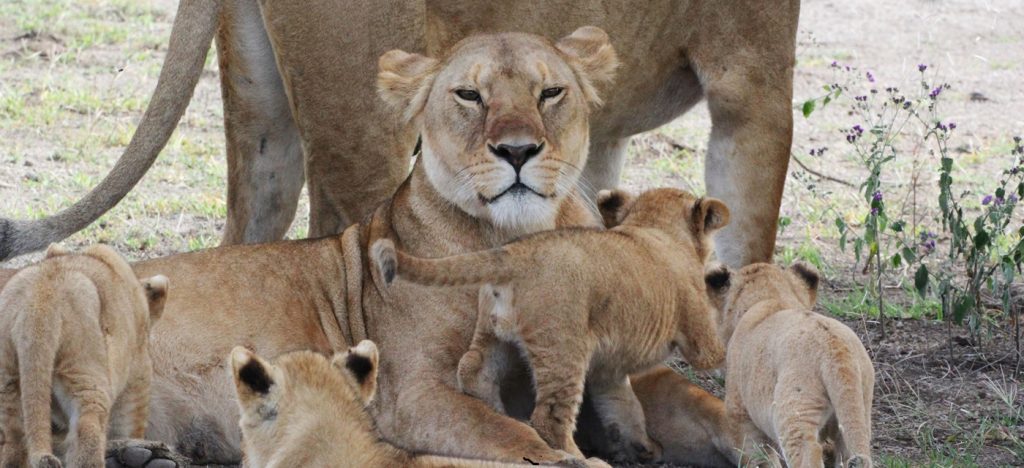
Lions are the most commonly seen members of the Big Five in the Serengeti. The park has one of the largest lion populations in Africa. They are frequently spotted in central Serengeti (Seronera Valley) where prey is abundant year-round. Lions are often seen resting under acacia trees, hunting in open plains or moving in prides during early morning and late afternoon game drives.
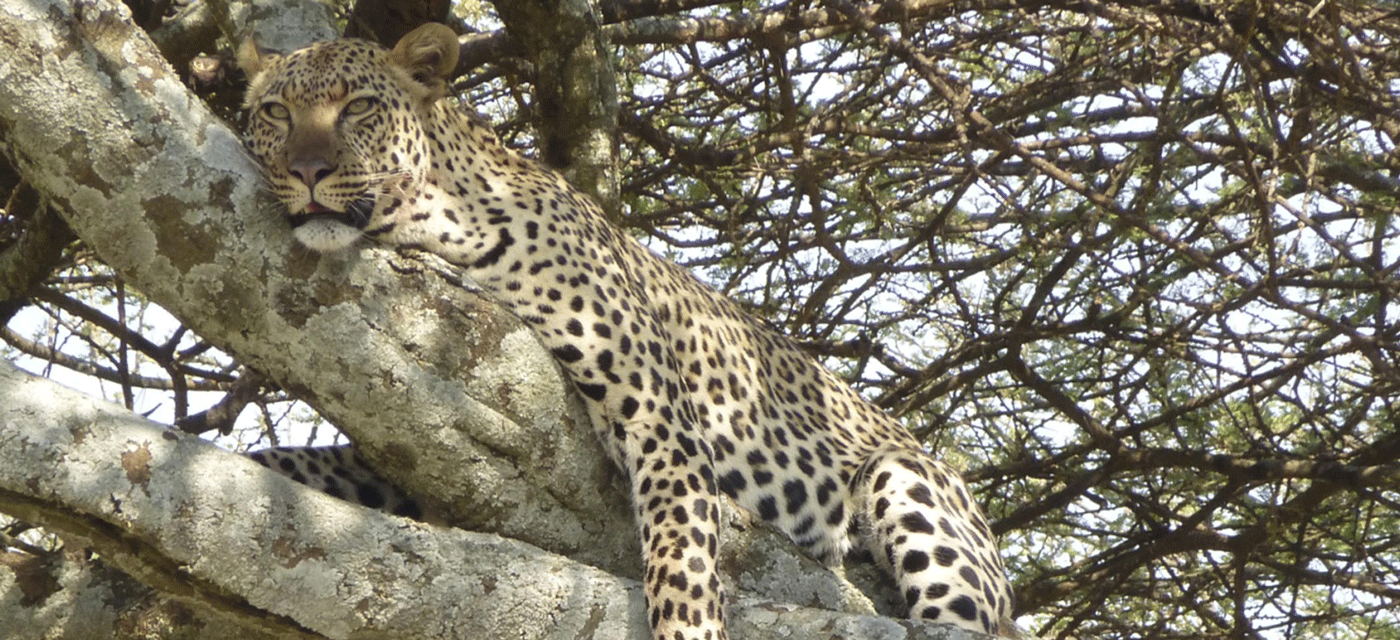
Leopards are more elusive and prefer solitary behavior. They are best spotted in areas with riverine forests and rocky outcrops especially in central Serengeti. Guides often locate them resting in trees during midday heat or moving quietly through tall grass. Patience is essential when searching for leopards.
Elephants are widely distributed across the Serengeti and are often seen in family groups. They are especially common in central and northern regions. These large herbivores are easier to spot due to their size and tend to move slowly across plains or gather near water sources.
Buffalo are among the most social and predictable members of the Big Five. Large herds can be seen grazing across open grasslands especially in central and western Serengeti. They are often accompanied by bird species that help remove parasites.
Rhinoceros are the rarest of the Big Five in the Serengeti. They are primarily found in protected areas such as the Ngorongoro Crater. Most UK safari itineraries include a crater visit specifically to increase the chance of seeing rhinos.
Money-Saving Strategies for Serengeti Safari from the UK
A Serengeti safari is a major investment for UK travelers but with proper planning it is possible to reduce costs without sacrificing quality or experience. Understanding how safari pricing works helps travelers make smarter decisions.
Travel During Shoulder Seasons One of the most effective ways to save money is to avoid peak seasons such as July–October and December holidays. Traveling during March–May or November often results in significantly lower accommodation and safari package prices. Although there may be occasional rain, wildlife viewing remains strong.
Book Early or Last Minute Booking 6–12 months in advance can secure better prices and wider accommodation choices. Alternatively last-minute deals sometimes offer discounts when operators need to fill remaining spots although this option carries some risk.
Choose Group Safaris Instead of Private Tours Group safaris reduce costs by sharing vehicles, guides and fuel expenses. While private safaris offer more flexibility group tours are significantly more affordable and still provide excellent wildlife experiences.
Use Mid-Range Lodges Instead of Luxury Camps Mid-range lodges offer a strong balance of comfort and price. They include proper facilities, good meals and professional service without the high cost of luxury camps.
Combine Parks Efficiently Traveling smartly between parks reduces unnecessary transport costs. A well-planned route such as Tarangire → Ngorongoro → Serengeti minimizes travel time and fuel expenses.
Fly Strategically Domestic flights within Tanzania are faster but more expensive. Choosing a mix of road and air travel can help balance cost and convenience.
Serengeti Map Explained Regions, Wildlife Zones and Migration Flow
Understanding the Serengeti map is extremely useful for UK travelers because the park is vast and wildlife distribution changes across regions. Knowing where to go at the right time can significantly improve game viewing success and overall safari experience.
Central Serengeti (Seronera Valley). The central Serengeti is often considered the heart of the park. It is one of the best year-round wildlife areas due to permanent water sources from the Seronera River system. This region is famous for high predator density, especially lions, leopards and cheetahs. UK travelers often see wildlife here regardless of season making it a reliable safari base.
Northern Serengeti (Mara River Region). The northern Serengeti borders Kenya’s Maasai Mara and is most famous for the dramatic Mara River crossings. This area becomes extremely active between July and October when the Great Migration moves north. The landscape is more rugged and less crowded offering exclusive safari experiences with intense predator-prey interactions.
Southern Serengeti (Ndutu Area). The southern plains are known for the calving season between December and March. This flat open landscape allows excellent visibility of large herds of wildebeest and zebras. Predators are highly active here due to the abundance of vulnerable newborn animals.
Western Serengeti (Grumeti Region).The western corridor is characterized by river systems and dense vegetation. Between May and July migration herds pass through this region often crossing the Grumeti River where crocodiles are present. It is less crowded and offers a more private safari experience.
Migration Flow Pattern The Great Migration follows a circular route:
Southern Serengeti → Western Corridor → Northern Serengeti → Maasai Mara (Kenya) → Return south
This continuous movement depends on rainfall and grazing availability.
Honeymoon Serengeti Safari Guide for UK Couples
A Serengeti honeymoon safari is one of the most romantic and unforgettable travel experiences for UK couples. It combines luxury, privacy, wildlife adventure and breathtaking natural scenery making it an ideal choice for newlyweds or couples celebrating special occasions.
Why Serengeti is Perfect for Honeymoons The Serengeti offers complete privacy in remote luxury lodges and tented camps surrounded by nature. Couples can enjoy uninterrupted views of the savannah, romantic sunsets and intimate wildlife encounters. The peaceful environment creates a perfect escape from busy city life in the UK.
Luxury Accommodation for Couples Honeymoon safaris typically include luxury or ultra-luxury camps featuring: Private suites with panoramic views, Outdoor showers or bathtubs overlooking nature, Candlelit dinners under the stars, Private verandas for relaxation and Personalized butler or concierge services
Many lodges also offer honeymoon packages with special decorations, champagne and surprise romantic experiences.
Romantic Safari Activities Couples can enjoy a range of unforgettable experiences: Private game drives with expert guides, Hot air balloon safaris over the Serengeti, Sunset bush dinners in the wild, Spa treatments in luxury lodges and Photography sessions in scenic locations
Best Regions for Honeymoon Safaris Northern Serengeti: Exclusive and quiet during migration season, Central Serengeti: Year-round wildlife and luxury lodges and Ndutu (Southern Serengeti): Romantic calving season landscapes
Optional Zanzibar Extension Many UK couples extend their honeymoon to Zanzibar for beach relaxation. White sandy beaches, turquoise waters and luxury resorts create the perfect romantic ending to a safari adventure.
Ultimate Serengeti Safari Packing Checklist (Advanced UK Travel Version)
For UK travelers packing for a Serengeti safari is not just about clothing it is about preparing for changing climates, long game drives, dust conditions and limited access to shops once inside the park. A well-organized packing strategy improves comfort and ensures you are fully prepared for every situation.
Essential Clothing System (Layering Approach) Serengeti weather changes quickly between cool mornings and hot afternoons. Layering is the key strategy: 2–3 lightweight long-sleeve shirts (sun + insect protection), 3–4 breathable t-shirts, 2 safari trousers or convertible pants, 1 warm fleece or jacket for early mornings, 1 lightweight waterproof jacket (especially for green season) and Comfortable sleepwear
Neutral colors such as khaki, olive, beige and brown are ideal. Avoid black and bright colors as they attract insects or stand out in wildlife areas.
Footwear Strategy. Lightweight hiking shoes for game drives and walks, Comfortable sandals for lodge use and Optional slip-on shoes for easy movement around camps
Safari Electronics and Photography Gear. DSLR or mirrorless camera with zoom lens (200–600mm ideal), Extra batteries (charging opportunities may be limited), Multiple memory cards, Power bank (high capacity recommended) and Universal travel adapter (UK Type G to Tanzania sockets)
Health and Protection Kit. High-strength insect repellent (DEET-based), SPF 30–50 sunscreen, Lip balm with sun protection, Basic first aid kit, Prescription medications (with copies of prescriptions) and Antibacterial wipes and hand sanitizer
Travel Documents and Essentials. Passport (valid 6+ months), Visa documentation, Travel insurance papers, Safari booking confirmations and Printed emergency contacts
Luggage Rules (Very Important) Domestic safari flights in Tanzania are strict: 15–20 kg maximum total weight, Soft duffel bags required and No hard suitcases allowed on small aircraft
Frequently Asked Questions About Serengeti Safari from the UK
How do I travel from the UK to the Serengeti?
Most UK travelers fly to Kilimanjaro International Airport (JRO), usually with a one-stop connection through hubs such as Doha, Dubai, Addis Ababa, Istanbul, Amsterdam, Nairobi or Kigali. From Arusha, travelers can continue by road or take a domestic flight directly to a Serengeti airstrip.
What is the best time to visit the Serengeti from the UK?
The best time depends on your safari interests. July to September is ideal for travelers hoping to see Great Migration river crossings, while January and February are excellent for the calving season in southern Serengeti. March to May can offer fewer crowds and lower prices.
How long should I spend on a Serengeti safari from the UK?
A safari of 5 to 12 days is common, depending on whether you want to focus on the Serengeti or combine it with destinations such as Ngorongoro Crater, Tarangire National Park or Zanzibar.
How much does a Serengeti safari from the UK cost?
Safari prices vary according to accommodation, season, itinerary and transport. The source gives typical 7–8-day budget safaris at around £1,800–£3,000 per person, mid-range safaris at £3,000–£5,000 and luxury safaris at £5,000–£10,000+ per person, excluding international flights.
What is the cheapest time to visit the Serengeti from the UK?
March to May and November are identified as periods when accommodation and safari prices can be lower. These shoulder or green-season periods also generally have fewer visitors.
Can I see the Great Migration during a Serengeti safari?
Yes. The Great Migration moves through different parts of the Serengeti throughout the year. January to March is associated with calving in the south, June to July with the Western Corridor and August to October with the Northern Serengeti and Mara River crossings.
Where is the best place to see the Great Migration?
The best region depends on the month. Southern Serengeti and Ndutu are important during calving season, the Western Corridor is prominent around June and July, while Northern Serengeti is the main area for Mara River crossings from August to October.
What wildlife can I see in the Serengeti?
The Serengeti is home to the Big Five lion, leopard, elephant, buffalo and rhinoceros along with cheetahs, hyenas, giraffes, zebras, wildebeest, gazelles, hippos, crocodiles and more than 500 bird species.
Is the Serengeti good for first-time safari travelers from the UK?
Yes. The source recommends the classic Northern Tanzania route for first-time UK visitors, typically combining Arusha, Tarangire, Ngorongoro Crater and the Serengeti.
What type of accommodation is available in the Serengeti?
Travelers can choose from budget accommodation, mid-range lodges, luxury tented camps, ultra-luxury lodges and mobile camps. The best option depends on budget, comfort preferences and the region being visited.
Can I combine a Serengeti safari with Zanzibar?
Yes. Serengeti and Zanzibar can be combined into one Tanzania trip. Travelers can fly from a Serengeti airstrip or Arusha to Zanzibar, where they can enjoy beaches, snorkeling, spice tours and Stone Town. A 3–5-day Zanzibar extension is commonly suggested in the source.
What should I pack for a Serengeti safari from the UK?
Pack lightweight neutral-colored clothing, layers for cool mornings, comfortable walking shoes, a jacket or fleece, sun protection, insect repellent, binoculars, camera equipment, travel documents, a reusable water bottle and a suitable power adapter. Soft-sided luggage is recommended for domestic safari flights because of baggage restrictions.
Do I need travel insurance for a Serengeti safari?
Yes. The source recommends comprehensive travel insurance covering medical expenses, emergency evacuation, trip cancellation and lost baggage. Emergency evacuation coverage is particularly important because some safari areas are remote.
How far in advance should I book a Serengeti safari from the UK?
Booking 6–12 months in advance is recommended, especially for peak migration periods when popular lodges and camps can fill quickly. Early booking can also provide a wider choice of accommodation and potentially better prices.
What is the best time of day for wildlife viewing in the Serengeti?
Early morning and late afternoon are generally the most productive periods for wildlife viewing. Early morning offers cooler temperatures and active predators, while late afternoon provides another period of increased animal activity and good photography light.
Is a fly-in Serengeti safari worth it for UK travelers?
A fly-in safari can be useful for travelers who want to reduce long road journeys and maximize time inside the Serengeti. It is particularly suitable for luxury travelers, honeymooners, photographers and visitors with limited time.
How can I save money on a Serengeti safari from the UK?
Traveling during shoulder seasons, booking early, choosing a group safari, selecting mid-range accommodation and planning an efficient route can help reduce costs while maintaining a good safari experience.
How do I choose a trusted Serengeti safari company?
Look for a legally registered and licensed Tanzanian operator, genuine traveler reviews, experienced guides, clear inclusions, well-maintained safari vehicles and responsive communication before booking.
Can I visit the Serengeti for a honeymoon from the UK?
Yes. The Serengeti is suitable for honeymoon trips, with luxury camps, private game drives, hot-air balloon safaris and other special experiences. Couples can also extend their honeymoon with a beach stay in Zanzibar.
Is a 7-day Serengeti safari enough?
A 7-day itinerary can provide a balanced introduction to Tanzania’s northern safari circuit. The itinerary described in the source combines Tarangire, Serengeti and Ngorongoro before returning to Arusha.
Conclusion
A Serengeti safari from the United Kingdom is far more than a holiday it is an opportunity to experience one of the most extraordinary natural environments on Earth. From the moment travelers leave the UK and arrive in Tanzania they begin a journey filled with wildlife, adventure, breathtaking scenery and unforgettable memories.
The Serengeti remains one of Africa’s most iconic safari destinations because it offers an unmatched combination of abundant wildlife, vast landscapes and world-famous natural events such as the Great Migration.
Throughout the year the Serengeti provides unique experiences for every type of traveler. Whether you dream of witnessing thousands of wildebeest crossing the Mara River, watching lion prides hunt across open plains, photographing elephants at sunrise or simply enjoying the peaceful beauty of the African wilderness the Serengeti delivers remarkable moments that few destinations can match.
The park’s diverse regions ensure that wildlife viewing remains exceptional in every season making it a destination worth visiting at any time of year.
For UK travelers careful planning is the key to a successful safari. Choosing the right travel dates, selecting suitable accommodation, understanding migration patterns, packing appropriately and booking with a trusted safari operator can significantly enhance the overall experience. Whether you choose a budget-friendly group safari a comfortable mid-range adventure or an ultra-luxury fly-in experience there are options available to suit different travel styles and budgets.
Many visitors also choose to extend their journey with a visit to Zanzibar creating a perfect combination of wildlife exploration and tropical beach relaxation. This allows travelers to experience the best of Tanzania in one unforgettable trip.