 English
 Deutsch
 Italia
May 14, 2026
Budget Safari in Serengeti
Introduction
A Budget Safari in Serengeti gives travelers an affordable way to experience one of Tanzania’s most legendary wildlife destinations. The Serengeti National Park attracts visitors with its endless golden plains, dramatic predator encounters, abundant wildlife and the world-famous Great Migration. Many travelers believe they need a large budget to explore this remarkable ecosystem but affordable safari options make the Serengeti accessible to backpackers, students, solo travelers and cost-conscious adventurers.
A budget safari focuses on the experience rather than luxury. Travelers can share safari vehicles, stay at public campsites or affordable tented camps and join group itineraries to reduce costs. Although these options provide fewer comforts, they still offer opportunities to see lions, elephants, giraffes, zebras, wildebeest and other wildlife across the Serengeti.
Budget travelers can also enjoy a more authentic connection with nature. Camping beneath the African sky, listening to nighttime sounds and sharing game drives with fellow travelers can create memorable experiences without expensive lodges or private services. The adventure often becomes the highlight of the journey.
Planning remains essential for keeping costs under control. Travelers should compare safari packages, choose suitable travel seasons, understand park fees, select practical accommodation and work with a reliable tour operator. Serengeti Travels helps travelers plan affordable safari experiences while maintaining safe transport, knowledgeable guides and well-organized itineraries.
Ultimately a budget safari in Serengeti shows that experiencing Tanzania’s extraordinary wildlife does not require luxury. With careful planning, realistic expectations and a spirit of adventure, travelers can explore the Serengeti while keeping their safari costs manageable.
Table of contents
- Introduction
- What is a Budget Safari in Serengeti
- Understanding Serengeti Safari Costs
- Accommodation in Serengeti
- Transportation
- Sample Itineraries
- Best Time for a Budget Safari in Serengeti
- Wildlife Experience on a Budget Safari in Serengeti
- Money Saving Tips
- Common Mistakes Budget Travelers
- Safety in Budget Safari
- Budget Safari vs Luxury Safari
- Responsible Tourism in Serengeti
- Frequently Asked Questions of Budget Safari in Serengeti
- conclusion
What is a Budget Safari in Serengeti
A budget safari in Serengeti makes one of Tanzania’s most famous wildlife destinations accessible to travelers who want to control costs without giving up the essential safari experience. Instead of spending heavily on luxury lodges, private flights and exclusive services, travelers prioritize wildlife viewing, nature, guided exploration and adventure.
Travelers reduce costs by sharing safari resources. They often join group safaris and share a 4×4 vehicle with other guests, which spreads transportation and guide costs across several people. They can also choose public campsites or simple tented camps instead of expensive lodges. Most budget travelers reach the Serengeti by road, usually starting from Arusha or another nearby safari hub.
Choosing a budget safari does not mean sacrificing wildlife encounters. The animals do not change their behavior according to your accommodation. You can still watch lions, elephants, giraffes, zebras and wildebeest across the plains. During the Great Migration you may also witness enormous herds moving through the ecosystem.
The main difference comes through comfort, convenience and privacy. Luxury safaris provide premium facilities, private guides and personalized services while budget safaris emphasize simplicity and shared experiences.
Budget safaris also create opportunities to meet travelers from different countries. Sharing vehicles, meals and campsites often creates a friendly social atmosphere. Camping can also bring you closer to nature allowing you to experience the sounds of the wilderness around you.
Although budget travel requires flexibility, basic facilities and tolerance for long or rough road journeys it offers excellent value. Ultimately a budget safari in Serengeti lets travelers prioritize wildlife, adventure, authenticity and affordability over luxury.
Understanding Serengeti Safari Costs
Understanding the cost structure of a Serengeti safari helps travelers plan a successful budget trip without overlooking important expenses. Many travelers focus mainly on accommodation, but several connected costs determine the final safari price.
The first major expense is the park entry fee. Serengeti National Park charges a daily conservation fee for each visitor which supports wildlife protection, anti-poaching programs and park maintenance. Every traveler pays this fee regardless of whether they choose a budget or luxury safari. Travelers may also pay vehicle entry fees and camping fees when they stay at public campsites. TANAPA regulates these charges so tour operators cannot freely change them.
Transportation also forms a significant part of the safari budget. Budget travelers often share 4×4 Land Cruisers with other guests, which spreads fuel, driver, maintenance and operational costs across the group. Although shared transport reduces individual expenses, long distances and rough roads still make safari transportation costly.
Accommodation creates another major cost difference. Public campsites provide the most affordable option while budget tented camps offer greater comfort at a slightly higher price. Lodges outside the park can sometimes reduce accommodation costs although travelers may spend more time driving to reach wildlife areas.
Guide and driver services add further value to the safari. Professional guides track wildlife, explain animal behavior, navigate the park and maintain guest safety. Sharing their services among several travelers keeps costs manageable.
Food and supplies also contribute to the overall price. Most budget packages include simple, nutritious meals such as rice, pasta, vegetables, beans, eggs and meat. Travelers may still need money for water, snacks and personal supplies.
Accommodation in Serengeti
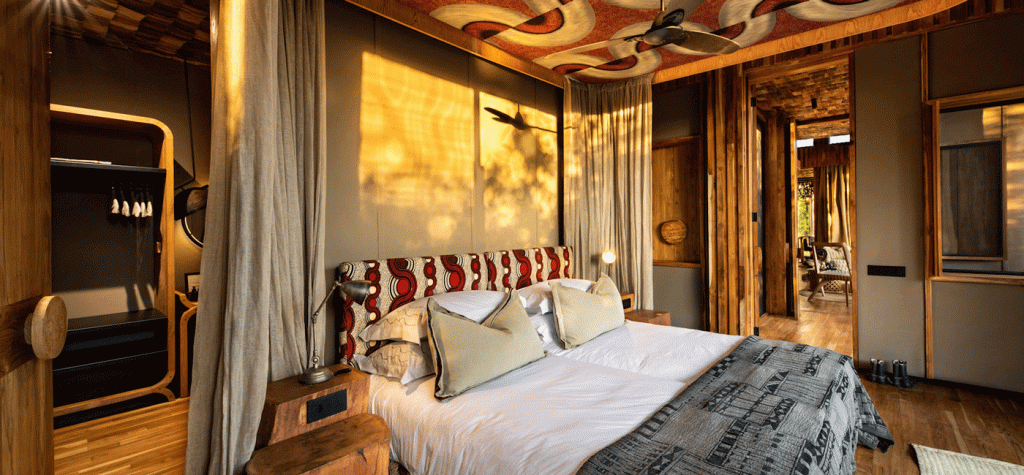
Accommodation plays an important role in shaping a budget safari in Serengeti. Unlike luxury safaris that emphasize comfort and exclusivity budget options help travelers reduce costs while staying close to nature.
Public campsites inside Serengeti National Park provide the most affordable option. Travelers can bring their own tents or use simple camping equipment at designated sites. These camps usually provide basic shared toilets and in some locations, cold-water showers. Most sites have limited electricity, so travelers may rely on solar lamps or generators during specific hours.
Although public campsites offer fewer comforts they create an authentic safari experience. Travelers sleep close to the natural environment and may hear hyenas calling, lions roaring or elephants moving nearby at night. Rangers help maintain safety while allowing visitors to experience the wilderness directly.
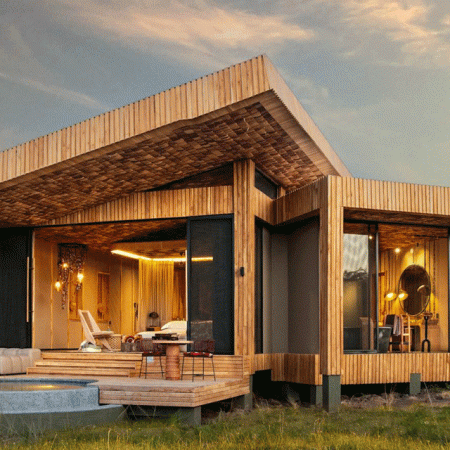
Budget tented camps offer another practical choice. These camps provide canvas tents with beds, mattresses and mosquito nets. Some also include private bathrooms with basic showers and toilets. Staff prepare meals, maintain the camp and create a more comfortable experience without the high prices of luxury properties.
Budget lodges outside the park provide another affordable alternative. These guesthouses and small hotels often reduce accommodation costs but travelers may spend more time driving to reach wildlife areas.
Each option creates different trade-offs. Camping delivers adventure and immersion, tented camps provide greater comfort and outside lodges offer convenience. During peak migration periods even budget properties can fill quickly so travelers should book early. Ultimately choosing the right accommodation helps balance cost, comfort and wildlife access while preserving the remarkable Serengeti experience
Transportation
Transportation plays a major role in keeping a Budget Safari in Serengeti affordable while also shaping the overall safari experience. Unlike normal travel, safari transport does more than move you between destinations. It puts you close to wildlife and gives you opportunities to spot animals along the way especially around the Ngorongoro Conservation Area, Ndutu Plains and central Serengeti.
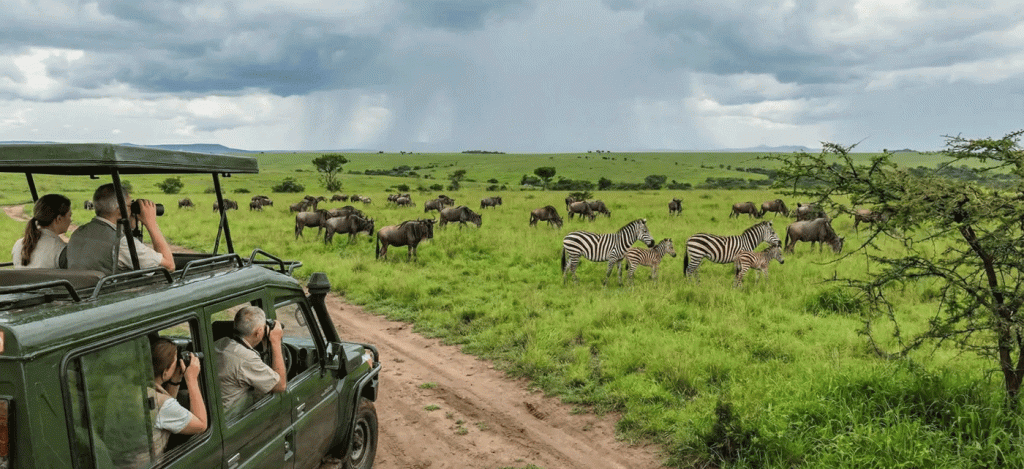
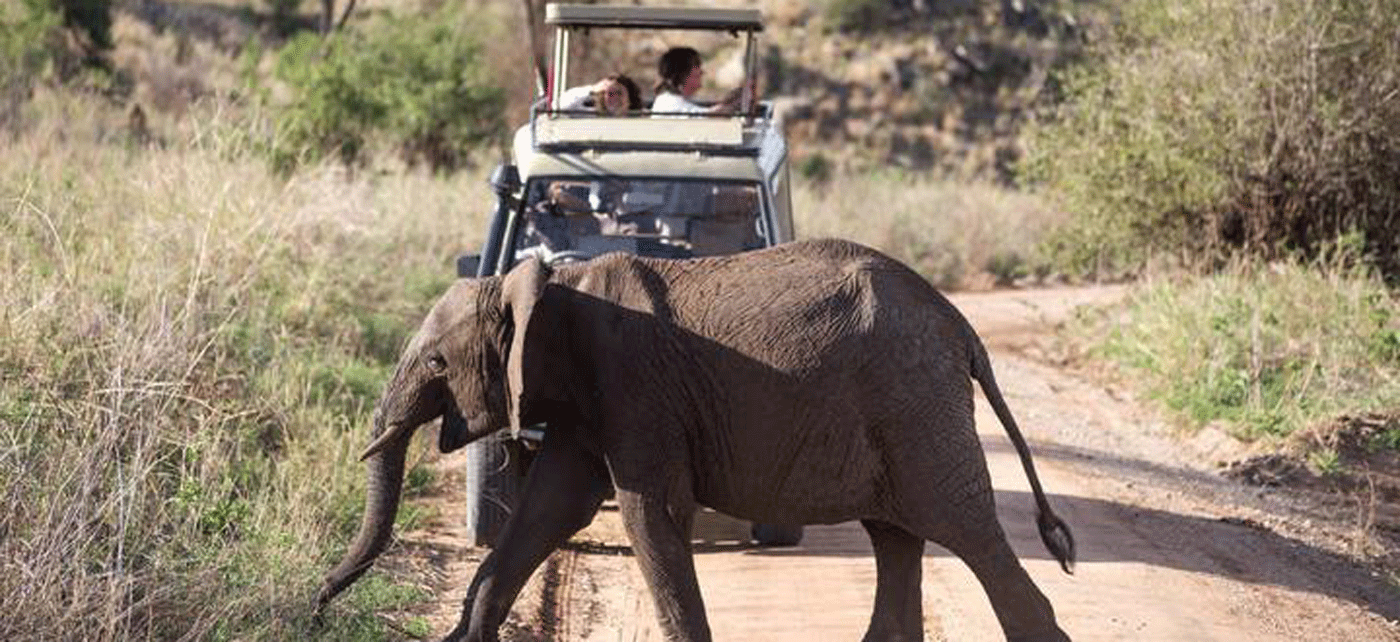
Most budget travelers choose shared 4×4 safari vehicles. These specially equipped jeeps handle rough roads while providing comfortable game-viewing conditions. A typical vehicle carries four to seven travelers alongside a professional driver-guide. By sharing the vehicle, travelers divide fuel, maintenance and guide costs which significantly lowers the individual safari price.
Safari vehicles also improve wildlife viewing. Their pop-up roofs allow travelers to stand and observe animals from a higher position while large windows provide clear views for photography. Sharing the vehicle also creates a social experience as travelers celebrate exciting sightings together.
However shared transport reduces flexibility. Groups normally follow a planned itinerary so travelers cannot always change routes or extend a wildlife stop according to personal preferences. A private vehicle costs more, but friends or families can share the expense and gain greater control over game-drive times, routes and stops.
Fly-in safaris provide the fastest option but cost considerably more making them less suitable for budget travelers. Road transport remains the backbone of affordable safaris, with many journeys starting in Arusha and passing through scenic landscapes before reaching Serengeti gates. Although the drive can take several hours, travelers experience Tanzania’s villages, highlands and savannahs before entering the park.
Sample Itineraries
A well-planned itinerary helps travelers maximize a budget safari in Serengeti. Because long distances and daily park fees affect the overall cost travelers should structure each day to maximize wildlife viewing while limiting unnecessary driving.
A 3-day budget safari suits travelers with limited time. On Day 1, travelers leave Arusha early and drive through the Ngorongoro Conservation Area before entering Serengeti. They can enjoy wildlife sightings along the route before starting an afternoon game drive in central Serengeti. Travelers usually spend the night at a public campsite or budget tented camp.
Day 2 provides a full-day game drive and the main wildlife experience. Travelers explore different areas during the cooler morning and afternoon hours when animals become more active. Depending on the season, they may see lions, elephants, giraffes, wildebeest and predator activity. Camps provide meals or packed picnic lunches.
On Day 3, travelers enjoy a final morning game drive before driving back to Arusha. This itinerary moves quickly but introduces visitors to Serengeti’s remarkable wildlife.
A 5-day budget safari offers a more balanced experience. Travelers can explore Ngorongoro Crater before entering Serengeti for afternoon and full-day game drives. They can explore open plains, river valleys and kopjes while spending more time observing wildlife.
A 7-day budget safari allows deeper exploration of central and northern Serengeti especially during migration season. Travelers can also visit Ngorongoro Crater and Lake Manyara. Longer trips spread driving across more days, reduce travel fatigue and provide greater opportunities for wildlife encounters.
Travelers should prioritize early morning and afternoon drives because animals often become more active during these periods.
Best Time for a Budget Safari in Serengeti
Choosing the right time to visit Serengeti can significantly reduce your safari costs while improving your overall experience. Although Serengeti offers excellent wildlife viewing throughout the year, each season affects prices, crowds, road conditions and animal activity differently.
The low season from March to May offers the most affordable option for budget travelers. Heavy rains reduce visitor numbers, allowing campsites and budget lodges to offer lower rates and greater availability. Although rain can make some roads muddy it also transforms Serengeti into a lush landscape with green plains and dramatic skies. During this period visitors can also see newborn wildebeest, zebras and gazelles while predators follow the young animals.
The high season from June to October attracts the largest crowds and commands higher prices. Dry conditions reduce vegetation and concentrate animals around water sources making wildlife easier to spot. Northern Serengeti also hosts dramatic Great Migration river crossings during this period. However high demand quickly fills budget accommodations and increases safari package prices.
The shoulder season from November to February provides a strong balance between affordability and wildlife viewing. Short rains usually do not prevent game drives while moderate prices make this period attractive to budget travelers. Southern Serengeti and the Ndutu plains also host the calving season when thousands of wildebeest give birth and attract predators such as lions, cheetahs and hyenas.
For travelers focused mainly on saving money, March to May offers the best value. Those seeking better weather, excellent wildlife and moderate prices can choose November to February. Strategic timing helps budget travelers enjoy Serengeti without sacrificing memorable wildlife experiences.
Wildlife Experience on a Budget Safari in Serengeti
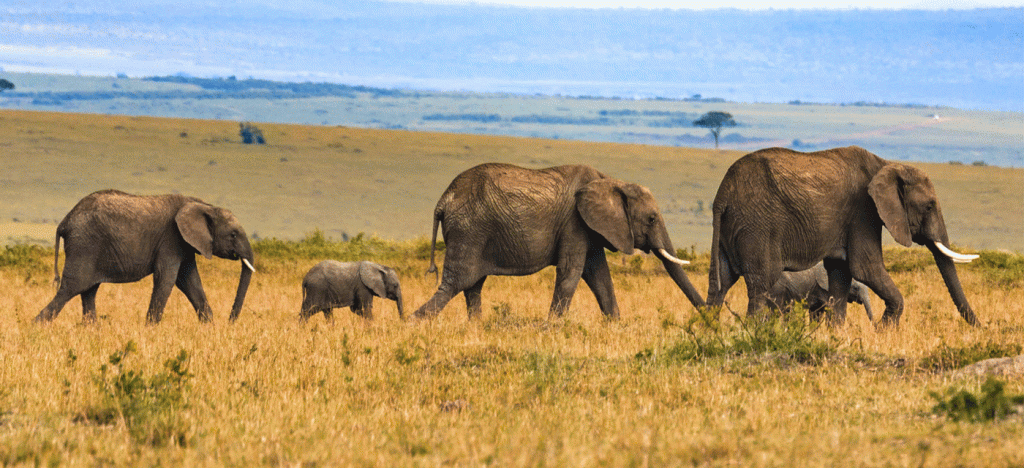
A budget safari in Serengeti still delivers one of the most extraordinary wildlife experiences in Africa. You do not need expensive accommodation or luxury transport to enjoy excellent wildlife viewing. Instead, your location, timing, guide expertise and luck often determine what you see. Serengeti stretches across thousands of square kilometers and supports an incredible variety of animals across open plains, river valleys and woodlands.
Lions provide one of the most iconic safari experiences. Serengeti supports large lion populations and you can often watch them resting under acacia trees stalking prey or feeding after a successful hunt. Experienced guides know their territories and increase your chances of finding them even on a budget safari.
Elephants also create memorable encounters, especially near wooded areas and water sources. You may watch family groups cross the plains calves stay close to protective females or solitary bulls move through the ecosystem.
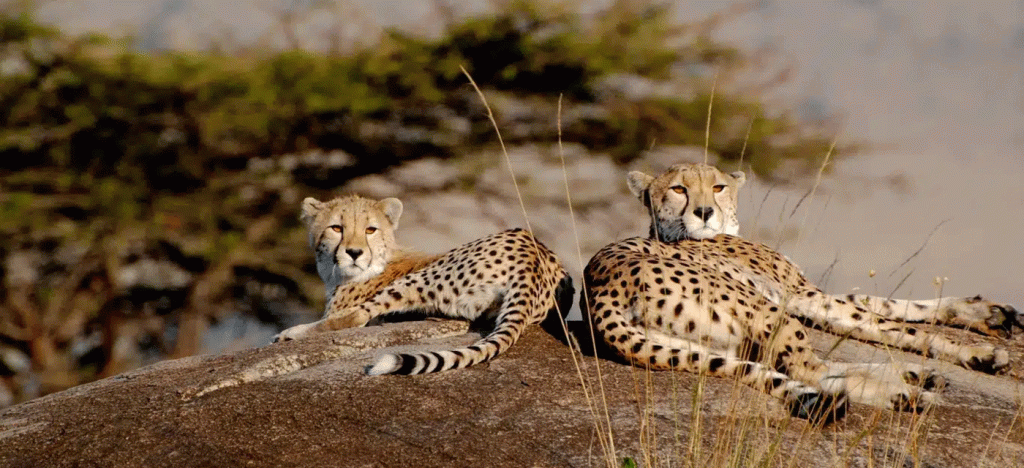
Serengeti also protects cheetahs and leopards although these predators require more patience to find. Cheetahs hunt across open plains while leopards often rest in trees or hide within dense vegetation.
The Great Migration adds another unforgettable experience. More than 1.5 million wildebeest together with large numbers of zebras and gazelles move across the ecosystem in search of fresh grazing. Depending on the season you may witness river crossings in the north or calving activity in the south.
Beyond these famous species you can encounter giraffes, buffaloes, hyenas, hippos, crocodiles and hundreds of bird species. Every game drive brings uncertainty and discovery. Even without luxury comforts a budget safari lets you experience wildlife behaving naturally in its own habitat.
Money Saving Tips
Planning a budget safari in Serengeti requires smart financial decisions and careful preparation. Although the park charges fixed entry fees travelers can reduce other expenses by choosing affordable options and planning ahead.
Traveling in a group offers one of the best ways to lower safari costs. Safari companies charge for vehicles, fuel and guides regardless of group size. When four to six travelers share these expenses, each person pays less. Solo travelers usually face higher costs because they cover more expenses individually.
Choosing camping instead of lodges can also reduce accommodation costs. Public campsites provide basic facilities at much lower prices than lodges and luxury tented camps. Travelers who prefer more comfort can choose budget tented camps as a practical middle-ground option.
Booking early helps travelers compare operators, secure better rates and find group joining safaris before spaces fill. Flexible travelers can also avoid peak months from June to October when demand often raises accommodation and transport prices. March to May and November can offer better value although travelers should consider seasonal weather conditions.
Choosing a local Tanzanian safari operator can further reduce costs because local companies operate directly in the destination and often avoid international agency markups. They also understand local routes, camps and park logistics.
Travelers should limit expensive extras such as hot-air balloon flights, private sundowners and luxury bush dinners. Focusing on game drives keeps the safari affordable while preserving the main wildlife experience.
Finally packing essential items before departure prevents costly purchases during the trip. By sharing expenses, choosing simple accommodation, traveling flexibly and booking early travelers can enjoy an unforgettable Serengeti safari without overspending.
Common Mistakes Budget Travelers
Many travelers planning a Serengeti budget safari make avoidable mistakes that increase costs, create disappointment or reduce their overall experience. Understanding these mistakes helps travelers plan wisely and enjoy their safari.
One common mistake involves expecting luxury on a budget safari. Budget trips prioritize affordability, shared transport, simple accommodation and wildlife experiences. Travelers should not expect private bathrooms, gourmet meals or luxury facilities. Setting realistic expectations creates a more enjoyable experience.
Another mistake involves avoiding group safaris. Solo and private trips cost more because travelers must cover vehicle, guide, fuel and other fixed expenses. Joining a group allows travelers to share these costs and reduce the overall price.
Travelers should also confirm what their safari package includes before booking. Some operators include park fees, meals, accommodation and transportation while others charge these separately. Checking inclusions prevents unexpected expenses.
Underestimating travel distances can also cause problems. Serengeti covers a huge area and journeys from Arusha can take several hours. Travelers should prepare for long drives and plan realistic itineraries.
Choosing the wrong season can affect both costs and comfort. Rainy periods may create muddy roads while peak seasons can bring higher prices and limited accommodation. Travelers should select their travel period according to their priorities.
Packing incorrectly creates another challenge. Travelers should carry useful essentials such as warm clothing, comfortable shoes, sunscreen and insect repellent without bringing unnecessary luggage.
Finally, travelers should follow guide instructions remain open to seeing different wildlife and choose reputable tour operators. Avoiding suspiciously cheap offers helps protect safety and service quality. Proper preparation and realistic expectations make a Serengeti budget safari smoother, safer and more rewarding.
Safety in Budget Safari
Safety plays a major role when travelers plan a budget safari in Serengeti National Park. Although Serengeti hosts powerful predators and large wild animals, professional guides, park authorities and strict regulations help visitors explore the ecosystem safely. Thousands of travelers visit the park each year including those using shared vehicles and budget campsites.
Professional safari guides and drivers provide the first level of protection. They understand animal behavior, park regulations, safe driving practices and emergency procedures. They recognize warning signs and maintain safe distances from lions, elephants, buffaloes and other wildlife. Sharing a guide on a budget safari does not compromise safety because the guide remains responsible for every passenger.
Park authorities also monitor visitor safety through ranger patrols and conservation regulations. Rangers help manage wildlife encounters and respond to emergencies when necessary. Visitors should always follow their instructions and respect designated camping areas.
Budget campsites require travelers to take extra care because many camps remain unfenced. Wildlife can move through these areas so visitors should never walk alone after dark. They should remain inside their tents or designated areas and keep tent entrances securely closed.
During game drives travelers should remain inside the vehicle unless their guide allows them to exit at an authorized location. Standing safely within the pop-up roof also helps visitors enjoy wildlife without approaching animals directly.
Travelers should also protect their health by using insect repellent, following malaria-prevention advice, drinking safe water, maintaining food hygiene and carrying suitable travel insurance. Because Serengeti lies far from major medical facilities preparation remains important.
With professional guidance, responsible behavior and respect for park rules, a budget safari in Serengeti can provide a safe, enjoyable and memorable wildlife experience.
Budget Safari vs Luxury Safari
Understanding the difference between a budget safari and a luxury safari in Serengeti helps travelers choose an experience that matches their expectations and budget. Both options provide access to the same wildlife, landscapes and natural environment, but they differ in comfort, privacy, flexibility and overall travel style.
A budget safari prioritizes affordability and shared experiences. Travelers usually stay at public campsites or simple tented camps, share 4×4 safari vehicles and follow planned itineraries. Camp cooks prepare simple, satisfying meals, while travelers accept basic facilities to keep costs low. This approach allows visitors to spend more time exploring Serengeti without paying for premium services.
A luxury safari focuses on comfort, privacy and personalized service. Travelers stay in high-end lodges or luxury tented camps with private bathrooms, quality dining, spacious rooms and additional amenities. Private vehicles provide greater flexibility, while some itineraries include flights between parks, private guides, spa services or customized activities.
Despite these differences, both safari styles provide opportunities to see remarkable wildlife. Lions, elephants, cheetahs, giraffes and wildebeest move through the same ecosystem regardless of where travelers sleep. The main difference comes from how travelers experience the journey.
Budget travelers often share vehicles, meals and campsites with other guests creating opportunities to meet people from different countries. Luxury travelers usually enjoy greater privacy and control over their schedules.
Ultimately neither option is better. Budget safaris suit adventurous travelers seeking affordability and authentic experiences, while luxury safaris suit those who value comfort, exclusivity and convenience. The best choice depends on personal priorities, travel style and available budget.
Responsible Tourism in Serengeti
Responsible tourism plays an important role in every Serengeti safari, especially for budget travelers who share vehicles, campsites and other resources. Serengeti is more than a tourist destination; it is a protected ecosystem that supports thousands of wildlife species and contributes significantly to global biodiversity.
Travelers should always respect wildlife. Animals live freely in Serengeti so visitors must never feed, chase or approach them too closely. Safari guides should maintain safe distances and avoid actions that could change natural behavior. Travelers should also avoid loud noises and sudden movements that may disturb animals while they hunt, feed or rest.
Waste management also protects the park. Visitors should carry their waste with them or use designated disposal areas. Plastic bottles, food packaging and other litter can harm wildlife and pollute the environment.
Following park regulations remains essential. Visitors should stay inside safari vehicles, respect speed limits, avoid restricted areas and follow their guide’s instructions. These rules protect both wildlife and travelers while supporting ecosystem stability.
Budget travelers often use shared campsites so they should keep their surroundings clean, protect vegetation and control noise. At night visitors should remain especially quiet because nocturnal wildlife becomes active.
Travelers can also support nearby communities by choosing local safari operators, guides, drivers and camps. This approach helps tourism income reach local families and supports conservation.
Reducing environmental impact also matters. Visitors can limit plastic use conserve water and choose eco-friendly camps that use solar power or environmentally responsible facilities.
Finally travelers should practice ethical photography. Avoiding flash and never interfering with wildlife helps preserve natural behavior. By following these principles every Serengeti visitor helps protect the ecosystem for future generations.
Frequently Asked Questions of Budget Safari in Serengeti
What is a budget safari in Serengeti?
A budget safari in Serengeti is an affordable wildlife trip that uses shared safari vehicles, group itineraries, public campsites or simple tented camps instead of luxury services.
How much does a budget safari in Serengeti cost?
The cost depends on the safari duration, season, accommodation, group size and services included. Sharing a vehicle and choosing basic accommodation can significantly reduce the overall price.
Can I see the Big Five on a budget safari in Serengeti?
Yes. Budget travelers can see lions, elephants, buffaloes, leopards and rhinos although wildlife sightings always depend on location, season, guide expertise and natural animal movements.
What is the cheapest way to visit Serengeti?
Joining a group safari, sharing a 4×4 vehicle, camping at public campsites and traveling during lower-demand periods are among the best ways to reduce safari costs.
Is Serengeti safe for budget travelers?
Yes. Budget travelers can explore Serengeti safely when they follow their professional guide’s instructions, respect wildlife distances and follow park regulations.
Where do budget travelers stay in Serengeti?
Budget travelers can stay at public campsites affordable tented camps or budget accommodation outside the park. Each option offers different levels of comfort and access to wildlife areas.
What is the best time for a budget safari in Serengeti?
March to May generally offers lower prices because of the long rainy season. November to February can also provide a good balance between moderate costs and excellent wildlife viewing.
Can I join a group safari in Serengeti?
Yes. Group safaris allow travelers to share vehicle, fuel, guide and operational costs making them one of the most practical options for reducing the price of a Serengeti safari.
How many days do I need for a budget safari in Serengeti?
Three days can provide a quick introduction while five days offers a more balanced experience. Seven days allows travelers to explore more areas and spend additional time on game drives.
Is a budget safari in Serengeti worth it?
Yes. A budget safari can provide excellent wildlife viewing and authentic experiences without luxury accommodation. The main trade-off is reduced comfort, privacy and flexibility.
What should I pack for a budget safari in Serengeti?
Pack comfortable clothing, warm layers, comfortable shoes, sunscreen, insect repellent, personal toiletries, a reusable water bottle and other essential travel items.
How can I save money on a Serengeti safari?
Travel in a group, choose affordable accommodation, compare safari packages, avoid unnecessary luxury activities, travel during lower-demand periods and book with a reputable local operator.
conclusion
A budget safari in Serengeti gives travelers an accessible way to experience Africa’s most iconic wildlife destination. It proves that unforgettable adventures do not require luxury because timing, immersion and a genuine connection with nature create the strongest memories. With Serengeti Travels travelers can explore this remarkable ecosystem while maintaining a practical safari budget.
Throughout this guide we have seen how Serengeti welcomes every type of traveler. Whether you choose a basic campsite or a luxury lodge you experience the same remarkable wildlife. Lions hunt across the plains, elephants move through the ecosystem and the Great Migration continues its ancient journey. This shared experience makes Serengeti truly special.
Budget safaris provide more than cost savings. They create authentic experiences through tented stays, shared safari vehicles and long journeys across Tanzania’s changing landscapes. These experiences bring travelers closer to nature and often create lasting memories.
However, budget travelers need realistic expectations. Basic facilities, long drives and changing conditions can challenge you. Instead of viewing these factors as disadvantages you can embrace them as important parts of the adventure.
Good planning also improves your experience. Choosing the right season, joining a group safari, understanding all costs and selecting a reputable operator can turn an affordable trip into an exceptional wildlife adventure. Serengeti Travels helps travelers make informed choices and organize practical safari experiences.
Budget tourism also supports conservation. Safari fees help fund park management, wildlife protection and anti-poaching efforts, allowing visitors to contribute to the future of this remarkable ecosystem.
Ultimately a budget safari offers a simpler way to discover Serengeti while keeping your attention on wildlife, landscapes and the raw beauty of the African savannah. For travelers seeking adventure and affordability Serengeti Travels can help create an unforgettable African experience.