 English
 Deutsch
 Italia
May 14, 2026
Reasons Why Serengeti Should Be on Your Bucket List
Introduction
Reasons Why Serengeti Should Be on Your Bucket List begin with the opportunity to experience one of the world’s most remarkable natural ecosystems. The Serengeti National Park offers far more than a traditional safari because it allows visitors to witness wildlife, landscapes and natural processes functioning with minimal human interference. For thousands of years, rainfall, vegetation, migration and predator-prey relationships have shaped this remarkable ecosystem.
Located in northern Tanzania the Serengeti forms part of a larger ecosystem that extends into southern Kenya. This connected landscape supports seasonal wildlife movements and maintains essential ecological relationships. Vast plains, river valleys, woodlands and granite kopjes create diverse habitats where animals move freely across extensive areas.
The Serengeti’s immense scale also creates an experience that few destinations can match. Natural forces continuously shape the landscape, while rainfall influences vegetation, vegetation guides herbivore movements and herbivores influence predator distribution. Visitors can therefore experience nature as a living system rather than a collection of attractions.
Every safari also brings something different. Weather, seasons, animal movements and unexpected encounters constantly change what visitors see. One morning may reveal predators across the plains while another may showcase herds moving through changing landscapes.
The Serengeti also encourages deeper observation. Away from urban noise and crowded environments, visitors can focus on distant wildlife, birds, changing light and subtle movements across the grasslands. This experience helps people understand ecological balance through direct observation.
Ultimately the Serengeti combines extraordinary wildlife, vast landscapes and natural processes into one unforgettable environment. Serengeti Travels helps travelers experience this remarkable wilderness while gaining a deeper appreciation of why protecting such ecosystems matters.
Table of contents
- Introduction
- The Great Wildebeest Migration
- Year Round Abundance of Wildlife
- The Big Five Experience in a Natural Ecosystem
- Endless Landscapes and Natural Silence
- Predator Action and Survival Reality
- Authentic Safari Experience
- Hot Air Balloon Safari
- Maasai Culture
- Photography Paradise
- Emotional Transformation
- Conclusion
The Great Wildebeest Migration
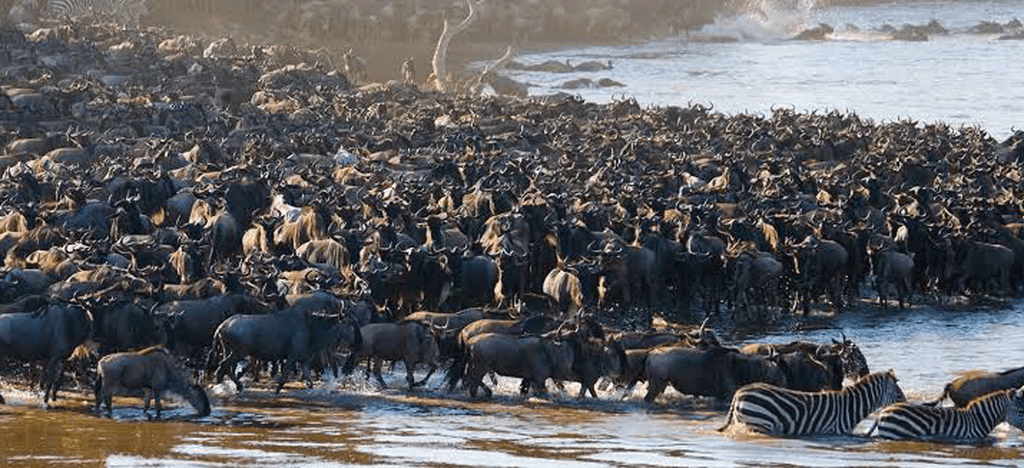
The Great Wildebeest Migration is the most famous wildlife event in the Serengeti and one of the greatest natural spectacles on Earth. More than 1.5 million wildebeest, together with around 300,000 zebras and hundreds of thousands of gazelles move continuously through the Serengeti-Mara ecosystem in search of fresh grazing and water.
Unlike a journey with a clear beginning and end the migration follows a continuous annual cycle. Rainfall determines where fresh grass grows so the herds follow the seasonal rains across vast areas of Tanzania and Kenya. As conditions change the animals travel hundreds of kilometers constantly adjusting their movement to find better feeding grounds.
The migration also creates some of nature’s most dramatic survival scenes. During the river-crossing season thousands of wildebeest gather along the banks of the Grumeti and Mara Rivers. The herds hesitate before entering the water then suddenly surge forward. Strong currents challenge the animals while crocodiles wait for opportunities beneath the surface. These crossings demonstrate the risks the herds face throughout their journey.
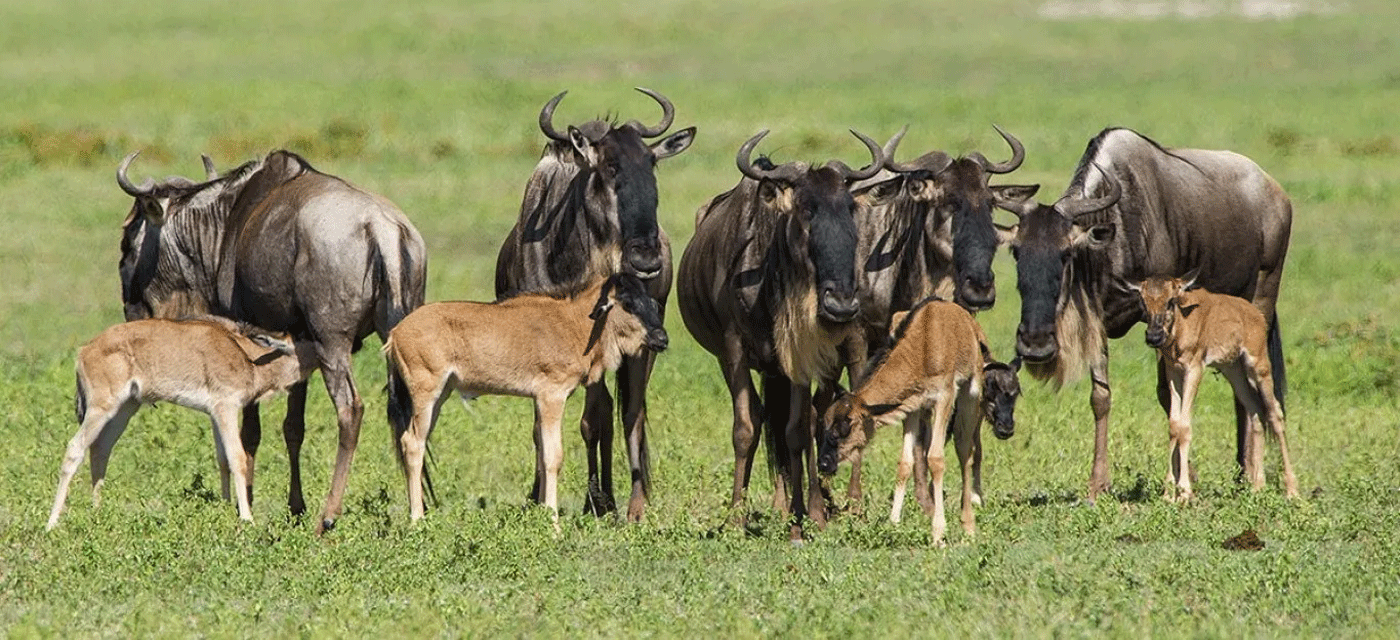
However the migration also celebrates birth and renewal. During the calving season in the southern Serengeti and Ndutu area hundreds of thousands of calves arrive within a few weeks. This abundance of young animals attracts lions, cheetahs, hyenas and other predators creating intense competition for survival.
For visitors witnessing the migration offers far more than a wildlife viewing experience. It reveals nature operating through instinct, movement, competition and renewal. With Serengeti Travels travelers can experience different stages of this remarkable cycle while exploring the landscapes and wildlife that make the Serengeti one of Africa’s most extraordinary ecosystems.
Year Round Abundance of Wildlife
One of the strongest reasons the Serengeti belongs on every bucket list is its incredible and consistent wildlife population throughout the year. Unlike many wildlife destinations where sightings depend heavily on seasons the Serengeti offers rich wildlife viewing at almost any time. This is because the ecosystem is large, balanced, and naturally self sustaining. Herbivores, carnivores, scavengers and birds all interact in a complex food web that maintains stability across seasons.
Even outside the Great Migration periods the plains remain full of life. Large herds of buffalo are often seen grazing in open grasslands. Zebras move in structured groups always alert to predators. Giraffes feed calmly on tall acacia trees while antelopes such as impalas and gazelles move gracefully across the plains.
Elephants are another highlight. They travel in family groups led by experienced matriarchs. These intelligent animals show strong emotional bonds especially between mothers and calves. Watching elephants interact is often one of the most touching safari experiences.
Predators are always present in the ecosystem. Lions are commonly seen resting under trees conserving energy between hunts. Leopards are more secretive but can be spotted in riverine forests or resting in tree branches. Cheetahs are often found in open areas where they use speed to hunt.
What makes Serengeti wildlife so special is visibility. The open savannah allows visitors to see animals from far distances. You might observe a lion stalking prey a herd moving in perfect coordination or scavengers waiting for an opportunity all in one view. This constant presence of wildlife creates a feeling that nature is always active. There is never a quiet moment in the Serengeti which makes every safari drive unpredictable and exciting.
The Big Five Experience in a Natural Ecosystem
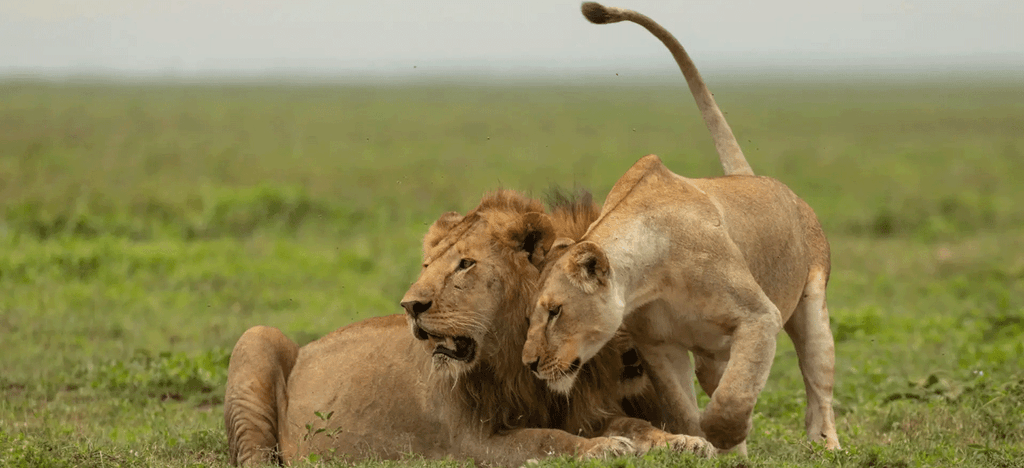
The “Big Five” refers to lion, leopard, elephant, buffalo and rhinoceros. These animals were originally named by hunters but today they represent the most iconic wildlife sightings in Africa. The Serengeti is one of the few ecosystems where all five can still be seen living naturally in the wild.
Lions are the most commonly encountered Big Five species. They live in prides and are often seen resting during the day or hunting in coordinated groups. Their social structure is fascinating because it shows cooperation, hierarchy and territorial behavior.
Leopards are elusive and require patience to find. They are solitary and prefer hiding in trees or dense vegetation. Their strength and stealth make them one of the most impressive predators in the ecosystem.
Elephants are highly intelligent and emotional. They live in structured family groups and demonstrate strong memory and communication skills. Watching elephants interact especially with young calves provides insight into complex animal emotions.
Buffaloes are large, powerful and unpredictable. They move in herds for protection and are known to defend themselves aggressively against predators. Despite their appearance they are one of the most dangerous animals in Africa.
Rhinoceroses are extremely rare in the Serengeti due to historical poaching. However conservation efforts have made sightings possible in protected zones. Seeing a rhino in the wild is considered a special experience.
The Big Five experience in Serengeti is not about collecting sightings it is about understanding ecological roles. Each species contributes to balance in the ecosystem from controlling vegetation to maintaining predator-prey relationships.
Endless Landscapes and Natural Silence
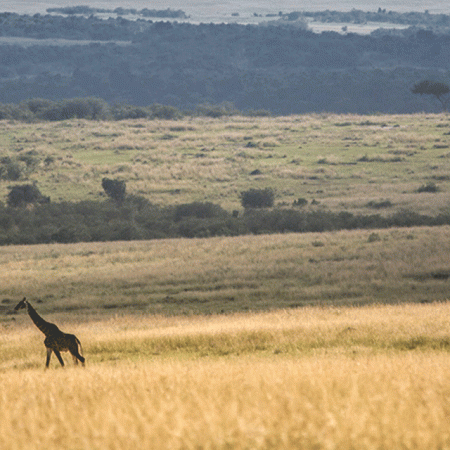
The Serengeti landscape is one of its most powerful features. It is defined by vast open grasslands that stretch endlessly into the horizon. This creates a feeling of infinity that is rare in modern life. The word “Serengeti” means “endless plains,” and this perfectly describes the visual experience. There are no large cities, no industrial structures and very few humans made interruptions.
The ecosystem includes rolling grasslands, scattered acacia trees, seasonal rivers and rocky formations known as kopjes. These kopjes are important because they provide shelter for predators and serve as resting points for animals.
The landscape changes throughout the day. Early mornings often bring soft mist and golden light creating a peaceful atmosphere. Midday reveals the full scale of the plains under bright sunlight. Evenings bring dramatic skies filled with orange, red and purple tones. This constant change in lighting makes the Serengeti visually dynamic. Even if wildlife is not immediately visible the environment itself remains captivating.
Another important aspect is silence. The Serengeti is free from urban noise. Instead, you hear natural sounds like wind, bird calls, distant animal movements and occasional predator calls. This silence has a strong emotional effect. It creates space for reflection and awareness. Many visitors describe feeling mentally calm and deeply connected to nature.
Predator Action and Survival Reality
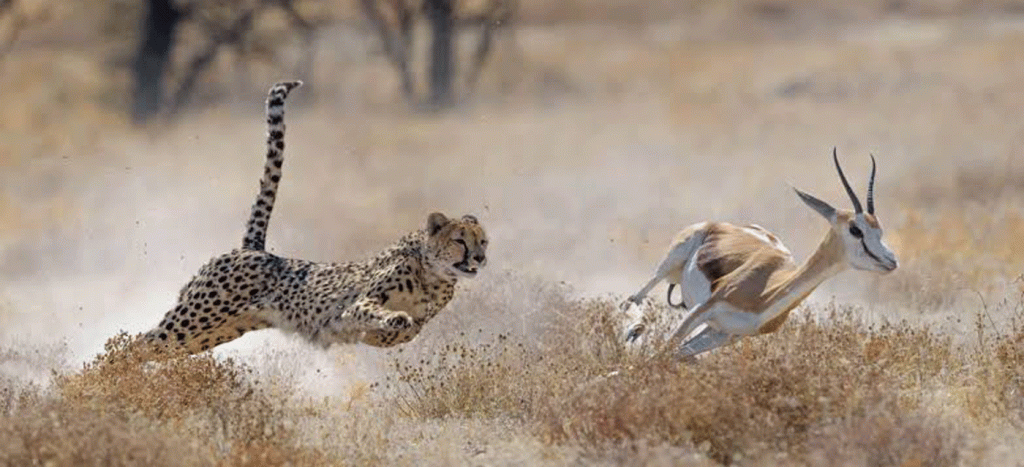
The Serengeti is one of the best places in the world to witness predator-prey interactions in their natural environment. These moments are raw, unpredictable and deeply educational.
Lions are the dominant predators. They hunt in groups using strategy and coordination. A typical lion hunt involves patience, positioning and sudden bursts of speed. The success of a hunt depends on teamwork and timing.
Cheetahs specialize in speed. They rely on short explosive chases that last only seconds. Their lightweight bodies and long legs allow them to accelerate quickly making them the fastest land animals.
Hyenas are intelligent and adaptable. They often hunt in clans and can work together to overpower prey. They are also skilled scavengers playing an important role in cleaning the ecosystem.
Leopards are stealth hunters. They rely on surprise attacks and often drag prey into trees to avoid competition. Their strength and agility make them one of the most efficient predators.
These interactions represent the natural food chain. Every hunt is part of ecosystem balance. Predators control herbivore populations while scavengers ensure nothing goes to waste. For visitors these moments provide a deeper understanding of survival. They show that nature operates on balance, not fairness and that every species has a role in maintaining the system.
Authentic Safari Experience
A safari in the Serengeti is one of the most authentic wildlife experiences in the world. It is not a controlled zoo environment it is real wilderness.Game drives are conducted in specialized vehicles led by experienced guides. These guides understand animal behavior track movements, and interpret signs in the environment such as footprints, sounds and feeding patterns.
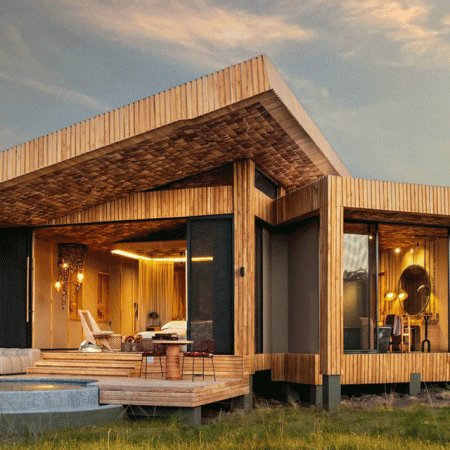
Accommodation options vary from luxury lodges to mobile tented camps. However, even luxury stays are designed to keep visitors close to nature. At night the experience becomes even more immersive. Instead of city noise you hear natural sounds lion roars, hyena calls and wind moving through grasslands.
There is no separation between humans and wildlife in the Serengeti. Animals move freely and visitors observe from a respectful distance. This creates a sense of coexistence rather than control. This authenticity is what makes the Serengeti safari experience unique compared to other destinations.
Hot Air Balloon Safari
A hot air balloon safari offers a completely different perspective of the Serengeti. It takes place at sunrise when the air is calm and the light is soft. As the balloon rises the landscape opens beneath you. From above the Serengeti looks endless. Herds of animals appear as moving patterns across the plains. Rivers and kopjes create natural textures in the land.
The experience is silent and peaceful. There is no engine noise only wind and occasional burner flames. This silence enhances the emotional impact of floating above the wilderness. From this height, you can observe wildlife behavior on a larger scale. You see migration routes, predator movements and herd formations in a way that is impossible from the ground. After landing a bush breakfast is often served in the open savannah completing the experience.
Maasai Culture
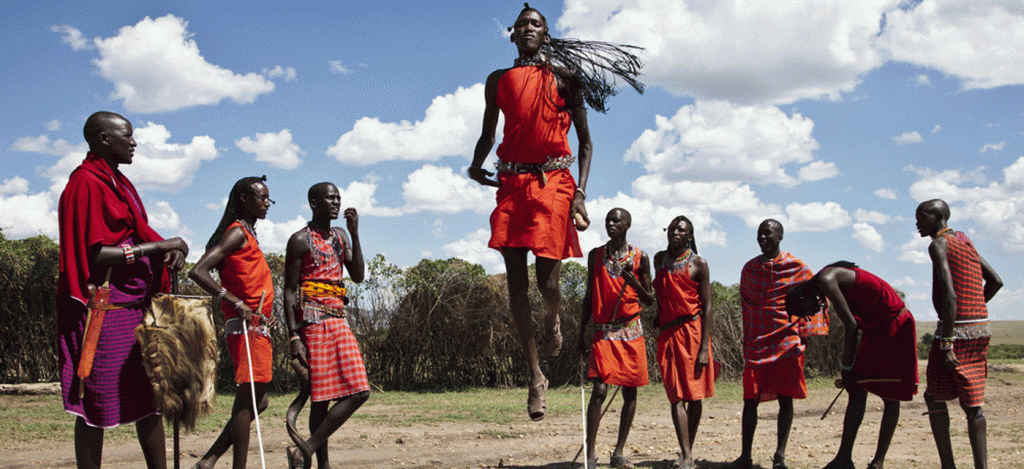
The Serengeti region offers more than extraordinary wildlife and vast landscapes; it also introduces travelers to the Maasai people, one of East Africa’s most iconic Indigenous communities. For centuries Maasai communities have lived alongside lions, elephants, zebras and giraffes while maintaining a strong connection with the natural environment. Their traditions and relationship with the land add an important cultural dimension to the Serengeti experience and show how people can share an ecosystem with wildlife.
The Maasai traditionally practice semi-nomadic pastoralism with cattle playing a central role in daily life. Families depend on cattle for food and income while also valuing them as symbols of wealth, identity and cultural pride. Seasonal rainfall, grazing conditions and water availability influence their movements and daily activities.
Travelers who visit Maasai communities can learn about traditional customs and observe homesteads known as bomas. Maasai families build these circular enclosures with natural materials such as sticks, mud and cow dung. The structures provide protection while supporting family and community life.
Traditional dances also showcase Maasai culture. Young warriors known as Moran, perform energetic jumping dances that demonstrate strength, endurance and cultural pride. Maasai beadwork provides another important cultural expression. Women create colorful necklaces, bracelets and earrings with different colors carrying symbolic meanings connected to values such as bravery, energy, peace and purity.
Maasai communities also organize social life through age sets, giving elders, warriors and other members distinct responsibilities. By engaging respectfully with Maasai communities, travelers gain a deeper understanding of cultural resilience, human adaptation and coexistence with nature.
Photography Paradise
The Serengeti stands among the world’s best wildlife photography destinations and Exceptional Photography Opportunities make it especially rewarding for photographers of every level. The combination of abundant wildlife, open landscapes and dramatic natural light gives photographers countless opportunities to create powerful images. Whether you use a professional camera or a smartphone the Serengeti allows you to capture wildlife and scenery in their natural environment.
The Serengeti provides remarkable opportunities to photograph authentic wildlife behavior. Predators hunt, rest and interact while herbivores graze, migrate and protect their young. You can photograph lions relaxing beneath acacia trees cheetahs scanning the plains from raised ground and elephants moving together in close family groups. Because these animals live freely you cannot predict every moment which makes each encounter exciting and unique.
The landscape also strengthens every photograph. Vast grasslands create clean backgrounds that help wildlife stand out clearly. You can frame animals against distant horizons, scattered acacia trees and rolling plains to show both the subject and its environment. Wide-open views also help photographers capture the incredible scale of the Serengeti ecosystem.
Natural light adds another dimension to Serengeti photography. During early mornings and late afternoons, the low sun creates warm tones, long shadows and strong textures across the grasslands. These golden-hour conditions can transform ordinary wildlife encounters into dramatic compositions. At sunset, the sky often develops rich orange, red, purple and gold tones while animals create striking silhouettes.
For travelers exploring with Serengeti Travels, careful timing, patient observation and guidance from experienced safari professionals can help you make the most of these exceptional photography opportunities.
Emotional Transformation
One of the most powerful reasons the Serengeti deserves a place on any bucket list is the deep emotional transformation it can create. Many travelers arrive expecting wildlife viewing, photography and adventure but the Serengeti often gives them something deeper a renewed perspective on life.
The Serengeti slows the human mind in a way that modern environments rarely can. Instead of constant notifications, traffic and digital distractions, visitors experience open space, natural sounds and peaceful rhythms. The day follows the sunrise, wildlife movements, changing light and sunset rather than a busy schedule. As visitors spend more time in this environment, they often feel calmer and more focused. The natural surroundings create space for reflection and help them appreciate the present moment.
The Serengeti also shows visitors nature in its most honest form. Lions hunt, herds protect their young and predators and scavengers follow the natural cycle of survival. These encounters can feel intense but they also demonstrate how life continues through constant change. By observing these natural processes visitors can gain a broader perspective on their own challenges.
The vast landscape creates another powerful emotional experience. Standing among endless plains and looking toward a distant horizon can make everyday worries feel smaller. The experience encourages humility while helping travelers see their lives from a wider perspective.
At night the Serengeti offers another opportunity for reflection. Under a sky filled with stars and surrounded by natural sounds, visitors can step away from distractions and think more clearly about their choices, relationships, goals and priorities. Serengeti Travels helps travelers experience this remarkable environment while creating memories that can influence how they see life long after the safari ends.
Frequently Asked Questions About Reasons Why Serengeti Should Be on Your Bucket List
Why should the Serengeti be on your bucket list?
The Serengeti should be on your bucket list because it combines extraordinary wildlife, vast landscapes, natural silence, the Great Wildebeest Migration and authentic cultural experiences in one remarkable ecosystem.
What is the main attraction of the Serengeti?
The Great Wildebeest Migration is one of the Serengeti’s biggest attractions but the park also offers year-round wildlife, Big Five sightings, spectacular landscapes, predator activity, photography opportunities and Maasai cultural experiences.
Can you see wildlife in the Serengeti all year?
Yes. The Serengeti supports abundant wildlife throughout the year. Lions, elephants, buffaloes, giraffes, zebras, cheetahs, leopards and many other species can be seen outside the main migration periods.
What makes the Great Wildebeest Migration special?
The Great Wildebeest Migration is a continuous natural cycle involving millions of wildebeest and large numbers of zebras and gazelles. The herds follow seasonal rainfall in search of fresh grazing and water.
Can you see the Big Five in the Serengeti?
Yes. The Serengeti is home to lions, leopards, elephants, buffaloes and rhinoceroses. While sightings of some species particularly rhinos can be more challenging the ecosystem provides opportunities to see all five.
Is the Serengeti good for photography?
Yes. Open plains, abundant wildlife, dramatic landscapes and changing natural light make the Serengeti an excellent destination for wildlife and landscape photography.
What makes a Serengeti safari authentic?
A Serengeti safari takes place in a functioning natural ecosystem where wildlife moves freely. Experienced guides help visitors understand animal behavior, tracks, landscapes and ecological processes during game drives.
What can you experience besides wildlife in the Serengeti?
Visitors can experience hot air balloon safaris, spectacular landscapes, natural silence, photography and cultural interactions with Maasai communities in the wider Serengeti region.
Can you experience Maasai culture near the Serengeti?
Yes. Travelers can visit Maasai communities to learn about traditional customs, pastoral lifestyles, bomas, beadwork, dances and community structures.
What makes the Serengeti landscape unique?
The Serengeti features vast grasslands, acacia trees, seasonal rivers, woodlands and granite kopjes. Its enormous scale creates a powerful sense of space and wilderness.
Is a Serengeti hot air balloon safari worth experiencing?
A hot air balloon safari offers a different perspective of the ecosystem. Sunrise flights provide aerial views of the plains, wildlife movements, rivers and kopjes while creating a peaceful experience above the wilderness.
Can a Serengeti safari be emotionally meaningful?
Yes. Spending time away from urban noise and digital distractions can encourage reflection and a stronger appreciation of nature. The scale and natural rhythms of the Serengeti can make the experience especially memorable.
Why choose Serengeti Travels for a Serengeti safari?
Serengeti Travels helps travelers explore the Serengeti with experienced safari professionals while experiencing its wildlife, migration, landscapes and natural ecosystems responsibly.
Conclusion
What makes the Serengeti truly stand out among the world’s natural destinations is not only what you see but how the experience changes your understanding of space, time and life. After exploring its wildlife, migration systems, predator dynamics and diverse landscapes you begin to understand that the Serengeti functions as a complete self-regulating ecosystem that continues naturally without human direction.
Unlike destinations designed mainly around human comfort and entertainment the Serengeti operates independently of visitors. You enter an ancient natural system as an observer, while wildlife continues to hunt, migrate, reproduce and adapt whether anyone is watching or not. Serengeti Travels helps travelers experience this remarkable environment while respecting the natural rhythms that make it unique.
The Serengeti also demonstrates the power of continuous ecological processes. While one area welcomes new life, another experiences predator activity and elsewhere animals respond to changing water and grazing conditions. These interconnected events create a living system where every species plays a role.
The park also challenges the modern expectation of control and predictability. Weather wildlife movements and ecological conditions can change quickly creating spontaneous moments that no itinerary can fully guarantee. That uncertainty makes every game drive feel authentic and different.
Spending time in the Serengeti can also sharpen your awareness. As artificial noise disappears, natural sounds become more noticeable, distances feel greater and time seems to move differently. The experience encourages you to observe patiently rather than rush from one attraction to another.
Ultimately the Serengeti shows how nature can maintain balance through adaptation and interdependence. Its greatest value comes from remaining a functioning natural world at an extraordinary scale. For anyone building a meaningful bucket list, experiencing the Serengeti firsthand offers far more than sightseeing it offers a deeper connection with nature itself.