 English
 Deutsch
 Italia
May 14, 2026
Serengeti National Park Safari Experience from Start to Finish
Introduction
A Serengeti National Park Safari Experience from Start to Finish is far more than an ordinary vacation. It is an unforgettable journey into one of the most extraordinary wilderness regions on Earth where nature still moves according to ancient rhythms and wildlife roams freely across endless plains without fences or boundaries. For many travelers visiting Serengeti National Park represents a lifelong dream inspired by wildlife documentaries, breathtaking photographs, books and stories of Africa’s incredible beauty.
The experience offers much more than seeing animals. It provides adventure, discovery, emotional connection, cultural understanding and a deeper appreciation for the natural world.
Located in northern Tanzania Serengeti National Park is one of Africa’s most famous safari destinations and one of the most celebrated wildlife ecosystems in the world. Covering nearly 15,000 square kilometers the Serengeti is home to an astonishing diversity of wildlife, including lions, elephants, leopards, cheetahs, buffalo, giraffes, zebras, wildebeest, crocodiles, hippos, hyenas and hundreds of bird species.
The park is especially renowned for the Great Migration a massive movement of more than two million wildebeest, zebras and gazelles across the Serengeti ecosystem in search of fresh grazing and water. This migration is considered one of the greatest wildlife spectacles on the planet and attracts visitors from every corner of the globe.
The word Serengeti originates from the Maasai language and means endless plains. This name perfectly captures the feeling travelers experience upon entering the park for the first time. Vast grasslands stretch toward the horizon beneath huge African skies, while scattered acacia trees and rocky kopjes create iconic safari scenery. Unlike many places in the modern world filled with noise, crowds and constant distractions, the Serengeti offers a rare sense of freedom, silence and connection to nature.
The safari experience begins long before arriving in Tanzania. It starts during the planning stages when travelers research the best seasons, safari routes, accommodations and wildlife experiences. Excitement grows as departure dates approach and imaginations fill with visions of lions walking through golden grass, elephants gathering near rivers and sunsets glowing across the savannah.
Table of contents
- Introduction
- Understanding Serengeti National Park
- Planning the Safari Adventure for Serengeti National Park Safari Experience from Start to Finish
- Arrival in Tanzania for Serengeti National Park Safari Experience from Start to Finish
- The Journey to Serengeti National Park
- First Impressions of the Serengeti
- Safari Accommodation for Serengeti National Park Safari Experience from Start to Finish
- Early Morning Safari Experience
- Wildlife Encounters in the Serengeti
- The Big Five Experience for Serengeti National Park Safari Experience from Start to Finish
- Experiencing the Great Migration
- The Role of Safari Guides for Serengeti National Park Safari Experience from Start to Finish
- Picnic Lunches in the Wilderness
- Sunset and Evening Atmosphere
- Night Sounds of the Serengeti
- Photography During the Safari
- Cultural Encounters with the Maasai
- Balloon Safari Experience
- Challenges During Serengeti National Park Safari Experience from Start to Finish
- Conservation and Environmental Awareness
- Emotional Impact of the Safari Experience
- Family Safari Experience
- Luxury Versus Budget Safari Experiences
- Food and Dining Experience
- Safety During the Safari
- The Final Game Drive
- Returning to Arusha and Departure
- Why the Serengeti Safari Experience Is Unique
- Best Tips for an Unforgettable Serengeti Safari
- Conclusion
Understanding Serengeti National Park
Serengeti National Park is located in northern Tanzania and forms part of the larger Serengeti ecosystem that extends into Kenya’s Maasai Mara. The park covers approximately 14,750 square kilometers, making it one of Africa’s largest and most famous protected wildlife areas. The word “Serengeti” comes from the Maasai language, meaning “endless plains,” a perfect description of the vast grasslands that stretch toward the horizon.
The park is recognized as a UNESCO World Heritage Site because of its ecological importance and extraordinary wildlife population. It hosts one of the oldest ecosystems on Earth where the balance between predators and prey has remained largely unchanged for thousands of years.
The Serengeti ecosystem includes open plains, riverine forests, rocky kopjes, woodlands, swamps and seasonal rivers. Each habitat supports different animal species and creates diverse safari experiences throughout the year.
The southern plains become the calving grounds during the Great Migration season attracting thousands of predators. The central Serengeti is famous for year-round wildlife sightings and beautiful kopjes where lions often rest. Western Serengeti features river crossings and dense vegetation while northern Serengeti is known for dramatic Mara River crossings during migration season.
Understanding the geography and wildlife patterns of the Serengeti helps travelers appreciate the complexity and beauty of the safari experience.
Planning the Safari Adventure for Serengeti National Park Safari Experience from Start to Finish
The Serengeti safari experience begins with careful planning. Choosing the right time, safari type, accommodation and travel route significantly shapes the journey.
One of the first decisions travelers make is selecting the best season. The dry season between June and October is considered ideal for wildlife viewing because animals gather near water sources and vegetation is shorter making sightings easier. However, the wet season from November to May also offers incredible experiences, including lush green landscapes, fewer tourists, excellent birdwatching and the wildebeest calving season.
Travelers also decide whether they want a luxury safari, mid-range safari, budget safari, camping safari or fly-in safari. Luxury safaris provide premium lodges, personalized service, gourmet meals and exclusive experiences. Mid-range safaris balance comfort and affordability while budget safaris focus on adventure and value. Camping safaris bring travelers closer to nature often allowing them to hear lions roaring at night from nearby plains.
Another important part of planning is choosing the safari duration. Some visitors spend only two or three days in the Serengeti while others explore for over a week. Longer safaris increase the chances of witnessing rare wildlife behavior and allow travelers to experience different regions of the park.
Travelers must also prepare important documents such as passports, visas, travel insurance and vaccination certificates when required. Packing the right clothing is equally essential. Neutral-colored clothing, comfortable shoes, hats, sunglasses, sunscreen, binoculars, cameras and warm layers for early morning drives are highly recommended.
Excitement usually builds as departure day approaches. Travelers imagine the landscapes, animals and adventures awaiting them in Tanzania.
Arrival in Tanzania for Serengeti National Park Safari Experience from Start to Finish
The safari experience truly begins upon arrival in Tanzania. Most international travelers land at Kilimanjaro International Airport near Arusha the gateway city for northern Tanzania safaris. Others may arrive through Julius Nyerere International Airport in Dar es Salaam before connecting to Arusha.
After long international flights, many travelers feel a mixture of excitement, curiosity and anticipation. The warm African air friendly smiles from local people and first views of Tanzania create an immediate sense of adventure. Safari operators usually greet travelers at the airport and transfer them to hotels or lodges in Arusha. During this first evening travelers often receive safari briefings explaining the itinerary, safety rules, wildlife expectations and travel details.
Arusha itself is an important safari hub surrounded by beautiful scenery. Mount Meru towers above the city and local markets provide glimpses of Tanzanian culture before the safari officially begins. Many travelers spend the night relaxing after their journey, enjoying Tanzanian cuisine and preparing mentally for the adventure ahead.
The Journey to Serengeti National Park
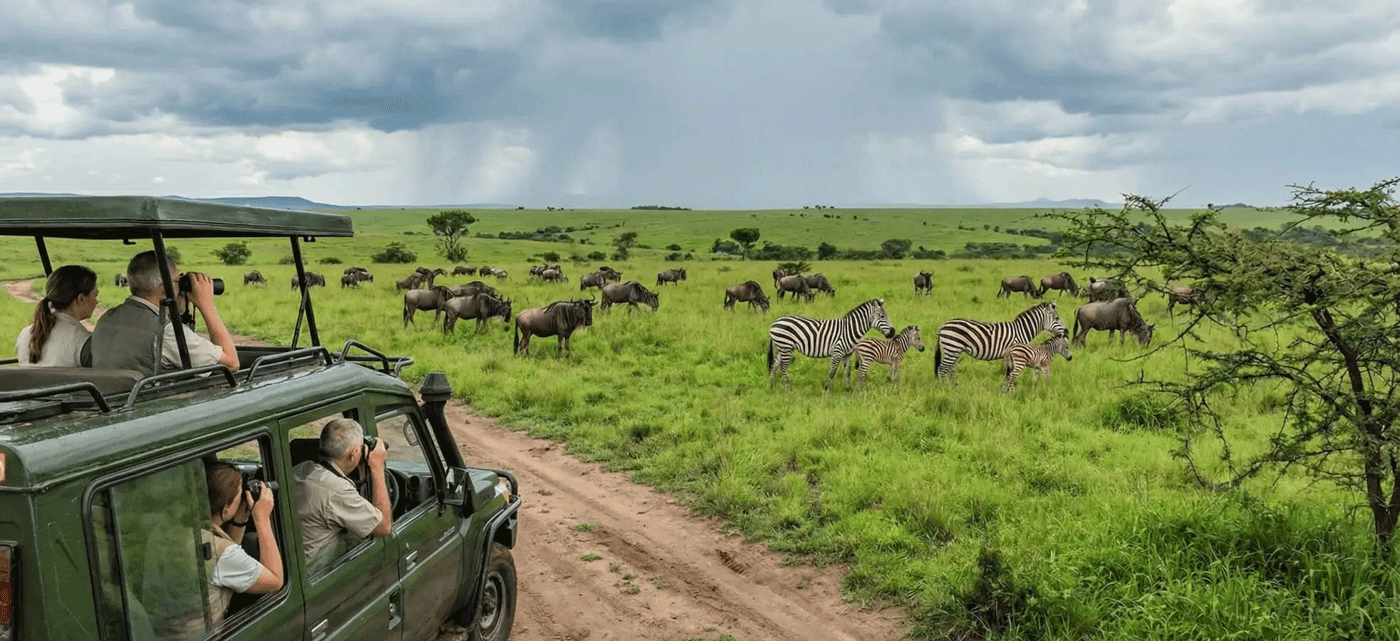
Traveling to Serengeti National Park is an adventure itself. Most safaris begin with an early morning departure from Arusha using specially designed 4×4 safari vehicles. These vehicles feature pop-up roofs for wildlife viewing and are built to handle rough safari roads.
The drive to Serengeti usually passes through the Ngorongoro Conservation Area one of Tanzania’s most scenic regions. Along the way, travelers witness changing landscapes including villages, farms, forests and volcanic highlands. As the road climbs toward Ngorongoro, breathtaking views appear across the Rift Valley and surrounding hills. Maasai herders dressed in colorful traditional clothing are often seen walking with cattle beside the road.
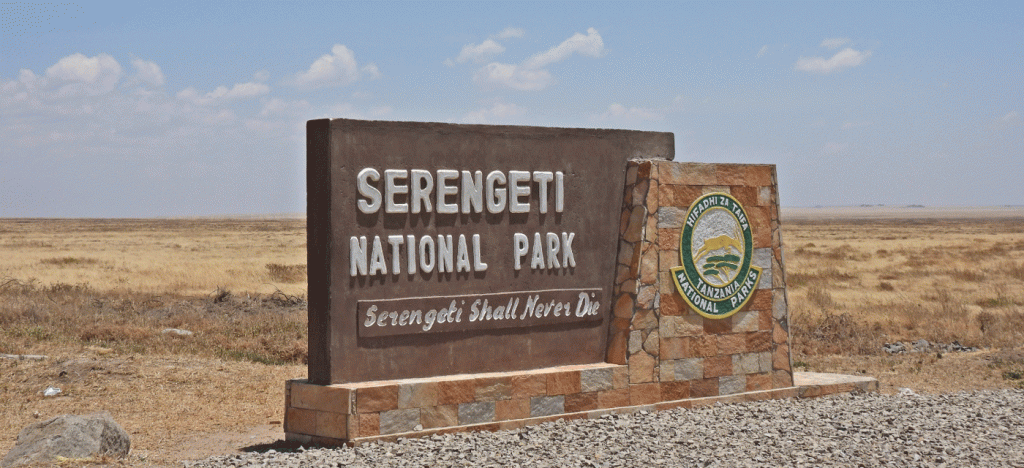
Many safaris stop at viewpoints overlooking the Ngorongoro Crater allowing travelers to admire one of Africa’s natural wonders. The transition from busy towns to wild landscapes creates growing excitement as travelers move deeper into the wilderness. Eventually the entrance gates of Serengeti National Park appear. This moment is unforgettable for many first-time visitors. Passing through the gates feels like entering another world where wildlife moves freely across ancient plains.
The first animals are often seen almost immediately after entering the park. Zebras graze beside the road giraffes walk gracefully among trees and antelope species appear across the grasslands. Cameras come alive and excitement fills the safari vehicle.
First Impressions of the Serengeti
The first impressions of Serengeti National Park are often emotional and overwhelming. The vastness of the plains creates a powerful sense of freedom and wildness that is difficult to describe. Unlike zoos or smaller wildlife parks the Serengeti feels truly untouched. There are no fences restricting animal movement across the endless ecosystem. Wildlife behaves naturally and every encounter feels authentic.
The silence of the plains is occasionally interrupted by bird calls, distant animal sounds or the rumbling engine of the safari vehicle. Golden grasses sway beneath wide African skies while isolated acacia trees create classic safari scenery. Many travelers are surprised by the sheer abundance of wildlife. Herds of wildebeest stretch across the plains elephants walk peacefully through the bush and predators rest beneath trees during the heat of the day.
The landscape constantly changes depending on the region and season. Southern Serengeti features wide open grasslands while central areas include rocky kopjes and scattered trees. Rivers and forests add further diversity to the ecosystem. The atmosphere of the Serengeti creates a deep connection with nature. Travelers quickly realize they are witnessing one of the last great wilderness areas remaining on Earth.
Safari Accommodation for Serengeti National Park Safari Experience from Start to Finish
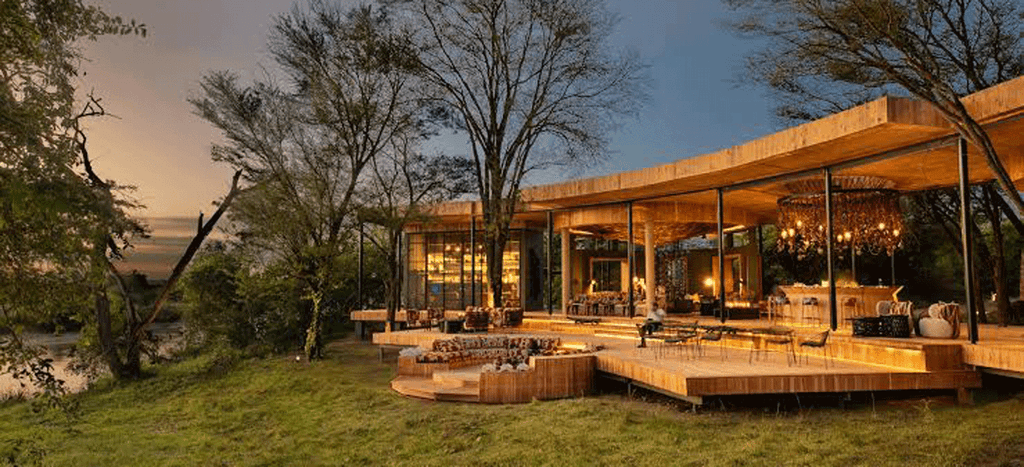
Accommodation is an essential part of the Serengeti safari experience. The park offers options ranging from luxury lodges to mobile camps and budget campsites.
Luxury lodges provide exceptional comfort in the middle of the wilderness. Spacious rooms, elegant décor, private verandas, swimming pools, fine dining and personalized service create unforgettable stays. Some lodges overlook rivers where hippos and crocodiles gather, while others offer panoramic views across the plains.
Tent camps provide a more adventurous and authentic safari atmosphere while still offering comfort. Modern safari tents often include proper beds, private bathrooms, hot showers and dining areas. Staying in a tent camp allows travelers to feel closer to nature especially at night when animal sounds echo through the darkness.
Mobile migration camps follow wildlife movements throughout the year placing travelers near the best migration viewing areas. These camps combine mobility with comfort and immersion in the wilderness.
Budget campsites offer simpler facilities but provide exciting experiences for adventurous travelers. Sitting around campfires beneath star-filled skies becomes one of the most memorable parts of the safari.
Meals are usually excellent regardless of accommodation type. Fresh fruits, soups, grilled meats, vegetables, rice, pasta and local dishes are commonly served. Many lodges prepare picnic lunches for full-day game drives. Hospitality in Tanzania is warm and welcoming. Lodge staff often go above expectations to ensure guests feel comfortable and connected to the safari experience.
Early Morning Safari Experience
One of the most exciting moments during a Serengeti safari is waking before sunrise for an early morning game drive. The air is cold and fresh, darkness still covers the plains and distant animal calls echo through the wilderness. Travelers usually gather for coffee or tea before departing in safari vehicles just before dawn. As the first light appears on the horizon the Serengeti slowly awakens.
Morning game drives are highly rewarding because many animals are most active during cooler hours. Lions may still be hunting, leopards descend from trees after nighttime activity and cheetahs scan the plains for prey.
The sunrise itself is magical. Golden light spreads across the savannah while silhouettes of giraffes and acacia trees create breathtaking scenes. Birdlife becomes especially active during early mornings. Eagles soar overhead, colorful bee-eaters hunt insects and ostriches move across open grasslands.
Safari guides use their knowledge and radio communication to locate wildlife sightings. The excitement inside the vehicle increases whenever fresh predator tracks are discovered or distant movement appears on the horizon. Early morning drives often produce some of the safari’s best moments because predators are still active and lighting conditions are perfect for photography.
Wildlife Encounters in the Serengeti
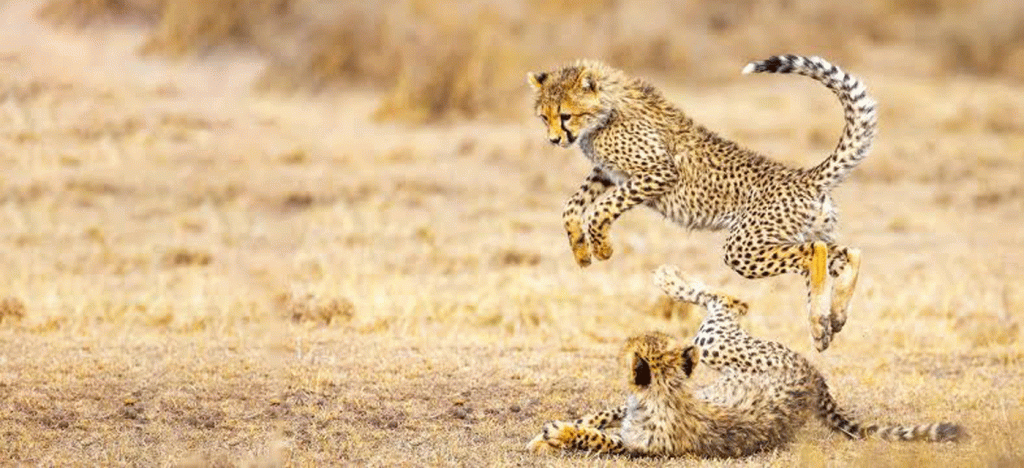
Wildlife encounters form the heart of every Serengeti safari experience. Seeing animals in their natural environment creates powerful emotions that remain unforgettable. Lions are among the most sought-after sightings. The Serengeti hosts one of Africa’s largest lion populations. Travelers frequently encounter prides resting beneath trees, cubs playing near kopjes or males patrolling territories.
Cheetahs provide thrilling sightings as they scan the plains from termite mounds searching for prey. Their speed and elegance make them favorites among photographers. Leopards are more elusive but incredibly rewarding to spot. These solitary cats often rest in trees during the daytime.
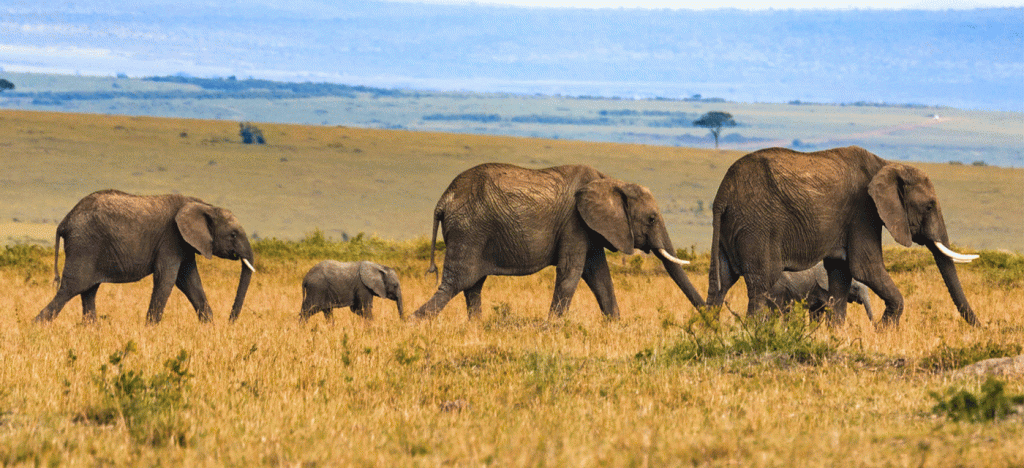
Elephants move peacefully through the park in family groups led by experienced matriarchs. Watching elephants interact socially is both fascinating and emotional. Buffalo herds sometimes number in the hundreds while giraffes gracefully feed from acacia trees. Hippos crowd rivers and pools producing loud grunts and splashes.
Hyenas reveal their intelligence and complex social structures during scavenging or hunting activities. Jackals, servals, bat-eared foxes and other smaller predators also appear.
The Serengeti is equally important for bird enthusiasts. Over 500 bird species inhabit the ecosystem, including vultures, hornbills, secretary birds, flamingos and colorful kingfishers. Each game drive feels different because wildlife behavior constantly changes. Travelers may witness dramatic predator hunts, peaceful grazing scenes, territorial conflicts or intimate family interactions.
The Big Five Experience for Serengeti National Park Safari Experience from Start to Finish
For many visitors, seeing the Big Five is a major safari goal. The Big Five refers to lions, leopards, elephants, buffalo and rhinos. The Serengeti offers excellent opportunities to see four of these species regularly. Rhinos are rare within the park itself but can sometimes be seen in nearby Ngorongoro Conservation Area.
Seeing lions in the Serengeti is usually relatively common because of the park’s healthy population. Watching a pride rest beneath an acacia tree or observing cubs playing near rocky kopjes creates unforgettable memories. Leopards require patience and luck. Safari guides often search riverine forests and trees where these elusive cats prefer resting.
Elephants provide emotional encounters due to their intelligence and family behavior. Travelers frequently watch calves protected by older females while massive bulls move independently. Buffalo are widespread and impressive because of their strength and unpredictable nature. Large herds crossing roads or gathering near water sources create dramatic scenes.
Completing the Big Five experience gives travelers a sense of accomplishment and deeper appreciation for Africa’s wildlife heritage.
Experiencing the Great Migration
The Great Migration is considered one of the greatest wildlife spectacles on Earth. More than two million wildebeest, zebras and gazelles move across the Serengeti ecosystem in a circular journey driven by rainfall and fresh grazing. Witnessing the migration transforms a safari into an extraordinary experience. Massive herds stretch across the plains, creating endless movement and sound.
During calving season in the southern Serengeti thousands of wildebeest calves are born within a short period. Predators gather in large numbers because vulnerable young animals provide hunting opportunities.
River crossings are among the most dramatic migration moments. Wildebeest gather nervously beside crocodile-filled rivers before suddenly rushing into the water in chaotic waves. The migration is not a single event but a continuous cycle shaped by seasonal changes. Different regions of the Serengeti provide unique migration experiences throughout the year.
Travelers often describe migration sightings as emotional, intense and unforgettable. The scale of animal movement demonstrates the incredible power of nature and survival instincts.
The Role of Safari Guides for Serengeti National Park Safari Experience from Start to Finish
Professional safari guides play a crucial role in shaping the Serengeti experience. Their knowledge, tracking skills and storytelling abilities transform ordinary game drives into educational adventures.
Experienced guides understand animal behavior, ecosystems, bird species and conservation challenges. They can identify tracks, interpret sounds and predict where wildlife may appear. Guides also ensure safety by following park regulations and maintaining respectful distances from animals.
Many guides share fascinating stories about local culture, history and wildlife conservation efforts. Their passion for the Serengeti often inspires travelers to develop deeper appreciation for nature. A skilled guide can turn even small wildlife encounters into meaningful experiences by explaining animal interactions and ecological relationships.
Communication between guides across the park helps locate rare sightings, increasing the chances of witnessing extraordinary moments. Travelers frequently remember their guides as one of the most important parts of their safari because of the friendships and learning experiences created during the journey.
Picnic Lunches in the Wilderness
Picnic lunches during safari game drives create memorable moments of relaxation surrounded by nature. Many safari operators prepare packed lunches including sandwiches, chicken, fruits, snacks, juice and desserts. Special picnic sites are located throughout the park, often near scenic viewpoints or wildlife-rich areas.
Sitting beneath trees while watching zebras graze nearby or listening to birds calling from the bush creates a unique dining experience impossible to replicate elsewhere. Travelers often share stories and excitement about morning sightings while enjoying lunch in the wilderness.
Some picnic areas are visited by curious birds or small animals searching for food scraps adding entertainment to the experience. Although simple these outdoor meals become meaningful because they allow travelers to remain immersed in the Serengeti environment throughout the day.
Sunset and Evening Atmosphere
Evenings in the Serengeti carry a special atmosphere that many travelers consider magical. As the sun lowers toward the horizon, golden light transforms the landscape into breathtaking scenery. Silhouettes of giraffes, elephants and acacia trees create iconic African images.
Predators often become active again during cooler evening hours. Lions begin moving across the plains while hyenas patrol territories searching for opportunities. Returning to camp after sunset brings a sense of satisfaction and reflection. Travelers gather around campfires sharing stories from the day’s adventures.
The sounds of the African night gradually emerge. Lions roar in the distance, hyenas laugh through the darkness and insects create continuous background music. Looking upward reveals extraordinary stars because of minimal light pollution. The Milky Way stretches clearly across the sky creating unforgettable nighttime scenes.
The evening atmosphere encourages relaxation, connection and appreciation for the wilderness experience.
Night Sounds of the Serengeti
One of the most unforgettable parts of staying inside Serengeti National Park is hearing the sounds of wildlife throughout the night. Unlike cities filled with traffic and artificial noise the Serengeti becomes alive with natural sounds after dark.
Lions roar across the plains to communicate territory ownership. Their deep calls can travel several kilometers through the night air. Hyenas produce eerie laughing sounds while searching for food. Hippos grunt loudly near rivers and pools. Sometimes zebras bark warnings if predators move nearby while owls call from trees surrounding camp.
For first-time safari travelers, these sounds can feel both thrilling and slightly intimidating because they remind visitors they are sharing the wilderness with wild animals. Luxury lodges and camps maintain strong safety measures often escorting guests between tents and dining areas after dark.
Falling asleep while listening to authentic African wilderness sounds creates one of the deepest connections to the safari environment.
Photography During the Safari
Photography plays an important role in preserving safari memories. The Serengeti offers endless opportunities for breathtaking wildlife and landscape photography. Early morning and late afternoon provide the best lighting conditions. Golden sunlight enhances animal colors and creates dramatic shadows across the plains.
Travelers photograph lions resting on kopjes, elephants walking against sunsets, cheetahs scanning grasslands and wildebeest herds stretching toward the horizon. Patience is essential for capturing extraordinary moments. Wildlife behavior changes quickly and unexpected action can happen at any time.
Safari guides often position vehicles carefully to provide ideal photography angles while respecting animal space. Bird photography is equally rewarding due to the Serengeti’s incredible diversity of species and colors.
Some travelers focus on landscapes and cultural scenes rather than only wildlife. Maasai villages, acacia trees, storm clouds and dramatic sunsets create powerful images representing the spirit of East Africa. Beyond cameras many travelers also value simply observing wildlife directly without constantly focusing through a lens.
Cultural Encounters with the Maasai
Many Serengeti safaris include opportunities to visit Maasai communities living near the park. The Maasai are among East Africa’s most famous indigenous groups, known for their colorful clothing, cattle herding traditions and strong cultural identity. Visiting a Maasai village allows travelers to learn about traditional lifestyles, housing structures, ceremonies, dances and daily activities.
Maasai guides often explain their relationship with wildlife and how communities coexist alongside predators and migratory animals. Traditional dances and songs create energetic cultural experiences that contrast beautifully with the wildlife-focused parts of the safari.
Travelers may also purchase handmade jewelry, beadwork and crafts directly from local artisans supporting community income.
Respectful cultural tourism helps preserve traditions while providing educational exchanges between visitors and local communities.These interactions remind travelers that the Serengeti ecosystem is not only about wildlife but also about people who have lived alongside nature for generations.
Balloon Safari Experience
A hot air balloon safari over the Serengeti is considered one of the most luxurious and unforgettable safari activities. The experience begins before sunrise when travelers drive to the launch site in darkness. As the balloon inflates, excitement builds rapidly.
Once airborne the Serengeti reveals itself from a completely different perspective. Herds of wildebeest appear like moving patterns across the plains while rivers, kopjes and forests create stunning landscapes below.
The silence of balloon flight enhances the sense of peace and wonder. Occasionally the balloon descends lower allowing closer wildlife viewing. Sunrise from the sky creates extraordinary colors across the landscape. Photographers especially value balloon safaris because of the unique aerial perspectives.
After landing many balloon safaris include champagne breakfasts served in the bush beneath acacia trees. Although expensive balloon safaris are often described as once in a lifetime experience that add exceptional memories to the Serengeti adventure.
Challenges During Serengeti National Park Safari Experience from Start to Finish
Despite its beauty a Serengeti safari also involves certain challenges that travelers should understand. Long driving distances can become tiring especially on rough roads. Dust during dry seasons may affect comfort while rain can make roads muddy and difficult.
Wildlife sightings are never guaranteed because animals move freely within the ecosystem. Patience is important especially when searching for elusive species. Early morning wake up times may feel exhausting for some travellers particularly after long travel days. Internet and phone connectivity inside the park are often limited encouraging travelers to disconnect from modern distractions.
Weather conditions can change rapidly. Days may become extremely hot while mornings and evenings remain cold. Insects such as mosquitoes are present in some areas making insect repellent essential. However, most travelers quickly realize these small challenges are part of the authentic safari experience and are greatly outweighed by the beauty and excitement of the adventure.
Conservation and Environmental Awareness
A safari in Serengeti National Park also creates awareness about conservation and environmental protection. Travelers learn about threats facing wildlife including poaching, habitat loss, climate change and human population growth.
Park authorities, conservation organizations, guides and local communities work together to protect the Serengeti ecosystem for future generations. Tourism plays an important role in conservation because park fees support wildlife protection, ranger programs, infrastructure and community development.
Many lodges now implement eco-friendly practices such as solar energy, waste reduction and water conservation. Travelers are encouraged to respect wildlife by avoiding loud noise, littering and disturbing animals.
Experiencing the Serengeti firsthand often inspires visitors to support wildlife conservation efforts long after returning home. The safari becomes not only an adventure but also an educational journey highlighting humanity’s responsibility to protect natural heritage.
Emotional Impact of the Safari Experience
A Serengeti safari often creates strong emotional reactions among travelers. Seeing wild animals living freely in their natural habitat can feel deeply moving especially for people who have only experienced wildlife through television or zoos.
Moments such as watching a lioness protect cubs, witnessing elephants caring for calves or observing migration herds crossing rivers create emotional connections with nature.
Many travelers describe feeling humbled by the scale and beauty of the Serengeti ecosystem. The absence of urban distractions allows visitors to slow down, appreciate silence and reconnect with the natural world.
Sunrises, sunsets, star-filled skies and wilderness sounds contribute to a sense of peace and perspective rarely experienced in everyday life. Some travelers even describe their safari as life-changing because it reshapes how they think about wildlife, conservation and humanity’s relationship with nature. The emotional power of the Serengeti often remains long after the journey ends.
Family Safari Experience
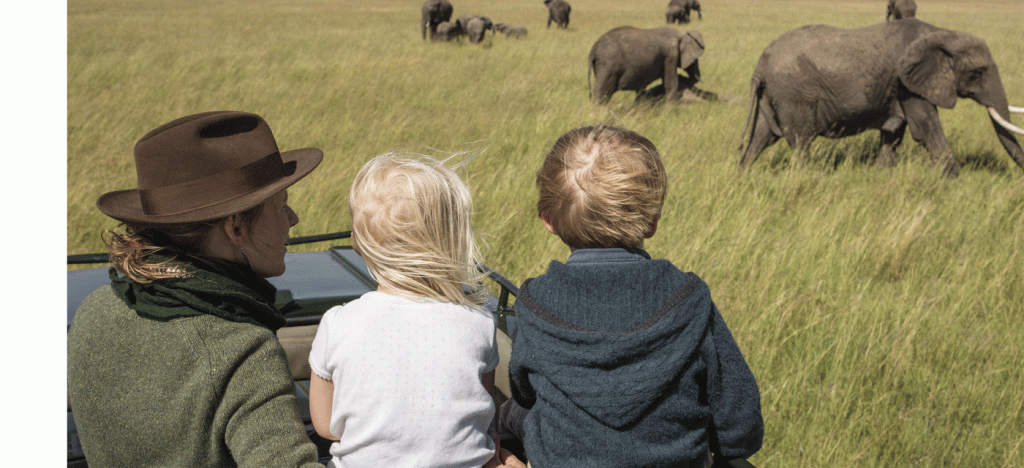
The Serengeti is also an excellent destination for families seeking educational and adventurous travel experiences. Children often become fascinated by seeing animals they previously knew only from books or cartoons. Watching lions, elephants, zebras and giraffes in real life creates unforgettable childhood memories.
Many lodges provide family-friendly accommodations and activities designed for younger travelers. Safari guides frequently teach children about animal behavior, tracking, ecosystems and conservation in engaging ways. Families also benefit from spending time together without the distractions of modern technology.
Parents often appreciate how safaris inspire curiosity, patience and respect for nature among children. However, families should choose itineraries carefully to avoid exhausting young travelers with overly long game drives. The combination of adventure, education and shared memories makes Serengeti safaris meaningful for travelers of all ages.
Luxury Versus Budget Safari Experiences
The Serengeti offers safari experiences suitable for different travel budgets. Luxury safaris focus on comfort, exclusivity, and premium service. Travelers enjoy elegant lodges, gourmet dining, private game drives, spa treatments and personalized attention. Some luxury camps provide butler service, infinity pools and exceptional locations overlooking wildlife-rich areas.
Budget safaris prioritize adventure and affordability while still delivering incredible wildlife experiences. Shared vehicles, simpler accommodations and public campsites help reduce costs. Mid-range safaris balance comfort and value making them popular among many travelers. Regardless of budget, the true highlight remains the Serengeti itself. The wildlife, landscapes and wilderness atmosphere remain extraordinary across all safari categories.
Travelers often realize that even simple camps can provide deeply rewarding experiences because of the surrounding natural beauty. Choosing the right safari style depends on personal preferences, travel goals, and financial considerations.
Food and Dining Experience
Food becomes an enjoyable part of the safari journey. Safari lodges and camps usually offer surprisingly high-quality meals considering their remote wilderness locations. Breakfasts may include eggs, sausages, pancakes, fruits, cereals, coffee and tea. Lunches range from picnic meals during game drives to buffet-style dining at camps. Dinner is often a social highlight where travelers gather to share stories from the day while enjoying multiple course meals.
Local Tanzanian flavors sometimes appear through dishes such as grilled nyama choma, rice, stews, chapati and fresh tropical fruits. Vegetarian, vegan and dietary requirements are commonly accommodated when communicated in advance. Dining beneath African skies while hearing wildlife sounds nearby creates unforgettable safari atmospheres. Even simple bush breakfasts or sunset drinks in the wilderness become memorable because of their unique surroundings.
Safety During the Safari
Safety is carefully managed throughout Serengeti safari experiences. Professional guides understand wildlife behavior and follow strict safety regulations inside the park. Travelers are instructed to remain inside safari vehicles during game drives except in designated areas.
Lodges and camps often provide escorts after dark because dangerous animals occasionally move near accommodations. Despite the presence of predators, serious incidents involving tourists are extremely rare when safety instructions are followed. Safari vehicles are specially designed for protection and visibility.
Health precautions such as travel insurance, vaccinations, hydration and insect protection help ensure comfortable journeys. Most travelers feel safe throughout their safari because of the professionalism and experience of guides, drivers and camp staff.
The Final Game Drive
As the safari approaches its end, the final game drive becomes emotional for many travelers. There is often a strong desire to see favorite animals one more time or witness a final extraordinary moment.
Travelers may reflect on the incredible experiences already shared lion sightings, migration herds, elephant encounters, sunsets and campfire conversations. Even ordinary wildlife sightings feel meaningful because visitors know their time in the Serengeti is ending.
The landscapes themselves become deeply familiar after several days in the wilderness. Some travelers feel sadness about leaving the park, while others feel gratitude for having experienced one of the world’s greatest natural destinations. The final drive often includes quiet reflection mixed with excitement whenever animals appear. Eventually, safari vehicles begin the journey back toward Arusha or nearby airstrips marking the conclusion of the Serengeti adventure.
Returning to Arusha and Departure
Returning to Arusha after days in the Serengeti creates a noticeable contrast between wilderness and urban life. Travelers often feel changed by the experience. The sounds of traffic and busy streets seem very different after spending time surrounded by nature. Many people spend their final evening shopping for souvenirs, relaxing at hotels or sharing safari photographs with fellow travelers.
Airport transfers and international departures mark the physical end of the safari but mentally many travelers continue reliving their experiences long afterward. Conversations during flights home often focus on favorite wildlife encounters, dramatic moments and unforgettable landscapes. Safari memories usually remain vivid because the Serengeti stimulates emotions, senses and imagination in powerful ways.
Many travelers begin dreaming about returning to Africa even before reaching home.
Why the Serengeti Safari Experience Is Unique
The Serengeti safari experience stands apart from most travel experiences because it combines adventure, beauty, education, emotion and authenticity. Very few places on Earth still support such massive wildlife populations living freely across enormous natural landscapes.
The Serengeti offers constant unpredictability. Every game drive is different and nature determines what travelers witness. Unlike artificial attractions, the safari experience feels real and unscripted. Predator hunts, migration crossings, animal interactions and dramatic weather changes happen naturally. The combination of wildlife, landscapes, Maasai culture and luxury or adventure accommodations creates diverse experiences appealing to many types of travelers.
The Serengeti also encourages deeper appreciation for conservation and the importance of protecting wilderness areas. Most importantly the safari creates emotional connections with nature that remain unforgettable. Travelers return home with not only photographs but also renewed respect for wildlife and the natural world.
Best Tips for an Unforgettable Serengeti Safari
Planning carefully helps maximize the Serengeti safari experience. Travelers should choose experienced safari operators with knowledgeable guides and reliable vehicles. Packing lightweight neutral colored clothing, binoculars, cameras, sunscreen, hats and warm layers improves comfort during game drives. Patience is important because wildlife viewing depends on timing, luck and animal movement.
Listening carefully to guides enhances understanding of ecosystems and animal behavior. Travelers should also balance photography with direct observation to fully absorb the beauty of the surroundings.
Respecting wildlife by avoiding loud behavior and following safety rules helps preserve the integrity of the safari experience. Keeping an open mind allows travelers to appreciate not only famous animals but also smaller details such as birds, landscapes, insects and cultural interactions. Most importantly slowing down and embracing the rhythm of the wilderness creates deeper enjoyment.
Frequently Asked Questions About the Serengeti Safari Experience
1. What is a Serengeti National Park safari experience like?
A Serengeti safari combines wildlife viewing, game drives, nature, culture and adventure. Travelers can see lions, elephants, cheetahs, leopards, wildebeest, zebras and many other species in their natural habitat.
2. How does a Serengeti safari begin?
The experience begins with planning your season, safari type, accommodation and itinerary. Most international travelers arrive in Tanzania through Kilimanjaro International Airport and usually spend time in Arusha before starting the safari.
3. What can I expect when traveling from Arusha to Serengeti?
The journey usually passes through changing landscapes, including villages, farms, forests and the Ngorongoro Conservation Area. As you approach Serengeti, the scenery becomes increasingly wild and wildlife sightings may begin near the park entrance.
4. What animals can I see during a Serengeti safari?
You may see lions, elephants, leopards, cheetahs, buffalo, giraffes, zebras, wildebeest, hippos, crocodiles, hyenas and hundreds of bird species.
5. Can I see the Big Five in Serengeti National Park?
Yes. Serengeti offers excellent opportunities to see lions, leopards, elephants and buffalo. Rhinos are much rarer in the park and may be seen in the nearby Ngorongoro Conservation Area.
6. When is the best time for a Serengeti safari?
June to October is popular for wildlife viewing because vegetation is shorter and animals often gather around water sources. November to May offers green landscapes, excellent birdwatching and the wildebeest calving season.
7. What is the Great Migration experience like in Serengeti?
The Great Migration involves more than two million wildebeest, zebras and gazelles moving through the ecosystem in search of fresh grazing and water. Depending on the season and location, travelers may experience calving, large herds or dramatic river crossings.
8. Where can I stay during a Serengeti safari?
Accommodation ranges from luxury lodges and comfortable tented camps to mobile migration camps and budget campsites. Your choice depends on your preferred comfort level, safari style and budget.
9. What is an early morning game drive like?
Early morning drives begin around sunrise when temperatures are cooler and many animals remain active. Travelers may encounter predators, grazing animals and birds while enjoying excellent morning light for photography.
10. Is a Serengeti safari safe?
Yes, when travelers follow their guide’s instructions and park safety regulations. Visitors should remain inside safari vehicles during game drives and follow camp safety procedures, especially after dark.
11. What should I pack for a Serengeti safari?
Useful items include neutral-colored clothing, comfortable shoes, warm layers, a hat, sunglasses, sunscreen, binoculars, a camera and insect repellent.
12. What challenges should I expect during a Serengeti safari?
Long drives, rough roads, dust, changing weather, early mornings, limited connectivity and unpredictable wildlife sightings can present challenges. Good preparation and patience make the experience more comfortable.
13. Can families enjoy a Serengeti safari?
Yes. Families can enjoy wildlife viewing while children learn about animals, ecosystems and conservation. Family itineraries should allow enough time for rest and avoid overly long game drives.
14. Is a luxury Serengeti safari better than a budget safari?
Neither is automatically better. Luxury safaris emphasize comfort and personalized service, while budget safaris focus on affordability and adventure. Both can provide memorable wildlife experiences.
15. What makes a Serengeti safari unforgettable?
The combination of wildlife, vast landscapes, unpredictable encounters, Great Migration experiences, cultural interactions, wilderness sounds and spectacular sunrises and sunsets creates a memorable safari experience from start to finish.
Conclusion
A Serengeti National Park safari experience from start to finish is one of the most extraordinary adventures any traveler can experience. It is a journey that combines wildlife, nature, culture, emotion, education and personal discovery into a single unforgettable experience. From the early stages of planning the safari to the final moments of leaving the plains behind every part of the journey contributes to memories that often last a lifetime.
The Serengeti represents one of the few places in the modern world where nature still operates on an ancient and powerful scale. Endless herds move across the grasslands, predators hunt according to instinct, elephants travel in family groups and sunsets transform the savannah into breathtaking scenes of gold and orange. In the Serengeti travelers witness life in its rawest and most authentic form.
One of the most remarkable aspects of the safari experience is the unpredictability of each day. No two game drives are ever exactly the same. A quiet morning may suddenly become dramatic when lions begin stalking prey or a peaceful drive along a river may reveal crocodiles, hippos and elephants gathering together at the water’s edge. This constant uncertainty creates excitement and keeps travelers fully engaged throughout the journey.
The Serengeti also provides experiences that go beyond wildlife viewing alone. Waking before sunrise, driving through cool morning air, hearing birds call across the plains and watching the landscape slowly awaken create powerful emotional connections to the natural world. Even simple moments such as enjoying coffee beside a campfire or listening to distant lion roars at night become unforgettable memories.
For many travelers the safari becomes an opportunity to disconnect from modern stress and reconnect with nature. Without the constant noise and distractions of daily urban life visitors often feel a sense of peace and clarity that is difficult to find elsewhere. The wide open landscapes and slower rhythm of safari life encourage reflection, appreciation and mindfulness.
The Serengeti also teaches important lessons about conservation and environmental responsibility. Witnessing wildlife in its natural habitat helps travelers understand the importance of protecting ecosystems not only for animals but also for future generations of humanity. The survival of the Serengeti depends on continued conservation efforts, responsible tourism and cooperation between governments, local communities, guides, researchers and visitors.
Cultural interactions with local communities such as the Maasai add even greater meaning to the safari experience. Travelers gain insight into traditional lifestyles and learn how people have coexisted with wildlife for generations. These encounters help visitors appreciate that the Serengeti ecosystem is not only a wildlife sanctuary but also part of a living cultural landscape.
Another unforgettable aspect of the Serengeti safari experience is the emotional impact it creates. Many travelers arrive expecting to see animals but leave with something much deeper. Watching elephants protect their young witnessing migration herds crossing dangerous rivers, or observing predators survive in the harsh realities of the wild often creates strong emotional reactions. These experiences remind people of the beauty, vulnerability and interconnectedness of life.
Photography allows travelers to preserve some of these moments, but many discover that the strongest memories are not always captured by cameras. The feeling of standing in silence while watching giraffes move across the horizon, hearing wildebeest herds rumble through the plains or seeing stars shine brightly above the African wilderness becomes impossible to fully describe in words or images.