 English
 Deutsch
 Italia
May 14, 2026
The Great Migration in Serengeti National Park Explained
Introduction
The Great Migration in Serengeti National Park ranks among the most extraordinary wildlife events on Earth. Every year millions of wildebeest, zebras, gazelles and other grazing animals cross northern Tanzania and move toward Kenya’s Maasai Mara in search of fresh grass and water. These animals do more than travel between destinations. They follow an ancient survival cycle shaped by rainfall, food, predators, birth and renewal.
Travelers visit Tanzania to witness different stages of this remarkable spectacle. Some watch wildebeest cross powerful rivers while crocodiles wait in the water. Others visit during the calving season to see thousands of newborn wildebeest enter the ecosystem within weeks. Across the plains enormous herds create moving columns that stretch toward the horizon giving visitors a clear view of nature’s scale and power.
Serengeti National Park supports this migration with vast grasslands, woodlands, rivers and rocky kopjes. The Maasai word “Serengeti” means “endless plains,” reflecting the landscape that sustains one of Africa’s largest wildlife populations. Lions, cheetahs, leopards, hyenas, elephants, buffaloes, giraffes, hippos, crocodiles and numerous bird species also thrive across the ecosystem.
Rainfall drives the Great Migration. Seasonal rains produce fresh, nutrient-rich grass, encouraging wildebeest and other herbivores to follow changing food sources. As the herds move, predators track them and create intense interactions throughout the ecosystem.
Understanding the Great Migration means looking beyond river crossings and dramatic wildlife encounters. It reveals how rainfall, animal instincts, predators, prey and conservation work together to maintain the Serengeti ecosystem year after year.
Table of contents
- Introduction
- What Is the Great Migration?
- The Serengeti Ecosystem
- The Role of Wildebeest in the Migration
- Zebra and Gazelle Participation
- The Annual Migration Cycle
- Calving Season in Southern Serengeti
- River Crossings and Their Drama
- Predators of the Migration
- Best Time to Witness the Migration
- Safari Experience During the Migration
- Conservation Challenges Facing the Migration
- Importance of the Migration to Tanzania
- Cultural Connections to the Serengeti
- Photography and Filmmaking Opportunities
- Why the Great Migration Is Unique
- Frequently Asked Questions About the Great Migration
- What is the Great Migration in Serengeti National Park?
- When is the best time to see the Great Migration?
- Where does the Great Migration take place?
- When is the wildebeest calving season?
- When do the Mara River crossings happen?
- Why do wildebeest migrate?
- Do zebras and gazelles join the Great Migration?
- What predators follow the Great Migration?
- Can the Great Migration be predicted exactly?
- Is the Great Migration happening all year?
- What makes the Great Migration unique?
- Why is the Great Migration important to Tanzania?
- What conservation challenges threaten the Great Migration?
- Can I photograph the Great Migration?
- How can I experience the Great Migration responsibly?
- Conclusion
What Is the Great Migration?
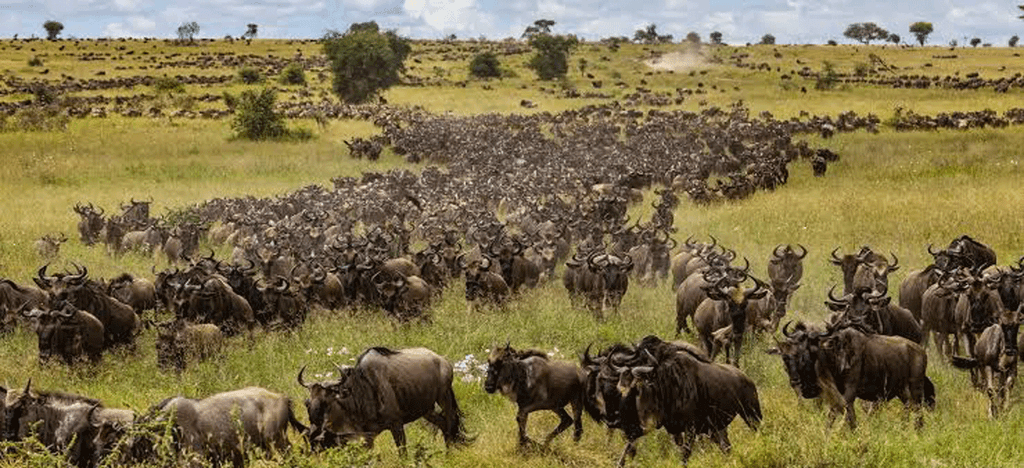
The Great Migration moves more than 1.5 million wildebeest, along with hundreds of thousands of zebras, gazelles and other herbivores across the Serengeti-Mara ecosystem every year. The herds travel through Tanzania’s Serengeti National Park and Kenya’s Maasai Mara Reserve creating the largest overland wildlife migration in the world.
The animals follow one goal: survival. They search for fresh grass and reliable water after seasonal rains transform the landscape. As rainfall moves across the ecosystem, new grass grows and the herds follow it. Instinct guides their movement and generations of animals have continued this remarkable natural cycle.
Wildebeest lead the migration in enormous herds that can stretch across the plains for kilometers. Zebras often travel alongside them and feed on taller grasses before wildebeest consume the shorter vegetation. Gazelles then feed on the remaining plants allowing several herbivore species to use the same grazing areas efficiently.
Many people imagine the migration as a simple journey from south to north and back. In reality the animals continuously move around the ecosystem as rainfall and grazing conditions change. The route varies each year so the migration has no fixed beginning or end.
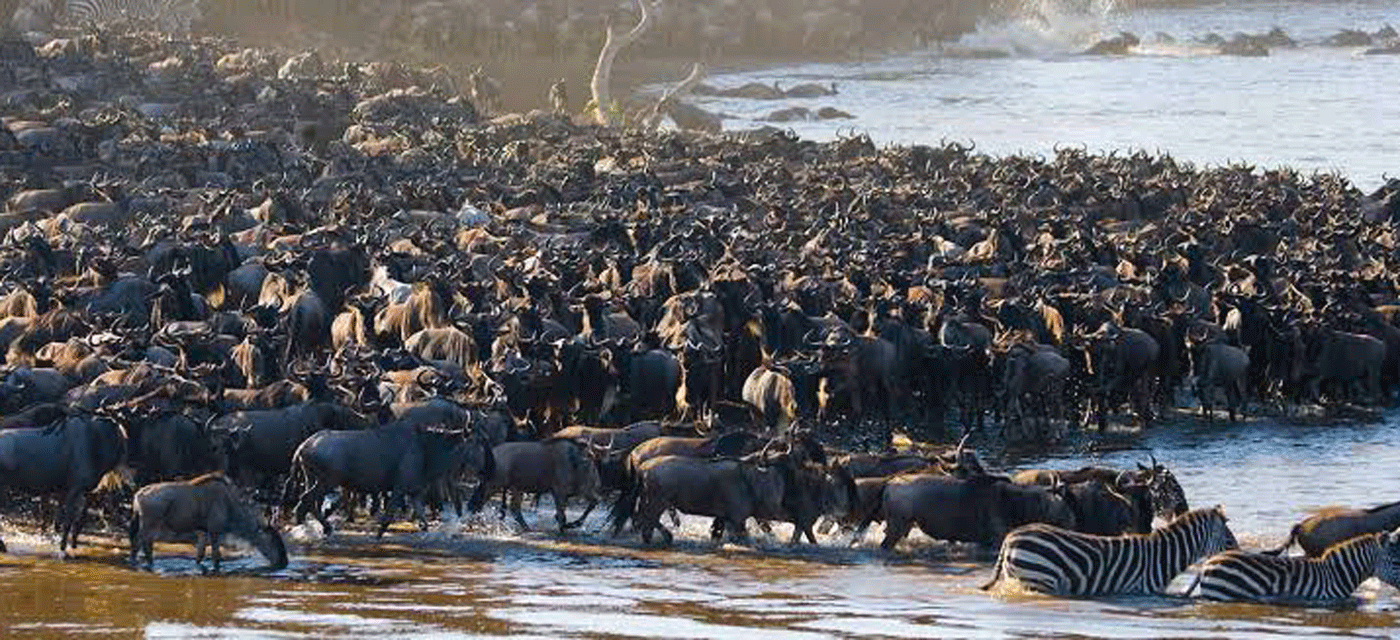
River crossings create some of the most dramatic moments. Herds cross the Grumeti and Mara rivers while crocodiles wait in the water and predators watch nearby.
From January to March, wildebeest gather around the southern Serengeti and Ndutu for calving. Thousands of calves arrive each day, attracting lions, cheetahs, hyenas and other predators.
The Great Migration supports the entire ecosystem by distributing nutrients, sustaining predators and shaping vegetation. For travelers it offers unforgettable experiences from calving plains to dramatic river crossings and vast herds moving beneath African sunsets.
The Serengeti Ecosystem
The Serengeti ecosystem ranks among Africa’s largest and most important wildlife ecosystems. It covers about 30,000 square kilometers and connects Serengeti National Park with the Ngorongoro Conservation Area, Maswa Game Reserve, Grumeti Reserve, Ikorongo Reserve and Kenya’s Maasai Mara. This vast landscape provides the space, food and water that wildlife needs to survive and supports the Great Migration.
The ecosystem contains diverse habitats, including open grasslands, woodlands, riverine forests and rocky granite kopjes. Lions and leopards often use these rocky formations as lookout points, while rivers provide essential water for hippos, crocodiles, birds and other wildlife.
Seasonal rainfall strongly influences life across the Serengeti. The southern plains receive short rains around November and longer rains between March and May. Rainfall encourages fresh grass to grow while nutrient-rich volcanic soils help support abundant grazing. Wildebeest rely heavily on this new grass during the calving season.
The Serengeti supports an impressive range of wildlife. Wildebeest, zebras, elephants, giraffes, buffaloes, impalas, topis, hartebeests, warthogs and hippos share the ecosystem with predators such as lions, cheetahs, leopards, hyenas and jackals. Eagles, vultures, ostriches and colorful birds also thrive across the landscape.
Every species contributes to the ecosystem’s balance. Herbivores consume vegetation, predators regulate prey populations, scavengers clean remains and decomposers return nutrients to the soil. Seasonal fires can also renew vegetation and maintain healthy grasslands.
Open migration routes make the Serengeti especially important. Wildlife can still move across enormous distances without major barriers from fences, agriculture or urban development. Local communities, including Maasai pastoralists, also interact with this landscape and contribute to its cultural importance.
Conservation efforts continue to protect habitats and migration corridors while addressing climate change, changing rainfall patterns, drought and growing pressure on natural resources. Together these elements keep the Serengeti ecosystem functioning and allow the Great Migration to continue.
The Role of Wildebeest in the Migration
Wildebeest drive the Great Migration and form the largest part of the migrating herds. More than 1.5 million wildebeest move through the Serengeti ecosystem each year creating one of the greatest concentrations of large mammals on Earth. Although their unusual body shape may look awkward, their muscular shoulders, strong legs, curved horns and bearded faces help them survive long journeys across open grasslands.
Wildebeest depend heavily on fresh nutrient-rich grass. Rainfall stimulates new grass growth so the herds constantly move toward areas with better grazing. They use environmental signals, including rainfall and changing vegetation to guide their movement. Their strong legs allow them to travel hundreds of kilometers while searching for food and water.
Wildebeest also rely on their social behavior for protection. Thousands gather in enormous herds creating safety through numbers. Predators can easily target individual animals, but the massive size of the herd improves survival for many. During the migration, thousands of wildebeest move across the plains in spectacular waves that resemble a flowing river.
The calving season plays a crucial role in their survival. Between January and March hundreds of thousands of calves arrive across the southern Serengeti and Ndutu areas. Females give birth around the same period, overwhelming predators with large numbers of newborns. Calves can stand and follow their mothers shortly after birth, helping them escape predators such as lions, cheetahs and hyenas.
Wildebeest also shape the Serengeti ecosystem. Their grazing influences vegetation, while their manure returns nutrients to the soil. However they face dangers from predators, drought, exhaustion and crocodiles during river crossings. Their annual journey demonstrates remarkable resilience and gives safari visitors an unforgettable view of nature on a massive scale.
Zebra and Gazelle Participation
Although wildebeest dominate the migration, zebras and gazelles play essential roles in the journey. Hundreds of thousands of plains zebras and Thomson’s gazelles travel alongside wildebeest throughout the Serengeti ecosystem.
Zebras are often the first animals to enter fresh grazing areas. Their digestive systems allow them to eat taller and rougher grass than wildebeest. By feeding on longer grass first zebras expose shorter shoots that wildebeest prefer. This relationship benefits both species and demonstrates how different herbivores can coexist.
Zebras are also highly alert animals with excellent eyesight and hearing. Wildebeest benefit from zebra vigilance because zebras can detect predators early. In return wildebeest provide safety through large herd numbers. The striking black-and-white patterns of zebras create beautiful scenes during the migration. Large groups crossing rivers or standing on open plains offer incredible photographic opportunities.
Thomson’s gazelles are smaller and more delicate animals that also follow the migration cycle. They feed on the finest grasses left behind after wildebeest grazing. Gazelles are extremely fast and agile helping them escape predators such as cheetahs. The combination of wildebeest, zebras and gazelles creates a layered grazing system that maximizes use of available vegetation. Each species feeds differently reducing direct competition.
Predators benefit greatly from the presence of multiple prey species. Lions may target zebras because of their size, while cheetahs often hunt gazelles because of their speed and smaller build. Together these herbivores form the core of the migration and support the broader Serengeti food chain.
The Annual Migration Cycle
The Great Migration follows a year-round cycle shaped by rainfall and grass growth. Although the timing changes slightly each year the migration generally follows predictable seasonal patterns. nFrom December to March the herds gather in the southern Serengeti and Ndutu plains. This period coincides with the calving season because fresh grass provides ideal nutrition for pregnant females and newborn calves.
Between April and May heavy rains begin in parts of the Serengeti. The herds start moving northwest through central Serengeti toward the western corridor. Long lines of wildebeest stretch across the plains during this journey.By June and July many animals reach the Grumeti River area. Here they face crocodile-filled waters and difficult crossings. The migration then continues northward.
From July to September the migration reaches northern Serengeti and Kenya’s Maasai Mara. This period is famous for Mara River crossings which attract photographers and safari enthusiasts from around the world.During October and November short rains begin again in the southern Serengeti. The herds gradually move southward, completing the cycle and preparing for another calving season.
The migration never truly stops. Even when animals appear settled in one area smaller movements continue within the ecosystem. Rainfall remains the main factor influencing direction and timing. Because nature is unpredictable no safari operator can guarantee exact migration locations. However experienced guides track animal movement and understand seasonal patterns.
Each stage of the migration offers unique experiences. Southern plains provide calving action and predator encounters while northern regions offer dramatic river crossings. Understanding the migration cycle helps travelers choose the best time for their safari experience.
Calving Season in Southern Serengeti
The calving season is one of the most extraordinary phases of the Great Migration. Between late January and March the southern Serengeti and Ndutu plains become the center of wildlife activity as hundreds of thousands of wildebeest gather to give birth. This region provides ideal conditions because the grass is rich in nutrients from volcanic soil. Pregnant wildebeest females rely on this nutrition to produce healthy calves.
During peak calving as many as 8,000 calves can be born in a single day. The scale of this event is astonishing. Across the plains newborn calves stand beside their mothers only minutes after birth. Synchronization is a survival strategy. By giving birth within a short period wildebeest overwhelm predators with sheer numbers. Predators cannot catch every calf increasing survival rates.
However predators are extremely active during this season. Lions patrol the plains searching for vulnerable calves, while hyenas, jackals and cheetahs also take advantage of the abundance of prey. For photographers the calving season offers incredible opportunities. Tender moments between mothers and calves contrast with intense predator action.
The landscape during this period is beautiful with green grass stretching across open plains under dramatic African skies. Visitors often enjoy excellent wildlife viewing because animals gather in large concentrations. Besides wildebeest, zebras, gazelles, elephants and predators are abundant.
The calving season demonstrates both the beauty and harshness of nature. New life appears everywhere yet danger is constant. For many safari enthusiasts this period provides one of the richest and most emotional wildlife experiences in the Serengeti.
River Crossings and Their Drama
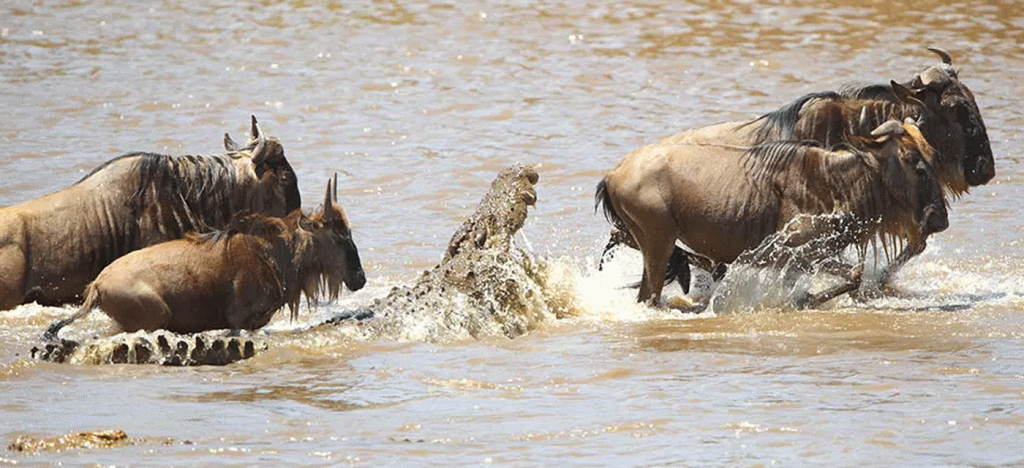
River crossings are among the most famous and dramatic moments of the Great Migration. These events usually occur at the Grumeti River and Mara River as the herds move northward. Crossings are unpredictable. Thousands of animals may gather near a riverbank for hours or even days before crossing. Suddenly one animal jumps into the water triggering a chain reaction as the entire herd follows.
Chaos erupts as animals push, stumble and swim through strong currents. Dust rises from the banks while loud grunts and splashes fill the air. Crocodiles wait beneath the water taking advantage of the confusion. Some crocodiles in the Mara River are enormous and capable of dragging down adult wildebeest.
Drowning is another major danger. Animals can become trapped in steep riverbanks or crushed in crowded crossings. Despite these dangers the herds continue crossing because survival depends on reaching fresh grazing areas. Predators also wait near crossing points. Lions and hyenas patrol the riverbanks looking for exhausted or injured animals.
River crossings attract wildlife photographers and documentary filmmakers from around the world because they capture the raw intensity of nature. No two crossings are identical. Some happen quickly and smoothly while others become scenes of confusion and tragedy. Witnessing a river crossing is one of the most unforgettable safari experiences in Africa.
Predators of the Migration
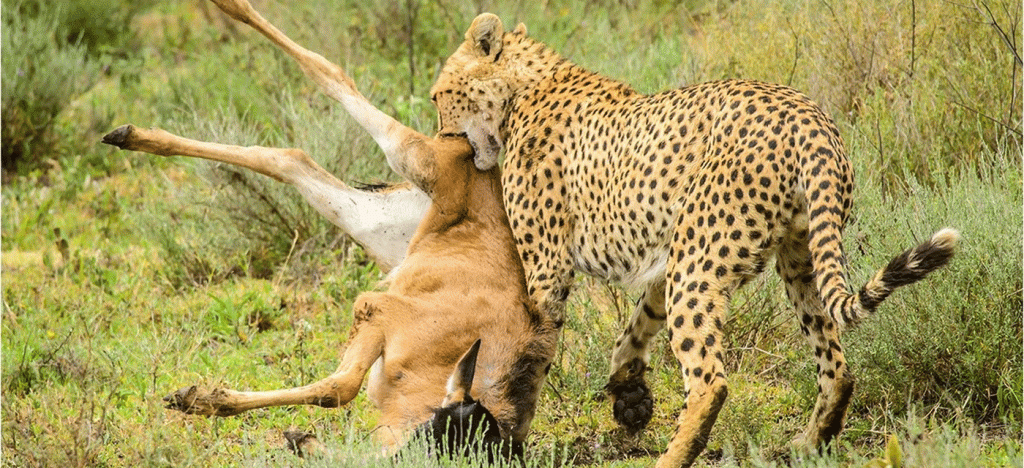
The Great Migration supports one of the highest concentrations of predators in Africa. The movement of millions of herbivores provides abundant food for carnivores throughout the Serengeti ecosystem.
Lions are perhaps the most famous predators associated with the migration. Serengeti lions live in prides and often hunt wildebeest and zebras. During the migration, lions position themselves near routes and river crossings where prey is plentiful.
Cheetahs are another important predator. Unlike lions cheetahs rely on speed rather than strength. Open grasslands of southern Serengeti provide ideal hunting conditions for these fast cats. They often target young gazelles or wildebeest calves.
Leopards are more secretive and usually prefer wooded areas or kopjes. They hunt alone and often drag prey into trees to avoid scavengers.
Hyenas are highly intelligent predators and scavengers. Spotted hyenas hunt cooperatively and can bring down large prey. They are especially active during calving season.
Crocodiles dominate river crossings. Some Nile crocodiles in the Mara River grow to enormous sizes and can survive for months between large meals.
Jackals, servals and birds of prey also benefit from the migration by feeding on young animals or carcasses.
Predator-prey relationships are essential for ecosystem balance. Predators help control herbivore populations and remove weak or sick individuals.
For safari visitors predator encounters are among the most exciting moments. Watching lions stalk wildebeest or cheetahs sprint across the plains reveals the power and intensity of the natural world. The migration would not be complete without predators. Their presence adds tension, drama and ecological balance to the Serengeti.
Best Time to Witness the Migration
The best time to witness the Great Migration depends on the type of experience travelers want. From January to March, the southern Serengeti and Ndutu region offer calving season experiences. This period is ideal for seeing newborn animals, predator action and green landscapes.
April and May are wetter months with fewer tourists. During this period the herds move through central Serengeti toward the western corridor. The scenery is lush and safari camps are often quieter.
June and July are excellent months for viewing movement toward the Grumeti River. River crossings may begin during this period.
From July to September northern Serengeti becomes the prime location for Mara River crossings. This is one of the most popular safari seasons because of dramatic wildlife action.
October and November offer returning migration movement toward southern Serengeti as short rains begin.
Travelers should remember that the migration is influenced by rainfall and can vary each year. Flexibility improves safari experiences. Different regions of Serengeti provide unique landscapes and wildlife opportunities throughout the year.
The dry season generally offers easier wildlife viewing because animals gather near water sources and vegetation is less dense.
Green season months provide beautiful scenery, fewer crowds and excellent photography conditions.
Every season in the Serengeti has its own beauty and wildlife highlights.
Safari Experience During the Migration
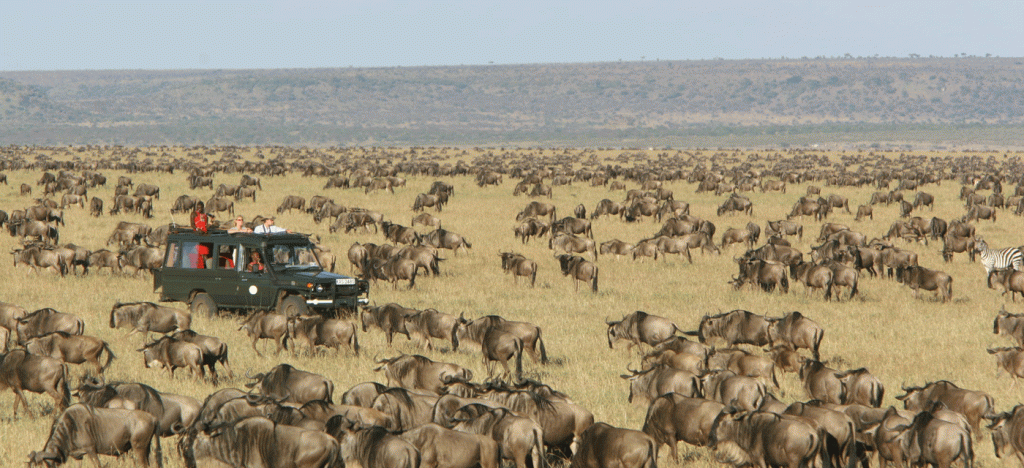
Experiencing the Great Migration on safari is one of the most unforgettable adventures in Africa. Safari drives allow visitors to witness wildlife behavior up close while exploring diverse Serengeti landscapes. Most safaris are conducted in specially designed 4×4 vehicles with open roofs for wildlife viewing and photography. Experienced guides play a crucial role by tracking animal movement and explaining behavior.
Early morning game drives are especially rewarding because predators are more active during cooler temperatures. Sunrise over the Serengeti plains creates magical scenery. Afternoon drives often reveal herds gathering near water or moving across open grasslands.
Some lodges and camps are mobile relocating seasonally to stay close to the migration. These camps provide excellent access to wildlife while maintaining comfort in remote areas. Hot air balloon safaris offer a unique perspective of the migration. Floating above endless herds at sunrise provides breathtaking views of the Serengeti.
Photography safaris are particularly popular during migration season. Professional photographers seek dramatic river crossings, predator hunts and dust-filled herd scenes. Safari experiences also include cultural interactions with local communities such as the Maasai.
The sounds of the Serengeti create unforgettable memories. Wildebeest grunts, zebra calls, roaring lions and nighttime sounds around camp immerse visitors in the wilderness. For many travelers witnessing the migration changes their understanding of nature and wildlife conservation.
Conservation Challenges Facing the Migration
Although the Great Migration remains one of the world’s greatest wildlife spectacles it faces significant conservation challenges. Habitat loss is a major concern. Human population growth around the Serengeti ecosystem increases pressure on land for agriculture, settlements and livestock grazing.
Migration corridors are essential for animal movement. If these routes become blocked by fences, roads or development, the migration could be severely disrupted. Climate change also threatens the ecosystem. Changes in rainfall patterns could affect grass growth, water availability and migration timing.
Poaching remains a challenge despite conservation efforts. Some animals are killed for meat or illegal wildlife products. Tourism itself must be carefully managed. Excessive vehicle numbers near river crossings or predator sightings can disturb wildlife behavior.
Conservation organizations, governments and local communities work together to protect the Serengeti ecosystem. National park regulations help control tourism activities and protect habitats. Community-based conservation programs encourage local people to benefit from wildlife protection through tourism employment and development projects.
International recognition of the Serengeti as a UNESCO World Heritage Site increases global awareness and support. Protecting the migration is important not only for Tanzania and Kenya but also for global biodiversity and future generations.
Importance of the Migration to Tanzania
The Great Migration plays a major role in Tanzania’s tourism industry and national identity. Thousands of visitors travel to Serengeti National Park every year specifically to witness the migration. Tourism generates significant revenue that supports conservation, infrastructure, employment and local businesses. Safari tourism creates jobs for guides, drivers, camp staff, cooks, conservation workers and artisans.
Local communities near the Serengeti benefit from tourism-related opportunities such as cultural tourism, handicrafts and hospitality services. The migration also strengthens Tanzania’s international reputation as one of Africa’s top safari destinations. Documentaries, photography and travel media featuring the Serengeti inspire global interest in conservation and wildlife. Research conducted in the Serengeti contributes to scientific understanding of ecology, migration and predator-prey relationships.
The migration also holds educational value for future generations by demonstrating the importance of environmental protection. Protecting the Serengeti supports not only wildlife but also economic development linked to sustainable tourism. Tanzania’s commitment to conservation helps preserve one of the last great natural migrations on Earth.
Cultural Connections to the Serengeti
The Serengeti region is not only important for wildlife but also for cultural heritage. Indigenous communities especially the Maasai people have lived near the ecosystem for generations. The Maasai are known for their pastoral lifestyle, colorful clothing and strong cultural traditions. Livestock such as cattle play a central role in their society. Historically Maasai communities coexisted with wildlife by practicing traditional grazing systems that allowed natural movement across the landscape.
Today cultural tourism gives visitors opportunities to learn about Maasai traditions, dances, homes and daily life. Balancing conservation with community needs remains important. Local people require access to resources, education, healthcare and economic opportunities. Community involvement in conservation improves long-term protection of wildlife areas.
The Serengeti represents a connection between people, wildlife and land that has existed for centuries. Understanding local cultures adds depth to safari experiences and encourages respect for the region’s heritage.
Photography and Filmmaking Opportunities
The Great Migration is one of the most photographed wildlife events in the world. Professional photographers and filmmakers travel to the Serengeti to capture dramatic scenes of nature. River crossings provide intense action shots filled with movement, water splashes, dust and predator encounters.
The calving season offers emotional images of newborn animals and predator interactions. Golden sunrise and sunset light create beautiful conditions for landscape photography.
The Serengeti’s open plains allow photographers to capture vast scenes showing the scale of the migration. Wildlife documentaries filmed in the Serengeti have introduced millions of viewers worldwide to the beauty of the migration.
Patience is essential for successful photography because wildlife behavior is unpredictable. Experienced guides help photographers position vehicles for the best lighting and animal activity. Ethical photography practices are important to avoid disturbing wildlife. The migration continues inspiring artists, filmmakers and nature lovers across the globe.
Why the Great Migration Is Unique
Many animal migrations occur around the world but the Great Migration in Serengeti National Park is unique because of its scale, diversity and ecological complexity. No other land migration involves such enormous numbers of large mammals moving freely across vast landscapes.
The migration includes dramatic predator-prey interactions, dangerous river crossings, synchronized births and continuous seasonal movement. The Serengeti ecosystem remains relatively intact compared to many other ecosystems where migration routes have been blocked. The migration also represents one of the clearest examples of natural balance and ecological interdependence.
Every stage of the migration tells a story about survival. Animals face hunger, drought, predators, exhaustion and dangerous crossings, yet the cycle continues every year. The migration inspires emotional reactions because it reveals the raw power of nature. For scientists, the migration offers valuable opportunities to study ecology, climate, animal behavior and conservation. For travelers it provides life-changing safari experiences and unforgettable memories.
The Great Migration stands as one of Earth’s last great wildlife spectacles.
Frequently Asked Questions About the Great Migration
What is the Great Migration in Serengeti National Park?
The Great Migration is the annual movement of more than 1.5 million wildebeest, along with hundreds of thousands of zebras, gazelles and other herbivores across the Serengeti-Mara ecosystem in search of fresh grass and water.
When is the best time to see the Great Migration?
The best time depends on the experience you want. January to March is ideal for calving in southern Serengeti and Ndutu while July to September offers some of the best opportunities to witness movement toward the Mara River and potential river crossings.
Where does the Great Migration take place?
The migration moves through Tanzania’s Serengeti National Park and continues into Kenya’s Maasai Mara. The herds also move between different regions of the Serengeti throughout the year as rainfall and grazing conditions change.
When is the wildebeest calving season?
The main calving season occurs from January to March in the southern Serengeti and Ndutu areas. During this period hundreds of thousands of wildebeest gather to give birth.
When do the Mara River crossings happen?
Mara River crossings generally occur from July to September when the migration reaches northern Serengeti and the Maasai Mara. However the exact timing depends on rainfall and animal movement.
Why do wildebeest migrate?
Wildebeest migrate mainly to follow fresh, nutrient-rich grass and reliable water. Seasonal rainfall causes vegetation to change across the ecosystem guiding the herds from one grazing area to another.
Do zebras and gazelles join the Great Migration?
Yes. Hundreds of thousands of zebras and Thomson’s gazelles travel alongside wildebeest. Each species feeds on different vegetation helping them share grazing areas efficiently.
What predators follow the Great Migration?
Lions, cheetahs, leopards, hyenas, crocodiles, jackals and other predators benefit from the abundance of migrating herbivores. Their presence creates intense predator-prey interactions throughout the year.
Can the Great Migration be predicted exactly?
No. The migration depends heavily on rainfall, grass growth and water availability so its exact location and timing can change each year. Experienced safari guides can track movements and use seasonal patterns to improve wildlife-viewing opportunities.
Is the Great Migration happening all year?
Yes. The Great Migration follows a continuous annual cycle rather than having one fixed beginning or ending. Herds keep moving as environmental conditions change across the Serengeti-Mara ecosystem.
What makes the Great Migration unique?
Its enormous scale, diverse wildlife, continuous movement and ecological complexity make the Great Migration unique. More than 1.5 million wildebeest move with large numbers of zebras, gazelles and other herbivores across a vast natural ecosystem.
Why is the Great Migration important to Tanzania?
The migration supports Tanzania’s tourism industry, conservation programs, employment and local businesses. It also strengthens Tanzania’s global reputation as a leading wildlife destination and highlights the importance of protecting natural habitats.
What conservation challenges threaten the Great Migration?
Habitat loss, blocked migration corridors, climate change, changing rainfall patterns, drought, poaching and poorly managed tourism can threaten the migration. Protecting open routes and healthy habitats remains essential for its future.
Can I photograph the Great Migration?
Yes. The migration offers excellent photography opportunities, particularly during river crossings, calving season, predator encounters and sunrise or sunset. Patience and ethical wildlife photography practices are important because animal behavior remains unpredictable.
How can I experience the Great Migration responsibly?
Travelers can support responsible safari operators, follow park regulations maintain appropriate distances from wildlife and respect local communities and conservation efforts. Serengeti Travels helps travelers experience the migration while exploring the Serengeti responsibly.
Conclusion
The Great Migration in Serengeti National Park represents far more than the movement of animals across Africa’s plains. It showcases nature’s resilience, balance and remarkable beauty. Every year, millions of wildebeest, zebras, gazelles and other herbivores follow ancient instincts as they search for fresh grass and water. Their continuous journey creates one of the most spectacular wildlife events on Earth.
The migration changes throughout the year giving travelers different experiences in different regions. In the southern Serengeti, wildebeest gather for the calving season while predators closely follow the newborns. As the herds move north, they cross vast plains and eventually reach rivers where dramatic encounters test their strength and survival instincts.
The migration also demonstrates how closely wildlife depends on healthy ecosystems. Seasonal rainfall, fertile grasslands, rivers, predators and protected migration corridors all support this remarkable natural cycle. The Serengeti ecosystem connects these elements and allows wildlife to move freely across its expansive landscapes.
For travelers witnessing the migration creates unforgettable memories. Thousands of hooves shake the ground as enormous herds move across the horizon. Lions, cheetahs and other predators add excitement to every game drive while the changing landscapes reveal the true character of the Serengeti.
However climate change, habitat loss and human pressure continue to challenge this natural system. Conservation efforts must protect migration routes and maintain healthy habitats for future generations.
Serengeti Travels helps travelers experience this extraordinary wildlife cycle while exploring the Serengeti responsibly. The Great Migration remains a living story of survival, renewal and nature’s power reminding us why protecting Tanzania’s wilderness matters for generations to come.