English
 Deutsch
 Italia
October 28, 2026
What to Expect on a Typical Day During Ndutu Calving Season
Introduction
A What to Expect on a Typical Day During Ndutu Calving Season guide helps you understand how each day unfolds across the southern Serengeti and Ndutu plains, from early-morning wildlife viewing to afternoon game drives and peaceful evenings at camp. During the calving season, usually from January to March, vast herds of wildebeest gather on the short-grass plains, where nutritious grass supports mothers and their newborn calves. This seasonal wildlife spectacle also attracts lions, cheetahs, hyenas and other predators creating exceptional opportunities to observe natural behaviour.
At Serengeti Travels we help visitors plan Ndutu calving season safaris around wildlife movements, travel dates, accommodation preferences and the time available for game viewing. Your experience depends on the weather, herd movements, road conditions and the decisions your professional safari guide makes throughout the day. You may spend a morning watching wildebeest herds cross the plains follow a cheetah’s movements from a respectful distance or observe young animals staying close to their mothers.
Unlike a safari built around visiting several destinations every day a well-planned Ndutu itinerary gives you time to explore productive wildlife areas without constantly changing camps. You can enjoy early starts, extended game drives, flexible breaks and opportunities to appreciate the landscape beyond the most famous wildlife sightings. Understanding the daily routine also helps you choose the right safari duration, accommodation level and travel arrangements before booking.
Early Morning in Ndutu The Best Time to Begin Your Game Drive
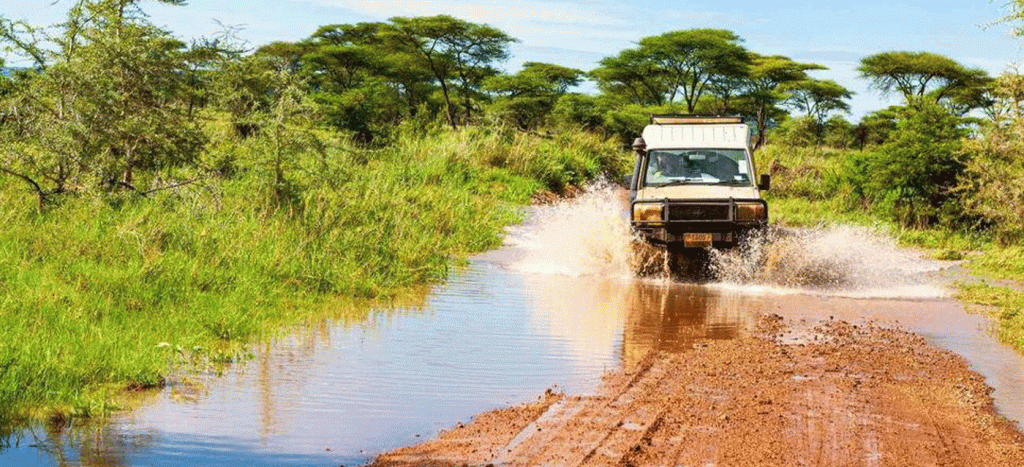
A typical day during Ndutu calving season often begins before sunrise when your safari guide prepares the vehicle for an early departure. After a light breakfast or a hot drink at camp you head towards the open plains as the first sunlight spreads across the landscape. The cool air soft golden light and distant silhouettes of wildebeest create excellent conditions for wildlife viewing and photography.
Early morning gives you an opportunity to observe animals while they remain active after the night. Lions may rest near the plains after hunting, hyenas may move between family territories and cheetahs may scan the grassland for opportunities to hunt. You can also encounter wildebeest mothers moving with their calves zebras feeding beside the migration herds and birds searching for food in the fresh morning light.
Your guide does more than drive towards the largest concentration of animals. They scan the surrounding landscape, observe animal movements and use their knowledge of the area to identify promising locations. Fresh tracks, alarm calls and changes in herd behaviour can provide useful clues about nearby wildlife activity.
At Serengeti Travels we recommend an early start because it gives you more time to explore before the midday heat reduces activity. However no guide can guarantee a particular sighting or predict exactly when a predator will hunt. The value of a morning game drive lies in combining good timing with patience, responsible viewing and the flexibility to follow wildlife as conditions change.
Searching for Wildebeest Herds and Newborn Calves
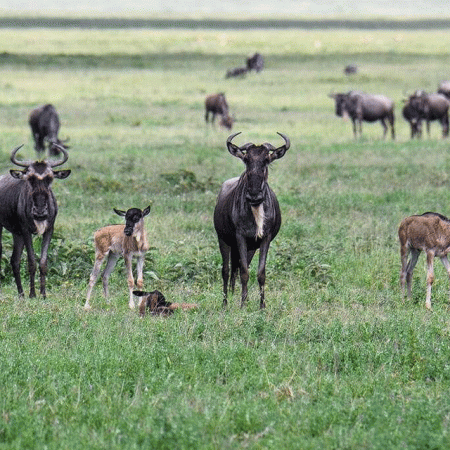
The main attraction of a Ndutu calving season safari is the opportunity to observe wildebeest herds gathering across the southern plains. During the calving period, usually between January and March the landscape can support enormous concentrations of migrating animals. The exact distribution changes with rainfall, grass growth and the availability of fresh grazing, so the herds may occupy different sections of Ndutu and the southern Serengeti from one day to the next.
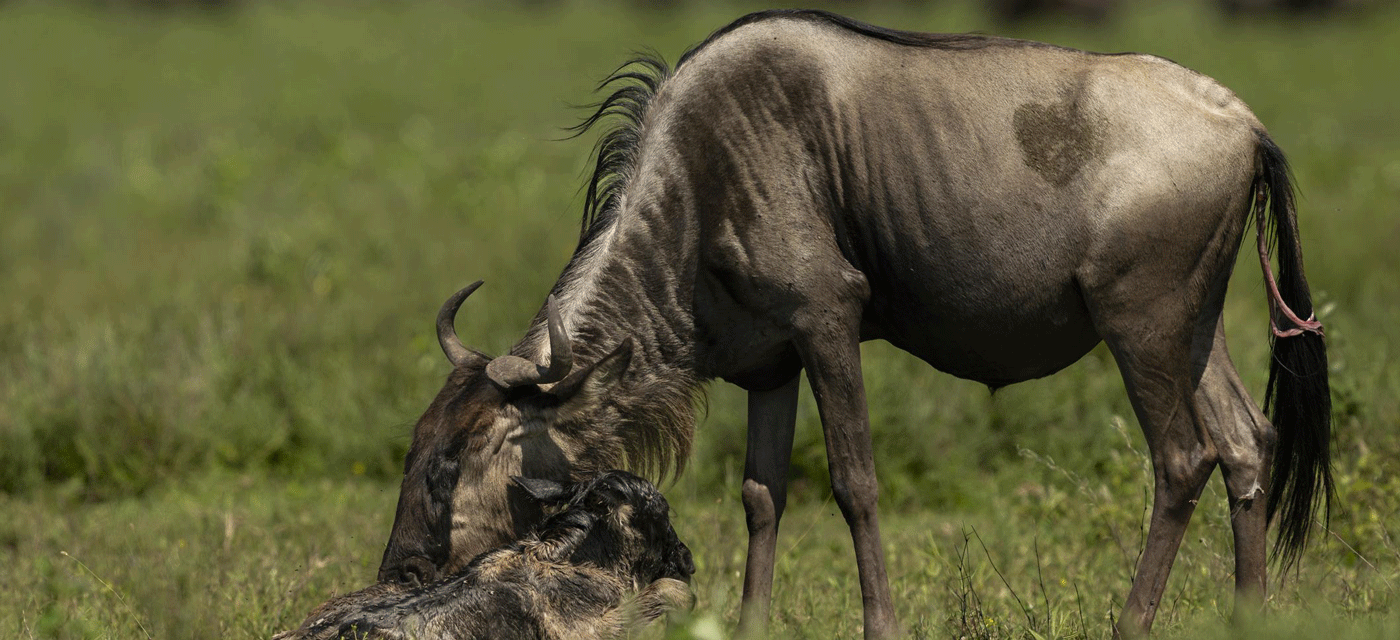
As your vehicle moves across suitable routes, you may see thousands of wildebeest grazing, resting or travelling together. Newborn calves often remain close to their mothers learning to stand, walk and keep up with the herd. Watching these early stages of life gives you a deeper understanding of the migration beyond simply counting animals or taking photographs.
The open grasslands make it easier to observe interactions between individual animals and the wider herd. You might notice mothers protecting their young, calves practising short bursts of movement or groups changing direction when they sense a disturbance. Zebra herds frequently share the same general landscape adding variety to the wildlife experience.
Your guide can help you understand why the wildebeest gather here and how the seasonal grass supports their breeding cycle. Rather than rushing between reported sightings a flexible game drive allows time to watch natural behaviour unfold.
For travellers choosing Ndutu calving season safari packages the number of days spent in the area matters. A longer stay gives you more opportunities to explore different plains and follow changing herd movements. It does not guarantee that you will witness a birth but it allows you to experience the calving season at a more relaxed pace.
Watching Lions, Cheetahs and Hyenas During Calving Season
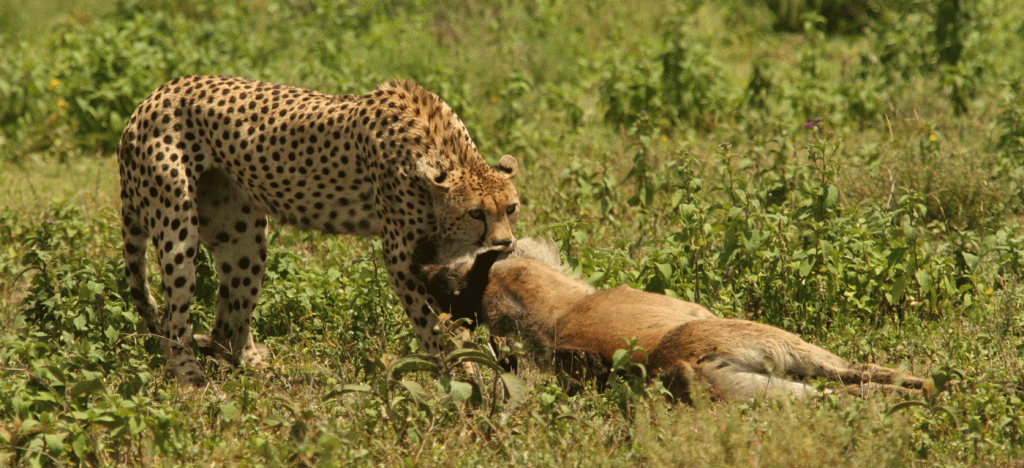
Predator viewing adds another dimension to a typical day during Ndutu calving season. The concentration of wildebeest and newborn calves attracts predators to the same productive grasslands, creating opportunities to observe hunting strategies, territorial behaviour and interactions between different species. Lions, cheetahs, spotted hyenas and jackals may all feature in your game drives, although their locations and activity levels change throughout the day. AMG Safaris+1
Your guide may scan the open plains for a lion pride resting in the grass a cheetah standing on a small rise or hyenas moving near a herd. Sometimes you may watch a predator for an extended period without seeing a hunt. These quieter moments are valuable because they reveal how animals conserve energy, communicate and respond to their surroundings.
If a predator begins stalking prey your guide should position the vehicle responsibly and allow the animals enough space to behave naturally. You may observe the predator changing direction prey animals becoming alert or a herd moving closer together. A successful hunt is never guaranteed and wildlife viewing should never interfere with an animal’s natural behaviour.
At Serengeti Travels we encourage travellers to appreciate the complete wildlife story rather than judge a game drive by dramatic encounters alone. Watching a cheetah care for its cubs or a lion pride resting together can be just as meaningful as seeing a hunt.
This is one reason Ndutu appeals to wildlife enthusiasts, photographers and first-time safari visitors. Several days in the area give you time to encounter different species and learn how predators and prey share the same ecosystem.
Mid-Morning Game Viewing and Photography Opportunities
As the morning progresses your Ndutu calving season game drive continues across open plains, grassland depressions and suitable wildlife-viewing areas around the lakes. The rising sun changes the colours of the landscape, bringing out the green grass, distant herds and occasional storm clouds that make the green season especially attractive to photographers.
Mid-morning offers opportunities to focus on wildlife behaviour rather than simply searching for the next major sighting. You might photograph a wildebeest mother and calf observe zebras feeding beside migrating herds or watch a group of birds following grazing animals. If your guide locates a cheetah or lion you may spend additional time observing its movements from a safe and respectful distance.
Photography conditions change quickly. Early light usually produces softer shadows while stronger sunlight later in the morning can create more contrast. A camera with a zoom lens helps you capture animal details without asking the driver to approach too closely. You can also take excellent photographs with a phone or a basic camera by concentrating on composition, natural light and the wider landscape.
Ndutu’s open terrain often provides clearer views than areas with dense vegetation, but distance, heat shimmer and animal movement can still affect your photographs. Your guide can help position the vehicle for a useful viewing angle when the terrain and park rules permit.
For travellers booking a Ndutu calving season photography safari it is worth discussing photographic priorities before departure. Tell Serengeti Travels whether you prefer newborn calves, predator behaviour, wide landscape images or a mixture of subjects. This helps your guide adapt the day’s pace without promising wildlife encounters that nature cannot guarantee.
Breakfast, Picnic Lunch and Breaks During a Safari Day
Food and rest form an important part of a typical day during Ndutu calving season. Your exact meal arrangements depend on your accommodation and itinerary. Some safaris include breakfast at camp before an early departure while others arrange a packed breakfast so you can begin viewing wildlife as soon as daylight permits. Your operator should confirm the plan before the trip begins.
If you return to camp during the morning, you can enjoy a proper meal, refresh yourself and take a break before the afternoon game drive. This arrangement suits travellers who prefer a slower pace or want time to relax between outings. However, returning to camp may involve additional driving so your guide should consider the distance and the day’s wildlife opportunities.
A full-day game drive offers another option. Your team can prepare a picnic lunch allowing you to remain in the field and explore a wider area without returning to camp at midday. This can be useful when the herds are moving or when your guide identifies a promising area that deserves more time. Picnic arrangements depend on the itinerary, facilities and applicable rules.
Carry drinking water, wear comfortable clothing and keep sun protection available throughout the day. A small bag for your camera, binoculars and personal essentials can make the journey more comfortable.
When booking with Serengeti Travels ask whether your package includes picnic meals, drinks, full-board accommodation and the flexibility to choose between morning and full-day drives. Clear arrangements help you understand the real value of the package and avoid surprises once you arrive in Ndutu.
What Happens During the Midday Break?
Midday brings a different rhythm to your Ndutu calving season safari. After several hours on the plains you may return to your tented camp or lodge for lunch, a shower and some time to relax. Temperatures often rise as the sun climbs and many animals reduce their movement during the warmer hours. However wildlife activity does not stop completely so your experience will depend on local conditions and where the herds have gathered.
A midday break gives you time to review photographs, recharge camera batteries and prepare for the next drive. You can also speak with your guide about the morning’s sightings and discuss which wildlife interests you most. If you are travelling with children or prefer a comfortable safari pace, this rest period can make a multi-day itinerary more enjoyable.
The landscape around Ndutu deserves attention even when you are not watching a major wildlife encounter. Seasonal rains can transform the plains into a green landscape, while distant clouds and changing light create beautiful views. Depending on your camp’s location, you may hear birds calling or see wildlife from designated viewing areas. Always follow your accommodation’s safety instructions particularly around wildlife.
Not every itinerary includes a midday return. Some travellers prefer to remain in the field with a packed lunch especially when the guide identifies good opportunities farther from camp. A full-day outing can provide more flexibility although it also means spending longer in the vehicle.
Serengeti Travels can help you choose the arrangement that suits your travel style. When comparing Ndutu calving season safari packages, consider whether you value extended game viewing, relaxed camp time or a balance between both.
Afternoon Game Drives Across the Ndutu Plains
After lunch and a period of rest the afternoon game drive offers another opportunity to explore Ndutu. Your guide may choose a different route from the morning, investigate fresh wildlife reports or revisit an area where animals were active earlier. This flexibility matters because the migration does not follow a fixed daily itinerary.
Afternoon drives can reveal new scenes as herds move between grazing areas and water sources. You may encounter wildebeest gathering in large groups, zebras feeding across the grasslands, elephants near suitable habitats or antelope standing alert in the open. Predators may also become more active as temperatures begin to fall although sightings depend on natural behaviour rather than a predictable schedule.
The afternoon light creates a different atmosphere from the early morning. Grasslands can appear warmer in colour clouds may build above the horizon and animals can stand out beautifully against the changing sky. Photographers often appreciate these conditions particularly when they want images that show both wildlife and the surrounding landscape.
A skilled guide balances the search for exciting encounters with time spent observing animals already in view. Driving continuously from one reported sighting to another can mean missing interesting behaviour happening nearby. Sometimes waiting quietly provides a better understanding of the wildlife than covering a greater distance.
At Serengeti Travels we recommend allowing enough days in Ndutu to explore different sections of the area rather than trying to cover everything in a single afternoon. The best route depends on recent rainfall, road conditions, herd movements and the sightings available that day. Your guide can adjust the plan while keeping safety and responsible wildlife viewing at the centre of the experience.
Golden Hour, Sunset and the Journey Back to Camp
As the afternoon draws to a close the golden hour can provide some of the most memorable scenery of your Ndutu calving season safari. The lower sun casts warm light across the plains, creating long shadows and highlighting the shapes of grazing wildebeest. If the herds are nearby you may watch animals moving together across the horizon while birds return to their resting places.
This period also offers opportunities to photograph the landscape rather than focus exclusively on close-up wildlife. Silhouettes, distant hills, cloud formations and the relationship between animals and open grassland can tell the story of the migration in a different way. Your guide can help you find an appropriate viewing position without disturbing wildlife or obstructing other vehicles.
Some afternoons produce dramatic skies or passing showers while others remain clear and bright. Conditions can change quickly so keep a light waterproof layer available during the green season. Temperatures may also fall after sunset making a warm jacket useful for the journey back.
Your guide will plan the return according to the day’s itinerary, camp location and applicable park or conservation-area rules. Do not assume that every safari includes night driving the rules depend on where you are travelling and the type of activity permitted. Standard game drives generally finish within the authorised hours.
Once you return to camp you can freshen up and prepare for dinner. This transition from open plains to a comfortable tent or lodge gives the day a satisfying finish. For many visitors, the golden light, distant herds and quiet journey back become lasting memories even when the day has not included a dramatic predator encounter.
Evening at Your Ndutu Tented Camp or Lodge
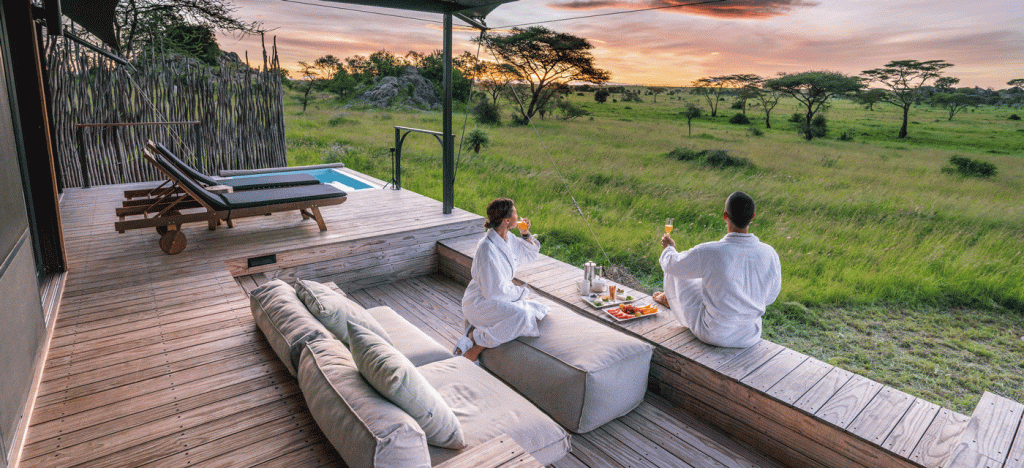
Evenings provide time to relax after a full day exploring the Ndutu plains. Depending on your accommodation you may stay in a seasonal tented camp, a permanent safari lodge or another property within convenient reach of the calving grounds. Your choice affects how much time you spend travelling to wildlife-viewing areas, so accommodation location deserves as much attention as room comfort.
After returning from the game drive, you can freshen up, organise your photographs and enjoy dinner. Many camps offer meals in a communal dining area, where guests exchange stories about the animals they encountered. You may compare photographs, discuss the morning’s sightings and learn which areas other guides explored during the day.
A good safari evening also gives you time to prepare for the next morning. Charge your camera batteries, check your memory cards, arrange warm clothing and keep essential items ready for an early departure. If you have a particular wildlife interest discuss it with your guide before going to bed. This allows your team to consider your preferences when planning the next day’s route.
Your accommodation experience depends on the level you choose. Budget options focus on practical comfort, mid-range camps offer a balance of facilities and safari atmosphere, while luxury properties may provide additional space, personalised service and premium amenities. Exact facilities vary between properties so confirm them before paying a deposit.
Serengeti Travels can help match accommodation to your budget and itinerary. A well-positioned camp can reduce unnecessary driving and make early starts easier. During the busy calving season, suitable accommodation can fill quickly, particularly around the most popular wildlife-viewing periods. Booking ahead gives you more choice and helps you organise a safari that balances wildlife, comfort and value.
How the Daily Experience Changes from January to March
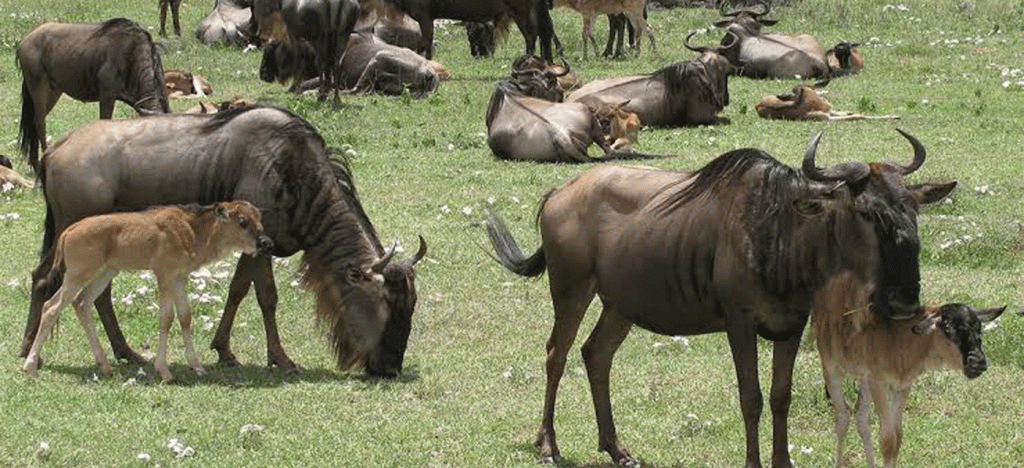
Although the daily safari routine often follows a similar pattern the wildlife experience changes as the Ndutu calving season progresses. January, February and March each offer different possibilities and rainfall plays an important role in determining where the wildebeest gather. The calendar provides a useful guide but it cannot predict the precise location of the herds on your travel dates. Safarani+1
January often brings growing concentrations of wildebeest to the southern plains with calving activity increasing as the season develops. Visitors may enjoy green scenery, large herds and opportunities to observe the first stages of the calving period. Exact conditions vary so your guide will assess recent sightings rather than rely only on the month.
February is commonly associated with peak calving activity. Large numbers of newborn calves can appear across the plains while predators follow the abundance of prey. This makes February particularly appealing to wildlife photographers and travellers interested in observing interactions between predators and prey. Popular accommodation can also be in high demand during this period.
March can still provide excellent wildlife viewing especially during the earlier part of the month. Rainfall grass conditions and the gradual movement of herds influence what you see. As the season progresses, some herds may begin moving away from the southern plains although timing varies between years.
For the best experience choose dates that fit your priorities rather than expecting every week to offer identical conditions. Serengeti Travels can help you compare travel windows, accommodation availability and safari duration. If witnessing calving activity is your main goal, staying several nights in Ndutu provides more flexibility than relying on a single game drive.
How Many Days Do You Need for a Ndutu Calving Season Safari?
The right safari duration depends on your available time, budget, wildlife interests and starting point. A short Ndutu safari can introduce you to the migration and its newborn calves but additional days provide more opportunities to explore different areas and respond to changing wildlife movements.
A three-day itinerary can work for travellers with limited time especially if they travel directly to the Ndutu area and spend the available days on game drives. However, road transfers from Arusha take time and a short itinerary may leave less flexibility if rain affects travel or the herds move away from the first area you explore.
Four days offers a useful balance for many visitors. You can dedicate more time to the calving grounds, explore different sections of the plains and enjoy a less rushed schedule. A five-day safari allows additional opportunities for photography, predator viewing and extended game drives while a longer itinerary can include destinations such as the Ngorongoro Crater or central Serengeti.
When combining Ndutu with other destinations remember that transfer time reduces the hours available for wildlife viewing. A well-planned itinerary should account for distances, road conditions, accommodation locations and your departure arrangements rather than simply counting the number of destinations.
At Serengeti Travels we can tailor your itinerary around your arrival airport, travel dates, preferred accommodation and budget. If calving is your main priority consider spending several nights near Ndutu instead of changing camps every day.
The most suitable duration is the one that gives you enough time to enjoy the wildlife without making the journey feel rushed. Request a personalised itinerary before booking so you can compare the costs and practical benefits of each option.
What to Pack for a Typical Day During Ndutu Calving Season
Preparing properly helps you enjoy long game drives during the Ndutu calving season. January to March brings green-season conditions, which can include warm sunshine, cool early mornings and occasional rain. Your packing list should therefore support changing weather, photography and several hours in a safari vehicle.
Start with comfortable clothing that allows you to layer up or down as temperatures change. A fleece or lightweight jacket is useful for early departures, while breathable shirts and trousers work well during warmer afternoons. Bring a waterproof jacket particularly if your itinerary includes extended game drives during periods of rain. Neutral colours such as khaki, brown and olive are practical for safari travel although comfort matters more than matching a particular colour scheme.
Carry a reusable water bottle, sunscreen, sunglasses and a hat to protect yourself from the sun. Binoculars help you observe animals that remain far from the vehicle while a camera with a zoom lens can capture wildlife without disturbing it. Keep spare batteries, memory cards and a protective bag for your equipment.
Dust and rain can affect camera equipment, so pack a soft cleaning cloth and suitable protection. If you are travelling with prescription glasses or essential personal items keep them somewhere accessible during the drive.
You do not need expensive equipment to enjoy Ndutu. A phone camera a pair of binoculars and patience can make a wildlife outing rewarding. Your guide will help you understand the sightings while your own observations will add to the experience.
Before departure confirm whether your safari includes drinking water, picnic meals, blankets or other practical items. Serengeti Travels can explain what your package provides helping you pack appropriately without bringing unnecessary luggage.
How to Make Every Game Drive More Rewarding
A rewarding Ndutu calving season safari depends on more than the number of animals you see. Your attitude, preparation and willingness to observe wildlife patiently can make a significant difference to the experience.
Begin by communicating your interests to your guide. You may want to photograph newborn wildebeest observe cheetahs learn about predator behaviour or understand the Great Migration’s seasonal movements. Sharing these priorities helps your guide make informed decisions about routes and viewing time. Wildlife remains unpredictable however so a flexible approach is essential.
Give individual sightings enough time to develop. A herd grazing quietly may reveal interesting social behaviour if you watch it carefully. A resting lion may become active later while a cheetah scanning the plains may be preparing to move. Staying patient often teaches you more about animal behaviour than rushing between locations.
Respect wildlife and follow your guide’s instructions. Keep noise low remain inside the vehicle unless your guide identifies an authorised place to leave it and avoid asking anyone to approach animals too closely. Responsible viewing protects both visitors and wildlife while helping preserve the quality of the experience.
Take breaks when needed, drink water regularly and dress for changing weather. If photography is important to you balance time behind the camera with opportunities to watch the scene directly. You may remember the atmosphere of a vast wildebeest herd more vividly than a collection of photographs.
Finally choose a safari duration that allows time for exploration. At Serengeti Travels, we help visitors plan Ndutu itineraries around wildlife interests, travel dates and accommodation preferences. A thoughtful plan creates the flexibility to appreciate unexpected encounters rather than treating each game drive as a checklist.
Frequently Asked Questions About a Typical Day During Ndutu Calving Season
What time does a typical Ndutu safari day begin?
Many morning game drives begin around sunrise often with departures between 5:30 and 6:30 AM depending on the camp, season and itinerary. Your guide will confirm the exact time. An early departure provides access to the plains during cooler conditions and allows more time for wildlife viewing.
Can I spend the entire day watching wildlife?
Yes, many itineraries can include a full-day game drive with a packed lunch. Alternatively, you can return to camp for a midday break and head out again in the afternoon. The best arrangement depends on your interests, accommodation location and daily conditions.
Will I see a wildebeest being born?
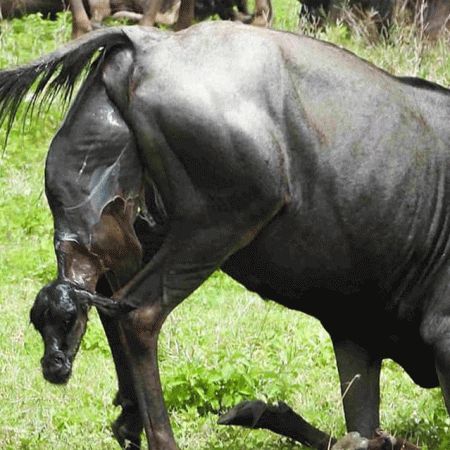
You may witness a birth during the calving season, but no safari operator can guarantee it. Births occur across a large area and individual animals move continually. Spending several days in Ndutu gives you more opportunities to observe the herds and their newborn calves.
Are predators active throughout the day?
Predators can be active at different times, although cooler morning and late-afternoon periods often provide productive viewing opportunities. Their behaviour depends on temperature, prey movements and other natural conditions. Your guide will adjust the game drive according to the wildlife activity observed.
Is Ndutu suitable for first-time safari visitors?
Yes. Ndutu offers large concentrations of wildlife open landscapes and opportunities to learn about the Great Migration. A professional guide can explain animal behaviour and help you understand the environment making the area suitable for both first-time visitors and experienced wildlife enthusiasts.
Should I stay in Ndutu or central Serengeti during calving season?
If your main priority is calving activity, staying in or near Ndutu generally makes it easier to reach the southern plains early. Central Serengeti offers different landscapes and wildlife opportunities but travelling between the two areas requires additional time. Choose accommodation based on the locations you most want to explore.
How much does a Ndutu calving season safari cost?
The price depends on the number of days, accommodation category, private or shared vehicle arrangements, park and conservation fees, transport and group size. Ask for an itemised quotation that clearly explains what the package includes and excludes before making your booking.
When should I book my Ndutu calving season safari?
Plan ahead particularly if you want to travel during the popular calving period in January and February. Booking early gives you more opportunity to choose suitable accommodation and organise flights or road transfers. Confirm availability before paying your deposit.
Conclusion
A typical day during Ndutu calving season brings together early-morning game drives, vast wildebeest herds, newborn calves, predator sightings and the changing beauty of the southern Serengeti plains. Each outing follows the rhythm of the wildlife rather than a fixed schedule, making patience and flexibility essential parts of the experience.
You may spend the morning observing a cheetah, watch wildebeest mothers caring for their young before lunch and photograph the herds beneath a dramatic afternoon sky. On another day you may explore a different section of the plains or spend longer observing a single wildlife encounter. These changing experiences are part of what makes Ndutu worth exploring over several days.
The key to planning a rewarding trip is choosing suitable travel dates allowing enough time in the calving area and selecting accommodation that supports your preferred safari pace. February often brings intense calving activity, while January and March can also offer rewarding wildlife experiences depending on rainfall and herd movements.
Serengeti Travels helps you plan a Ndutu calving season safari around your travel dates, group size, accommodation preferences and budget. Whether you prefer a private safari, a shared departure, a comfortable mid-range camp or a luxury tented experience, we can help you compare suitable options and organise your itinerary.
Ready to experience the wildebeest calving season in Tanzania? Request your personalized quotation today. Share your preferred travel dates, number of travellers, safari duration and accommodation category so we can prepare an itinerary tailored to your plans.