English
 Deutsch
 Italia
October 27, 2026
Ndutu Calving Season vs Serengeti River Crossing Safari: Which Safari Should You Book?
Itroduction
Ndutu Calving Season vs Serengeti River Crossing Safari is an important comparison for travelers planning a Tanzania safari who want to experience the Great Wildebeest Migration at its most exciting stages. Both safaris offer exceptional wildlife viewing, but they focus on different locations, seasons and animal behaviours. At Serengeti Travels we help visitors choose between watching newborn wildebeest on the southern plains and following migrating herds toward the dramatic Mara River in northern Serengeti. Understanding these differences allows you to select the right destination, accommodation and itinerary before making your booking.
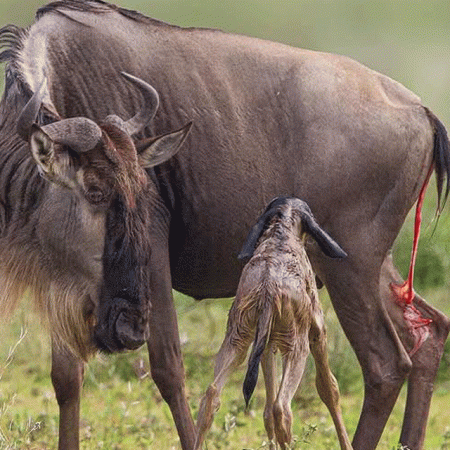
A Ndutu calving season safari generally takes place from January to March, when large wildebeest herds gather across the southern Serengeti and Ndutu plains to give birth. This period offers opportunities to observe newborn calves, lions, cheetahs, hyenas and other wildlife in a landscape that often turns green after seasonal rains.
A Serengeti river crossing safari usually focuses on the northern Serengeti between July and October when migrating wildebeest may gather near the Mara River. Travelers follow herd movements and wait for opportunities to witness animals navigating the river. Although crossings can create unforgettable moments their timing remains unpredictable.
The right choice depends on your travel dates, wildlife interests, available time and budget. Rather than booking a safari simply because it appears popular you should understand what each season can realistically offer.
This comprehensive guide compares the two experiences, explains the best travel periods, explores accommodation and cost considerations and helps you choose an itinerary that matches your expectations. Serengeti Travels can then help you turn that decision into a personalized Tanzania safari.
Understanding the Difference Between Ndutu Calving Season and Serengeti River Crossing Safari
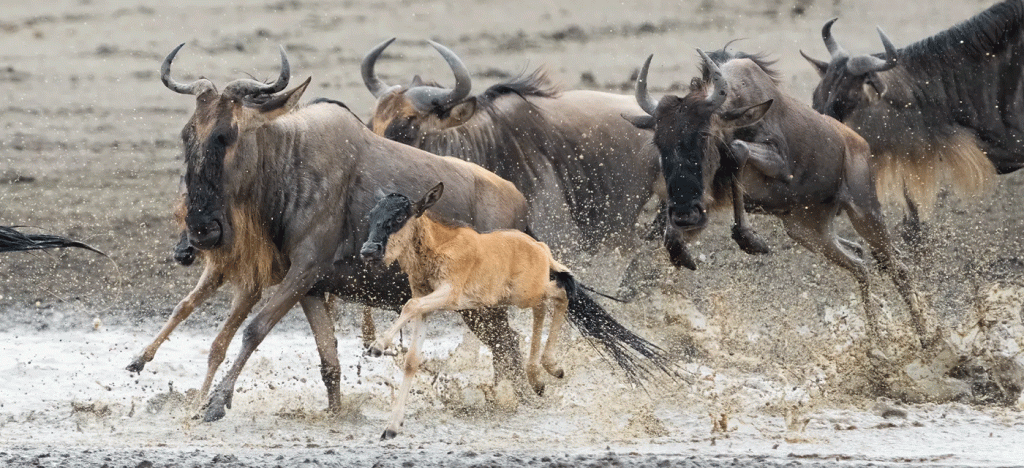
The main difference between a Ndutu calving season safari and a Serengeti river crossing safari is the wildlife event that shapes your journey. Ndutu focuses on the southern plains during the wildebeest calving period while the northern Serengeti attracts visitors who want to follow migrating herds near the Mara River.
During the calving season, wildebeest gather where fresh grazing supports pregnant females and newborn calves. The southern plains provide opportunities to observe large herds feeding, mothers caring for their young and predators searching for food. You can spend hours watching natural behaviour unfold rather than moving constantly between distant locations. The experience suits travelers who appreciate wildlife photography, predator sightings and the quieter details of animal life.
A river crossing safari follows a different rhythm. Wildebeest and zebras move toward riverbanks, sometimes gathering in large numbers before attempting to cross. The waiting period can be just as important as the crossing itself because animals may hesitate, change direction or move to another section of the river. When a crossing begins the herd can create an extraordinary display of movement.
These experiences represent different stages of the same Great Migration so your travel dates determine which region deserves your attention. Visiting Ndutu during the northern crossing season or expecting the main Mara River spectacle during the southern calving period can create unrealistic expectations.
Neither safari offers every wildlife encounter on demand. Ndutu does not guarantee newborn calves at every location and northern Serengeti does not guarantee a river crossing. Both regions support resident wildlife throughout the year giving you opportunities to enjoy more than the migration alone.
For travelers who want a broad range of wildlife interactions Ndutu offers a compelling seasonal experience. For visitors whose primary goal involves watching herds gather near a major river northern Serengeti provides the more suitable focus. Serengeti Travels can help you match your travel dates with the experience you want to prioritize.
Best Time to Book a Ndutu Calving Season Safari
The best time to book a Ndutu calving season safari generally falls between January and March, when wildebeest gather across the southern Serengeti and Ndutu plains. During this period, the landscape can support large grazing herds, newborn calves and active predators. The exact distribution of wildlife changes with rainfall, grass conditions and animal movements so travelers should plan around the seasonal window rather than depend on one guaranteed date.
January often provides opportunities to see the migration concentrating across the southern plains. As the season develops, more calves arrive and the surrounding wildlife activity can become particularly rewarding. February is widely considered one of the strongest months for calving-season travel because many wildebeest give birth during this period. March can also offer excellent sightings, although changing rainfall and grazing conditions may influence where the herds gather.
Each month offers a slightly different atmosphere. January can appeal to travelers who want to experience the developing calving season. February attracts visitors hoping to observe large numbers of newborn animals and the predators that follow the herds. March may suit travelers with flexible schedules who want to explore the southern Serengeti before the migration changes its distribution.
Your accommodation location matters as much as your travel month. A camp positioned conveniently for Ndutu game drives can reduce unnecessary transfers and allow you to spend more time observing wildlife. You should also consider the number of nights available since a short visit leaves less room to adapt when the herds move.
Serengeti Travels recommends planning your preferred dates early especially if you want a particular camp or luxury accommodation. Share your travel period, group size and budget so we can recommend a suitable itinerary.
If your priority is calving-season wildlife rather than river crossings, choose Ndutu first and build the rest of your safari around that decision.
Best Time to Book a Serengeti River Crossing Safari
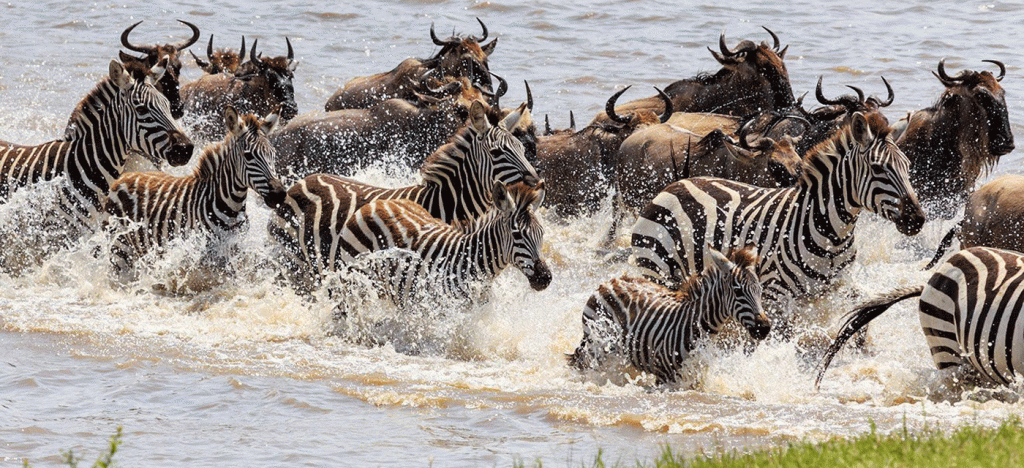
The best time to plan a Serengeti river crossing safari generally falls between July and October, when migrating wildebeest may move through the northern Serengeti toward the Mara River. These months attract travelers who want opportunities to watch herds gather near the water and potentially cross between Tanzania and Kenya’s Maasai Mara ecosystem.
July can mark the beginning of the main northern migration period, although herd movements vary each year. August and September are popular months for river-crossing safaris because large groups may gather around suitable crossing points. October can also offer rewarding encounters, depending on rainfall, grazing availability and the direction in which the herds move.
A common mistake is assuming that wildebeest cross the Mara River at predictable times every day. In reality herds may spend hours or longer near a riverbank before moving. Some groups cross quickly, while others retreat or choose another route. A crossing may occur when visitors are exploring a different part of the park and some travelers may not witness one during their entire stay.
For this reason your itinerary should allow enough time in northern Serengeti. Several nights provide more opportunities to explore different areas and respond to updated information from your guide. Staying close to the intended wildlife-viewing area can also reduce unnecessary driving.
Northern Serengeti offers excellent wildlife experiences beyond river crossings. Lions, leopards, elephants, giraffes, zebras and other animals inhabit the region so your safari can remain rewarding even when the herds do not cross the river.
Serengeti Travels can help you select suitable travel dates, choose accommodation in the northern region and plan game drives around the migration. If a crossing is your main priority tell us before booking so we can focus the itinerary on the appropriate area.
The key is to plan for the best seasonal opportunity without treating an unpredictable wildlife event as a guaranteed performance.
Wildlife Viewing Newborn Wildebeest vs Dramatic Migration Crossings
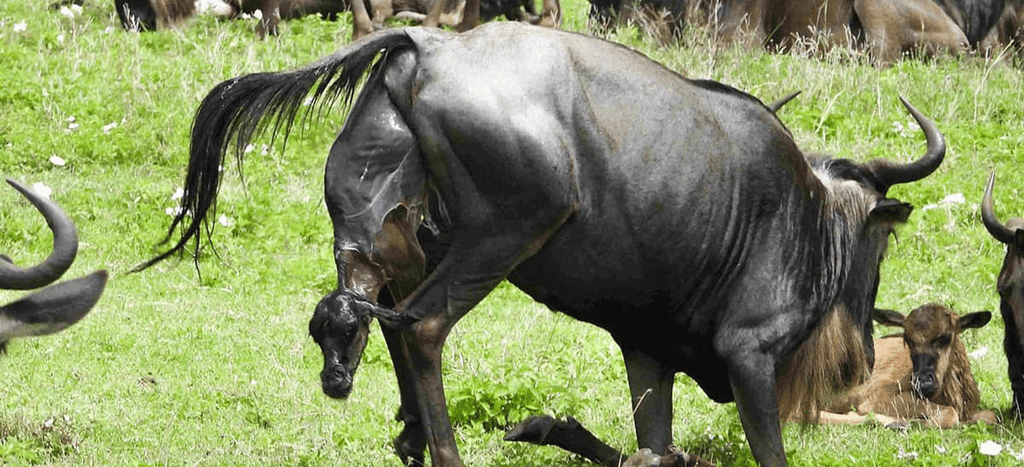
Wildlife viewing defines the difference between these two safari experiences. Ndutu offers a close look at the early stages of wildebeest life while northern Serengeti provides opportunities to observe the migration moving through a landscape shaped by the Mara River.
During the Ndutu calving season you may see mothers caring for newborn calves, herds grazing together and young animals learning to move with the group. These encounters reveal how wildebeest survive in a challenging environment. The open plains often allow visitors to observe interactions across a broad landscape, making the experience especially attractive to photographers and travelers who enjoy detailed wildlife observation.
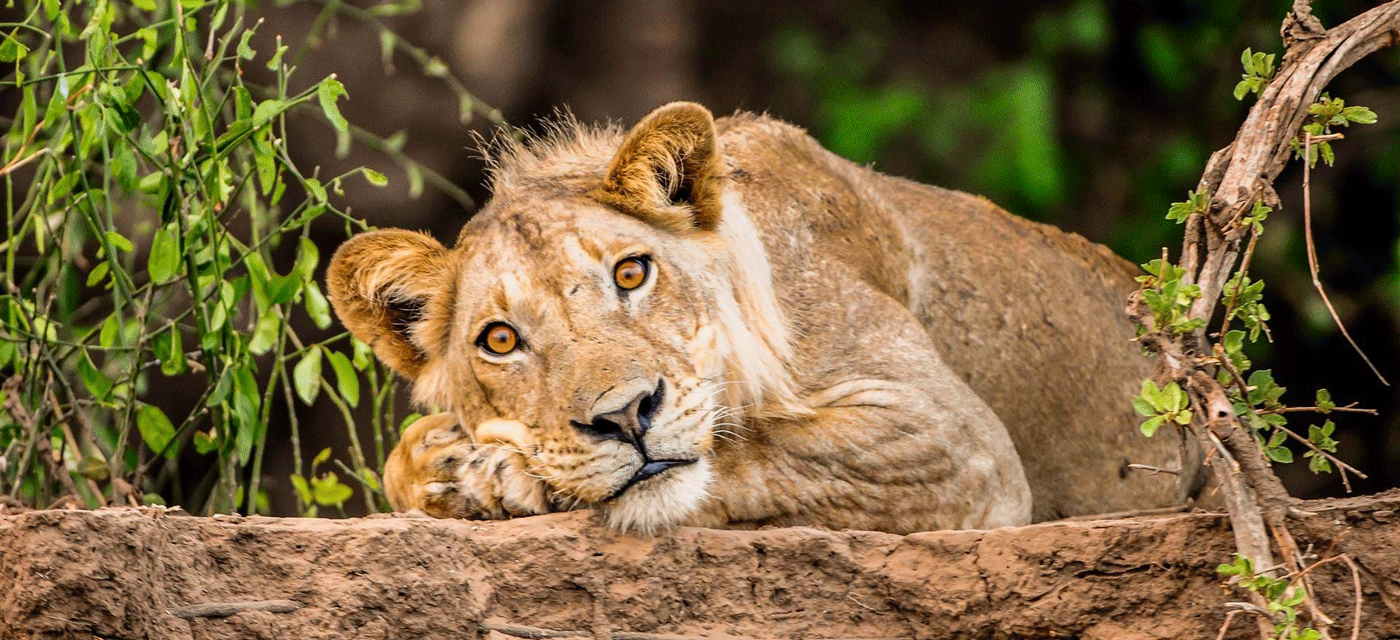
Predators add another dimension. Lions may rest near herds or patrol the plains, while cheetahs scan open ground for hunting opportunities. Spotted hyenas and jackals also move through the ecosystem. Their presence illustrates the relationships between predators and prey although you should never expect a hunt simply because large herds are nearby.
Northern Serengeti offers a different spectacle when migrating animals gather along riverbanks. Wildebeest may move together toward the water, pause as the group responds to changing conditions and eventually attempt to cross. Zebras often accompany the migration, adding variety to the scene. The movement of a large herd can create an extraordinary wildlife moment but the outcome depends entirely on animal behaviour.
Both destinations also support general wildlife viewing beyond their seasonal highlights. You may encounter elephants, giraffes, antelopes, lions and numerous bird species during suitable game drives.
Your choice should reflect the kind of encounter you want to experience. Ndutu is particularly attractive for travelers who enjoy newborn wildlife, predator interactions and the movement of herds across open plains. Northern Serengeti suits visitors who want to spend time near the migration route and hope to witness a river crossing.
Serengeti Travels can tailor your game drives around your main interests while keeping expectations realistic. The goal is to maximize opportunities for meaningful wildlife encounters rather than promise a particular event.
Predator Action Is Ndutu Better Than Northern Serengeti?
Ndutu is an excellent destination for travelers who want to observe predator behaviour during the wildebeest calving season. The presence of large grazing herds creates opportunities for lions, cheetahs and spotted hyenas to search for food across the southern plains. The open landscape can help visitors follow animals as they move rest or interact with their surroundings.
The calving period also offers opportunities to observe the relationship between mothers, newborn calves and predators. Wildebeest must remain alert while feeding and moving with their herds while predators use different hunting strategies to find suitable prey. Watching these interactions can teach visitors a great deal about the balance between survival and opportunity in the Serengeti ecosystem.
Cheetahs may use open ground to scan for prey while lions often rest before becoming active during cooler periods. Hyenas can travel considerable distances in search of food. Their behaviour changes with conditions so sightings differ from one game drive to another. You may spend time observing predators resting peacefully rather than hunting.
Northern Serengeti also offers rewarding predator encounters. Lions patrol the grasslands, leopards occupy suitable habitats and hyenas take advantage of opportunities around migrating herds. The river environment may concentrate wildlife in certain areas but it does not guarantee that predators will be visible during a crossing.
Ndutu may suit you better if your main objective is to explore predator behaviour alongside the calving season. Northern Serengeti may be preferable if you want to combine big-cat viewing with the possibility of a dramatic migration crossing.
The quality of your experience also depends on the time you allocate to game drives and the knowledge of your guide. A flexible itinerary allows you to revisit productive areas and respond to recent sightings.
Serengeti Travels can help you choose the right region for your wildlife interests and plan sufficient time for observation. We encourage travelers to approach wildlife respectfully, allow animals space and appreciate natural behaviour without expecting every drive to produce a dramatic encounter.
Landscape and Scenery Southern Serengeti vs Northern Serengeti
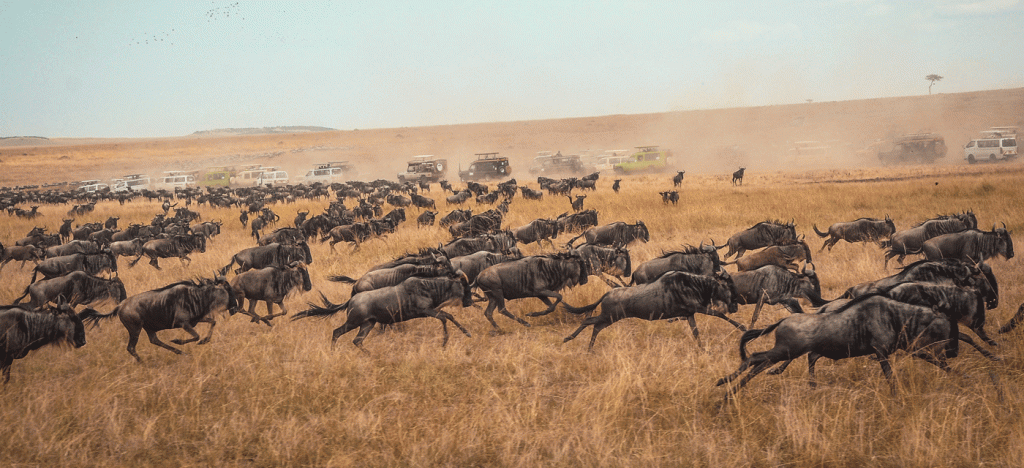
The landscape of Ndutu creates a distinctive safari atmosphere during the calving season. Broad grasslands, short-grass plains, scattered acacia trees and seasonal water sources shape the southern environment. After seasonal rains, the landscape can appear green and expansive providing a striking setting for wildlife photography.
Open terrain often allows you to scan the plains for grazing wildebeest, zebras and predators. Depending on the conditions you may see animals spread across the grasslands or gathered in larger concentrations. This variety gives photographers opportunities to capture wide environmental scenes as well as closer portraits of individual animals.
The southern landscape also offers changing light throughout the day. Early mornings may reveal mist or soft light across the plains while late afternoons can create warm colours around wildlife and trees. Rain clouds can add dramatic backgrounds although weather conditions vary and may affect road access or visibility.
Northern Serengeti presents a different visual experience. Rolling hills, rocky outcrops, woodland, open grasslands and the Mara River create a varied landscape. Riverbanks become important viewing areas when wildebeest approach the water while the surrounding plains provide opportunities to observe resident wildlife.
The northern landscape can produce dramatic photographic compositions particularly when large herds gather near the river. However, vegetation, terrain and the shape of the riverbanks may limit visibility at some locations. Your guide may need to explore different areas according to current animal movements.
Neither landscape is automatically superior. Ndutu appeals to travelers who enjoy expansive plains, seasonal greenery and visible wildlife interactions. Northern Serengeti suits visitors who appreciate varied scenery and want to explore the river environment.
When you book with Serengeti Travels tell us whether you prioritize open landscapes, predator photography, scenic drives or migration action. We can help you select a destination and accommodation location that support your preferred experience.
Ndutu vs River Crossing Safari for Wildlife Photography
A Ndutu calving season safari provides excellent opportunities for photographers who want to capture newborn wildebeest, large herds, predators and the atmosphere of the southern plains. The open landscape can make it easier to compose images that show animals within their environment. Green grasslands and changing cloud cover may also provide varied backgrounds during the season.
Photographers can focus on more than newborn animals. Mothers caring for calves, herds moving across the plains and cheetahs scanning open ground all offer opportunities to document natural behaviour. A longer stay gives you time to revisit productive areas when lighting or wildlife activity improves.
Early morning and late afternoon often provide favourable light although conditions change with weather and season. A telephoto lens can help you photograph wildlife from a suitable distance without disturbing animals. A wider lens can capture the scale of the landscape and the size of migrating herds.
Northern Serengeti offers a different photographic challenge. Photographers may position themselves near the Mara River and wait for herds to gather or cross. A successful crossing can create dramatic images of moving animals, splashing water and a large herd navigating the river. However the timing and location remain unpredictable.
You should prepare for periods of waiting and avoid planning your entire photography trip around a single anticipated crossing. Northern Serengeti also offers opportunities to photograph lions, elephants, zebras and landscapes giving you alternative subjects when river activity remains quiet.
Your ideal destination depends on the photographs you want to create. Choose Ndutu for newborn wildlife, predator behaviour and open-plains compositions. Choose northern Serengeti for migration scenes and the possibility of capturing a river crossing.
Serengeti Travels can help you build a photography-focused itinerary with sufficient nights in the main wildlife area. Explain your photographic interests before booking so we can recommend an appropriate schedule and accommodation location.
Accommodation Options Where Should You Stay?
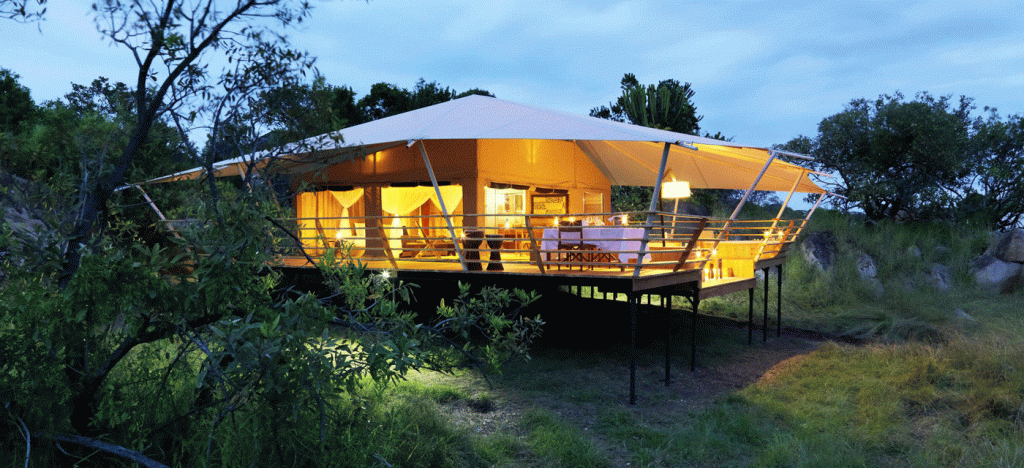
Choosing suitable accommodation is essential when comparing Ndutu calving season and Serengeti river crossing safaris. The right camp or lodge can reduce unnecessary travel, improve access to game drives and help you spend more time in the wildlife area you came to explore.
During the Ndutu calving season, travelers can choose seasonal tented camps, permanent lodges and other properties serving the southern Serengeti region. Seasonal camps can provide an immersive wilderness atmosphere while established lodges may offer different facilities and comfort levels. Availability and operating dates vary, so confirm that your preferred property serves the area during your travel period.
Location matters more than the accommodation name alone. A property advertised as being in the Serengeti may sit far from the specific wildlife area you intend to visit. Ask about its position relative to Ndutu and the likely game-drive routes before paying a deposit.
For a river crossing safari look for accommodation in northern Serengeti particularly around the Kogatende area or other suitable locations serving the Mara River region. A well-positioned camp can reduce transfer times and help you respond more easily to information about herd movements.
Your budget determines which accommodation categories make sense. Budget camping may appeal to travelers who prioritize affordability while mid-range tented camps provide a balance between comfort and cost. Luxury camps and lodges may offer additional amenities, personalized service and more spacious accommodation.
Compare the complete package rather than the nightly rate. Check meals, transport, park and conservation fees, game-drive arrangements and domestic flights where applicable. A seemingly cheaper camp may require additional transfers or may not offer the location you need.
Serengeti Travels can help you compare accommodation options according to your dates, comfort preferences and wildlife priorities. Our aim is to match your accommodation with your safari rather than select a property simply because it has a familiar name.
Ndutu Calving Season vs River Crossing Safari Cost
The cost of a Ndutu calving season safari compared with a Serengeti river crossing safari depends on accommodation, travel dates, group size, transport, park fees and itinerary length. Neither experience has a fixed universal price so you should compare complete quotations before deciding which package offers better value.
Ndutu can offer attractive options across budget, mid-range and luxury categories. However demand for well-positioned camps during the main calving period can influence prices. Travelers who require specific accommodation or travel dates should plan early and confirm availability before making arrangements.
Northern Serengeti can also command higher prices during popular river-crossing months particularly for camps positioned near the main wildlife-viewing areas. Remote locations may require longer road transfers or domestic flights which can increase the total cost. A premium package does not guarantee a crossing so evaluate what the itinerary includes beyond the anticipated event.
When comparing prices check whether the package includes a 4×4 safari vehicle, a professional guide, accommodation, meals, drinking water, park fees, conservation charges and airport transfers. Confirm whether domestic flights, crater fees for additional destinations and other transport costs are included. International flights, visas, travel insurance, tips and personal expenses may remain separate.
Group size can also influence the price per person. A private safari provides greater control over your schedule but can cost more per traveler when only a few people share the vehicle. A shared safari may reduce costs, although departure dates and daily arrangements may offer less flexibility.
The best-value safari is not necessarily the cheapest. Consider the amount of time you spend in the right wildlife region, the location of your accommodation and the quality of the guiding arrangements.
Serengeti Travels can prepare a personalized quotation based on your travel dates, number of travelers and preferred accommodation category. We can explain the differences between available packages so you can make a confident booking decision.
How Many Days Do You Need for Each Safari?
The number of days you need depends on your main wildlife objective, your arrival point and the time required to reach the selected region. Both Ndutu and northern Serengeti benefit from an itinerary that allows multiple game drives without rushing between distant destinations.
For a Ndutu calving season safari three nights in or near the Ndutu area provide a useful starting point. This gives you several opportunities to explore the plains search for predators and observe wildebeest herds. Four or five nights provide greater flexibility for photography and visiting different sections of the southern Serengeti.
A shorter safari can still deliver rewarding wildlife encounters but you should account for the journey from Arusha or another arrival point. A package that includes long transfers and only one game drive in the main wildlife area may not suit someone whose priority is calving-season observation.
For a Serengeti river crossing safari consider at least three nights in northern Serengeti if the Mara River is your main focus. Four or more nights allow additional opportunities to explore suitable crossing areas and respond to changing herd movements. A longer stay improves flexibility but it cannot guarantee that a crossing will happen during your visit.
Fly-in safaris can reduce time spent on long road transfers, although domestic flights add to the budget and still require suitable ground arrangements. Road safaris may suit travelers who want to explore other destinations along the route.
Serengeti Travels can recommend an itinerary according to your available holiday time. A four-day Ndutu safari may suit travelers with a shorter schedule while a five- to seven-day itinerary can allow a more relaxed experience or include additional destinations. Northern migration packages can also be tailored around the number of nights available.
Prioritize sufficient time in the wildlife region that matters most. Visiting fewer destinations often creates a more satisfying experience than trying to cover the entire northern circuit within a limited number of days.
Can You Combine Ndutu Calving Season and River Crossing Safari?
You can visit both Ndutu and northern Serengeti on an extended Tanzania safari but you should understand that their main wildlife highlights occur during different parts of the year. Ndutu’s main calving period generally falls between January and March while the northern Serengeti’s Mara River crossing opportunities usually occur between July and October.
This seasonal difference matters when planning your holiday. If you travel in February, focus on Ndutu and the southern Serengeti rather than expecting the main river crossing spectacle in the north. If you travel in August prioritize northern Serengeti when your main objective is to follow the migration near the Mara River.
Trying to include both distant regions during a short trip can add substantial travel time without improving your chances of seeing the seasonal events you want. The migration does not remain in one place throughout the year so the most effective itinerary follows the animals’ seasonal distribution.
If you have several weeks available you can explore multiple Serengeti regions during one holiday. However the best combination depends on the current season, road conditions, flight arrangements and the amount of time you want to spend on game drives. You should not expect to experience the peak of both seasonal events during the same short visit.
Another option is to experience one stage of the Great Migration now and plan a second safari during a different season in the future. This allows you to focus each trip on the wildlife experience that makes it distinctive.
During the calving season, you might combine Ndutu with Ngorongoro Crater or Tarangire. During the northern migration season, you might combine northern Serengeti with Central Serengeti depending on your schedule.
Serengeti Travels can help you compare these options and create a realistic itinerary. Tell us your travel dates and the wildlife experiences you want most and we will help you choose destinations that work together geographically and seasonally.
Which Safari Is Best for Families, Couples and First-Time Visitors?

The best safari for your travel group depends on your wildlife interests, preferred accommodation and comfort with long game drives. Ndutu and northern Serengeti can both provide memorable experiences for families, couples and first-time safari visitors but their seasonal highlights appeal to different preferences.
Ndutu can suit families who want to observe large herds, newborn wildebeest and a variety of resident wildlife. Children may find it fascinating to learn how young animals move with their mothers and how predators survive in the same ecosystem. Parents should consider children’s ages, daily driving times, accommodation facilities and the family’s ability to manage early starts.
A private safari can give families greater flexibility to adjust game drives, take breaks and spend more time at suitable sightings. Choosing accommodation with appropriate facilities can also make the trip more comfortable.
Couples may appreciate Ndutu’s green landscapes, wildlife photography opportunities and time spent observing animals across the southern plains. A private vehicle and carefully selected accommodation can create a more personalized experience without requiring an unnecessarily complicated itinerary.
Northern Serengeti appeals to travelers who want to focus on migration movements and the possibility of a Mara River crossing. Families and couples should understand that waiting for a crossing requires patience and that a dramatic event may not occur during their stay. The region still offers other wildlife encounters so the safari can remain rewarding.
First-time visitors can enjoy either destination especially when their itinerary matches the season. Travelers who want a broader introduction to Tanzania may consider adding Ngorongoro Crater or Central Serengeti if they have enough time.
At Serengeti Travels we recommend choosing the experience that matches your group’s priorities rather than selecting a destination solely because it is famous. Tell us who is travelling, what wildlife interests them and how many days you have available.
With suitable planning, both Ndutu and northern Serengeti can provide an excellent introduction to Tanzania’s wildlife. The best option is the one that balances seasonal opportunities, comfort, travel time and realistic expectations.
Private vs Shared Safari: Which Option Should You Choose?
Choosing between a private and shared safari affects your budget, flexibility and overall experience in both Ndutu and northern Serengeti. Each option can provide rewarding wildlife viewing, but the best arrangement depends on your group size, travel preferences and itinerary.
A private safari gives your group exclusive use of the safari vehicle and greater control over daily arrangements. You can discuss your priorities with your guide, spend more time at interesting sightings and adjust the schedule where conditions allow. This option suits families, couples, photographers and travelers who want to concentrate on a particular wildlife experience.
For a Ndutu calving season safari, private arrangements can help you devote more time to wildlife photography or explore different sections of the southern plains. During a northern river crossing safari they can provide greater flexibility when responding to information about herd movements and potential viewing locations.
A shared safari can reduce the per-person cost by allowing travelers to share vehicle expenses. This option may suit solo travelers or visitors who prioritize affordability. However shared departures depend on availability and you generally have less control over departure arrangements, stops and the interests of other passengers.
Before booking a shared trip, confirm the group size, vehicle arrangements, accommodation standard and whether the itinerary focuses on the correct migration region. A package that includes the Serengeti in its title may not provide sufficient time in Ndutu or northern Serengeti for your main objective.
Private safaris often cost more per person for smaller groups but the added flexibility may be worthwhile if you have limited time or specific wildlife interests. Shared arrangements can provide good value when the schedule and inclusions suit your needs.
Serengeti Travels can help you compare both options and explain the practical differences. Share your group size, preferred dates and budget so we can recommend an arrangement that suits your plans.
Why Book Your Migration Safari with Serengeti Travels?
Planning a successful migration safari requires more than choosing between two popular destinations. You need to match your travel dates with the appropriate wildlife region, select suitable accommodation and allow enough time for game drives. Serengeti Travels helps travelers bring these details together when planning a Ndutu calving season safari or a northern Serengeti river crossing safari.
Based in Arusha, Tanzania, Serengeti Travels can help you compare different itineraries and understand which destination fits your preferred travel period. If you want to see newborn wildebeest and explore the southern plains we can help you plan around the calving season. If you want to follow migrating herds near the Mara River we can help you focus your itinerary on northern Serengeti during the likely crossing season.
We can also help you choose between private and shared departures, road and fly-in arrangements and budget, mid-range and luxury accommodation. Your quotation can be tailored to your group size, number of nights and preferred level of comfort.
Our planning approach considers practical details that influence the experience, including transfer times, accommodation location and the amount of time available for wildlife viewing. These decisions matter because a well-positioned itinerary can help you spend more time exploring the region that interests you.
We also encourage realistic expectations. Wildebeest movements depend on environmental conditions and no responsible operator can guarantee a particular crossing, birth or predator encounter. Our role is to help you choose the right season arrange suitable logistics and create the best practical opportunities for wildlife viewing.
To begin planning, share your preferred travel dates, number of travelers, trip duration and accommodation category. Explain whether you prefer the calving season, the Mara River crossing experience or a broader migration safari.
Serengeti Travels can then prepare a personalized quotation and recommend a route that reflects your priorities. The result should be a safari designed around your interests rather than a standard itinerary that ignores the reason you want to visit Tanzania.
Frequently Asked Questions About Ndutu Calving Season vs Serengeti River Crossing Safari
Is Ndutu Calving Season better than the Serengeti River Crossing Safari?
Neither safari is universally better. Ndutu is ideal for travelers interested in newborn wildebeest, large herds, predator behaviour and southern Serengeti landscapes. Northern Serengeti suits travelers who want to follow the migration toward the Mara River and hope to witness a crossing. Choose according to your preferred wildlife experience and travel dates.
What is the best month for a Ndutu calving season safari?
February is a popular month because wildebeest calving activity can be particularly strong. January and March also offer rewarding opportunities. Rainfall and herd movements influence conditions, so plan around the broader January-to-March period rather than relying on a guaranteed date.
What is the best month for a Serengeti river crossing safari?
August and September are popular choices for northern Serengeti river-crossing trips. July and October can also offer opportunities, depending on herd movements and seasonal conditions. No month guarantees a crossing during your visit.
Can I see a river crossing during the Ndutu calving season?
The main Mara River crossing season occurs at a different stage of the migration cycle from the Ndutu calving season. If your primary objective is to witness a Mara River crossing, plan your safari for the northern Serengeti during the likely crossing period.
How many days should I book for Ndutu?
Three nights in or near Ndutu provide a useful starting point. Four or five nights offer additional opportunities for game drives, photography and exploring the southern plains. Your ideal itinerary depends on your arrival point, budget and whether you want to visit other destinations.
How many days should I book for a river crossing safari?
Consider at least three nights in northern Serengeti if river crossings are your main priority. Four or more nights provide additional flexibility to explore different areas and respond to herd movements. Longer stays improve your opportunities but cannot guarantee a crossing.
Is Ndutu good for big-cat sightings?
Ndutu can provide excellent opportunities to observe lions, cheetahs and spotted hyenas during the calving season. Predator activity varies, however and sightings depend on natural behaviour and current conditions. Northern Serengeti also supports rewarding big-cat viewing.
Which safari is better for photographers?
Ndutu suits photographers interested in newborn animals, predator behaviour, green landscapes and large herds across open plains. Northern Serengeti appeals to photographers hoping to capture river crossings and dramatic migration scenes. The best choice depends on your preferred subjects.
Is a private migration safari worth the cost?
A private safari offers greater flexibility over game drives, stops and daily arrangements. It can suit families, couples and photographers with specific interests. Shared safaris may cost less per person but you generally have less control over the schedule.
Can Serengeti Travels customize my safari?
Yes. Serengeti Travels can help you plan a safari around your preferred dates, group size, accommodation category and wildlife interests. You can request a Ndutu-focused itinerary a northern river-crossing safari or a broader Tanzania wildlife experience.
Conclusion
Choosing between a Ndutu calving season safari and a Serengeti river crossing safari starts with understanding what you want to experience. Ndutu brings you to the southern plains during the wildebeest calving period, where you can observe newborn calves, large herds, predators and the changing landscape of the southern Serengeti. Northern Serengeti offers opportunities to follow migrating herds toward the Mara River and potentially witness one of the Great Migration’s most dramatic events.
If you prefer newborn wildlife, predator interactions and photography across open grasslands Ndutu deserves serious consideration. If your main goal is to watch wildebeest gather near a river and possibly cross it northern Serengeti is the more appropriate destination during the likely crossing season.
Your travel dates, accommodation location and number of nights will shape the quality of your experience. Rather than rushing between multiple regions, prioritize the destination that matches your main objective. Remember that migration movements change with environmental conditions so a well-planned safari should offer rewarding wildlife viewing beyond a single anticipated event.
Serengeti Travels can help you compare Ndutu calving season safari packages and Serengeti river crossing itineraries choose accommodation that suits your budget and plan a route around your preferred wildlife experience. Whether you are arranging a private safari, a shared departure or a fly-in adventure we can help you evaluate the options before making your booking.
Ready to choose your Tanzania migration safari? Contact Serengeti Travels with your travel dates, group size, preferred accommodation level and main wildlife interests. Request your personalized quotation today and let us help you plan a safari that matches your expectations.