 English
 Deutsch
 Italia
May 29, 2026
Serengeti Safari Packages for First-Time Visitors
Introduction
Serengeti Safari Packages for First-Time Visitors are an excellent way to experience one of Africa’s most unforgettable travel destinations with the comfort of a carefully planned journey. Located in northern Tanzania the Serengeti National Park is world-famous for its endless plains, dramatic wildlife migrations and rich biodiversity. When you book a safari package for the first time, you are not just paying for a trip you are investing in a complete experience that combines wildlife viewing, guided exploration, accommodation and transport.
First-time safari packages are designed to make travel easy and stress-free. Most include airport pickup, usually from Kilimanjaro International Airport or Arusha transportation in a 4×4 safari vehicle with a professional guide, park entry fees, accommodation in lodges or tented camps and daily game drives. Some packages also include meals, drinking water and cultural visits to Maasai villages.
The main expectation should be wildlife viewing. The Serengeti is home to the Big Five lion, elephant, buffalo, leopard and rhinoas well as cheetahs, giraffes, zebras, wildebeests and hundreds of bird species. Depending on the season, you may also witness the Great Migration, when millions of wildebeests and zebras move across the plains in search of fresh grass.
Another key expectation is guided travel. You will always be accompanied by a professional safari guide who understands animal behavior, park routes and safety rules. This is especially helpful for first-time visitors who may not be familiar with African safari environments
Table of contents
- Introduction
- Types of Serengeti Safari Packages for First-Time Visitors
- What to Expect During Daily Safari Activities
- Accommodation, Comfort and Food Experience
- Best Time to Visit Serengeti for First-Time Visitors
- What to Pack for Serengeti Safari Packages for First-Time Visitors
- Safari Costs and Budgeting Expectations
- Booking Tips and Common Mistakes to Avoid for Serengeti Safari Packages for First-Time Visitors
- Wildlife You Can Expect to See on a Serengeti Safari
- Transportation and Safari Vehicle Experience
- Safety and Health Expectations on Serengeti Safari Packages for First-Time Visitors
- Cultural Experiences and Local Community Visits
- Photography and Memory-Making Expectations
- Conclusion
Types of Serengeti Safari Packages for First-Time Visitors
For first-time visitors Serengeti safari packages come in different styles depending on budget, comfort level and travel goals. Understanding these options helps you choose the right experience before booking.
The most common type is the budget camping safari. This package is ideal for travelers who want an affordable yet authentic experience. You stay in basic tents inside or near the park with shared facilities and meals prepared by a camp chef. Although simple this option gives you a close connection to nature and wildlife sounds at night.
Next is the mid-range lodge safari which is the most popular choice for first-time visitors. These packages include comfortable lodges or tented camps with private bathrooms, proper beds and restaurant-style meals. Transportation is still done in safari vehicles with a guide but the accommodation offers more comfort after long game drives.
For those seeking luxury there are high-end safari packages. These include premium lodges or luxury tented camps with high levels of comfort, private service, swimming pools, gourmet dining and sometimes even air transfers between parks. This option focuses on exclusivity and personalized experiences.
There are also group joining safaris where solo travelers or small groups share a safari vehicle and guide. This helps reduce costs while still offering a full Serengeti experience. Another option is the fly-in safari, where visitors fly directly from Arusha or Zanzibar into Serengeti airstrips. This saves time and is often combined with luxury or mid-range packages.
Each package type includes game drives, park fees and guided tours, but differs in comfort, privacy and cost. First-time visitors should choose based on budget and expectations but mid-range safaris are often recommended as the best balance between comfort and experience.
What to Expect During Daily Safari Activities
Daily life on a Serengeti safari follows a structured yet exciting routine designed to maximize wildlife sightings. First-time visitors should expect early mornings, long game drives and flexible schedules based on animal movement.
The day usually begins before sunrise. Wake-up calls are often around 5:30 AM followed by a light breakfast or coffee. Early morning is the best time for wildlife viewing because animals are most active when temperatures are cooler. You will then head out in a 4×4 safari vehicle with your guide for a morning game drive.
During game drives you will travel across the Serengeti plains searching for wildlife. Your guide will track animals such as lions, elephants, giraffes, zebras and cheetahs while explaining their behavior and habitat. Stops are made for photography, observation and sometimes picnic breakfasts or packed lunches in designated safe areas.
Around midday when temperatures rise, animals tend to rest so you may return to your lodge or camp for relaxation. This is a good time to rest, eat lunch or enjoy the scenery around your accommodation. In the afternoon another game drive takes place. This session often continues until sunset offering more chances to see predators becoming active again. The golden light at this time also creates excellent photography conditions.
Evenings are usually quiet and relaxing. You return to your lodge or camp, enjoy dinner and sometimes gather around a campfire. Guides may share stories about wildlife or explain more about the ecosystem. First-time visitors should expect long driving hours on uneven terrain unpredictable wildlife sightings and a flexible itinerary. No two days are the same in the Serengeti which makes every moment unique and full of surprises.
Accommodation, Comfort and Food Experience
Accommodation in Serengeti safari packages varies depending on the type of tour chosen but all options are designed to keep visitors close to nature while ensuring safety and comfort. First-time visitors can expect three main types of accommodation: camping sites, tented camps and safari lodges.
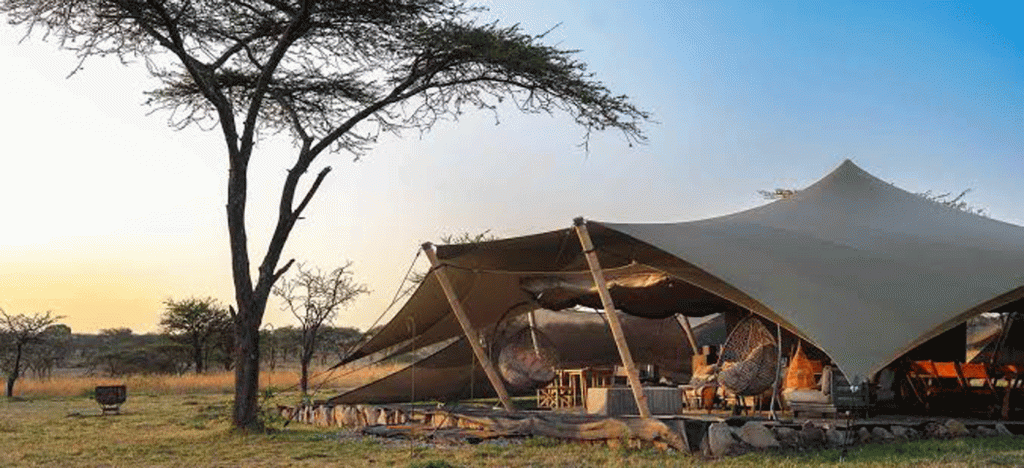
Camping accommodations are simple but functional. Guests stay in dome tents with sleeping bags or basic beds. Shared bathroom facilities are common and meals are prepared at the campsite. This option gives a raw and adventurous experience especially for budget travelers.
Tented camps offer a more comfortable experience while still maintaining a close connection to nature. These are large canvas tents with proper beds, private bathrooms and sometimes even hot showers. Many tented camps are located inside or near the park allowing guests to hear wildlife at night while enjoying comfort.
Safari lodges provide the highest level of comfort. These are permanent buildings with private rooms, en-suite bathrooms, dining areas and sometimes swimming pools. Lodges often offer beautiful views of the Serengeti plains and are ideal for relaxation after long game drives.
Food is usually included in safari packages. Meals are a mix of international and local cuisine often served buffet-style in lodges or prepared fresh at camps. Breakfast may include eggs, bread, fruits and coffee while lunch is often packed for game drives. Dinner is typically a three-course meal with a variety of options.
Drinking water is always provided and special dietary needs can often be arranged in advance. First-time visitors should expect simple but filling meals comfortable sleeping arrangements depending on the package and a strong focus on safety and cleanliness. The overall accommodation experience is designed to complement the safari adventure rather than overshadow it.
Best Time to Visit Serengeti for First-Time Visitors
Choosing the right time to visit the Serengeti can significantly shape your safari experience especially for first-time visitors. The park offers wildlife viewing throughout the year but each season provides different advantages depending on what you want to see.
The most popular time is the dry season which runs from June to October. During this period vegetation is thinner and animals gather around rivers and water sources making wildlife easier to spot. This is also one of the best times to see predators such as lions and leopards in action. The weather is generally sunny with clear skies and minimal rain which is ideal for photography and long game drives.
Another excellent time is during the Great Migration season which varies slightly each year but often peaks between July and September in the northern Serengeti. This is when millions of wildebeest and zebras cross the Mara River, facing crocodile-filled waters and dramatic predator encounters. For many first-time visitors this is the most spectacular wildlife event to witness.
The wet season occurs from November to May and is divided into short and long rains. While some roads may become muddy this season offers lush green landscapes, fewer tourists and excellent birdwatching opportunities. It is also the best time to see newborn animals especially between January and March when wildebeest calving season takes place in the southern Serengeti.
April and May are considered low season due to heavier rains, but safari prices are often lower and the park is quieter. First-time visitors should choose based on priorities: dry season for easy wildlife spotting, migration season for dramatic action and wet season for scenic beauty and fewer crowds. No matter the time the Serengeti remains a world-class safari destination.
What to Pack for Serengeti Safari Packages for First-Time Visitors
Packing correctly for a Serengeti safari is essential especially for first-time visitors who may not be familiar with safari conditions. The environment can be a mix of hot days, cool mornings and dusty roads so practical clothing and essential items are important.
Clothing should be lightweight, breathable and neutral in color such as khaki, beige or olive green. These colors help you blend into the environment and avoid attracting insects. Long-sleeved shirts and trousers are recommended to protect against sunburn and mosquito bites especially in the evenings. A warm jacket or fleece is also necessary for early morning and night game drives when temperatures can drop.
Comfortable walking shoes or lightweight boots are ideal even though most safari activities take place in vehicles. A hat and sunglasses are essential for sun protection during long drives. For photography a good camera with zoom capability is highly recommended as wildlife is often viewed from a distance. Extra memory cards and batteries are also important since charging opportunities may be limited during game drives.
Other essentials include sunscreen, insect repellent, a reusable water bottle and basic personal medication. A small backpack is useful for carrying items during daily excursions. First-time visitors should also bring travel documents such as passports, insurance details and safari booking confirmations. A pair of binoculars can greatly enhance wildlife viewing, allowing you to see distant animals more clearly.
Avoid overpacking, as safari vehicles have limited storage space. Laundry services are often available in lodges and camps so you can pack lighter.
Safari Costs and Budgeting Expectations
Understanding the cost of a Serengeti safari is important for first-time visitors as prices can vary widely depending on the level of comfort, duration and type of package selected. Safari costs generally include transportation, accommodation, park fees, guide services, meals and game drives.
Budget safaris are the most affordable option usually involving camping accommodations and shared services. These packages can range from low daily rates per person and are ideal for travelers who want a raw wildlife experience at a lower cost. However, comfort is basic and facilities are simple.
Mid-range safaris are the most popular choice among first-time visitors. These include comfortable lodges or tented camps, private bathrooms, better meals and professional guides. The price is higher than budget safaris but offers a strong balance between comfort and affordability.
Luxury safaris are the most expensive, featuring high-end lodges, private game drives, premium services and sometimes even charter flights. These packages are designed for travelers seeking exclusivity and maximum comfort. Additional costs may include international flights travel insurance tips for guides and staff alcoholic beverages, and optional activities such as hot air balloon safaris or cultural visits.
First-time visitors should also consider the number of days spent in the park. A 3-day safari is shorter and more affordable while 5–7 days allow for deeper exploration and better wildlife experiences. It is important to book through a trusted operator to avoid hidden costs and ensure transparency. Many reputable local companies offer customized packages based on budget and preferences.
Booking Tips and Common Mistakes to Avoid for Serengeti Safari Packages for First-Time Visitors
Booking a Serengeti safari for the first time can be exciting but it also requires careful planning to avoid common mistakes. Understanding the booking process helps ensure a smooth and enjoyable experience.
One of the most important tips is to book through a reputable local tour operator. Local companies often provide better pricing, experienced guides and more flexible itineraries compared to international middlemen. Always check reviews ask for clear itineraries and confirm what is included in the package.
Another key tip is to book early especially during peak seasons such as the Great Migration period. Accommodation inside or near the Serengeti can fill up quickly and last-minute bookings may be more expensive or limited in options. First-time visitors should also carefully read what is included in the safari package. Some packages may exclude park fees, drinks or optional activities which can lead to unexpected costs later.
A common mistake is overpacking or bringing unnecessary items. Safari vehicles have limited space and lightweight packing is always recommended. Another mistake is expecting strict schedules. Wildlife safaris are flexible because animal sightings depend on nature not fixed timings. Patience is essential for a rewarding experience.
Travel insurance is often overlooked but highly recommended covering medical emergencies, cancellations or travel disruptions. It is also important to communicate dietary needs or special requirements in advance to ensure proper arrangements. Finally first-time visitors should avoid choosing a safari based only on the cheapest price. Quality of guides, vehicle condition and accommodation greatly affect the overall experience.
Wildlife You Can Expect to See on a Serengeti Safari
One of the biggest reasons first-time visitors choose a Serengeti safari is the incredible variety of wildlife. The park is home to one of the richest ecosystems in the world offering almost guaranteed sightings of many iconic African animals if you spend enough time on game drives.
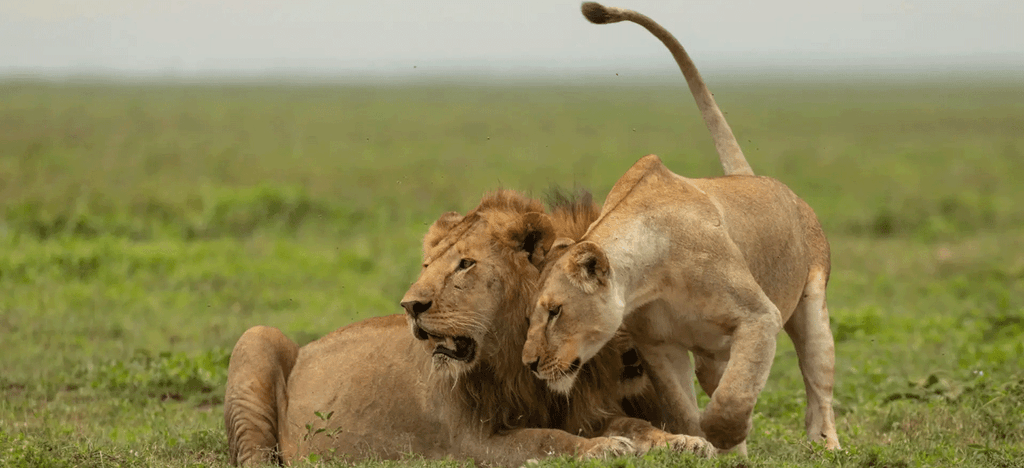
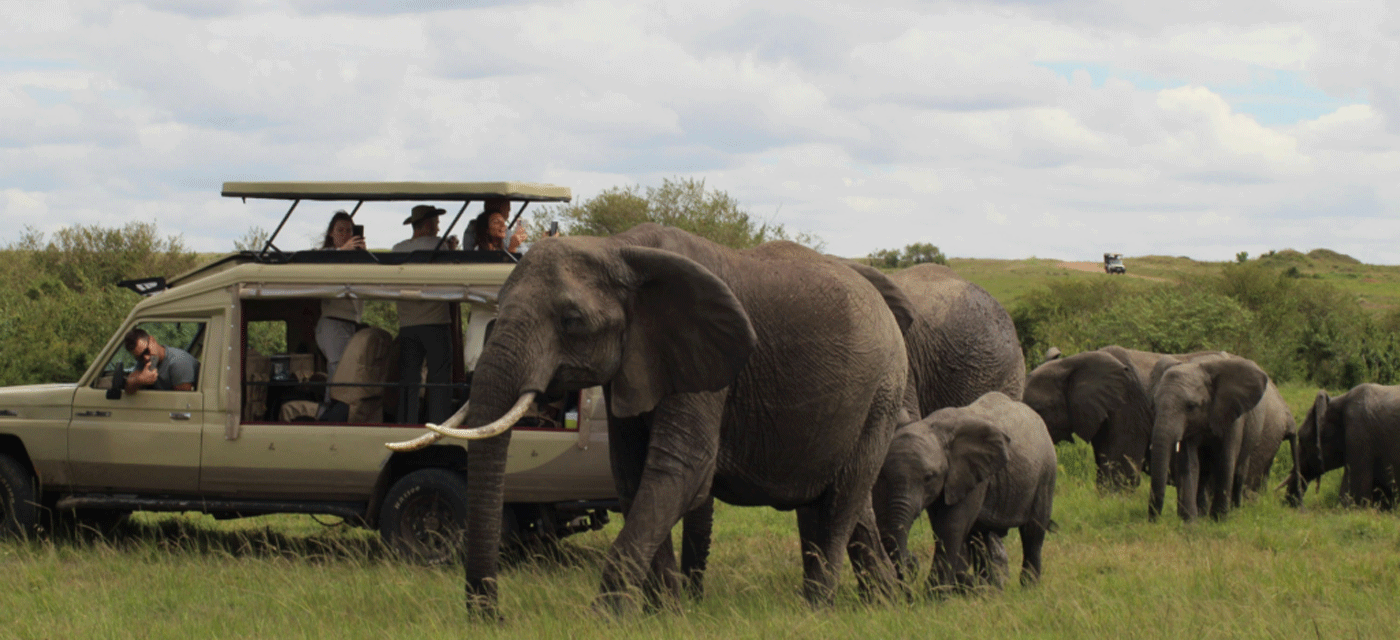
The most famous group is the Big Five which includes lions, elephants, buffalo, leopards and rhinos. Lions are especially common in the Serengeti and are often seen resting, hunting or interacting in prides. Elephants move in family groups and can be spotted near rivers or open plains. Buffalo are large and strong animals usually seen in herds while leopards are more elusive and often found resting in trees. Rhinos are rarer but can sometimes be seen in protected areas.
Beyond the Big Five the Serengeti is famous for large herds of wildebeest, zebras and gazelles especially during the Great Migration. This movement of millions of animals is one of the most dramatic wildlife events on Earth. Visitors can also expect to see cheetahs, known for their speed and hunting skills on open plains. Hyenas are common scavengers often seen near lion kills or moving in clans. Giraffes gracefully walk across the savannah feeding on tall acacia trees.
The park is also rich in birdlife with over 500 species including eagles, ostriches, flamingos and vultures. First-time visitors should understand that animal sightings vary daily. Some days may feature close encounters with predators while others focus on peaceful herds grazing across endless plains. Every game drive is different which is part of the excitement.
Transportation and Safari Vehicle Experience
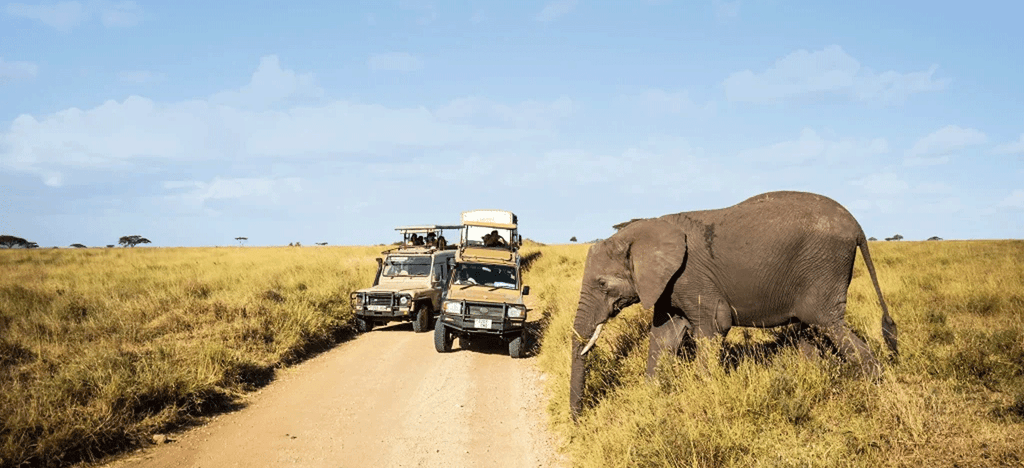
Transportation is a key part of the Serengeti safari experience especially for first-time visitors who may not be used to long off-road travel. Most safari packages use specially designed 4×4 safari vehicles built to handle rough terrain and provide excellent wildlife viewing.
These vehicles are typically Land Cruisers or similar models with raised roofs that can be opened for photography and viewing. This allows visitors to stand safely inside the vehicle while observing animals in all directions. Large windows and comfortable seating ensure that everyone has a good view during game drives.
Safari vehicles are driven by professional guides who also act as drivers. These guides are highly experienced in navigating the Serengeti’s vast landscapes, tracking animals and ensuring passenger safety. They also communicate with other guides using radio systems to locate wildlife such as lions, leopards or migration herds.
Travel distances inside the Serengeti can be long sometimes involving several hours of driving between regions. Roads may be dusty, uneven or muddy depending on the season. First-time visitors should expect a bumpy but exciting ride as this is part of reaching remote wildlife areas.
Most safari vehicles are equipped with essentials such as bottled water, charging ports and storage for luggage and cameras. During game drives vehicles stop frequently to allow passengers to observe animals and take photographs. For luxury safaris private vehicles are often provided giving visitors more flexibility in timing and route choices. Budget or group safaris may involve shared vehicles where travelers from different groups explore together.
Safety and Health Expectations on Serengeti Safari Packages for First-Time Visitors
Safety is a top priority on a Serengeti safari especially for first-time visitors who may be unfamiliar with wildlife environments. The good news is that safaris are generally very safe when travelers follow guide instructions and basic rules.
One of the most important safety rules is to always remain inside the safari vehicle during game drives unless the guide specifically allows you to exit in a safe designated area. Wild animals are unpredictable, and keeping distance ensures protection for both visitors and wildlife.
Professional guides are trained in wildlife behavior and emergency procedures. They know how to position vehicles safely near animals without causing disturbance or risk. First-time visitors should always listen carefully to their instructions.
Health precautions are also important. The Serengeti is located in a tropical region so visitors may need vaccinations or preventive medication depending on their country of origin. Malaria prevention is commonly recommended and insect repellent should always be used, especially in the evenings.
Drinking bottled or treated water is essential to avoid stomach issues. Most safari packages provide safe drinking water throughout the trip. Sun protection is also necessary due to strong equatorial sunlight. Hats, sunscreen and sunglasses help prevent sunburn and dehydration during long game drives.
First-time visitors should also carry basic personal medication and a small first-aid kit for minor issues such as headaches or motion sickness. Emergency medical services are available but distances between parks and towns can be large so travel insurance is highly recommended.
Cultural Experiences and Local Community Visits
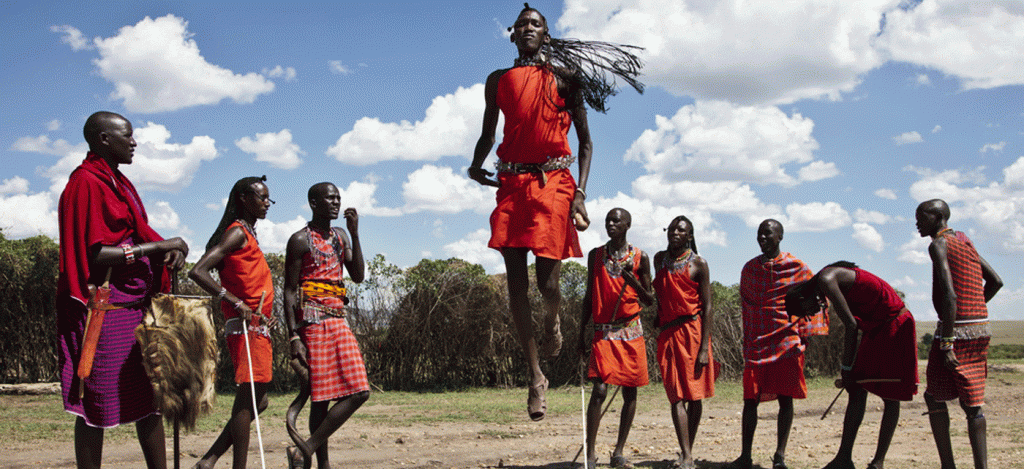
A Serengeti safari is not only about wildlife for first-time visitors it also offers valuable cultural experiences that help you understand Tanzania beyond the national park. Many safari packages include optional or planned visits to local communities especially the Maasai people who live around the Serengeti ecosystem.
Maasai village visits are among the most popular cultural experiences. During these visits travelers are welcomed by community members who share their traditional lifestyle, customs and daily routines. You may see traditional homes called “manyattas,” learn how cattle play a central role in their economy and observe cultural dances and songs. These interactions provide insight into how indigenous communities coexist with wildlife in the region.
First-time visitors should expect a respectful and educational experience rather than entertainment. Cultural visits are designed to promote understanding and support local livelihoods through tourism. Visitors are often encouraged to ask questions, take photos respectfully and sometimes participate in simple activities like beadwork demonstrations.
In addition to Maasai visits some safari itineraries may include stops in nearby towns such as Arusha or Karatu where travelers can experience local markets, crafts and food culture. Handcrafted souvenirs like jewelry, carvings and textiles are commonly available offering a way to support local artisans.
These cultural experiences add depth to a Serengeti safari by showing that Tanzania’s tourism is not only about animals but also about people and traditions. They help first-time visitors connect wildlife conservation with human heritage and community life. Overall, cultural encounters are optional but highly recommended. They enrich the safari journey by providing a broader understanding of life in Tanzania and create meaningful memories beyond wildlife viewing alone.
Photography and Memory-Making Expectations
For first-time visitors a Serengeti safari is one of the most photogenic travel experiences in the world. The vast landscapes, dramatic skies and abundant wildlife provide endless opportunities for photography and memory-making.
The best photography moments often occur during early morning and late afternoon game drives when lighting is soft and golden. This natural lighting enhances the beauty of animals and landscapes making photos more vivid and dramatic. Sunrise and sunset over the Serengeti plains are especially iconic moments that many visitors never forget.
Wildlife photography is a key part of the safari experience. Visitors can capture lions resting in the grass, elephants walking in herds, giraffes silhouetted against the horizon and large herds of wildebeest during migration. Patience is important as animals do not pose on demand and guides often help position vehicles for the best viewing angles.
First-time visitors should consider bringing a camera with a zoom lens as most animals are viewed from a safe distance. Smartphones can also capture great moments but professional cameras offer better detail for wildlife shots. Beyond photography many travelers focus on creating lasting memories through observation and experience. Sometimes putting the camera down allows you to fully appreciate the sounds, movements and atmosphere of the Serengeti.
It is also important to respect wildlife by avoiding flash photography and not disturbing animals for better shots. Responsible photography ensures both safety and conservation.
Frequently Asked Questions About Serengeti Safari Packages for First-Time Visitors
1. What should first-time visitors expect from a Serengeti safari?
First-time visitors can expect guided game drives, wildlife viewing, comfortable accommodation, meals, transportation and plenty of time in nature. Safari schedules are flexible because wildlife movements cannot be predicted exactly.
2. What is usually included in a Serengeti safari package?
Most packages include accommodation, meals, park entry fees, 4×4 safari transportation, a professional guide and scheduled game drives. Depending on the package, airport transfers, drinking water, cultural visits and other activities may also be included.
3. What type of Serengeti safari is best for first-time visitors?
A mid-range Serengeti safari is often a good choice for first-time visitors because it provides a balance between comfort, wildlife experiences and cost. Budget camping and luxury safari options are also available depending on personal preferences.
4. How many days are recommended for a first Serengeti safari?
A 3-day safari can provide a short introduction to the Serengeti while 5 to 7 days allow more time for exploring different areas and observing wildlife. Longer safaris can provide a more relaxed experience with greater opportunities for wildlife sightings.
5. What animals can first-time visitors see in the Serengeti?
Visitors may see lions, elephants, buffalo, leopards, rhinos, cheetahs, giraffes, zebras, wildebeests, gazelles and hyenas. The Serengeti also supports a wide variety of bird species and other wildlife.
6. Can first-time visitors see the Big Five in the Serengeti?
Yes, the Serengeti is home to the Big Five: lion, elephant, buffalo, leopard and rhino. However wildlife sightings are never guaranteed because animals move freely through their natural environment.
7. When is the best time for a first-time Serengeti safari?
June to October is popular for general wildlife viewing because dry conditions can make animals easier to spot. July to September is also a popular period for experiencing parts of the Great Migration while January to March is particularly notable for calving in the southern Serengeti.
8. What is the Great Migration, and can first-time visitors see it?
The Great Migration is the seasonal movement of large herds of wildebeest, zebras and other grazing animals across the Serengeti ecosystem. The location of the herds changes throughout the year so travelers should choose their travel dates and safari region according to the migration pattern they want to experience.
9. What accommodation can first-time visitors expect?
Accommodation may include public or private campsites, tented camps and safari lodges. Budget options generally provide basic facilities, while mid-range and luxury accommodations offer increasing levels of comfort, private bathrooms, dining services and additional amenities.
10. What food is provided during a Serengeti safari?
Safari packages commonly provide breakfast, lunch and dinner. Meals may include a combination of local and international dishes with packed lunches sometimes provided during longer game drives. Special dietary requirements can usually be arranged when communicated before the safari.
11. What should I pack for my first Serengeti safari?
Pack lightweight clothing, long-sleeved shirts, trousers, comfortable shoes, a warm layer for cool mornings, a hat, sunglasses, sunscreen, insect repellent and personal essentials. A camera, binoculars, spare batteries and travel documents are also useful.
12. Are Serengeti safari vehicles comfortable?
Most safaris use specially designed 4×4 vehicles such as safari Land Cruisers. They generally have raised viewing roofs, comfortable seats and large windows. Visitors should still expect some bumps because many game-drive routes are unpaved and uneven.
13. Are Serengeti safaris safe for first-time visitors?
Serengeti safaris are generally safe when visitors follow their guide’s instructions and established park rules. Travelers should remain in the vehicle unless the guide confirms that getting out is safe and permitted.
14. Do I need a professional guide on my first Serengeti safari?
Yes, traveling with a professional guide is highly beneficial for first-time visitors. Guides understand wildlife behavior, park routes and safety procedures and can help travelers find and identify animals while explaining the Serengeti ecosystem.
15. How much does a Serengeti safari cost for a first-time visitor?
The cost depends on the number of days, accommodation category, transportation, season, group size and activities included. Budget camping safaris are generally less expensive than mid-range and luxury options, while private vehicles and premium accommodations can increase the overall price.
16. Can I customize a Serengeti safari package?
Yes. Many safari packages can be customized according to travel dates, budget, accommodation preferences, number of days and wildlife interests. Private safaris generally provide greater flexibility than group joining tours.
17. Is a group safari suitable for a solo first-time visitor?
A group safari can be a practical option for solo travelers who want to reduce costs and share the experience with other travelers. A private safari is better suited to visitors who prefer greater control over the itinerary and game-drive schedule.
18. Can I fly directly into the Serengeti?
Yes, travelers can use scheduled or charter flights from locations such as Arusha or Zanzibar to selected Serengeti airstrips. A fly-in safari can save driving time and is particularly useful for shorter itineraries.
19. Can I visit a Maasai community during my Serengeti safari?
Yes, some safari itineraries include optional cultural visits to Maasai communities. These experiences can provide insight into traditional lifestyles, crafts, customs and the relationship between local communities and the surrounding ecosystem.
20. What should I expect during a typical game drive?
Game drives often begin early in the morning when wildlife is active. You may spend several hours exploring different areas stopping to observe animals and take photographs. Afternoon drives may continue until later in the day, depending on the itinerary and park regulations.
21. Will I have internet and electricity during a Serengeti safari?
Availability varies by accommodation. Many lodges and tented camps provide electricity and some level of internet access but remote camps may have limited connectivity or scheduled charging times. It is useful to carry a power bank for personal devices.
22. Should first-time visitors buy travel insurance?
Travel insurance is strongly recommended because it can provide protection for unexpected situations such as trip cancellations, travel disruptions or medical emergencies. Travelers should check that their policy covers the activities and destinations included in their itinerary.
23. Why choose Serengeti Travels for a first-time Serengeti safari?
Serengeti Travels can help first-time visitors organize transportation, accommodation, guided game drives and other safari arrangements based on their travel preferences. A well-planned itinerary also helps travelers understand what to expect before arriving in the Serengeti.
24. What is the most important thing for first-time Serengeti visitors to remember?
The most important thing is to remain flexible and patient. Wildlife is free to move through the park so every game drive is different. Following your guide’s advice, allowing enough time for exploration and enjoying the natural environment can make your first Serengeti safari a memorable experience.
Conclusion
A Serengeti safari with Serengeti Travels is one of the most powerful travel experiences a first-time visitor can have in Africa. It is not a simple holiday but a journey into a living wilderness where nature operates on its own rhythm. From vast golden plains to close encounters with wild animals every moment in the Serengeti creates lasting impressions that go far beyond typical tourism.
For first-time visitors the most important expectation is flexibility. Wildlife does not follow schedules and every game drive brings different surprises. Some days may offer dramatic predator action while others may focus on peaceful herds grazing across endless landscapes. This unpredictability is what makes the Serengeti truly special and Serengeti Travels helps travelers experience it through carefully organized safari journeys.
Comfort and safety are well managed through professional safari operators such as Serengeti Travels. Whether you choose budget, mid-range or luxury packages, you can expect guided transportation, planned accommodation and organized meals. The main difference lies in the comfort level rather than the quality of the wildlife experience.
Visitors should also expect early mornings, long drives and natural conditions such as dust, heat or occasional rain depending on the season. These elements are part of the authentic safari environment and contribute to the realism of the experience. With Serengeti Travels, travelers receive guidance and support throughout their safari to make the journey comfortable and enjoyable.
Beyond wildlife, the Serengeti offers emotional impact. Many first-time travelers describe the experience as life-changing because it connects them deeply with nature, freedom and the raw beauty of the Earth. Watching lions in the wild or witnessing the Great Migration creates memories that stay for a lifetime and Serengeti Travels is dedicated to helping visitors experience these unforgettable moments.