English
 Deutsch
 Italia
October 26, 2026
Ndutu Calving Season Safari Weather and Packing Guide
Introduction
Ndutu Calving Season Safari Weather and Packing Guide helps you prepare for changing weather, choose suitable clothing and pack the essentials for comfortable game drives. Planning a Ndutu calving season safari requires more than choosing the right travel dates. At Serengeti Travels we help visitors prepare for the conditions they may encounter while exploring Ndutu and the southern Serengeti during the wildebeest calving season.
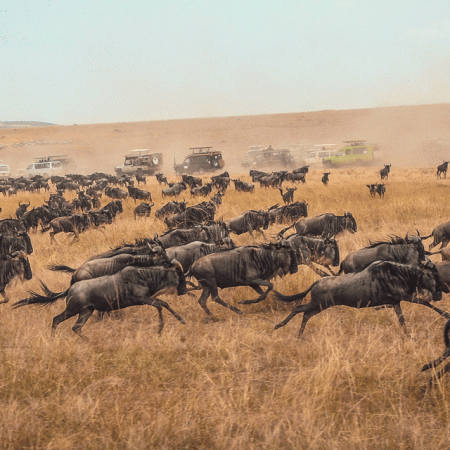
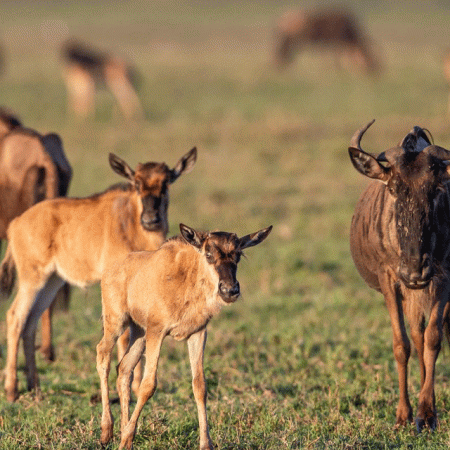
The calving season generally runs from December to March when large wildebeest herds gather on the southern plains to give birth. The landscape often turns green, creating beautiful scenery for wildlife viewing and photography. You may encounter newborn calves, lions, cheetahs, hyenas and other wildlife while exploring the plains with your safari guide.
Weather conditions can change throughout the day. Early mornings often feel cool, afternoons can become warm and occasional rainfall may affect unpaved roads. These changes make it important to pack clothing that works in different conditions rather than preparing only for sunshine.
Your packing needs also depend on your travel month, safari duration, accommodation and preferred activities. A photographer spending hours observing wildlife may need different equipment from someone taking a short safari focused on general game viewing.
This guide explains what to expect from Ndutu’s weather, what to wear during game drives and how to prepare for rain, dust and cooler evenings. With practical preparation and guidance from Serengeti Travels, you can enjoy your safari with greater comfort and spend more time experiencing the wildlife that makes Ndutu special.
Ndutu Calving Season Weather Conditions
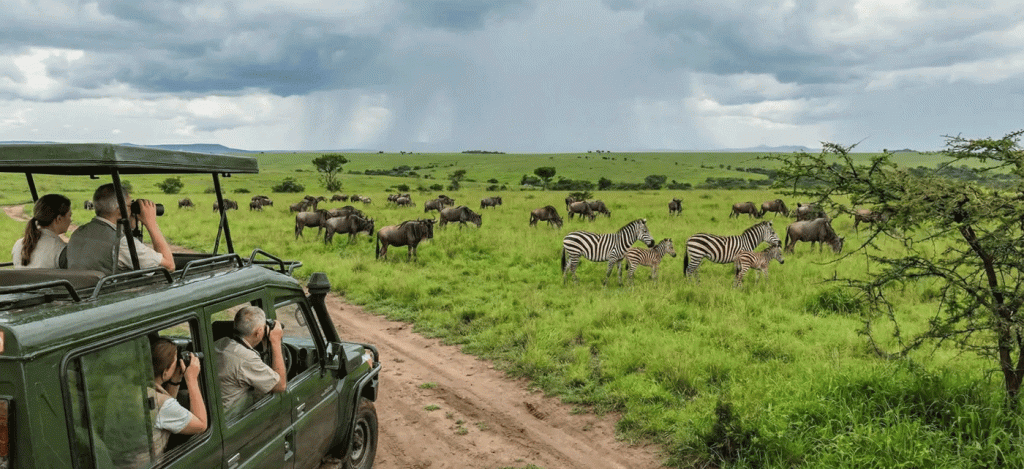
Ndutu experiences changing weather during the calving season, which generally extends from December through March. Visitors can expect warm afternoons, cooler mornings and occasional rainfall. These conditions create an attractive environment for wildlife viewing as wildebeest gather across the southern Serengeti plains.
Daytime temperatures commonly reach the mid-to-upper 20s Celsius, while early mornings and evenings can feel considerably cooler. The exact temperatures depend on the location, altitude, cloud cover and weather patterns during your visit. You should therefore prepare for both warm and cool conditions particularly when your guide schedules an early departure.
Rainfall can influence the appearance of the landscape and the condition of safari tracks. December may bring showers that encourage fresh grass growth. January and February can offer a mixture of sunshine and occasional rain while March may bring more frequent showers as the longer rainy season develops. Conditions vary from year to year so no particular month guarantees completely dry or wet weather.
These changing conditions contribute to Ndutu’s appeal during the calving season. Fresh grazing attracts large herds and predators often patrol areas where young wildebeest gather. Cloudy skies can also create attractive photographic light while sunshine reveals the green plains and wide-open landscapes.
Serengeti Travels recommends packing for several weather possibilities rather than relying entirely on the forecast. Lightweight clothing helps during warm afternoons while a fleece or jacket provides comfort during cool mornings. A waterproof layer prepares you for unexpected showers.
Understanding the weather before departure helps you choose suitable clothing, protect your equipment and enjoy your wildlife experience without unnecessary discomfort.
Ndutu Weather from December to March
Each month of the Ndutu calving season brings slightly different conditions, so your travel dates should influence your packing decisions. Although wildlife movements and rainfall vary December through March generally offers opportunities to explore the southern plains and observe wildebeest during the calving period.
December
December often brings greener scenery as seasonal rainfall supports fresh grass across the plains. Wildebeest begin gathering in the southern Serengeti region, creating opportunities to observe growing herds and early calving activity. Warm afternoons may alternate with cloudy periods and occasional showers. Pack breathable shirts, comfortable trousers, a light jacket and waterproof protection for changing conditions.
January
January offers excellent opportunities to explore Ndutu as wildebeest numbers increase and calving activity becomes more noticeable. Mornings can feel cool before temperatures rise during the day. Lightweight safari clothing works well in the afternoon, while a fleece helps during early game drives. A camera cover and waterproof jacket can also prove useful if showers develop.
February
February is a popular month for travelers who want to experience the wildebeest calving season. Large herds, newborn calves and predators create rewarding wildlife-viewing opportunities. Warm afternoons make lightweight clothing practical but early departures still call for an extra layer. Pack sunglasses, a hat, sunscreen and suitable protection for your camera equipment.
March
March can bring increasing rainfall, although the timing and amount vary each year. Some tracks may become muddy after heavy showers and your guide may adjust the day’s route according to local conditions. A waterproof jacket, quick-drying clothing and closed shoes with good grip can help you remain comfortable throughout the trip.
Choosing the right packing strategy matters more than trying to predict every weather change. Serengeti Travels can help you prepare according to your planned travel dates, accommodation and safari itinerary.
What Clothes Should You Pack for a Ndutu Safari?
Your clothing should help you manage changing temperatures without making your luggage unnecessarily heavy. During a Ndutu calving season safari, you may leave your accommodation before sunrise and remain in the vehicle until the afternoon. The temperature can change considerably during that time so versatile clothing provides the greatest convenience.
Breathable T-shirts and lightweight long-sleeved shirts work well during warm daytime game drives. Long sleeves also provide additional protection from the sun and dust. Neutral colours such as khaki, olive, brown and beige suit the safari environment, although you do not need to buy an entirely new wardrobe for your trip.
Comfortable trousers are useful for extended periods in the safari vehicle. A fleece, sweatshirt or light jacket provides warmth during early departures and cooler evenings. A compact waterproof jacket adds another layer of protection when rain threatens.
Choose closed shoes that feel comfortable throughout the day. You may need them when walking around your camp or lodge and a good grip can help when paths become damp. Sandals are useful for relaxing at your accommodation but they should not replace practical footwear.
A hat or cap protects your head from the sun while sunglasses improve comfort during bright conditions. Sunscreen is equally important because you can spend several hours outdoors even when the air feels cool.
You should also consider your accommodation. Tented camps can feel cooler at night than expected after a warm afternoon so keep a warm layer accessible for the evening.
At Serengeti Travels we recommend dressing in layers instead of carrying heavy clothing. You can remove a jacket as temperatures rise and put it back on when the air cools. This simple approach helps you stay comfortable throughout your Ndutu safari.
Essential Items for Your Ndutu Calving Season Safari
A well-prepared packing bag helps you enjoy your safari without carrying unnecessary items. Focus on essentials that support your comfort, protect your belongings and make long game drives easier.
Your personal-care items should include sunscreen, lip balm, a toothbrush, toothpaste, basic toiletries and any personal medication you normally use. Insect repellent can also be useful. If you have questions about travel vaccinations or malaria prevention seek advice from a qualified healthcare professional before departure.
Carry a reusable water bottle and a small day bag for items you may need during the day. Sunglasses, tissues, hand sanitiser and a hat are useful additions. Keeping these items together makes them easier to reach when you are away from your accommodation.
Photography equipment requires careful planning if you want to capture wildebeest calving and predator activity. Bring your camera or smartphone, charging cables, spare batteries where appropriate and enough storage for your photographs. Binoculars can help you observe animals that remain too distant for detailed viewing.
Travel documents deserve equal attention. Keep your passport, travel insurance information, booking confirmations and other important documents secure. If your itinerary includes domestic flights check your airline’s baggage rules before choosing your luggage.
A small waterproof bag can protect electronic devices and important belongings if rain develops during a game drive. Packing organisers can also help separate clean clothes from damp items.
You do not need to bring every item you own. Choose practical essentials based on your safari duration, accommodation facilities and personal needs. If your camp offers laundry services you may be able to reduce the amount of clothing you carry.
Serengeti Travels can help you prepare for your planned itinerary, including road safaris and fly-in arrangements. Checking these details before departure helps you pack efficiently and avoid last-minute surprises.
Preparing for Rain, Dust and Muddy Roads
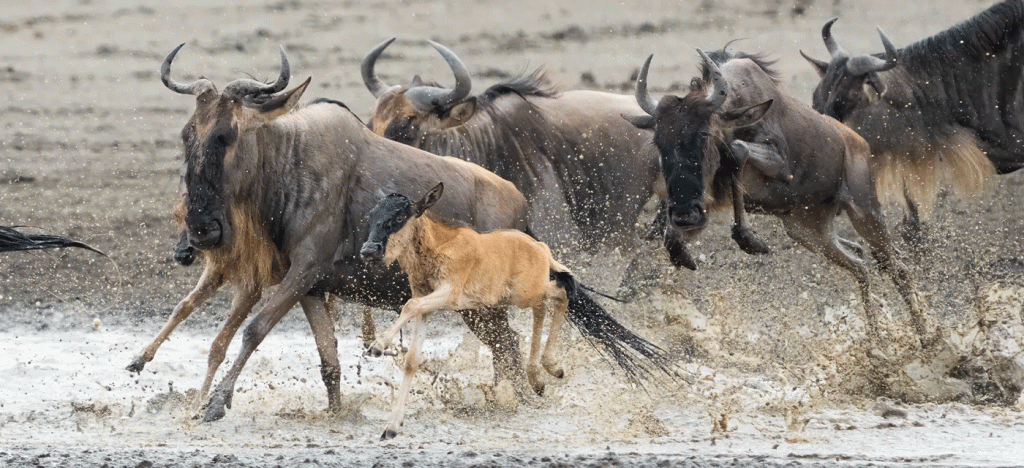
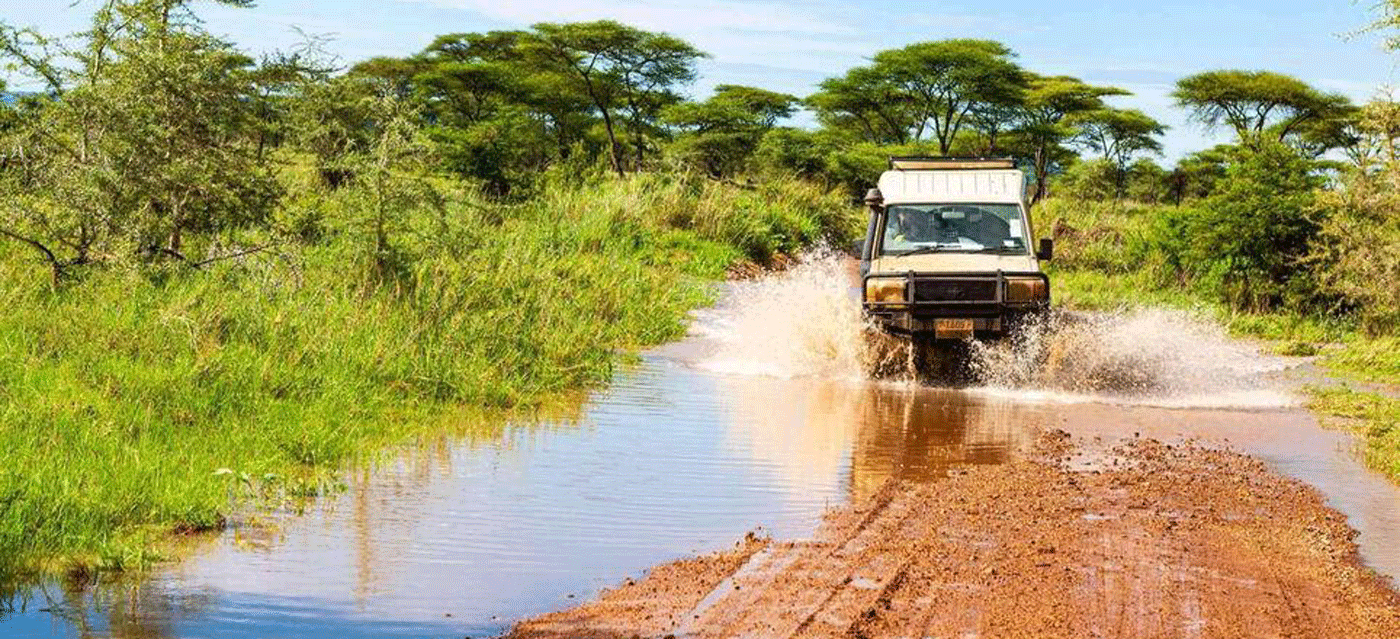
The Ndutu landscape can change after rainfall, so preparing for wet and dusty conditions helps you travel more comfortably. Some days may bring bright sunshine and dry tracks while other periods may leave sections of the route muddy. Your experience depends on recent rainfall and the areas your guide visits.
A lightweight waterproof jacket is useful because it protects you without taking up much space in your luggage. You can keep it in your day bag or safari vehicle rather than leaving it at your accommodation. If you carry a camera use a suitable protective cover when rain threatens.
Dust may also affect your comfort during game drives, especially when vehicles travel along dry tracks. Sunglasses can protect your eyes, while a lightweight scarf or neck gaiter provides additional protection. Store cameras and other electronic devices in a padded bag when you are not using them and clean lenses with appropriate equipment.
Muddy conditions make practical footwear important. Comfortable closed shoes with good grip are suitable for walking around camps and lodges. Pack spare socks so you can change if your feet become damp during the day.
You should also protect important belongings from moisture. A waterproof day bag or rain cover helps shield your phone, documents and spare clothing when showers arrive unexpectedly.
Your guide plays an important role when weather affects the roads. Heavy rainfall may make some tracks difficult to navigate so the guide can adjust the route according to current conditions and wildlife movements. Flexibility helps you continue enjoying the safari without placing unnecessary pressure on the day’s schedule.
Before travelling discuss your itinerary with Serengeti Travels so you understand what conditions you may encounter. Preparing for both rain and sunshine helps you enjoy Ndutu without allowing the weather to dominate your experience.
Photography Preparation for the Ndutu Calving Season
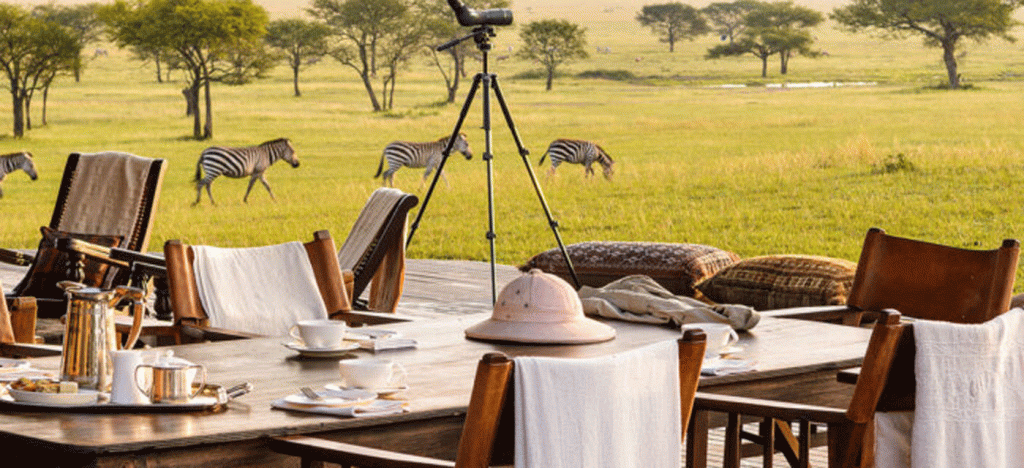
Ndutu offers excellent opportunities to photograph wildlife during the calving season. Large wildebeest herds, newborn calves, open grasslands and predators create varied scenes throughout the day. The changing weather also influences the light giving photographers different opportunities to capture the landscape.
You can photograph wildlife with a smartphone, a compact camera or professional equipment. A camera with a suitable zoom lens can help you capture distant animals without approaching them unnecessarily. A versatile lens also allows you to photograph both individual animals and wider scenes of the plains.
Bring sufficient battery power and storage for your photographs. Long game drives may give you many opportunities to take pictures so charging your equipment each evening helps you prepare for the following day. If you use multiple memory cards, keep them organised and stored safely.
Dust and moisture require special attention. Keep your camera inside a protective bag while travelling between locations and use a suitable cover if rain begins. Avoid changing lenses unnecessarily in dusty conditions and clean your equipment carefully with the right tools.
A pair of binoculars can help you locate wildlife before taking photographs. Your guide can also help you identify promising viewing areas and position the vehicle appropriately while respecting wildlife and park regulations.
Early mornings can provide beautiful photographic light but they can also feel cold. Bring a warm layer so you remain comfortable while waiting for wildlife activity. During brighter afternoons, sunglasses, a hat and sunscreen help protect you from the sun.
If photography is a major reason for your visit tell Serengeti Travels when requesting your safari quotation. A private safari may offer greater flexibility to spend time observing wildlife and adjusting your schedule. Planning around your interests can help you make better use of your time in Ndutu.
What to Wear During Morning and Afternoon Game Drives
Early-morning and afternoon game drives can expose you to different temperatures within a single day. You may leave camp while the air feels cool and return after spending hours in warm sunshine. Choosing adaptable clothing makes these changes easier to manage.
For morning departures wear a comfortable shirt beneath a fleece or light jacket. Long trousers and closed shoes provide practical coverage while the vehicle moves across the plains. If you feel cold easily a light scarf can provide additional comfort.
As the sun rises the temperature usually increases. Remove your outer layer when you become warm and keep it within easy reach. Breathable clothing helps you remain comfortable when the vehicle stops for extended wildlife viewing.
Afternoon game drives often call for lighter clothing and good sun protection. Wear a hat, sunglasses and sunscreen and keep drinking water accessible. Long sleeves and lightweight trousers can provide useful protection without making you feel excessively warm.
Do not leave your waterproof jacket behind simply because the morning starts with clear skies. Conditions can change during the day and keeping rain protection in your vehicle allows you to respond quickly to unexpected showers.
Your accommodation also influences what you need after sunset. Tented camps may feel cool in the evening particularly after cloudy or rainy weather. A fleece or sweatshirt helps you relax comfortably after a full day outdoors.
The most practical strategy is to dress in layers and choose clothing that suits both the weather and your activities. You do not need specialised safari outfits to enjoy Ndutu. Comfortable adaptable clothing will help you focus on wildlife rather than changing conditions.
Practical Tips Before Your Ndutu Safari
Preparing before departure allows you to organise your luggage, confirm travel arrangements and understand what your safari includes. Start by reviewing your itinerary with your safari operator so you know how long you will spend in Ndutu and whether your journey includes other destinations.
Transport arrangements deserve particular attention. A road safari from Arusha may allow different luggage arrangements from a fly-in safari using a light aircraft. Check the applicable baggage allowance with your airline or operator before packing especially if your trip includes domestic flights.
Check the weather forecast shortly before departure but remember that conditions in Ndutu may differ from those in Arusha or Ngorongoro. A forecast can help you prepare although it cannot guarantee the exact conditions you will encounter on the plains.
Organise your belongings so you can access essential items quickly. Keep your camera, sunglasses, sunscreen, warm layer and rain jacket in a convenient place. Store important documents securely and avoid packing items you will not need during the trip.
Ask your accommodation about charging facilities and laundry services. These details can influence how many clothes and electronic accessories you need to bring. If laundry is available you may be able to travel with less luggage.
It also helps to maintain flexibility in your itinerary. Rainfall can influence road conditions and wildlife movements and your guide may adjust the day’s route when necessary. Following local guidance allows you to make practical decisions while enjoying your safari.
When booking with Serengeti Travels, share your preferred travel dates, group size, accommodation level and safari duration. If you have specific interests such as photography or spending more time observing wildlife explain them before confirming your trip. This information helps the team recommend an itinerary that suits your expectations.
Frequently Asked Questions About Ndutu Weather and Packing
What is the weather like during the Ndutu calving season?
Ndutu generally experiences warm afternoons and cooler mornings and evenings between December and March. Occasional rainfall can occur, so pack lightweight clothing, a warm layer and a waterproof jacket.
Does it rain during the Ndutu calving season?
Yes, rainfall can occur throughout the season, although the amount and timing vary. December may bring showers, while March can experience increasing rainfall. Prepare for both sunny and wet conditions.
What clothes should I wear on a Ndutu safari?
Pack breathable shirts, comfortable trousers, a fleece or light jacket, closed shoes, sunglasses and a hat. Layering helps you adapt to temperature changes during game drives.
Do I need a rain jacket for Ndutu?
Yes. A lightweight waterproof jacket is a practical choice, even when the forecast suggests mostly sunny weather. It helps protect you during unexpected showers.
Is February a good month for a Ndutu calving season safari?
February is a popular time to visit because wildebeest calving activity can be particularly rewarding. You may see newborn calves, large herds and predators across the southern plains. Weather conditions can vary, so prepare for sunshine and occasional rain.
What shoes should I bring to Ndutu?
Comfortable closed shoes with good grip work well for walking around your accommodation and handling damp conditions. Sandals are useful for relaxing at camp but closed shoes are more versatile.
What should I pack for wildlife photography?
Bring your camera or smartphone, suitable lenses if needed, spare batteries, memory cards, charging cables and protective equipment for dust and moisture. Binoculars can also improve your wildlife-viewing experience.
Can rain affect my Ndutu safari itinerary?
Heavy rain can make some unpaved tracks muddy and affect access to particular areas. Your guide may adjust the route according to road conditions and wildlife movements.
Book Your Ndutu Calving Season Safari with Serengeti Travels
A successful Ndutu calving season safari begins with choosing suitable travel dates and preparing for the conditions you may encounter. Practical clothing, appropriate rain protection and well-organised luggage help you enjoy long game drives across the southern Serengeti plains.
Serengeti Travels helps visitors plan Ndutu safaris according to their travel preferences, budget, accommodation needs and available time. You can choose a shorter calving-season safari or combine Ndutu with central Serengeti and Ngorongoro Crater for a wider wildlife experience.
When requesting your personalized quotation, share your travel dates, group size, preferred accommodation category and safari duration. These details help the team recommend a suitable itinerary and provide practical preparation advice before departure.
Plan your Ndutu calving season safari with Serengeti Travels and prepare for an unforgettable wildlife experience in Tanzania.