English
 Deutsch
 Italia
October 28, 2026
Can You Guarantee Seeing Wildebeest Births During a Ndutu Safari?
Introduction
Seeing a wildebeest give birth in the wild is one of the most extraordinary experiences you can have during a Tanzania safari. However can you guarantee seeing wildebeest births during a Ndutu safari? The honest answer is no. No safari operator can guarantee that you will witness an actual birth because wildebeest give birth naturally without following a predictable schedule that guides can control. Nevertheless you can significantly improve your chances by choosing the right travel dates, spending enough time in the Ndutu area and travelling with an experienced local safari guide.
At Serengeti Travels we help travellers plan their Ndutu calving season safari around the wildlife movements and seasonal conditions that offer the best opportunities to witness newborn wildebeest, mothers caring for their calves and predators searching the plains. The experience goes beyond watching a birth. You may encounter a newborn calf taking its first steps hundreds of wildebeest moving across the short-grass plains or a lion quietly observing a herd.
The most important decision is to understand the difference between guaranteeing a wildlife event and planning a safari that maximises your chances of seeing it. A carefully planned itinerary gives you more opportunities to observe natural behaviour without promising an outcome that nobody can control.
This guide explains when to visit Ndutu, how long to stay, what your guide can do to improve your chances and what to look for if you do not witness an actual birth. It also helps you choose a safari package based on your travel dates, interests and expectations.
Why Nobody Can Guarantee Seeing a Wildebeest Birth in Ndutu
Wildebeest follow natural biological rhythms rather than a safari timetable. A female may give birth while a herd grazes quietly on the plains during a movement between grazing areas or in a location that your vehicle cannot reach immediately. Even when your guide finds a pregnant wildebeest the timing of the birth remains uncertain. Labour may begin sooner than expected, take time to progress or occur after the herd has moved away.
Weather, grazing conditions, herd movements and individual animal behaviour also influence where you encounter calving activity. Ndutu covers a broad landscape of open grasslands, seasonal lakes, woodland and surrounding plains. Wildebeest can spread across different areas so a successful game drive depends on understanding current conditions rather than visiting one fixed location.
Predators add another layer of unpredictability. Lions, cheetahs and hyenas often exploit the abundance of vulnerable young animals during the calving season. Their presence creates exceptional wildlife-viewing opportunities but it does not mean that a birth or predator encounter will happen in front of your vehicle.
A responsible safari operator should explain these limitations before you book. Be cautious of anyone promising a guaranteed birth, a guaranteed predator attack or a specific wildlife encounter. Such promises go beyond what a guide can reasonably control.
Instead choose a safari that prioritises suitable seasonal timing, experienced guiding, flexible game drives and enough time in the calving grounds. These decisions improve your opportunities without interfering with wildlife. With realistic expectations you can enjoy the wider spectacle of the Ndutu calving season while remaining open to the remarkable events nature may reveal.
When Is the Best Time to See Wildebeest Births During a Ndutu Safari?
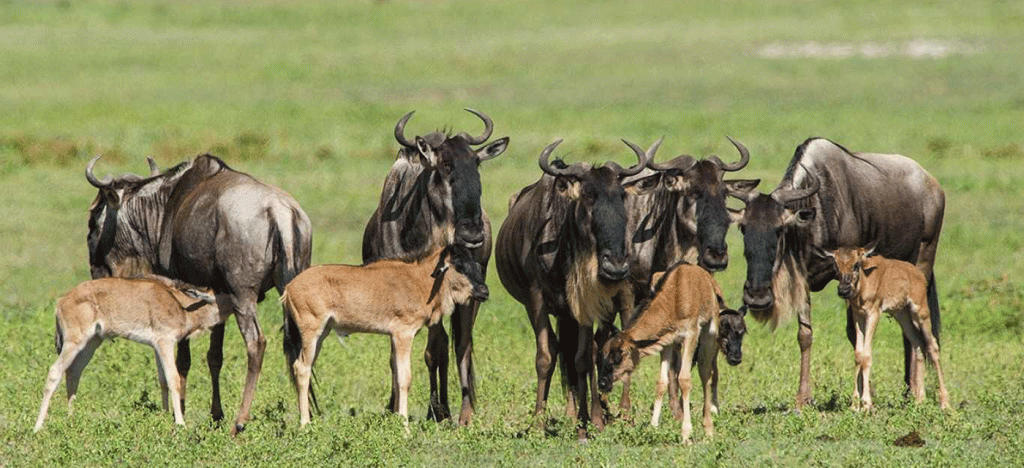
The main calving period generally falls between January and March, although the timing and intensity of births vary with rainfall, grazing conditions and the movement of the herds. December can also offer rewarding sightings in some years while activity may continue beyond the core period depending on local conditions.
For travellers whose main goal is to witness newborn wildebeest and possibly an actual birth February is often a strong month to consider particularly when seasonal conditions support concentrated calving activity in the southern Serengeti and Ndutu plains. January can also offer excellent opportunities as calving activity builds while March may provide a different mix of young calves, moving herds and predator activity. However no single month guarantees a birth.
Your precise travel dates matter because calving does not happen uniformly across the entire region. Some areas may hold large concentrations of wildebeest while other sections experience fewer animals. Rainfall and the availability of fresh grass influence these movements so conditions can differ from one season to another.
Serengeti Travels can help you select travel dates based on your priorities, available safari duration and preferred accommodation level. If witnessing a birth is especially important to you discuss that objective before confirming your itinerary. This allows your safari planner to consider the most suitable dates and allocate enough time to explore productive areas.
Book with flexibility in mind rather than choosing a date based on a promise of a specific event. A well-timed Ndutu calving season safari gives you a better opportunity to encounter the newborn calves, maternal behaviour and predator activity that make this period so special.
How Your Safari Guide Can Improve Your Chances of Witnessing a Birth
An experienced safari guide does more than drive between wildlife sightings. The guide interprets animal behaviour, reads the landscape and adjusts the day’s route according to what happens in the field. These skills can make a meaningful difference when you want to witness wildebeest births during a Ndutu safari.
Your guide may look for herds containing pregnant females animals separating from the main group or females behaving differently from those around them. Such observations can provide clues that a birth may be approaching although they cannot confirm precisely when or where it will happen. Guides also consider reports from other professional drivers, fresh tracks, herd movements and the location of active wildlife concentrations.
The best strategy combines local knowledge with patience. Rather than rushing between sightings your guide may recommend remaining in a productive area while observing a herd from a suitable distance. If conditions change the guide can explore another location where recent sightings suggest better opportunities.
Vehicle positioning also matters. Your guide should choose a safe respectful viewing position that avoids blocking animal movements or crowding wildlife. A close encounter is not automatically a better encounter particularly when a female is giving birth or caring for a vulnerable calf.
At Serengeti Travels you should discuss your wildlife priorities before departure so your guide understands what you hope to experience. Your guide can then balance that interest with other important sightings, driving conditions and the overall itinerary.
Even exceptional guiding cannot control nature. However informed decisions, careful observation and flexible routing help turn a general wildlife drive into a more purposeful search for the extraordinary moments of the Ndutu calving season.
How Many Days Should You Spend in Ndutu to Increase Your Chances?
The length of your safari can influence how many opportunities you have to witness a wildebeest birth. A short visit may coincide with an excellent wildlife encounter but it gives you fewer opportunities to explore different areas or respond to changing herd movements. Staying longer allows your guide to revisit productive locations, observe animal behaviour and adjust the itinerary when conditions change.
For travellers with limited time a two-day visit to Ndutu can provide rewarding game drives and opportunities to see newborn calves. However if witnessing an actual birth is your primary objective I recommend considering three or four days in the Ndutu area whenever your budget and schedule allow. This is a planning recommendation not a guarantee of seeing a birth.
A four-day safari can offer additional flexibility for morning and afternoon game drives, changing locations and spending longer observing promising herds. A five-day itinerary may suit photographers and wildlife enthusiasts who want a slower pace and more opportunities to observe animal behaviour.
Your accommodation location also matters. Staying near the Ndutu plains can reduce unnecessary transfers and allow you to spend more of your safari time exploring the calving grounds. If your itinerary includes several destinations such as Tarangire or Ngorongoro Crater consider how driving time will affect the hours available for wildlife viewing.
Serengeti Travels can help you balance time in Ndutu with your overall Tanzania safari plans. If witnessing a birth matters more to you than visiting several parks allocating additional nights to the calving area may be the more suitable choice.
Remember that more days increase your opportunities not your certainty. Even a week in Ndutu cannot guarantee a birth, but a thoughtfully designed itinerary gives you more chances to encounter the remarkable wildlife activity that defines this season.
What Wildlife Experiences Can You Expect If You Do Not See an Actual Birth?
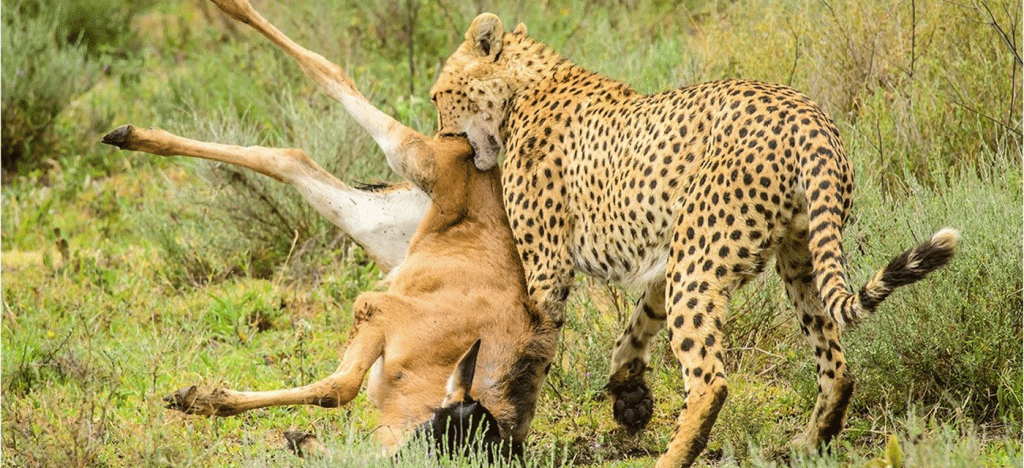
An actual wildebeest birth is an extraordinary event but it is only one part of the Ndutu calving season. Travellers who focus exclusively on witnessing a birth risk overlooking many equally fascinating experiences unfolding across the plains.
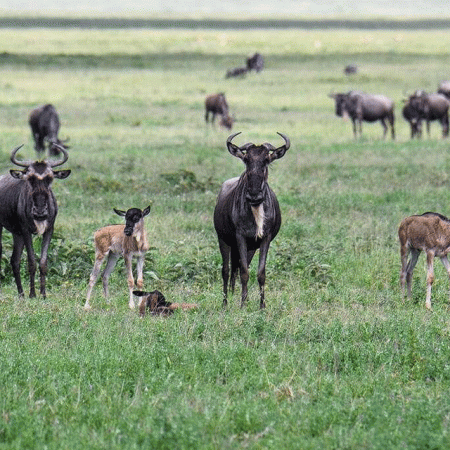
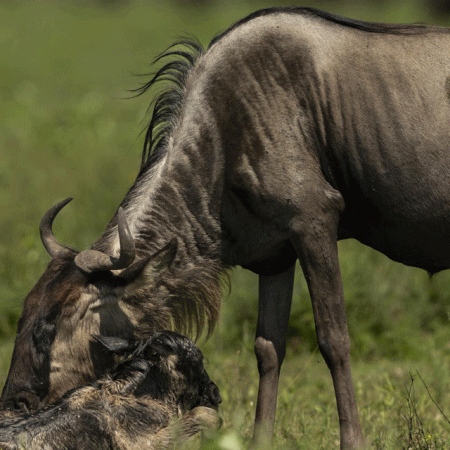
You may see newborn calves standing beside their mothers shortly after birth, learning to walk and keeping pace with the herd. You can observe mothers nursing their young, wildebeest gathering in large groups and calves developing the coordination they need to move across open grassland. These encounters reveal how quickly young animals must adapt to life in the wild.
The abundance of young wildebeest also attracts predators. Lions may rest near herds or watch them from elevated ground while cheetahs scan open plains for opportunities to hunt. Hyenas patrol areas where herds gather and other scavengers may appear around natural feeding activity. Sightings depend on local conditions and a predator’s presence does not guarantee a chase or a successful hunt.
Birdlife changing skies and the movement of enormous herds add further variety to the experience. Seasonal grasslands can provide remarkable photography opportunities particularly when morning light illuminates the plains or dust rises behind moving animals.
For many travellers watching a calf stay close to its mother or seeing hundreds of wildebeest moving together creates a lasting memory even without witnessing the moment of birth.
At Serengeti Travels we encourage guests to appreciate the full wildlife experience rather than measure success by one unpredictable event. When you remain open to natural behaviour your Ndutu safari can deliver meaningful encounters that go well beyond a single moment.
What Is the Difference Between Seeing a Newborn Calf and Witnessing a Birth?
Understanding this distinction helps you set realistic expectations when booking a Ndutu calving season safari. A newborn calf and an actual birth represent two different wildlife experiences even though both can occur during the same game drive.
Seeing a newborn calf means observing an animal that has recently entered the world. You might notice its wobbly movements its close contact with its mother or its attempts to keep up with the herd. These sightings can happen relatively soon after birth but the calf’s exact age is not always possible to establish from a vehicle.
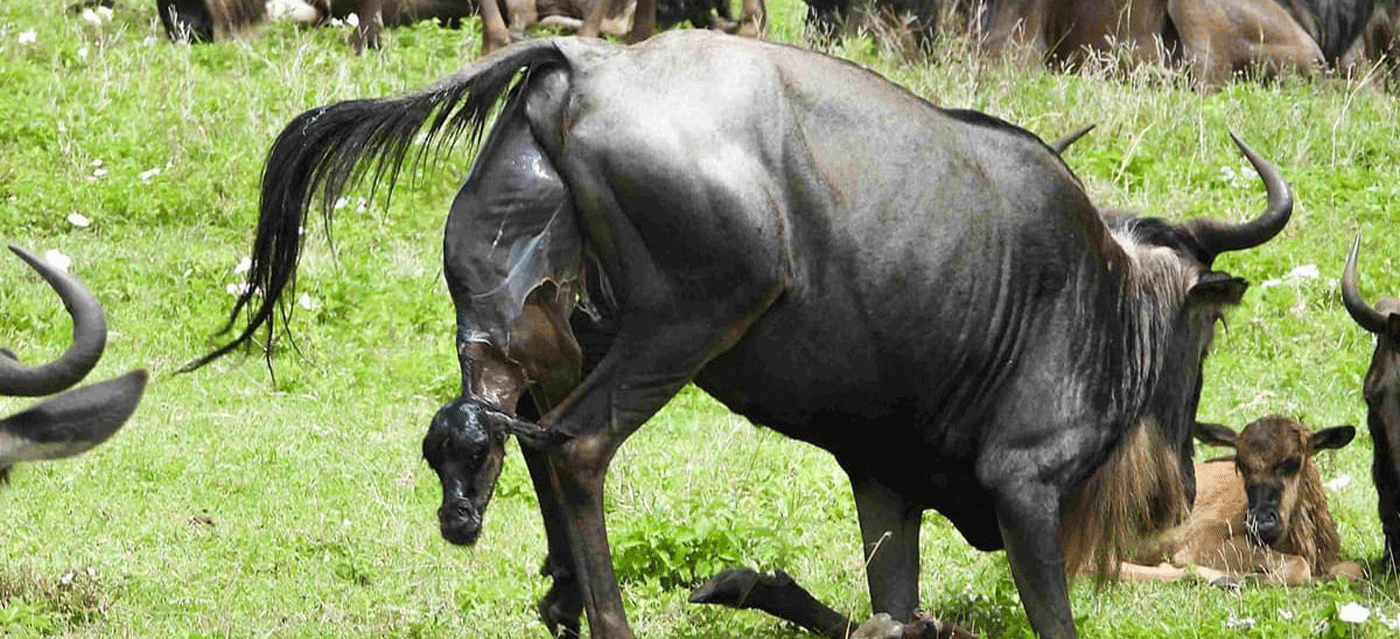
Witnessing an actual birth means observing the birth process itself. This requires your vehicle to be in the right place at the right time, with a clear and appropriate viewing position. A guide may identify a promising situation but the event can unfold quickly or remain out of sight.
There is also a difference between seeing a female that appears close to giving birth and actually witnessing the event. Behavioural clues can help your guide decide where to observe but they cannot provide a reliable countdown.
When you enquire about a safari, explain whether you want to see newborn calves, observe mothers and young animals photograph wildlife or specifically hope to witness a birth. Your operator can use these priorities to shape a realistic itinerary.
This distinction also helps you evaluate safari marketing. A package advertised around the calving season should describe the opportunities the season offers rather than imply that every guest will witness a birth.
The best approach is to treat an actual birth as a possible highlight while regarding the wider calving experience as the central reason to visit. That expectation makes it easier to appreciate the wildlife you encounter and understand the limits of even the most carefully planned safari.
How to Choose a Ndutu Safari Package for the Best Wildlife Opportunities
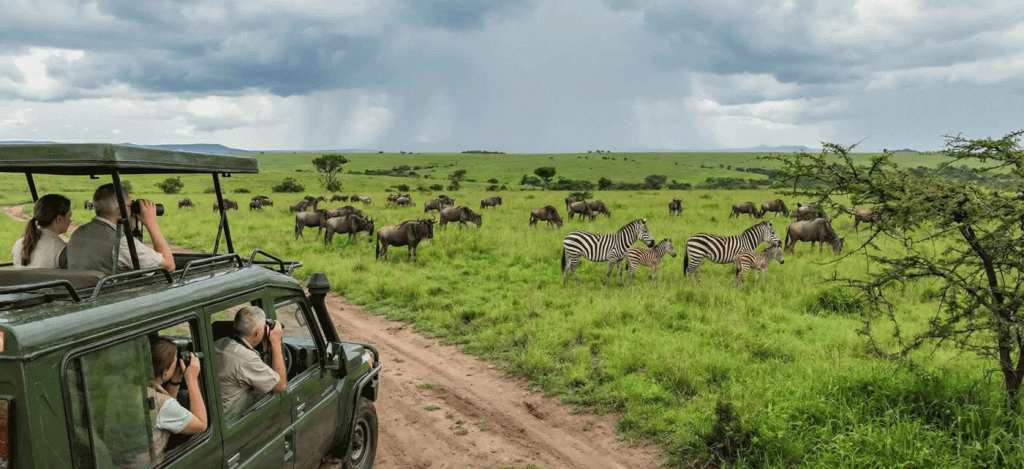
Choosing the right Ndutu safari package involves more than comparing prices. If you hope to witness wildebeest births you should evaluate the itinerary, travel dates, accommodation location, game-drive time and the experience of your safari guide before making a booking.
A private safari can be particularly suitable because it gives you greater flexibility to discuss wildlife priorities with your guide. You can spend longer observing a herd when conditions look promising or explore another area when sightings change. A shared safari can offer excellent value, but the group follows a common itinerary and individual preferences may not always determine how long you remain at a sighting.
Your accommodation also influences the experience. Camps near the Ndutu plains can help reduce transfer time although the best choice depends on seasonal access, availability and your preferred comfort level. Luxury, mid-range and budget options can all provide rewarding wildlife experiences when the itinerary matches your objectives.
Consider whether you want to combine Ndutu with Ngorongoro Crater or other parks. A combined itinerary offers more variety but each additional destination uses time that you could otherwise spend exploring the calving grounds. If witnessing births is your highest priority ask your operator to explain how many nights you will spend in Ndutu and how much time you can expect to devote to game drives.
Serengeti Travels can help you compare private and shared options select suitable accommodation and plan a safari around your available dates. Share your preferred travel period, group size, budget and wildlife interests when requesting a quotation.
The right package cannot guarantee a birth but it can give you a sensible, well-organised opportunity to experience the calving season without unrealistic promises.
Frequently Asked Questions About Seeing Wildebeest Births in Ndutu
Can Serengeti Travels guarantee that I will see a wildebeest give birth?
No. Serengeti Travels cannot guarantee an actual birth because wildebeest follow natural biological patterns that no operator can control. We can help you choose suitable travel dates, plan sufficient time in Ndutu and arrange experienced guiding to improve your opportunities for wildlife encounters.
Which month offers the best chance of seeing wildebeest births?
January and February are particularly worth considering, with March also offering opportunities depending on seasonal conditions. December can bring calving activity in some years. The most suitable dates vary with rainfall, grazing conditions and herd movements so no month guarantees a birth.
How long should I stay in Ndutu?
Consider three or four days in the Ndutu area if witnessing a birth is a major priority. A longer stay gives you more opportunities to explore different locations and observe wildlife behaviour but it cannot guarantee a specific encounter.
Can I see newborn wildebeest without witnessing a birth?
Yes. You may see newborn calves standing beside their mothers, nursing or moving with the herd. These encounters are an important part of the calving season even when you do not witness the birth itself.
Is a private Ndutu safari better for wildlife viewing?
A private safari offers greater flexibility over your game-drive priorities and time spent observing sightings. However wildlife encounters depend on natural conditions and shared safaris can also deliver excellent experiences.
Should I book my Ndutu safari in advance?
Advance booking helps you secure suitable accommodation and organise your preferred travel dates, especially during the popular calving season. It does not guarantee wildlife sightings but it gives you more opportunity to plan an itinerary that matches your priorities.
Book Your Ndutu Calving Season Safari with Realistic Expectations
You cannot guarantee seeing wildebeest births during a Ndutu safari but you can make informed choices that improve your chances. Travel during the main calving period allow sufficient time in the southern Serengeti choose accommodation that suits your itinerary and work with a guide who understands the landscape and wildlife behaviour.
The experience is about more than witnessing one birth. It is an opportunity to observe newborn calves, watch mothers care for their young, encounter predators and experience the movement of wildebeest across the open plains.
Serengeti Travels helps you plan a Ndutu calving season safari around your travel dates, preferred comfort level and wildlife interests. Whether you prefer a private safari a photography-focused itinerary or a package combining Ndutu with Ngorongoro Crater we can help you compare suitable options without promising encounters that nature cannot guarantee.
Ready to plan your Ndutu safari? Request your personalized quotation today. Share your travel dates, number of travellers, preferred accommodation level and how many days you can spend in Ndutu. We will help you explore a practical itinerary designed to maximise your wildlife-viewing opportunities during the calving season.