English
 Deutsch
 Italia
October 28, 2026
What to Check Before Booking a Ndutu Calving Season Safari
Introduction
What to check before booking a Ndutu calving season safari is an important question for travelers who want to witness wildebeest calving, photograph newborn calves and experience the remarkable wildlife of Tanzania’s southern Serengeti ecosystem. Choosing the right safari involves more than selecting January, February or March as your travel month. You also need to evaluate the accommodation location, itinerary, guide’s experience, safari vehicle, included services and total cost before committing your money.
At Serengeti Travels we understand that travelers want to invest in an experience that matches their expectations. Two safari packages may advertise the same destination but offer very different opportunities for wildlife viewing. One itinerary might provide several full days exploring Ndutu while another might spend much of the available time traveling between destinations. Understanding these differences helps you select a package that prioritizes your interests.
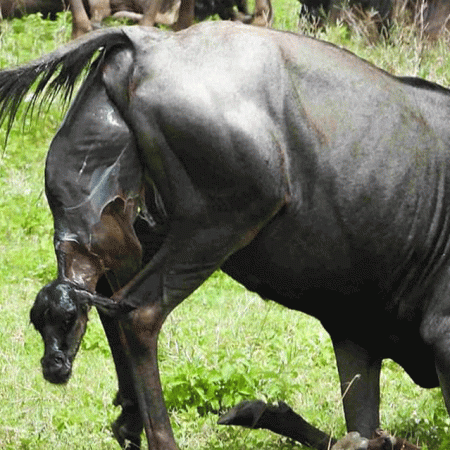
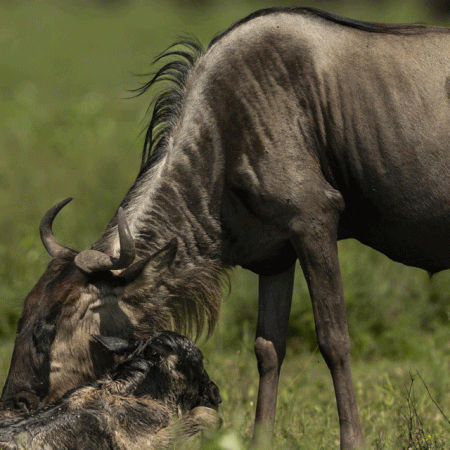
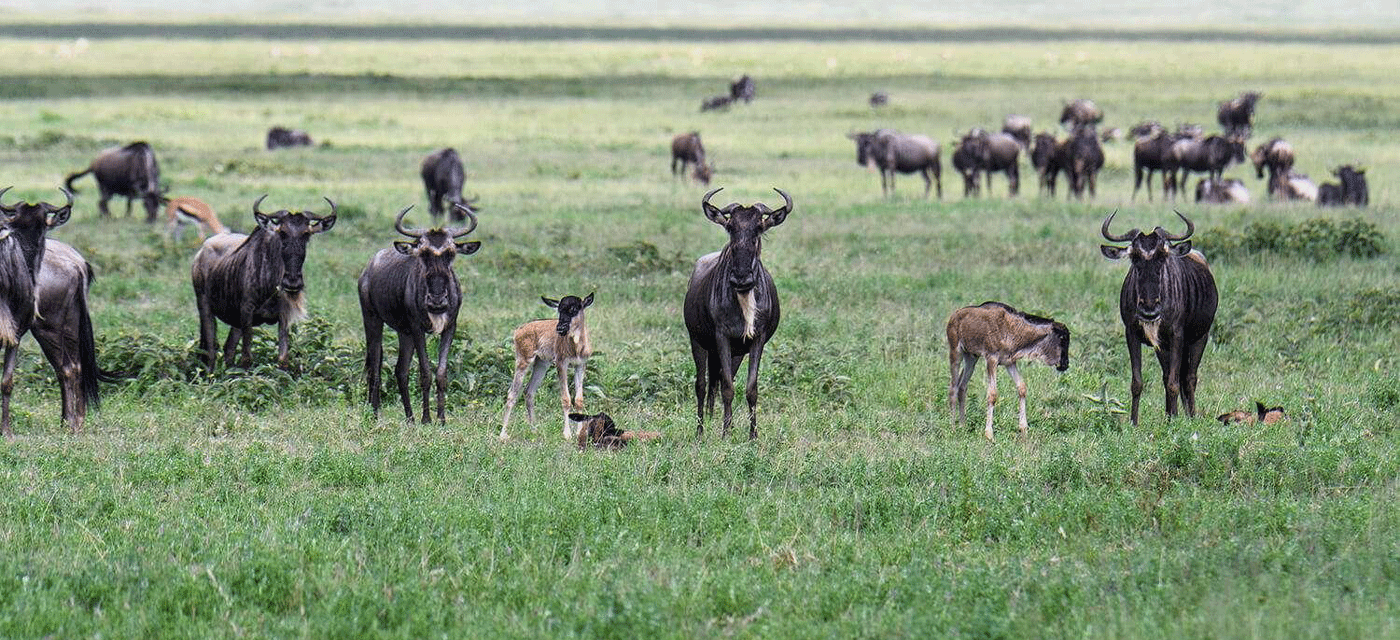
The Ndutu calving season generally attracts large concentrations of wildebeest during the wetter months, particularly from January through February, although wildlife movements and calving activity vary with rainfall and grazing conditions. Lions, cheetahs, hyenas and other predators also inhabit the ecosystem creating opportunities to observe natural wildlife behavior.
This guide explains the essential details to verify before booking your Ndutu safari. From comparing accommodation and transport options to understanding cancellation policies and seasonal wildlife movements you will learn how to evaluate your choices and avoid common planning mistakes. With the right preparation, you can choose a safari that makes effective use of your time, suits your budget and delivers a rewarding experience in Tanzania.
Check the Best Time to Visit Ndutu
Choosing the right travel dates is one of the first things to check before booking a Ndutu calving season safari. The timing of your visit influences the landscapes you encounter, the concentration of wildebeest and your opportunities to observe newborn calves.
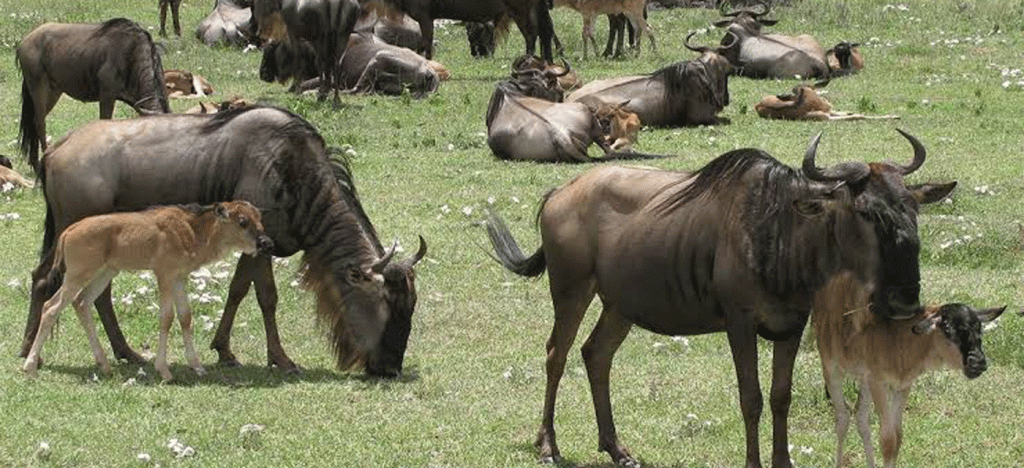
The herds typically move toward the southern Serengeti and Ndutu area around December as seasonal rains encourage fresh grass growth. Calving activity becomes particularly prominent during January and February and can continue into March or later depending on rainfall and local conditions. February often provides excellent opportunities to encounter large herds and young calves but no month guarantees a particular wildlife sighting.
Consider your main reason for visiting. Wildlife photographers may prefer a period when large concentrations of animals and green landscapes offer interesting photographic opportunities. Travelers interested in observing the wider Great Migration may wish to combine Ndutu with another Serengeti region if their schedule and budget allow.
Ask your safari operator to explain the seasonal pattern for your proposed travel dates. An experienced local team should help you understand the likely conditions without promising exact calving numbers or guaranteed predator encounters.
You should also consider accommodation availability. Camps in desirable locations can fill quickly during popular travel periods so confirming dates early can increase your choice of properties.
Serengeti Travels can help you compare suitable travel windows according to your interests, available time and budget. Rather than selecting dates based only on a general calendar plan around the wildlife experience you want and remain flexible enough to accommodate natural changes.
Check the Exact Location of Your Safari Camp

The location of your accommodation can significantly influence your Ndutu safari experience. Before making a reservation ask for the exact name and location of the camp or lodge instead of relying solely on photographs or a general description of its region.
Ndutu forms part of a wider ecosystem that crosses the Ngorongoro Conservation Area and the southern Serengeti. Although wildlife moves across this landscape, the distance between your accommodation and the areas you explore can affect transfer times, departure arrangements and the amount of time available for game drives.
Ask your operator whether the camp operates seasonally or throughout the year. Seasonal tented camps can offer convenient access during the calving months, while permanent properties may provide different facilities and services. Neither option automatically guarantees better wildlife viewing the property’s location and your itinerary matter more than the accommodation label alone.
Confirm the number of nights reserved, the room category and the property’s location before paying your deposit. If the operator proposes an alternative camp, request its name and location and make sure you approve the substitution.
You should also ask how your guide will respond if the herds move away from the immediate surroundings. Wildebeest travel across extensive areas so even a well-positioned camp cannot guarantee animals outside your tent every morning.
At Serengeti Travels we help travelers compare accommodation according to location, comfort and budget. Choose a camp that supports your wildlife priorities rather than paying for features that matter less to you than convenient access to the calving grounds.
Check How Many Nights You Will Spend in Ndutu
Before booking your Ndutu calving season safari check how much time your itinerary actually allocates to the calving grounds. The number of days advertised does not necessarily represent the number of full days available for wildlife viewing.
Your arrival day may involve a lengthy road transfer a domestic flight and an airstrip pickup or other arrangements that reduce your available game-drive time. Your departure day may also require packing driving to another destination or catching a scheduled flight. Therefore a four-day safari may provide fewer than four complete days in Ndutu.
If calving-season wildlife is your main priority consider an itinerary with at least two or three nights in the area. Three nights can provide a useful balance between travel and exploration while additional nights give your guide more opportunities to visit different areas as wildlife conditions change.
Ask your operator to distinguish full game-drive days from transfer days. Find out whether you will enjoy morning and afternoon drives spend a full day exploring the plains or travel to another destination during the middle of your stay.
A short itinerary may still suit travelers with limited time but you should understand the trade-off before booking. If you have only a few days available compare the total cost and travel time of a road safari with a fly-in option.
Serengeti Travels can tailor the itinerary around your priorities whether you want a focused calving-season experience or a broader northern Tanzania safari. Allocate enough time to Ndutu before adding extra destinations that could make your trip unnecessarily rushed.
Check Whether Your Itinerary Prioritizes Wildlife Viewing
A safari package may include Ndutu in its title without giving you enough time to explore the area properly. Before confirming your booking, read the day-by-day itinerary and examine how much time you will spend on the southern plains.
A clear itinerary should identify where you will stay each night, when you will transfer between destinations and which days will focus on game drives. It should also explain whether the final day involves wildlife viewing or primarily serves as a departure transfer.
Consider whether every destination adds value to your trip. Combining Ndutu with the Ngorongoro Crater can provide contrasting wildlife experiences while Tarangire may appeal to travelers who have enough time to explore another ecosystem. However adding several destinations to a short safari can reduce the time available for the calving season.
Ask the operator why each destination appears in the proposed route. Check whether the schedule follows a practical route or includes unnecessary backtracking. Efficient planning can help you spend more time enjoying wildlife rather than repeating long transfers.
You should also confirm whether the itinerary includes flexibility for changing wildlife conditions. Your guide may recommend exploring a different area when recent sightings, weather or road conditions make another route more suitable.
At Serengeti Travels we encourage travelers to choose an itinerary that matches their primary objective. If witnessing the calving season matters most prioritize consecutive days in Ndutu before adding other destinations. A thoughtfully planned safari often delivers more value than a longer list of locations with limited time at each one.
Check What the Safari Price Includes
Your quotation should explain exactly what you will receive for the advertised Ndutu calving season safari price. Comparing packages without examining their inclusions can lead you to select an apparently affordable option that becomes more expensive after additional charges appear.
Ask whether the price covers accommodation, meals, drinking water, a professional driver-guide, a safari vehicle, transfers and the applicable conservation or park fees for every destination. If your itinerary includes Ngorongoro Crater confirm how the relevant crater-related charges are handled.
You should also check whether domestic flights, airstrip transfers, camping equipment and other requested activities are included. Balloon safaris, tips, laundry, alcoholic beverages, travel insurance and additional accommodation nights may cost extra depending on the package.
Request a written quotation that separates included services from exclusions. If the price is quoted per person, establish whether it assumes two travelers sharing a room or vehicle a larger group sharing transport costs or a different occupancy arrangement.
Ask whether the quotation uses rates applicable to your travel dates and whether any additional charges could arise if you change the itinerary. Clarify how the operator handles revised travel dates, extra nights and changes to the number of travelers.
Serengeti Travels can prepare a quotation based on your preferred dates, group size and accommodation category. A transparent quotation helps you compare budget camping, mid-range tented camps and luxury safaris fairly.
The cheapest package is not necessarily the best value. Choose an option that fits your budget provides the services you need and explains your expected total expenditure before you make a commitment.
Check Your Safari Guide’s Experience
Your guide influences how you experience the Ndutu calving season. A knowledgeable guide does more than drive between wildlife sightings. They interpret animal behavior, understand seasonal movements, recognize tracks and help you appreciate the relationships between wildebeest, predators and the wider ecosystem.
Before booking ask whether the company regularly organizes safaris during the calving season and whether a professional driver-guide will accompany you throughout the trip. Familiarity with the area can help a guide interpret changing conditions and choose sensible routes although wildlife sightings can never be guaranteed.
Ask how the guide selects areas to explore each morning. They should consider recent sightings, weather, road conditions, herd movements and the practical needs of your group.
If photography is important to you explain your expectations before booking. You may want a guide who understands lighting, vehicle positioning, patience and respectful wildlife viewing. Families and first-time safari travelers may have different needs from experienced wildlife photographers.
Check how the operator communicates itinerary changes and handles questions during the safari. A guide who explains decisions clearly can help you understand why a particular route is worthwhile even when wildlife does not appear immediately.
You should also ask about the company’s guiding standards and the support available if you have concerns during the trip.
Serengeti Travels plans safaris around travelers’ interests and practical requirements. Discuss your priorities before departure so the team can help organize an appropriate itinerary.
An experienced guide cannot control nature, but their local knowledge and judgment can help you make better use of your time in Ndutu.
Check the Safari Vehicle and Seating Arrangement
Your safari vehicle deserves careful attention because you may spend several hours traveling between destinations and exploring the plains. Before booking, confirm the type of vehicle, passenger capacity and facilities available.
Ask whether the operator will provide a 4×4 safari vehicle with a pop-up roof for wildlife viewing. Check that the vehicle has working seat belts, suitable tires, comfortable seating, adequate luggage space and appropriate communication arrangements.
Next, establish whether you will travel privately or share the vehicle with other visitors. A private safari provides exclusive use of the vehicle for your group while a shared safari distributes transport costs among several travelers. Your choice depends on your budget, privacy requirements and preferred level of flexibility.
For a shared departure ask about the maximum passenger capacity and seating arrangements. If the operator advertises guaranteed window seats, request confirmation that the actual vehicle and group arrangement support that promise.
Photographers should discuss camera equipment, window access and storage space before booking. Families should confirm child seating requirements and whether the vehicle suits their group’s needs.
Road conditions can change during the rainy season so ask how the operator maintains its vehicles and responds to difficult routes. A suitable vehicle and sensible driving decisions can contribute to a more comfortable journey.
Serengeti Travels can help match the vehicle arrangement to your itinerary and group size. Confirm the details in writing so you know whether your quotation covers a private vehicle or a shared safari.
Check Whether to Travel by Road or Fly to Ndutu
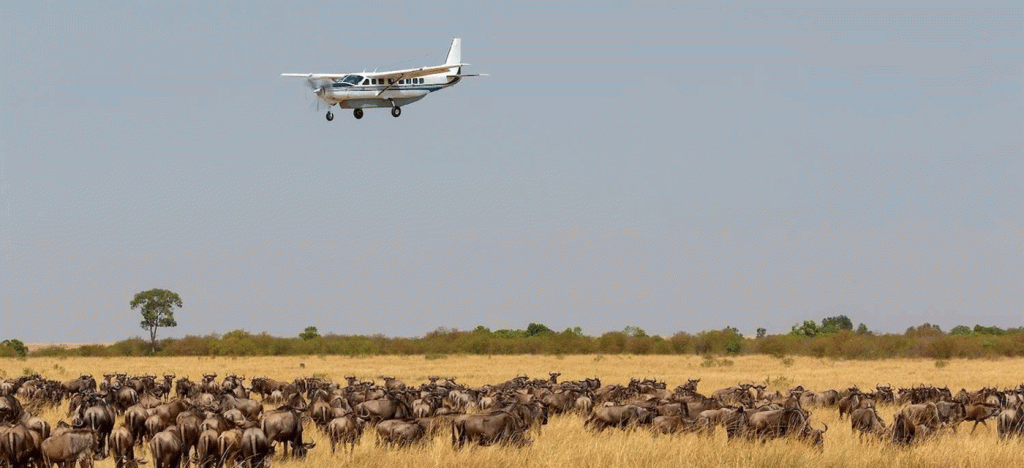
Choosing between a road safari and a fly-in Ndutu calving season safari can affect your budget, travel time and overall itinerary. Compare both options before making your reservation.
Road transfers allow you to experience Tanzania’s landscapes along the journey and may fit naturally into a longer northern circuit. However traveling from Arusha to Ndutu can take several hours, depending on the route, road conditions and stops. You should not assume that every transfer hour will provide meaningful wildlife viewing.
Flying can save time and suit travelers with a short holiday or those connecting from another destination. However confirm the departure airstrip, flight schedule, baggage allowance, arrival transfer and cost of every flight segment.
Ask whether the flight goes directly to Ndutu or requires a connection. Clarify what happens if weather or operational circumstances delay the flight and who will assist with revised arrangements.
Compare the complete cost of both options. Airstrip transfers, baggage restrictions, additional accommodation and flight schedules can influence the final price. Also consider whether your arrival time allows a game drive on the first day.
For travelers beginning their trip in Zanzibar check the flight route carefully rather than assuming a direct connection is available on their chosen date. You may need to arrange a connection through another airstrip or airport.
Serengeti Travels can help you evaluate road and fly-in options according to your dates, budget and available time. The best option is the one that provides a practical route while protecting the time you want to spend exploring Ndutu.
Check the Accommodation Standard and Availability
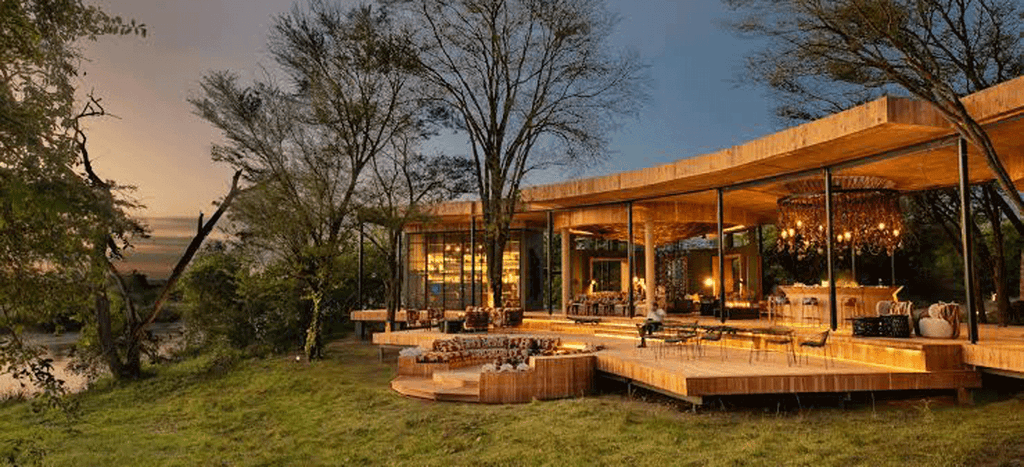
Accommodation quality and availability can influence both the cost and convenience of your safari. Before confirming your Ndutu calving season safari, decide whether you prefer budget camping, a mid-range tented camp, a comfortable lodge or a luxury camp.
Ask for the actual property name rather than accepting a vague promise of similar accommodation. Check the room or tent category, private bathroom arrangements, hot-water availability, electricity, charging facilities and meal plan.
If you need to charge camera batteries or other equipment confirm how the property provides electricity. Do not assume that every camp offers the same charging facilities or unrestricted power throughout the day.
Seasonality matters as well. Some camps operate only during selected months and popular properties may have limited availability during the calving season. Ask your operator to confirm the reservation for every night rather than relying on general availability information.
Check the property’s location in relation to your intended wildlife-viewing areas. A luxury property farther from the main areas you want to explore may not suit a traveler who prioritizes early game drives over premium facilities.
Review the accommodation’s payment and cancellation terms including minimum-stay requirements where applicable. If your preferred property is unavailable, ask for an alternative and confirm its location and facilities before accepting the change.
Serengeti Travels can help you compare accommodation options according to comfort, location and budget. Make sure the property, dates, room category and meal plan appear in your booking confirmation.
Check What Happens If Wildlife Movements Change
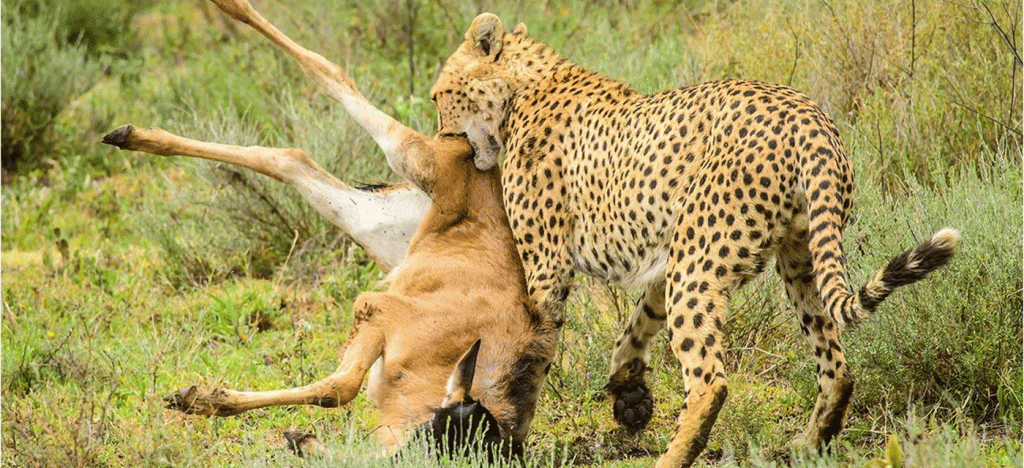
Wildlife movements are natural and unpredictable so your safari operator should explain what you can reasonably expect during the calving season. Rainfall, grass growth, herd movements and individual animal behavior influence where you may find the most activity.
Ndutu generally offers opportunities to observe large wildebeest herds, newborn calves and predators such as lions, cheetahs and hyenas. However no ethical operator can guarantee that you will witness a birth a hunt or a specific animal encounter during your visit.
Ask how your guide adjusts the daily plan when recent sightings or changing conditions suggest that another area may provide better opportunities. A flexible approach can help you explore different parts of the ecosystem without making unrealistic promises.
Pay attention to the wording used in the package description. A safari that visits the calving grounds is not the same as a safari that guarantees you will personally witness an animal giving birth.
You should also clarify the regulations that apply to your planned game drives. Ndutu extends across parts of the Ngorongoro Conservation Area and Serengeti National Park and applicable rules differ by jurisdiction. Do not assume that off-road driving is permitted throughout the wider Ndutu region. Ask your operator to explain the rules that apply to each area and confirm that all activities comply with them.
At Serengeti Travels we encourage travelers to set realistic expectations and focus on the overall wildlife experience. Suitable timing, experienced guiding and flexible planning provide a stronger foundation than promises that nature cannot guarantee.
Check the Cancellation Policy and Payment Terms
Before sending a deposit, read the cancellation and payment conditions for your Ndutu calving season safari. Your booking may involve accommodation, park access, transport, guides and domestic flights each with different payment deadlines and cancellation rules.
Ask how much you must pay to confirm your reservation, when the balance becomes due and which payment methods the operator accepts. Request a receipt for every payment and confirm that the payment beneficiary matches the business or supplier identified in your booking documentation.
Read the cancellation policy before committing. Establish whether the deposit is refundable whether you can change your travel dates and how cancellation charges increase as departure approaches.
If your package includes flights or accommodation booked under separate conditions ask how those policies interact with the main safari agreement. A cancellation may affect different services in different ways.
Clarify how the operator handles significant disruptions such as flight cancellations, road closures or accommodation changes. Understand which costs are covered by the agreement and which remain your responsibility.
Consider purchasing suitable travel insurance that covers the risks relevant to your journey. Read the policy wording and exclusions rather than assuming every disruption qualifies for reimbursement.
Serengeti Travels can explain the agreed booking conditions before you confirm your trip. Keep your quotation, itinerary, booking confirmation and payment receipts together so you can refer to the same information throughout the planning process.
Check the Conservation Fees and Destinations Covered
Ndutu’s location can create confusion because the wider ecosystem crosses administrative boundaries. Parts of the area fall within the Ngorongoro Conservation Area while other planned game drives may enter Serengeti National Park. The applicable management rules and charges depend on the destinations included in your itinerary.
Before booking ask which areas you will visit and whether the quotation includes the relevant conservation or park fees. If your itinerary includes Ngorongoro Crater confirm how the applicable crater-related charges are handled.
Do not assume that one fee automatically covers every destination in a multi-area safari. An itinerary combining Ndutu, central Serengeti and Ngorongoro may involve different charges, transfers and overnight arrangements.
Ask for clarification if the quotation says that all park fees are included without identifying the destinations covered. Your objective is to understand what the operator has priced into the package rather than calculate every fee yourself.
Regulations and published rates can change so request a quotation based on the rates applicable to your travel dates. Ask whether any significant exclusions or additional charges could arise from changes to your route.
Serengeti Travels can help you understand the destinations route and fees covered by your proposed package. Clear information makes it easier to compare itineraries fairly and avoid confusing a lower initial quotation with a lower final cost.
Check the Daily Schedule, Meals and Practical Comforts
A well-planned safari should explain how each day will work rather than simply list the destinations. Before booking, ask about departure times, game-drive duration, meals and the flexibility available for your group.
Many game drives begin early because morning conditions can provide excellent opportunities to observe wildlife activity. Your exact schedule will depend on the camp, distance to the viewing area, park regulations and the guide’s plan.
Confirm whether breakfast and lunch will be served at the camp, packed for the journey or arranged as a bush meal where permitted. Check the meal plan for every day, particularly when you have early departures or lengthy transfers.
Inform the operator about dietary requirements or food allergies before the camp finalizes its arrangements. Ask whether the property can accommodate your needs and whether it requires advance notice.
Check drinking-water arrangements, charging facilities, luggage limits and the amenities available at your accommodation. If you plan to bring photography equipment confirm that the vehicle has enough secure storage space.
Ndutu’s seasonal weather can vary, so prepare layers of clothing, comfortable shoes, a light rain jacket, sun protection and suitable protection for your equipment. Ask your operator for advice based on your travel dates.
Families and travelers with mobility requirements should discuss their needs in advance because vehicle access, camp layouts and activity arrangements vary between properties.
Serengeti Travels can help coordinate these practical details before departure. Clear arrangements allow you to focus on wildlife rather than resolving avoidable questions after arrival.
Check Whether to Book a Private or Shared Safari
Your choice between a private and shared Ndutu calving season safari affects the cost privacy and flexibility of your experience. Before booking decide which arrangement suits your group and travel priorities.
A private safari gives your group exclusive use of the vehicle and allows you to discuss your preferences directly with your guide. This arrangement can suit families, couples and photographers who value flexibility. However the per-person price may be higher when only a few travelers share the costs.
A shared safari can reduce the per-person cost by distributing certain expenses among several travelers. However you may need to coordinate departure times, seating, wildlife-viewing preferences and luggage with other passengers.
Do not assume that every advertised shared safari already has a confirmed departure. Ask whether other travelers have booked what the maximum group size will be and what happens if the operator does not reach the minimum number of participants.
For a private package confirm that unrelated travelers will not join your vehicle. For a shared package, establish the passenger limit, seating arrangements and whether the itinerary remains the same for all participants.
Consider the amount of time you plan to spend in Ndutu. If wildlife photography or a personalized schedule is particularly important, a private vehicle may offer advantages. If keeping costs manageable is your priority, a well-organized shared departure may be appropriate.
Serengeti Travels can help you compare private and shared options according to your budget, group size and preferred travel style. Ensure that your final quotation clearly identifies the arrangement you have selected.
Check the Safari Company’s Reliability
Choosing a dependable safari operator is essential when booking a trip to Ndutu. An attractive website and impressive photographs can introduce a company, but you should also evaluate its communication, documentation and booking practices.
Check whether the company provides a verifiable business identity, working contact channels, a detailed itinerary and a written quotation. Ask who will organize the trip who will operate the safari on the ground and whom you should contact if an issue arises.
Read recent credible customer reviews where available. Look for detailed feedback about communication, vehicle condition, accommodation accuracy, guide professionalism and how the company handled unexpected changes. Consistent specific experiences can be more useful than vague praise.
Ask direct questions about anything that remains unclear. A reliable operator should explain which services are confirmed, identify important exclusions and provide understandable booking terms without pressuring you to pay before you are ready.
If the package promises a particular camp, vehicle arrangement or flight, request written confirmation. Establish how the company handles accommodation substitutions, itinerary changes and complaints during the safari.
You should also ask for an emergency contact and find out how the team communicates with travelers during the trip.
At Serengeti Travels we encourage travelers to understand their itinerary, included services and payment terms before confirming a booking. We want guests to know what their agreed package provides and how the arrangements support their wildlife interests.
Compare safari operators on the quality and clarity of their services not simply on the lowest advertised price.
Check Your Total Budget Before Booking
Your budget should cover the complete experience you intend to book, including the safari itself and the surrounding travel arrangements. Before confirming your Ndutu calving season safari calculate your expected total expenditure rather than focusing only on the headline price per person.
Start by identifying your preferred accommodation category, group size, number of days and transport method. Private vehicles, luxury camps and domestic flights generally require a different budget from shared camping safaris and road-based itineraries.
Ask whether the quotation includes airport transfers, accommodation in Arusha when needed and any extra nights required by your international flight schedule. If you combine Ndutu with other destinations, establish which transport and entrance fees apply to each part of the trip.
Allow for expenses that may not appear in the package price such as excluded meals, drinks, laundry, tips, souvenirs and optional activities. Your expected spending will depend on your preferences so ask the operator which costs travelers commonly pay separately.
Avoid reducing costs by removing the features that matter most to your experience. For example a cheaper camp farther from your preferred viewing area may increase transfer time. Compare the complete arrangement rather than evaluating each expense in isolation.
If your budget is limited ask whether changing the accommodation category, travel dates, group arrangement or length of stay could reduce the cost without undermining your main wildlife objective.
Serengeti Travels can prepare options for different budgets so you can compare practical differences before deciding. A well-planned safari should give you a clear understanding of the total cost and the services your money will cover.
Check Every Detail Before Confirming Your Reservation
Before paying the required deposit review the final booking document carefully. This last step can help you identify discrepancies before they create unnecessary costs or confusion.
Confirm that the travel dates, number of travelers and number of nights match your agreement. Check the room arrangement, meal plan, transport method and destinations. Ensure that the itinerary includes the nights you expect to spend in Ndutu and explains the arrival and departure arrangements.
If your package includes domestic flights, confirm the route, baggage allowance and airstrip transfers. Make sure any requested private vehicle, accommodation property or additional night appears in the written confirmation.
Review the total price, payment schedule, cancellation policy and exclusions. If the operator has changed the original itinerary or substituted accommodation, make sure you understand and approve the changes before proceeding.
Keep the quotation, booking confirmation, receipts and emergency contact details somewhere accessible. Ask when the operator will send final travel instructions and what information you need to provide before arrival.
If you are flying internationally leave sufficient time between your safari and your departure flight. Avoid relying on a tight connection after a long road transfer, as road conditions and travel schedules can change.
Serengeti Travels can help you confirm your requested arrangements before your reservation becomes final. Taking time to review the details can help you begin your Tanzania safari with greater confidence and fewer avoidable surprises.
Frequently Asked Questions About Booking a Ndutu Calving Season Safari
1. When is the best time to book a Ndutu calving season safari?
The best time to book is several months before your intended departure, especially if you plan to travel during January and February when calving activity is often prominent. Early booking gives you a better choice of camps, lodges and safari arrangements.
2. What is the best month to visit Ndutu for wildebeest calving?
January and February often provide excellent opportunities to observe newborn wildebeest and large herds across the Ndutu plains. Calving activity can continue into March or later, depending on rainfall, grazing conditions and herd movements.
3. How many days should I spend on a Ndutu calving season safari?
Three to five days can provide a rewarding experience, depending on your travel arrangements and wildlife interests. Spending at least two or three nights in Ndutu gives you more opportunities to explore different areas and enjoy consecutive game drives.
4. How much does a Ndutu calving season safari cost?
The cost depends on your travel dates, accommodation category, group size, transport method and safari duration. Budget camping, mid-range tented camps and luxury properties have different price levels. Request a personalized quotation from Serengeti Travels to compare options.
5. What should I check before paying for a Ndutu safari?
Check the day-by-day itinerary, accommodation names and locations, number of nights in Ndutu, vehicle arrangement, included park fees, meals, transfers and total price. Review the deposit requirements, cancellation policy and written booking confirmation before making payment.
6. Is a private or shared Ndutu calving season safari better?
A private safari offers exclusive vehicle use and greater flexibility for your group. A shared safari can reduce the cost per person, although you may need to coordinate with other travelers. The best choice depends on your budget, privacy preferences and wildlife-viewing priorities.
7. Can I guarantee seeing wildebeest giving birth in Ndutu?
No safari operator can guarantee that you will witness an actual birth. However visiting during the main calving period increases your opportunities to observe newborn wildebeest, nursing calves and large herds. Wildlife encounters depend on natural conditions and animal behavior.
8. Should I choose a road safari or a fly-in Ndutu safari?
A road safari suits travelers who want to explore Tanzania overland and may cost less than flying. A fly-in safari can reduce transfer time and provide more time for wildlife viewing, but flight costs, schedules and baggage restrictions require consideration.
9. Which accommodation should I choose for the Ndutu calving season?
Choose accommodation based on its location, comfort, facilities and budget. Seasonal tented camps may provide convenient access to the calving grounds, while lodges and luxury camps offer different amenities. Confirm the actual property and reservation before paying your deposit.
10. Are park fees included in a Ndutu calving season safari package?
Some packages include applicable conservation and park fees, while others exclude certain charges. Ask your operator for a written breakdown covering every destination on your itinerary, including any Ngorongoro Crater fees if your safari includes the crater.
11. What should I pack for a Ndutu calving season safari?
Pack layered clothing, comfortable shoes, a lightweight rain jacket, sun protection, binoculars, a camera if desired and any personal essentials. Seasonal weather can change so ask your safari operator for packing advice based on your travel dates.
12. Can I combine Ndutu with the Ngorongoro Crater?
Yes. Combining Ndutu with Ngorongoro Crater allows you to experience the calving-season plains and another exceptional wildlife destination. Make sure your itinerary includes enough time in Ndutu before adding extra destinations particularly if calving-season wildlife is your main priority.
13. What happens if the wildebeest herds move away from Ndutu?
Your guide can adjust the daily game-drive plan according to recent sightings, weather and road conditions. Because wildebeest move naturally across the ecosystem, flexibility is important. No accommodation or itinerary can guarantee that the herds will remain in one particular location.
14. Why book a Ndutu calving season safari with Serengeti Travels?
Serengeti Travels helps travelers plan Tanzania safaris around their travel dates, group size, budget and accommodation preferences. You can request a personalized itinerary, compare safari options and clarify inclusions before confirming your booking.
15. How can I book a Ndutu calving season safari with Serengeti Travels?
Contact Serengeti Travels with your preferred travel dates, number of travelers, trip duration and accommodation category. Request a personalized quotation, review the itinerary and included services and confirm the booking terms before paying your deposit.
Conclusion
Understanding what to check before booking a Ndutu calving season safari helps you make an informed decision about your time, budget and wildlife expectations. The most important considerations include selecting suitable travel dates, confirming accommodation locations, allocating enough nights to Ndutu, reviewing your itinerary and understanding exactly what your quotation includes.
You should also evaluate your guide’s experience, vehicle arrangements, road or fly-in transport, conservation fees, cancellation policy and the reliability of the safari company. These details may seem less exciting than photographs of wildebeest and predators but they strongly influence the practical experience you receive.
Remember that wildlife follows natural conditions rather than a fixed schedule. A carefully planned safari cannot guarantee a birth, hunt or particular sighting. However, suitable seasonal timing, knowledgeable guiding, enough time in the calving grounds and flexible planning can create excellent opportunities to observe the wildlife that makes Ndutu special.
At Serengeti Travels, we help travelers organize Tanzania safaris according to their preferred dates, group size, accommodation category and budget. Whether you want a short Ndutu safari, a private wildlife photography experience or a longer itinerary combining Ndutu with Ngorongoro Crater we can help you compare suitable arrangements.
Ready to plan your Ndutu calving season safari? Request your personalized quotation from Serengeti Travels. Share your preferred travel dates, number of travelers, trip duration and whether you prefer budget, mid-range or luxury accommodation. Our team can help you plan an itinerary that prioritizes your wildlife interests explains the included services and clarifies the expected cost.
Plan carefully, compare your options and choose a safari that matches your expectations of Tanzania’s remarkable calving season.