 English
 Deutsch
 Italia
June 1, 2026
Serengeti Safari Trip Planner Best Routes and Game Drive Options
Introduction
Serengeti Safari Trip Planner Best Routes and Game Drive Options is an essential guide for travelers planning a Serengeti safari, as choosing the right routes and game drive options can make the journey more rewarding and enjoyable. Planning a Serengeti safari is one of the most exciting travel experiences in Africa but it requires careful preparation to make the most of your journey. The Serengeti National Park in Tanzania is world-famous for its endless plains, rich wildlife population and the Great Wildebeest Migration which is one of the most spectacular natural events on Earth.
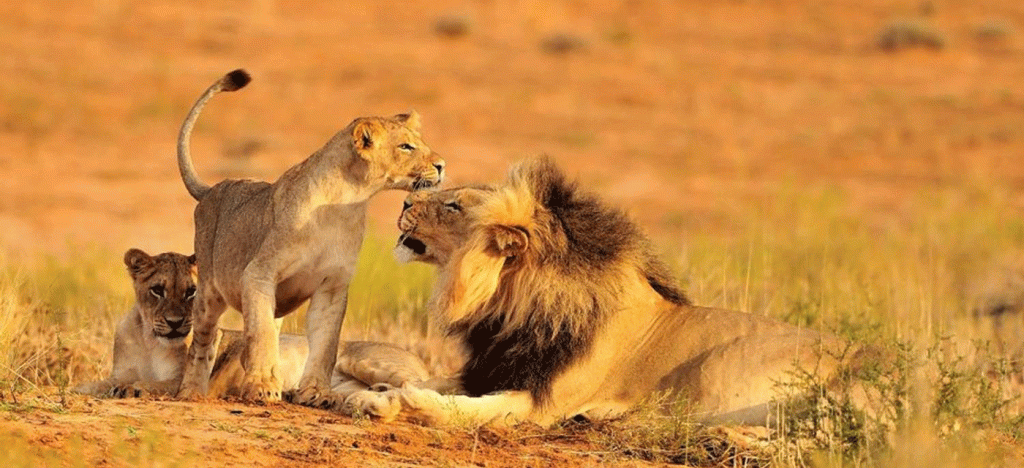
A well-planned safari ensures you not only see the Big Five lion, leopard, elephant, buffalo and rhino but also enjoy diverse landscapes and unique animal behaviors in their natural habitat.
When designing your Serengeti safari trip understanding routes and game drive options is essential. The park is vast covering approximately 14,750 square kilometers, so choosing the right entry points and driving circuits can greatly affect your experience. Different regions of the Serengeti offer different highlights: the southern plains are ideal for migration viewing during calving season, the central Seronera Valley is rich in predators year-round and the northern corridor offers dramatic river crossings.
A successful safari plan also considers travel time, accommodation location, seasonal wildlife movement and the type of game drive experience you prefer, whether private, group, full-day or short sunrise and sunset drives. With the right strategy, travelers can maximize wildlife sightings, photography opportunities and overall adventure quality.
This guide will help you understand the best Serengeti safari routes and game drive options so you can create a smooth, unforgettable and well-optimized safari itinerary.
Table of contents
Best Serengeti Safari Routes
The Serengeti offers several well-established safari routes each designed to showcase different ecosystems and wildlife experiences. Choosing the right route depends on the season, your travel goals and the type of wildlife encounters you want.
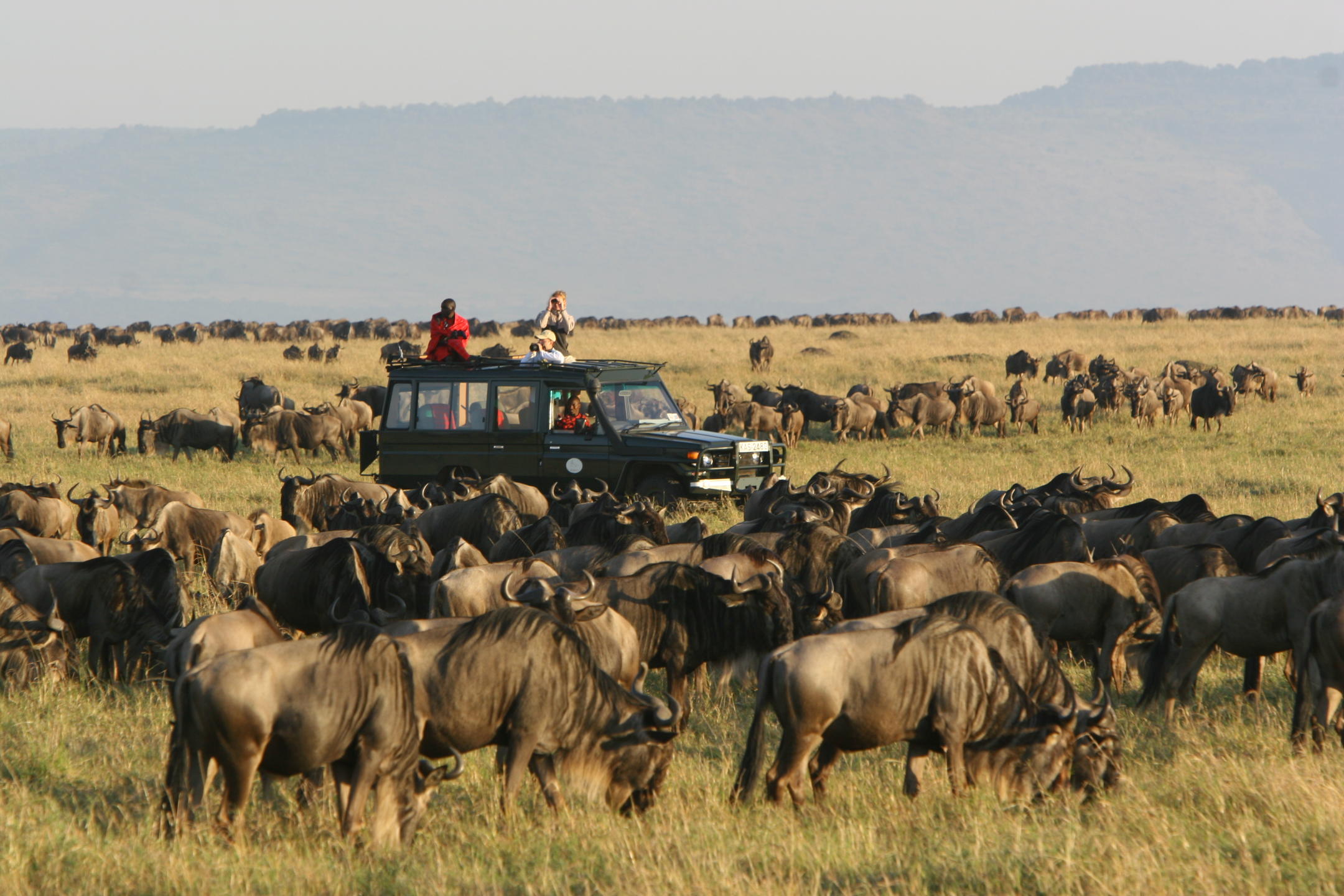
One of the most popular routes is the Southern Serengeti route especially around the Ndutu area. This route is best visited between December and March when the Great Migration wildebeest herds gather for calving season. It provides incredible opportunities to see thousands of newborn animals and predators such as lions and cheetahs actively hunting.
The Central Serengeti (Seronera Valley) route is the most accessible and wildlife-rich area year-round. It is famous for its high concentration of big cats, including lions, leopards and cheetahs. This route is ideal for travelers who want consistent game viewing without depending heavily on seasonal movements.
The Northern Serengeti route is best known for the dramatic Mara River crossings between July and October. This is where wildebeest and zebras face crocodile-infested waters while migrating toward Kenya’s Maasai Mara. It is one of the most iconic safari experiences in the world.
Another option is the Western Corridor route which follows the Grumeti River. This area is less crowded and offers excellent sightings of hippos, crocodiles and migration herds in May and June. Combining these routes in a multi-day safari creates a complete Serengeti experience allowing travelers to witness different ecosystems and wildlife behaviors across the park.
Serengeti Game Drive Options
Game drives in the Serengeti are the heart of any safari experience offering close encounters with wildlife in their natural environment. There are several types of game drive options available each designed to suit different travel styles and schedules.
The full-day game drive is one of the most popular choices. It starts early in the morning and continues until late afternoon allowing travelers to cover large areas of the park. This option increases the chances of spotting predators hunting in the early hours and observing herbivores grazing throughout the day. A packed lunch is usually enjoyed inside the park at designated picnic sites.
The half-day game drive is ideal for travelers with limited time or those staying inside central Serengeti lodges. It typically includes morning or afternoon sessions focusing on nearby wildlife hotspots. While shorter it still offers excellent sightings especially in predator-rich areas like Seronera.
The sunrise game drive is highly recommended for photographers. Early morning light creates perfect conditions for capturing wildlife silhouettes and active predator behavior. Animals are also more active before the heat of the day. The sunset game drive provides stunning scenery as the sun sets over the plains often accompanied by sightings of elephants, giraffes and lions preparing for nighttime activity.
For a more exclusive experience private game drives offer flexibility in timing, route selection and pace. These are guided by experienced rangers who tailor the safari to your interests, whether it is photography, birdwatching or Big Five tracking.
Best Time to Follow Serengeti Safari Routes
Choosing the right time to follow specific Serengeti safari routes is crucial for maximizing wildlife sightings and overall experience. The Serengeti is a year-round destination, but animal movement and scenery change significantly with the seasons especially due to the Great Wildebeest Migration.
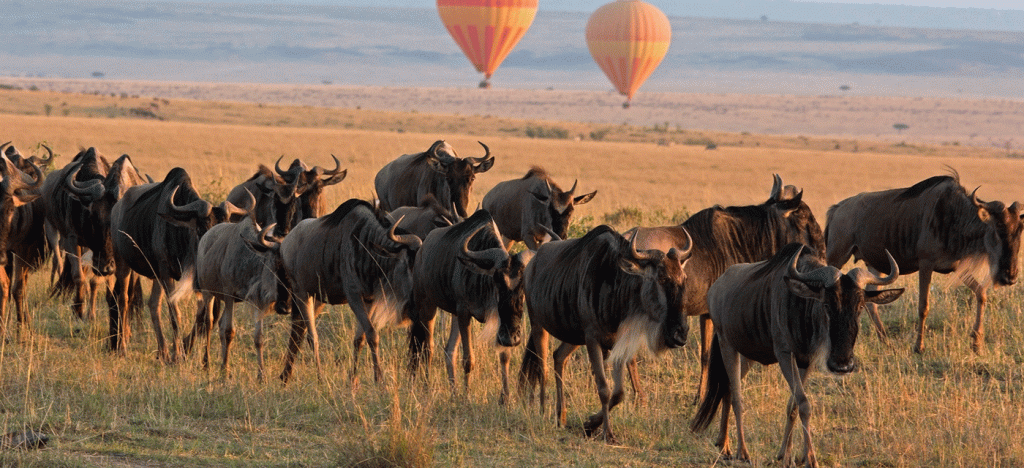
From December to March the best route is the Southern Serengeti and Ndutu plains. During this period the landscape is lush and green after the short rains attracting massive herds of wildebeest and zebras for calving season. This is also one of the best times to see predator-prey interactions, as lions, hyenas and cheetahs take advantage of vulnerable newborns.
Between April and June, the herds begin moving northwards through the Central Serengeti and Western Corridor. This is a transitional period where wildlife is widely spread but game viewing remains strong. The Western Corridor is especially rewarding during May and June, with river crossings at the Grumeti River and fewer crowds compared to peak seasons.
From July to October the highlight shifts to the Northern Serengeti route, where the famous Mara River crossings take place. This is the most dramatic wildlife event of the year featuring wildebeest risking crocodile-infested waters while migrating toward Kenya’s Maasai Mara. Finally November marks the return of herds to the southern plains making it a great month for travelers seeking fewer crowds and fresh grazing landscapes.
Understanding these seasonal patterns ensures travelers choose the right route at the right time, improving wildlife visibility, photography quality and overall safari satisfaction.
Accommodation Along Serengeti Safari Routes
Accommodation plays a major role in shaping your Serengeti safari experience as it determines how close you are to wildlife areas and how much time you spend on the road. The Serengeti offers a wide range of lodging options, including luxury lodges, tented camps and budget campsites all strategically located along key safari routes.
In the Central Serengeti (Seronera area) travelers will find the highest concentration of lodges and camps. This region is ideal for year-round stays due to its consistent wildlife presence. Many mid-range and luxury lodges here offer excellent comfort while being just minutes away from game drive routes.
The Southern Serengeti and Ndutu area is best for seasonal mobile camps, especially during the calving season from December to March. These camps move with the migration ensuring guests are always close to the herds. This provides an immersive and up-close wildlife experience.
In the Northern Serengeti, luxury tented camps dominate the landscape especially during the river crossing season. These accommodations are often positioned near the Mara River giving guests front-row access to one of nature’s greatest spectacles. The Western Corridor also offers seasonal camps that focus on river ecosystems and migration movements during May and June. These are generally quieter and ideal for travelers seeking a more private safari experience.
Choosing accommodation along your safari route reduces travel time, increases wildlife viewing opportunities, and enhances comfort. Whether you prefer luxury lodges with panoramic views or mobile camps close to the migration the Serengeti offers options for every travel style and budget.
Frequently Asked Questions About Serengeti Safari Trip Planner, Best Routes and Game Drive Options
What is the best route for a Serengeti safari?
The best route depends on the season and wildlife you want to see. Southern Serengeti is ideal for calving season, Central Serengeti is excellent for year-round wildlife viewing, Northern Serengeti is famous for Mara River crossings and the Western Corridor is rewarding during the migration period around the Grumeti River.
Which part of the Serengeti is best for wildlife viewing?
Central Serengeti, particularly the Seronera Valley, is one of the best areas for consistent wildlife viewing throughout the year. It is known for high concentrations of lions, leopards, cheetahs and other wildlife.
What is the best time to visit the Serengeti?
The best time depends on your safari goals. December to March is excellent for calving season in the southern Serengeti, while July to October is popular for visiting the northern Serengeti during the Mara River crossing season. The Serengeti offers good wildlife viewing throughout the year.
When is the best time to see the Great Wildebeest Migration?
The Great Wildebeest Migration can be followed throughout the year as the herds move between different areas of the Serengeti ecosystem. January to March is ideal for calving, while July to October is generally associated with the northern migration and potential Mara River crossings.
What are the main Serengeti safari routes?
The main safari routes include the Southern Serengeti and Ndutu area, Central Serengeti around Seronera, Northern Serengeti near the Mara River and the Western Corridor around the Grumeti River. Each region offers different wildlife and seasonal experiences.
How long should I spend on a Serengeti safari?
A Serengeti safari of at least three to four days allows travelers to explore a larger area and enjoy several game drives. Longer safaris provide more opportunities to combine different Serengeti regions and experience changing landscapes and wildlife movements.
What is a full-day game drive in the Serengeti?
A full-day game drive usually begins early in the morning and continues until late afternoon. It allows travelers to cover more ground, explore different wildlife areas and spend more time observing animals in their natural habitat.
Is a half-day game drive enough in the Serengeti?
Yes, a half-day game drive can provide excellent wildlife viewing, especially when staying near a productive area such as Seronera. It is a good option for travelers with limited time or those combining game drives with other safari activities.
What is the best game drive option for photography?
Sunrise game drives are particularly suitable for photography because of the soft early-morning light and increased animal activity. Private game drives can also be useful because they provide greater flexibility to spend more time at interesting wildlife sightings.
Are private game drives better than shared game drives?
Private game drives offer greater flexibility because travelers can usually adjust the pace, route and focus of the safari to their interests. Shared game drives can be a good alternative for travelers who prefer a social experience and want to manage costs.
Where should I stay for the best Serengeti game drives?
Central Serengeti around Seronera is a convenient choice for year-round wildlife viewing. During migration seasons, however, staying closer to the active migration area can reduce driving time and provide easier access to wildlife concentrations.
Where should I stay during the Serengeti calving season?
The Southern Serengeti and Ndutu area are popular choices during the calving season from around December to March. Staying in this region can place travelers closer to the migrating herds and the predators that follow them.
Where should I stay for the Mara River crossings?
Northern Serengeti is the preferred area for travelers hoping to see potential Mara River crossings, particularly between July and October. However, the exact timing and location of crossings cannot be guaranteed because the migration follows natural conditions.
Is the Western Corridor worth visiting?
Yes. The Western Corridor offers a different Serengeti experience and is particularly interesting around May and June when migration activity can occur near the Grumeti River. It can also provide a quieter experience than some of the more popular areas.
Can I combine different Serengeti safari routes?
Yes. Multi-day safaris can combine areas such as Central Serengeti, Western Corridor, Northern Serengeti or Southern Serengeti depending on the season and itinerary. Combining regions allows travelers to experience different landscapes and wildlife habitats.
How do I choose the right Serengeti safari route?
Consider your travel dates, preferred wildlife experiences, safari duration, accommodation location and tolerance for long driving distances. Matching your route with seasonal wildlife movements is one of the most important factors when planning a Serengeti safari.
Can I see the Big Five in the Serengeti?
The Serengeti is home to lions, leopards, elephants, buffalo and rhinoceros. Sightings are never guaranteed because these are wild animals, but the park provides opportunities to see all five species depending on the area, season and luck during game drives.
What should I consider when planning Serengeti game drives?
Consider the season, wildlife movements, accommodation location, available driving time and whether you prefer private, shared, full-day or shorter game drives. A well-planned route can reduce unnecessary driving and increase time spent in productive wildlife areas.
Can I do sunrise and sunset game drives in the Serengeti?
Game drive schedules depend on park regulations, the specific safari arrangement and where you are staying. Sunrise drives are particularly popular for early wildlife activity and photography, while late-day drives can provide beautiful scenery and opportunities to observe animals becoming active as temperatures fall.
What makes a well-planned Serengeti safari?
A well-planned Serengeti safari combines the right route, travel season, accommodation location and game drive style. Planning around seasonal wildlife movements can help travelers spend more time in productive areas and enjoy a more rewarding safari experience.
Conclusion
A Serengeti safari is one of the most remarkable wildlife journeys in the world and its success depends greatly on thoughtful planning of routes, game drives, timing and accommodation. The vast landscape of the Serengeti is not just a single destination but a collection of diverse ecosystems each offering unique wildlife encounters throughout the year.
From the predator-rich plains of the Central Serengeti to the dramatic Mara River crossings in the north and the calving grounds in the south every route tells a different story of nature’s cycle.
By understanding the best safari routes travelers can align their trips with key wildlife events such as the Great Wildebeest Migration, predator hunting seasons and seasonal bird movements. This ensures that every game drive delivers meaningful and memorable sightings rather than random encounters.
Equally important is selecting the right type of game drive whether full-day exploration, sunrise photography sessions or private customized safaris each option enhances the depth of the experience in different ways.
Accommodation choice further strengthens the safari journey. Staying close to active wildlife areas reduces travel time and allows for more time in the bush increasing the chances of witnessing rare and exciting animal behavior. Seasonal camps and strategically located lodges help travelers stay at the heart of the action.
Ultimately a well-planned Serengeti safari is more than just a holiday it is an immersive journey into one of Earth’s last great wildernesses. With the right combination of routes, timing and safari experiences, visitors can enjoy breathtaking landscapes unforgettable wildlife moments and a deep connection with nature that lasts a lifetime.