 English
 Deutsch
 Italia
June 1, 2026
Complete Serengeti Safari Travel Plan from Arrival to Departure
Introduction
Complete Serengeti Safari Travel Plan from Arrival to Departure is your guide to experiencing one of the most rewarding wildlife adventures in Africa. The Serengeti National Park, located in northern Tanzania, is famous for its vast plains, abundant wildlife and the world-renowned Great Migration. Planning a safari from arrival to departure requires understanding transportation, accommodation, park activities, packing requirements and travel logistics.
A well-organized travel plan helps visitors maximize their time in the wilderness while enjoying comfort, safety and unforgettable wildlife encounters. Whether you are traveling as a solo adventurer, couple, family or group having a complete itinerary ensures a smooth experience from the moment you land in Tanzania until your departure flight home.
Most Serengeti safaris begin through Kilimanjaro International Airport (JRO) or Arusha Airport before continuing to the national parks of the Northern Safari Circuit. Along the way travelers can visit iconic destinations such as Tarangire National Park, Lake Manyara National Park, Ngorongoro Conservation Area and the Serengeti itself.
This comprehensive guide covers every stage of your safari journey including arrival procedures, accommodation options, transportation arrangements, daily safari activities, dining experiences, cultural encounters, departure preparations and essential travel tips. By following this complete Serengeti safari travel plan, visitors can enjoy a seamless adventure while experiencing some of Africa’s most spectacular wildlife and landscapes.
Table of contents
- Introduction
- Arrival in Tanzania and Airport Transfer
- Pre-Safari Preparation and Briefing
- Journey to Serengeti National Park
- Accommodation Experience in the Serengeti
- Daily Game Drives and Wildlife Viewing
- Departure and Journey Home
- Best Time to Visit Serengeti for a Complete Safari Experience
- Cultural Experiences and Local Encounters
- Food, Dining and Safari Cuisine Experience
- Packing List and Essential Travel Tips
- Frequently Asked Questions About Complete Serengeti Safari Travel Plan from Arrival to Departure
- Conclusion
Arrival in Tanzania and Airport Transfer
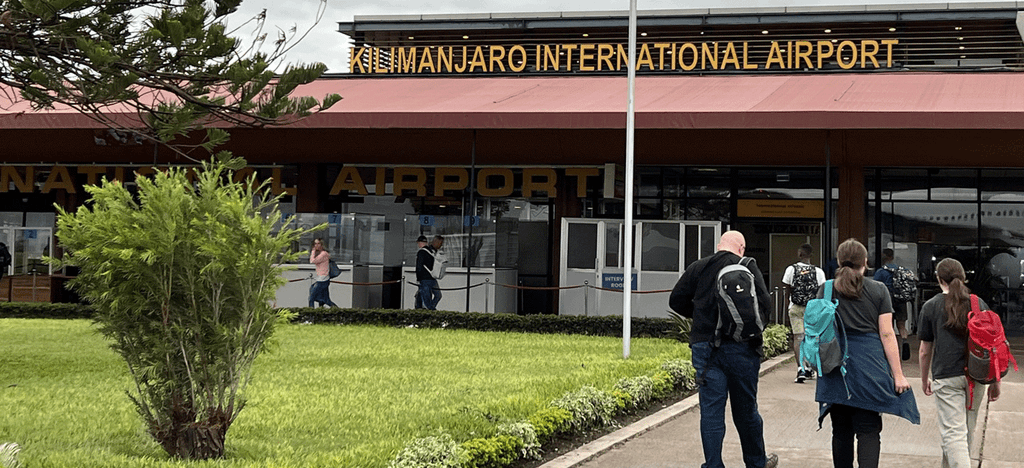
The safari adventure begins upon arrival in Tanzania. Most international travelers land at Kilimanjaro International Airport (JRO), located between Arusha and Moshi. This airport serves as the primary gateway for visitors heading to the Serengeti and other northern parks. Upon arrival, travelers proceed through immigration, collect their luggage and complete customs procedures.
Most safari operators arrange private airport transfers ensuring guests are welcomed by a professional driver-guide. This service eliminates the stress of finding transportation after a long international flight. During the transfer to Arusha, visitors receive a briefing about their upcoming safari, including park regulations, accommodation details and travel schedules.
Arusha serves as the safari capital of Tanzania and is often the first overnight stop before entering the national parks. Depending on flight schedules travelers may spend one night in a comfortable hotel or lodge. This allows time to rest, recover from jet lag and prepare for the safari adventure ahead.
Visitors are advised to exchange some currency into Tanzanian Shillings, purchase local SIM cards if needed and confirm travel documents. Many hotels offer excellent facilities such as swimming pools, restaurants and beautiful garden settings where guests can relax before beginning their wildlife journey.
The arrival day is crucial because it sets the tone for the entire safari experience. Proper planning ensures a smooth transition from international travel to the excitement of exploring Tanzania’s world-famous wilderness areas.
Pre-Safari Preparation and Briefing
Before entering the Serengeti travelers participate in a detailed safari briefing. This important session helps visitors understand what to expect during the trip and ensures everyone is adequately prepared for the adventure.
Professional safari guides explain the itinerary, expected travel times, wildlife viewing opportunities and accommodation arrangements. Guests learn about daily schedules, including morning game drives, lunch breaks, afternoon activities and evening relaxation periods. Understanding these details allows travelers to plan accordingly and make the most of each day.
Packing preparation is also discussed. Essential items include lightweight clothing, a warm jacket for cool mornings, comfortable walking shoes, sunglasses, sunscreen, insect repellent and a camera with extra batteries and memory cards. Neutral-colored clothing is recommended because it blends naturally into the environment and minimizes disturbance to wildlife.
Travelers are also informed about park rules. These include remaining inside safari vehicles unless instructed otherwise, respecting wildlife, avoiding littering and maintaining quiet behavior near animals. Such regulations protect both visitors and wildlife.
Health and safety guidance is another key aspect of the briefing. Guests receive information about hydration, sun protection and emergency procedures. Safari vehicles are equipped with first-aid supplies and guides are trained to handle unexpected situations. This preparation phase significantly enhances the safari experience by ensuring travelers are informed, comfortable and ready for the exciting wildlife encounters that await in the Serengeti.
Journey to Serengeti National Park
Traveling to Serengeti National Park is an adventure in itself. Visitors can reach the park either by road or domestic flight. Both options provide unique experiences and spectacular scenery.
Road safaris are popular because they allow travelers to visit multiple destinations along the Northern Safari Circuit. The journey typically passes through Tarangire National Park, Lake Manyara and the Ngorongoro Conservation Area before entering the Serengeti. Along the route, visitors enjoy changing landscapes, Maasai villages, volcanic highlands and wildlife sightings.
The drive through the Ngorongoro Highlands is particularly memorable. Travelers enjoy panoramic views of the famous Ngorongoro Crater before descending toward the endless plains of the Serengeti. This gradual transition creates anticipation and excitement as guests approach one of Africa’s most famous wildlife destinations.
Alternatively fly-in safaris offer convenience and save travel time. Small aircraft operate daily flights from Arusha to various Serengeti airstrips. During the flight passengers enjoy breathtaking aerial views of rivers, savannahs, mountains and wildlife habitats. Upon landing a guide welcomes guests and immediately begins a game drive en route to the lodge.
Regardless of transportation choice the journey to Serengeti National Park introduces visitors to Tanzania’s incredible natural beauty and serves as the perfect beginning to an unforgettable safari experience.
Accommodation Experience in the Serengeti
Accommodation is a major part of the safari experience and significantly influences comfort and enjoyment. The Serengeti offers options ranging from budget camps to luxurious safari lodges. Budget accommodations provide basic yet comfortable facilities, often featuring permanent tents with beds, private bathrooms and dining areas. These camps allow travelers to stay close to nature while maintaining affordability.
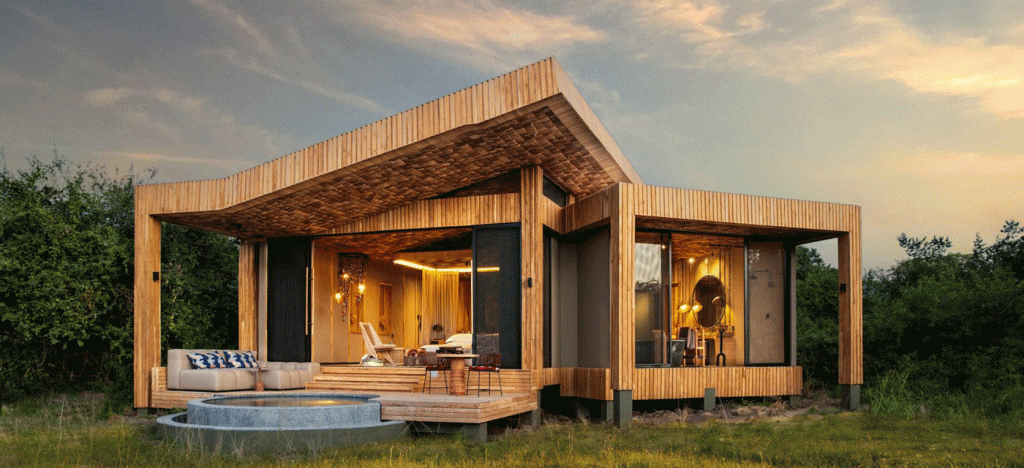
Mid-range lodges combine comfort and value. Guests enjoy spacious rooms, hot showers, excellent meals and scenic views of the surrounding wilderness. Many mid-range properties are strategically located near wildlife-rich areas maximizing game-viewing opportunities.
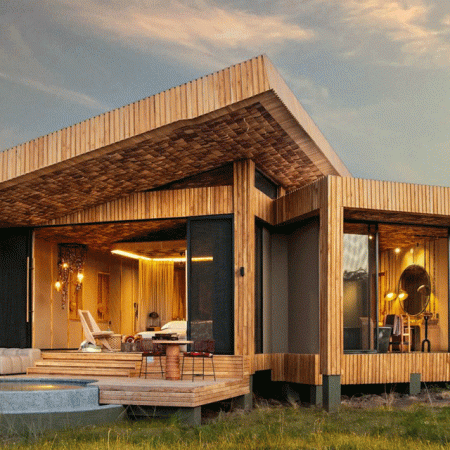
Luxury lodges and tented camps provide premium experiences. Visitors can expect elegant suites, gourmet dining, swimming pools, spa services and personalized attention. Some camps offer private decks overlooking wildlife corridors where animals frequently pass nearby.
One of the most exciting aspects of staying in the Serengeti is hearing nature at night. Lions may roar in the distance, hyenas call across the plains and other wildlife sounds create an authentic African atmosphere. Despite being surrounded by wilderness reputable accommodations prioritize safety through trained staff and secure facilities.
Accommodation choices allow travelers to tailor their safari according to budget and preferences while enjoying unforgettable views and close proximity to wildlife.
Daily Game Drives and Wildlife Viewing
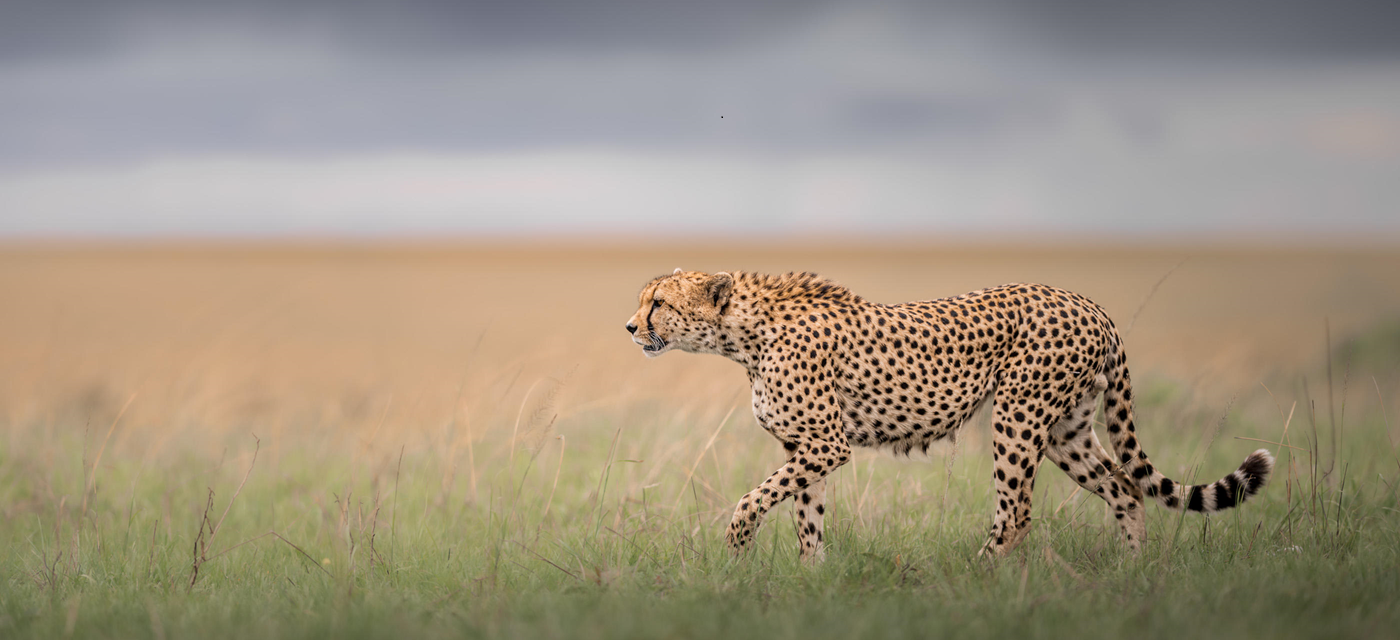
Game drives are the highlight of every Serengeti safari. These guided excursions provide opportunities to observe wildlife in their natural environment and learn about animal behavior from experienced guides. Early morning drives are particularly productive because many animals are most active during cooler temperatures. Visitors often encounter lions, leopards, elephants, giraffes, zebras, buffaloes and various antelope species shortly after sunrise.
Afternoon game drives offer additional opportunities to explore different areas of the park. Guides track wildlife movements and adapt routes based on recent sightings. This flexibility increases the chances of witnessing extraordinary events such as predator hunts, river crossings or interactions between animal species.
The Serengeti is home to the famous Big Five lion, leopard, elephant, buffalo and rhinoceros. While rhinos are rare and primarily found in specific protected areas visitors frequently see the other members of this iconic group. Bird enthusiasts also enjoy exceptional sightings as the park hosts hundreds of bird species ranging from colorful kingfishers to majestic eagles and vultures.
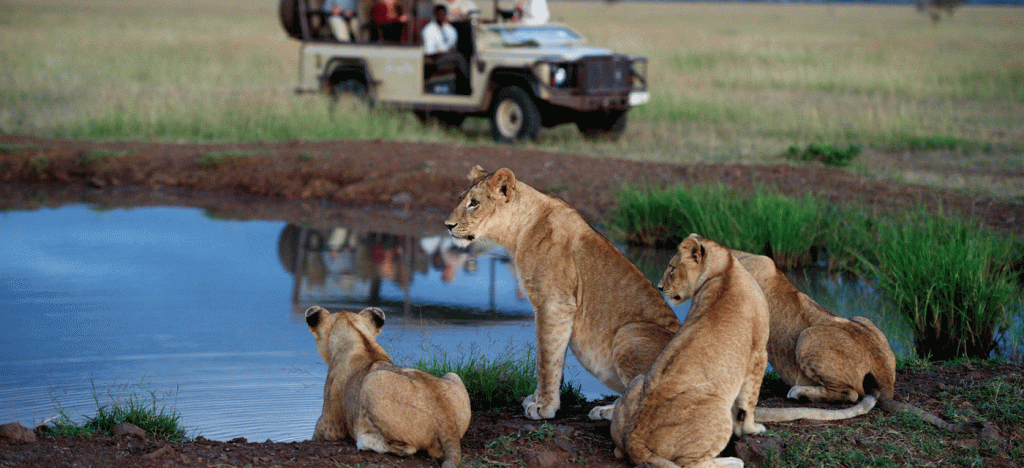
Each game drive presents unique experiences because wildlife movements constantly change. No two safaris are exactly alike making every day in the Serengeti a new adventure filled with discovery and excitement.
Departure and Journey Home
As the safari comes to an end travelers enjoy a final morning in the wilderness before beginning their journey back to Arusha or directly to the airport. Many guests choose one last game drive to maximize wildlife viewing opportunities before departure.
Depending on flight schedules visitors may travel by road or domestic flight from the Serengeti. Fly-in departures provide spectacular aerial views of the park while road transfers allow travelers to revisit scenic landscapes encountered earlier in the journey.
Upon returning to Arusha travelers may have time for souvenir shopping, cultural visits or relaxation before their international flight. Popular purchases include Maasai crafts, Tanzanite gemstones, artwork and locally made souvenirs that serve as lasting reminders of the safari experience.
Before heading to the airport, travelers should confirm flight details, organize travel documents and ensure luggage complies with airline requirements. Many safari operators assist with these arrangements ensuring a stress-free departure process.
As visitors leave Tanzania they carry memories of breathtaking landscapes, remarkable wildlife encounters, stunning sunsets and the unique atmosphere of the Serengeti. For many travelers the experience becomes a lifelong highlight and often inspires future visits to Africa.
Best Time to Visit Serengeti for a Complete Safari Experience
Choosing the right time to visit the Serengeti is one of the most important decisions in planning a complete safari journey. The park offers excellent wildlife viewing throughout the year but each season provides a different experience depending on weather patterns and animal movements.
The dry season (June to October) is considered the best time for general wildlife viewing. During this period vegetation is thinner and animals gather around water sources making them easier to spot. This is also the peak safari season especially in central and northern Serengeti. Visitors can expect clear skies, minimal rain and high chances of seeing predators such as lions, cheetahs and leopards actively hunting.
Another major highlight is the Great Migration river crossings usually occurring between July and September in the northern Serengeti near the Mara River. Thousands of wildebeests and zebras cross crocodile-infested waters in one of nature’s most dramatic events.
The green season (November to May) also offers unique advantages. Although there is occasional rainfall the landscape becomes lush and green creating beautiful scenery for photography. This is the best time for bird watching as migratory species arrive in large numbers. The southern Serengeti especially Ndutu area becomes the calving ground between January and March where thousands of wildebeest calves are born.
Travelers looking for fewer crowds and lower prices often prefer the green season. Each season provides a different perspective of the Serengeti ensuring that no matter when you visit the experience remains unforgettable and full of natural wonders.
Cultural Experiences and Local Encounters
A complete Serengeti safari is not only about wildlife it also includes meaningful cultural interactions with local communities. Tanzania is home to diverse ethnic groups with the Maasai being the most well-known around the Serengeti region.
Visiting a Maasai village allows travelers to learn about traditional lifestyles that have remained largely unchanged for centuries. Guests are welcomed with singing, dancing and storytelling offering insight into Maasai customs, beliefs and social structure. Visitors can observe traditional homesteads (manyattas), livestock keeping practices and unique craftsmanship such as beadwork and handmade jewelry.
These cultural experiences provide a deeper understanding of how local communities coexist with wildlife. The Maasai people share grazing lands with animals like zebras and wildebeests demonstrating a unique balance between human life and nature conservation.
Other cultural experiences may include visiting local markets in Arusha or nearby towns. Here travelers can explore fresh produce, spices, textiles and handmade souvenirs. These markets offer a lively atmosphere and an opportunity to interact with local traders. Some safari itineraries also include visits to Hadzabe hunter-gatherer communities near Lake Eyasi. This provides a rare glimpse into one of Africa’s oldest surviving cultures, where traditional hunting and gathering practices are still in use.
Cultural encounters enrich the safari experience by adding human stories to the natural beauty of the Serengeti making the journey more meaningful and memorable.
Food, Dining and Safari Cuisine Experience

Food plays an essential role in the Serengeti safari experience ensuring travelers remain energized throughout their adventure. Safari lodges and camps provide a variety of freshly prepared meals that combine international cuisine with local Tanzanian flavors.
Most safari packages include full-board dining, covering breakfast, lunch and dinner. Breakfast is often served early before morning game drives and includes items such as eggs, toast, fruits, cereals, pancakes and hot beverages. Packed breakfast boxes are also common for travelers heading out on long game drives.
Lunch may be served at lodges or as picnic meals inside the park. Picnic lunches are especially popular because they allow travelers to remain in wildlife areas without returning to camp. These meals typically include sandwiches, fried chicken, rice, fruits and snacks.
Dinner is the most elaborate meal of the day. Lodges often serve multi-course meals featuring soups, grilled meats, vegetarian options, pasta and desserts. Many camps also offer bush dinners where guests dine under the stars surrounded by lanterns and the sounds of nature. Special dietary requirements such as vegetarian, vegan, gluten-free or halal meals can usually be arranged in advance.
Drinking water is provided and guests are advised to stay hydrated throughout the safari due to warm temperatures and long outdoor activities. Dining in the Serengeti is not just about food it is part of the overall safari atmosphere, combining comfort, flavor and wilderness charm in a unique setting.
Packing List and Essential Travel Tips
Proper packing is essential for a smooth and comfortable Serengeti safari experience. Travelers should prepare for changing weather conditions long game drives and remote environments.
Clothing should be lightweight, breathable and neutral-colored such as khaki, beige or green. These colors help blend into the environment and reduce insect attraction. Warm layers are important for early morning and evening game drives when temperatures can drop significantly.
Essential items include a wide-brimmed hat, sunglasses, sunscreen, insect repellent, comfortable walking shoes and a waterproof jacket during the rainy season. A good camera with zoom lens is highly recommended for capturing wildlife moments. Travelers should also carry personal medications, a small backpack for daily essentials and travel documents such as passports, visas and insurance details.
Important travel tips include respecting wildlife by keeping a safe distance, following guide instructions at all times and avoiding loud noises that may disturb animals. Staying inside the safari vehicle unless instructed is a key safety rule. It is also recommended to carry cash in small denominations for tips, souvenirs and minor purchases in remote areas.
Power supply in remote camps may be limited so portable chargers and power banks are useful for keeping electronic devices charged. Being well-prepared ensures a stress-free safari experience allowing travelers to fully enjoy the beauty and excitement of the Serengeti.
Frequently Asked Questions About Complete Serengeti Safari Travel Plan from Arrival to Departure
1. What is the best way to start a Serengeti safari?
Most Serengeti safaris begin with arrival at Kilimanjaro International Airport (JRO) or Arusha Airport, followed by an airport transfer to Arusha or directly toward the national parks.
2. Do I need to stay in Arusha before going to the Serengeti?
Staying one night in Arusha can be useful, especially after a long international flight. It provides time to rest, adjust to the local time and prepare for the safari.
3. How can I travel from Arusha to the Serengeti?
Travelers can reach the Serengeti by road or domestic flight. Road safaris allow visitors to experience destinations and landscapes along the Northern Safari Circuit, while flights save time and provide aerial views of Tanzania.
4. What types of accommodation are available in the Serengeti?
The Serengeti offers budget camps, mid-range lodges, luxury lodges and luxury tented camps. Options vary in comfort, facilities, location and price, allowing travelers to choose accommodation according to their preferences and budget.
5. What animals can I see on a Serengeti safari?
Visitors may see lions, leopards, elephants, giraffes, zebras, buffaloes, antelopes and many bird species. The Serengeti is also home to the famous Big Five: lion, leopard, elephant, buffalo and rhinoceros.
6. What is the best time to visit the Serengeti?
The best time depends on the experience you want. June to October is generally excellent for wildlife viewing, while November to May brings greener landscapes, excellent bird watching and the calving season in southern Serengeti and the Ndutu area.
7. When can I see the Great Migration in the Serengeti?
The Great Migration occurs throughout the year as herds move across the Serengeti ecosystem. The article highlights July to September as a period when dramatic river crossings commonly occur in the northern Serengeti near the Mara River.
8. Can I see the wildebeest calving season in the Serengeti?
Yes. The southern Serengeti, particularly the Ndutu area, becomes an important calving ground between January and March, when thousands of wildebeest calves are born.
9. What should I pack for a Serengeti safari?
Travelers should bring lightweight neutral-colored clothing, warm layers, comfortable walking shoes, a hat, sunglasses, sunscreen, insect repellent, a waterproof jacket, a camera, personal medications and important travel documents.
10. What food is available during a Serengeti safari?
Safari lodges and camps generally provide meals such as breakfast, lunch and dinner, combining international dishes with local Tanzanian flavors. Vegetarian, vegan, gluten-free and halal meals can usually be arranged in advance.
11. Is drinking water available during a Serengeti safari?
Drinking water is provided during the safari and travelers are advised to stay hydrated because of warm temperatures and long outdoor activities.
12. Can I visit a Maasai village during a Serengeti safari?
Yes. Cultural experiences can include visits to Maasai villages, where travelers can learn about traditional lifestyles, livestock keeping, craftsmanship, storytelling and local customs.
13. What activities can I do besides game drives?
Besides game drives, a complete Serengeti safari can include cultural encounters, visits to local markets and other community experiences. Some itineraries may also include visits to Hadzabe communities near Lake Eyasi.
14. How does a Serengeti safari end?
The safari may end with a final morning game drive before traveling back to Arusha or directly to an airport by road or domestic flight. Travelers returning to Arusha may have time for shopping, cultural visits or relaxation before their international flight.
15. What safety rules should I follow during a Serengeti safari?
Travelers should follow their guide’s instructions, maintain a safe distance from wildlife, avoid loud noises, avoid littering and remain inside the safari vehicle unless instructed otherwise.
Conclusion
A complete Serengeti safari travel plan from arrival to departure represents one of the most immersive and life-changing travel experiences in Africa. It is not just a simple holiday but a carefully structured journey that combines wildlife exploration, cultural interaction, scenic travel and comfortable accommodation in one seamless adventure.
From the moment travelers land in Tanzania they are introduced to a world where nature dominates every horizon and wildlife moves freely across vast open plains.
Throughout the safari each stage plays an important role in shaping the overall experience. Arrival and airport transfer provide a smooth introduction to the country while pre-safari briefings ensure travelers are well-prepared for the journey ahead. The drive or flight into the Serengeti reveals breathtaking landscapes that gradually transition from highlands and crater regions into endless golden savannahs.
Once inside the park daily game drives become the highlight offering close encounters with iconic animals such as lions, elephants, giraffes, zebras and the famous Great Migration herds.
Accommodation in lodges or tented camps adds comfort to the wilderness experience allowing guests to relax while staying close to nature. Cultural visits to Maasai communities further enrich the journey by providing insight into traditional lifestyles and the deep connection between people and wildlife. Meals, safari logistics and guided experiences are carefully arranged to ensure safety, comfort and maximum enjoyment throughout the trip.
As the journey comes to an end travelers depart with unforgettable memories of sunrise over the Serengeti plains, dramatic wildlife encounters and peaceful nights under African skies. The Serengeti leaves a lasting impression that often inspires return visits and a deeper appreciation for nature conservation.
Ultimately a well-planned Serengeti safari is more than travel it is a transformative experience that connects visitors to the raw beauty of the natural world, creating memories that last a lifetime and stories that are cherished forever.