English
 Deutsch
 Italia
November 7, 2026
Top Things to Do in Serengeti National Park, Tanzania

Introduction
Serengeti National Park offers some of Africa’s most rewarding wildlife experiences, making it an exceptional destination for travellers exploring Tanzania. From watching thousands of wildebeest move across endless plains to observing lions hunting in their natural habitats, every safari creates opportunities to experience the African wilderness. At Serengeti Travels, we help visitors discover the best things to do in Serengeti National Park through carefully planned safari experiences based on wildlife movements, travel seasons and individual interests.
The park offers much more than traditional wildlife viewing. You can explore vast savannah landscapes during guided game drives, witness the Great Wildebeest Migration, photograph impressive predators, enjoy sunrise hot air balloon flights and discover smaller details of nature during guided walking experiences. You can also enjoy bush meals surrounded by beautiful landscapes and watch spectacular African sunsets.
Each experience reveals a different side of the Serengeti. Whether you are planning your first African safari, travelling as a couple, organising a family adventure or pursuing wildlife photography, the park offers memorable activities worth including in your itinerary.
The secret to enjoying your visit is choosing activities that match your travel dates and the areas where wildlife concentrates. This guide explores the most rewarding experiences and explains how to include them in an unforgettable Tanzania safari.
Enjoy a Guided Game Drive Across the Serengeti Plains
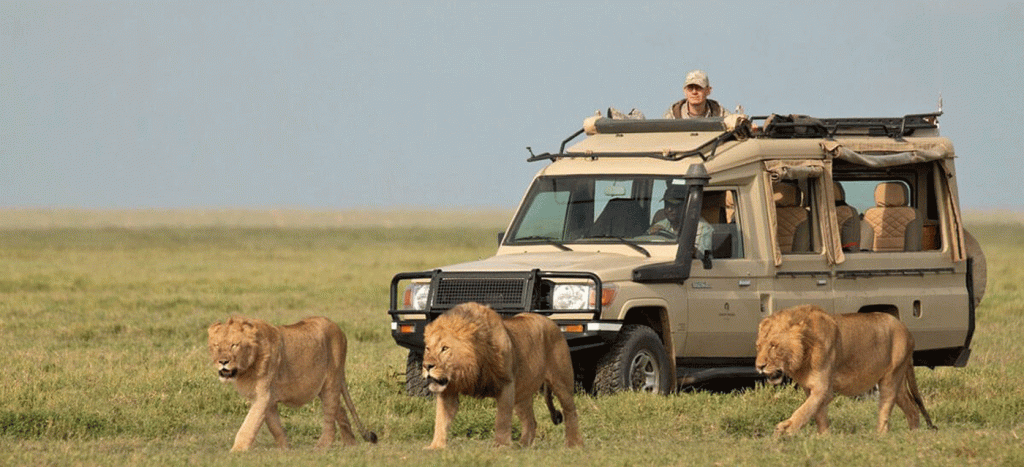
A guided game drive is one of the most rewarding things to do in Serengeti National Park because it allows you to explore different habitats while observing wildlife in its natural environment. Travelling in a comfortable 4×4 safari vehicle with a professional driver-guide gives you opportunities to encounter elephants, giraffes, zebras, buffaloes, wildebeest and numerous antelope species. You can also search for predators, including lions, leopards, cheetahs and spotted hyenas.
Morning game drives offer excellent opportunities to observe animals when temperatures remain cool and many species become active. During afternoon drives, you can explore different sections of the park, photograph wildlife and enjoy the changing scenery as the sun moves towards the horizon. Your guide can adjust the route according to recent wildlife sightings, seasonal movements and your interests.
Central Serengeti particularly the Seronera Valley attracts visitors throughout the year because its rivers and surrounding habitats support resident wildlife. The southern plains, Western Corridor and northern Serengeti provide additional experiences depending on the season.
For a more rewarding adventure, consider a full-day game drive with a picnic lunch. This arrangement gives you more time to explore distant wildlife areas without returning to your accommodation for lunch.
Serengeti Travels organises private and shared game drive safaris using well-maintained 4×4 Land Cruisers with pop-up roofs, professional guides and comfortable seating. You can choose a safari duration that allows enough time for wildlife viewing rather than rushing between destinations.
Witness the Great Wildebeest Migration
Witnessing the Great Wildebeest Migration is one of the most extraordinary things to do in Serengeti National Park. This remarkable natural event involves approximately 1.5 million wildebeest, accompanied by hundreds of thousands of zebras and gazelles, moving through the Serengeti-Mara ecosystem in search of fresh grazing and water. Their movement creates incredible wildlife encounters and attracts predators that follow the herds across the plains.
The migration changes location throughout the year, making your travel dates an important part of planning. Between January and March, many wildebeest gather around the southern Serengeti and Ndutu plains, where females give birth to thousands of calves. This period creates opportunities to observe newborn animals, grazing herds and predators hunting across the open grasslands.
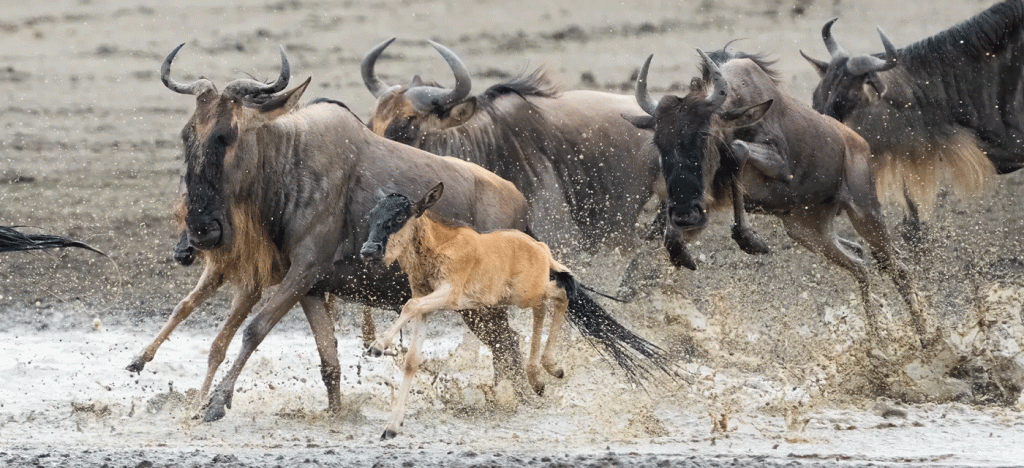
Between May and July, the herds generally move through the Western Corridor and Grumeti region. From approximately July to October, northern Serengeti becomes an important destination as wildebeest approach and sometimes cross the Mara River. These crossings create dramatic wildlife scenes, although their exact timing cannot be guaranteed.
At Serengeti Travels, we plan migration safaris according to seasonal wildlife movements rather than relying on fixed dates alone. Our local knowledge helps us select suitable accommodation and routes to improve your opportunities for meaningful sightings.
If the Great Migration is your main reason for visiting Tanzania, consider spending several nights in the relevant migration area. More time in the right location gives you greater flexibility to follow the herds and enjoy the surrounding wildlife.
Search for Lions, Leopards and Cheetahs
The Serengeti offers exceptional opportunities to observe Africa’s most fascinating predators. Searching for lions, leopards and cheetahs adds excitement to a safari because each species behaves differently and occupies particular habitats. Instead of simply watching animals from a distance, you can learn how predators hunt, communicate, protect their territories and interact with other wildlife.
Lions often attract attention because they live in social groups called prides. You may find them resting beneath trees, walking across open plains or gathering around rocky kopjes. Central Serengeti provides particularly rewarding opportunities to search for resident lion populations throughout the year.
Leopards require a different approach. These secretive cats often rest on tree branches, where they can hide from other predators and protect their food. Your guide may carefully inspect large acacia trees and riverine vegetation while looking for movement or other signs of their presence.
Cheetahs prefer open grasslands that allow them to use their impressive speed when pursuing prey. The southern and central plains offer suitable habitats for searching for these elegant predators.
Spotted hyenas also contribute to the Serengeti’s predator activity. You may encounter them travelling in groups, communicating through distinctive calls or searching for food around wildlife territories.
A knowledgeable guide makes a significant difference during predator viewing. At Serengeti Travels, our guides use their understanding of animal behaviour, tracks and recent sightings to help visitors explore productive wildlife areas. Although no responsible safari operator can guarantee a particular animal sighting, spending sufficient time in suitable habitats improves your opportunities.
Experience a Sunrise Hot Air Balloon Safari
A hot air balloon safari offers a completely different way to experience Serengeti National Park. Instead of exploring the wilderness from a vehicle, you rise above the grasslands and watch the African landscape gradually come to life as the sun appears on the horizon. This experience combines breathtaking scenery, peaceful moments and opportunities to observe wildlife from an aerial perspective.
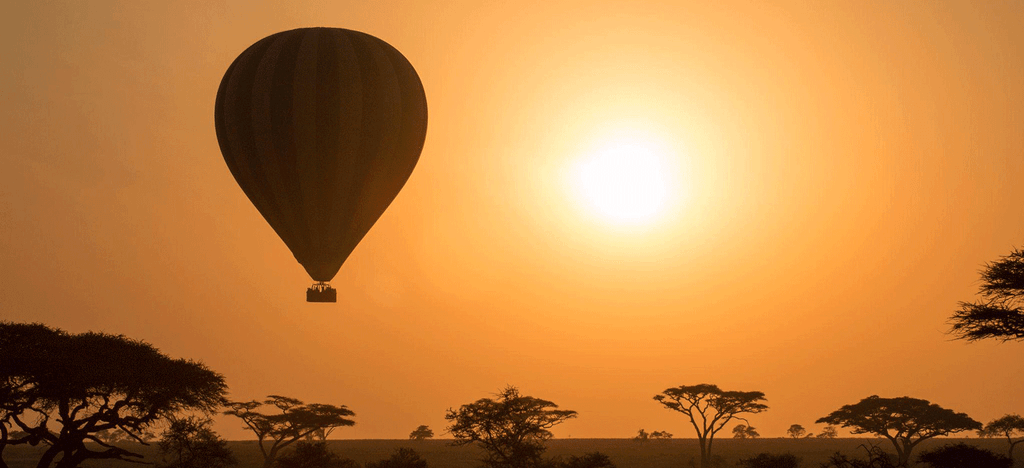
Your adventure normally begins before sunrise when your balloon safari operator collects you from your accommodation and takes you to the launch site. After a safety briefing, you board the balloon and prepare for the flight. As the balloon rises, you gain beautiful views of winding rivers, rocky kopjes, open plains and wildlife moving through their natural habitats.
Depending on the location and season, you may spot wildebeest, zebras, elephants, giraffes and other animals below. The changing morning light also creates excellent opportunities for landscape photography.
After landing, many balloon safari experiences include a special bush breakfast. You can enjoy a freshly prepared meal in the wilderness before continuing your safari activities.
Balloon flights operate in selected areas of the Serengeti, and availability depends on the season and launch location. Travellers should reserve this experience in advance, particularly during busy migration months.
Serengeti Travels can help arrange a balloon safari as an additional experience within your private or luxury Tanzania safari. It works particularly well for honeymooners, photographers and travellers celebrating a special occasion.
Although it costs more than an ordinary game drive, the opportunity to appreciate the Serengeti from above creates a memorable addition to your African adventure.
Discover the Wilderness on a Guided Walking Safari
A guided walking safari allows you to appreciate the Serengeti beyond the wildlife sightings you normally experience from a vehicle. Walking through selected wilderness areas introduces you to the smaller details that make this ecosystem so remarkable. You can observe animal footprints, identify plants, discover insects and listen to the different sounds of the African bush.
Unlike a traditional game drive a walking safari encourages you to slow down and pay attention to your surroundings. Your professional walking guide can explain how animals use particular habitats, how plants survive changing weather conditions and how smaller creatures contribute to the ecosystem.
You may discover elephant tracks, identify signs of predators or learn how birds communicate through their calls. Even when large animals remain out of sight the surrounding environment provides plenty of interesting discoveries.
Safety remains essential throughout this activity. Walking safaris must follow park regulations and take place with authorised guides and the required ranger arrangements. Visitors should follow instructions carefully maintain appropriate distances from wildlife and avoid wandering independently.
Walking opportunities depend on the location, accommodation and approved arrangements available during your visit. Some safari camps organise guided bush walks in suitable areas while other experiences take place in neighbouring concessions.
At Serengeti Travels we can help travellers interested in walking experiences identify suitable arrangements before confirming their safari. This activity is especially attractive to nature enthusiasts, photographers and visitors who want a closer understanding of Tanzania’s natural environment.
If you have already enjoyed several game drives, a guided walking experience can introduce a refreshing perspective and make your Serengeti adventure even more diverse.
Explore the Famous Serengeti Kopjes
The Serengeti’s kopjes are among its most distinctive natural features. These ancient granite rock formations rise above the surrounding grasslands, creating dramatic landscapes and important habitats for different wildlife species. Exploring these rocky outcrops adds another dimension to your safari because they offer excellent opportunities for photography, wildlife observation and understanding the Serengeti ecosystem.
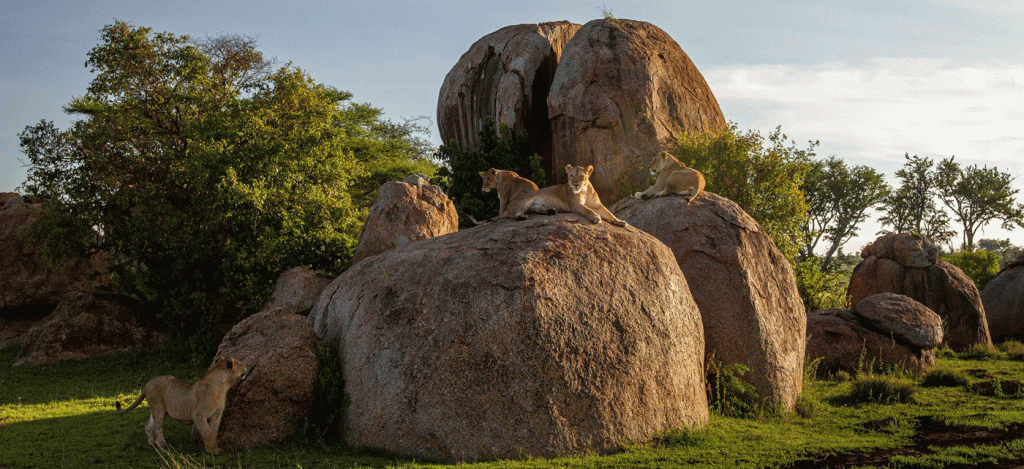
Kopjes provide shelter, resting places and elevated viewpoints for various animals. Lions frequently use the rocks to rest observe their surroundings and escape the heat of the open plains. Smaller animals, including rock hyraxes and lizards also occupy these habitats. Birds may perch on exposed rocks or search for food among the vegetation growing around the formations.
Some kopjes become particularly interesting during morning and afternoon game drives when predators use the rocks as resting places. Your guide can inspect suitable viewpoints while searching for lions and other wildlife. However, sightings depend on animal movements, so every visit offers a different experience.
The landscape around Simba Kopjes and other rocky formations provides beautiful photographic opportunities. You can capture the contrast between enormous granite boulders, golden grasslands and the distant horizon.
Kopjes also help explain why the Serengeti supports such diverse wildlife. Their small vegetation communities and sheltered spaces create habitats that differ from the surrounding open plains.
When planning your safari with Serengeti Travels, you can include game drives through areas known for their scenic kopjes. Combining these locations with wildlife viewing allows you to experience both the natural beauty and ecological importance of the Serengeti.
Enjoy Birdwatching in Serengeti National Park
Birdwatching is another rewarding activity to include in your Serengeti safari, particularly if you enjoy photography and discovering wildlife beyond large mammals. The park supports an impressive variety of resident and migratory bird species, creating opportunities to observe colourful birds, powerful raptors, waterbirds and large ground-dwelling species.
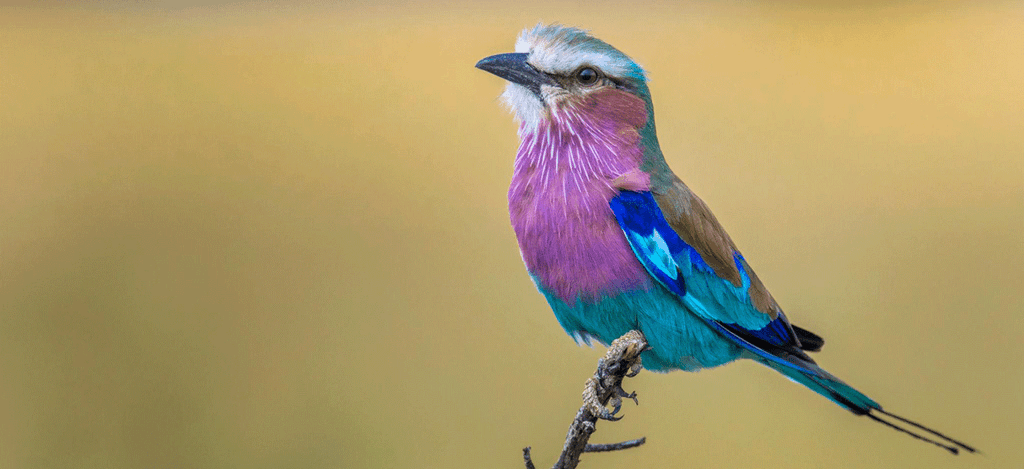
During game drives, you may encounter the lilac-breasted roller displaying its beautiful colours from an exposed branch. Secretary birds walk through open grasslands searching for small animals, while ostriches move across the plains in search of food. Around rivers and wetlands, you may also spot fish eagles, herons, storks and other water-associated birds.
Birdwatching becomes particularly interesting during the green season when rainfall supports vegetation growth and attracts migratory species. However the Serengeti remains rewarding for bird enthusiasts throughout the year because resident species occupy different habitats.
You do not need to organise an entirely separate birdwatching trip to enjoy this activity. You can combine bird observation with ordinary game drives especially when travelling with a guide who understands bird identification and behaviour.
Bring binoculars and a camera with a suitable zoom lens to make the most of your experience. Early morning drives provide comfortable temperatures and good natural lighting for observing and photographing birds.
At Serengeti Travels we can tailor safari arrangements for travellers interested in wildlife photography and birdwatching. You can request additional time at suitable locations rather than focusing exclusively on the Big Five.
For visitors who appreciate biodiversity birdwatching reveals another fascinating side of Serengeti National Park.
Enjoy a Bush Breakfast, Picnic Lunch and Sundowner
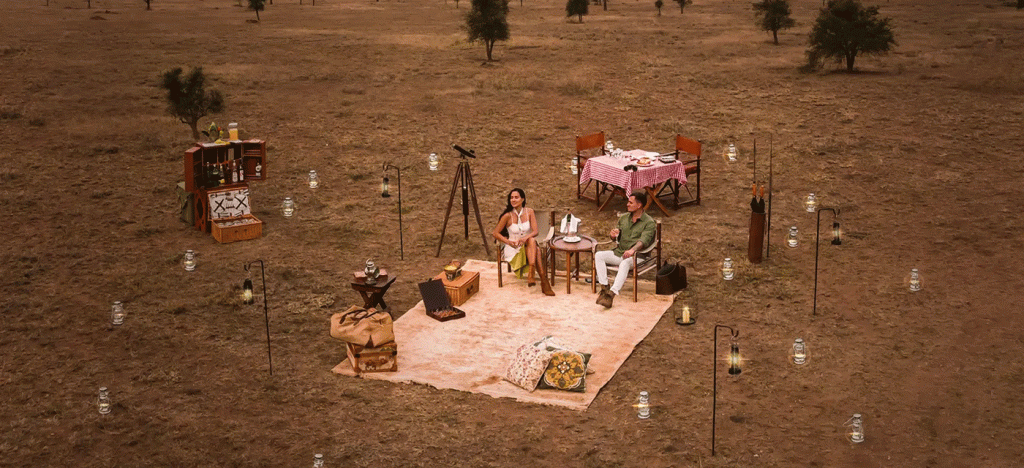
A bush meal adds a memorable dining experience to your Serengeti safari. Instead of enjoying every meal inside your lodge or tented camp, you can experience breakfast or lunch in selected outdoor locations surrounded by the natural beauty of the African wilderness.
A bush breakfast offers a particularly enjoyable start to the day. After an early morning game drive, you can stop at an authorised location and enjoy freshly prepared food while appreciating the peaceful surroundings. The experience combines wildlife exploration with a relaxed dining atmosphere.
Picnic lunches also make full-day game drives more convenient. Rather than returning to your accommodation during the middle of the day you can enjoy your packed meal at a designated picnic site and continue exploring different wildlife areas. This arrangement allows you to spend more time searching for animals and covering larger sections of the park.
As the afternoon approaches, a sundowner offers another opportunity to appreciate the Serengeti landscape. You can enjoy refreshments at an authorised location while watching the sunlight create beautiful colours across the grasslands.
These experiences work particularly well for couples, families and travellers celebrating special occasions. They also create excellent opportunities for photography and memorable moments with fellow safari travellers.
Serengeti Travels can incorporate bush dining experiences into suitable safari itineraries, depending on park regulations, location and availability. You should mention your preferences when requesting a quotation so that your safari team can make the necessary arrangements.
A memorable safari is not only about the animals you see. The meals, scenery and peaceful moments between wildlife encounters also make the journey special.
Capture Incredible Wildlife and Landscape Photography
Serengeti National Park provides outstanding opportunities for wildlife and landscape photography. Its open grasslands, dramatic skies, scattered acacia trees, rocky kopjes and abundant wildlife create a variety of photographic subjects throughout the year. Whether you use a professional camera or a smartphone, the park offers countless opportunities to capture memorable images.
Wildlife photography becomes especially exciting when you encounter predators in their natural habitats. You may photograph lions resting together, cheetahs scanning the plains, leopards climbing trees or elephants moving across open grasslands. During migration season, enormous wildebeest herds create impressive landscape photographs, while the calving season offers opportunities to capture newborn animals with their mothers.
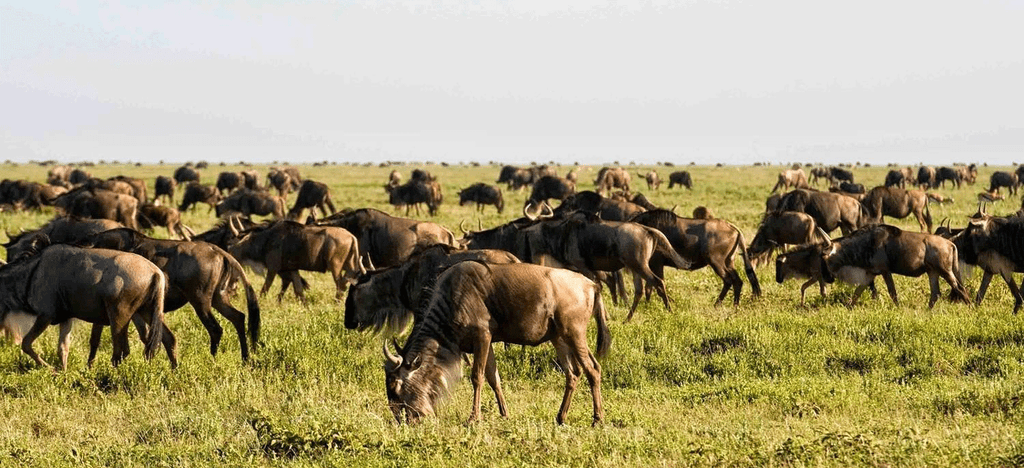
Lighting plays an important role in creating attractive photographs. Early morning and late afternoon provide softer natural light that can highlight animal details and landscape textures. Your guide can also help position the vehicle safely and appropriately to improve your viewing angle.
If photography is your main interest, consider booking a private safari. A private vehicle gives you greater flexibility to spend additional time at interesting sightings, adjust your position and wait for suitable photographic moments without following another group’s schedule.
Pack binoculars, spare batteries, memory cards and a suitable telephoto lens if you have professional photography equipment. A camera with a good zoom capability can help capture animals without approaching them unnecessarily.
Serengeti Travels can organise private photography-focused safaris with flexible game drives and experienced local guides. Tell us your photography interests before booking so we can recommend suitable locations, travel dates and safari durations.
Explore Different Serengeti Regions and Their Wildlife Habitats
Exploring different regions is one of the best ways to understand the diversity of Serengeti National Park. Although visitors often associate the park with endless grasslands, its landscape includes river valleys, wooded areas, rocky formations, seasonal wetlands and open plains. Each region offers different wildlife habitats and seasonal opportunities.
Central Serengeti is famous for the Seronera Valley, where permanent water sources support resident wildlife throughout the year. It provides excellent opportunities to search for lions, leopards, elephants, giraffes and other species.
Northern Serengeti offers beautiful rolling landscapes and access to the Mara River region. Between July and October, this area becomes particularly popular with travellers following the Great Migration and hoping to witness river crossings.
The Western Corridor follows the Grumeti River and features riverine vegetation, open grasslands and wildlife-rich habitats. During migration season, the region becomes an important route for moving wildebeest herds.
Southern Serengeti and the Ndutu plains become particularly attractive between January and March, when wildebeest gather for the calving season. This period provides excellent opportunities to observe newborn calves and predator activity.
Choosing the right region depends on your travel dates safari duration and wildlife interests. At Serengeti Travels, we recommend combining suitable areas rather than trying to cover the entire park within a very short itinerary.
A well-planned route helps you spend more time exploring productive wildlife habitats and less time travelling unnecessarily between distant locations.
Experience the Serengeti’s African Sunsets and Scenic Landscapes
The Serengeti’s landscapes are attractions in their own right. Beyond its famous wildlife, the park offers beautiful natural scenery that changes throughout the day and across the seasons. Taking time to appreciate these surroundings can make your safari more relaxing and memorable.
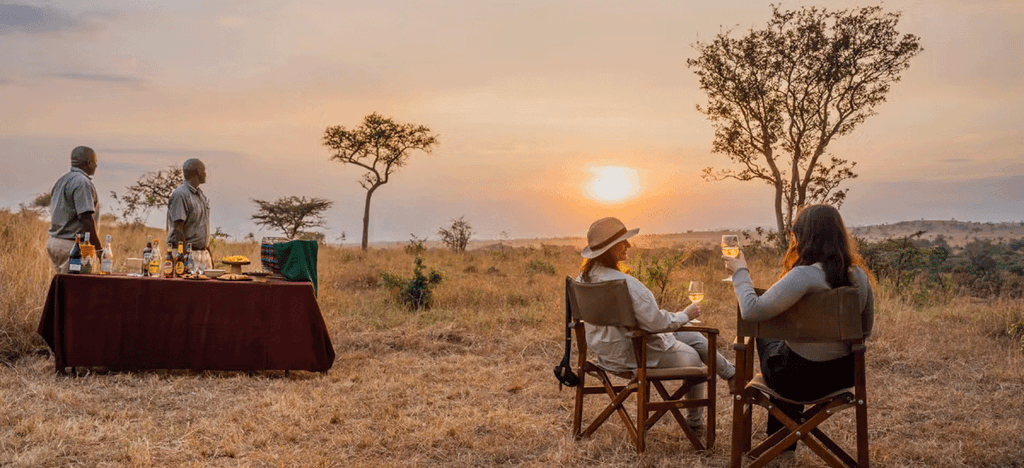
During early morning, mist sometimes settles over the grasslands while the rising sun gradually illuminates the distant hills and scattered trees. As the day progresses, the open plains reveal different shades of green, yellow and gold depending on rainfall and vegetation conditions.
The kopjes create dramatic contrasts against the surrounding grasslands, while rivers and wooded areas introduce additional textures to the scenery. During the green season fresh vegetation transforms sections of the park into vibrant landscapes. In drier months, golden grasses create the classic African safari appearance that many travellers hope to photograph.
Late afternoon provides beautiful opportunities to capture the changing colours of the sky. You may watch giraffes walking across the horizon, elephants moving towards water sources or birds returning to their resting places.
Remember that all activities must follow park regulations. You should enjoy sunset views from permitted locations and return to your accommodation within the authorised driving hours.
Serengeti Travels includes scenic wildlife areas in its safari planning so that visitors can appreciate more than individual animal sightings. If photography, peaceful landscapes or nature observation interest you communicate these preferences when arranging your itinerary.
Sometimes the most memorable part of a safari comes from simply watching the African wilderness change around you.
Best Time to Enjoy These Activities in Serengeti National Park
Serengeti National Park welcomes visitors throughout the year, but the best time to enjoy particular activities depends on seasonal weather conditions and wildlife movements.
January–March: Enjoy the Ndutu calving season, newborn wildebeest, predator viewing and wildlife photography.
April–May: Experience green landscapes, birdwatching and quieter safari periods, although some roads can become challenging during heavy rains.
June–July: Explore the Western Corridor and Grumeti region as migration herds move northwards.
July–October: Visit northern Serengeti to follow migration herds and look for opportunities to witness Mara River crossings.
November–December: Enjoy green scenery, resident wildlife and changing migration movements as the herds move towards the southern plains.
The Great Migration does not follow an exact timetable. Rainfall, grazing conditions and water availability influence where the herds move, so travellers should plan around seasonal patterns rather than expect guaranteed sightings on specific dates.
For visitors interested in wildlife throughout the year, Central Serengeti remains a valuable destination because resident animal populations make it rewarding beyond the migration months.
How Many Days Do You Need to Explore Serengeti National Park?
The ideal safari duration depends on how many activities you want to enjoy and whether you plan to explore one or several regions.
3 days: Suitable for travellers with limited time who want to experience Central Serengeti and enjoy guided game drives.
4 days: Provides additional time for wildlife viewing and a more relaxed safari experience.
5 days: A good option for combining different Serengeti regions, extended game drives and additional experiences.
6–7 days: Recommended for travellers who want to explore more areas, follow seasonal migration movements and enjoy a deeper wildlife experience.
8 days or more: Ideal for photographers, wildlife enthusiasts and travellers seeking a comprehensive northern Tanzania safari.
If you want to combine Serengeti with Tarangire National Park and Ngorongoro Crater, consider a 5–7-day itinerary or longer. This allows you to experience different ecosystems without rushing through your journey.
Why Book Your Serengeti Safari with Serengeti Travels?
Choosing the right safari operator makes a significant difference to your experience in Serengeti National Park. Serengeti Travels is a local Tanzania safari company based in Arusha, helping travellers explore the country’s wildlife destinations through carefully organised safari experiences.
Our team understands the importance of selecting suitable travel dates, accommodation and wildlife areas. We use seasonal knowledge to recommend routes that match your interests, whether you want to follow the Great Migration, explore the Big Five habitats, photograph predators or enjoy a private luxury adventure.
When you book with Serengeti Travels you benefit from:
- Local safari expertise and knowledgeable driver-guides.
- Private and shared safari options.
- Comfortable 4×4 Land Cruisers with pop-up roofs.
- Flexible itineraries designed around your interests.
- Budget, mid-range and luxury accommodation choices.
- Assistance with airport transfers and safari arrangements.
- Personalised support before and during your safari.
We focus on creating meaningful wildlife experiences rather than simply taking visitors between destinations. Our team can also help arrange additional activities, including balloon safaris and suitable guided walking experiences.
Whether you are planning a short Serengeti adventure or an extended Tanzania safari, we can help you select an itinerary that balances wildlife viewing, comfort and travel time.
How to Book Your Serengeti National Park Safari
Planning your Serengeti safari with Serengeti Travels starts with sharing your travel preferences. Tell us when you want to visit, how many people will travel and which experiences interest you most. Our team will use these details to recommend suitable destinations, accommodation and safari duration.
We can arrange private and shared safaris, depending on your budget and preferred travel style. You can also choose between budget, mid-range and luxury accommodation to match your expectations.
For a personalised quotation, provide your arrival date, departure date, group size, preferred accommodation category and any special activities you would like to include. If you are interested in the Great Migration, mention whether you prefer the calving season or northern river-crossing period.
Our team will prepare a suitable safari proposal with the itinerary, accommodation options, inclusions and estimated costs. You can review the arrangements and request adjustments before confirming your booking.
Conclusion
Serengeti National Park offers far more than ordinary wildlife viewing. From experiencing the Great Wildebeest Migration and searching for Africa’s famous predators to enjoying sunrise balloon safaris, guided walks, birdwatching and breathtaking sunsets, every activity introduces you to a different side of Tanzania’s wilderness. Whether you have three days or a full week, choosing the right activities and wildlife regions can make your safari more rewarding.
The best experience starts with proper planning. Your travel season, safari duration, accommodation preferences and personal interests all influence the activities you can enjoy. Spending enough time in suitable wildlife areas also gives you more opportunities to appreciate the Serengeti without rushing between destinations.
At Serengeti Travels we turn your safari ideas into personalised Tanzania wildlife adventures. Our local team helps you select suitable routes, comfortable accommodation and exciting activities that match your expectations and budget.
Ready to experience the best things to do in Serengeti National Park? Contact Serengeti Travels today for a personalised safari quotation and let us help you plan an unforgettable African adventure.