 English
 Deutsch
 Italia
May 25, 2026
Leopard Sightings in Serengeti: Best Areas & Tips
Introduction
Leopard sightings in the Serengeti are often described as the most thrilling and rewarding moments of a safari experience. Unlike lions that dominate the open plains in large prides or elephants that move visibly across landscapes, leopards are elusive, solitary and masters of camouflage.
Their ability to disappear into trees tall grass or rocky terrain makes them one of the hardest animals to spot but also one of the most exciting when finally seen. This sense of rarity and unpredictability is what makes leopard encounters so special for travelers and wildlife enthusiasts.
The Serengeti ecosystem is one of the best places in Africa to see leopards because of its size, biodiversity and variety of habitats. From riverine forests and acacia woodlands to rocky kopjes and open plains, the park provides ideal conditions for leopards to hunt, hide and thrive. Leopards rely heavily on cover preferring areas with trees where they can rest during the day and store their kills away from scavengers like hyenas and lions.
This unique behavior of dragging prey into trees is one of their most fascinating survival strategies.
Understanding where to find leopards in the Serengeti requires knowledge of their habits and preferred environments. Unlike some animals that follow migration patterns leopards are territorial and tend to stay within specific ranges where food and shelter are reliable.
This means certain regions of the Serengeti offer more consistent sightings than others. Areas with permanent water sources and dense vegetation are especially productive because they attract prey species such as impalas and gazelles.
Timing is also crucial when searching for leopards. These cats are most active during early morning and late afternoon when temperatures are cooler. During the heat of the day, they usually rest in shaded trees or hidden areas making them difficult to detect. Seasonal changes also play a role with the dry season often providing better visibility due to shorter grass and thinner vegetation.
In this guide we explore the best areas in the Serengeti for leopard sightings and provide practical tips to improve your chances. Whether you are a first-time safari traveler or an experienced wildlife observer knowing where and how to look can transform your experience from lucky to consistently successful.
Table of contents
Seronera Valley – The Leopard Capital
Seronera Valley located in the central part of the Serengeti is widely recognized as the best place to see leopards in the entire park. Its reputation as the “leopard capital” is well deserved due to the high concentration of these animals and the consistency of sightings throughout the year. The key factor behind this success is the combination of habitat, water availability and abundant prey.
The Seronera River runs through this region creating a lush environment filled with riverine forests and large acacia trees. These trees are essential for leopards, providing ideal resting spots during the day and safe places to store kills. Visitors often spot leopards draped over branches blending almost perfectly with the dappled sunlight and shadows. This behavior not only protects their food from scavengers but also allows them to rest undisturbed.
Another reason Seronera stands out is the presence of permanent water sources. Unlike other parts of the Serengeti that depend on seasonal rains Seronera supports wildlife year-round. This stability attracts large populations of herbivores such as impalas, gazelles and warthogs which in turn sustain a healthy predator population. For leopards this means reliable hunting opportunities within a relatively small territory.
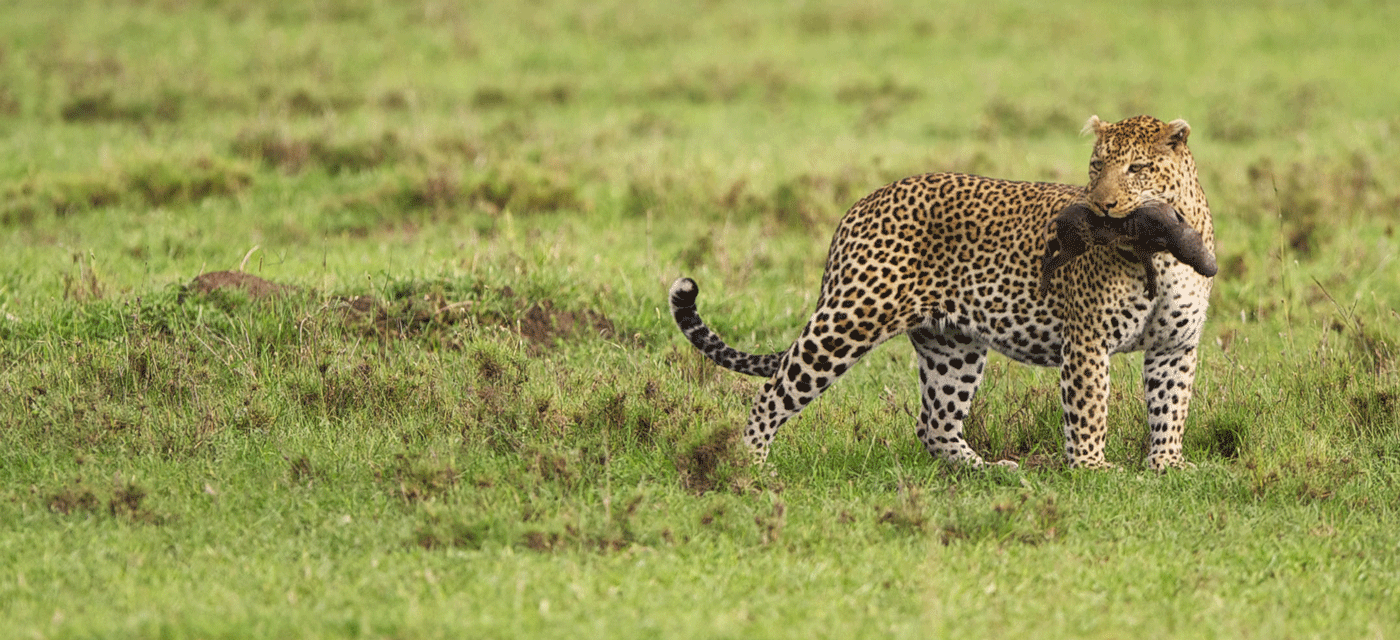
Game drives in Seronera are particularly productive in the early morning. At this time leopards may still be active after hunting during the night. It is not uncommon to see one walking through the grass, descending from a tree or even carrying prey. Late afternoon drives can also yield excellent sightings as leopards begin to prepare for nighttime activity.
However Seronera is also one of the most visited areas in the Serengeti. The high concentration of wildlife attracts many safari vehicles especially during peak seasons. While this can sometimes lead to crowded sightings experienced guides often know quieter routes and hidden spots where leopards are less disturbed.
For anyone serious about seeing a leopard spending multiple days in Seronera significantly increases the chances of success. The combination of ideal habitat, knowledgeable guides and consistent wildlife activity makes it the most reliable location in the Serengeti for leopard encounters.
Western Corridor and Grumeti Region
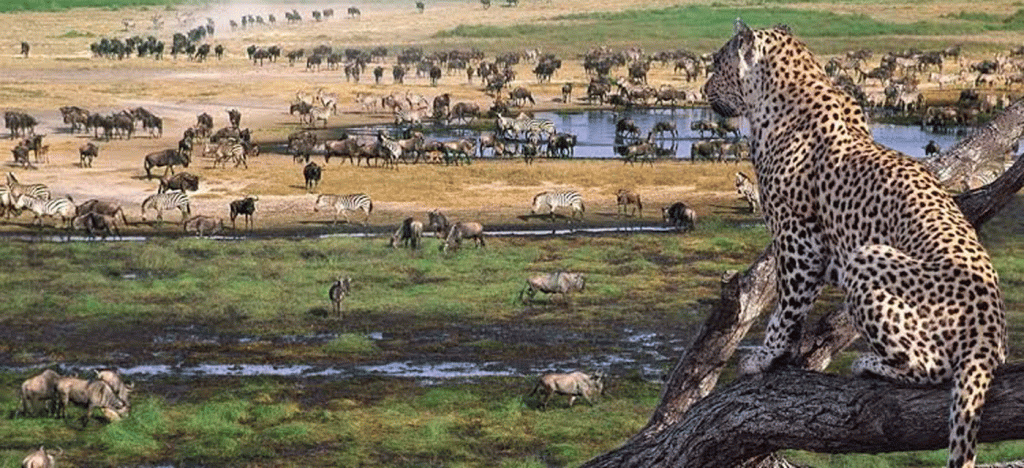
The Western Corridor of the Serengeti offers a different but equally rewarding experience for those seeking leopard sightings. This region is characterized by dense woodlands, river systems and the Grumeti River all of which provide excellent cover for these elusive predators. Compared to the open plains of central Serengeti the Western Corridor feels more secluded and wild making leopard encounters here particularly special.
Leopards thrive in environments where they can remain hidden and the thick vegetation along the Grumeti River creates perfect conditions. The forests and shrubs allow them to move undetected while stalking prey and the presence of large trees provides ideal resting and feeding locations. Because of this dense habitat spotting a leopard in the Western Corridor often requires patience and sharp observation skills.
The dry season is the best time to explore this region for leopard sightings. As water sources become limited animals gather near rivers increasing predator activity. Leopards take advantage of these conditions by hunting along riverbanks where prey animals come to drink. Early morning and late afternoon drives are especially productive as leopards are more active during cooler temperatures.
One of the biggest advantages of the Western Corridor is the lower number of tourists compared to central Serengeti. This means fewer vehicles at sightings and a more intimate safari experience. Travelers who prefer a quieter and less crowded environment often find this region more enjoyable even if sightings require more effort.
Another unique aspect of this area is the dramatic landscape. The combination of riverine forests, open grasslands and rolling terrain creates beautiful scenery that enhances the overall safari experience. Leopard sightings here often occur in striking settings such as along riverbanks or within dense green vegetation.
Although leopards in the Western Corridor may be harder to spot than in Seronera the experience of finding one in such a wild and untouched environment is incredibly rewarding. It offers a sense of true exploration and highlights the natural behavior of these animals in a less disturbed habitat.
Northern Serengeti and Lobo Valley
Northern Serengeti and the Lobo Valley provide one of the most remote and scenic settings for leopard sightings. This region is less visited than central areas offering a more exclusive and peaceful safari experience. The landscape is defined by rolling hills, rocky outcrops and scattered woodlands creating diverse habitats where leopards can thrive.
Leopards in this region often favor areas near kopjes, river valleys and acacia woodlands. These environments provide both shelter and strategic vantage points for hunting. The rocky formations allow leopards to observe prey from elevated positions while nearby vegetation offers cover for stalking.
The Lobo Valley is particularly known for its acacia trees which are frequently used by leopards as resting spots. During the day these cats can often be found lying along branches almost invisible unless carefully observed. Safari guides in this region spend significant time scanning trees as leopards here rely heavily on arboreal behavior.
One of the most exciting times to visit Northern Serengeti is during the Great Migration when herds move toward the Mara River. This influx of prey attracts predators including leopards. Although leopards do not depend on large herds in the same way lions do the increased availability of food enhances their activity levels.
Another advantage of this region is the lower density of safari vehicles. Sightings are often more private allowing for a deeper connection with the wildlife. This quiet environment also means animals behave more naturally without the pressure of large crowds.
The scenery in Northern Serengeti adds to the experience. Leopard sightings often occur against dramatic backdrops of hills and valleys creating memorable visual moments. The combination of isolation, natural beauty and predator presence makes this region a favorite for experienced safari travelers.
While sightings may not be as frequent as in Seronera the quality of the experience is exceptional. For those willing to explore further and spend time in remote areas Northern Serengeti offers a unique and rewarding opportunity to encounter leopards in a truly wild setting.
Moru Kopjes and Rocky Areas
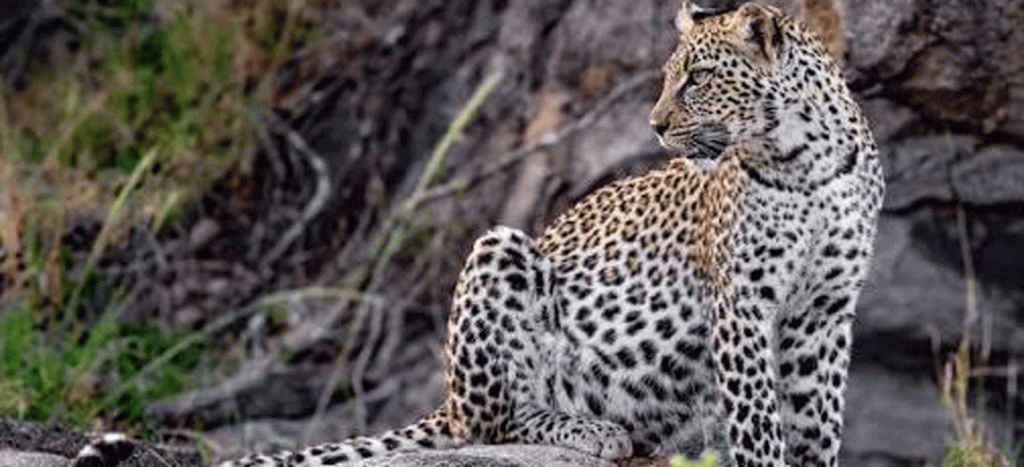
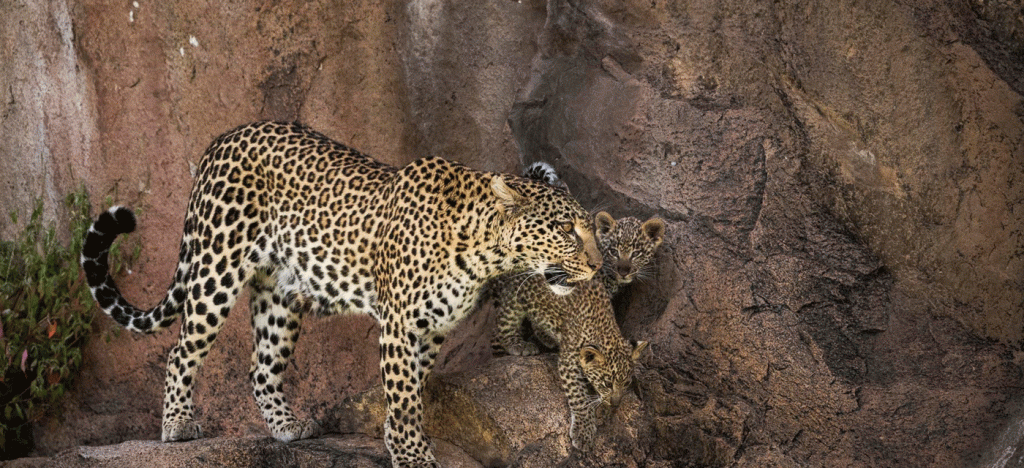
Moru Kopjes represent one of the most distinctive landscapes in the Serengeti and serve as an important habitat for leopards. These massive granite rock formations rise abruptly from the plains, creating natural shelters, lookout points and hunting grounds for predators. For leopards kopjes provide both protection and strategic advantage.
Leopards use the rocky terrain to their benefit in several ways. The crevices and shaded areas offer cool resting spots during the heat of the day while the elevated rocks allow them to observe prey movements across the surrounding plains. This combination of visibility and concealment makes kopjes ideal hunting bases.
The surrounding grasslands attract a variety of prey species, including gazelles, hyraxes and small mammals. Leopards take advantage of this abundance by positioning themselves near kopjes where prey activity is high. Unlike dense forest environments the open plains around Moru Kopjes allow for easier visibility increasing the chances of spotting a leopard.
Morning game drives are particularly effective in this area. Leopards may still be active after nighttime hunting and can sometimes be seen moving between rocks or resting in shaded areas. Guides often focus on scanning both the rocky surfaces and nearby trees as leopards may use either depending on conditions.
Moru Kopjes are also known for their scenic beauty. The contrast between dark granite rocks and golden plains creates dramatic landscapes that enhance wildlife sightings. Photographers especially appreciate this region because it offers unique compositions that are different from typical savannah scenes.
Another interesting aspect of this area is the presence of other predators. Lions frequently use kopjes as resting spots and interactions between different predators can sometimes be observed. This adds another layer of excitement to game drives in the region.
While leopard sightings here may require patience the combination of habitat, prey availability and visibility make Moru Kopjes a valuable location. It offers a different perspective on leopard behavior showing how these animals adapt to rocky environments within the Serengeti.
Best Tips for Spotting Leopards
Spotting a leopard in the Serengeti requires more than luck it involves understanding their behavior, choosing the right timing and using effective observation techniques. These animals are masters of camouflage and can remain hidden even in plain sight so knowing what to look for can make a significant difference.
The most important tip is to plan game drives during early morning or late afternoon. Leopards are primarily active during cooler hours and tend to rest during the heat of the day. Early morning drives are especially productive because leopards may still be moving after nighttime hunting.
Another key strategy is to focus on trees rather than just scanning the ground. Leopards spend a large portion of their time resting in branches, particularly in acacia and sausage trees. Their spotted coats blend perfectly with light and shadow so careful observation is essential.
Listening to the environment can also help. Alarm calls from animals such as impalas or baboons often indicate the presence of a predator nearby. Birds circling or vultures gathering can also signal a recent kill which may lead to a leopard sighting.
Working with an experienced guide greatly increases your chances. Skilled guides understand leopard territories, recognize behavioral patterns and communicate with other guides to track recent sightings. Their knowledge can turn a difficult search into a successful encounter.
Patience is another critical factor. Leopards are unpredictable and sightings may be brief. Staying alert and remaining in promising areas for extended periods often leads to better results than constantly moving. Using binoculars is highly recommended. Leopards can be hidden in distant trees or partially obscured by foliage making them difficult to spot with the naked eye. Binoculars allow you to scan large areas more effectively.
Finally spending multiple days in the same region improves your chances significantly. Leopard sightings often depend on timing and repeated attempts. The more time you spend in leopard-rich areas the higher the probability of success. Understanding these techniques transforms leopard spotting from a matter of chance into a more strategic and rewarding experience.
Frequently Asked Questions About Leopard Sightings in Serengeti
1. Where is the best place to see leopards in the Serengeti?
Seronera Valley is considered one of the most reliable areas for leopard sightings because of its riverine forests, acacia trees, permanent water sources and abundant prey.
2. What is the best time of day to see a leopard in the Serengeti?
Early morning and late afternoon are the best times because leopards are more active during cooler temperatures and may be moving after nighttime hunting.
3. Can I see leopards in the Western Corridor of the Serengeti?
Yes. The Western Corridor and Grumeti region provide excellent leopard habitat, particularly around riverine forests, dense vegetation and the Grumeti River.
4. Is Northern Serengeti good for leopard sightings?
Yes. Northern Serengeti and Lobo Valley offer good opportunities to see leopards around kopjes, river valleys and acacia woodlands often with fewer safari vehicles.
5. Can leopards be seen around Moru Kopjes?
Yes. Moru Kopjes provide rocky shelters, elevated viewpoints and nearby prey making the area a valuable location for leopard sightings.
6. Where do leopards usually hide in the Serengeti?
Leopards often rest in trees, dense vegetation, rocky areas and shaded locations. Acacia and sausage trees are particularly important resting places.
7. What should I look for when searching for a leopard?
Look carefully at trees, riverbanks, rocky outcrops and areas of dense vegetation. Alarm calls from animals such as impalas and baboons can also indicate a nearby predator.
8. Are leopard sightings guaranteed in the Serengeti?
No. Leopards are elusive, territorial and well camouflaged so sightings are never guaranteed. Spending several days in leopard-rich areas can improve your chances.
9. Is the dry season good for seeing leopards in the Serengeti?
Yes. The dry season can provide better visibility because grass and vegetation are often shorter and thinner. Wildlife also tends to concentrate around available water sources.
10. Does an experienced safari guide help with leopard sightings?
Yes. Experienced guides can recognize leopard territories, understand their behavior, identify potential sightings and communicate with other guides about recent wildlife activity.
11. How many days should I spend in the Serengeti to see a leopard?
Spending multiple days in the Serengeti particularly in areas such as Seronera increases your opportunities because leopard sightings depend heavily on timing and location.
12. Can I see leopards during a safari with Serengeti Travels?
Yes. Serengeti Travels provides safari experiences with knowledgeable local guides who can help travelers search for leopards and understand their behavior and habitats.
Conclusion
Leopard sightings in the Serengeti represent one of the most exciting and memorable aspects of a safari and with Serengeti Travels travelers can experience the thrill of searching for these elusive predators with knowledgeable local guides. Leopards capture the imagination with their beauty, intelligence and mysterious behavior. Unlike more visible animals they challenge travelers to look deeper into the landscape turning every game drive into an engaging and rewarding search.
The Serengeti offers several excellent regions for leopard sightings each with its own unique characteristics. Seronera Valley stands out as one of the most reliable locations due to its ideal habitat and year-round wildlife activity. The Western Corridor provides a more secluded and forested environment where sightings can feel like true discoveries.
Northern Serengeti and Lobo Valley offer remote landscapes and dramatic scenery, while Moru Kopjes showcase how leopards adapt to rocky terrain. During a safari with Serengeti Travels experienced guides can help travelers understand these different habitats and identify the places where leopards are most likely to be found.
Timing and strategy play a crucial role in successful sightings. Early morning and late afternoon game drives can increase the chances of encountering active leopards while the dry season often provides better visibility across the park. Understanding where to look, such as trees, riverbanks and rocky areas can further enhance the experience.
Equally important is patience. Leopards are not guaranteed sightings and their unpredictable nature is part of what makes them so special. The moment of finally spotting one resting in a tree walking through the grass or feeding creates a sense of achievement that few other wildlife encounters can match.
For travelers the pursuit of leopards adds depth to a Serengeti safari. Serengeti Travels helps visitors experience this search while encouraging careful observation appreciation of smaller details and respect for the complexity of the ecosystem. Each sighting tells a story of survival, adaptation and the delicate balance between predator and prey.