 English
 Deutsch
 Italia
May 25, 2026
Where to Spot Lions in Serengeti National Park
Introduction
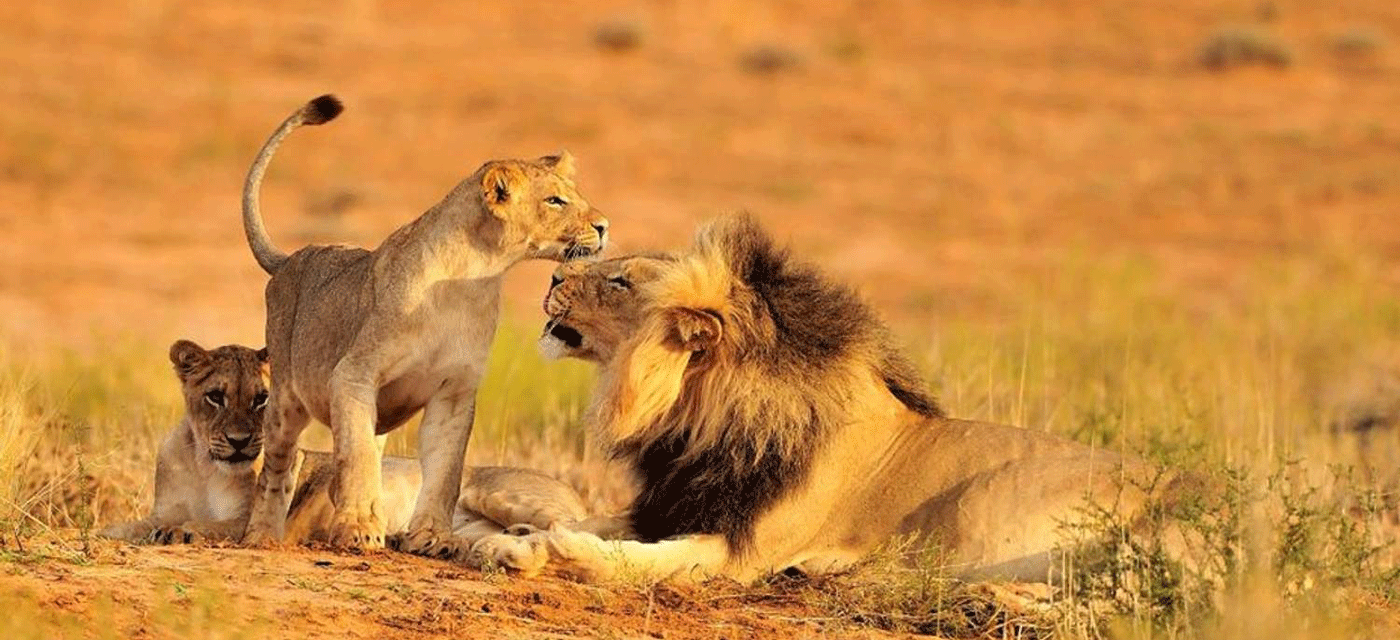
Where to Spot Lions in Serengeti National Park is an important question for travelers planning a safari and hoping to experience these iconic predators in their natural habitat. The Serengeti National Park is one of the most famous wildlife destinations in the world and seeing lions is often a highlight of the entire safari experience. Known as the “king of the jungle,” lions are powerful social predators that play a central role in the Serengeti ecosystem. However spotting them is not simply a matter of luck it requires an understanding of their behavior, habitat preferences and movement patterns across the park.
The Serengeti is vast, covering thousands of square kilometers, and not all areas offer the same chances of encountering lions. Their presence is closely linked to prey availability, water sources and seasonal movements such as the Great Migration. This means that knowing where to go and when can dramatically increase your chances of successful sightings.
From the predator-rich plains of the southern Serengeti during calving season to the river-crossing drama in the north each region offers a unique context for observing lions.
In addition to location timing also plays a critical role. Lions are most active during the cooler hours of the day and aligning your game drives with their natural rhythm can turn an ordinary sighting into an unforgettable encounter. Whether you want to witness a hunt, observe pride interactions or simply see lions resting in iconic landscapes, strategy matters.
This guide brings together the most important insights on where and when to spot lions in the Serengeti. By combining knowledge of key regions with an understanding of lion behavior you can approach your safari with clarity and purpose maximizing both the quality and frequency of your wildlife encounters.
Table of contents
- Introduction
- Seronera Valley (Central Serengeti)
- Western Corridor (Grumeti Region)
- Southern Serengeti (Ndutu Area)
- Northern Serengeti (Kogatende and Mara River)
- Kopjes Throughout the Park
- Best Time of Day to Spot Lions
- Frequently Asked Questions About Where to Spot Lions in Serengeti National Park
- 1. Where is the best place to spot lions in Serengeti National Park?
- 2. Can you see lions in the Serengeti all year round?
- 3. What is the best time of day to see lions in the Serengeti?
- 4. Where can I see lions during the Great Migration?
- 5. Is the Southern Serengeti good for lion sightings?
- 6. Why do lions like kopjes in the Serengeti?
- 7. Can I see lions near the Mara River?
- 8. Are lions easy to spot in Serengeti National Park?
- 9. What attracts lions to the Central Serengeti?
- 10. What animals do lions hunt in the Serengeti?
- 11. What is the best season to see lions in the Serengeti?
- 12. Can I see lion cubs in the Serengeti?
- 13. Are lions active during the day in the Serengeti?
- 14. How does the Great Migration affect lion sightings?
- 15. What should I look for when searching for lions?
- 16. Can I see lions on a Serengeti safari with Serengeti Travels?
- 17. How can I increase my chances of seeing lions in the Serengeti?
- 18. Are lion sightings guaranteed in the Serengeti?
- Conclusion
Seronera Valley (Central Serengeti)
Seronera Valley is the most dependable location in Serengeti National Park for spotting lions and it is often considered the heart of wildlife activity in the ecosystem. The main reason for this reliability is the presence of permanent water sources particularly the Seronera River.
Unlike seasonal areas that depend on rainfall Seronera maintains a steady supply of water throughout the year, which continuously attracts herbivores such as zebras, wildebeest, gazelles and buffalo. Lions, being apex predators naturally establish territories where prey density remains high making this region one of their strongest strongholds.
The landscape also plays a major role in lion visibility. The combination of open plains, scattered acacia trees and rocky kopjes creates an ideal balance between hunting grounds and resting spots. Lions use the open plains to stalk prey and often retreat to the kopjes during the heat of the day.
These rock formations provide elevation, shade and a vantage point for scanning the surroundings. Because of this predictable behavior, guides frequently know where specific prides are located which increases your chances of sightings significantly.
Another advantage of Seronera is accessibility. It is one of the most visited regions in the Serengeti meaning there is a well-developed network of tracks and experienced guides who communicate sightings. Early morning and late afternoon game drives in this area are particularly productive as lions are most active during cooler temperatures. Even during midday it is common to find them resting in visible locations.
For travelers who prioritize consistent lion sightings without relying heavily on seasonal timing, Seronera Valley remains the smartest and most strategic choice in the Serengeti.
Western Corridor (Grumeti Region)
The Western Corridor, particularly the Grumeti region, offers a more dynamic and dramatic setting for lion sightings especially during the migration season between May and July. This area becomes a major pathway for the Great Migration, as massive herds of wildebeest and zebras move toward the Grumeti River.
With such a large concentration of prey lions become more active and strategic often positioning themselves along migration routes and near river crossings to maximize hunting success.
What makes this region unique compared to central Serengeti is its denser vegetation. The presence of riverine forests, tall grasses and thicker bush provides lions with better cover for ambush hunting. While this can sometimes make sightings slightly more challenging, it significantly increases the chances of witnessing real hunting behavior rather than just observing lions at rest. The element of surprise is a key advantage for predators here and patient visitors may be rewarded with intense wildlife interactions.
The Grumeti River itself adds another layer of opportunity. Animals are forced to slow down and gather at crossing points creating vulnerable moments that lions exploit. Although river crossings are often associated with crocodiles’ lions are equally opportunistic in these areas especially when herds are disorganized.
Outside of the migration period the Western Corridor still supports resident lion prides but sightings become less concentrated compared to peak months. This means timing is important if your goal is to see high levels of predator activity. Overall the Western Corridor is best suited for travelers who are not only interested in seeing lions but also want to experience the raw intensity of predator-prey interactions in a less predictable but more thrilling environment.
Southern Serengeti (Ndutu Area)
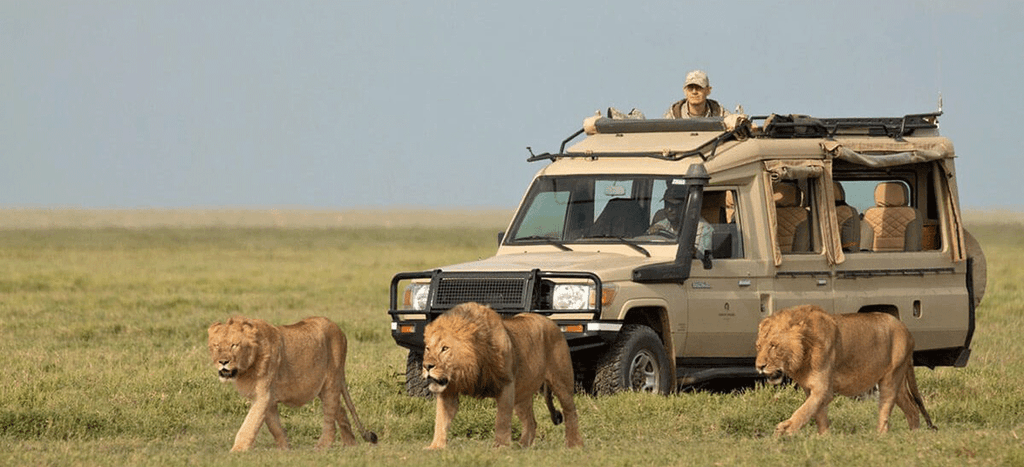
The Southern Serengeti including the Ndutu area is one of the most rewarding places to see lions during the calving season which typically occurs from January to March. During this period the short grass plains become the breeding ground for the Great Migration with thousands of wildebeest giving birth within a short timeframe. This sudden abundance of vulnerable newborn animals creates a temporary but highly concentrated food source for predators including lions.
As a result, lion activity in this region increases significantly. Prides take advantage of the easy hunting opportunities and it is common to witness multiple hunts in a single day. Unlike other times of the year when lions may conserve energy due to scarce prey the calving season allows them to be more active and visible. This is also one of the best times to observe lion cubs as the availability of food improves survival rates and encourages breeding.
The terrain of the southern Serengeti contributes to excellent visibility. The open plains with minimal vegetation make it easier to spot lions from a distance compared to wooded or bushy areas. This increases the likelihood of not only seeing lions but also following their movements and interactions over time.
However, this region is highly seasonal. Once the migration moves on, prey density drops and lions either disperse or become harder to find. This makes timing critical if you choose to visit this part of the park. For those who want to witness intense predator activity, family dynamics within prides and the dramatic cycle of life and survival the Southern Serengeti during calving season offers one of the most powerful safari experiences available.
Northern Serengeti (Kogatende and Mara River)
The Northern Serengeti particularly around Kogatende and the Mara River becomes a prime location for lion sightings between July and October. This period coincides with the later stages of the Great Migration when herds move into the northern reaches of the Serengeti and cross the Mara River. These crossings are among the most dramatic wildlife events in the world and they create ideal conditions for predators.
Lions in this region take advantage of the natural bottlenecks created by the river. As herds gather and hesitate before crossing, they become vulnerable to attack. Lions often patrol these areas positioning themselves strategically along riverbanks and nearby plains. This behavior increases the chances of witnessing coordinated hunting efforts especially when multiple lions work together to isolate prey.
The northern Serengeti also offers a more remote and less crowded experience compared to central areas. This means sightings can feel more exclusive and less rushed allowing for longer observation of lion behavior. The landscape here includes rolling hills, river systems and scattered woodland providing both cover for hunting and open spaces for visibility.
Unlike the southern region which is heavily dependent on calving season the northern Serengeti maintains a relatively steady presence of wildlife during migration months. However, outside this period lion sightings can become less predictable due to reduced prey movement.
This area is ideal for travelers who want a balance between strong lion sightings and a quieter more immersive safari environment. When timed correctly it offers a combination of dramatic migration scenes and high predator activity.
Kopjes Throughout the Park
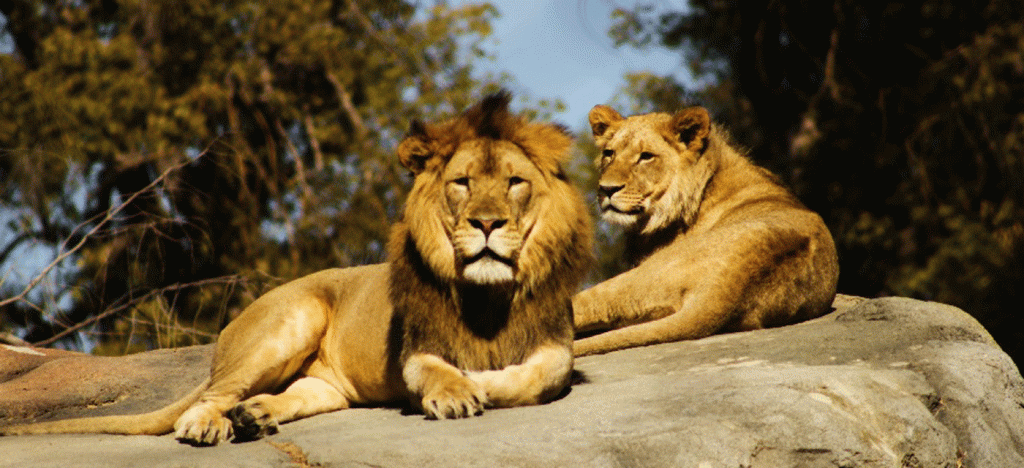
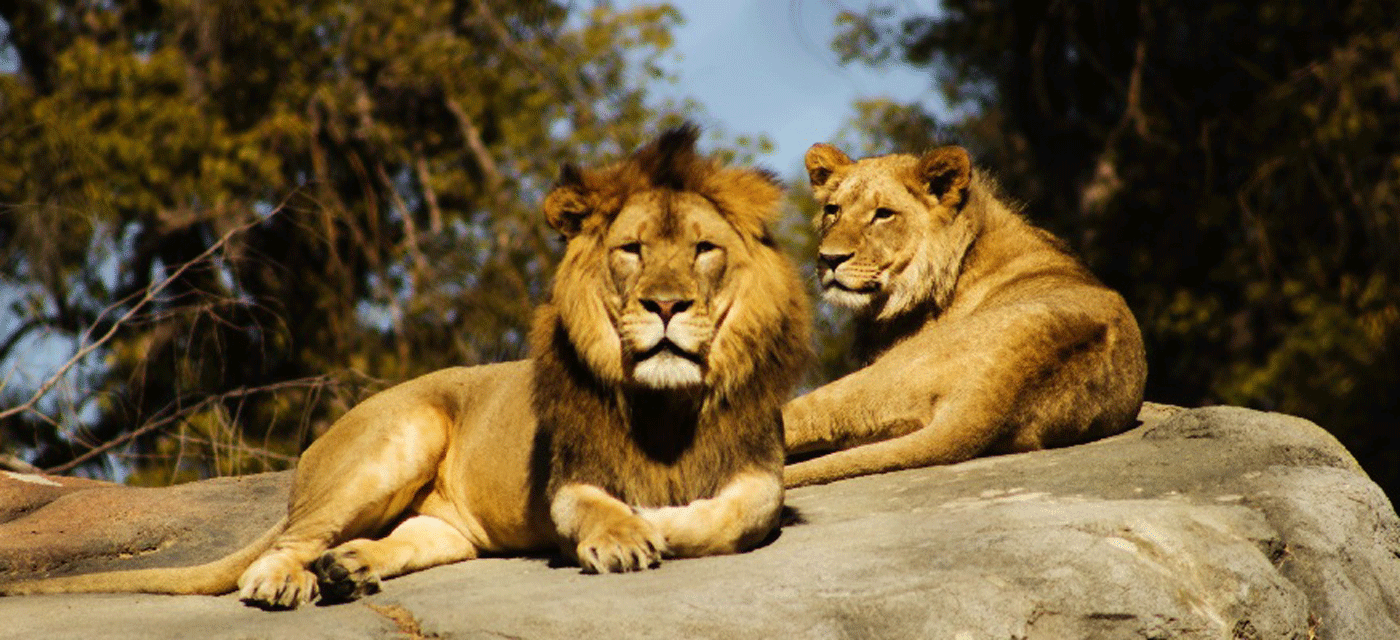
Kopjes, the rocky outcrops scattered across the Serengeti are one of the most reliable indicators of lion presence regardless of the specific region you are visiting. These geological formations serve multiple purposes for lions making them essential features in their daily behavior and territory use.
One of the primary reasons lions favor kopjes is elevation. From these points they can scan the surrounding plains for potential prey or threats. This vantage point is especially useful in the vast Serengeti landscape where visibility can determine hunting success. In addition to providing a strategic advantage kopjes also offer shade which is critical during the hot midday hours when lions rest and conserve energy.
Kopjes are also safe spaces for social interaction within prides. Lion cubs often play and rest in these areas protected from some ground-level threats. Because of this kopje are not just resting spots but also centers of pride activity. Visitors who spend time observing these formations are more likely to witness a range of behaviors, from relaxation to grooming and social bonding.
Another advantage for safari-goers is predictability. Unlike open plains where lions may move frequently kopjes act as consistent resting locations. Guides often check known kopjes during game drives increasing the chances of successful sightings even when lions are not actively hunting.
Importantly kopjes are found throughout the Serengeti meaning this strategy works in every region from central to northern and southern areas. Whether you are following the migration or staying in one location, paying attention to these rocky formations significantly improves your chances of spotting lions. In practical terms if you are ever unsure where to look for lions start with the kopjes they are one of the smartest and most reliable clues in the Serengeti.
Best Time of Day to Spot Lions
Understanding the best time of day to spot lions in the Serengeti can make a significant difference in your safari experience. Lions are not active throughout the day in the same way as some other animals. Instead their behavior follows a clear pattern driven by temperature, energy conservation and hunting strategy.
The most productive time to see lions is early morning just aftersunrise. During the night lions are typically at their most active using the darkness and cooler temperatures to hunt. As the sun rises they may still be moving, finishing a hunt, feeding or returning to resting areas. This is one of the best opportunities to witness real action rather than just stationary animals. You may see lions walking across the plains, interacting socially or guarding a fresh kill.
The second prime window is late afternoon to sunset. As temperatures begin to drop lions become active again after spending much of the day resting. This is when they start preparing for the night’s hunting activities. Movement increases and you may observe stalking behavior, coordination within the pride or territorial patrols.
In contrast midday is the least active period. The heat in the Serengeti can be intense and lions conserve energy by resting in shaded areas such as under acacia trees or on kopjes. While this may not be the best time for action it can still offer excellent viewing opportunities because lions are often in open visible locations. You may see entire prides sleeping, grooming or interacting quietly.
For the best results plan your game drives around sunrise and sunset and be patient during quieter hours. Lions follow a rhythm not a schedule but aligning your safari timing with their natural activity cycle dramatically increases your chances of unforgettable sightings.
Frequently Asked Questions About Where to Spot Lions in Serengeti National Park
1. Where is the best place to spot lions in Serengeti National Park?
Seronera Valley in the Central Serengeti is one of the best places to spot lions because it has abundant prey, permanent water sources and suitable habitats such as open plains and kopjes. Lions can be seen here throughout much of the year.
2. Can you see lions in the Serengeti all year round?
Yes, lions are resident in the Serengeti and can be seen throughout the year. However sightings and predator activity can vary depending on prey availability, seasonal movements and rainfall patterns.
3. What is the best time of day to see lions in the Serengeti?
Early morning and late afternoon are generally the best times to see active lions. Cooler temperatures encourage lions to move, hunt and interact while midday is often spent resting in shaded areas.
4. Where can I see lions during the Great Migration?
The best location depends on the migration’s seasonal movement. The Western Corridor can be productive around May to July while the Northern Serengeti around Kogatende and the Mara River is particularly interesting from July to October.
5. Is the Southern Serengeti good for lion sightings?
Yes. The Southern Serengeti especially the Ndutu area can provide excellent lion sightings during the calving season from January to March. The concentration of wildebeest and newborn calves attracts predators and increases hunting activity.
6. Why do lions like kopjes in the Serengeti?
Kopjes provide lions with shade, elevated viewpoints and comfortable resting areas. Lions can use these rocky formations to watch the surrounding plains, rest during hot weather and interact with members of their pride.
7. Can I see lions near the Mara River?
Yes, lions can be found around the Northern Serengeti and Mara River area particularly during the Great Migration. The concentration of wildebeest and zebras can create opportunities for predators to hunt near migration routes.
8. Are lions easy to spot in Serengeti National Park?
Lions are among the easier large predators to find in the Serengeti especially in areas such as Seronera. However sightings are never guaranteed because lions move across large territories and may rest in vegetation or other concealed locations.
9. What attracts lions to the Central Serengeti?
The Central Serengeti has reliable water sources, abundant prey and a mixture of open grasslands, acacia trees and rocky kopjes. These conditions provide lions with excellent opportunities for hunting, resting and establishing territories.
10. What animals do lions hunt in the Serengeti?
Lions prey on a variety of animals depending on availability. Common prey includes wildebeest, zebras, gazelles and buffalo although their diet can vary across different regions and seasons.
11. What is the best season to see lions in the Serengeti?
There is no single best season for every traveler. The Central Serengeti offers strong year-round opportunities while January to March is particularly productive in the Southern Serengeti during calving season. July to October can provide excellent predator encounters in the Northern Serengeti during the migration.
12. Can I see lion cubs in the Serengeti?
Yes, lion cubs can be seen in different parts of the Serengeti. Sightings depend on pride locations and the time of year. During periods of abundant prey prides may have better conditions for raising young.
13. Are lions active during the day in the Serengeti?
Lions can be active during the day but they generally become less active as temperatures rise. During midday they often rest in shaded areas, while early morning and late afternoon are more likely to produce movement and social activity.
14. How does the Great Migration affect lion sightings?
The Great Migration brings huge numbers of wildebeest and zebras into different parts of the Serengeti. This seasonal increase in prey can attract lions and other predators creating opportunities for dramatic predator-prey encounters.
15. What should I look for when searching for lions?
Look around open plains, permanent water sources areas with high concentrations of prey and rocky kopjes. Experienced safari guides can also use recent wildlife activity and lion behavior to determine where to search.
16. Can I see lions on a Serengeti safari with Serengeti Travels?
Yes. Serengeti Travels can help plan a Serengeti safari around your travel dates and wildlife interests including areas known for strong lion sightings. Choosing the right region and timing can improve your opportunities to encounter lions in their natural habitat.
17. How can I increase my chances of seeing lions in the Serengeti?
Choose a region with good prey availability, plan game drives during cooler hours, spend enough time in wildlife areas and remain patient. Working with an experienced guide can also help because guides understand animal behavior and regularly monitor wildlife activity.
18. Are lion sightings guaranteed in the Serengeti?
No wildlife sighting can be guaranteed because lions are wild animals that move freely throughout the ecosystem. However the Serengeti’s large lion population and productive wildlife areas provide excellent opportunities for sightings when conditions are favorable.
Conclusion
Spotting lions in the Serengeti is one of the most rewarding wildlife experiences you can have and with Serengeti Travels it becomes even more powerful when approached with the right knowledge and expectations. The key takeaway is simple: lions follow food and their movements are shaped by the availability of prey, water and seasonal changes across the ecosystem. By understanding this you can make smarter decisions about where to go and when to plan your safari.
Central Serengeti stands out as the most reliable area for year-round sightings, offering consistency and accessibility. Meanwhile regions like the southern plains during calving season or the northern Serengeti during migration provide more dramatic and action-filled encounters. Each area has its strengths and choosing the right one depends on what kind of experience you are looking for whether it is frequent sightings, intense hunting scenes or a quieter and more exclusive atmosphere. Serengeti Travels can help travelers choose suitable areas based on their safari timing and wildlife interests.
Equally important is the time of day. Early mornings and late afternoons align with peak lion activity giving you the best chance to see movement, interaction and possibly hunting behavior. Midday while less active still offers valuable opportunities to observe lions in their natural resting state.
Ultimately a successful lion safari is about combining location, timing and patience. Even with the best planning, nature remains unpredictable and that is part of what makes the Serengeti so special. Every sighting feels earned and authentic.
With the right approach and guidance from Serengeti Travels, your chances of seeing lions can be exceptional. More importantly you will gain a deeper appreciation for how these remarkable animals live, hunt and survive in one of the most extraordinary ecosystems on Earth.