 English
 Deutsch
 Italia
May 25, 2026
Birdwatching in Serengeti Top Species to Look For
Introduction
Birdwatching in Serengeti Top Species to Look For is one of the most rewarding yet often underestimated experiences in East Africa’s safari circuit. While many visitors come mainly for lions, elephants and the Great Migration the Serengeti is also home to an extraordinary diversity of birdlife with hundreds of species living across its grasslands, woodlands, rivers and wetlands. From powerful raptors soaring above the plains to small, brightly colored songbirds darting through bushes every habitat supports a different set of species creating a constantly changing visual and auditory experience.
What makes birdwatching in the Serengeti especially exciting is the contrast between size, behavior and appearance. You can observe massive birds like ostriches and kori bustards walking across open plains then shift your attention to delicate species like starlings and rollers flashing vibrant colors in the sunlight. Predators such as eagles and secretary birds add drama and intensity, while water-dependent species like the African fish eagle bring life to rivers and lakes. This variety ensures that every game drive offers something new even in familiar areas.
Birdwatching also deepens your understanding of the Serengeti ecosystem. Birds play essential roles in pest control, scavenging, pollination and maintaining ecological balance. Observing them closely reveals patterns of survival, adaptation and interaction that are often missed when focusing only on large mammals. Whether you are a serious birder or a casual traveler the Serengeti offers a rich and accessible birdwatching experience that adds depth, color and meaning to any safari adventure.
Table of contents
- Introduction
- Secretary Bird – The Ground Hunter of the Savannah
- Kori Bustard – The Giant of the Grasslands
- Lilac-Breasted Roller – The Color Explosion of Africa
- Ostrich – The Speed Runner of the Plains
- African Fish Eagle – The Voice of the Rivers
- Superb Starling – The Sparkling Social Bird
- Grey Crowned Crane – The Elegant Dancer
- Marabou Stork – The Scavenger Giant
- Tawny Eagle – The Silent Predator
- Helmeted Guineafowl – The Ground Patrol
- Conclusion
Secretary Bird – The Ground Hunter of the Savannah
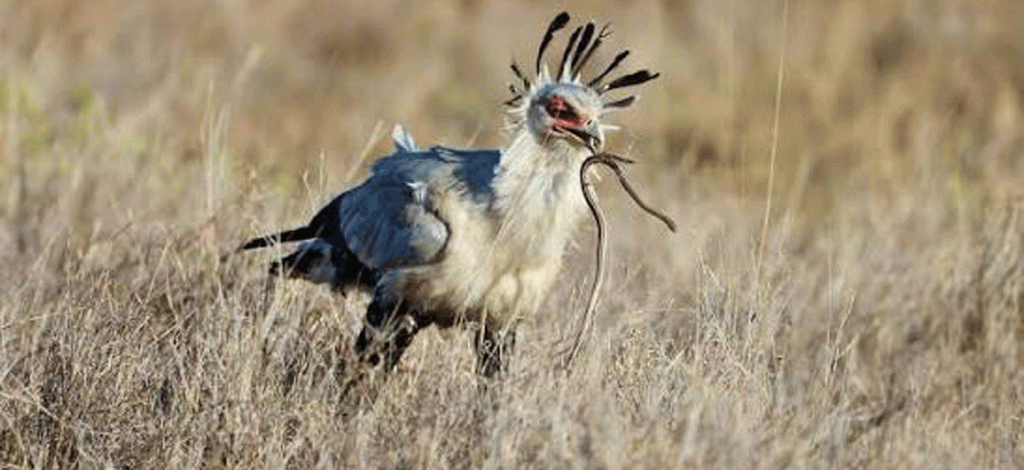
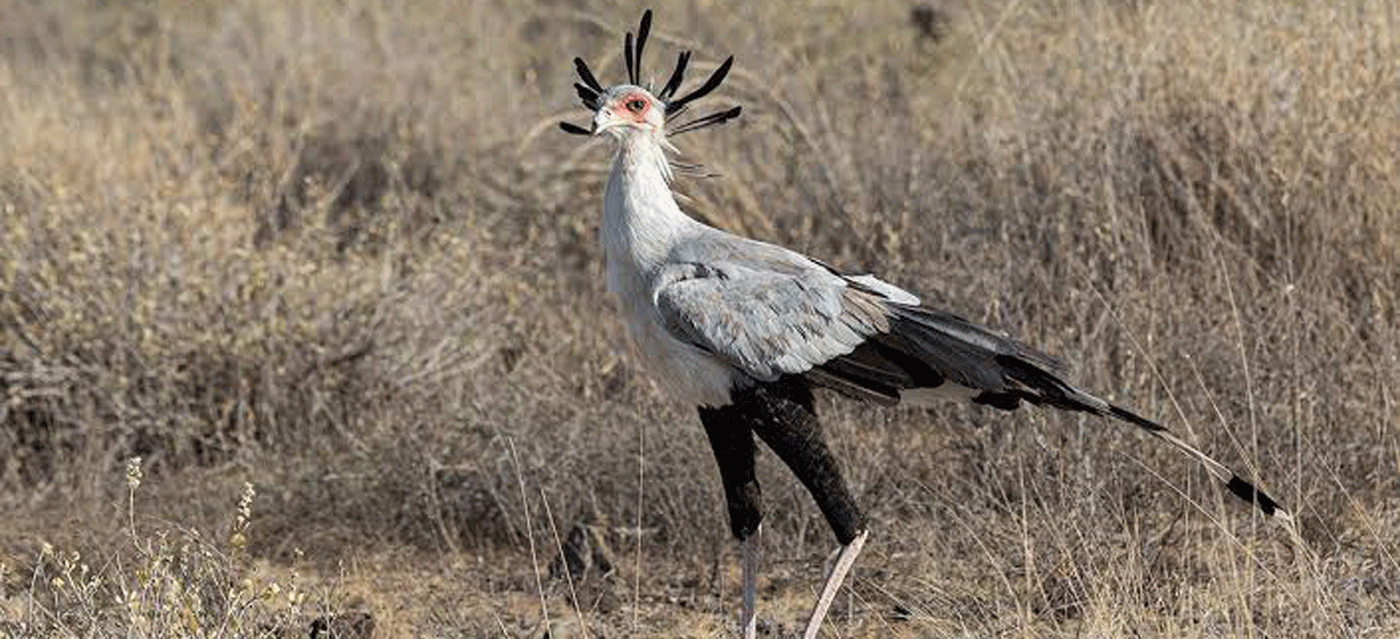
The Secretary Bird is one of the most remarkable birds in the Serengeti because it behaves very differently from typical birds of prey. Instead of flying long distances or hunting from the air it spends most of its life walking across open grasslands. Its long legs allow it to cover large areas while scanning the ground for prey such as insects, lizards, rodents and even snakes.
What makes this bird especially famous is its hunting technique. When it encounters dangerous prey like snakes it uses powerful repeated stomps to kill them. These kicks are strong enough to defeat venomous snakes making it one of the most efficient ground predators in the bird world. This behavior is rare among birds and is a major reason why wildlife observers are fascinated by it.
In the Serengeti the Secretary Bird is usually seen in wide open plains where visibility is clear. It prefers areas with short grass which allows it to spot movement easily. Early morning and late afternoon are the best times to observe it actively hunting or walking long distances.
Its appearance is also striking with long crane-like legs an eagle-like head and a crest of feathers that gives it a distinctive silhouette. For birdwatchers seeing a Secretary Bird in action is a memorable highlight because it represents a completely unique survival strategy in the African savannah.
Kori Bustard – The Giant of the Grasslands
The Kori Bustard is one of the heaviest flying birds in the world and it is a true icon of the Serengeti plains. Despite its ability to fly it prefers to spend most of its time walking slowly through grasslands. Its large size and slow movement often make it appear calm and almost prehistoric in behavior.
This bird feeds on a wide variety of food, including insects, seeds, small reptiles and occasionally small mammals. Its adaptability allows it to survive in different parts of the Serengeti ecosystem. However its excellent camouflage makes it difficult to spot unless it moves or is pointed out by an experienced guide.
During the breeding season male Kori Bustards perform impressive displays. They puff up their bodies, raise their necks and move in slow deliberate steps to attract females. This transformation from a quiet walker to a dramatic performer is one of the most interesting behaviors in the bird world.
In the Serengeti they are usually found in open grasslands and semi-arid zones. Because they prefer undisturbed areas they are often seen far from crowded safari routes. Observing a Kori Bustard requires patience but the reward is seeing one of Africa’s most impressive ground birds in its natural habitat.
Lilac-Breasted Roller – The Color Explosion of Africa
The Lilac-Breasted Roller is one of the most visually stunning birds in the Serengeti. Its feathers display a mix of bright blue, turquoise, green, lilac and brown creating a color palette that stands out sharply against the golden savannah. Even from a distance it is easy to recognize due to its vibrant appearance.
This bird is often seen perched on trees, poles or shrubs, watching the ground for insects, small reptiles and other prey. Once it identifies movement, it swoops down quickly, captures its target and returns to its perch. This hunting style makes it both active and easy to observe.
The name “roller” comes from its spectacular flight displays. During mating or territorial behavior, it performs rolling and twisting movements in the air showing off its colorful wings. These aerial acrobatics are not only functional but also visually dramatic.
In the Serengeti it is commonly found in open woodland and savannah areas. It is not shy and often allows safari vehicles to approach closely making it a favorite for photography. The Lilac-Breasted Roller is often considered a symbol of African bird beauty and is one of the most admired species in the region.
Ostrich – The Speed Runner of the Plains
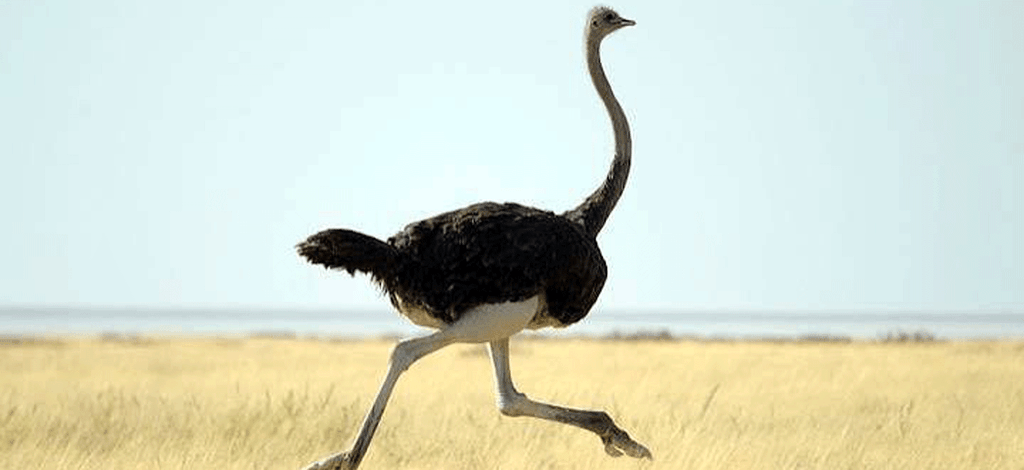
The Ostrich is the largest bird in the world and a dominant presence in the Serengeti landscape. Although it cannot fly it has evolved powerful legs that allow it to run at speeds of up to 70 kilometers per hour making it one of the fastest land animals in Africa.
Ostriches are commonly seen in open plains often moving in pairs or small groups. Their height gives them excellent vision allowing them to detect predators from long distances. This is a key survival advantage in the open savannah.
Male ostriches are black with white feathers while females are brown helping them blend into the environment during nesting. This difference is especially important for protecting eggs from predators. Ostrich nests are simple ground scrapes where multiple females may lay eggs.
They are omnivorous, feeding on plants, seeds and insects. Their ability to survive in dry environments with limited water makes them highly adaptable to the Serengeti ecosystem. For visitors ostriches are easy to spot and often among the first large birds seen during safari drives. Their size, speed and unique behavior make them one of the most fascinating birds in the park.
African Fish Eagle – The Voice of the Rivers
The African Fish Eagle is one of the most iconic birds in Africa especially known for its powerful and unmistakable call. Its loud echoing cry is often described as the sound of the African wilderness.
This bird is usually found near water sources such as rivers, lakes and wetlands in the Serengeti ecosystem. It feeds mainly on fish which it catches by swooping down from a perch and grabbing them with strong talons. Its hunting technique is precise and highly effective.
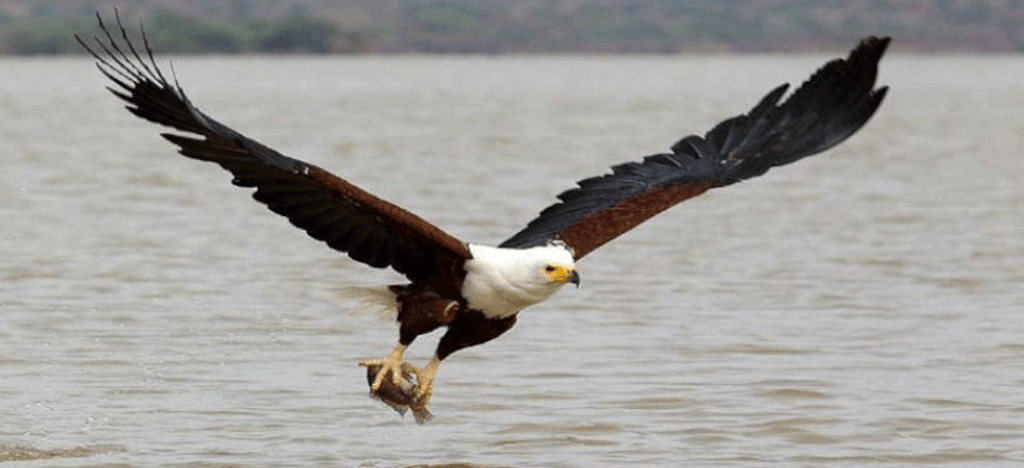
Visually, it is striking with a white head, dark body and bright yellow beak. It often sits on tall trees near water scanning the surface for movement. Once it spots a fish it dives quickly and returns to its perch to feed. The African Fish Eagle is not only important for its ecological role but also for its symbolic presence. Its call is deeply associated with African safaris and often signals the presence of water and wildlife.
For many visitors hearing this bird is as memorable as seeing it making it a key highlight of birdwatching in the Serengeti.
Superb Starling – The Sparkling Social Bird
The Superb Starling is a small but extremely eye-catching bird found throughout the Serengeti. Its metallic blue-green upper body and bright orange underparts create a vivid contrast that makes it stand out in almost any environment. These birds are highly social and often move in groups. They forage on the ground for insects, seeds and small food items and they are frequently seen around safari camps and lodges due to their adaptability.
Superb Starlings are bold and curious often approaching humans closely. This behavior makes them easy to observe and photograph. They are also very active constantly moving and communicating within their groups. Despite their small size they play an important role in the ecosystem by controlling insect populations and spreading seeds. Their presence adds color and movement to the Serengeti landscape.
For birdwatchers they represent accessibility and beauty offering a close-up view of African bird diversity without requiring deep searching or patience.
Grey Crowned Crane – The Elegant Dancer
The Grey Crowned Crane is one of the most graceful birds in the Serengeti. It is easily recognized by its golden crown of stiff feathers and its elegant posture. This bird is often found in wetlands and open grassy areas. One of its most famous behaviors is its courtship dance. Pairs jump, bow and spread their wings in synchronized movements that strengthen their bond. This display is one of the most beautiful natural performances in the bird world.
They feed on insects, seeds and small animals usually foraging in moist environments. Their preference for wetlands makes them less commonly seen than other species but sightings are always special. The Grey Crowned Crane represents beauty, balance and harmony in the ecosystem. Its presence adds elegance to the Serengeti birdlife and offers a softer contrast to the more aggressive predators.
Marabou Stork – The Scavenger Giant
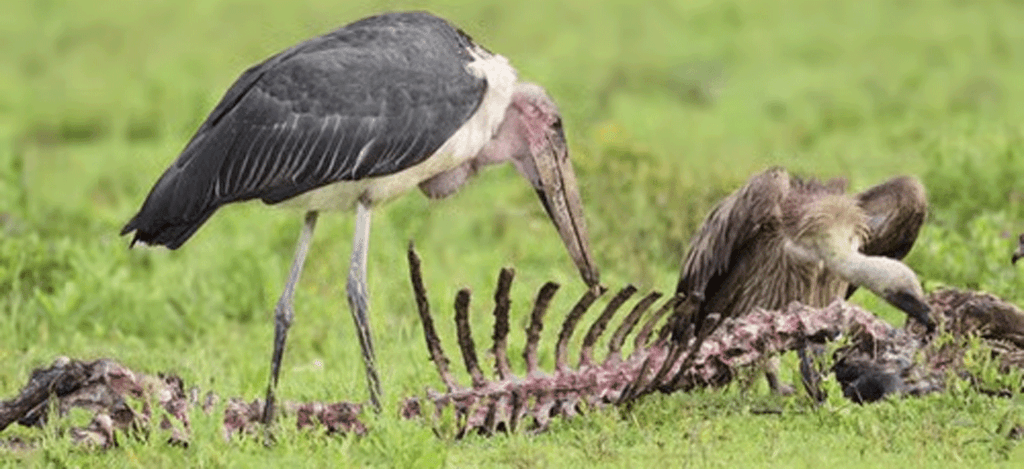
The Marabou Stork is one of the largest and most unusual birds in the Serengeti. It is often called the “undertaker bird” due to its dark appearance and bald head. Despite its intimidating look it plays an important ecological role as a scavenger.
It feeds on carrion leftovers from predators and sometimes small animals. This helps keep the ecosystem clean by removing dead matter. It is often seen near lion kills or garbage areas where food is available. Although it is not traditionally beautiful it is highly adapted to survival. Its large wings allow it to soar effortlessly and it often mixes with vultures when searching for food.
For birdwatchers the Marabou Stork represents the raw and practical side of nature where survival depends on efficiency rather than appearance.
Tawny Eagle – The Silent Predator
The Tawny Eagle is a powerful bird of prey commonly found in the Serengeti. It is a skilled hunter but also an opportunistic feeder often taking advantage of carrion when available. It has a brownish plumage that helps it blend into the savannah environment. It is usually seen perched on trees or poles scanning the ground for movement. Once it detects prey it dives quickly with precision.
This eagle plays an important role in maintaining ecological balance by controlling small animal populations and cleaning up remains in the environment.
Although not as famous as some other eagles it is a key part of the Serengeti’s predator network.
Helmeted Guineafowl – The Ground Patrol
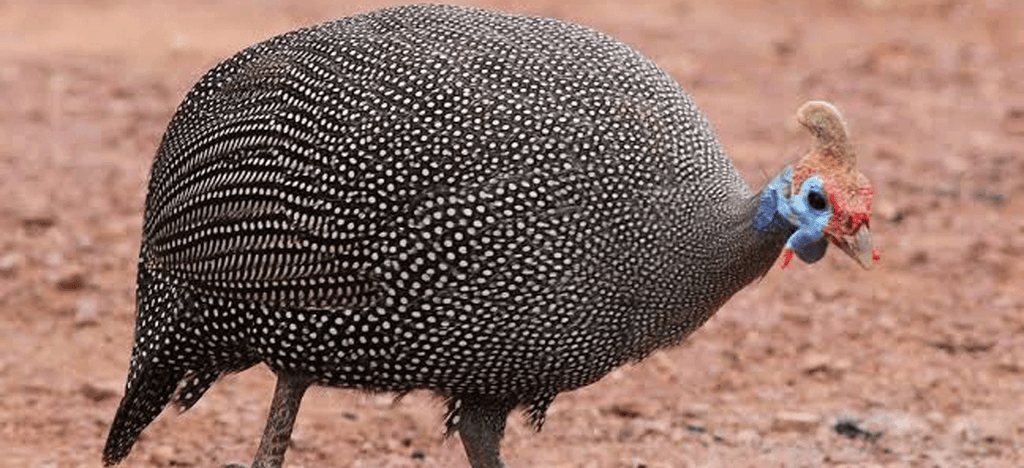
The Helmeted Guineafowl is one of the most common ground birds in the Serengeti. It is easily recognized by its dark body covered in white spots and its helmet-like crest on its head. These birds travel in groups and are often seen walking across roads or open fields. They feed on seeds, insects and small invertebrates playing an important role in pest control.
Their behavior is highly social and they use loud calls to communicate and warn each other of danger. When threatened they run quickly rather than fly relying on speed and group coordination for survival. For visitor’s guineafowl are a constant presence in the Serengeti and provide a lively background to the safari experience.
Frequently Asked Questions About Birdwatching in the Serengeti
What birds can you see while birdwatching in the Serengeti?
Visitors can see a wide variety of birds, including Secretary Birds, Kori Bustards, Lilac-Breasted Rollers, Ostriches, African Fish Eagles, Superb Starlings, Grey Crowned Cranes, Marabou Storks, Tawny Eagles and Helmeted Guineafowl.
What is the most famous bird to see in the Serengeti?
The Lilac-Breasted Roller is one of the most admired birds in the Serengeti because of its bright blue, turquoise, green and lilac plumage. It is commonly seen perched in open woodland and savannah areas.
Can you see Secretary Birds in the Serengeti?
Yes. Secretary Birds are found in the Serengeti’s open grasslands, where they walk across the plains searching for insects, lizards, rodents and snakes. Early morning and late afternoon can be good times to observe them actively hunting.
What is the largest bird you can see in the Serengeti?
The Ostrich is the largest bird in the world and is commonly seen on the Serengeti’s open plains. It cannot fly but has powerful legs and can run at speeds of up to 70 kilometers per hour.
Where can you see African Fish Eagles in the Serengeti?
African Fish Eagles are generally found near rivers, lakes and wetlands. They often perch in tall trees near water while watching for fish before swooping down to catch them.
What is the best time to go birdwatching in the Serengeti?
Early morning and late afternoon are particularly useful for observing active birds such as Secretary Birds. However birdwatching opportunities occur across different habitats throughout the Serengeti.
Are there colorful birds in the Serengeti?
Yes. The Lilac-Breasted Roller and Superb Starling are especially colorful species. The roller has vibrant blue, turquoise, green and lilac feathers while the Superb Starling has metallic blue-green upperparts and bright orange underparts.
Can you see Grey Crowned Cranes in the Serengeti?
Yes. Grey Crowned Cranes can be found in wetlands and open grassy areas. They are particularly famous for their courtship dances, during which pairs jump, bow and spread their wings.
Why are birds important to the Serengeti ecosystem?
Birds contribute to the ecosystem through roles such as pest control, scavenging, pollination and maintaining ecological balance. Observing birds can therefore provide a deeper understanding of how the Serengeti ecosystem functions.
Can birdwatching be included in a Serengeti safari?
Yes. Birdwatching can be incorporated into a safari experience alongside wildlife viewing. Serengeti Travels helps visitors discover the Serengeti’s birdlife and appreciate species across grasslands, woodlands, rivers and wetlands.
Conclusion
Birdwatching in the Serengeti reveals a hidden layer of the ecosystem that is just as fascinating as its famous wildlife. Serengeti Travels helps visitors discover this remarkable birdlife, where constant activity, diversity and visual beauty can be found across every landscape. From the powerful secretary bird stalking the grasslands to the elegant grey crowned crane performing its courtship dance each species contributes something unique to the environment.
What stands out most is the incredible range of adaptations. Some birds, like the ostrich and kori bustard, rely on size and strength to survive the open plains, while others, like the lilac-breasted roller and superb starling, use color and agility to thrive in mixed habitats. Raptors such as the tawny eagle and African fish eagle demonstrate precision hunting skills while scavengers like the marabou stork play a crucial role in maintaining ecological balance. Together, these birds form a balanced and interconnected system that supports the broader Serengeti ecosystem.
For visitors, birdwatching also brings a sense of discovery and patience. With Serengeti Travels travelers can take time to slow down, observe details and appreciate moments that might otherwise go unnoticed during a fast-paced safari. Each sighting becomes meaningful whether it is a rare species in flight or a common bird displaying interesting behavior.
Ultimately birdwatching in the Serengeti transforms a safari into a richer and more complete experience. It adds sound, movement and color to the landscape and reveals the complexity of life that exists beyond the famous mammals. For anyone visiting the Serengeti taking time to watch its birds is not just an extra activity but an essential part of truly understanding this remarkable wilderness and Serengeti Travels can help make that experience memorable.