 English
 Deutsch
 Italia
June 3, 2026
International Traveler’s Guide to Booking Serengeti Safaris in Tanzania
Introduction
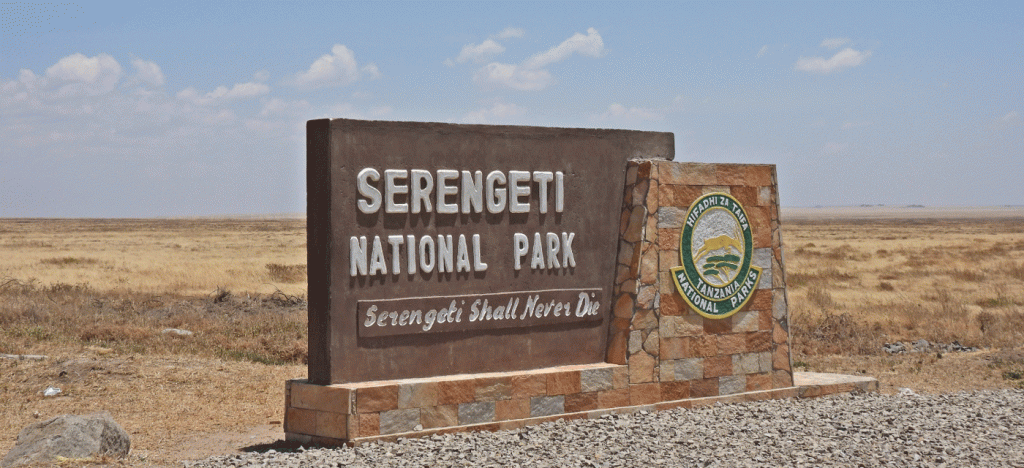
International Traveler’s Guide to Booking Serengeti Safaris in Tanzania begins with understanding how to choose the right safari, travel season, accommodation, safari company and itinerary for your trip. Booking a Serengeti safari is one of the most exciting travel decisions an international visitor can make when planning a trip to Africa. Serengeti National Park located in northern Tanzania is among the world’s most famous wildlife destinations and attracts travelers from every continent. Known for its vast open plains, extraordinary wildlife populations and the annual Great Migration the Serengeti offers experiences that few destinations can match.
Whether you are a first-time safari traveler or an experienced adventurer understanding how to book your safari properly can significantly improve your overall experience.
Many international travelers begin their research months before arriving in Tanzania. They often compare safari operators, accommodations, transportation options, wildlife seasons and travel costs. Because there are hundreds of safari companies offering different packages selecting the right tour can sometimes feel overwhelming. Some travelers prefer budget camping safaris, while others seek luxury lodges and private game drives.
Understanding the differences between these options helps visitors choose a safari that matches their expectations and budget.
The Serengeti is not only famous for wildlife but also for its diverse landscapes. Visitors can explore endless grasslands, rocky kopjes, river ecosystems and acacia woodlands while observing animals in their natural habitat. The park is home to the Big Five lion, leopard, elephant, buffalo and rhino as well as cheetahs, giraffes, zebras, hippos, crocodiles and hundreds of bird species.
This comprehensive guide is designed to help international travelers understand every aspect of booking a Serengeti safari. From choosing the best travel season and selecting a reputable safari company to understanding costs, accommodation choices and travel requirements this guide provides practical information to help you plan an unforgettable Tanzanian safari adventure
Table of contents
- Introduction
- Why Choose the Serengeti for Your Safari?
- Best Time to Book a Serengeti Safari for International Traveler’s Guide to Booking Serengeti Safaris in Tanzania
- Choosing the Right Safari Package
- How to Select a Reliable Safari Operator
- Understanding Safari Costs for International Traveler’s Guide to Booking Serengeti Safaris in Tanzania
- Accommodation Options in the Serengeti for International Traveler’s Guide to Booking Serengeti Safaris in Tanzania
- Travel Documents and Entry Requirements
- Transportation to the Serengeti
- What to Pack for a Serengeti Safari
- Wildlife Viewing Tips for International Travelers
- Booking Tips for International Traveler’s Guide to Booking Serengeti Safaris in Tanzania
- Combining Serengeti with Ngorongoro, Tarangire, Lake Manyara and Zanzibar
- Conclusion
Why Choose the Serengeti for Your Safari?
The Serengeti is considered one of the finest safari destinations in the world because of its exceptional wildlife viewing opportunities, breathtaking landscapes and well-developed tourism infrastructure. Covering approximately 14,750 square kilometers Serengeti National Park forms part of a larger ecosystem that includes Kenya’s Maasai Mara. Together these protected areas support one of the largest concentrations of wildlife on Earth.
One of the primary reasons travelers choose the Serengeti is the abundance of animals that can be seen throughout the year. Unlike some destinations where wildlife sightings are seasonal or unpredictable the Serengeti offers excellent game viewing during every month. Visitors frequently encounter large prides of lions, elephants roaming the plains, leopards resting in trees and cheetahs hunting across open grasslands.
The park also hosts massive herds of wildebeests, zebras, gazelles and buffaloes.
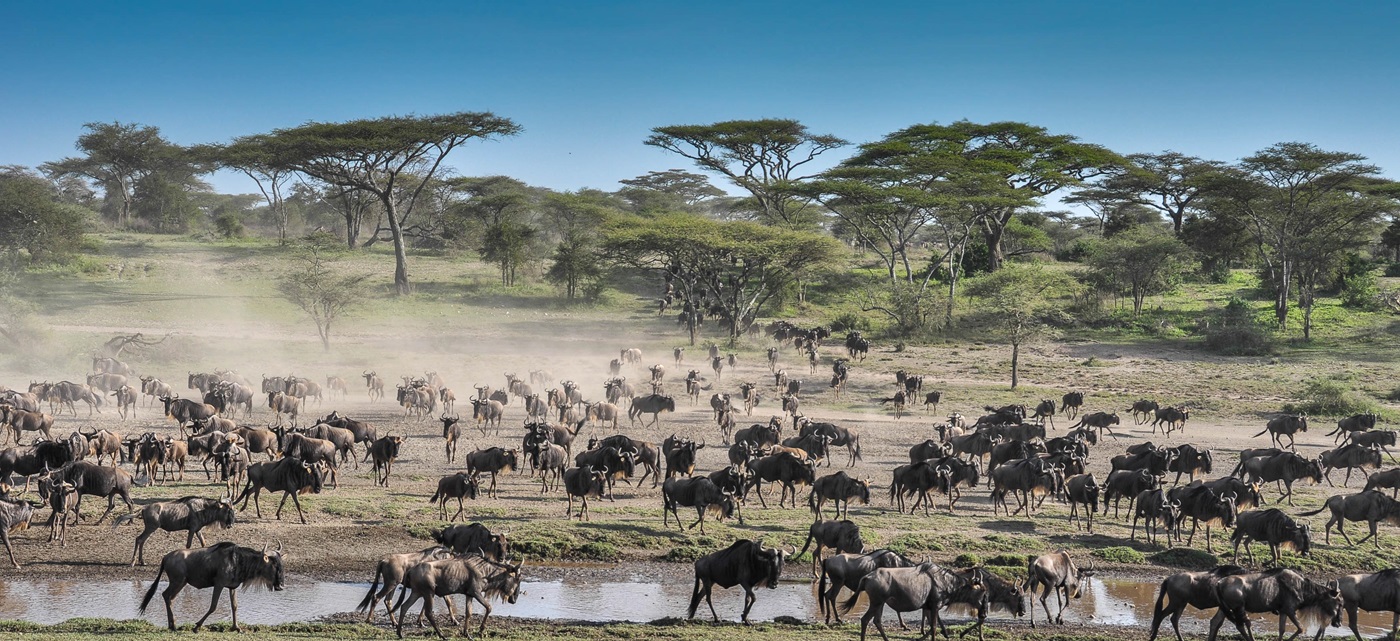
The Great Migration is another major attraction. More than two million wildebeests accompanied by hundreds of thousands of zebras and gazelles move across the Serengeti ecosystem in search of fresh grazing land. This annual movement is widely recognized as one of the greatest wildlife spectacles on Earth. River crossings, predator-prey interactions and vast herds stretching across the horizon create unforgettable safari experiences.
The Serengeti’s landscapes also contribute to its popularity. Visitors can enjoy spectacular African sunsets, endless golden plains, dramatic rock formations known as kopjes and scenic rivers inhabited by crocodiles and hippos. These diverse environments provide excellent opportunities for photography and wildlife observation.
Another advantage is the quality of safari services available. Travelers can choose from luxury lodges, tented camps, mobile migration camps and budget accommodations. Professional guides, modern safari vehicles and reliable transportation networks make it easier for international visitors to explore the region comfortably and safely.
Best Time to Book a Serengeti Safari for International Traveler’s Guide to Booking Serengeti Safaris in Tanzania
Choosing the right time to visit the Serengeti is one of the most important decisions when planning a safari. While wildlife viewing is excellent throughout the year different seasons offer unique experiences that appeal to different types of travelers. Understanding these seasonal variations helps visitors select travel dates that align with their interests and expectations.
The period between January and March is known for the calving season in the southern Serengeti and Ndutu region. During this time hundreds of thousands of wildebeests gather on the nutrient-rich plains to give birth. Nearly half a million calves are born within a relatively short period, attracting predators such as lions, cheetahs, hyenas and leopards. This creates incredible opportunities for wildlife photography and predator action.
From April to May Tanzania experiences its long rainy season. Although some travelers avoid this period it offers several advantages. The landscapes become lush and green, tourist numbers decrease and accommodation rates are often lower. Visitors seeking fewer crowds and better value may find this season attractive.
The dry season from June to October is generally considered the best time for a first Serengeti safari. Wildlife is easier to locate because animals gather around water sources and vegetation becomes less dense. This period also coincides with famous Great Migration river crossings in the northern Serengeti where thousands of wildebeests attempt to cross crocodile-filled rivers.
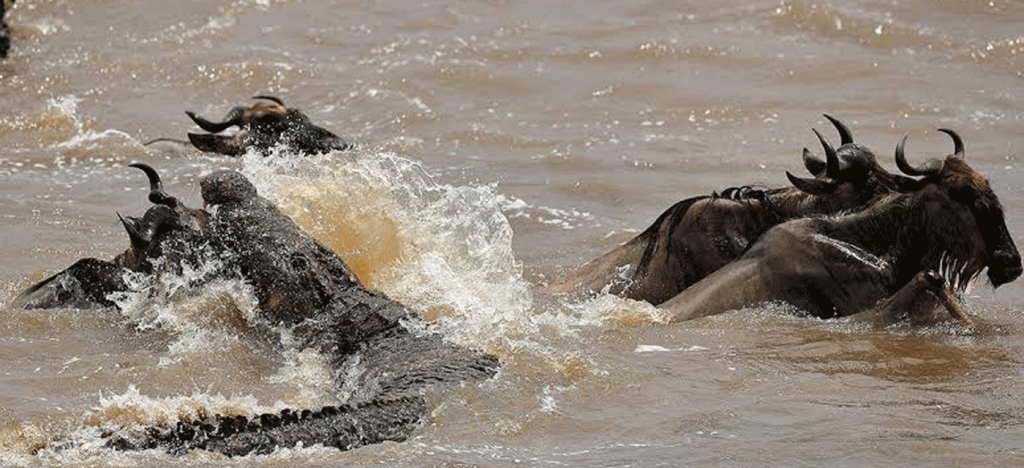
November and December bring short rains that refresh the landscape without significantly affecting safari activities. Wildlife remains abundant and visitor numbers are usually lower than during peak season.
Because high-demand lodges and camps often sell out months in advance travelers should book early particularly for June through October travel dates. Early reservations provide access to the best accommodations, preferred safari operators and competitive pricing. Proper timing can greatly enhance the quality of your Serengeti safari experience.
Choosing the Right Safari Package
Selecting the right safari package is one of the most important steps when booking a Serengeti safari. International travelers have different travel styles, budgets and expectations which means there is no single safari package that suits everyone. Understanding the various options available can help you choose a safari that delivers the experience you are looking for while staying within your budget.
Most Serengeti safari packages fall into three main categories budget, mid-range and luxury. Budget safaris are ideal for travelers who want to experience Tanzania’s wildlife without spending a large amount of money. These tours often involve shared safari vehicles, public campsites and group departures. While they may not offer luxury amenities they still provide excellent wildlife viewing opportunities and professional guiding services.
Mid-range safaris are among the most popular options for international travelers. These packages typically include comfortable lodges or tented camps, private bathrooms, quality meals and well-maintained safari vehicles. Mid-range packages balance comfort and affordability, making them attractive for couples, families and small groups.
Luxury safaris provide the highest level of comfort and exclusivity. Travelers can enjoy spacious suites, gourmet dining, personalized services, fly-in transfers and private game drives. Luxury camps and lodges are often located in prime wildlife areas allowing guests to maximize their safari experience.
Travelers should also consider whether they prefer a private safari or a group safari. Private safaris offer greater flexibility because guests can customize their schedules, spend more time at wildlife sightings and travel exclusively with their chosen companions. Group safaris are generally more affordable and provide opportunities to meet other travelers from around the world.
When comparing safari packages carefully review what is included. Some packages cover accommodation, meals, park fees, transportation, guide services and airport transfers while others may charge separately for certain services. Understanding these details helps prevent unexpected expenses and ensures a smooth travel experience.
How to Select a Reliable Safari Operator
The safari operator you choose plays a significant role in determining the quality of your Serengeti experience. Even the most beautiful destination can be less enjoyable if the company providing your safari lacks professionalism, experience or reliable customer service. For international travelers selecting a trustworthy safari operator should be a top priority during the planning process.
One of the first things travelers should verify is whether the safari company is properly registered and licensed in Tanzania. Licensed operators comply with national tourism regulations and are more likely to maintain professional standards. A legitimate operator should be able to provide company registration details and explain their experience in organizing safaris.
Reading customer reviews is another valuable step. Reviews from previous travelers can provide insights into the company’s service quality, guide expertise, vehicle condition, communication standards and overall customer satisfaction. Consistently positive reviews are often a strong indicator of reliability.
Safari guides are among the most important elements of a successful trip. Experienced guides possess extensive knowledge of wildlife behavior, local ecosystems, bird species and safari routes. Their expertise often determines how many animals visitors see and how much they learn during the journey. When evaluating safari operators, ask about guide training, certifications and years of experience.
Communication is equally important. A professional safari company should respond promptly to inquiries, provide clear explanations of itineraries and answer questions thoroughly. Transparent pricing and detailed quotations help travelers understand exactly what they are paying for.
It is also wise to ask about safari vehicles. Well-maintained vehicles equipped with pop-up roofs, charging ports, refrigerators and comfortable seating contribute significantly to the safari experience. Reliable operators regularly service their vehicles to ensure safety and comfort.
Before making a payment request a detailed itinerary and written confirmation of all services included in the package. This minimizes misunderstandings and ensures both parties have clear expectations regarding accommodation, transportation, meals, activities and park fees.
Understanding Safari Costs for International Traveler’s Guide to Booking Serengeti Safaris in Tanzania
Many international travelers are surprised by the cost of a Serengeti safari especially when compared to other types of vacations. However the pricing reflects the unique nature of safari tourism, the protected status of national parks, conservation efforts and the logistics involved in delivering high-quality wildlife experiences.
One of the largest expenses included in safari pricing is national park entry fees. Tanzania invests significant resources in wildlife conservation, anti-poaching initiatives, infrastructure maintenance and environmental protection. Park fees contribute directly to preserving these valuable natural resources for future generations.
Accommodation is another major factor affecting safari costs. Budget campsites are generally the most affordable option while luxury lodges and premium tented camps can significantly increase the overall price. Accommodation rates vary depending on location, season, service quality and available amenities.
Transportation also contributes substantially to safari expenses. Safari vehicles are specially designed for wildlife viewing and must withstand rough terrain. Fuel costs, vehicle maintenance, insurance and driver-guide salaries are all included in safari pricing. Fly-in safaris which use small aircraft to transport guests between destinations typically cost more than road safaris.
Seasonality affects prices as well. During peak travel periods particularly between June and October accommodation demand increases dramatically. As a result, many lodges and camps charge higher rates. Traveling during the green season can often provide significant savings while still offering excellent wildlife viewing opportunities.
Travelers should also budget for additional expenses such as travel insurance, visa fees, tips for guides and camp staff, beverages, souvenirs and optional activities. Understanding these extra costs helps prevent budget surprises during the trip.
Although Serengeti safaris can require a substantial financial investment, many travelers consider them exceptional value because of the unique wildlife encounters, breathtaking scenery and unforgettable memories they provide. Proper budgeting allows visitors to select the experience that best matches their financial situation and travel goals.
Accommodation Options in the Serengeti for International Traveler’s Guide to Booking Serengeti Safaris in Tanzania
Accommodation for International Traveler’s Guide to Booking Serengeti Safaris in Tanzania is a key component of any Serengeti safari and can significantly influence your overall experience. Fortunately the Serengeti offers a wide range of accommodation options suitable for different budgets, travel styles and comfort preferences.
Public campsites represent the most affordable accommodation category. These sites are commonly used by budget safari operators and adventurous travelers who enjoy a close connection with nature. Facilities are generally basic but provide an authentic safari atmosphere. Guests often enjoy evenings around campfires while listening to the sounds of wildlife in the surrounding wilderness.
Tented camps are among the most popular choices for safari travelers. Despite the name many tented camps offer impressive levels of comfort. Guests can enjoy comfortable beds, private bathrooms, hot showers, electricity and quality dining facilities while maintaining a traditional safari ambiance. Tented camps allow visitors to feel immersed in nature without sacrificing convenience.

Permanent safari lodges offer additional comfort and amenities. These properties often feature spacious rooms, restaurants, swimming pools, lounges, and panoramic views of the surrounding landscape. Lodges are particularly appealing to families, older travelers and those seeking a more relaxed safari experience.
Luxury camps and lodges provide exceptional service and exclusive experiences. Guests may enjoy private decks, gourmet meals, personal butlers, spa treatments and customized game drives. Many luxury properties are strategically located near prime wildlife viewing areas maximizing opportunities for animal encounters.
Mobile migration camps are another unique option. These camps relocate throughout the year to follow the movements of the Great Migration. Staying at a mobile camp can place travelers close to migration hotspots and provide extraordinary wildlife viewing opportunities.
When selecting accommodation, consider factors such as location, budget, desired comfort level and proximity to wildlife activities. Booking accommodation early is particularly important during peak safari seasons as the most desirable properties often sell out months in advance. Choosing the right accommodation can greatly enhance your Serengeti adventure and create lasting memories.
Travel Documents and Entry Requirements
Proper preparation of travel documents is one of the most important steps for international travelers planning a Serengeti safari. Ensuring that all required documents are valid and available before departure helps avoid delays, denied boarding or immigration issues upon arrival in Tanzania. Travelers should begin checking entry requirements several months before their planned travel dates because regulations can change over time.
A valid passport is the most important travel document. Most travelers are required to have a passport that remains valid for at least six months beyond their planned departure date from Tanzania. In addition, many countries require travelers to have at least one or two blank passport pages available for entry and exit stamps. It is advisable to make photocopies of your passport and keep digital copies stored securely online.
Many international visitors also need a Tanzanian visa. Depending on nationality travelers may obtain a visa before departure or upon arrival at designated entry points. Since visa requirements vary by country visitors should verify the latest regulations before booking flights. Applying early can reduce stress and help ensure a smooth arrival process.
Travel insurance is strongly recommended for all safari travelers. Comprehensive travel insurance can provide protection against medical emergencies, trip cancellations, delayed flights, lost luggage and unexpected travel disruptions. Because safari destinations are often located far from major hospitals emergency medical coverage is particularly important.
Health preparations should also be considered before traveling. Visitors should consult healthcare professionals regarding recommended vaccinations and preventative medications. Some travelers may need proof of yellow fever vaccination depending on their travel history and countries visited before arriving in Tanzania. Malaria prevention is also commonly discussed with healthcare providers because mosquitoes are present in many safari regions.
Other useful documents include airline tickets, accommodation confirmations, safari itineraries, emergency contact information and copies of travel insurance policies. Keeping these documents organized can make the journey more efficient and reduce potential complications during travel. Proper preparation allows visitors to focus on enjoying their safari rather than dealing with avoidable administrative issues.
Transportation to the Serengeti
Getting to the Serengeti is an important part of safari planning and international travelers have several transportation options depending on their budget, schedule and preferred travel style. Understanding these options helps visitors select the most convenient and enjoyable way to reach one of Africa’s most famous wildlife destinations.
Most international visitors arrive in Tanzania through major airports such as Kilimanjaro International Airport, Julius Nyerere International Airport in Dar es Salaam or Abeid Amani Karume International Airport in Zanzibar. From these entry points travelers usually connect to their safari starting location often Arusha which serves as the primary gateway to Tanzania’s northern safari circuit.
Road safaris remain one of the most popular transportation choices. Travelers typically begin their journey in Arusha and travel by specially designed safari vehicles through destinations such as Tarangire National Park, Lake Manyara, Ngorongoro Conservation Area and Serengeti National Park. Road safaris allow visitors to experience diverse landscapes and wildlife throughout the journey while offering excellent value for money.
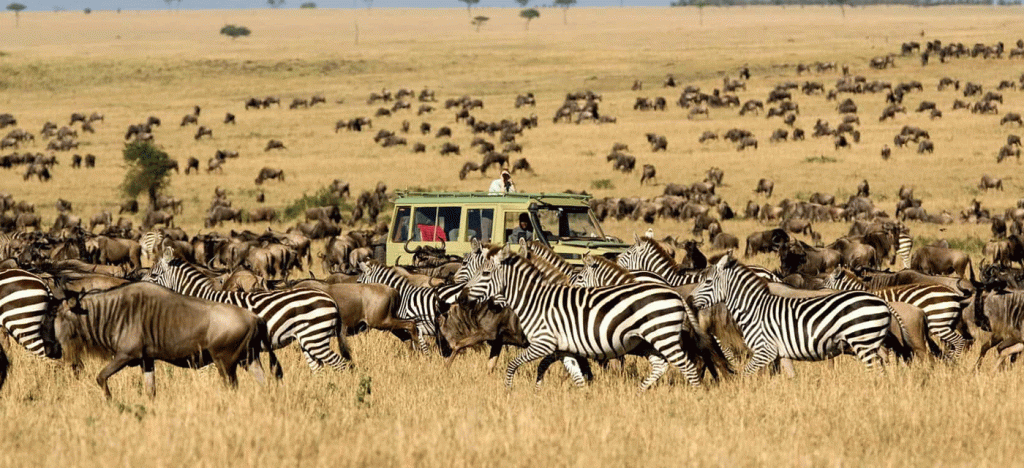
Domestic flights provide a faster alternative. Small aircraft connect Arusha and other Tanzanian airports with various airstrips located within the Serengeti ecosystem. Fly-in safaris are especially popular among luxury travelers and those with limited vacation time. By flying directly into the park visitors can maximize their time for game drives and wildlife viewing.
Private transfers are another option for travelers seeking flexibility and convenience. Many safari companies arrange airport pickups, hotel transfers and customized transportation services based on guest preferences. This can be particularly helpful for families, honeymooners and travelers with special requirements.
Transportation within the Serengeti itself is usually conducted using specially equipped safari vehicles. These vehicles often feature pop-up roofs, comfortable seating, radio communication systems and large windows designed for wildlife viewing and photography. Experienced driver-guides navigate the park’s extensive network of tracks while sharing valuable information about wildlife and ecosystems.
Choosing the right transportation option depends on budget, available time, comfort preferences and overall itinerary goals. Careful planning ensures a smooth journey and helps travelers make the most of their Serengeti safari experience.
What to Pack for a Serengeti Safari
Packing correctly can significantly improve the comfort and enjoyment of a Serengeti safari. Because safari activities often involve long hours outdoors, changing weather conditions and remote locations travelers should prepare carefully and bring items that enhance convenience, safety and wildlife viewing opportunities.
Clothing should be practical, comfortable and suitable for outdoor activities. Neutral colors such as khaki, beige, olive and brown are generally recommended because they blend naturally into the environment and attract less attention from wildlife. Lightweight shirts, breathable trousers and comfortable walking shoes are essential. Even though daytime temperatures can be warm mornings and evenings are often cool making a light jacket or fleece valuable.
A wide-brimmed hat provides protection from the African sun while sunglasses help reduce glare during game drives. Sunscreen with a high protection factor is strongly recommended because travelers spend many hours exposed to sunlight. Lip balm and moisturizer can also be useful in dry conditions.
Photography equipment is important for many safari visitors. A quality camera, spare batteries, memory cards and protective carrying cases help travelers capture memorable wildlife encounters. Binoculars are equally valuable because they allow visitors to observe distant animals more clearly and appreciate details that may not be visible with the naked eye.
Health and personal care items should not be overlooked. Travelers should bring prescription medications, insect repellent, hand sanitizer, basic first-aid supplies and any personal hygiene products they may require. Although many lodges provide essential toiletries having personal supplies ensures greater comfort.
Travel documents should be carried securely and include passports, visas, insurance information, flight confirmations and safari booking details. Electronic copies stored on a phone or cloud service can provide useful backups.
Packing efficiently is also important because domestic safari flights often have luggage restrictions. Soft-sided bags are generally preferred over hard suitcases because they fit more easily into safari vehicles and small aircraft. Careful packing helps ensure a comfortable and stress-free adventure throughout the Serengeti.
Wildlife Viewing Tips for International Travelers
Wildlife viewing is the primary reason most travelers visit the Serengeti and understanding a few important safari principles can greatly improve the quality of the experience. Although the Serengeti is famous for its abundant wildlife, successful game viewing often depends on patience, observation skills and the expertise of professional guides.
One of the most valuable tips is to listen carefully to your safari guide. Experienced guides spend years learning animal behavior, tracking techniques and ecosystem dynamics. Their knowledge helps visitors locate wildlife that might otherwise go unnoticed. Guides often communicate with each other by radio sharing information about recent sightings and animal movements throughout the park.
Patience is another essential quality during a safari. Wildlife does not operate according to schedules and some of the most memorable sightings occur after waiting quietly for extended periods. Predators may rest for hours before becoming active while animals hidden in vegetation may suddenly appear unexpectedly. Travelers who remain patient are often rewarded with extraordinary encounters.
Photography enthusiasts should understand that wildlife photography requires preparation and flexibility. Early morning and late afternoon game drives often provide the best lighting conditions. Keeping cameras ready and accessible helps ensure important moments are not missed. However visitors should also take time to enjoy wildlife directly rather than focusing exclusively on photography.
Respect for animals and their natural environment is extremely important. Visitors should avoid making loud noises, attempting to attract animal attention or encouraging guides to approach wildlife too closely. Responsible tourism helps protect the ecosystem and ensures future generations can enjoy the same remarkable experiences.
Binoculars greatly enhance wildlife observation. Many animals may be visible at considerable distances and binoculars allow travelers to appreciate details such as predator behavior, bird identification and interactions among animal groups.
Finally maintaining realistic expectations contributes to a more enjoyable safari. Every safari is unique and no two game drives are identical. The unpredictability of wildlife is part of what makes the Serengeti such an exciting destination. Appreciating every sighting and every moment in nature creates a richer and more rewarding safari experience.
Booking Tips for International Traveler’s Guide to Booking Serengeti Safaris in Tanzania
Booking a Serengeti safari involves more than simply choosing travel dates and making a payment. International travelers who take time to plan carefully often enjoy smoother trips, better accommodation choices and greater overall value. Understanding a few important booking strategies can help visitors avoid common mistakes and ensure a successful safari experience.
One of the most important recommendations is to book early. The Serengeti is one of Africa’s most popular safari destinations and accommodation availability can become limited during peak travel seasons. Luxury lodges, migration camps and highly rated safari operators often receive reservations many months in advance. Booking early allows travelers to secure preferred accommodations, travel dates and safari itineraries.
Comparing multiple safari operators is another smart strategy. Travelers should request detailed quotations from several companies and compare what is included in each package. A lower price may not always represent better value if important services such as park fees, airport transfers, domestic flights or accommodation upgrades are excluded. Understanding the complete cost structure helps travelers make informed decisions.
Clear communication with safari operators is essential. Before confirming a reservation, travelers should ask questions regarding accommodation standards, transportation arrangements, guide qualifications, meal options and cancellation policies. Reliable operators will provide detailed answers and transparent information.
Payment security is also important. Travelers should use secure payment methods and verify company details before transferring funds. Reputable safari operators provide official invoices, booking confirmations and clear payment instructions. Keeping copies of all correspondence and receipts can be helpful if questions arise later.
Travelers should carefully review cancellation and refund policies. Unexpected circumstances such as flight disruptions, medical emergencies or schedule changes can occur. Understanding cancellation terms before booking helps avoid misunderstandings and financial surprises.
Finally consider discussing special requirements with your safari operator. Dietary preferences, mobility concerns, honeymoon arrangements, family needs and photography interests can often be accommodated when communicated in advance. Proper planning and communication help create a personalized safari experience that meets expectations and ensures a memorable journey through Tanzania’s famous Serengeti ecosystem.
Combining Serengeti with Ngorongoro, Tarangire, Lake Manyara and Zanzibar
While the Serengeti is often the highlight of a Tanzanian safari, many international travelers choose to combine it with other destinations to create a more diverse and rewarding travel experience. Tanzania offers several world-class attractions that complement a Serengeti adventure and allow visitors to experience different landscapes, wildlife habitats and cultural environments.
The Ngorongoro Conservation Area is one of the most popular additions to a Serengeti itinerary. Its famous crater formed by the collapse of a massive volcano, contains an extraordinary concentration of wildlife within a relatively small area. Visitors often have excellent opportunities to see lions, elephants, buffaloes, zebras, wildebeests, hippos and even the endangered black rhino. The spectacular scenery of the crater itself is a major attraction.
Tarangire National Park is another outstanding destination. Famous for its giant baobab trees and large elephant populations Tarangire offers a different safari atmosphere compared to the Serengeti. During the dry season significant numbers of animals gather around the Tarangire River creating exceptional wildlife viewing opportunities.
Lake Manyara National Park is smaller than the Serengeti but offers unique attractions. The park is known for its diverse birdlife, groundwater forests, scenic lake views and the possibility of spotting tree-climbing lions. It is often included in northern Tanzania safari itineraries because of its accessibility and ecological diversity.
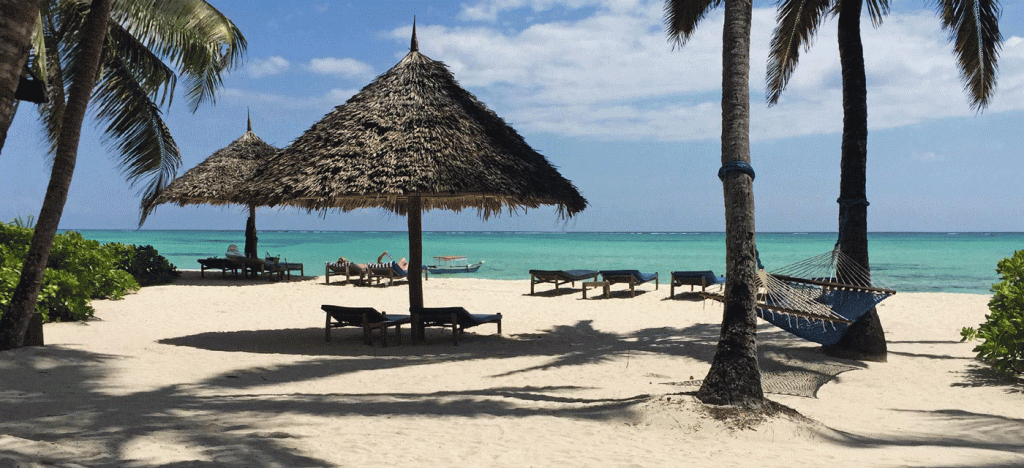
Many travelers conclude their safari with a visit to Zanzibar. After several days of game drives and wildlife exploration, Zanzibar provides the perfect opportunity to relax on beautiful white-sand beaches along the Indian Ocean. Visitors can enjoy swimming, snorkeling, diving, cultural tours, spice farm visits and historical exploration in Stone Town.
Combining multiple destinations allows travelers to experience a broader range of Tanzania’s natural and cultural treasures. A well-designed itinerary provides varied wildlife encounters, stunning scenery and opportunities for both adventure and relaxation making the overall journey even more memorable and rewarding.
Frequently Asked Questions About Booking Serengeti Safaris in Tanzania
What is the best time to book a Serengeti safari?
The best time to book depends on your travel dates and safari goals. June to October is popular for dry-season wildlife viewing and Great Migration river crossings while January to March is ideal for experiencing the calving season in the southern Serengeti and Ndutu area. Booking several months in advance is recommended for peak-season travel.
How far in advance should international travelers book a Serengeti safari?
International travelers should ideally book several months in advance, especially when traveling between June and October. Early booking provides better access to preferred lodges, tented camps, safari operators and specific itineraries.
How much does a Serengeti safari cost?
The cost varies depending on the safari duration, accommodation level, travel season, transportation and whether the safari is private or shared. Budget camping safaris generally cost less, while mid-range and luxury safaris have higher prices because of upgraded accommodation, services and transportation.
What types of Serengeti safaris are available?
Travelers can choose from budget camping safaris, mid-range lodge or tented-camp safaris, luxury safaris, private safaris, group safaris, fly-in safaris and Great Migration-focused itineraries. The best option depends on your budget, comfort preferences, schedule and wildlife interests.
Is a private Serengeti safari better than a group safari?
A private safari provides greater flexibility because you can customize the itinerary, departure times and wildlife viewing priorities. Group safaris are usually more affordable and allow travelers to share the experience with other visitors. Both options can provide excellent wildlife viewing.
How do I choose a reliable Serengeti safari operator?
Look for a properly registered Tanzanian safari company with positive customer reviews, experienced guides, well-maintained vehicles, transparent pricing and clear communication. Ask for a detailed itinerary showing accommodation, transportation, park fees, meals and other inclusions before making a booking.
What should be included in a Serengeti safari package?
A safari package may include accommodation, meals, park fees, transportation, professional guide services and airport transfers. Some packages may also include domestic flights or other activities. Always confirm the inclusions and exclusions with the safari operator before paying.
What accommodation options are available in the Serengeti?
The Serengeti offers public campsites, tented camps, permanent lodges, luxury camps and mobile migration camps. Accommodation can range from basic camping facilities to highly comfortable luxury properties with premium services.
Can I visit the Serengeti during the rainy season?
Yes. The Serengeti can be visited throughout the year, including during the rainy seasons. April and May generally have fewer visitors and may offer better accommodation value, while the landscape becomes lush and green. November and December also bring short rains while wildlife viewing remains possible.
What is the Great Migration in the Serengeti?
The Great Migration is the annual movement of large herds of wildebeests, zebras and gazelles across the Serengeti ecosystem in search of fresh grazing and water. The timing varies by location and conditions, with different areas offering different migration experiences throughout the year.
When is the Serengeti calving season?
The main calving season generally occurs from January to March in the southern Serengeti and Ndutu region. Large numbers of wildebeest gather in the area, creating excellent opportunities to observe newborn animals and increased predator activity.
When can I see Great Migration river crossings?
River crossings are most associated with the northern Serengeti during the migration’s northern movement, generally around July to October. However, the exact timing and location of crossings depend on rainfall, river conditions and animal movements, so sightings cannot be guaranteed.
How do international travelers get to the Serengeti?
Most international travelers first arrive in Tanzania through airports such as Kilimanjaro International Airport or Julius Nyerere International Airport. From there, travelers can reach the Serengeti by safari vehicle or domestic flight, depending on their itinerary, budget and available time.
Can I fly directly into the Serengeti?
Yes. Domestic flights connect several Tanzanian destinations with airstrips within the Serengeti. Fly-in safaris can save travel time and are particularly useful for travelers with limited vacation time or those seeking a more convenient safari experience.
Do I need a visa to visit Tanzania for a Serengeti safari?
Visa requirements depend on your nationality and travel circumstances. Many international visitors need a Tanzanian visa, while specific entry procedures vary by nationality. Travelers should verify the latest requirements before departure.
Do I need travel insurance for a Serengeti safari?
Travel insurance is strongly recommended. A comprehensive policy can help provide protection for unexpected situations such as medical emergencies, trip cancellations, flight disruptions and lost luggage.
What should I pack for a Serengeti safari?
Pack comfortable lightweight clothing, a warm layer for cool mornings and evenings, comfortable shoes, sun protection, insect repellent, personal medications, binoculars and camera equipment if needed. Soft-sided luggage is generally practical for safari vehicles and domestic flights.
Are Serengeti safaris suitable for first-time safari travelers?
Yes. The Serengeti is suitable for first-time safari travelers because professional safari operators and experienced guides can manage transportation, accommodation, park access and wildlife activities. Choosing a reputable operator can make the experience easier for first-time visitors.
How long should an international traveler spend on a Serengeti safari?
A Serengeti safari can range from a few days to more than a week. A longer itinerary provides more time for game drives and increases opportunities to explore different areas of the ecosystem. Many travelers combine the Serengeti with destinations such as Ngorongoro and Tarangire.
Can I combine a Serengeti safari with Zanzibar?
Yes. Combining a Serengeti safari with Zanzibar is a popular way to experience both Tanzania’s wildlife and Indian Ocean coastline. Travelers can enjoy several days of game viewing before continuing to Zanzibar for beaches, cultural experiences and relaxation.
Can I combine the Serengeti with Ngorongoro and Tarangire?
Yes. The Serengeti, Ngorongoro Conservation Area and Tarangire National Park can be combined into a northern Tanzania safari itinerary. This allows travelers to experience different landscapes, wildlife habitats and safari environments during one trip.
Is wildlife guaranteed on a Serengeti safari?
No wildlife sighting can be guaranteed because animals move freely through their natural environment. However, the Serengeti supports abundant wildlife throughout the year, and experienced guides use their knowledge of animal behavior and current sightings to improve viewing opportunities.
What makes the Serengeti different from other safari destinations?
The Serengeti is famous for its vast grasslands, exceptional wildlife populations and the Great Migration. Its large ecosystem supports predators, herbivores and diverse birdlife, while its different landscapes provide varied wildlife-viewing experiences throughout the year.
Should I book a budget, mid-range or luxury Serengeti safari?
Choose according to your priorities and budget. Budget safaris focus on affordability, mid-range safaris balance comfort and value, while luxury safaris emphasize premium accommodation, personalized service and greater exclusivity. All three categories can provide memorable wildlife experiences.
What should I check before paying for a Serengeti safari?
Before paying, confirm the safari company’s registration details, itinerary, accommodation, transportation, park fees, meals, inclusions, exclusions, cancellation policy and payment instructions. Request written confirmation of the services included in your booking.
Can dietary requirements be accommodated on a Serengeti safari?
Many safari lodges and camps can accommodate dietary requirements when informed in advance. Travelers should communicate allergies, special diets or other food preferences to their safari operator before the trip.
Is the Serengeti suitable for families?
Yes. Families can enjoy Serengeti safaris, although the best itinerary and accommodation should be selected according to the children’s ages, travel schedule and family requirements. Family-friendly accommodations and private safari vehicles can provide additional flexibility.
What is the most important tip for booking a Serengeti safari?
The most important tip is to compare reputable safari operators carefully rather than choosing based solely on the lowest price. Consider the complete itinerary, accommodation, guide experience, vehicle quality, inclusions, customer reviews and communication before making your final decision.
Conclusion
A Serengeti safari represents one of the most remarkable travel experiences available anywhere in the world. For international travelers visiting this legendary wildlife destination offers an opportunity to witness nature on a truly extraordinary scale. From vast open plains filled with wildlife to dramatic predator encounters and breathtaking landscapes the Serengeti delivers unforgettable memories that often last a lifetime.
Successful safari planning begins with understanding the key elements involved in booking the trip. Choosing the right season can significantly influence wildlife viewing opportunities, weather conditions and travel costs. Selecting a reputable safari operator ensures professional service, knowledgeable guides, reliable transportation and well-organized itineraries.
Careful consideration of accommodation options helps travelers find the balance between comfort, adventure and budget that best suits their needs.
Preparation is equally important. Organizing travel documents, obtaining necessary visas, purchasing travel insurance and packing appropriate clothing and equipment contribute to a smoother and more enjoyable experience. Travelers who prepare thoroughly can focus their attention on enjoying the incredible wildlife and scenery rather than worrying about logistical challenges.
The Serengeti is far more than a wildlife destination. It is a place where visitors can experience the rhythms of nature, observe complex ecosystems and develop a deeper appreciation for conservation efforts that protect some of the world’s most iconic species. Whether witnessing the Great Migration, watching lions hunt at sunrise or enjoying a peaceful sunset over the plains, every moment offers something special.
For those seeking an even richer experience, combining the Serengeti with destinations such as Ngorongoro Crater, Tarangire National Park, Lake Manyara and Zanzibar creates a comprehensive Tanzanian adventure that showcases the country’s incredible diversity.
Ultimately a Serengeti safari is an investment in experiences rather than possessions. The memories created through close encounters with wildlife, stunning landscapes and authentic African hospitality remain long after the journey ends. With thoughtful planning and the right travel arrangements, international visitors can enjoy one of the world’s greatest safari adventures and discover why the Serengeti continues to inspire travelers from across the globe.