 English
 Deutsch
 Italia
May 21, 2026
Eco-Friendly Safaris in Serengeti

Introduction
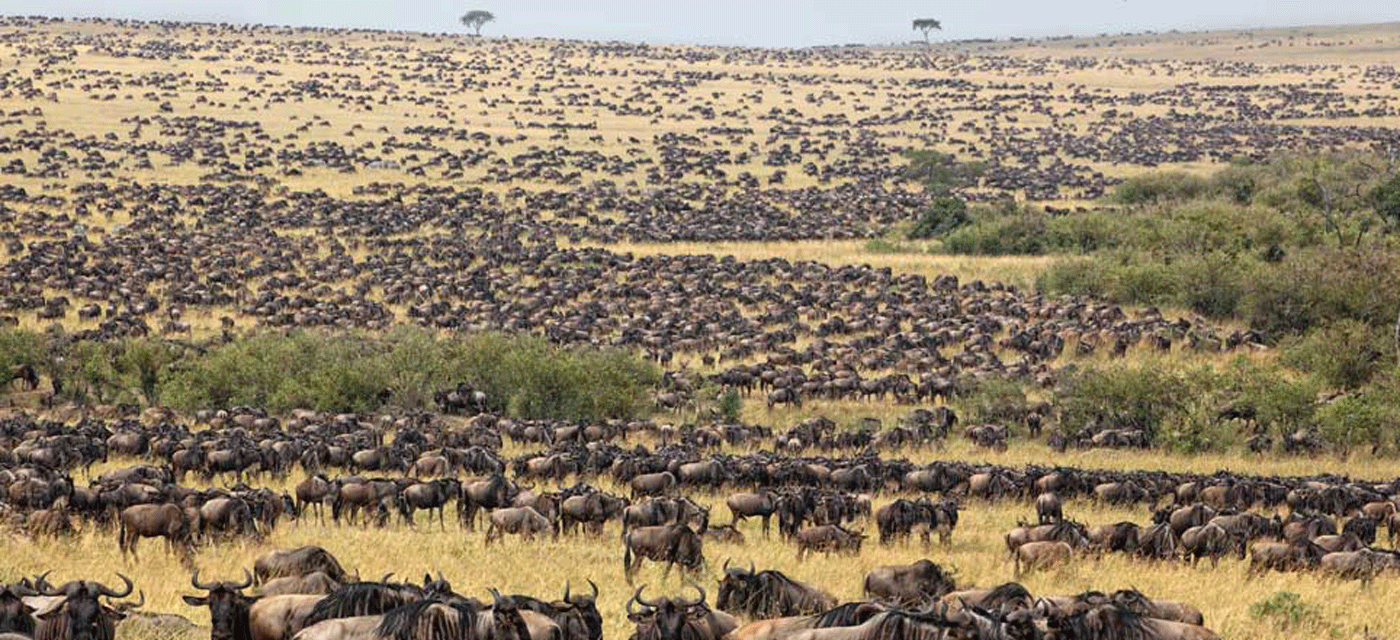
Eco-Friendly Safaris in the Serengeti represent a growing approach to responsible tourism allowing travelers to enjoy unforgettable wildlife experiences while helping protect one of Africa’s most important ecosystems. The Serengeti National Park is a UNESCO World Heritage Site famous for the Great Migration, the Big Five and its remarkable biodiversity. Because of its ecological importance sustainable tourism plays an essential role in protecting the park for future generations.
Eco-friendly safaris aim to reduce the environmental impact of tourism while supporting wildlife conservation and local communities. This includes reducing carbon emissions, minimizing waste, limiting plastic use, conserving water and supporting local employment. Responsible tour operators also follow wildlife-viewing guidelines designed to reduce disturbance to animals and their natural habitats.
Many lodges and camps across the Serengeti are adopting sustainable practices such as solar power, water recycling, responsible waste management and environmentally conscious construction. These initiatives allow visitors to enjoy comfortable accommodation while reducing pressure on the surrounding environment.
Choosing an eco-friendly safari also gives travelers an opportunity to contribute directly to conservation. From selecting sustainable accommodation to respecting wildlife during game drives small decisions can make a meaningful difference. Responsible tourism can also provide economic benefits to nearby communities through local employment and partnerships.
Eco-friendly safaris do not mean sacrificing comfort or quality. Many sustainable camps and lodges provide excellent service, comfortable accommodation and exceptional wildlife experiences while maintaining environmentally responsible operations.
For travelers planning a responsible adventure Eco-Friendly Safaris in the Serengeti offer a meaningful way to experience Tanzania’s wilderness while contributing to conservation, community development and the long-term protection of this extraordinary ecosystem.
Table of contents
- Introduction
- What Makes a Safari Eco-Friendly
- Sustainable Accommodation Options
- Responsible Wildlife Viewing
- Supporting Local Communities
- Conservation and Wildlife Protection
- How Travelers Can Be More Sustainable
- Carbon Footprint Reduction in Safari Travel
- Eco-Friendly Safari Transportation Options
- Waste Management in the Serengeti
- Eco-Tourism and Wildlife Conservation Funding
- Ethical Photography Practices in Eco Safaris
- Future of Sustainable Tourism in the Serengeti
- Conclusion
What Makes a Safari Eco-Friendly
An eco-friendly safari in the Serengeti is defined by practices that reduce environmental impact while supporting conservation and local communities. The goal is to ensure that tourism benefits the ecosystem rather than harming it.
One of the main features of eco-friendly safaris is low-impact transportation. Many operators use fuel-efficient or well-maintained safari vehicles that reduce emissions. Some also limit the number of vehicles allowed at wildlife sightings to prevent overcrowding and reduce disturbance to animals.
Accommodation also plays a major role. Eco-lodges are often built using natural or locally sourced materials that blend into the environment. These structures are designed to minimize land disruption and preserve natural habitats. Many lodges use solar power, energy-efficient lighting and water recycling systems to reduce resource consumption.
Waste management is another important factor. Eco-friendly camps aim to eliminate single-use plastics, encourage recycling and manage waste responsibly to avoid pollution in protected areas.
Beyond environmental practices eco-friendly safaris also focus on supporting local communities. Many lodges employ local staff purchase goods from nearby villages and contribute to education and healthcare programs. This ensures that tourism revenue benefits people living near the Serengeti encouraging long-term conservation support.
Wildlife protection is also central to eco-tourism. Guides are trained to maintain safe distances from animals avoid disrupting natural behavior and educate visitors about responsible wildlife viewing. Together these practices create a safari experience that is both enjoyable and sustainable ensuring that the Serengeti remains protected for future generations.
Sustainable Accommodation Options
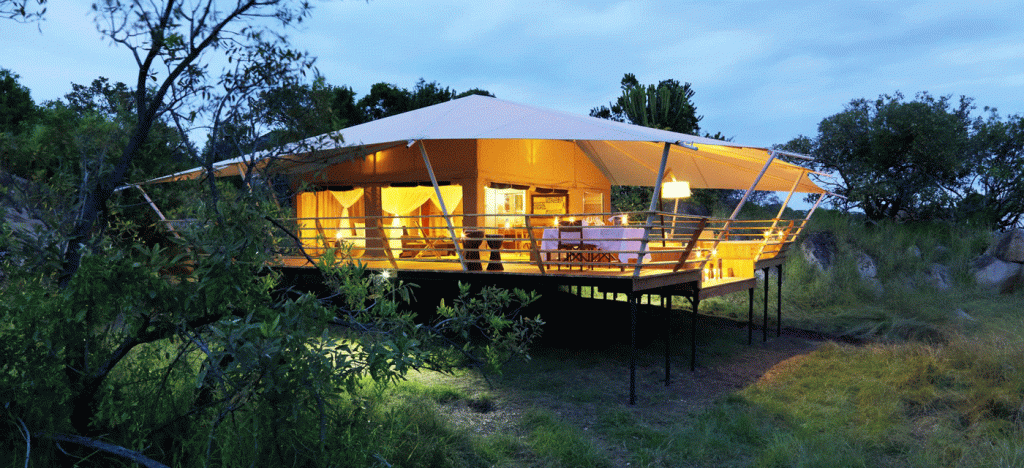
Sustainable accommodation in the Serengeti is a key part of eco-friendly safari experiences. These lodges and camps are designed to minimize environmental impact while still offering comfort and memorable stays for travelers.
Eco-lodges often use natural materials such as wood, stone and canvas to blend into the surrounding landscape. Instead of large permanent structures that disrupt ecosystems many camps use tented designs that leave a minimal footprint on the land. This allows wildlife to move freely without major disturbance.
Energy use is another important focus. Many sustainable lodges rely on solar power for electricity and water heating. This reduces dependence on fossil fuels and lowers carbon emissions. Some lodges also use energy-efficient appliances and lighting systems to further reduce consumption.
Water conservation is critical in the Serengeti environment. Eco-friendly camps often collect rainwater, recycle greywater and use low-flow systems to minimize waste. Since water is a limited resource in many safari regions these practices help protect the ecosystem.
Waste management systems are carefully designed to prevent pollution. Many lodges eliminate single-use plastics entirely and implement strict recycling policies. Organic waste is often composted or managed in environmentally safe ways.
In addition to environmental responsibility sustainable accommodations also focus on community involvement. Many lodges hire staff from nearby communities, provide training programs and support local schools and conservation initiatives. This ensures that tourism directly benefits people living near the park.
For travelers staying in eco-friendly accommodation provides a deeper connection to nature. These lodges are often located in remote, scenic areas, allowing guests to experience wildlife sounds, natural landscapes and open skies without unnecessary environmental disruption.
Overall sustainable accommodation is a vital part of responsible travel in the Serengeti combining comfort with conservation.
Responsible Wildlife Viewing
Responsible wildlife viewing is one of the most important principles of eco-friendly safaris in the Serengeti. It ensures that animals are observed in their natural behavior without unnecessary stress or disturbance.
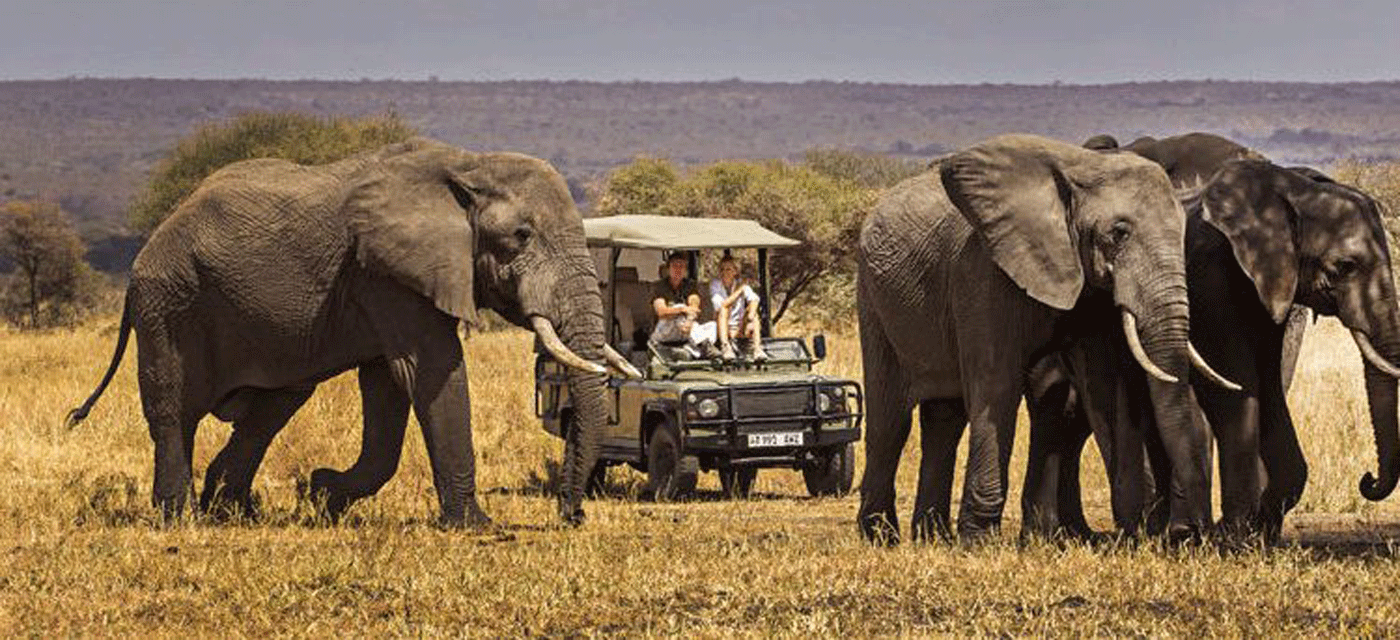
One of the key rules is maintaining a safe distance from wildlife. Safari guides are trained to keep vehicles at appropriate distances especially during sensitive moments such as hunting, feeding or caring for young animals. This helps prevent disruption to natural behavior.
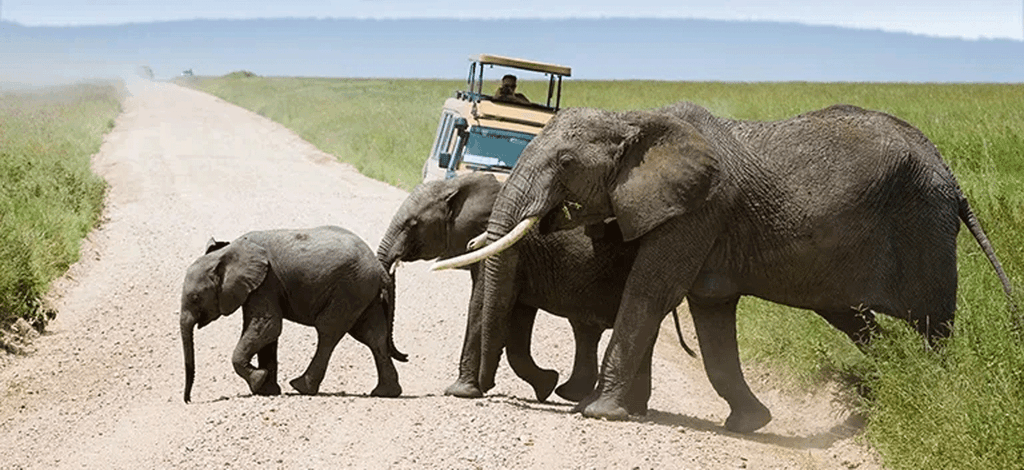
Another important aspect is limiting the number of vehicles at a single sighting. Too many vehicles can create noise, block movement and stress animals. Eco-friendly safari operators often follow strict guidelines to avoid overcrowding.
Visitors are also encouraged to remain quiet during game drives. Loud noises can disturb animals and reduce the chances of natural behavior. Silence allows for a more immersive and respectful experience. Off-road driving is also carefully controlled. While it may be allowed in certain areas it is restricted in sensitive habitats to prevent damage to vegetation and soil.
Photography is encouraged but with respect. Flash photography is avoided and visitors are advised not to interfere with animals for the sake of getting a better shot. Education plays a key role as well. Guides often explain animal behavior, conservation challenges and ecosystem balance helping visitors understand the importance of responsible tourism.
By following these principles wildlife viewing becomes not only enjoyable but also sustainable. It ensures that future generations will continue to experience the Serengeti in its natural and untouched form.
Supporting Local Communities
Eco-friendly safaris in the Serengeti go beyond environmental protection they also play a significant role in supporting local communities. Tourism is one of the most important sources of income in the region and when managed responsibly it can greatly improve the lives of people living near the park.
Many eco-lodges and tour operators employ local residents in various roles, including guiding, hospitality, transportation and administration. This creates job opportunities and helps build valuable skills within the community.
In addition to employment many tourism businesses support local suppliers. Food, crafts and materials are often sourced from nearby villages ensuring that economic benefits stay within the region. Education is another key area of support. Some lodges contribute to school funding, provide scholarships or help build educational facilities. This investment in education helps create long-term positive change.
Healthcare initiatives are also supported by tourism revenue. Some eco-friendly safari operators contribute to medical clinics or health outreach programs in rural areas. Cultural exchange is another important aspect of community involvement. Visitors often have opportunities to learn about local traditions especially from Maasai communities. These interactions are conducted respectfully and help preserve cultural heritage.
By choosing eco-friendly safaris travelers directly contribute to these community benefits making their visit more meaningful and impactful.
Conservation and Wildlife Protection
Conservation is at the heart of eco-friendly safaris in the Serengeti. The park is home to some of the most important wildlife populations in the world and protecting these species is essential for maintaining ecological balance.
Anti-poaching efforts are a major focus. Park authorities and conservation organizations work together to monitor wildlife and prevent illegal hunting. Tourism revenue helps fund these efforts providing resources for patrols and equipment. Habitat protection is also critical. Maintaining natural landscapes ensures that animals have access to food, water and breeding grounds. Eco-friendly tourism practices help reduce environmental damage.
Research and monitoring programs are often supported by safari operators. These programs track animal populations, migration patterns and ecosystem health providing valuable data for conservation planning. Visitors also play a role in conservation by following guidelines and supporting responsible operators. Every eco-friendly choice contributes to long-term protection efforts.
How Travelers Can Be More Sustainable
Travelers can actively contribute to eco-friendly safaris by making conscious decisions before and during their trip. Choosing responsible tour operators is the first step. Look for companies that prioritize sustainability, community involvement and wildlife protection.
Reducing plastic use is another important action. Bringing reusable bottles, bags and containers helps minimize waste in the park. Respecting wildlife guidelines ensures that animals remain undisturbed. Following the instructions of guides and avoiding disruptive behavior is essential. Supporting local businesses such as craft markets and community projects also contributes to sustainable tourism.
Simple choices made by travelers can have a significant positive impact on the Serengeti ecosystem and its communities.
Carbon Footprint Reduction in Safari Travel
One of the most important aspects of eco-friendly safaris in the Serengeti is reducing the overall carbon footprint of travel activities. Tourism naturally involves transportation, accommodation and energy use all of which can contribute to carbon emissions if not managed responsibly. Sustainable safari operators aim to minimize this impact through a variety of practical strategies.
A key approach is the use of fuel-efficient safari vehicles. Well-maintained engines, proper tire pressure and optimized driving routes all help reduce unnecessary fuel consumption. Some operators also limit the number of vehicles in sensitive areas to reduce traffic congestion and emissions.
Another important strategy is encouraging longer stays in one area rather than frequent long-distance transfers. This reduces the need for excessive driving and helps travelers enjoy a deeper experience in a specific ecosystem zone. Air travel is often the largest contributor to a safari’s carbon footprint. Some eco-conscious operators offer carbon offset programs where emissions from flights are balanced through environmental projects such as tree planting or renewable energy support.
Within lodges energy conservation plays a major role. Many eco-camps rely on solar energy instead of diesel generators. This significantly reduces greenhouse gas emissions while still providing reliable electricity for guests. Water heating systems are also designed to be energy-efficient often using solar panels or low-energy technologies.
Waste reduction is another indirect way to lower carbon impact. By minimizing transport of waste and reducing landfill contributions eco-lodges help decrease environmental strain. Overall, carbon footprint reduction is about making smarter choices at every stage of the safari experience ensuring that tourism in the Serengeti remains sustainable for future generations.
Eco-Friendly Safari Transportation Options
Transportation plays a major role in eco-friendly safaris as it directly affects both emissions and wildlife disturbance. In the Serengeti responsible travel options are designed to balance mobility with environmental protection.
The most common form of transport is the 4×4 safari vehicle, which is essential for navigating the park’s terrain. Eco-friendly operators use well-maintained vehicles that consume less fuel and are serviced regularly to reduce emissions. Driving techniques such as smooth acceleration and route optimization also help improve efficiency.
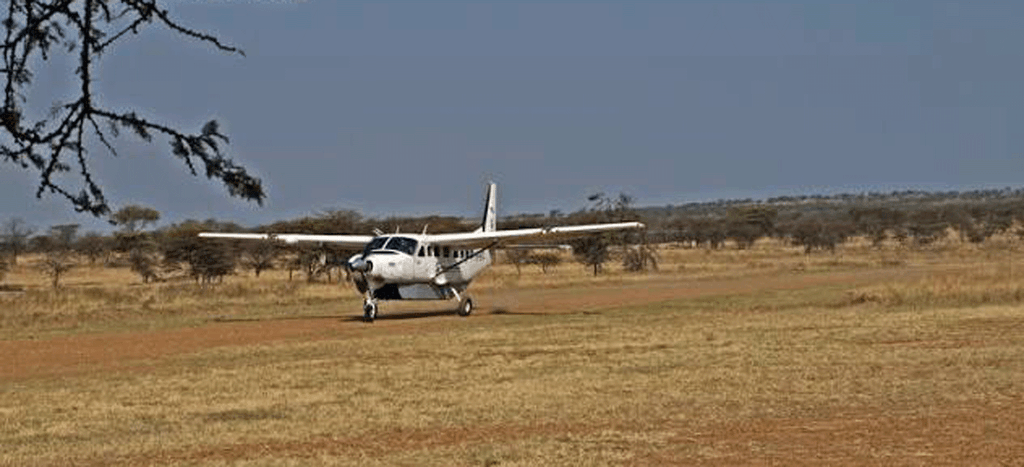
In some cases, travelers may use fly-in safaris where small aircraft are used to reach remote parts of the Serengeti. While flights do produce emissions they can reduce long overland journeys which may offset environmental impact when managed properly. Shared safari vehicles are another sustainable option. By combining travelers into one vehicle operators reduce the total number of cars in the park, lowering fuel use and minimizing disturbance to wildlife.
Some lodges are located within walking distance of wildlife-rich areas reducing the need for frequent driving. Walking safaris were permitted also provide a low-impact way to experience nature without using vehicles. Electric or hybrid safari vehicles are beginning to appear in some conservation-focused operations representing the future of low-impact tourism in Africa.
Overall, transportation choices significantly influence the sustainability of a safari experience making it an important consideration for eco-conscious travelers.
Waste Management in the Serengeti
Waste management is a critical part of eco-friendly safaris as improper disposal can have serious effects on wildlife and the environment. The Serengeti’s delicate ecosystem requires strict control over waste generation and handling. Eco-friendly lodges often follow a zero-plastic policy eliminating single-use plastics such as bottles, straws and packaging. Instead they provide reusable or biodegradable alternatives.
Recycling systems are widely implemented in sustainable camps. Materials such as glass, metal and paper are separated and processed responsibly to reduce landfill impact. Organic waste is often composted or used in environmentally safe ways helping to return nutrients to the soil rather than polluting the environment.
Proper sewage treatment systems are also essential. Many eco-lodges use modern biological treatment systems that ensure wastewater does not contaminate surrounding land or water sources. Guests are encouraged to be responsible as well. Simple actions such as carrying reusable bottles, avoiding littering and properly disposing of waste contribute significantly to conservation efforts.
Waste management is not only about cleanliness but also about protecting wildlife as animals can be harmed by ingesting or interacting with human waste.
Eco-Tourism and Wildlife Conservation Funding
Eco-tourism plays a major role in funding wildlife conservation in the Serengeti. Entrance fees, accommodation taxes and tourism-related revenue directly support park management and protection efforts. These funds are used for anti-poaching patrols, ranger salaries and wildlife monitoring systems. Without tourism, many conservation programs would struggle to operate at their current level.
Research projects are also supported by eco-tourism. Scientists study animal behavior, migration patterns and ecosystem health using data funded by tourism activities. Many eco-lodges contribute additional funds to conservation NGOs working in the Serengeti. These organizations focus on protecting endangered species and restoring habitats.
By choosing eco-friendly safaris travelers indirectly support these important initiatives helping to ensure the survival of wildlife populations.
Ethical Photography Practices in Eco Safaris
Photography is a major part of safari experiences but it must be done responsibly to avoid disturbing wildlife. Ethical photography is an important principle of eco-friendly safaris in the Serengeti. Photographers are encouraged to maintain a safe distance from animals at all times. This ensures that wildlife behavior remains natural and undisturbed.
Using flash photography is strongly discouraged especially near nocturnal or sensitive species. Flash can stress animals and alter their behavior. Respecting animals during critical moments such as hunting, feeding or caring for young is essential. Vehicles should never block movement or surround animals too closely. Professional guides often help photographers position themselves responsibly while still capturing high-quality images.
Ethical photography ensures that wildlife is respected while still allowing visitors to document their experience.
Future of Sustainable Tourism in the Serengeti
The future of tourism in the Serengeti is increasingly focused on sustainability and environmental protection. As global awareness of climate change grows both travelers and operators are adopting more responsible practices. Technological innovation is expected to play a key role. Electric safari vehicles improved renewable energy systems and advanced waste management solutions are gradually being introduced.
Community-based tourism is also expected to expand giving local communities a stronger role in managing and benefiting from tourism activities. Conservation partnerships between governments, NGOs and private operators will continue to strengthen ensuring long-term protection of wildlife habitats.
The goal is to maintain a balance between tourism growth and environmental preservation ensuring that future generations can still experience the Serengeti in its natural state.
Frequently Asked Questions About Eco-Friendly Safaris in the Serengeti
What are eco-friendly safaris in the Serengeti?
Eco-friendly safaris in the Serengeti are responsible travel experiences designed to reduce environmental impact while supporting wildlife conservation, local communities and sustainable tourism.
Why are eco-friendly safaris important in the Serengeti?
They help protect the Serengeti ecosystem by reducing waste, conserving water and energy, minimizing wildlife disturbance and supporting conservation programs for future generations.
How can I choose an eco-friendly safari operator?
Choose an operator that follows responsible wildlife-viewing guidelines, supports local communities, reduces waste, uses sustainable accommodation and demonstrates a commitment to conservation. Serengeti Travels promotes responsible safari experiences focused on protecting the environment and supporting local communities.
Are eco-friendly safaris in the Serengeti comfortable?
Yes. Eco-friendly safaris can provide comfortable accommodation, quality meals, professional guides and excellent wildlife experiences while using sustainable practices such as solar energy and water conservation.
What makes accommodation in the Serengeti sustainable?
Sustainable camps and lodges may use solar power, natural or locally sourced materials, water-saving systems, wastewater treatment, recycling and responsible waste-management practices.
How do eco-friendly safaris support local communities?
They create employment opportunities, purchase products from local suppliers and may support community projects involving education, healthcare and conservation.
How can travelers reduce their environmental impact on safari?
Travelers can use reusable water bottles, avoid single-use plastics, follow wildlife-viewing rules, reduce unnecessary driving and support locally owned businesses and responsible safari operators.
Does Serengeti Travels offer eco-friendly safari experiences?
Serengeti Travels promotes responsible safari experiences that emphasize wildlife protection, environmental awareness and benefits for local communities while allowing travelers to enjoy the Serengeti.
How does responsible wildlife viewing protect animals?
Maintaining a safe distance, avoiding loud noises, limiting vehicle congestion and following guide instructions help prevent unnecessary stress and disturbance to wildlife.
Can safari transportation be eco-friendly?
Yes. Using well-maintained, fuel-efficient vehicles, sharing safari vehicles, optimizing routes and using renewable-energy solutions can help reduce the environmental impact of safari transportation.
How does tourism help fund Serengeti conservation?
Tourism generates revenue through park fees, accommodation and other tourism activities. This funding can contribute to wildlife protection, habitat management, research and anti-poaching efforts.
What should I avoid during an eco-friendly safari?
Avoid littering, disturbing wildlife, using unnecessary single-use plastics, making excessive noise and encouraging guides to drive too close to animals or disrupt their natural behavior.
Conclusion
Eco-friendly safaris in the Serengeti represent a modern and responsible way of experiencing one of the world’s most extraordinary natural landscapes. Serengeti Travels promotes responsible safari experiences that allow visitors to explore this remarkable ecosystem while supporting conservation, wildlife protection and local communities.
The Serengeti is not only a destination for adventure but also a fragile ecosystem that depends on careful balance. Eco-friendly tourism helps maintain this balance by reducing environmental impact, supporting conservation programs and improving the livelihoods of local communities. Through responsible wildlife viewing, sustainable accommodation and community-focused initiatives Serengeti Travels helps travelers experience the Serengeti while respecting its natural environment.
For travelers choosing an eco-friendly safari adds greater meaning to the experience. It transforms a simple trip into an opportunity to contribute to conservation and responsible tourism. Visitors can become part of a wider effort to protect wildlife, preserve natural landscapes and support communities that depend on sustainable tourism.
Ultimately eco-friendly safaris help ensure that the Serengeti remains as breathtaking and wild in the future as it is today. By choosing Serengeti Travels travelers can enjoy unforgettable wildlife encounters while making responsible choices that support the long-term protection of the Serengeti.
A sustainable safari is not just a way to travel it is a way to help protect one of the world’s most important natural wonders for generations to come.