 English
 Deutsch
 Italia
May 21, 2026
Fly In Safari vs Driving Safari in Serengeti
Introduction
Fly In Safari vs Driving Safari in Serengeti is an important comparison when planning a wildlife adventure in Tanzania. Choosing between flying and driving to the Serengeti affects your travel time, comfort, budget and overall safari experience. Both options take you to the world-famous Serengeti National Park but the journey and experience can be very different.
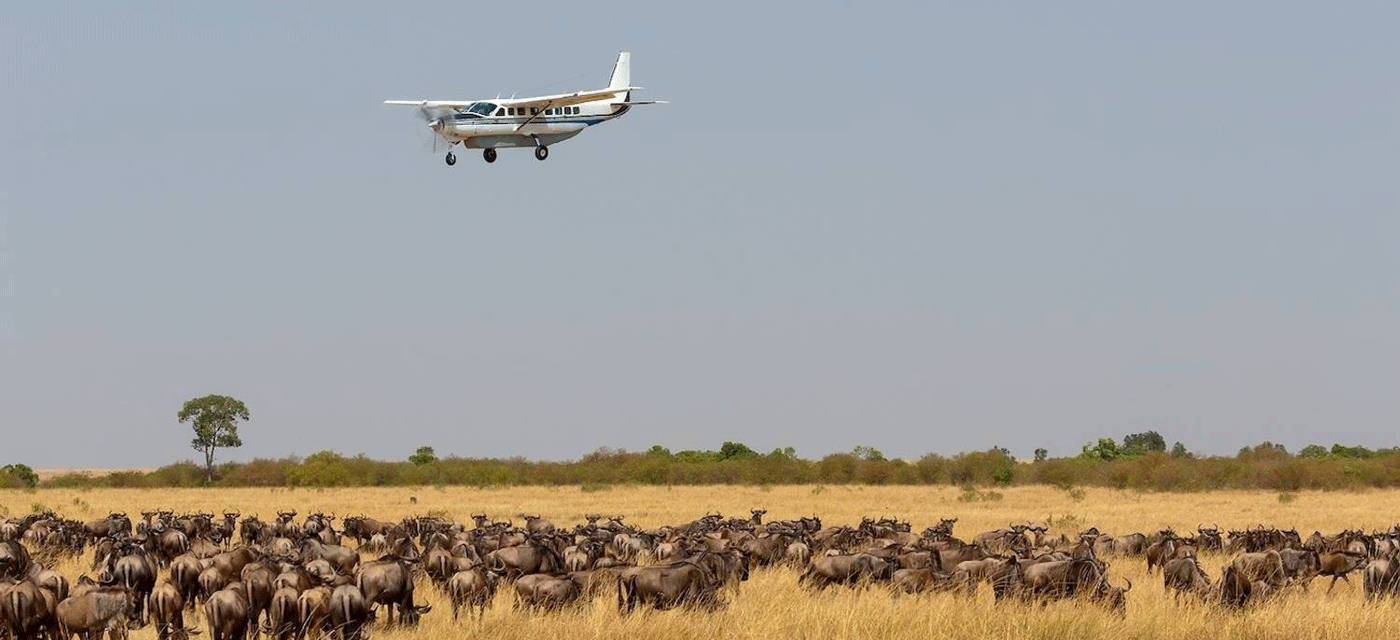
A fly-in safari uses a small aircraft to transport travelers from destinations such as Arusha or Dar es Salaam directly to an airstrip in or near the Serengeti. This saves several hours of road travel and allows you to start your safari soon after landing. Fly-in safaris are especially suitable for travelers with limited time, honeymooners, luxury travelers and visitors who prefer greater comfort and convenience.
A driving safari offers a slower but more immersive way to reach the Serengeti. Travelers journey by 4×4 safari vehicle through Tanzania’s changing landscapes, often visiting other destinations along the route. The journey itself becomes part of the adventure, with opportunities to see villages, mountains, wildlife and different ecosystems before reaching the Serengeti plains.
The choice between flying and driving ultimately depends on your priorities. Fly-in safaris are ideal when saving time and enjoying convenience are important, while driving safaris are better suited to travelers who want to experience more of Tanzania along the way.
Understanding these differences can help you choose the Serengeti safari that best matches your time, budget, comfort preferences and travel goals.
Table of contents
- Introduction
- Travel Time and Overall Efficiency
- Cost and Budget Flexibility
- Comfort and Physical Experience
- Wildlife Viewing Depth and Quality
- Flexibility, Experience Style and Overall Adventure
- Scenic Experience and Landscape Variety
- Social Experience and Travel Atmosphere
- Safety, Accessibility and Seasonal Reliability
- Conclusion
Travel Time and Overall Efficiency
Travel time is one of the most decisive differences between a fly-in safari and a driving safari in the Serengeti and it directly affects how much of your trip is spent actually experiencing wildlife versus simply getting there. A fly-in safari is built around efficiency. Travelers typically depart from Arusha or Dar es Salaam and reach the Serengeti within one to two hours using small aircraft.
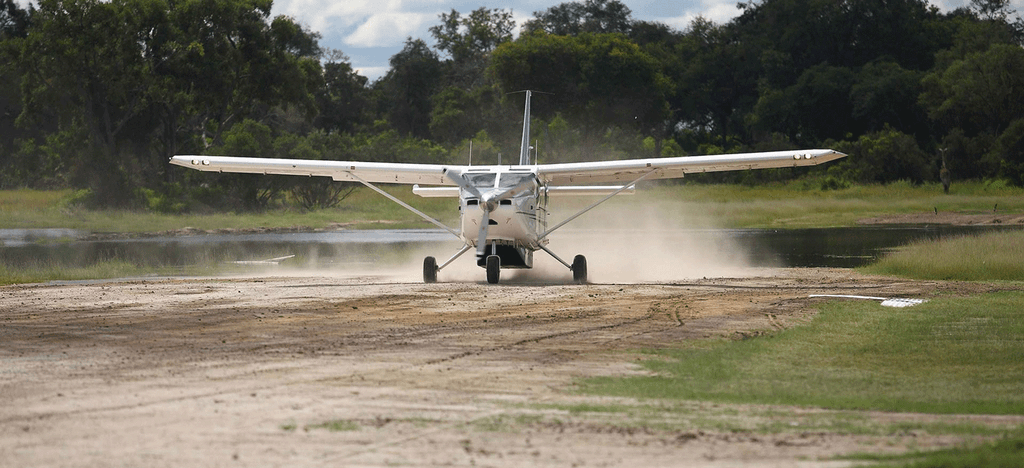
These flights often land at airstrips located inside or very close to prime wildlife areas which means your safari effectively begins almost immediately after landing. In many cases you may even encounter animals on your transfer from the airstrip to your lodge turning what would normally be “travel time” into part of the safari itself.
This efficiency becomes extremely valuable when dealing with limited travel schedules. For example if you only have four or five days available a driving safari could consume nearly half of that time in transit. A fly-in option eliminates that issue and allows you to dedicate almost your entire trip to game drives. This increases your chances of witnessing key wildlife moments such as predator hunts or migration crossings.
In contrast a driving safari requires a long overland journey that can take seven to ten hours to reach central Serengeti. Many itineraries split this journey across two days often including a stop at Ngorongoro or another park. While this reduces fatigue, it still means a significant portion of your itinerary is spent traveling rather than exploring the Serengeti itself.
However the concept of “efficiency” differs depending on perspective. While fly-in safaris maximize time inside the Serengeti driving safaris offer a broader travel experience. The journey includes changing landscapes, wildlife sightings outside the main park and cultural exposure. Some travelers consider this part of the adventure rather than lost time.
Cost and Budget Flexibility
Cost is one of the most important factors when choosing between a fly-in safari and a driving safari and the price difference can be significant. Fly-in safaris are generally more expensive because they include domestic flights and are often combined with mid-range or luxury accommodations.
A one-way flight into the Serengeti can cost several hundred dollars per person while return flights can become a major part of the overall safari budget. Fly-in packages may also include full-board lodges, guided game drives, meals and other services. Because these accommodations are often located in remote, wildlife-rich areas, higher operational and logistical costs can also increase the total price. This makes fly-in safaris ideal for travelers who prioritize comfort, convenience and saving travel time.
Driving safaris offer much greater financial flexibility. By avoiding domestic flights travelers can use their budget for accommodation, park fees, professional guides and additional safari experiences. Driving options are suitable for travelers looking for affordable Serengeti safari experiences without sacrificing the opportunity to explore the park.
Another major advantage is the availability of shared group safaris, where travelers share vehicle, fuel and guide costs, significantly reducing the price per person. There is also a wide range of accommodation, from basic campsites to comfortable lodges and luxury tented camps.
Serengeti Travels can help travelers choose between fly-in and driving safaris based on their budget, available time and preferred level of comfort. Driving safaris generally provide more flexibility, while fly-in safaris offer greater convenience and time efficiency.
Comfort and Physical Experience
Comfort plays a major role in shaping the overall safari experience and this is where the contrast between fly-in and driving safaris becomes very clear. A fly-in safari offers a significantly more comfortable and less physically demanding journey. Instead of enduring long hours on rough and sometimes dusty roads travelers board a small aircraft and arrive at their destination quickly and with minimal fatigue.
This is especially beneficial for those who may not enjoy extended road travel, such as older travelers, honeymooners or individuals with limited mobility. Once you land in the Serengeti the transition from travel to relaxation is almost immediate. Transfers from the airstrip to the lodge are usually short and the overall process is smooth and well-coordinated.
The lodges associated with fly-in safaris are typically designed to provide high levels of comfort, often including spacious rooms, comfortable beds, private bathrooms and high-quality dining experiences. This creates an environment where the safari feels both adventurous and relaxing at the same time.
Driving safaris on the other hand involve a more physically engaging experience. Long hours in a safari vehicle can be tiring, particularly when traveling over uneven terrain. Dust, heat and road conditions can add to the challenge especially during the dry season. Although modern safari vehicles are equipped with features such as cushioned seats and pop-up roofs for wildlife viewing the journey still requires a certain level of endurance.
However this physical aspect is not necessarily a disadvantage for all travelers. Many people find that it adds to the authenticity of the safari. Being on the ground, feeling the terrain and experiencing the gradual transition into the wilderness can create a stronger connection to the environment.
Wildlife Viewing Depth and Quality
Wildlife viewing is the central focus of any Serengeti safari and both fly-in and driving safaris provide excellent opportunities though the depth and structure of the experience differ. A fly-in safari is designed to place you directly into wildlife-rich areas often near regions known for specific animal activity. Because airstrips are strategically located you can begin game drives almost immediately after arrival maximizing the amount of time spent observing animals.
This concentrated approach allows for a deeper and more focused wildlife experience. Lodges typically organize multiple daily game drives guided by experienced professionals who understand animal behavior and movement patterns. This increases the likelihood of witnessing key moments such as predator hunts territorial interactions or migration events. Fly-in safaris are particularly advantageous for travelers who want to target specific wildlife experiences within a limited timeframe.
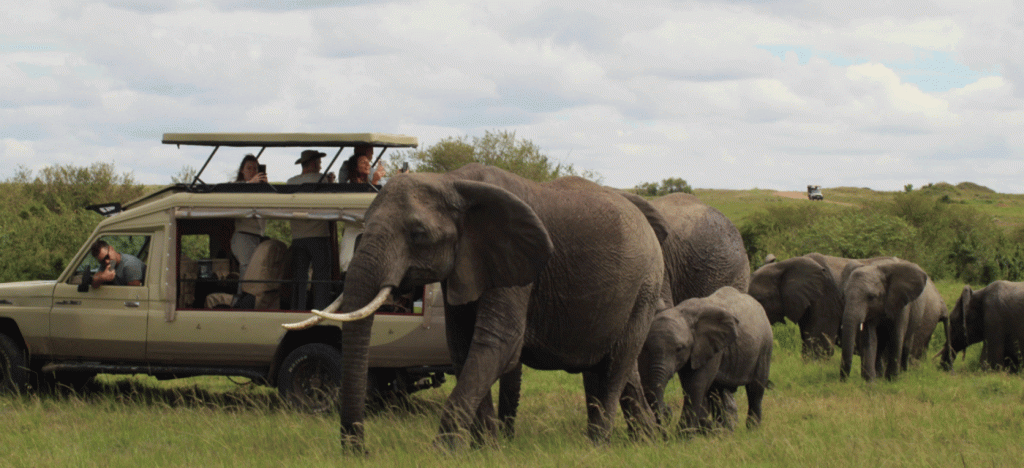
Driving safaris in contrast offer a broader but less concentrated wildlife experience. As you travel through multiple parks and ecosystems you encounter a wide range of animals in different environments. This diversity can be highly rewarding as it provides a more comprehensive understanding of Tanzania’s wildlife and landscapes.
However the time spent traveling between destinations can reduce the number of hours dedicated specifically to game drives in the Serengeti. This may slightly limit the depth of wildlife viewing compared to a fly-in safari, particularly on shorter itineraries.
That said driving safaris also provide unexpected wildlife encounters along the adding an element of spontaneity to the experience. These sightings may not be as concentrated as those in prime Serengeti locations, but they contribute to the overall richness of the journey. Ultimately, fly-in safaris offer intensity and focus while driving safaris provide variety and a wider ecological perspective.
Flexibility, Experience Style and Overall Adventure
Flexibility and travel style are key factors that differentiate fly-in and driving safaris, shaping not just logistics but the overall feel of the journey. Driving safaris are inherently more flexible, allowing travelers to adjust their itinerary, make spontaneous stops and explore additional destinations along the way. This makes them ideal for those who enjoy a sense of freedom and discovery.
For example, a driving safari can easily include multiple parks such as Tarangire, Lake Manyara and Ngorongoro creating a diverse and layered experience. Travelers can spend more time in places they find interesting and less time in others depending on their preferences. This adaptability makes driving safaris particularly appealing to independent travelers and those seeking a personalized adventure.
Fly-in safaris on the other hand are more structured. Flights operate on fixed schedules and itineraries are often pre-arranged with specific lodges and activities. While this reduces the need for planning and ensures a smooth experience it also limits spontaneity. Changes to the itinerary can be more complicated and sometimes costly.
However the structured nature of fly-in safaris also brings a different kind of advantage. It allows for a seamless and stress-free experience where every detail is carefully organized. Travelers can focus entirely on enjoying the safari without worrying about logistics.
Scenic Experience and Landscape Variety
Scenery is one of the most underrated differences between a fly-in safari and a driving safari in the Serengeti yet it strongly influences how the journey feels overall. A driving safari offers a continuous and evolving landscape experience. As you travel from Arusha through different regions toward the Serengeti you pass through multiple ecological zones such as the Great Rift Valley, Ngorongoro highlands, open savannahs, acacia woodlands and rural Tanzanian villages.
This gradual transition gives travelers a deep appreciation of how diverse the country is. You are not simply arriving at the Serengeti you are entering it step by step. Each hour on the road reveals something new, whether it is grazing cattle, Maasai herders or distant wildlife on open plains.
This type of scenery creates a strong sense of journey. It feels like a classic African expedition where the road itself becomes part of the adventure. Many travelers enjoy stopping along the way for photography, cultural encounters or simply observing how landscapes change with altitude and climate.
A fly-in safari, on the other hand offers a completely different scenic perspective. Instead of gradual transition you experience a dramatic shift from urban or highland areas directly into the vast wilderness of the Serengeti. From the air you see sweeping views of endless plains, river systems and wildlife herds moving across the land. This aerial perspective is something driving safaris cannot provide.
However fly-in safaris are brief in terms of scenery exposure. You experience the landscape from above only during the flight and once you land most movement is limited to game drives within a specific region. This means you miss the gradual environmental changes that define a driving safari.
Social Experience and Travel Atmosphere
The social aspect of a safari is often overlooked but it plays an important role in shaping the overall experience. Driving safaris tend to be more social especially when travelers join group tours. In a shared safari vehicle, you spend long hours together with other travelers and a guide which naturally leads to conversations shared excitement and bonding over wildlife sightings.
When a lion is spotted or a herd of elephants crosses the road the experience becomes collective creating a sense of group discovery.
This shared atmosphere can make driving safaris livelier and more interactive. Even solo travelers often find themselves forming temporary friendships during the journey. The communal aspect extends beyond the vehicle especially in budget or mid-range lodges and camps where guests gather for meals, campfires and storytelling in the evenings.
Fly-in safaris in contrast are typically more private and exclusive. Many fly-in itineraries are designed for couples honeymooners, families or small groups seeking privacy. Lodges are often located in remote areas with fewer guests creating a quieter and more intimate atmosphere. Instead of group dynamics the focus is on personalized service and individual experiences.
This creates a different type of social environment. Instead of sharing the journey with many people, you interact mainly with guides, lodge staff and possibly a few other guests. For some travelers this exclusivity is ideal because it allows for relaxation and personal reflection without distractions.
Safety, Accessibility and Seasonal Reliability
Safety and accessibility are important considerations when choosing between fly-in and driving safaris in the Serengeti. Both options are generally safe when organized by reputable operators but the type of travel experience differs significantly.
Fly-in safaris reduce exposure to long road journeys which can sometimes be affected by road conditions especially during the rainy season. Small aircraft used for safari flights are operated by experienced pilots familiar with regional weather patterns and airstrips. While flying in small planes may feel unusual to some travelers it is a well-established and safe mode of transport in Tanzania’s tourism industry.
One of the major advantages of fly-in safaris is accessibility. Remote areas of the Serengeti that would take many hours or even days to reach by road can be accessed quickly by air. This opens up opportunities to stay in exclusive camps located deep inside wildlife zones enhancing both safety and wildlife viewing efficiency.
Driving safaris however rely on long-distance road travel. While safari vehicles are designed for rough terrain and are driven by experienced guides road conditions can vary depending on the season. During the dry season travel is generally smooth but during heavy rains some routes may become challenging or slower.
That said driving safaris also provide a sense of grounded safety because travelers are constantly with their guide and vehicle with no reliance on flight schedules or small aircraft. Seasonal reliability also plays a role. Fly-in safaris are less affected by road conditions but may occasionally face delays due to weather affecting flight schedules. Driving safaris while flexible may require route adjustments during rainy periods.
Frequently Asked Questions About Fly-In Safari vs Driving Safari in Serengeti
1. Is it better to fly or drive to the Serengeti?
Flying is better for travelers who want to save time and maximize their time in the Serengeti, while driving is better for travelers who enjoy scenic journeys, flexibility and exploring more of Tanzania along the way.
2. How long does it take to fly to the Serengeti?
A flight from destinations such as Arusha to the Serengeti generally takes around one to two hours depending on the departure point, airstrip and flight routing.
3. How long does it take to drive from Arusha to the Serengeti?
Driving from Arusha to the Serengeti can take several hours, with the exact time depending on the route, road conditions, stops and the specific area of the Serengeti being visited.
4. Is a fly-in Serengeti safari more expensive?
Yes, fly-in safaris are generally more expensive because the package includes domestic flights and often uses lodges or camps in remote areas. However they can provide better value for travelers who have limited time.
5. Is a driving safari cheaper than a fly-in safari?
A driving safari is usually more affordable because it does not require domestic flights. Shared safari vehicles, camping and different accommodation categories can also help travelers control their overall budget.
6. Which safari is better for a short trip to the Serengeti?
A fly-in safari is usually better for a short Serengeti trip because it reduces travel time and allows you to spend more of your itinerary enjoying game drives and wildlife.
7. Which option offers better wildlife viewing?
Both options can provide excellent wildlife viewing. Fly-in safaris can maximize game-drive time by taking travelers directly to wildlife-rich areas while driving safaris provide opportunities to experience wildlife across different landscapes and destinations.
8. Are fly-in safaris suitable for honeymooners?
Yes. Fly-in safaris can be particularly suitable for honeymooners because they reduce long road journeys and can provide a more comfortable, private and relaxed safari experience.
9. Are driving safaris suitable for families?
Yes. Driving safaris can be a good choice for families who want flexibility and the opportunity to explore several destinations during one trip. The itinerary can often be planned around the family’s interests and available time.
10. Which safari is more comfortable, flying or driving?
A fly-in safari generally offers greater travel comfort because it avoids long hours on sometimes rough roads. Driving safaris can be more physically demanding but provide a more immersive overland experience.
11. Can I combine a fly-in safari with a driving safari?
Yes. Combining both options can create a balanced itinerary. For example, you can fly into the Serengeti to save time and then travel by road afterward to experience more of Tanzania’s landscapes and attractions.
12. Which safari gives more flexibility?
Driving safaris generally provide more flexibility because the route can include additional destinations, scenic stops and different accommodation options. Fly-in safaris are usually more structured around flight schedules and lodge arrangements.
13. Is flying to the Serengeti safe?
Flying is a well-established way to reach remote safari areas in Tanzania. Safari flights are operated by aviation companies serving the tourism industry, while experienced safari operators coordinate transfers and itineraries.
14. What are the main advantages of a fly-in Serengeti safari?
The main advantages include saving travel time, reducing road fatigue, accessing remote areas quickly and maximizing time available for wildlife viewing.
15. What are the main advantages of a driving Serengeti safari?
Driving safaris offer greater affordability, flexibility and landscape variety. They also allow travelers to experience the journey between destinations rather than simply flying over it.
16. Which is better for experiencing Tanzania beyond the Serengeti?
A driving safari is usually better for travelers who want to experience more of Tanzania because the route can include destinations such as Ngorongoro Crater and Tarangire National Park.
17. Should I choose a fly-in or driving safari for the Great Migration?
Both can work well. A fly-in safari is useful when you want to reach a specific migration area quickly while a driving safari provides more time to experience the landscapes and destinations along the route.
18. How do I choose between a fly-in and driving safari?
Consider your available time, budget, preferred comfort level and travel style. Choose flying if efficiency and convenience are your priorities or driving if you prefer affordability, flexibility and a more immersive journey.
Conclusion
The choice between a fly-in safari and a driving safari in the Serengeti depends on your travel priorities, budget, available time and preferred style of adventure. Serengeti Travels offers both options helping travelers choose an experience that suits their safari plans.
Fly-in safaris are ideal for travelers who value time, comfort and convenience. Flying allows you to skip long road journeys and reach wildlife-rich areas of the Serengeti quickly, giving you more time for game drives and wildlife viewing. This option is particularly suitable for short trips, honeymooners, luxury travelers and visitors who prefer a relaxed safari experience. The main disadvantage is the higher cost and generally less flexibility compared with driving.
Driving safaris are better suited to travelers who enjoy exploration, flexibility and a more affordable safari experience. The journey becomes part of the adventure allowing you to experience Tanzania’s changing landscapes and scenery along the way. Driving can also be a rewarding choice for longer itineraries because it allows travelers to combine the Serengeti with destinations such as Ngorongoro Crater and Tarangire National Park.
Another option is to combine both experiences by flying into the Serengeti and driving out. This hybrid approach saves valuable travel time while still allowing you to enjoy Tanzania’s landscapes by road. Serengeti Travels can arrange customized safari itineraries that combine flights and driving based on your schedule and interests.