 English
 Deutsch
 Italia
May 26, 2026
How to Plan a Serengeti Safari from Karatu Complete Guide
Introduction
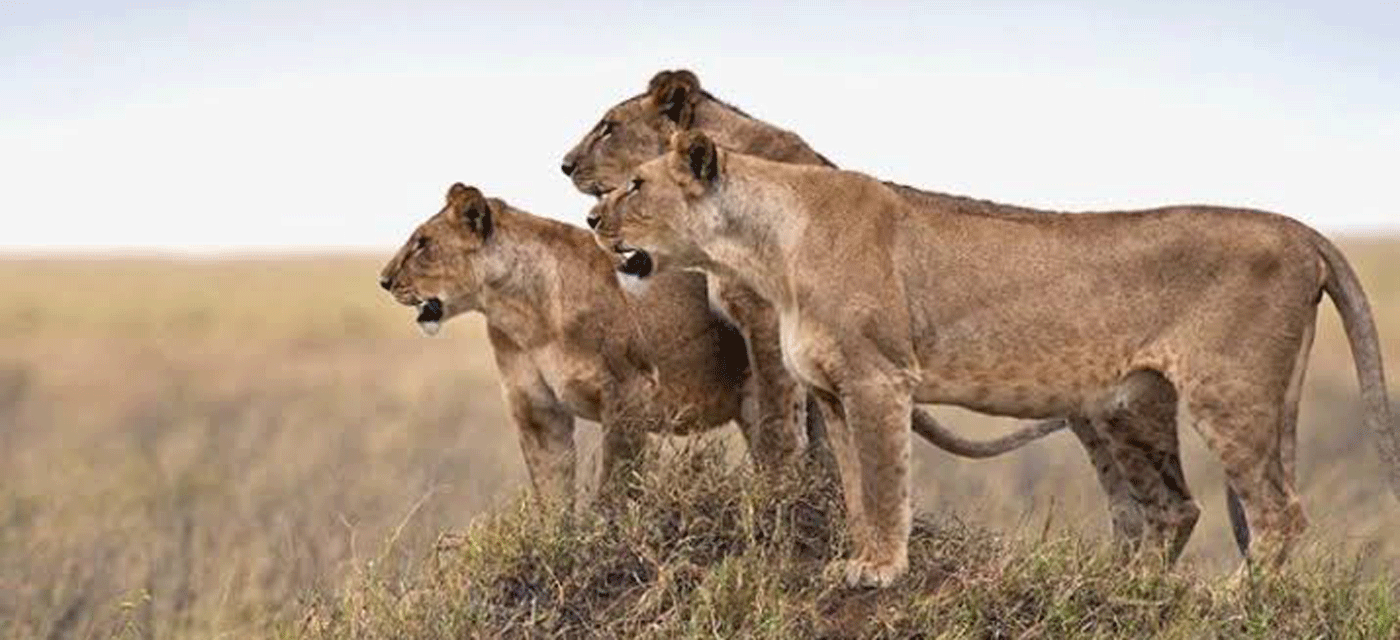
How to Plan a Serengeti Safari from Karatu Complete Guide explains how travelers can make the most of Karatu’s convenient location when exploring Tanzania’s most famous national park. Karatu is perfectly positioned between the Ngorongoro Conservation Area and Serengeti National Park making it an ideal starting point for travelers who want to maximize their safari time and reduce long travel distances. Instead of beginning your journey from busy cities starting in Karatu allows you to move efficiently toward wildlife-rich areas while enjoying a calm and scenic environment.
A Serengeti safari is not just a trip; it is a complete experience that combines wildlife, landscapes, culture and adventure. From the moment you leave Karatu you pass through beautiful highlands, enter the Ngorongoro area and gradually reach the endless plains of the Serengeti. Along the way, you may encounter elephants, zebras, wildebeest and predators before you fully enter the park.
However a successful safari does not happen by chance. It requires proper planning, including choosing the right number of days, selecting the best travel season, deciding on your budget and understanding how to move between locations efficiently. Small decisions such as where you stay and when you start your game drives, can have a significant impact on what you see and how much you enjoy the experience.
This guide is designed to simplify the entire planning process. It breaks down the essential steps into clear and practical information so you can plan your Serengeti safari with confidence. Whether you are traveling on a budget or looking for a comfortable or luxury experience the goal is to help you create a safari that matches your expectations and delivers excellent value.
Table of contents
- Introduction
- Choose the Right Number of Days
- Pick the Best Time to Travel
- Choose Your Safari Type
- Plan Your Route from Karatu
- Understand Costs and Prepare Properly
- Choose the Right Accommodation Strategy
- Work with a Reliable Safari Guide or Operator
- Plan Daily Game Drive Strategy
- Understand Park Rules and Logistics
- Prepare Mentally for the Experience
- Conclusion
Choose the Right Number of Days
Planning your safari starts with one important decision: how many days you will spend. This choice affects everything your budget, wildlife experience and overall enjoyment. From Karatu, Serengeti is not extremely far, but it is still a long drive through Ngorongoro, so time matters.
A 2-day safari is technically possible, but it is not recommended unless you are in a serious rush. Most of your time will be spent driving instead of enjoying wildlife. You may enter Serengeti, do a short game drive, sleep and leave the next morning. That is not enough to experience what Serengeti truly offers.
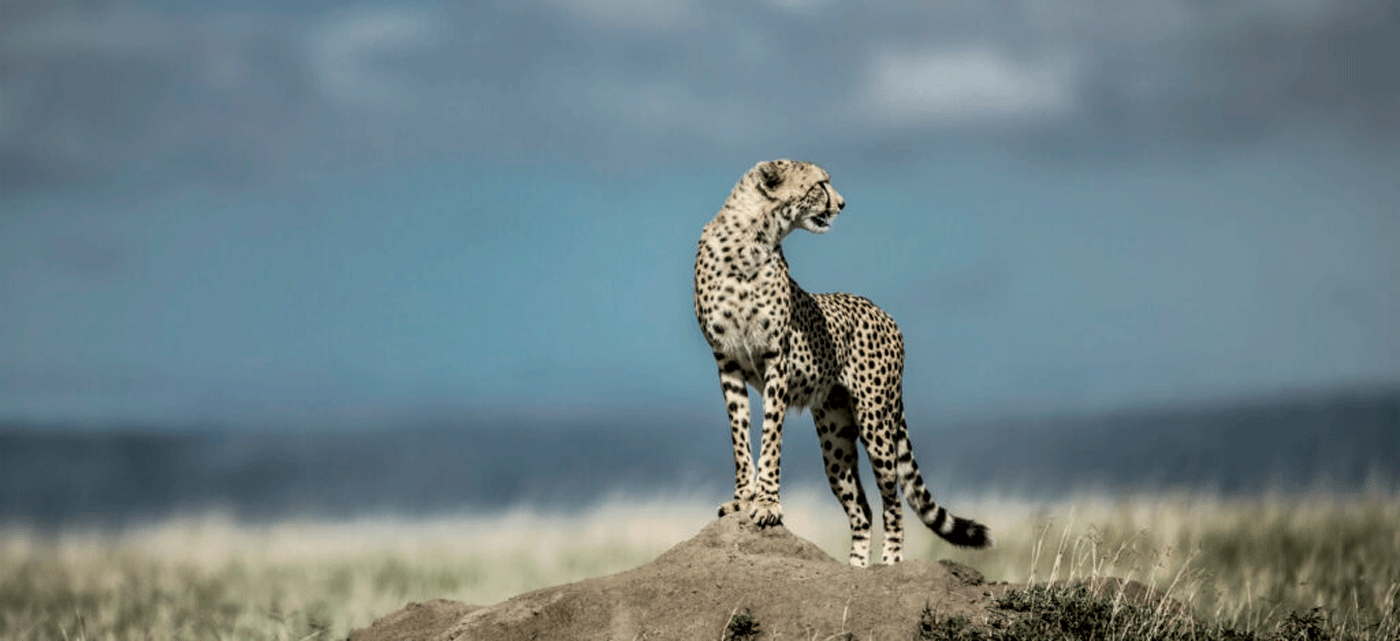
A 3–4 day safari is the best option for most people. It gives you enough time to reach Serengeti, enjoy at least one full game drive, and explore different areas. You will have a better chance of seeing lions, elephants, giraffes and possibly even a leopard or cheetah.
If you choose 5–7 days, your safari becomes much more relaxed and rewarding. You can explore multiple regions of Serengeti, follow wildlife movements and enjoy sunrise and sunset drives without rushing. A smart approach is to include Ngorongoro in your plan since you already pass through it from Karatu. This saves time and adds value to your trip.
In simple terms:
Short trip = rushed experience
Medium trip = balanced experience
Long trip = full adventure
Pick the Best Time to Travel
Choosing the right season is just as important as choosing the number of days. Serengeti looks different throughout the year and your experience will depend heavily on when you go.
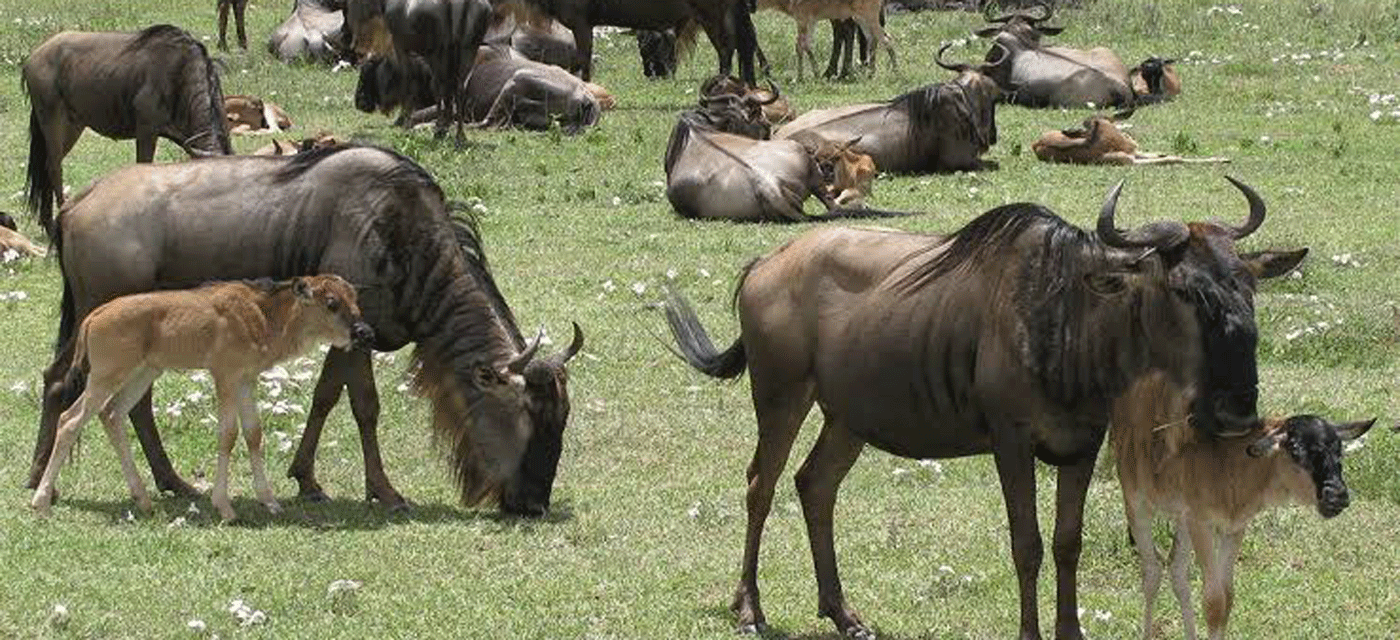
From January to March, the southern Serengeti is full of life because it is calving season. Thousands of wildebeest give birth and predators like lions and cheetahs are very active. This is one of the best times for dramatic wildlife action.
From June to October, it is the dry season. Animals gather around water sources making them easier to spot. This is also when the famous river crossings happen in northern Serengeti. The weather is clear, roads are easier and it is great for first-time visitors.
From November to May the park becomes greener and quieter. There are fewer tourists and prices are often lower. This is a great time for photography because the landscape is fresh and beautiful. Birdwatchers also love this season.
If you are starting from Karatu all seasons are accessible but your destination inside Serengeti may change depending on wildlife movement. Simple way to choose: Want action? → January–March, Want easy viewing? → June–October and Want quiet and budget? → November–May. Timing is not just about weather it decides what you will see.
Choose Your Safari Type
Your safari style determines your comfort level, experience and cost. There are three main types and choosing the right one will make your trip smooth and enjoyable.
A budget safari is the most affordable option. You usually share a safari vehicle with other travelers and stay in campsites or simple lodges. It is a good choice if you want adventure and do not mind basic conditions. You still see the same animals but with less comfort.
A mid-range safari is the most popular option. You stay in comfortable lodges or tented camps with proper beds, bathrooms, and good food. Vehicles are less crowded and guides often give more attention. This option gives a strong balance between price and comfort.
A luxury safari offers the highest level of comfort. You may use small aircraft to fly into Serengeti, stay in premium camps and have private guides. Everything is personalized, from meals to game drives. It is expensive, but very smooth and relaxing.
From Karatu all three options are available and many lodges in the area help organize these safaris. Simple decision Low budget → choose camping, Medium budget → choose lodges and High budget → choose luxury camps or fly-in. The animals are the same but your experience around them changes.
Plan Your Route from Karatu
Karatu is a strategic starting point because it sits between Ngorongoro and Serengeti. A smart route will save time and give you more wildlife experiences. The most common route is Karatu → Ngorongoro Conservation Area → Serengeti On your way you will pass through Ngorongoro highlands which are beautiful and full of wildlife. Many travelers stop at Ngorongoro Crater either on the way in or on the way back.
A typical journey takes 3 to 5 hours depending on your final destination inside Serengeti. Roads can be rough so a 4×4 safari vehicle is necessary. A smart itinerary looks like this:
- Day 1: Karatu to Serengeti (via Ngorongoro)
- Day 2–3: Game drives in Serengeti
- Day 4: Return via Ngorongoro (optional crater tour)
This route allows you to combine two world-class destinations in one trip. You can also adjust your route depending on the season. For example, if migration is in the north your drive will be longer. If animals are in central Serengeti your travel is easier. Simple idea: Always pass through Ngorongoro, Combine parks to save time and Plan stops not just driving. A well-planned route turns travel time into part of the adventure.
Understand Costs and Prepare Properly
A Serengeti safari involves several costs and understanding them helps you plan better and avoid stress. Main costs include Park entry fees (Serengeti and Ngorongoro), Vehicle and fuel, Guide services, Accommodation and Food and drinks
Daily cost estimates: Budget safari $200–350 per person, Mid-range: $400–800 per person and Luxury: $900–2000+ per person Prices vary depending on season, number of days and group size. Traveling in a group usually reduces cost per person. Packing is also very important. Bring: Light clothes in neutral colors, Warm jacket for mornings, Comfortable shoes, Sunscreen and sunglasses, Camera and extra batteries and Binoculars
Avoid hard suitcases soft bags are easier in safari vehicles. Also, carry some cash for tips, small purchases or emergencies. Many remote areas do not accept cards. Simple advice Plan your budget early, Pack smart, not heavy and Expect extra small costs Good preparation makes your safari smooth, safe and enjoyable.
Choose the Right Accommodation Strategy
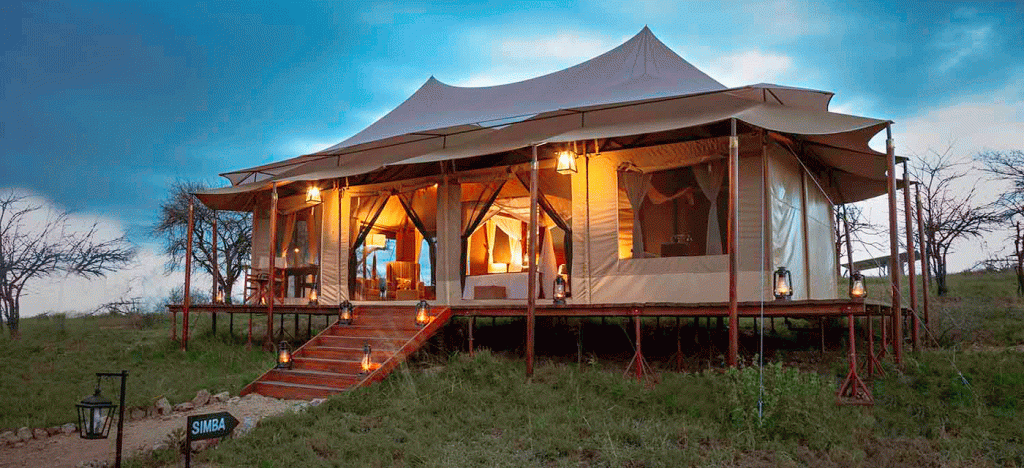
Accommodation is not just about comfort it directly affects your safari experience. Where you stay determines how early you can start game drives how far you travel daily and how much wildlife you see. From Karatu you will likely spend your first or last night there but most of your safari nights will be inside Serengeti or near Ngorongoro.
There are three main accommodation types campsites, lodges and tented camps. Campsites are the most basic and budget-friendly. They offer shared facilities and a closer connection to nature. You will hear animals at night which adds excitement but requires comfort with simple conditions.
Lodges are permanent structures with rooms, bathrooms and dining areas. They are ideal if you want stability, privacy and reliable comfort. Many lodges in and around Serengeti are located in areas with excellent wildlife access. Tented camps are a middle or luxury option. They look like tents but are fully furnished with beds, bathrooms and sometimes even hot showers. They provide a strong safari feeling while still being comfortable.
A smart strategy is to stay inside Serengeti not outside. This reduces driving time and allows early morning game drives when animals are most active. If you stay far outside you may waste hours entering the park. Simple rule Stay close to wildlife areas, Balance cost and location and Prioritize time over luxury Good accommodation planning improves your entire safari.
Work with a Reliable Safari Guide or Operator
Your safari guide is one of the most important parts of your trip. A good guide can turn a normal safari into an unforgettable experience. From Karatu there are many safari operators but not all offer the same quality.
A professional guide knows animal behavior, tracks wildlife, communicates with other drivers and understands the best routes depending on the season. For example they will know where lions are resting where elephants are moving or where migration herds are currently located. A poor guide, on the other hand, may miss sightings, take wrong routes or rush the experience. That is why choosing carefully is important.
When selecting a safari operator: Check reviews and reputation, ask what is included in the price, Confirm vehicle type (4×4 with pop-up roof is best) and Ask about guide experience Booking from Karatu can sometimes be cheaper than booking from abroad and you can even visit offices in person to compare options.
Also communication matters. A good operator listens to your preferences whether you want photography, relaxed drives or intense wildlife tracking. Simple idea Guide quality = safari quality, ask questions before booking and do not choose based on price alone A strong guide ensures you see more, learn more and enjoy more.
Plan Daily Game Drive Strategy
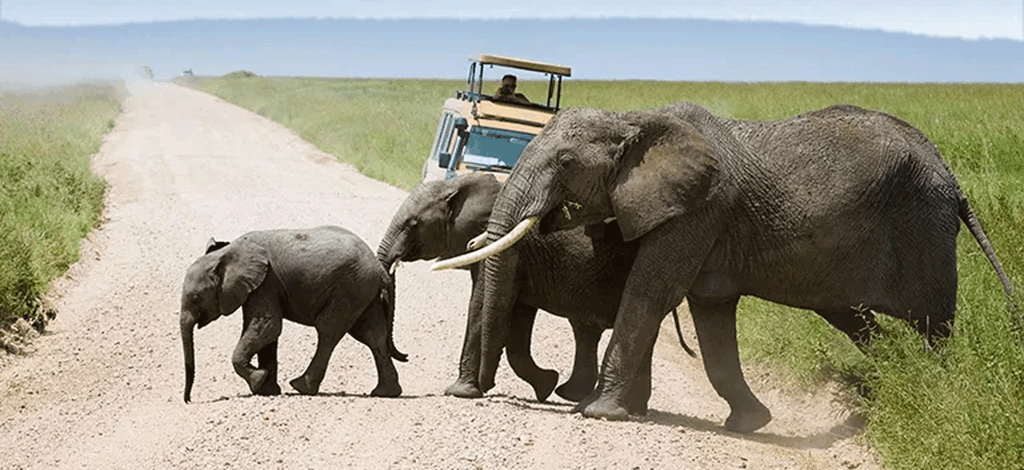
Game drives are the heart of your safari. Planning them properly ensures you see more animals and avoid missing key moments. Many beginners think wildlife appears anytime but timing is very important. The best times for game drives are: Early morning (sunrise to mid-morning) and Late afternoon (before sunset)
During these times, animals are active, hunting, moving or feeding. Midday is usually hot and many animals rest in shade making them harder to spot. A smart daily plan includes Early morning drive (very important) and Break during midday and Afternoon drive. If you stay inside Serengeti you can start early without long travel. If you stay far away you lose valuable time just reaching the wildlife areas.
Also flexibility is important. Sometimes you may follow a predator for hours or stay longer at a sighting. Avoid rigid schedules that rush you. Another tip is to communicate with your guide. If you have specific interests like lions, cheetahs or elephants tell them. They can adjust routes accordingly. Simple strategy: Focus on early and late drives, Stay flexible and Follow wildlife not strict schedules
Well-planned game drives give you the best chance to see the famous Big Five and more.
Understand Park Rules and Logistics
Serengeti and Ngorongoro have strict rules that protect wildlife and ensure safety. Understanding these rules before your trip helps you avoid problems and enjoy a smooth experience. Some key rules include: Do not get out of the vehicle in most areas, do not feed animals, keep noise low, Follow designated tracks and Respect speed limits
These rules are not just formal they protect both you and the animals. Wildlife in Serengeti is wild and unpredictable. Even animals that look calm can react quickly. Entry into Serengeti also involves gates and fees. Your operator usually handles permits and payments but it is good to understand that park fees are charged per day and are a significant part of your budget. Ngorongoro has additional transit or crater fees depending on whether you visit the crater.
Another important detail is timing. Park entry and exit times matter and staying beyond allowed hours may result in extra charges. Simple idea: Follow rules strictly, Let your guide handle logistics and Respect nature at all times. Knowing these basics keeps your safari safe, legal, and stress-free.
Prepare Mentally for the Experience
A Serengeti safari is incredible but it is important to have the right expectations. It is not a zoo and animals do not appear on demand. Some days are full of action while others are quieter. You may drive for hours before spotting a leopard or you may suddenly find a lion hunt happening right in front of you. This unpredictability is part of what makes safari exciting.
Road conditions can be rough, dusty or muddy depending on the season. Long drives are normal especially when moving between locations. Patience is important. Weather also changes. Mornings can be cold, afternoons hot and evenings windy. Being prepared helps you stay comfortable.
Another key mindset is appreciation. Even small moments like watching giraffes walk across the plains or elephants interacting are part of the experience. Do not focus only on rare sightings. Photography lovers should also be patient. Good shots take time, positioning and sometimes luck. Simple mindset Be patient, Enjoy the journey not just highlights and Accept nature as it is
When you approach safari with the right mindset every moment becomes meaningful and memorable.
Frequently Asked Questions About Planning a Serengeti Safari from Karatu
1. Can I go on a Serengeti safari from Karatu?
Yes, Karatu is an excellent starting point for a Serengeti safari. Its location near the Ngorongoro Conservation Area makes it convenient to travel toward Serengeti National Park while also allowing you to combine Ngorongoro and Serengeti in one itinerary.
2. How many days do I need for a Serengeti safari from Karatu?
A 3–4 day safari is a good choice for most travelers. It provides enough time to travel from Karatu to Serengeti enjoy game drives and return without making the trip too rushed. A 5–7 day safari is better for travelers who want to explore more areas and enjoy a slower-paced experience.
3. How long does it take to drive from Karatu to Serengeti?
The drive generally takes several hours depending on where you are staying in Serengeti, road conditions and stops along the way. Traveling to central or northern Serengeti can take longer than reaching the western or southern areas.
4. What is the best time to visit Serengeti from Karatu?
The best time depends on your safari goals. January to March is excellent for the calving season in the southern Serengeti while June to October offers dry weather, easier wildlife viewing and opportunities to see parts of the Great Migration. November to May can be quieter and greener with good conditions for photography and birdwatching.
5. Can I visit Ngorongoro Crater and Serengeti from Karatu?
Yes. Karatu is particularly convenient for combining Ngorongoro Crater and Serengeti in the same safari. A well-planned itinerary can include a crater visit before or after your Serengeti game drives.
6. Is a 2-day Serengeti safari from Karatu enough?
A 2-day safari is possible but it can feel rushed because of the driving distance involved. If your schedule allows spending at least 3–4 days gives you more time for game drives and a better opportunity to experience different parts of the Serengeti.
7. What type of safari can I book from Karatu?
Travelers can choose from budget, mid-range and luxury safari experiences. Budget trips often use campsites and shared vehicles, mid-range safaris typically include comfortable lodges or tented camps while luxury safaris offer premium accommodation, private services and in some cases flights into Serengeti.
8. Should I stay inside Serengeti during my safari?
Staying inside Serengeti can be a major advantage because it reduces the time spent traveling to wildlife areas. It also makes it easier to enjoy early morning and late afternoon game drives when wildlife is often more active.
9. What should I pack for a Serengeti safari from Karatu?
Pack comfortable lightweight clothing a warm jacket for cool mornings, comfortable walking shoes, sunscreen, sunglasses, a camera, extra batteries and binoculars. A soft-sided travel bag is generally more practical than a hard suitcase for safari vehicles.
10. Do I need a 4×4 vehicle for a Serengeti safari?
A 4×4 safari vehicle is strongly recommended because some roads can be rough, dusty or muddy depending on the season. A quality safari vehicle with a pop-up roof also provides a good setup for wildlife viewing and photography.
11. What animals can I see on a Serengeti safari from Karatu?
Depending on the season and location, you may see lions, elephants, giraffes, zebras, wildebeest, buffalo, cheetahs, leopards and many other species. Wildlife sightings are never guaranteed because the Serengeti is a natural environment.
12. What are the best times of day for Serengeti game drives?
Early morning and late afternoon are generally excellent times for game drives. Wildlife can be particularly active during the cooler parts of the day while many animals become less active during the hotter midday hours.
13. How much does a Serengeti safari from Karatu cost?
The price varies according to the number of days, accommodation, season, group size, vehicle, park fees and safari style. Budget safaris generally cost less than mid-range and luxury experiences. It is best to request a detailed quotation that clearly explains what is included.
14. Can Serengeti Travels organize a safari from Karatu?
Yes, Serengeti Travels can help organize a Serengeti safari from Karatu, including itinerary planning, transportation, accommodation and game drives. The itinerary can be adjusted according to your travel dates, budget and preferred safari experience.
15. Is Serengeti safe for first-time safari travelers?
Yes, Serengeti can be safely enjoyed by first-time visitors when travelers follow park regulations and the instructions of their professional safari guide. Visitors should remain inside the vehicle in designated areas avoid feeding wildlife and respect the park’s rules.
16. Can I see the Great Migration on a Serengeti safari from Karatu?
Yes, but the best area to visit depends on the time of year because the migration follows seasonal patterns. Your safari route should be planned around the expected location of the herds rather than assuming they will be in one specific area throughout the year.
17. Is Karatu a good place to start a Tanzania safari?
Yes. Karatu is strategically located near Ngorongoro and provides convenient access toward Serengeti. Starting there can make it easier to combine these destinations while reducing unnecessary travel compared with some longer starting routes.
18. Why should I book a Serengeti safari from Karatu with Serengeti Travels?
Booking with Serengeti Travels can help simplify the planning process by bringing together transportation, accommodation, game drives and itinerary planning. A knowledgeable local safari team can also help choose routes and timing based on your interests and the season.
Conclusion
A Serengeti safari from Karatu with Serengeti Travels is more than just a journey it is a carefully planned experience that rewards preparation and smart decisions. By starting in Karatu you place yourself in a strong position to explore two of Tanzania’s most iconic destinations Ngorongoro and Serengeti. This advantage allows you to spend less time traveling and more time focusing on what truly matters wildlife and nature.
Throughout this guide the key idea remains simple: planning determines experience. Choosing the right number of days ensures you are not rushed. Picking the right season increases your chances of seeing the wildlife you are most interested in. Selecting the right safari type helps balance comfort and budget while a well-planned route allows you to use your time efficiently. Serengeti Travels can help travelers organize these important details into a practical safari experience from Karatu.
Equally important is understanding the smaller details. Accommodation location, guide quality, daily game drive timing and even your mindset all play a role in shaping your safari. These factors may seem minor at first but together they define whether your trip feels stressful or smooth, limited or unforgettable. With Serengeti Travels careful planning helps create a safari that is comfortable, organized and focused on experiencing Tanzania’s remarkable wildlife.
It is also important to remember that the Serengeti is a natural environment. There are no guarantees and that is part of its beauty. Every game drive is different and every sighting is unique. When you stay patient and open to the experience even the simplest moments can become meaningful memories.