 English
 Deutsch
 Italia
May 14, 2026
Hidden gems of Serengeti National Park
Introduction
Hidden Gems of Serengeti National Park reveal a side of this iconic wildlife destination that many travelers never experience. The Serengeti National Park is famous for its endless golden plains, dramatic predator encounters and the world-renowned Great Migration. However popular safari routes represent only a small part of what this vast ecosystem offers.
Beyond the well-known areas lies a quieter and more diverse world filled with remote landscapes, unique wildlife behavior and seasonal changes. These hidden gems provide opportunities to escape busy game-viewing areas and experience the Serengeti with greater peace and privacy.
The park covers more than 14,000 square kilometers so many regions receive fewer visitors because of their distance or limited publicity. Exploring these areas can create rewarding safari experiences with uninterrupted wildlife viewing and excellent photography opportunities.
The Serengeti also contains far more than open grasslands. Volcanic plains, river valleys, rocky kopjes, woodlands, wetlands and highland areas create different habitats for wildlife. Each environment supports distinct species and behaviors making every region feel unique.
Some remote areas provide excellent opportunities to watch predators while others offer migration sightings or encounters with elusive animals such as leopards and black rhinos. Lower visitor numbers can also make wildlife encounters feel more natural.
Exploring hidden areas can support conservation by spreading tourism beyond heavily visited locations. This approach can reduce pressure on popular zones and help protect sensitive habitats.
Ultimately discovering the hidden Serengeti means slowing down, observing carefully and appreciating the park beyond its famous highlights. It allows travelers to experience the depth, diversity and natural beauty that make the Serengeti truly extraordinary.
Table of contents
Ndutu region
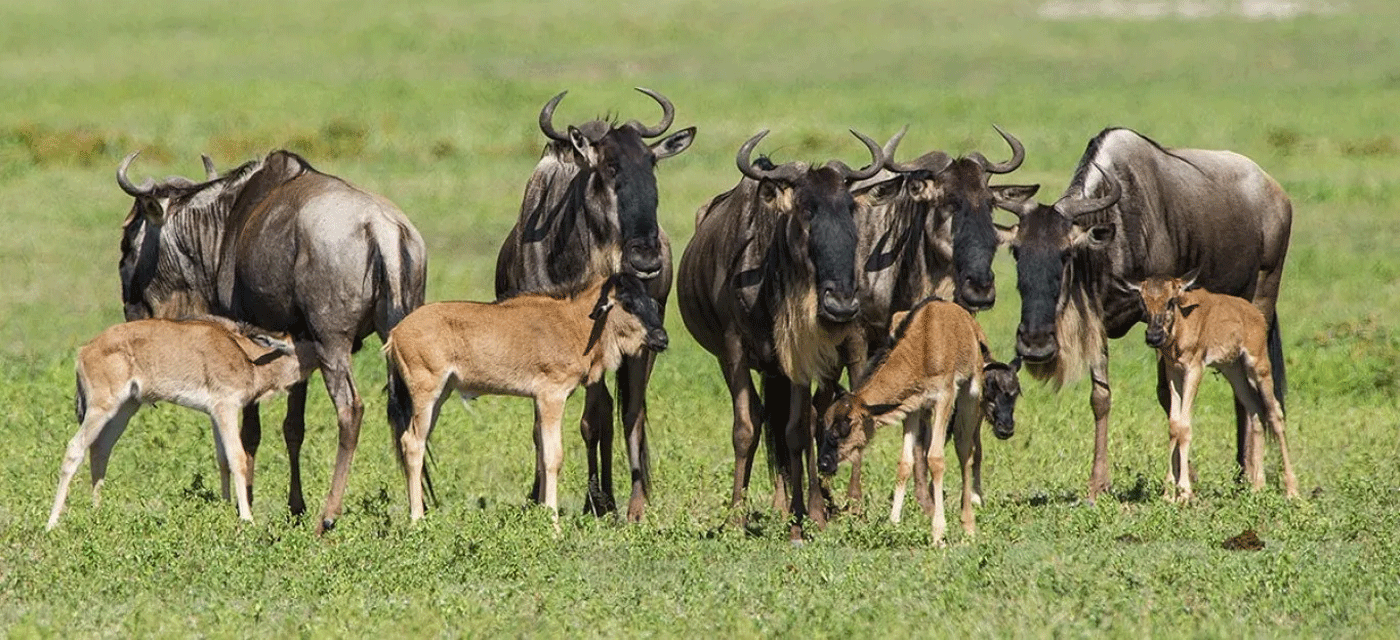
The Ndutu Region stands among the most biologically important and emotionally powerful areas in the Serengeti ecosystem. Located on the southern plains near the Ngorongoro Conservation Area Ndutu becomes the heart of the Great Migration during the calving season. From December to March more than a million wildebeest gather across nutrient-rich short-grass plains creating one of Africa’s greatest wildlife spectacles.
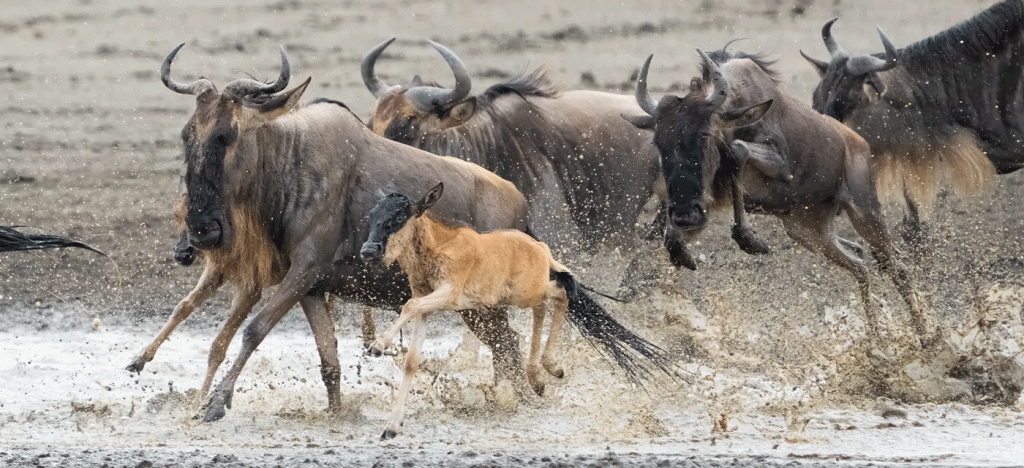
Wildebeest give birth to hundreds of thousands of calves within a few weeks. This synchronized calving strategy helps overwhelm predators with large numbers of vulnerable young. However the abundance of newborns also attracts intense predator activity.
Lions patrol the open plains in prides and work together to target vulnerable calves. Cheetahs use the open landscape to chase young wildebeest, while hyenas hunt and scavenge in active clans. Leopards move quietly through nearby acacia woodlands adding another layer of excitement to the ecosystem.
Ndutu’s flat terrain gives visitors excellent visibility of wildlife behavior. Open grasslands, seasonal wetlands, alkaline lakes and scattered woodlands create diverse habitats for herbivores, predators and birds. Flamingos pelicans and other migratory species also gather around seasonal water sources.
Designated off-road driving areas provide another major advantage. Safari vehicles can follow wildlife movements more closely, increasing opportunities to observe hunting, courtship, territorial behavior and other natural interactions.
What truly makes Ndutu unforgettable is its constant drama. New life danger and survival unfold every day creating an authentic safari experience. For travelers seeking wildlife diversity, powerful encounters and deeper insight into nature Ndutu remains one of the Serengeti’s most remarkable hidden gems.
Moru kopjes
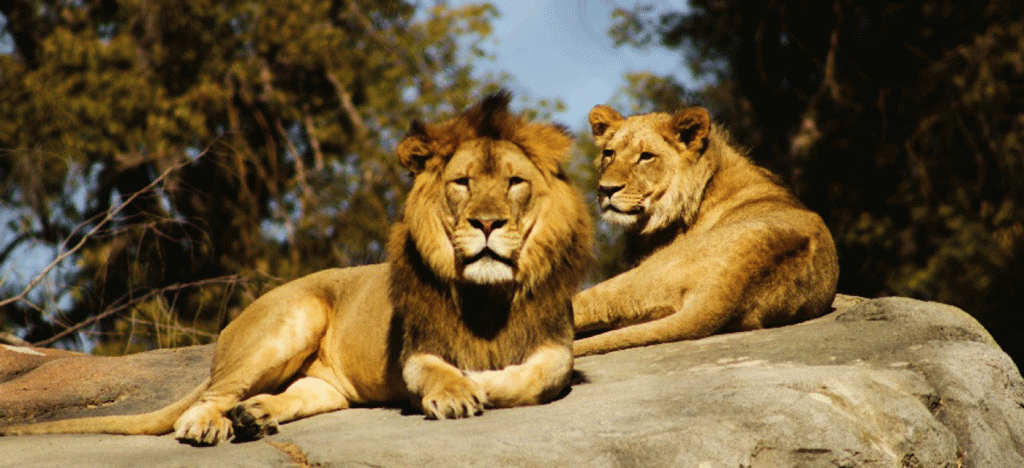
The Moru Kopjes stand among the most striking geological and wildlife landmarks in Serengeti National Park. Rising above the surrounding plains these massive granite formations date back more than 500 million years and represent some of the oldest exposed rocks in East Africa.
Moru Kopjes create a dramatic contrast to the Serengeti’s open grasslands. Their rocky surfaces provide natural shelters, shaded resting places, caves and elevated viewpoints that attract wildlife throughout the year. Lions regularly use these rocks as resting platforms where they conserve energy while watching wildebeest, zebras and antelopes move across the plains. Their elevated position gives predators an excellent advantage when searching for potential prey.
Moru also supports one of Serengeti’s most important black rhinoceros populations. The rocky terrain offers these critically endangered animals a relatively secure refuge although sightings remain rare and highly rewarding. Leopards also thrive around Moru because rocky crevices, scattered trees and vegetation provide excellent places to hide, rest and stalk prey.
During migration periods, enormous wildebeest and zebra herds cross the surrounding plains and attract numerous predators. Resident giraffes, elephants and antelopes continue to keep the area active outside migration seasons.
Moru Kopjes also preserve traces of human history through ancient Maasai rock paintings found in sheltered areas. These paintings reveal the longstanding relationship between people and the Serengeti landscape.
At sunset warm golden light transforms the granite rocks while wildlife moves across the distant plains. Moru Kopjes combines ancient geology, exceptional wildlife, cultural heritage and unforgettable scenery in one remarkable Serengeti destination..
Grumeti western corridor
The Grumeti Western Corridor stands among the most dramatic yet less crowded regions of the Serengeti ecosystem. Located in western Serengeti National Park this remote area supports the Great Migration as millions of wildebeest and zebras move across its plains between May and July.
The Grumeti River creates the region’s most famous wildlife spectacle. Large Nile crocodiles wait beneath the water as migrating herds approach the riverbanks. When animals enter the water crocodiles can launch sudden attacks turning the crossing into a powerful struggle for survival.
Grumeti also offers an exclusive safari experience. Private concessions and controlled tourism areas limit vehicle numbers allowing visitors to observe wildlife without the congestion common in busier safari zones. This quieter setting creates better opportunities to watch natural behavior for longer periods.
The landscape combines open grasslands, rolling woodlands and riverine forests. Elephants travel through forest corridors, buffalo graze across the plains and hippos gather in deep river pools. These habitats also support strong predator populations. Lions hunt around water sources hyenas follow migrating herds while leopards use wooded riverbanks for shelter and ambushes.
Birdwatchers can spot fish eagles, kingfishers, herons and storks around rivers and wetlands. Their calls blend with flowing water and distant wildlife sounds creating a distinctive wilderness atmosphere.
Grumeti delivers spectacular sunsets as golden light spreads across the plains and water channels. Its combination of migration drama, diverse wildlife, peaceful landscapes and limited crowds makes the Grumeti Western Corridor a remarkable Serengeti destination for travelers seeking a more intimate safari experience.
Lobo highlands
The Lobo Highlands offer one of the most peaceful and less explored safari experiences in Serengeti National Park. Located in the northern Serengeti, between the central plains and the Kenya border, Lobo combines rolling hills, granite outcrops, river valleys and woodlands to create a diverse and scenic wilderness.
Unlike the open landscapes of Ndutu or the rocky Moru Kopjes Lobo presents a more varied terrain. Granite formations rise above the hills while valleys and woodland provide shelter for wildlife. This landscape supports elephants, giraffes, impalas, elands and topis which move between open grazing areas and thicker vegetation.
Predators also inhabit Lobo although the terrain can make them harder to find. Lions patrol their territories and often use vegetation for cover while leopards move quietly through wooded areas and rocky slopes. Cheetahs appear occasionally in the more open sections where they can hunt effectively.
Lobo also forms part of the seasonal Great Migration corridor. As wildebeest and zebras move between Tanzania and Kenya large herds can pass through the region during certain periods. Resident wildlife keeps the area rewarding even when migrating herds move elsewhere.
What truly distinguishes Lobo is its low tourism pressure. Fewer vehicles create quieter game drives and allow visitors to experience wildlife without the crowds found in central Serengeti. Early mornings can feel especially tranquil as mist settles over the valleys and birds fill the air with calls.
Birdwatchers can also enjoy hornbills, eagles and other woodland species. Lobo Highlands appeals to travelers who value space, silence and authentic wilderness over busy wildlife-viewing areas.
Gol kopjes
The Gol Kopjes form one of the most important predator zones in central Serengeti especially for cheetahs. Rocky outcrops rise from open grasslands creating an ideal hunting environment where high-speed predators can track prey across wide distances.
The open landscape gives cheetahs excellent visibility. They scan the plains for Thomson’s gazelles, young wildebeest and other vulnerable prey before launching rapid pursuits. The rocky formations also provide elevated viewpoints allowing cheetahs to observe herds and identify the right moment to begin a chase.
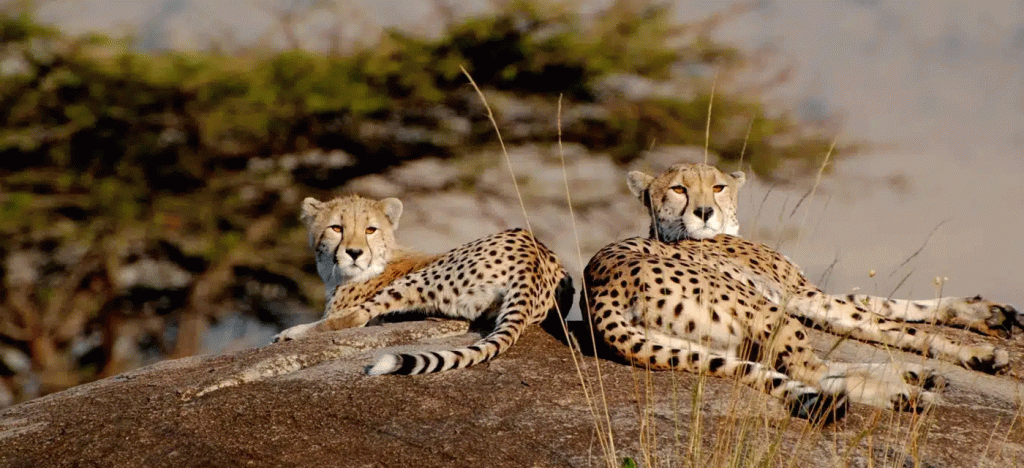
Cheetahs often appear around Gol Kopjes sometimes accompanied by cubs that learn essential hunting skills by watching their mothers. These encounters offer valuable insight into how young predators develop the abilities they need to survive.
Lions also patrol the area. During the heat of the day they rest beside rocky shelters before becoming more active during cooler hours. They use the terrain to hide, approach prey and coordinate hunting strategies.
Migration periods can make Gol Kopjes even more dynamic. Large herds of wildebeest and zebras move through nearby plains, attracting lions, cheetahs, hyenas and other predators. Their presence increases competition and creates frequent opportunities to witness natural behavior.
The kopjes also support smaller wildlife. Rock cracks and crevices provide shelter while birds such as eagles and vultures circle overhead. These rocky habitats create small ecosystems within the wider plains.
Although Gol Kopjes supports abundant wildlife it often feels quieter than busier Serengeti areas. Its predators, open landscapes and dramatic rocks make it a fascinating hidden gem for wildlife viewing and photography.
Seronera hidden valleys
While Seronera ranks among the busiest safari areas in Serengeti National Park it also hides quiet valleys that many visitors miss. These secluded pockets attract abundant wildlife while giving travelers a more peaceful experience away from the main safari routes.
The Seronera River system provides permanent water throughout the year attracting wildlife even during dry periods. Beyond the popular roads, smaller valleys, drainage channels and riverbanks create sheltered habitats where animals feed, rest and hunt with less vehicle activity.
These hidden valleys provide excellent opportunities to spot big cats. Leopards often rest in trees along riverbanks particularly during the cooler morning and late afternoon hours. Lions move through the valleys as they patrol territories and search for prey. Hyenas also travel through these areas in clans creating frequent competition with lions over food and territory.
The combination of easy access and solitude makes these valleys particularly rewarding. Although they lie close to established safari routes experienced guides can take visitors toward quieter areas where wildlife behaves more naturally. You may watch animals without the concentration of vehicles found around popular viewing points.
The vegetation changes across the valleys with riverine forests, acacia woodlands and open grasslands supporting diverse wildlife. Impalas, zebras and warthogs graze across open areas while predators patrol nearby.
Birdwatchers can also enjoy excellent sightings. Kingfishers, herons, hornbills and raptors use the trees and waterways for feeding and shelter.
The greatest attraction remains unpredictability. A quiet river bend in the morning can become a busy hunting ground later in the day proving that even popular Seronera still holds genuine wilderness.
Retina hippo pool surroundings
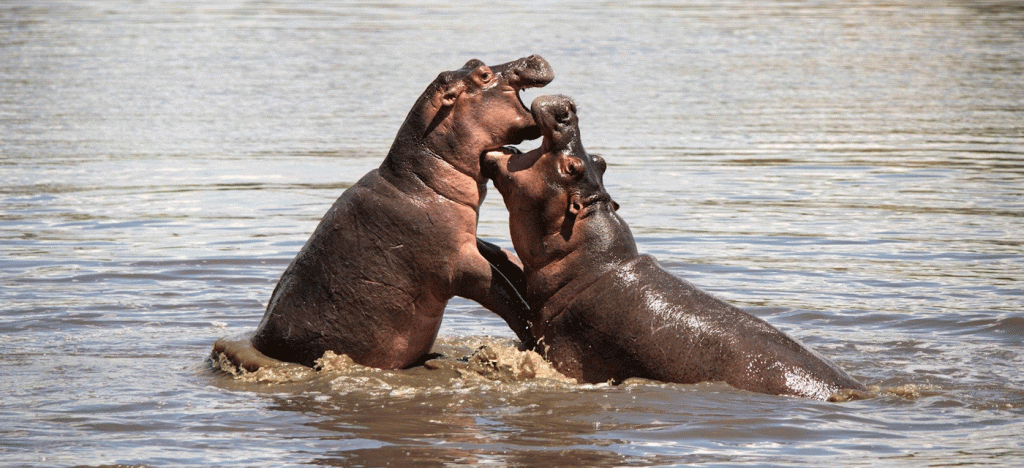
The Retina Hippo Pool area ranks among the most concentrated wildlife water points in central Serengeti, yet its greatest hidden value lies beyond the main viewing platform. While visitors often gather around the pool to watch hippos packed into the muddy water, the surrounding river corridors reveal a quieter and more natural side of the ecosystem.
These lesser-known stretches support constant interactions between water-dependent animals and predators. Hippos move between deeper channels throughout the day, creating movement and distinctive sounds. Along quieter riverbanks, crocodiles rest on sandbanks while buffalo and antelope approach the water cautiously during cooler hours.
Dense riverine vegetation adds another layer to the experience. Tall trees, reeds and thick grasses provide excellent cover for lions and leopards. Lions regularly patrol the river edges particularly in the early morning when animals gather near water. Leopards remain harder to spot but shaded trees offer them ideal resting and hunting locations.
The Retina surroundings also serve as a year-round wildlife magnet because reliable water attracts animals even when other areas become dry. This dependable resource supports predators, herbivores, reptiles and numerous bird species throughout the year.
Birdwatchers can find kingfishers diving for fish, fish eagles scanning from tall trees and herons and storks feeding along the water’s edge. During wetter periods rising water levels can attract even more birdlife.
What makes the Retina surroundings a true hidden gem is selective exploration. Moving beyond the busy viewing point allows visitors to experience quieter trails, natural wildlife behavior and beautiful early-morning or late-afternoon light. This calmer setting creates a more immersive safari experience and excellent opportunities for photography.
Kusini plains
The Kusini Plains in the southwestern Serengeti remain one of the least explored areas of the ecosystem. Unlike the better-known Ndutu Plains to the southeast Kusini receives limited safari traffic because of its remote location. Yet this quiet region plays an important role in seasonal wildlife movements and predator activity.
Wide open grasslands dominate Kusini, stretching toward distant horizons and creating excellent visibility across the landscape. Scattered acacia trees and shallow depressions add small variations that collect seasonal water and provide valuable resources for wildlife. During transitional migration periods, these plains support wildebeest, zebras, gazelles and other herbivores.
Wildebeest and zebras move through Kusini as they travel between the southern calving grounds and central Serengeti. Instead of forming massive concentrations however many herds travel in smaller scattered groups. This pattern creates a peaceful safari experience and allows visitors to observe natural movement without heavy vehicle congestion.
Predators also use Kusini’s open terrain. Lions patrol expansive territories and often use tall grass to approach prey. Cheetahs take advantage of the wide visibility, particularly during cooler morning hours, while hyenas cover large distances to locate feeding opportunities.
The area’s low human presence gives wildlife greater freedom to behave naturally. Animals can feed, interact, rest and hunt with less disturbance. Raptors including eagles scan the open plains from above.
Most importantly, Kusini offers space, silence and authentic wilderness. Rather than dramatic crowds or constant action, it reveals the Serengeti through subtle movements, natural sounds and uninterrupted wildlife behavior.
Ikorongo game reserve edge
The Ikorongo area lies along the western edge of the Serengeti ecosystem creating a natural transition between Serengeti National Park and surrounding conservation landscapes. This position gives Ikorongo an important ecological role as a wildlife corridor where animals move freely while tourist activity remains much lower than in the central safari areas.
Ikorongo combines wooded savannah, open grasslands and bush-covered hills creating diverse habitats for wildlife. Elephants move through the wooded sections often traveling in small family groups. Buffalo graze across open clearings, while impalas and waterbucks use areas where woodland gradually meets grassland. This habitat diversity allows many species to share the region while using different parts of the landscape.
Predators also patrol Ikorongo although visitors often find them harder to spot because dense vegetation provides plenty of cover. Lions travel across large territories as they search for prey while leopards take advantage of thick vegetation to stalk animals from concealed positions. The area generally favors leopards more than cheetahs because the terrain offers greater cover than the open plains where cheetahs excel.
Ikorongo also strengthens the Serengeti ecosystem by connecting the national park with neighboring conservation areas. Wildlife can move between these landscapes, supporting healthy populations, genetic diversity and long-term ecological balance.
Birdwatchers can explore rich birdlife across Ikorongo with wooded habitats attracting hornbills, turacos and raptors. Seasonal changes transform the landscape throughout the year. Rain brings dense green vegetation while dry conditions improve visibility and reveal animal trails and movement routes. Ikorongo offers a quieter safari setting where visitors can experience Serengeti wildlife in a more natural and uninter
Fort ikoma area
Fort Ikoma sits along the western boundary of the Serengeti ecosystem and forms an important transition zone between Serengeti National Park and the surrounding conservation areas. Unlike the central plains and northern migration corridors, Fort Ikoma combines wilderness edges, wildlife movement routes and relatively low human disturbance, creating an authentic safari environment.
The landscape combines open savannah, dense thickets and scattered woodland. This diverse habitat gives wildlife plenty of places to feed, rest, hide and travel between territories. Although Fort Ikoma lacks the dramatic scenery of Ndutu or Moru Kopjes, its natural environment supports constant wildlife movement and ecological activity.
Elephants frequently travel through the area in family groups, moving between woodland patches and open clearings as they search for food and water. Buffalo also form large herds particularly during dry periods when animals concentrate around reliable resources.
Impalas, topis and hartebeests thrive across the mixed terrain. These herbivores use open areas for feeding and nearby vegetation for shelter while predators follow their movements. Lions roam through Fort Ikoma in search of prey although sightings can prove less predictable than in central Serengeti. Leopards benefit from the area’s trees and thick vegetation which provide excellent resting and hunting locations.
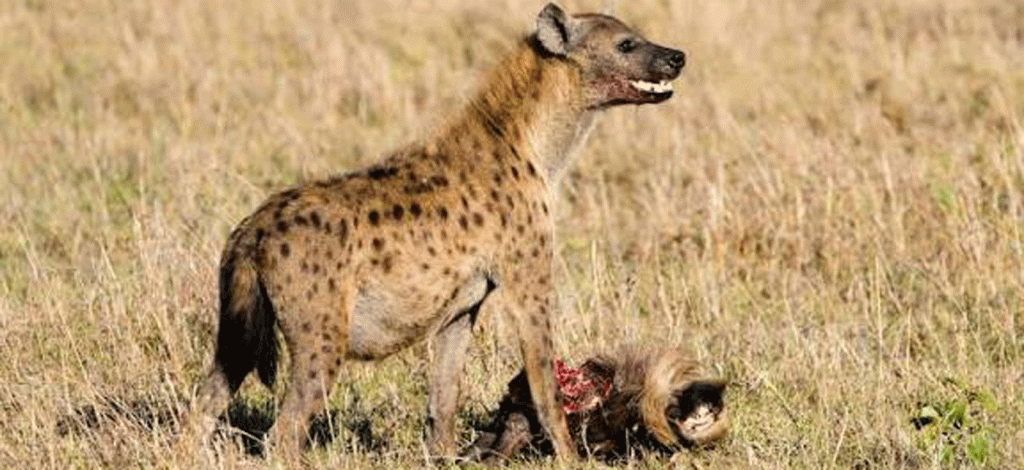
Hyenas patrol wide territories and take advantage of scattered prey movements. Birdwatchers can also find hornbills, eagles and woodland kingfishers among the area’s varied habitats.
Fort Ikoma also functions as a wildlife movement corridor connecting Serengeti National Park with nearby conservation landscapes. Seasonal changes transform the region as wet periods produce lush vegetation while dry months improve visibility and tracking conditions.
With fewer safari vehicles than central Serengeti Fort Ikoma offers quieter wildlife encounters and reveals the wild frontier where Serengeti connects with the wider ecosystem.
Frequently Asked Questions
What are the hidden gems of Serengeti National Park?
The hidden gems of Serengeti National Park include Ndutu, Moru Kopjes, Grumeti Western Corridor, Lobo Highlands, Gol Kopjes, Seronera hidden valleys, Retina Hippo Pool surroundings, Kusini Plains, Ikorongo and Fort Ikoma. These areas offer diverse landscapes, wildlife and quieter safari experiences away from the busiest routes.
Which hidden gem is best for the Great Migration?
Ndutu is one of the best hidden areas for experiencing the Great Migration during the calving season from December to March. The region attracts large wildebeest herds and intense predator activity as thousands of calves are born.
Is Ndutu part of Serengeti National Park?
Ndutu lies within the greater Serengeti ecosystem near the boundary of Serengeti National Park and the Ngorongoro Conservation Area. Its location makes it an important seasonal area for the Great Migration and calving season.
What wildlife can I see around Moru Kopjes?
Moru Kopjes supports lions, leopards, black rhinos, elephants, giraffes and various antelope species. The granite formations provide important shelter, resting places and elevated viewpoints for wildlife.
When is the best time to visit the Grumeti Western Corridor?
The Grumeti Western Corridor is especially rewarding from May to July when migrating wildebeest and zebras move through the region. The Grumeti River can provide dramatic wildlife encounters involving crocodiles and migrating herds.
Why is Lobo Highlands considered a hidden gem?
Lobo Highlands offers rolling hills, granite outcrops, woodland and valleys with fewer safari vehicles than central Serengeti. Its quieter atmosphere makes it appealing to travelers seeking peaceful wildlife viewing.
Which Serengeti area is best for seeing cheetahs?
Gol Kopjes is particularly known for cheetah sightings because its open plains provide excellent visibility and hunting conditions. The surrounding rocky formations also give predators useful elevated viewpoints.
Can I find quiet areas in Seronera?
Yes. Although Seronera is one of the busiest safari areas in Serengeti National Park, smaller valleys, riverbanks and drainage areas can provide quieter wildlife-viewing opportunities away from the main routes.
What can I see around the Retina Hippo Pool?
The Retina Hippo Pool surroundings support hippos, crocodiles, buffalo, antelopes, lions, leopards and many bird species. Exploring areas beyond the main viewing point can provide a quieter experience and more natural wildlife behavior.
Why visit the Kusini Plains?
Kusini Plains offers open landscapes, low safari traffic and seasonal wildlife movement. Wildebeest, zebras, gazelles, lions, cheetahs and hyenas can occur across the area making it suitable for travelers seeking a more peaceful Serengeti experience.
What makes Ikorongo important to the Serengeti ecosystem?
Ikorongo acts as an important transition and wildlife movement area between Serengeti National Park and surrounding conservation landscapes. Its combination of woodland, grassland and hills supports elephants, buffalo, antelopes and predators.
What can I see in the Fort Ikoma area?
Fort Ikoma supports elephants, buffalo, impalas, topis, hartebeests, lions, leopards and hyenas. Its mixed habitats and location near the western Serengeti boundary also make it an important wildlife movement area.
Are the hidden areas of Serengeti less crowded?
Many lesser-known areas receive fewer vehicles than famous safari locations, although visitor numbers vary by season and location. Traveling with an experienced guide can help identify quieter areas and improve opportunities for natural wildlife viewing.
Are the hidden gems suitable for photography?
Yes. These regions offer varied photography opportunities including wildlife, granite kopjes, migration scenes, river landscapes, predators and expansive savannahs. Lower vehicle concentrations in some areas can also create more peaceful photographic conditions.
Can hidden Serengeti areas be visited throughout the year?
Many areas can be visited year-round, but the best experience depends on the region and seasonal wildlife movements. Ndutu is especially important during calving season while Grumeti becomes particularly interesting during the western migration period.
How do hidden gems support responsible tourism?
Spreading safari activities across different areas can help reduce pressure on heavily visited locations. Responsible tourism can also increase appreciation for less-known habitats and contribute to conservation across the wider Serengeti ecosystem.
How can I explore the hidden gems of Serengeti National Park?
You can explore these areas through a well-planned safari that matches your travel dates with seasonal wildlife movements. Working with a knowledgeable local operator such as Serengeti Travels can help you include lesser-known regions while balancing wildlife viewing, travel time and accommodation.
Conclusion
The hidden gems of the Serengeti reveal a deeper and more complete picture of this extraordinary ecosystem. While many travelers focus on endless plains, famous predators and dramatic river crossings these lesser-known regions show how diverse and interconnected the Serengeti truly is.
Ndutu highlights the intensity of the calving season while Moru Kopjes combines ancient rock formations with important wildlife habitats. Grumeti provides a quieter migration corridor and Lobo Highlands offers remote landscapes with fewer visitors. Gol Kopjes supports specialized predators such as cheetahs while Seronera’s hidden valleys create peaceful pockets within one of the busiest safari areas.
The Retina surroundings demonstrate how permanent water sources sustain wildlife while Kusini Plains support quieter seasonal movements. Ikorongo forms an important ecological buffer and Fort Ikoma connects the Serengeti with surrounding wilderness areas.
Together these regions show that the Serengeti functions as a network of interconnected habitats rather than a single landscape. They support migration, breeding, predator-prey relationships and long-term ecological balance.
Exploring these hidden areas also changes the way travelers experience safari. Instead of rushing between famous sightings, visitors can slow down, observe animal behavior and appreciate natural patterns that unfold over time. This approach creates a more authentic connection with the wilderness.
For Serengeti Travels showcasing these lesser-known areas also supports responsible tourism. Spreading safari activities across different regions can reduce pressure on heavily visited locations while creating greater appreciation for sensitive habitats. These hidden gems prove that the Serengeti’s greatest stories often unfold away from its most famous landmarks.