 English
 Deutsch
 Italia
May 15, 2026
How to Plan the Perfect Serengeti Safari Adventure
Introduction
How to Plan the Perfect Serengeti Safari Adventure begins with more than booking transport, accommodation and game drives. It requires thoughtful decisions that turn a simple trip into a memorable journey through one of Africa’s most iconic wildlife destinations. The Serengeti offers vast golden plains, dramatic skies, diverse wildlife and natural landscapes that create an authentic safari experience.
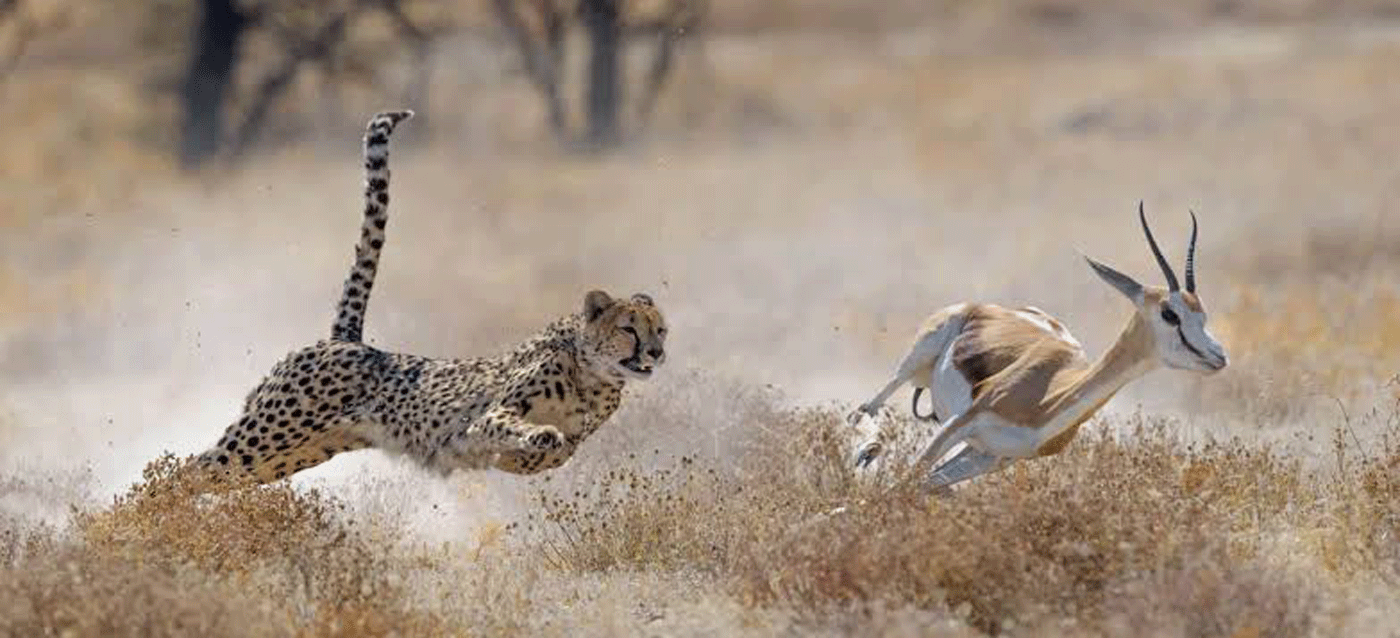
The Serengeti remains a living ecosystem where wildlife moves freely and nature follows its own rhythm. You may watch giraffes feeding on acacia trees before encountering lions hunting across the plains. These unexpected moments make every safari unique and create experiences that no fixed schedule can guarantee.
However careful planning can greatly improve your chances of experiencing the Serengeti at its best. Choosing the right travel dates, safari areas, activities and accommodation helps you stay close to important wildlife movements. Good planning can also help you experience highlights such as the Great Migration while avoiding unnecessary travel between distant areas.
Your personal travel style also matters. Some travelers prefer luxury lodges, private vehicles and personalized services, while others value adventure, flexibility and affordable accommodation. Understanding your priorities allows you to create a safari that matches your expectations and budget.
This guide explains how to plan every important part of your Serengeti safari. It covers the best time to visit, where to stay, how to choose safari activities, what to budget and how to understand wildlife patterns. With the right preparation, you can travel with confidence, make better decisions and enjoy a more rewarding Serengeti experience from start to finish.
Table of contents
- Introduction
- Understanding the Serengeti
- Choosing the Best Time to Visit
- Deciding How Long to Stay
- Choosing the Right Safari Style
- Selecting the Best Accommodation
- Planning Your Safari Activities
- Understanding Wildlife and Expectations
- Budgeting for Your Safari
- Packing for the Serengeti
- Health and Safety Considerations
- Booking Your Safari
- Why the Serengeti Stands Above the Rest
- Conclusion
Understanding the Serengeti
The Serengeti stands among the world’s most remarkable ecosystems because it supports extraordinary wildlife while maintaining a remarkable ecological balance. For millions of years, predators, herbivores, vegetation, water and climate have interacted in ways that sustain this dynamic environment. Today visitors can experience these natural relationships across a landscape that remains largely untouched.
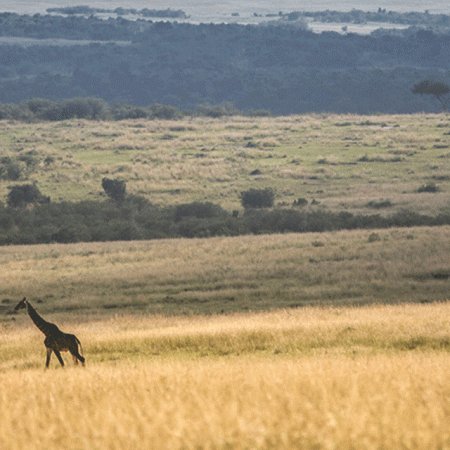
Covering approximately 14,750 square kilometers the Serengeti creates an incredible sense of space. Vast open plains allow wildlife to move freely without artificial barriers enabling animals to follow natural patterns of migration, hunting, feeding and social interaction. This freedom makes every game drive unpredictable and rewarding.
Different regions of the park offer distinct landscapes and wildlife experiences. The southern plains produce nutritious short grass that attracts large herds of wildebeest and zebras during the calving season. Central Serengeti, particularly the Seronera area, provides reliable water and supports wildlife throughout the year. Its permanent resources also attract many predators making it a popular area for game viewing.
The western corridor combines rivers, woodland and thicker vegetation creating important habitats during the Great Migration. Migrating animals face challenging river crossings where crocodiles create additional dangers. Northern Serengeti offers a more remote atmosphere, fewer visitors and excellent opportunities for wildlife encounters.
The Great Migration drives the Serengeti’s annual rhythm. More than a million wildebeest, accompanied by zebras and gazelles continually move between grazing areas as they search for fresh grass and water. Understanding these regional patterns helps travelers choose the right location and season for their safari. With careful planning, visitors can experience the Serengeti’s wildlife, landscapes and natural cycles at their most impressive.
Choosing the Best Time to Visit
Choosing the right time to visit the Serengeti can shape your entire safari experience. Each season brings different weather, wildlife activity and migration patterns. Understanding these seasonal changes helps you plan around your interests whether you want to witness the Great Migration, calving season, predator action or enjoy fewer crowds.
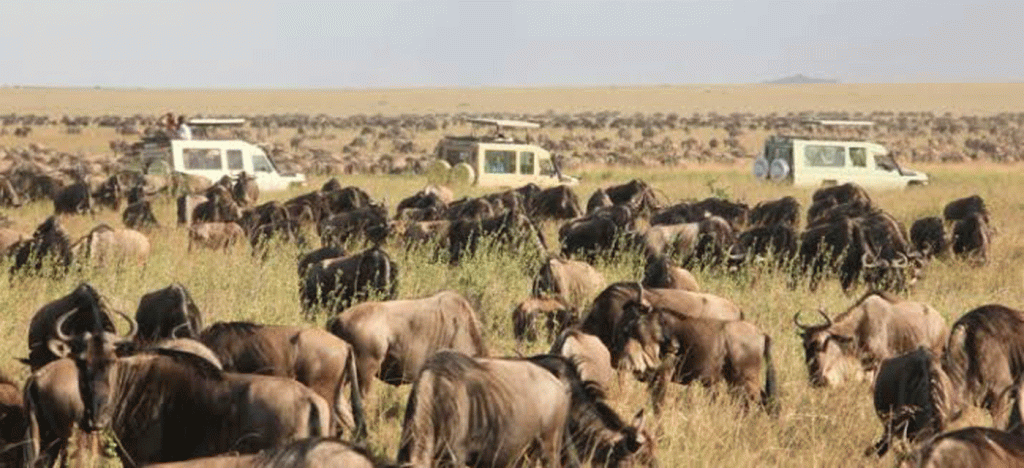
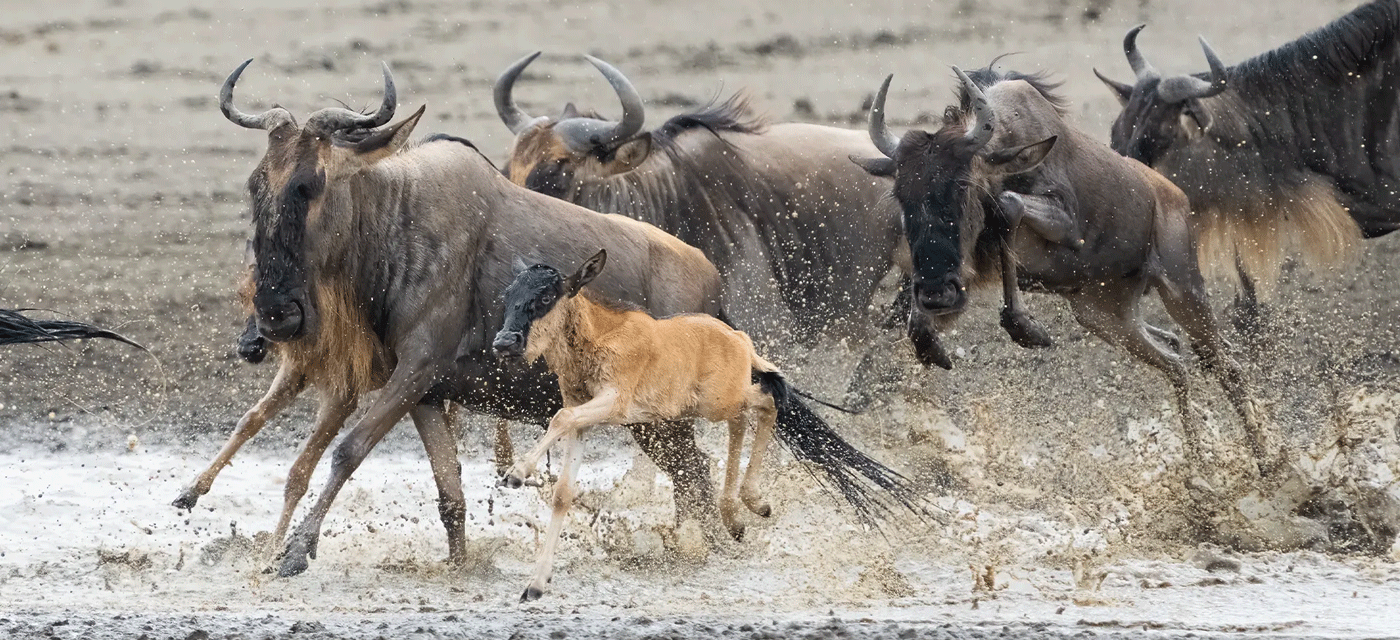
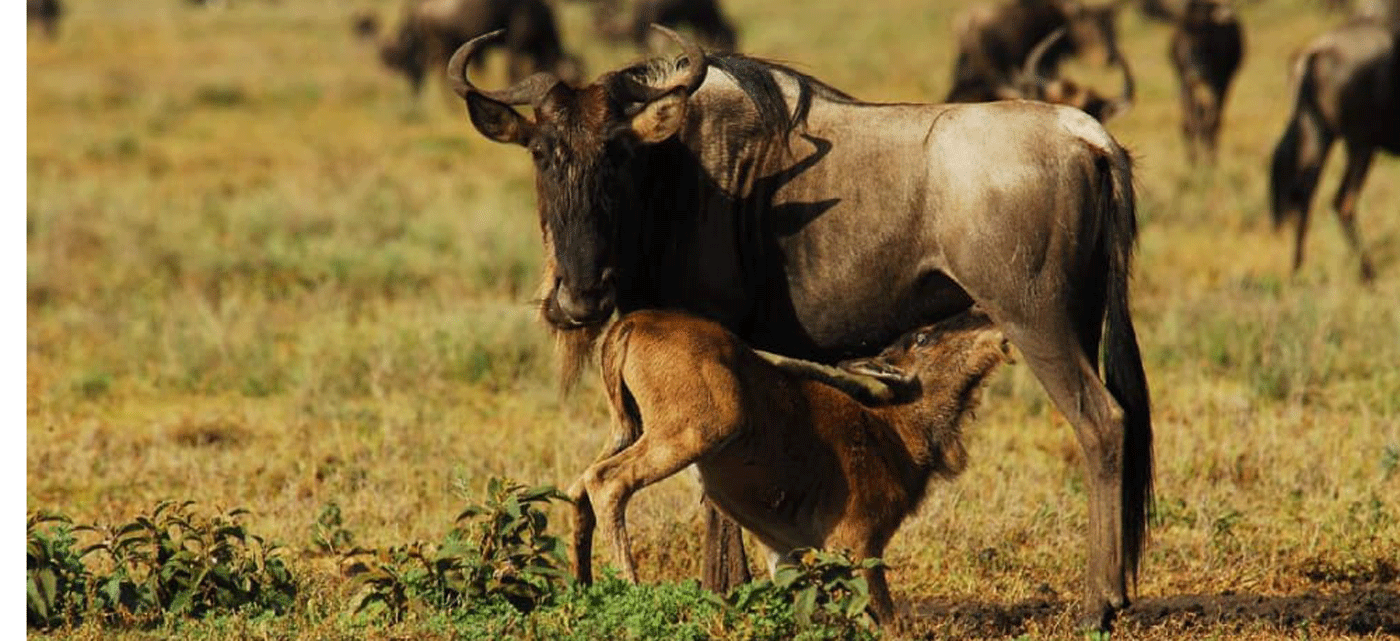
From December to March the southern Serengeti becomes the main center of wildlife activity as the Great Migration gathers around Ndutu for calving season. Hundreds of thousands of wildebeest give birth within a short period, creating an extraordinary spectacle of new life. The large number of vulnerable calves also draws lions, cheetahs, hyenas and other predators giving visitors excellent opportunities to watch intense wildlife interactions.
April and May bring the long rains transforming the Serengeti into a lush green landscape. Although many travelers consider these months the low season they offer beautiful scenery, excellent photography and fewer crowds. Heavy rain can, however, make some roads muddy and more challenging to navigate.
From June to July the migration moves northwest toward the Western Corridor. As the herds travel they begin encountering rivers, creating opportunities to witness dramatic crossings. Between August and October the migration reaches the northern Serengeti where wildebeest cross the Mara River. These famous crossings can produce unforgettable wildlife encounters including crocodile attacks.
November brings short rains and signals the migration’s gradual return south. Travelers can enjoy greener landscapes and quieter game drives. Ultimately, the best time depends on your goals. Choose July to October for river crossings, December to March for calving and predator action or the rainy seasons for fewer crowds and vibrant scenery.
Deciding How Long to Stay
Determining how long to stay in the Serengeti plays an important role in planning your safari because the number of days directly shapes the depth and quality of your experience. Many travelers underestimate the park’s vast size and the time they need to explore it properly. As a result short itineraries can create a rushed experience and limit wildlife encounters.
A two- or three-day safari can introduce you to the Serengeti but it may not provide enough time to explore its diverse landscapes. You might see several animals during your game drives, yet you could miss different wildlife areas, behaviors and seasonal movements. Spending more days gives you greater opportunities to experience the park at a comfortable pace.
For most travelers four to five days offer a strong balance. This timeframe allows you to enjoy several game drives, explore different areas and search for a wider variety of wildlife. You can also adjust your daily activities according to current sightings and conditions.
Travelers who want to follow the Great Migration or explore remote areas should consider six to eight days. A longer stay gives you greater flexibility to follow wildlife movements and respond to changing weather. It also allows you to enjoy each game drive without feeling pressured by time.
More time in the Serengeti can deepen your understanding of its ecosystem. You begin to recognize animal behavior, predator-prey relationships and seasonal patterns.
Ultimately choose your safari length according to your interests, budget and goals. For an immersive experience give yourself enough time to explore the Serengeti fully.
Choosing the Right Safari Style
Choosing the right safari style is one of the most important decisions when planning your Serengeti adventure. Your choice affects your comfort, budget, flexibility and how closely you experience the wildlife and natural environment. By understanding each option you can select a safari that matches your travel goals.
Private safaris offer the greatest flexibility and personalization. You travel with your own vehicle and guide allowing you to control your daily schedule. You can choose when to start game drives, how long to spend at wildlife sightings and which areas to explore. Photographers and travelers with specific interests often prefer private safaris because they can focus on experiences that matter most to them.
Group safaris provide a more affordable way to explore the Serengeti. You share a vehicle with other travelers which lowers the overall cost. Although sharing the schedule reduces flexibility group safaris create a social atmosphere where you can meet fellow wildlife enthusiasts and share memorable experiences.
Fly-in safaris help you save valuable travel time. Instead of spending many hours driving from Arusha you can fly directly into the Serengeti and enjoy spectacular aerial views of the landscape. Travelers often combine this option with comfortable lodges or camps.
Self-drive safaris offer greater independence but require strong navigation and off-road driving skills. Remote terrain and limited signage can make driving challenging.
Ultimately your priorities should guide your choice. Whether you value flexibility, affordability, convenience or independence, selecting the right safari style helps you enjoy a rewarding Serengeti experience.
Selecting the Best Accommodation
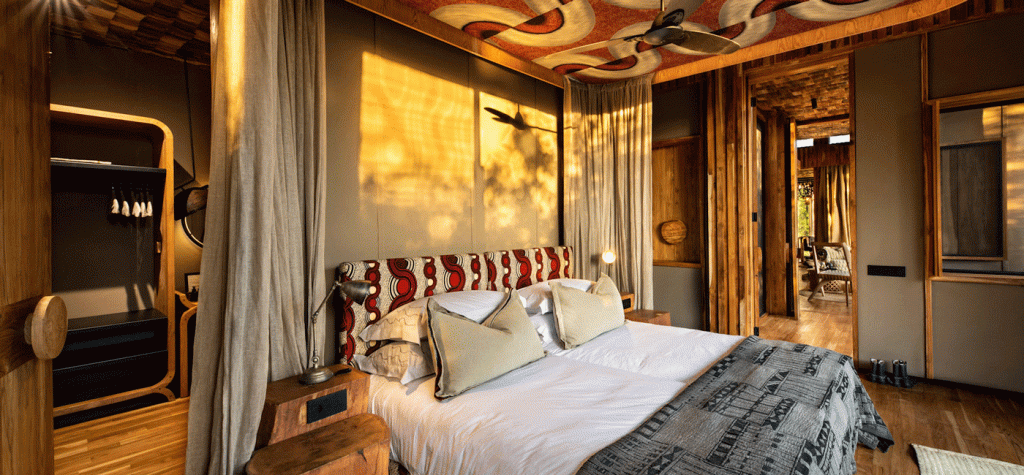
Accommodation is a key element of your Serengeti safari influencing both your comfort and your proximity to wildlife. The park offers a wide range of options from simple campsites to luxurious lodges each providing a different type of experience. Choosing the right accommodation requires careful consideration of your budget, travel style and desired level of immersion.
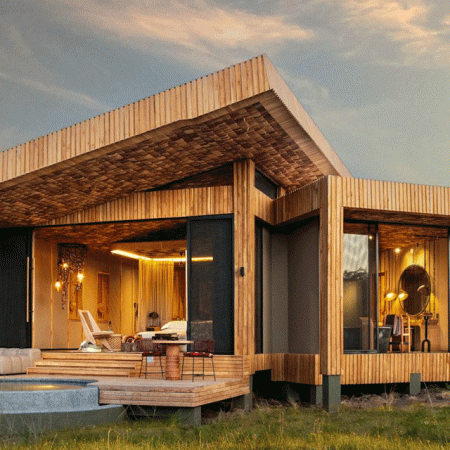
Luxury lodges are designed to provide maximum comfort while still allowing you to experience the beauty of the Serengeti. These lodges often feature spacious rooms, fine dining, swimming pools and panoramic views of the surrounding landscape. They are ideal for travelers who want to combine adventure with relaxation and high-end service.
Tented camps offer a unique blend of comfort and authenticity. Despite being called tents many of these camps are well-equipped with proper beds, en-suite bathrooms and stylish interiors. Staying in a tented camp allows you to feel closer to nature often hearing the sounds of wildlife at night which adds to the overall experience.
Budget campsites are the most affordable option catering to adventurous travelers who are willing to sacrifice some comfort for a more economical experience. These camps provide basic facilities but still offer access to the park and its wildlife.
Mobile camps are particularly interesting because they move with the Great Migration. This ensures that you are always close to the action maximizing your chances of witnessing key events. These camps can range from mid-range to luxury depending on the provider.
When selecting accommodation location is often more important than luxury. Being in the right area at the right time can greatly enhance your safari experience allowing you to spend more time observing wildlife and less time traveling.
Planning Your Safari Activities
A Serengeti safari offers more than just traditional game drives and planning your activities carefully can greatly enhance your overall experience. While wildlife viewing remains the main focus incorporating a variety of activities allows you to explore the ecosystem from different perspectives.
Game drives are the foundation of any safari. These are typically conducted early in the morning and late in the afternoon when animals are most active. Morning drives offer the chance to see predators returning from a hunt while afternoon drives provide opportunities to observe animals as they prepare for the night. Full day game drives are also an option allowing you to cover larger areas and increase your chances of unique sightings.
Hot air balloon safaris provide a completely different experience. Floating above the Serengeti at sunrise, you gain a bird’s eye view of the landscape and its wildlife. This peaceful and scenic activity is often followed by a bush breakfast making it both memorable and luxurious.
Walking safaris, where permitted offer a more intimate connection with nature. Accompanied by a trained guide you can learn about the smaller details of the ecosystem, such as animal tracks, plants and insects. This experience helps you appreciate the complexity of the environment beyond large animals. Cultural visits to Maasai communities add a human dimension to your safari. These visits provide insight into traditional lifestyles, customs and the relationship between people and wildlife.
By combining different activities, you create a richer and more diverse safari experience allowing you to connect with the Serengeti on multiple levels.
Understanding Wildlife and Expectations
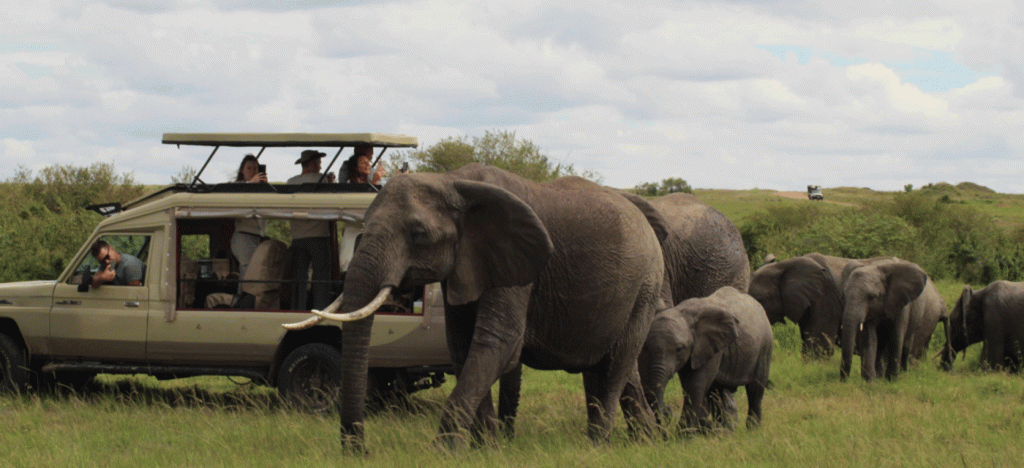
Understanding wildlife behavior and managing expectations are essential for a successful Serengeti safari. Unlike controlled environments the Serengeti is a natural ecosystem where animals move freely and behave according to their instincts. This unpredictability is part of what makes the experience so exciting but it also requires patience and an open mind.
The Serengeti is home to an incredible variety of wildlife, including the famous Big Five lion, leopard, elephant, buffalo and rhino. Lions are the most commonly seen predators often found resting in the shade or interacting within their prides. Leopards are more elusive and typically require patience to spot as they tend to stay hidden in trees or dense vegetation.
Animal behavior is influenced by factors such as time of day, weather and availability of food and water. Predators are generally more active during the cooler hours of the day making early morning and late afternoon the best times for game drives. Herbivores are often seen grazing in open areas or gathering near water sources.
It is important to understand that not every game drive will result in dramatic sightings. Some days may be quieter but they can still offer beautiful and meaningful moments. Watching a herd of elephants move across the plains or listening to the sounds of the savannah can be just as rewarding as witnessing a hunt.
Patience is key. The longer you stay and the more time you spend observing the more likely you are to experience extraordinary moments. A good guide also plays a crucial role using their knowledge to track animals and interpret behavior. By approaching your safari with realistic expectations and a sense of curiosity you can fully appreciate the richness of the Serengeti.
Budgeting for Your Safari
Budgeting plays an essential role in planning a Serengeti safari because you need to understand how different costs shape your overall trip. A safari combines guiding, transport, accommodation, meals, park fees and other services so your choices can significantly affect the final price. Planning carefully helps you control expenses, avoid unexpected costs and get better value from your safari.
Start by considering Serengeti park fees. The government charges these fees per person and per day to support conservation, wildlife protection and park maintenance. Most safari packages include these charges but always confirm what your package covers before booking.
Accommodation also has a major impact on your budget. You can choose from public campsites, mid-range tented camps and luxury lodges. Budget options provide basic facilities and help reduce costs, while mid-range camps balance comfort and affordability. Luxury properties offer premium services, excellent locations and enhanced comfort. Choose accommodation that matches both your budget and travel priorities.
Transportation can also represent a significant expense. Road safaris from Arusha include fuel, vehicle costs and long-distance travel while fly-in safaris offer faster access to the Serengeti at a higher price. Private safaris generally cost more than shared trips but they give you greater flexibility and personalized experiences.
Remember to budget for additional expenses such as guide and staff tips, travel insurance, visa fees and international flights. Meals often come with safari packages but confirm the inclusions before booking.
Ultimately focus on value rather than simply choosing the cheapest option. Investing in experienced guides, reliable vehicles and suitable accommodation can make your Serengeti safari more comfortable, rewarding and memorable.
Packing for the Serengeti
Packing for a Serengeti safari requires thoughtful preparation to keep you comfortable, practical and ready for changing conditions. A safari involves long hours outdoors, changing temperatures and close contact with nature so you should choose every item carefully.
Pack lightweight breathable clothing in neutral colors such as khaki, beige or olive green. These colors help you blend into the environment and reduce attention from insects. Avoid bright colors and dark shades such as black and blue because tsetse flies may be more attracted to them. Use layers because temperatures can change significantly during the day. Early mornings can feel cold during game drives while afternoons often become warm and sunny.
Choose comfortable closed shoes for walking around camps and joining walking safaris. Wear a wide-brimmed hat and sunglasses to protect yourself from the sun and apply sunscreen during outdoor activities.
Bring binoculars to improve wildlife viewing and a camera to capture memorable moments. Carry extra batteries, power banks and memory cards so you can keep photographing throughout your safari.
Pack insect repellent, a reusable water bottle, personal medications and a small first-aid kit for minor needs. Since many lodges provide toiletries and laundry services avoid packing unnecessary items.
Choose a soft-sided bag especially for fly-in safaris because it fits more easily inside small aircraft and safari vehicles. Avoid hard suitcases when possible. Smart packing reduces discomfort, keeps your luggage manageable and helps you focus on enjoying the Serengeti.
Health and Safety Considerations
Health and safety play an essential role in planning a Serengeti safari and proper preparation helps you enjoy the experience with confidence. Although the Serengeti remains a well-managed destination its remote and wild environment requires visitors to take sensible precautions.
Before traveling consult a healthcare professional or travel clinic about recommended vaccinations and health precautions. Depending on your travel history and destination requirements you may need vaccinations such as yellow fever. Malaria also occurs in the region so discuss appropriate preventive medication with a qualified medical professional. Use insect repellent and wear long sleeves in the evening to reduce mosquito exposure.
During your safari always follow your guide’s instructions. Experienced guides understand animal behavior and know how to maintain safe distances. Stay inside the safari vehicle during game drives because wildlife can react unpredictably to sudden movement. Avoid loud noises, never approach animals, and maintain a respectful distance to protect both yourself and wildlife.
Stay hydrated throughout the day especially during warm weather. Drink plenty of safe water and protect yourself from the sun with a hat, sunglasses and sunscreen. Reputable lodges and camps generally follow good food-safety practices, while bottled or properly filtered water provides an additional precaution. Carry basic personal medications for common problems such as headaches or stomach discomfort.
Travel insurance also provides valuable protection against medical emergencies, cancellations, delays and other unexpected situations. Because medical facilities can be limited in remote safari areas comprehensive insurance offers important support when you need it most. With careful preparation you can enjoy your Serengeti safari safely and comfortably.
Booking Your Safari
Booking your Serengeti safari is the stage where your plans become reality and it requires careful research and thoughtful decision-making. The quality of your safari experience depends heavily on the operator or provider you choose making this step one of the most important in the planning process.
There are several ways to book a safari. Many travelers choose to work with tour operators who specialize in Tanzanian safaris. These companies handle all logistics, including transportation, accommodation, park permits and guiding services. This approach is convenient and ensures that all aspects of your trip are professionally managed.
When selecting a tour operator, it is important to look for experience, reputation and reliability. Reading reviews, checking certifications and asking for detailed itineraries can help you make an informed choice. A good operator will be transparent about costs, inclusions and expectations.
Another option is booking directly with lodges or camps especially if you are planning a luxury or customized safari. This approach allows for greater flexibility in designing your itinerary but it may require more effort in coordinating transportation and activities.
Timing is crucial when booking your safari. The Serengeti is a popular destination particularly during peak seasons such as the Great Migration. Booking several months in advance ensures availability and gives you access to the best accommodations and guides. Communication is key to a successful booking. Clearly express your preferences, including travel dates, budget and interests. Whether you want to focus on photography, migration or a relaxed experience sharing this information helps create a tailored itinerary.
A well-planned booking process ensures a smooth and enjoyable safari allowing you to focus on the experience rather than logistical challenges.
Why the Serengeti Stands Above the Rest
The Serengeti is often regarded as the ultimate safari destination and for good reason. Its combination of vast landscapes, abundant wildlife and natural authenticity creates an experience that is difficult to match anywhere else in the world. While many regions offer wildlife viewing the Serengeti stands apart due to its scale and ecological integrity.
One of the most striking features of the Serengeti is its openness. The endless plains create a sense of freedom and continuity allowing animals to move naturally without restriction. This results in more authentic behavior and more meaningful wildlife encounters. Visitors are not simply observing animals they are witnessing a functioning ecosystem.
The Great Migration is the defining event of the Serengeti. This continuous movement of millions of wildebeest, zebras and gazelles is driven by the search for food and water. It is a powerful reminder of nature’s resilience and adaptability. Witnessing this event is not just visually impressive but also emotionally impactful.
The Serengeti is also home to one of the highest concentrations of predators in Africa. Lions, leopards, cheetahs and hyenas are frequently seen providing opportunities to observe hunting behavior and social dynamics. Combined with the diversity of birdlife and other species the park offers a complete wildlife experience.
Beyond the animals the Serengeti’s landscapes are breathtaking. Sunrises and sunsets transform the plains into vibrant scenes creating moments of quiet reflection and awe. The connection you feel with nature here is profound and lasting.
What truly sets the Serengeti apart is its ability to immerse you fully in the natural world offering an experience that goes beyond sightseeing and becomes deeply personal.
Frequently Asked Questions
1. How do I plan the perfect Serengeti safari adventure?
Start by choosing the best travel season, deciding how many days you need, selecting a safari style and accommodation, planning activities, setting a realistic budget and booking a reliable tour operator.
2. What is the best time to visit the Serengeti?
The best time depends on your interests. Visit from December to March for calving and predator action, June to October for migration activity and river crossings or during the rainy seasons for greener landscapes and fewer crowds.
3. How many days do I need for a Serengeti safari?
Four to five days provide a good balance for most travelers. Consider six to eight days if you want to explore multiple regions follow the Great Migration or enjoy a slower and more immersive safari.
4. What safari style should I choose in the Serengeti?
Private safaris suit travelers who want flexibility and personalized experiences. Group safaris offer a more affordable option while fly-in safaris save travel time. Your budget, interests and preferred level of flexibility should guide your choice.
5. Where should I stay during a Serengeti safari?
You can choose from luxury lodges, tented camps, mobile camps and budget campsites. Consider location carefully because staying close to key wildlife areas can reduce travel time and improve your game-viewing opportunities.
6. What activities can I do in the Serengeti besides game drives?
Depending on the area and regulations, activities can include hot air balloon safaris, walking experiences and cultural visits. Combining activities with game drives can give you a broader understanding of the Serengeti.
7. What should I pack for a Serengeti safari?
Pack lightweight neutral-colored clothing, comfortable closed shoes, a hat, sunglasses, sunscreen, insect repellent, binoculars, a camera, personal medications and a reusable water bottle. A soft-sided bag is useful for fly-in safaris.
8. How much does a Serengeti safari cost?
The cost varies according to accommodation, safari style, number of days, transportation and season. Private and luxury safaris generally cost more, while group safaris and budget camps can provide more affordable options.
9. Is the Serengeti safe for visitors?
The Serengeti is generally safe when travelers follow their guide’s instructions and park regulations. Stay inside the safari vehicle when required, maintain a safe distance from wildlife and avoid approaching animals.
10. How far in advance should I book a Serengeti safari?
Booking several months in advance is recommended especially for peak periods such as the Great Migration. Early booking can provide better access to preferred accommodations, vehicles, guides and travel dates.
11. Can I see the Great Migration in the Serengeti year-round?
The Great Migration moves continuously throughout the year but different regions become important at different times. The southern Serengeti is especially significant during calving season while northern areas become important during later migration months.
12. Why choose Serengeti Travels for a Serengeti safari?
Serengeti Travels can help travelers plan their safari around their preferred dates, budget, accommodation level, wildlife interests and travel style making the planning process easier and more personalized.
Conclusion
Planning the perfect Serengeti safari adventure requires careful thought, research and preparation. Every decision, from choosing the best time to visit to selecting accommodation and activities, shapes your overall experience. While the planning process may seem complex, it also creates excitement as you design the adventure ahead. Serengeti Travels helps you organize these important details and create a safari that matches your interests, schedule and travel style.
The Serengeti offers far more than wildlife viewing. It gives you the opportunity to experience nature on its own terms and connect with one of Africa’s most remarkable ecosystems. Whether you watch wildebeest cross the plains, observe lions resting after a hunt or admire the endless landscapes every moment can create a lasting memory.
By investing time in proper planning you improve your chances of experiencing extraordinary wildlife encounters, exploring diverse landscapes and understanding the ecosystem more deeply. With local knowledge and thoughtful preparation Serengeti Travels can help you make informed decisions throughout your journey.
Ultimately the Serengeti is more than a destination it is an experience that stays with you long after you leave. With the right preparation and a well-planned itinerary, your safari becomes more than a trip it becomes a meaningful story, a lasting memory and a connection to the wild that you can carry for a lifetime.